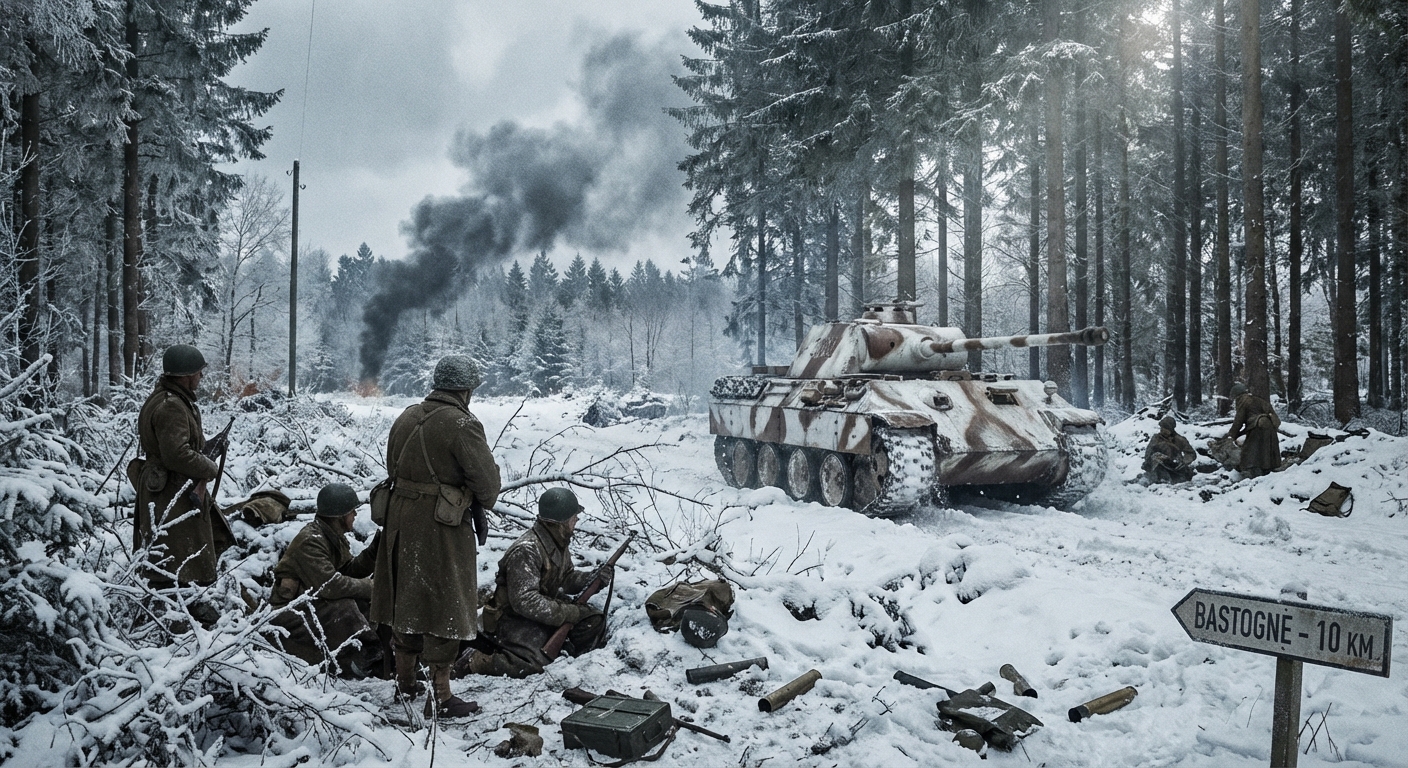
Battle of the Bulge
In the frozen Ardennes, Germany bet on surprise, weather, and speed to split the Allied front. The result was a savage winter campaign in which road junctions, fuel dumps, and hours of delay decided the fate of an offensive too ambitious for its means.
How the battle was set up
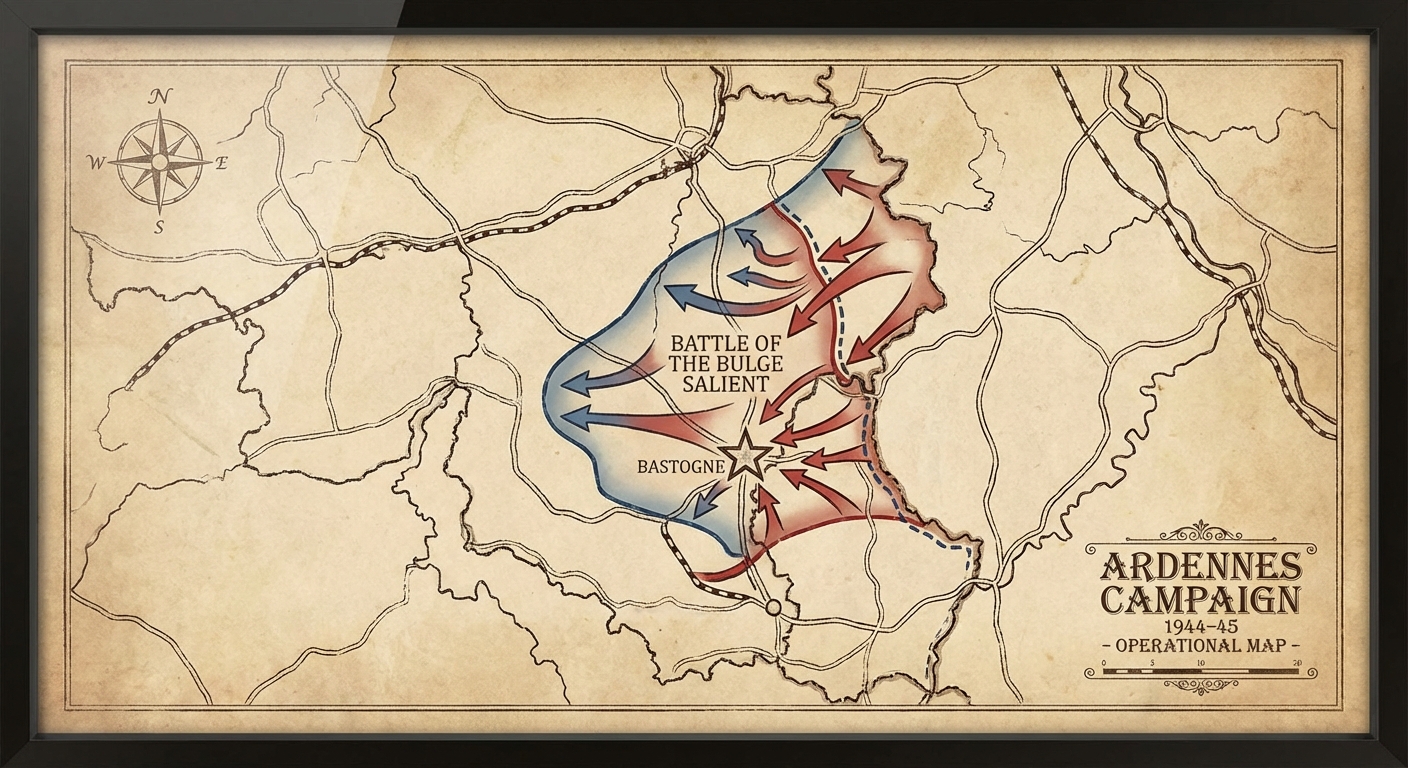
Hitler aimed to rupture the thinly held Allied line in the Ardennes, cross the Meuse, seize Antwerp, and split the British and American armies. It was a political and operational gamble built on the hope that surprise and bad weather would blunt Allied airpower.
The Germans achieved the first condition. U.S. units in a quiet sector were hit hard, front lines bent backward, and a bulge opened on the map. But the deeper requirements, speed, fuel, road control, and coherent exploitation, proved harder to meet.
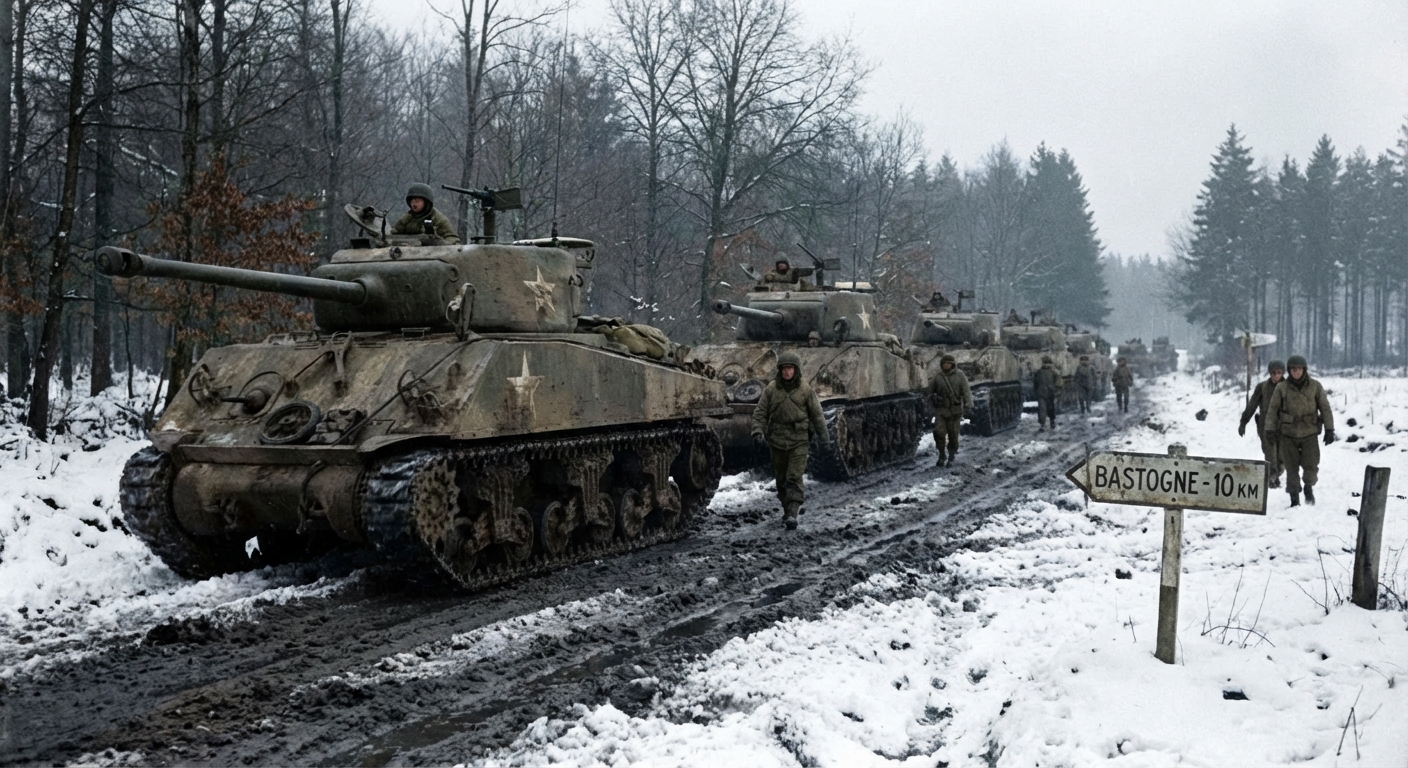
The Ardennes was a commander's nightmare of forests, ridges, villages, and narrow roads. This was not ideal ground for a mechanized breakthrough unless every traffic junction fell in sequence. Delay at one town could unravel operations far beyond that point.
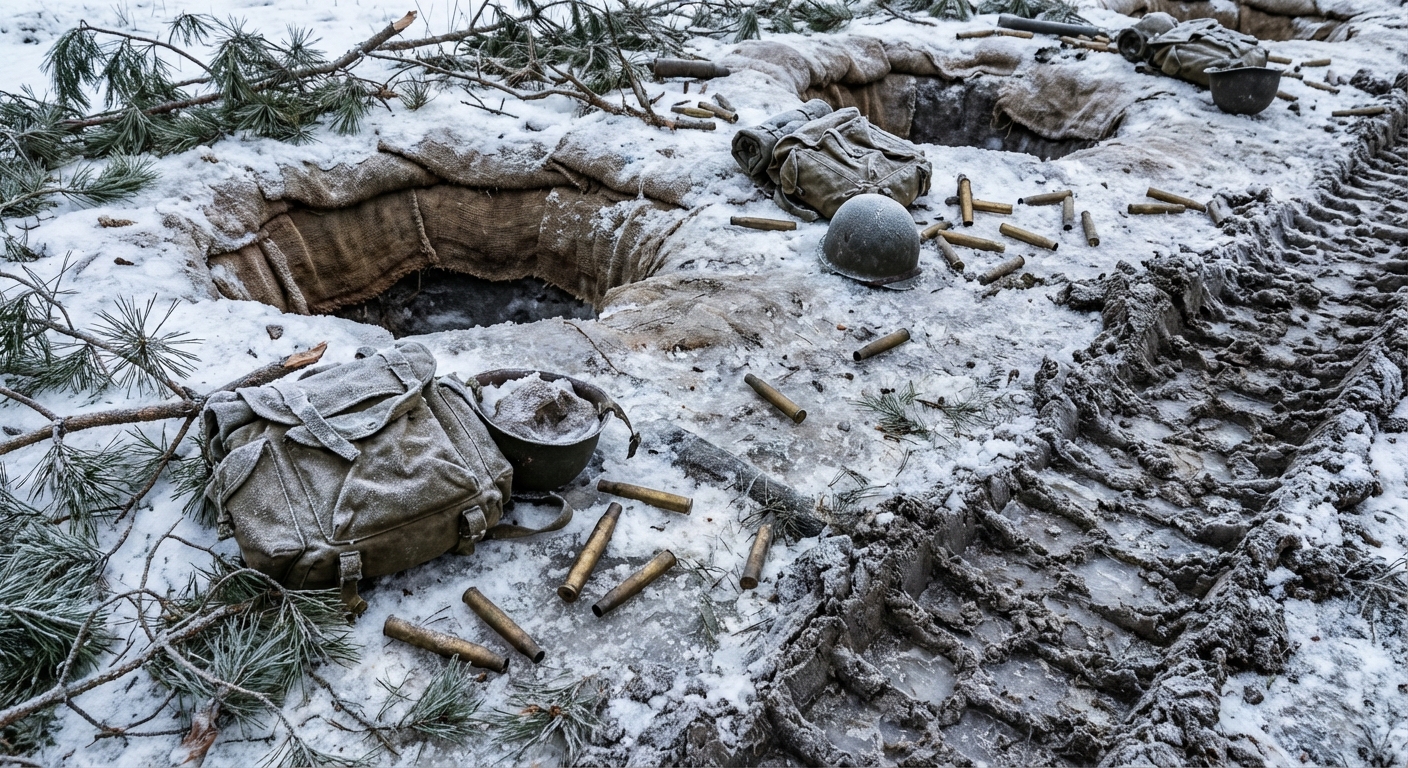
Dense woods, icy roads, steep valleys, and constricted movement corridors made the Ardennes a traffic battle as much as a firepower battle. Snow and fog initially protected German movement from Allied aircraft, but they also complicated navigation, resupply, and recovery.
Who fought, with what, and why it mattered
German striking force
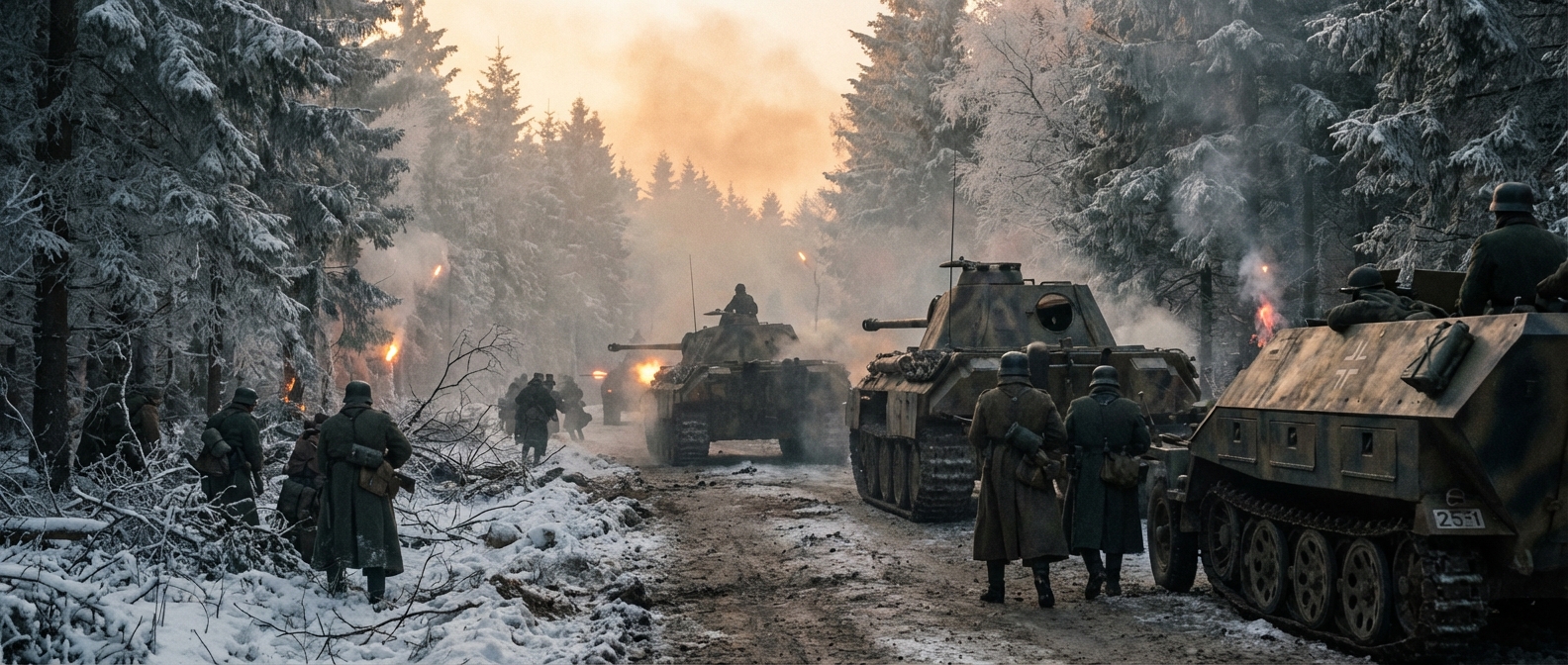
Army Group B committed elite formations including Sixth Panzer Army and Fifth Panzer Army, with Volksgrenadier divisions and armored spearheads intended to rupture the line and race west. The plan assumed captures of Allied fuel and road hubs.
American defense
U.S. V and VIII Corps sectors absorbed the initial blow. Units such as the 101st Airborne at Bastogne, combat commands of armored divisions, and countless engineers, artillerymen, and improvised blocking groups bought time by holding key junctions.
Combat system
German success required operational tempo. American success required friction, localized resistance, artillery responsiveness, and time until weather cleared and reserves arrived.
The fighting system behind the headlines
The battle was won by the side that better exploited delay. German assault groups often penetrated first-line positions, but they then encountered blown bridges, traffic jams, stubborn villages, and artillery-directed roadblocks. Every hour lost on the road consumed fuel and daylight.
American command gradually stabilized the front through elastic defense and rapid movement of reserves. Bastogne mattered not because it was the only fight, but because road networks converged there. Holding it forced German columns to detour, lose cohesion, and cede initiative.
Once skies cleared, Allied airpower returned as a system multiplier. The offensive had been designed around a narrow window of weather and momentum. When that window closed, the German attack became an exposed salient under mounting pressure.
Phases of the fight
Phase I, surprise assault
On 16 December, German artillery and infantry strike through the Ardennes, rupturing thinly held American sectors and creating deep confusion.
Phase II, race for the road net
German armored columns push toward St. Vith, Bastogne, and the Meuse crossings, but congestion, resistance, and logistics begin to erode momentum.
Phase III, Bastogne and the weather break
American defenders hold key junctions while improved weather allows Allied aircraft to strike German columns and supply lines.
Phase IV, counteroffensive and reduction
Patton's Third Army attacks north, other Allied formations squeeze the salient, and by late January the bulge is reduced at enormous cost.
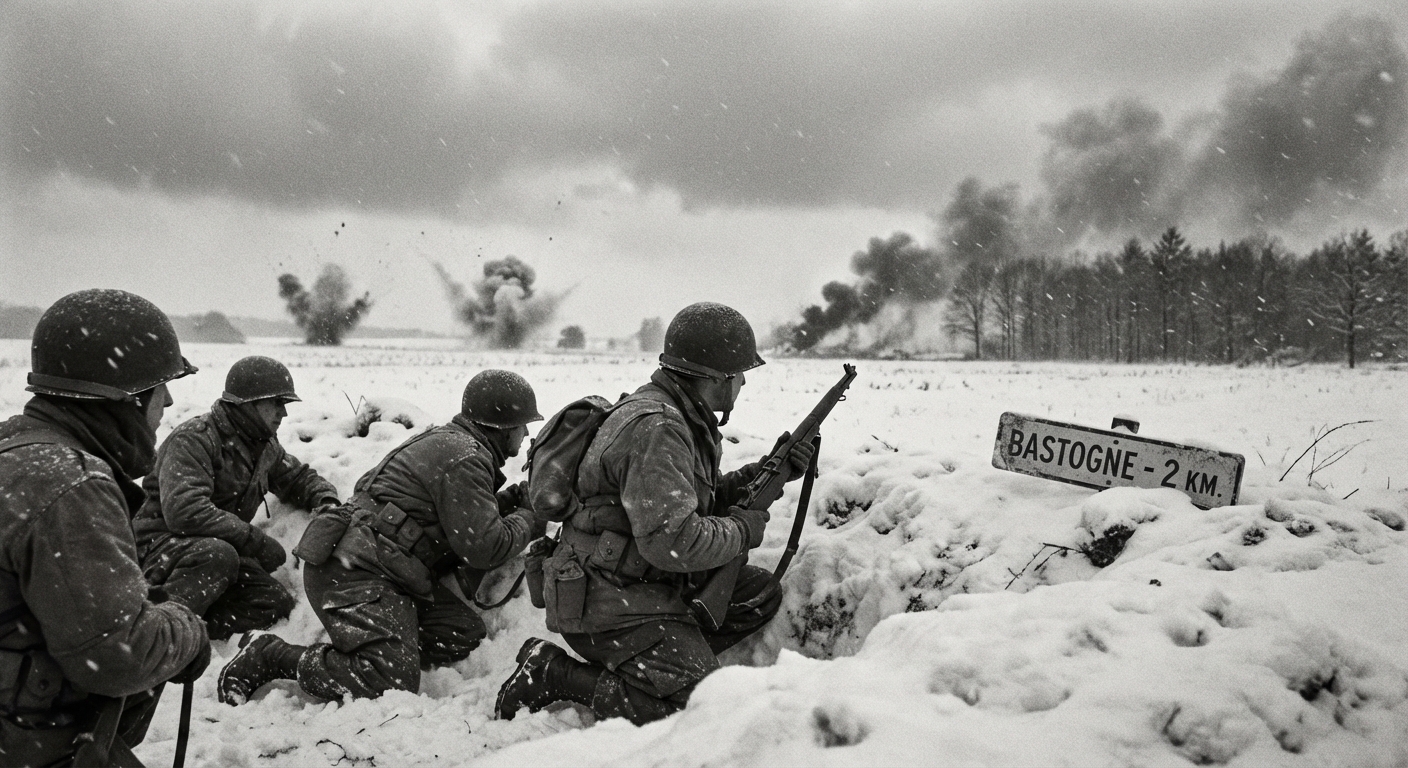
The offensive outruns itself
The turning point came when the German spearheads failed to convert initial surprise into operational rupture. Bastogne stayed in Allied hands, St. Vith delayed movement, fuel shortages mounted, and the attack lost the tempo it needed before reaching the Meuse.
The Bulge spent Germany's last meaningful armored reserve in the west and accelerated the collapse that would follow in 1945. Even where the Allies were shocked tactically, they retained the deeper advantages of manpower, fuel, artillery, and airpower. Germany could still attack, but it could no longer sustain strategic possibility.
Casualties, losses, and the price of decision
The campaign inflicted severe casualties on both sides, with the United States suffering tens of thousands of killed, wounded, missing, and captured. German losses in men, tanks, guns, trucks, and fuel were ruinous because they could not be replaced.
The damage extended beyond battle casualties. The offensive consumed transport, command energy, and elite formations that Germany desperately needed for defense against converging Allied offensives east and west.
Myth: Bastogne alone decided the battle.
Reality: Bastogne was vital, but the Bulge was decided across the whole road network, especially by compounded delays, fuel starvation, and the recovery of Allied command coherence.
Myth: The Germans nearly won the war in the west.
Reality: The offensive was dangerous and costly, but its objectives were far beyond German sustainment capacity even if local successes had been greater.
Myth: Weather only helped Germany.
Reality: It masked the opening blow, but winter conditions also hampered German movement, maintenance, and resupply.
What remained after the shooting stopped
The Ardennes remains the definitive warning against confusing surprise with feasibility. German troops fought hard and initially shocked the Allies, yet the plan demanded a chain of optimistic assumptions that battlefield friction rapidly exposed.
For American military memory, the campaign became a story of endurance under shock: small-unit resistance, artillery discipline, and the recovery of initiative under bleak conditions. For historians, it is one of the clearest examples of operational overreach in the final phase of a lost war.
- Charles B. MacDonald, A Time for Trumpets
- Antony Beevor, Ardennes 1944
- Hugh M. Cole, The Ardennes: Battle of the Bulge
- Primary angle: U.S. First Army reports and German operational directives for Wacht am Rhein.