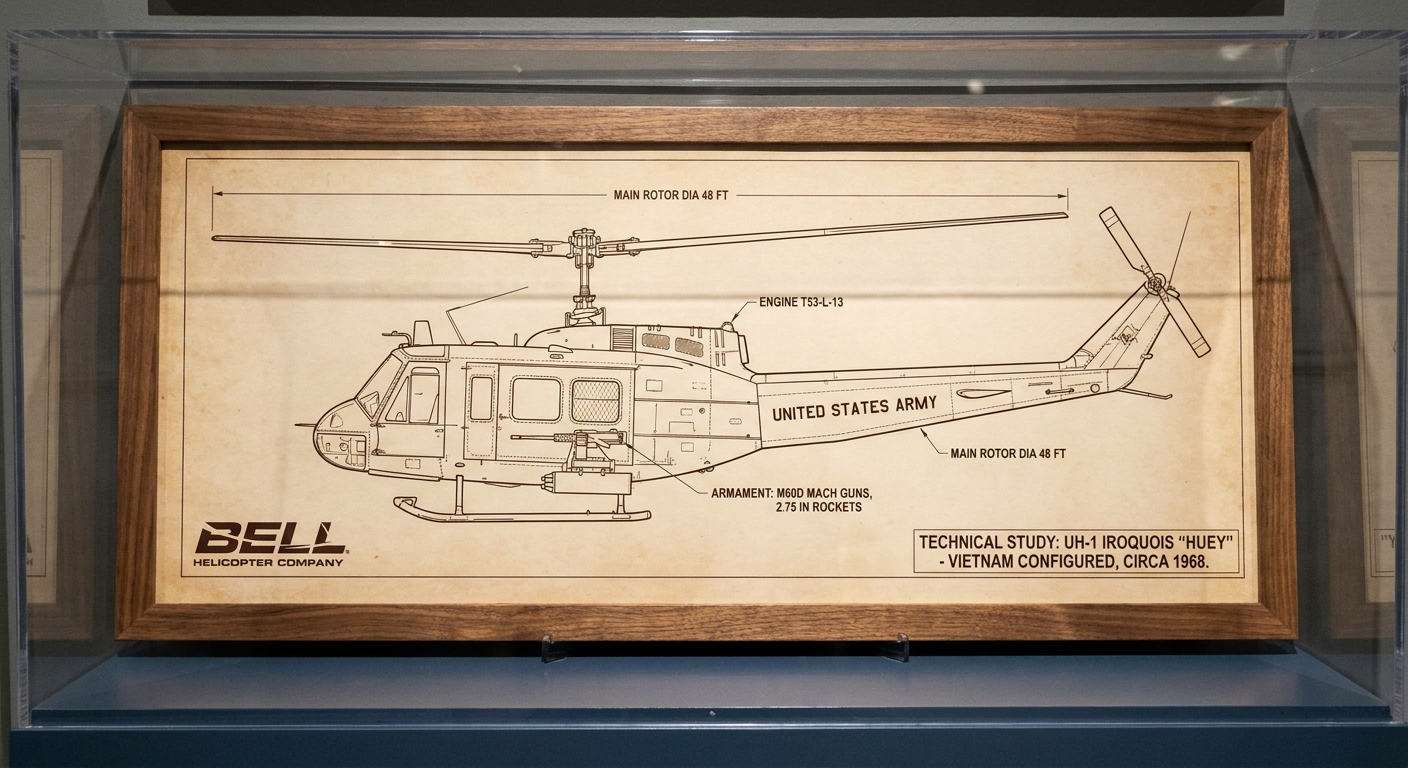
UH-1 Huey
The aircraft that made airmobile warfare possible and exposed every landing zone to instant crisis.
Helicopters Into the Valley
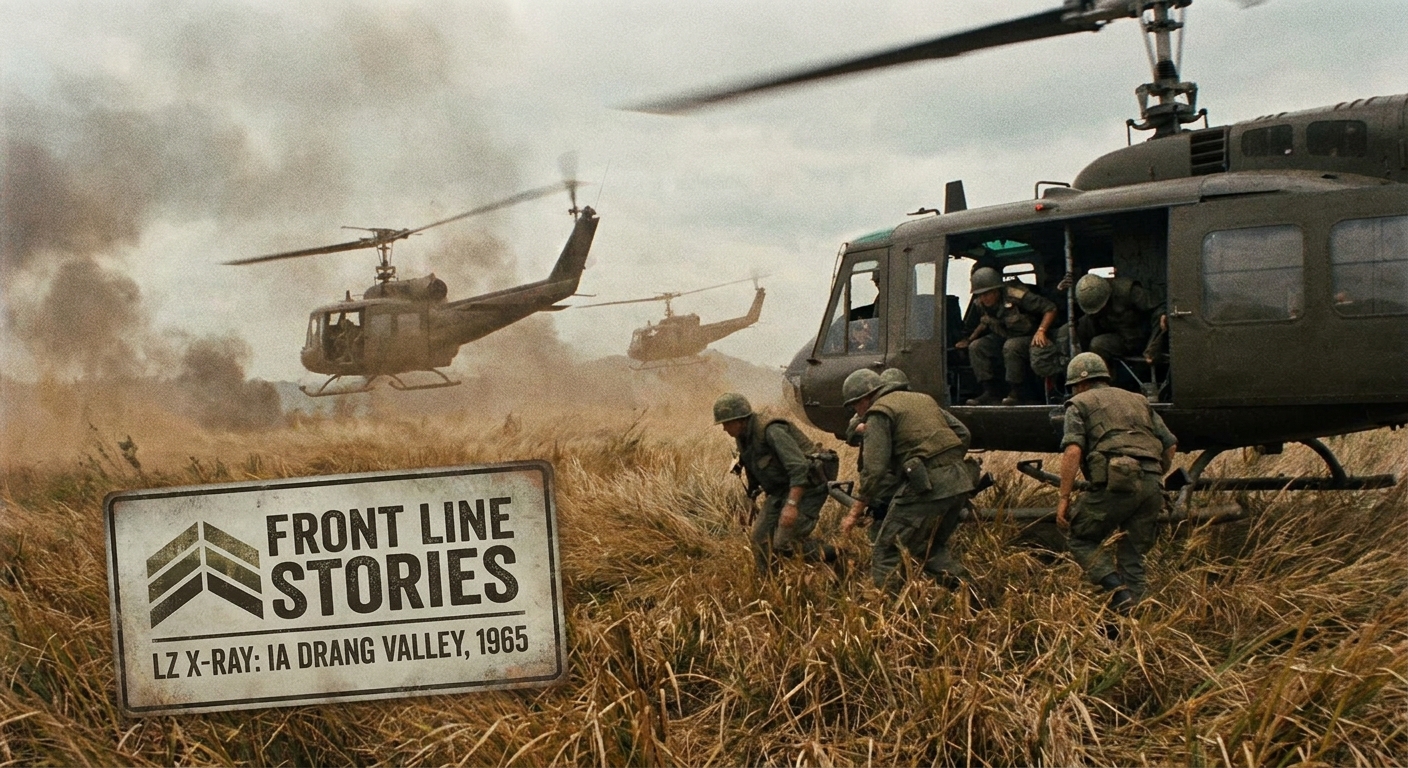
Hueys beat the air flat over Chu Pong. America enters battle by rotor wash.
Ia Drang was the first great collision between U.S. airmobile doctrine and the North Vietnamese Army's regular formations. In November 1965, Lieutenant Colonel Hal Moore's 1st Battalion, 7th Cavalry flew into Landing Zone X-Ray beneath the Chu Pong Massif and found what every army says it wants and almost never does, the enemy in strength and at close range.
The helicopters brought speed, flexibility, and surprise. They also delivered men into a small clearing ringed by scrub, elephant grass, and rising ground, exactly the sort of place where an enemy willing to close fast could turn mobility into exposure.
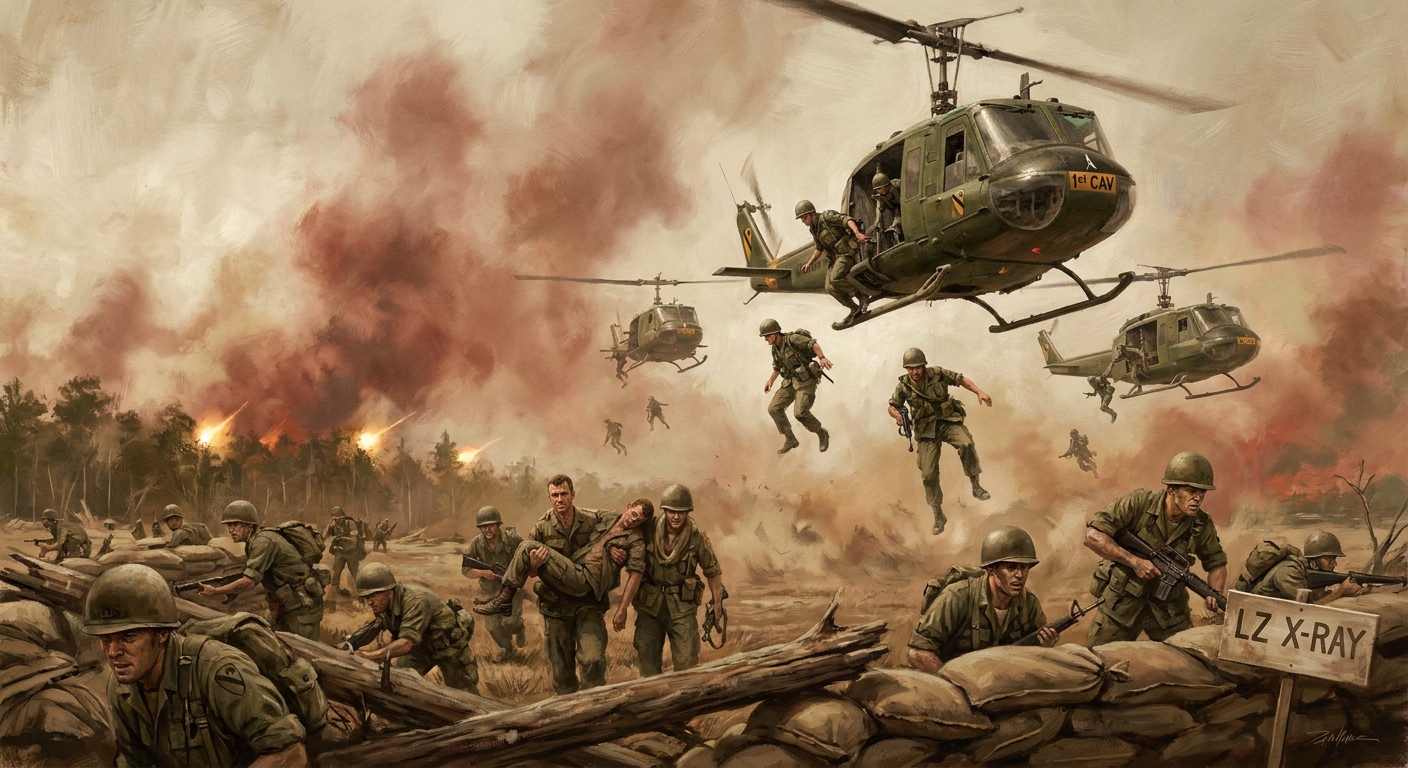
Moore built his perimeter while the next lifts were still inbound.
Moore's battalion arrived in packets, companies landing one after another while scouts and riflemen felt the pressure building beyond the trees. PAVN troops from the 33rd and 66th Regiments were already in the area. The fight became immediate, intimate, and unambiguous. Patrols vanished into the brush. Platoons were cut off. Artillery and air support were called in dangerously close.
Ia Drang showed both sides the same thing, that this war would punish whoever lost contact for even a moment.
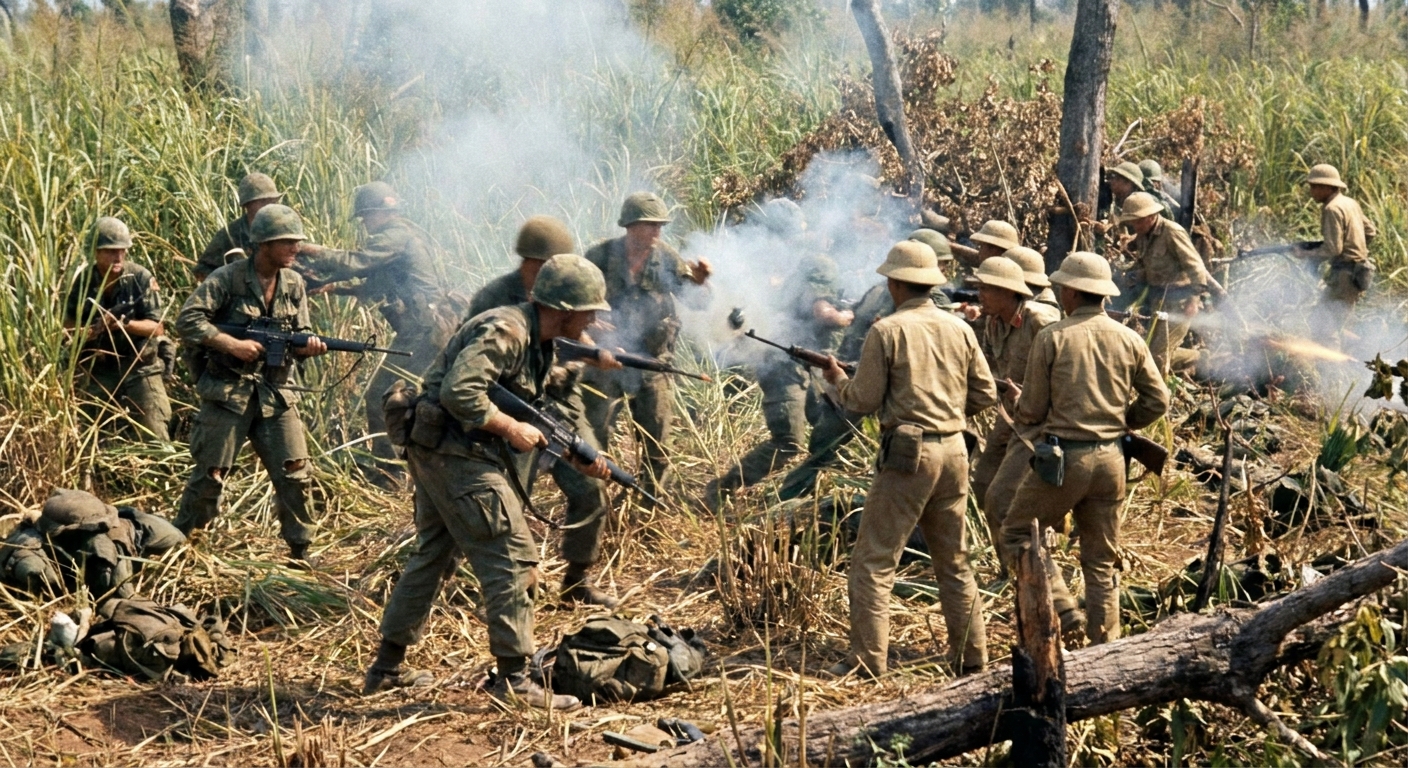
At X-Ray, Moore held by stitching together perimeter, artillery, and will.
For three days the fighting at X-Ray surged around a shrinking patch of ground. American firepower was immense, tube artillery from Falcon, rocket fire, tactical aircraft, and helicopter resupply under fire. But the PAVN answer was equally clear, close the distance, grab the Americans by the belt, and make their guns harder to use.
One of the battle's defining moments came when a "broken arrow" call announced a U.S. unit in danger of being overrun, drawing every available aircraft into the fight. Moore's leadership, disciplined fields of fire, and constant control under pressure kept the battalion from being shattered.
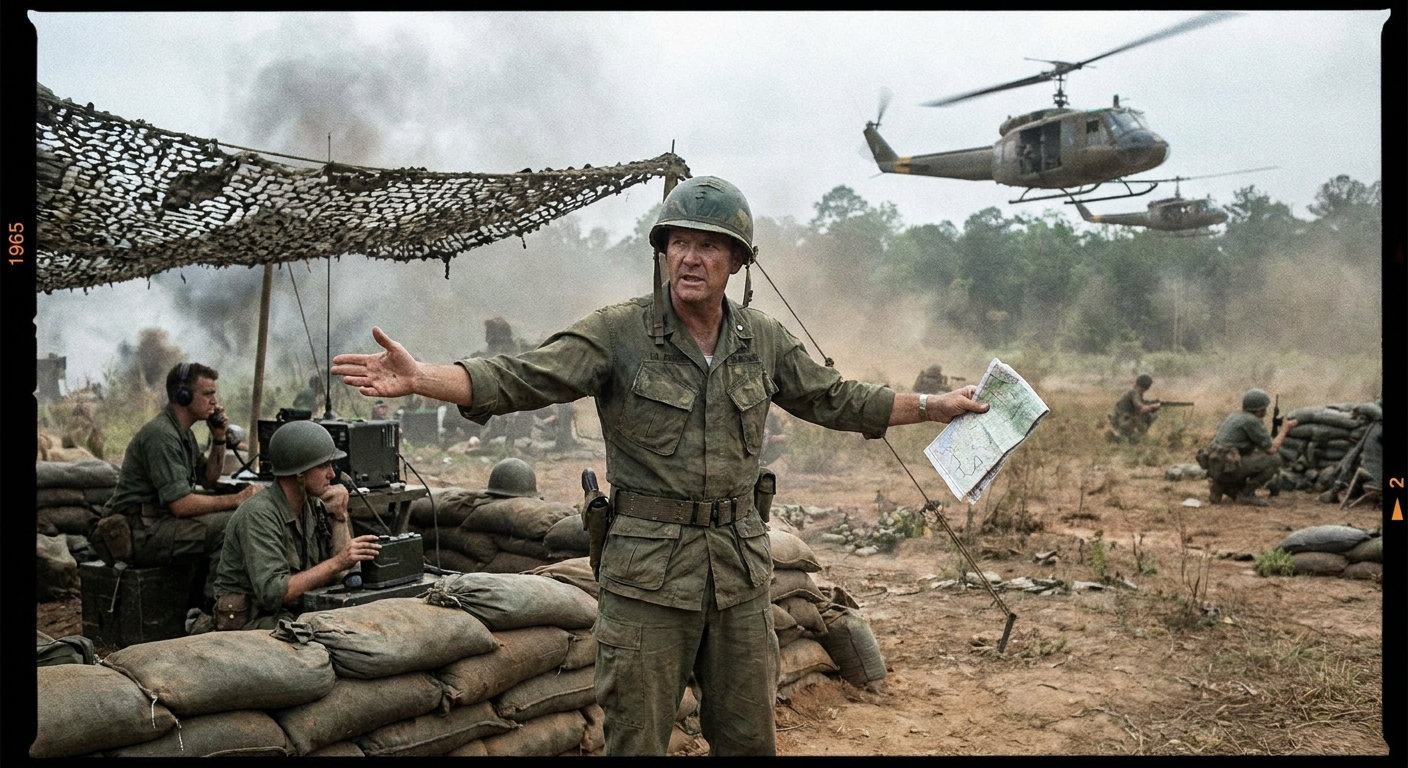
The PAVN did not collapse under fire. They adapted, closed, and came again.
Then came LZ Albany. As American units moved after X-Ray, an ambush tore into the column with terrible effect. Men bunched in elephant grass were hit at near point-blank range. Whatever illusion remained that superior mobility alone could impose order on Vietnam died there in minutes.
Ia Drang was not a neat victory for either side. The Americans could point to body counts and ground held. The North Vietnamese could point to the fact that they had stood toe to toe with U.S. troops and discovered a brutal formula for blunting American advantages.
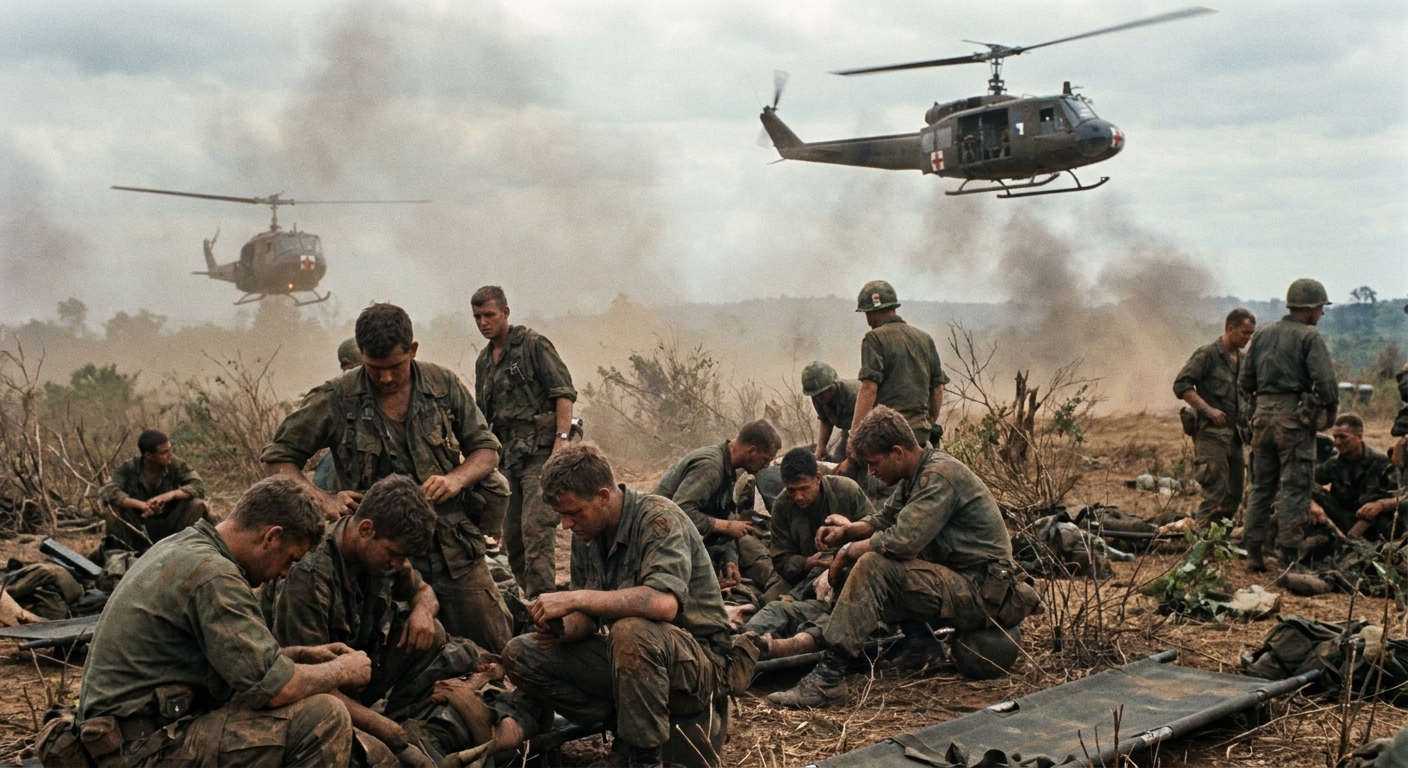
Albany was the warning label attached to the whole battle.
What Ia Drang revealed was the shape of the long war to come, helicopters and artillery on one side, concealment and tenacity on the other, both learning at speed. For the 1st Cavalry it became a legend of endurance. For Hanoi it proved that the Americans bled and could be drawn into costly close combat.
The valley did not settle the war. It introduced it.
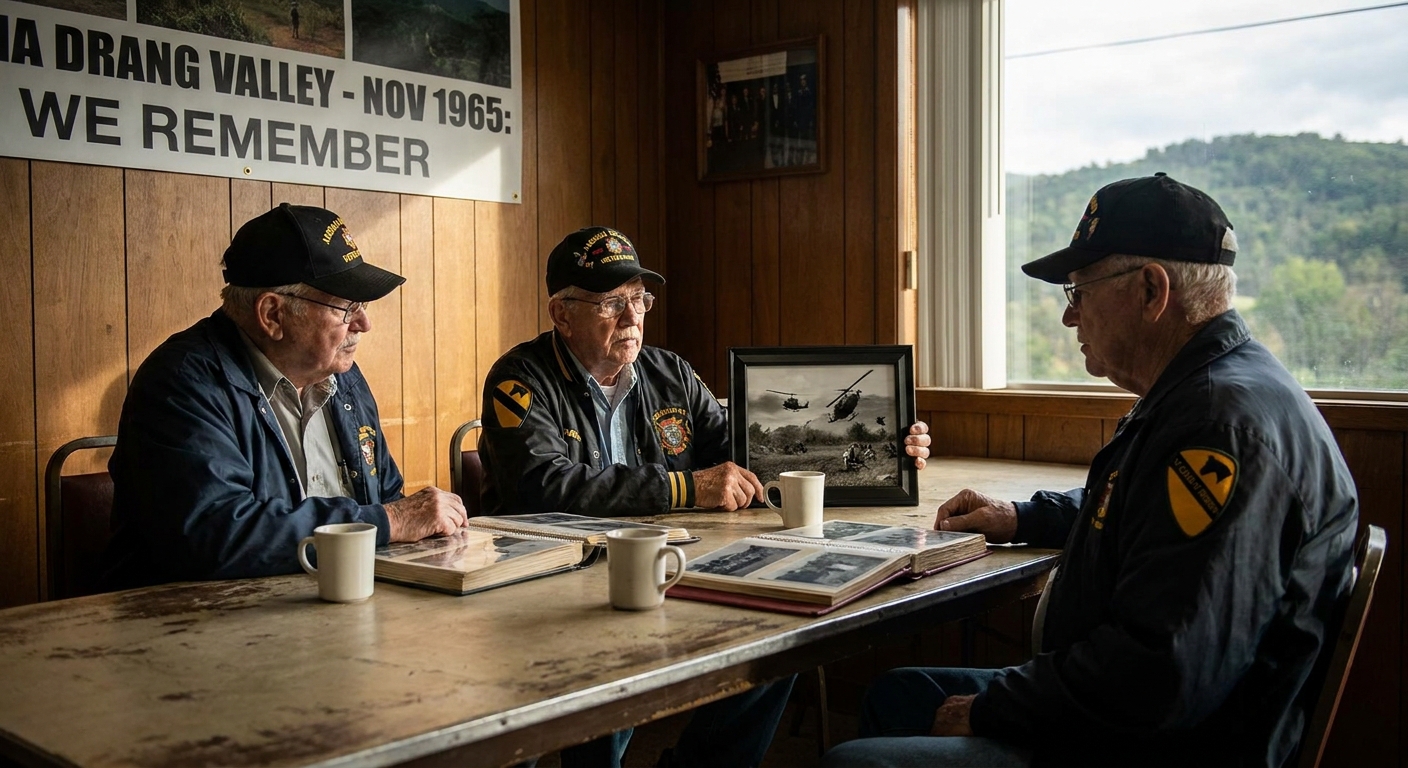
Ia Drang entered memory as both first test and first warning.
The aircraft that made airmobile warfare possible and exposed every landing zone to instant crisis.
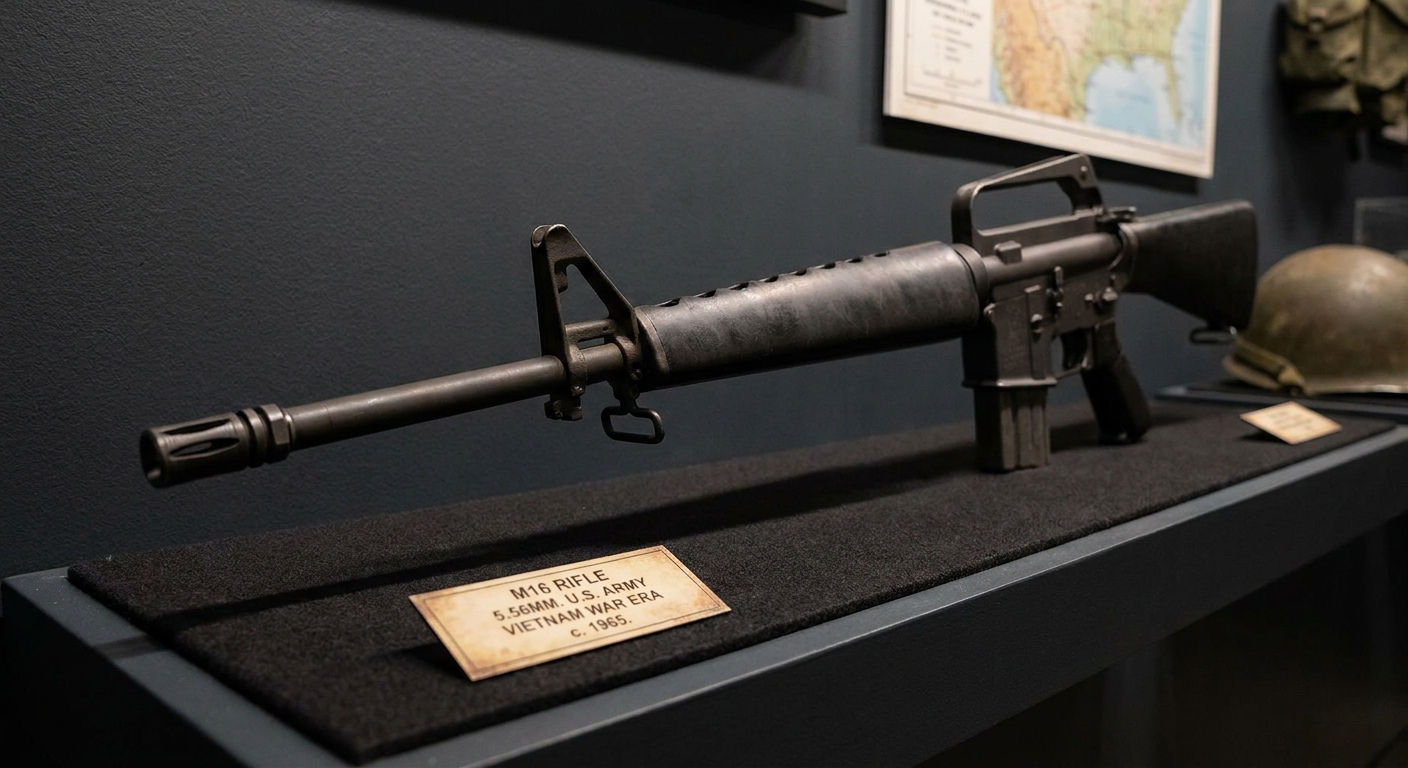
Still early in its combat story, carried through jungle close fights at X-Ray and Albany.
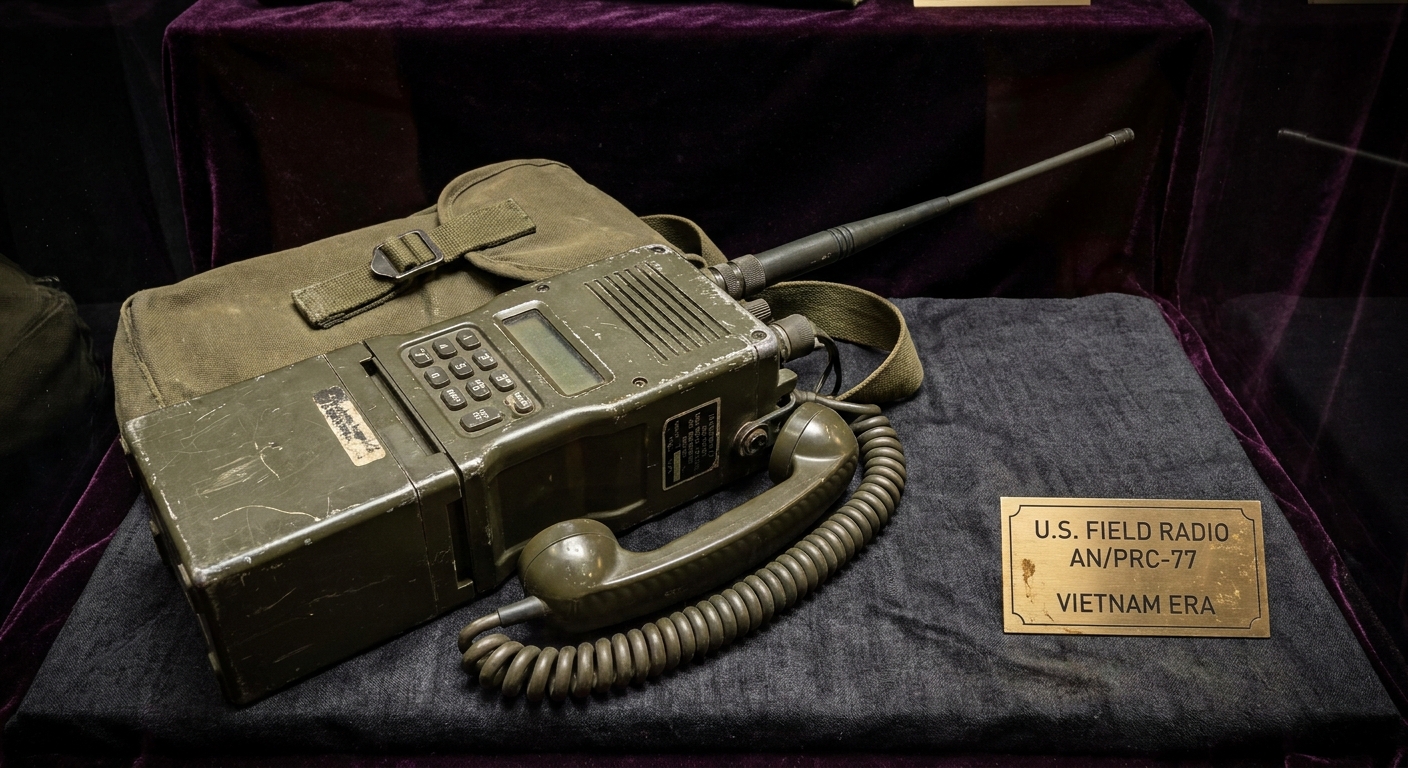
The link to artillery and air support, often the thin line between a perimeter and disaster.
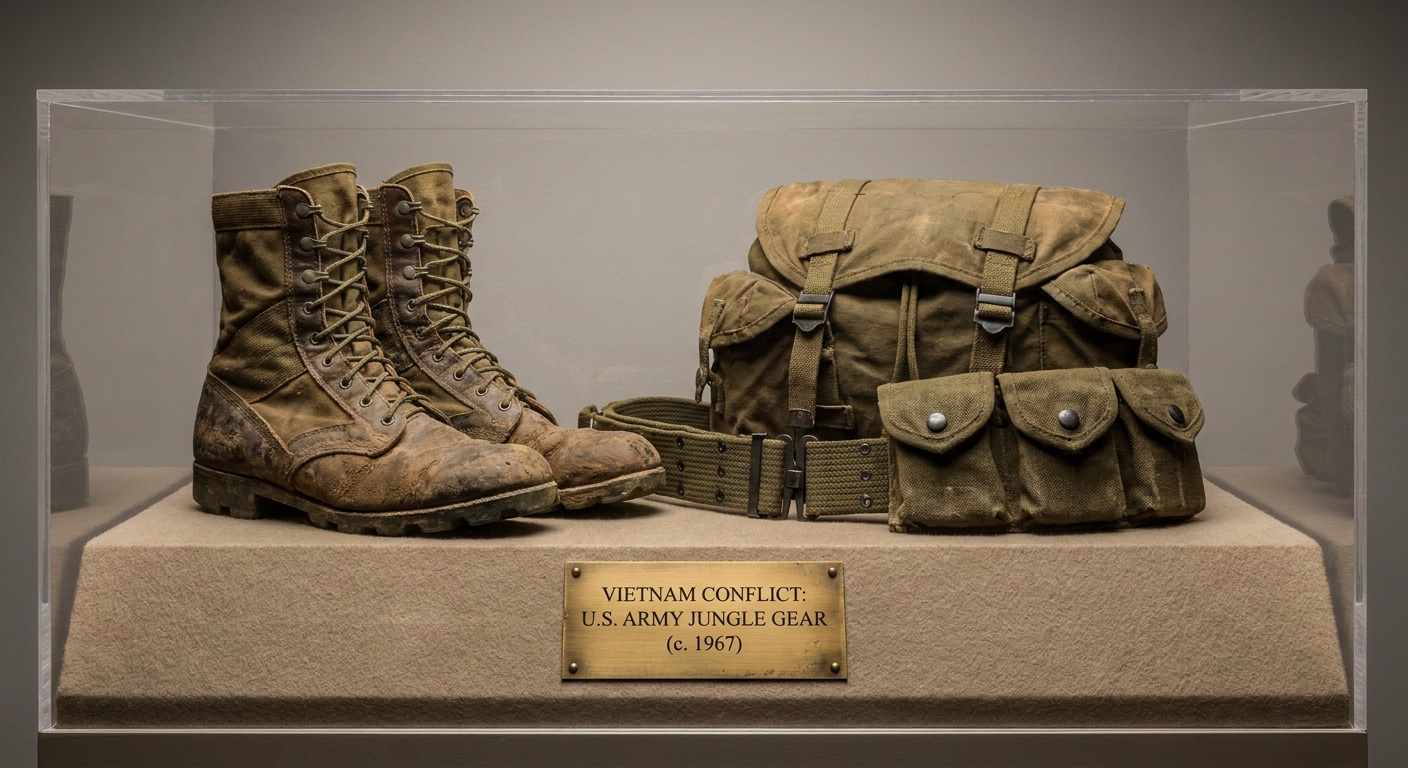
The weight behind Moore's defense, called in tight enough to shake the defenders too.