B-25 Mitchell
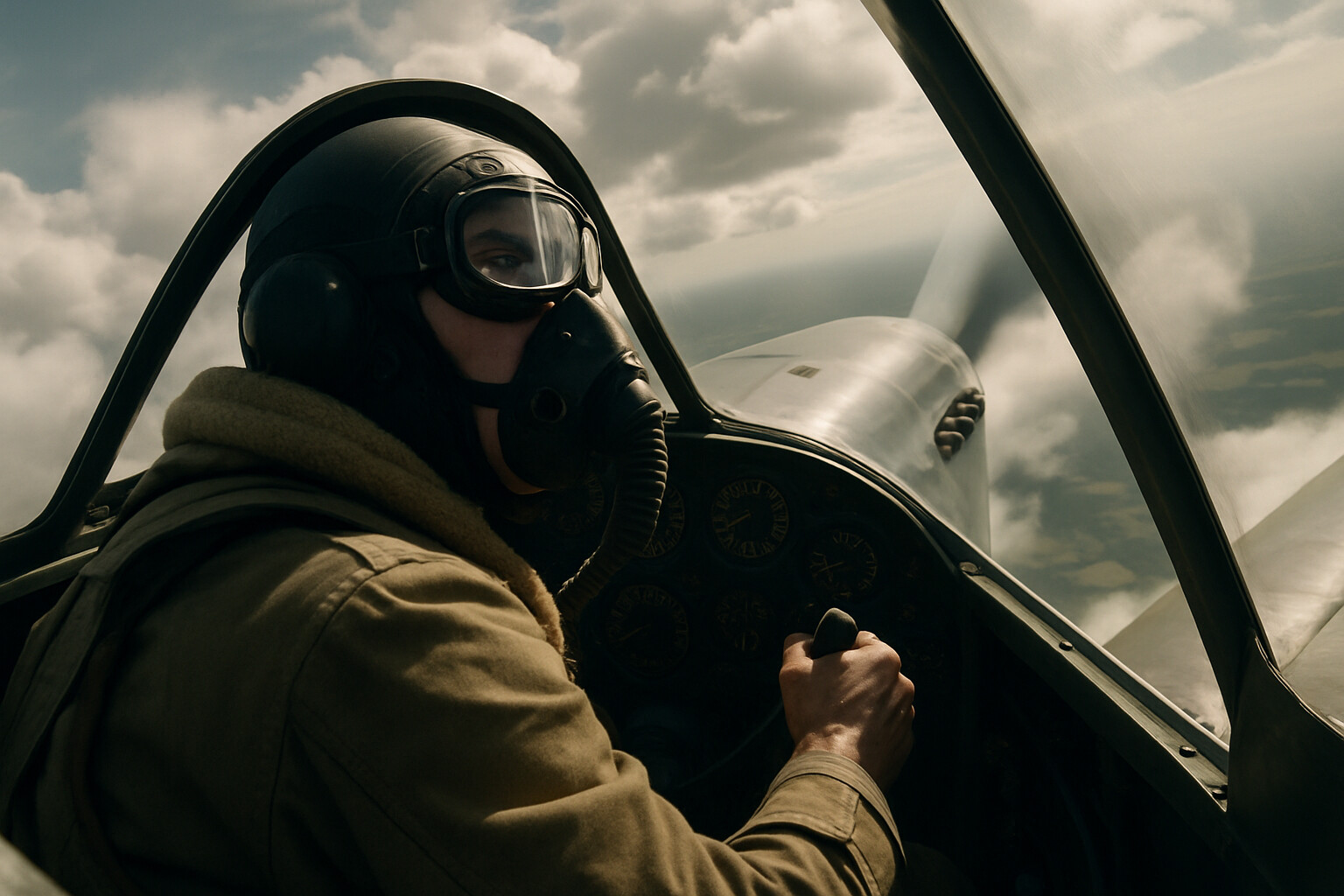
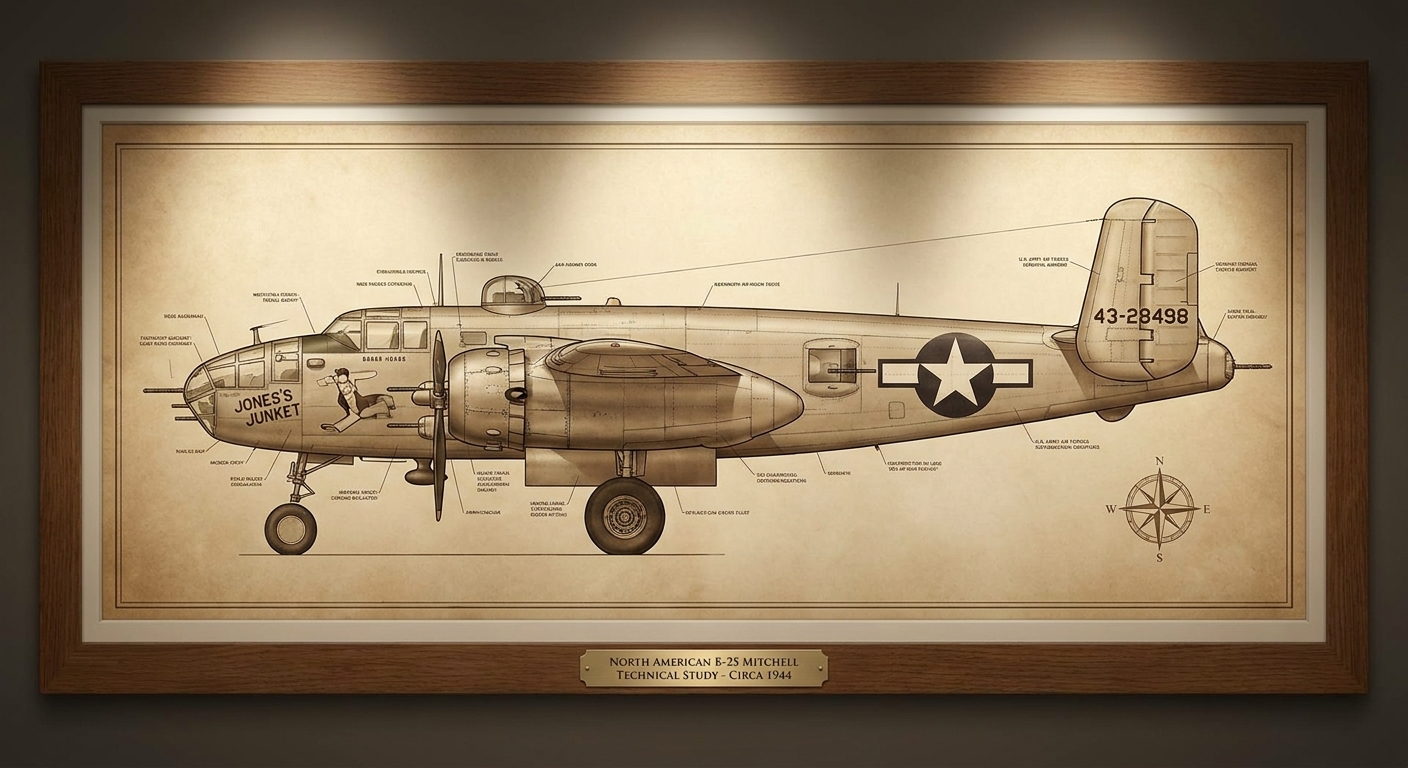
A land-based medium bomber adapted for a carrier launch no one had ever attempted in combat.
B-25s Off the Deck
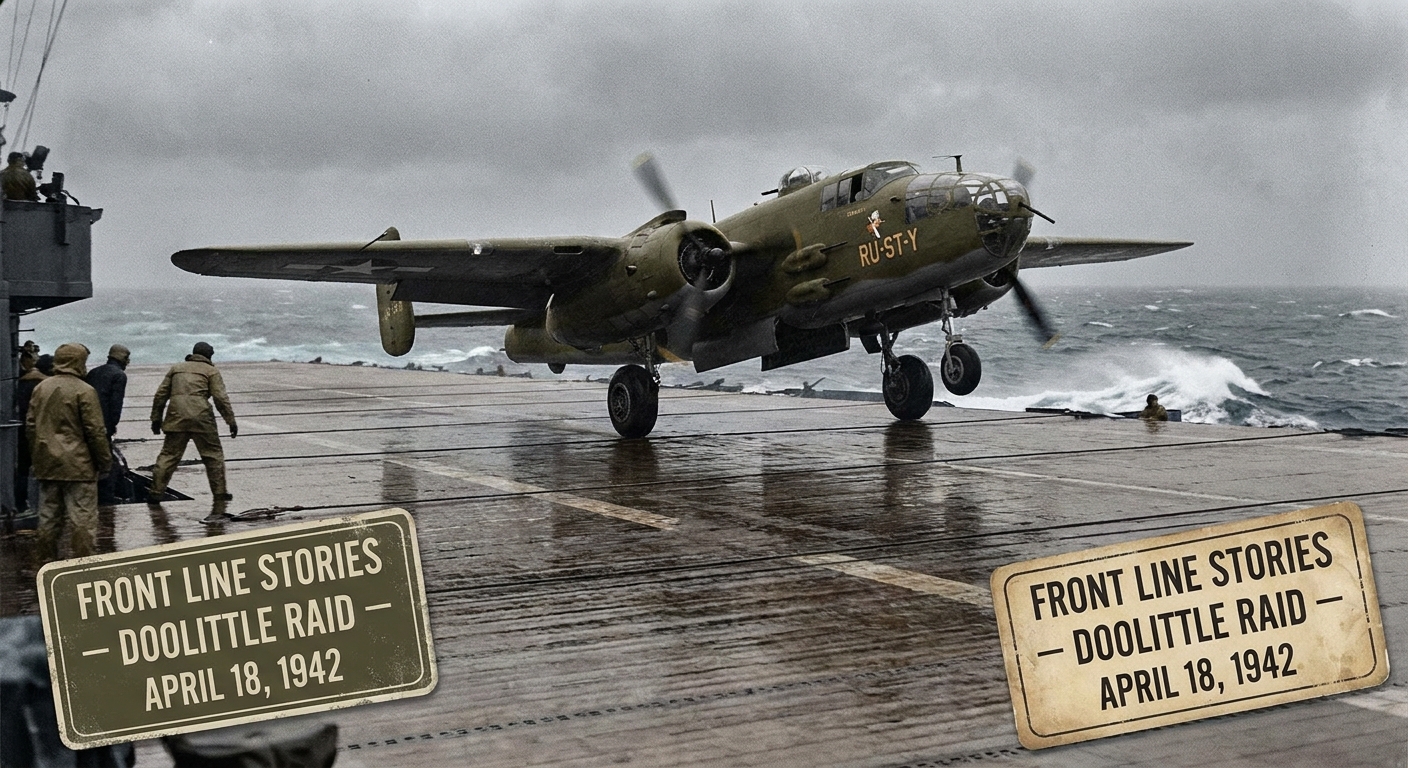
A medium bomber on a carrier deck looked wrong, which is one reason it worked.
In the spring of 1942 the United States needed something more than plans. It needed an answer. Pearl Harbor still burned in memory, the Philippines were collapsing, and Japanese victories seemed to arrive by schedule. The Doolittle Raid did not promise decisive military damage. It promised something more immediate, proof that Japan itself could be struck.
Lieutenant Colonel James Doolittle built the mission around sixteen Army Air Forces B-25 Mitchell bombers and a Navy carrier bold enough to carry them to launching distance. It was an improvised operation in the best American sense, a hard thing made to work by training, nerve, and willingness to accept ugly odds.
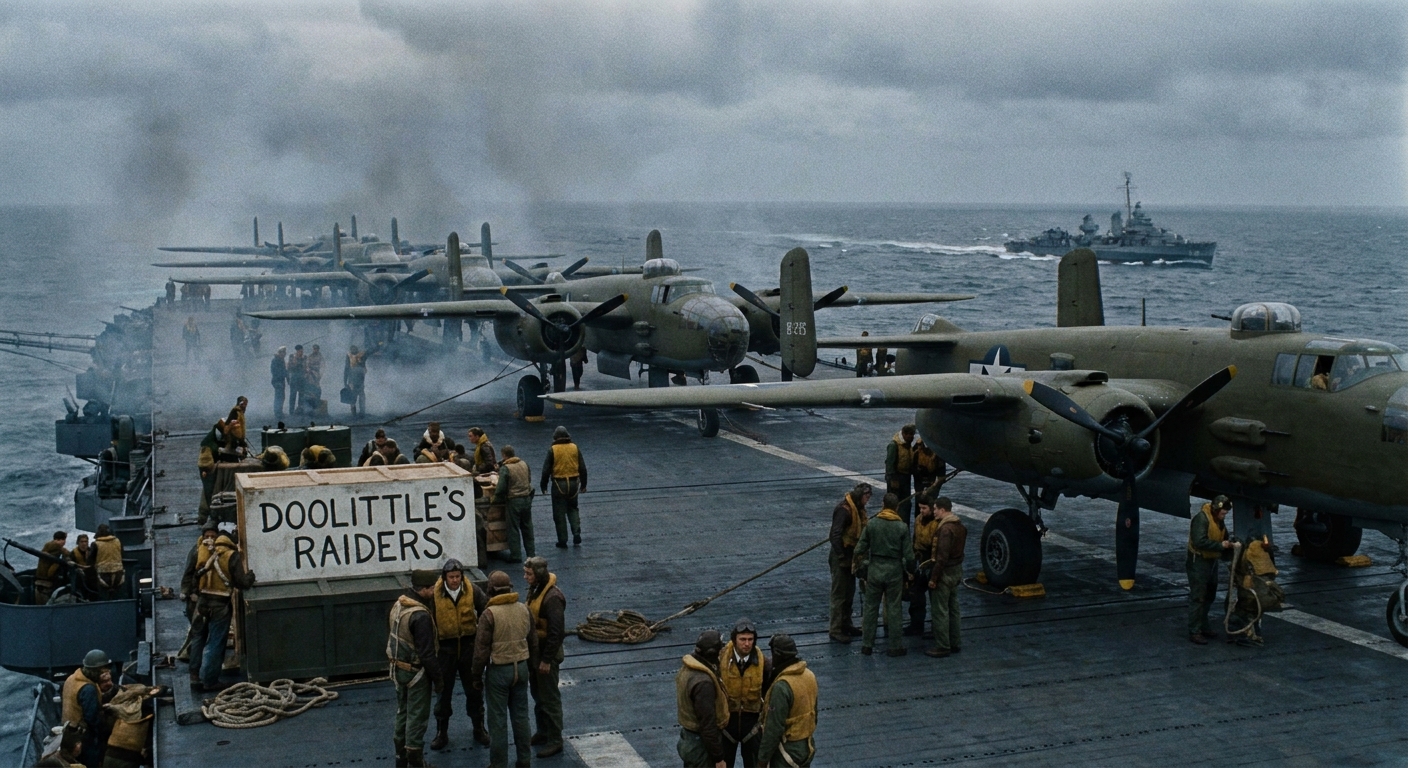
Every pound mattered. Fuel, bomb load, takeoff distance, weather, and chance were all part of the same equation.
The plan was simple on paper and reckless in practice. Launch from USS Hornet, hit military-industrial targets around Tokyo, Yokohama, Kobe, Nagoya, and Osaka, then continue west to China. But Japanese picket boats sighted the task force earlier than expected. The bombers had to launch hundreds of miles farther out than planned, into rough weather, with fuel margins suddenly cut thin.
When the first Mitchell rolled forward on Hornet's deck, the raid stopped being an idea and became a dare laid across the Pacific.
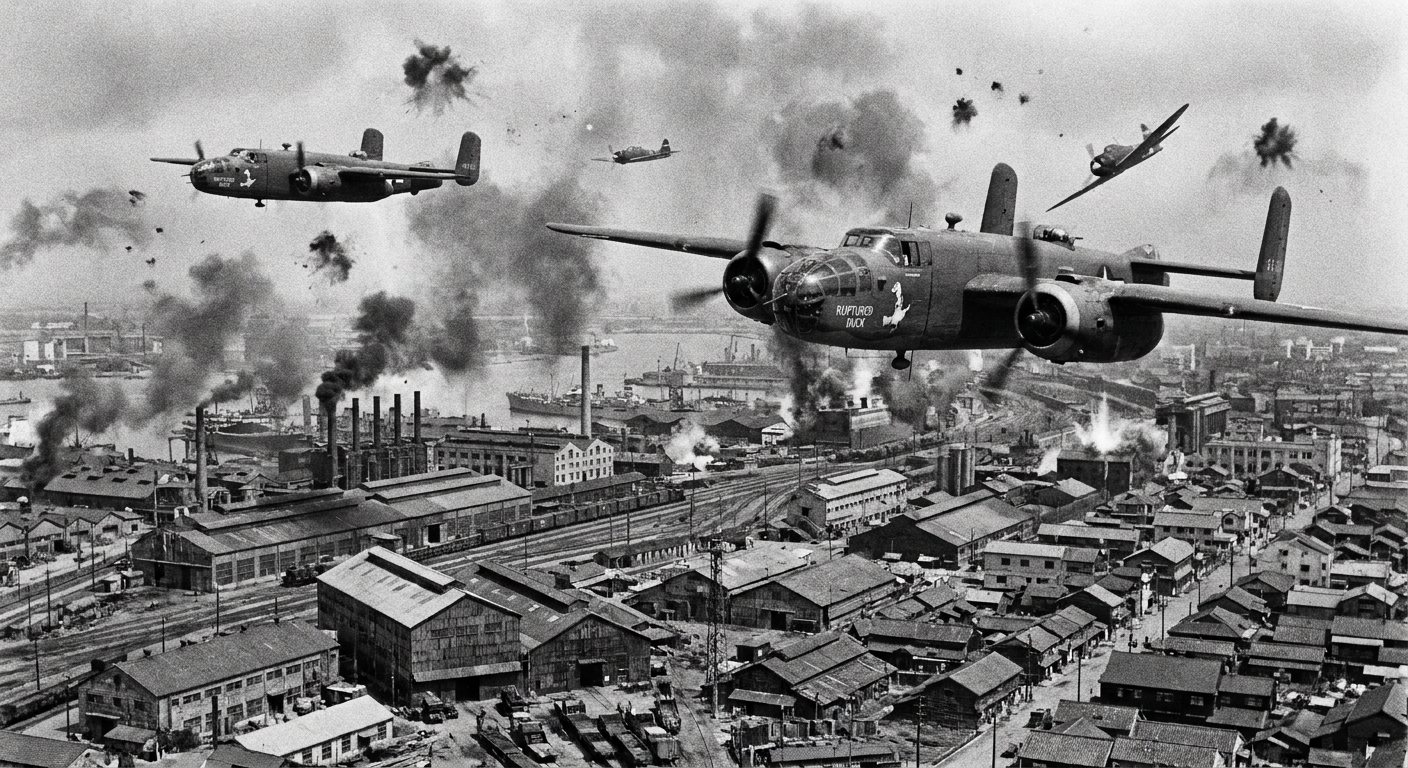
The carrier deck dropped away. The impossible part was over. The dangerous part was just beginning.
The raid itself was brief and startling. The bombers came in low, struck factories, oil storage, dockyards, and military installations, then pressed on. Physical damage was limited. Psychological effect was not. Tokyo had been hit. The imperial homeland was vulnerable. American morale surged, and Japanese leaders were forced to reconsider the perimeter they believed protected them.
The cost came after the bombs fell. Most crews ran out of fuel before safe recovery. Fifteen aircraft crashed or were abandoned over China. One diverted to the Soviet Union, where its crew was interned. Several raiders were captured by the Japanese. Three were executed. Others endured brutal imprisonment.
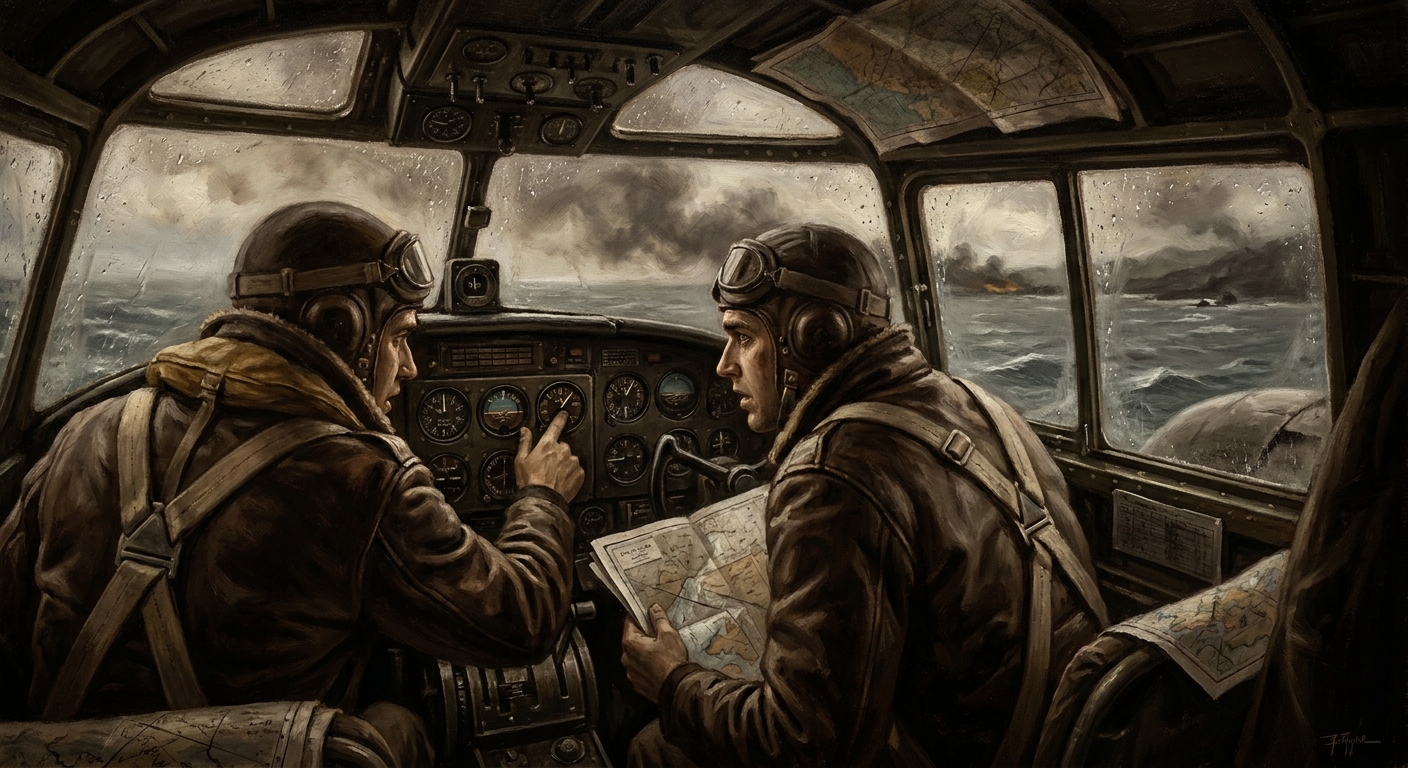
The damage on the ground was modest. The damage to Japanese confidence was not.
The raid changed more than headlines. Japanese planners accelerated efforts to destroy the American carrier threat and extend their defensive ring, decisions that helped draw them toward Midway. In China, Japanese reprisals against civilians in areas that aided the crews were savage. The operation carried a long human shadow.
Doolittle believed at first that he had failed because he had lost all his aircraft. Instead he received the Medal of Honor and promotion. The mission had done exactly what the moment demanded. It proved initiative could reach where massed force had not yet arrived.
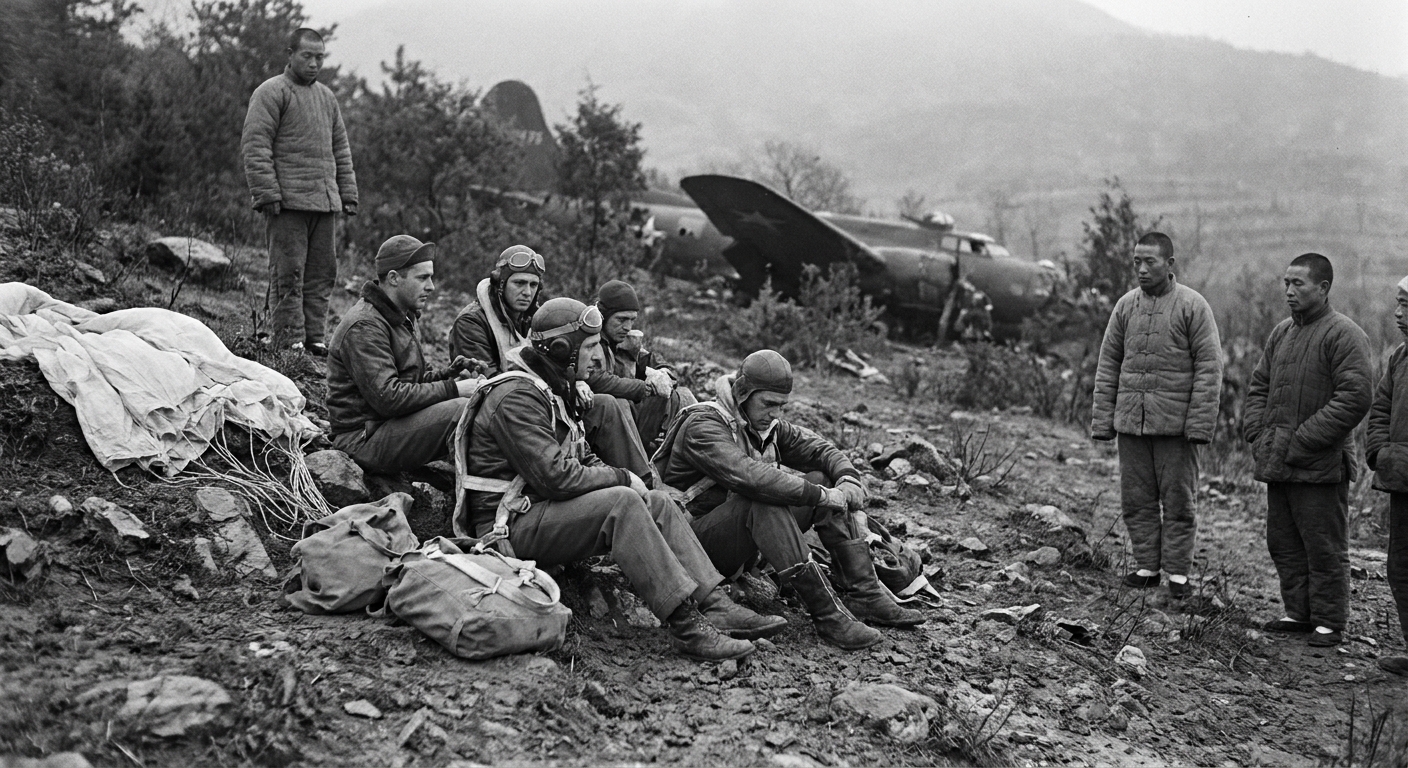
For many crews, survival depended on darkness, parachutes, and Chinese civilians willing to risk everything.
The Doolittle Raid remains one of the war's sharpest examples of strategic effect outstripping tactical tonnage. Sixteen bombers did not break Japan. They changed the emotional geometry of the war.
The message was simple. The United States could reach back.
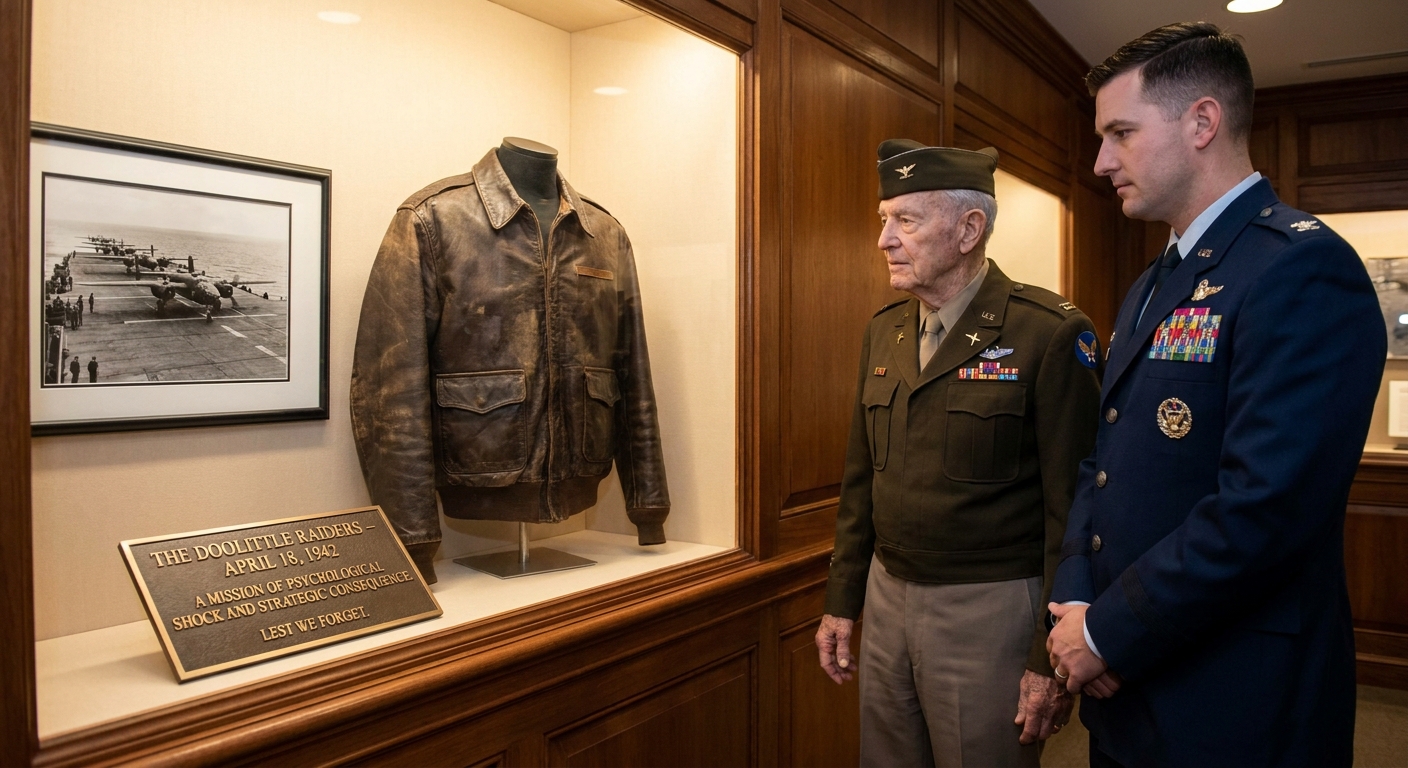
A handful of bombers, one carrier deck, and a blow felt far beyond the blast radius.
A land-based medium bomber adapted for a carrier launch no one had ever attempted in combat.
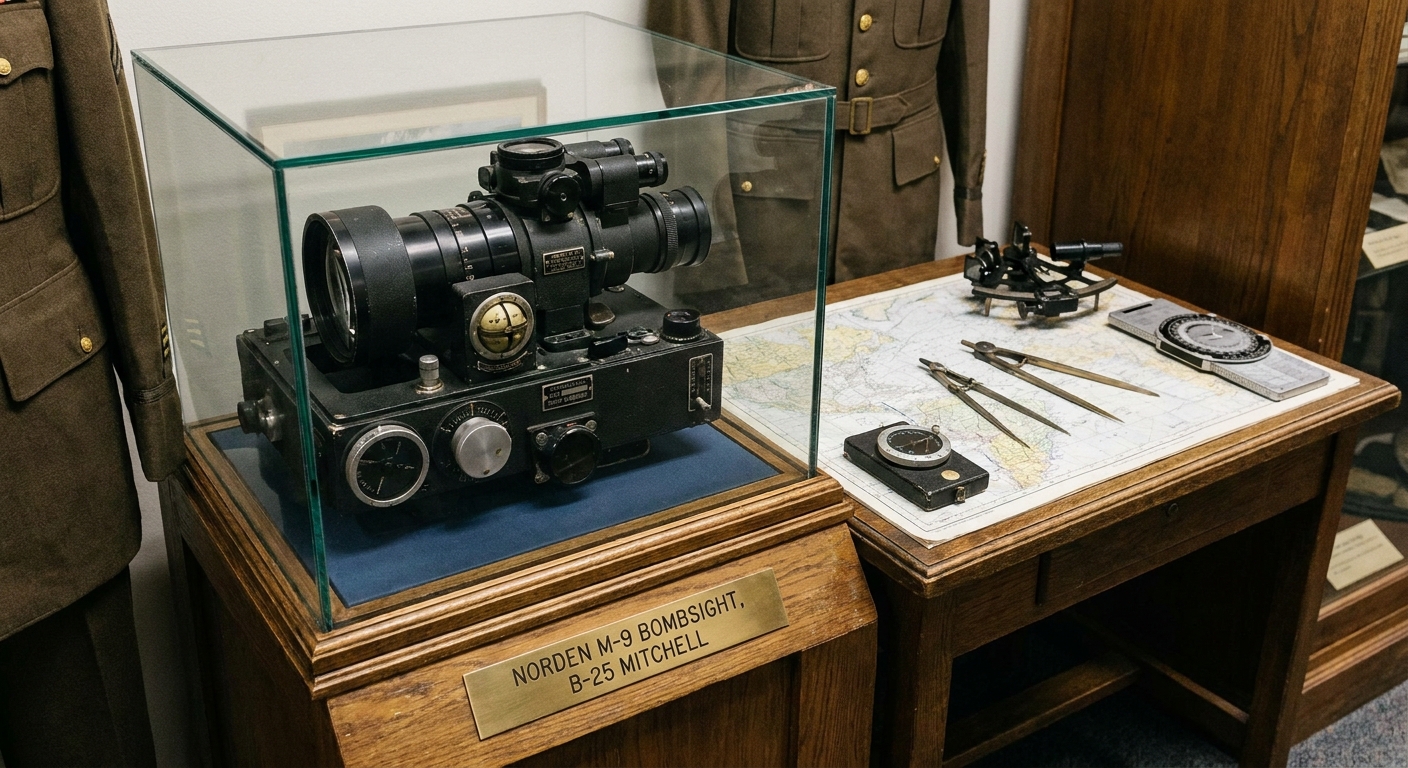
Practical substitutions and mission-specific improvisation replaced peacetime assumptions.
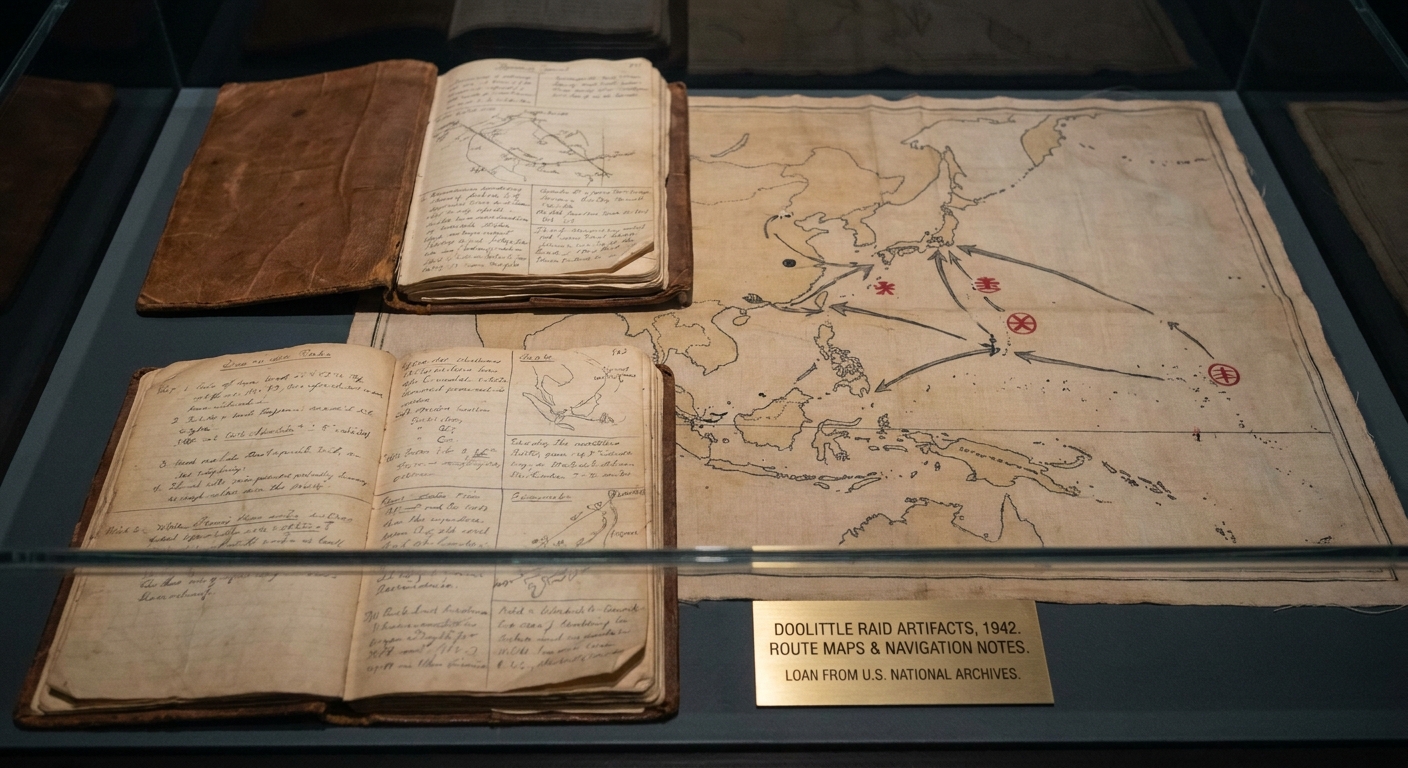
The real margin of life, especially once the launch point moved farther east.
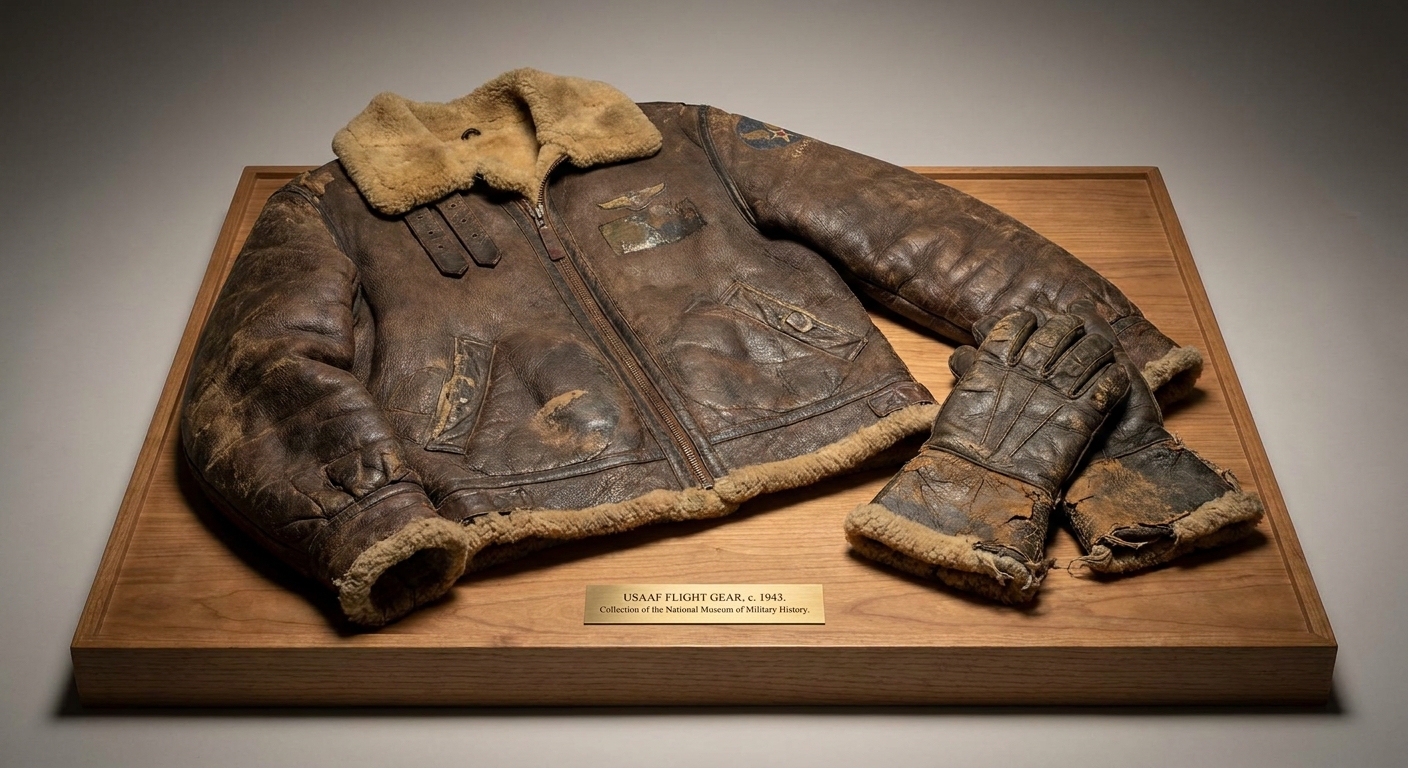
Because many crews expected the aircraft would not be with them at the end.