Radio traffic and wartime deception maps

Double Agent | Deception | D-Day

Garbo

Juan Pujol García talked his way into one of the greatest intelligence frauds in modern war. Under the codename Garbo, he built an entirely fictional spy network, populated it with invented sub-agents across Britain, and fed Germany a stream of reports so convincing that when the decisive lie arrived before D-Day, Berlin was ready to believe it.

CodenameGarbo
NationalitySpanish
Strategic roleFortitude and the deception of Hitler

Why he mattered

He gave Germany an army of ghosts to trust

Garbo's genius was scale. Many agents pass a false report. Garbo created a whole ecosystem of false reporting, complete with internal delays, personal quirks, expenses, disagreements, and occasional failures. His invented network became credible because it behaved like an imperfect bureaucracy instead of a miracle machine.

That mattered enormously in 1944. During the Allied deception plan known as Fortitude, Garbo helped persuade German command that the main invasion force would strike the Pas-de-Calais, not Normandy. Even after Allied troops were ashore in France, his reporting supported the belief that Normandy was a feint and the true blow was still to come. That hesitation bought precious time.

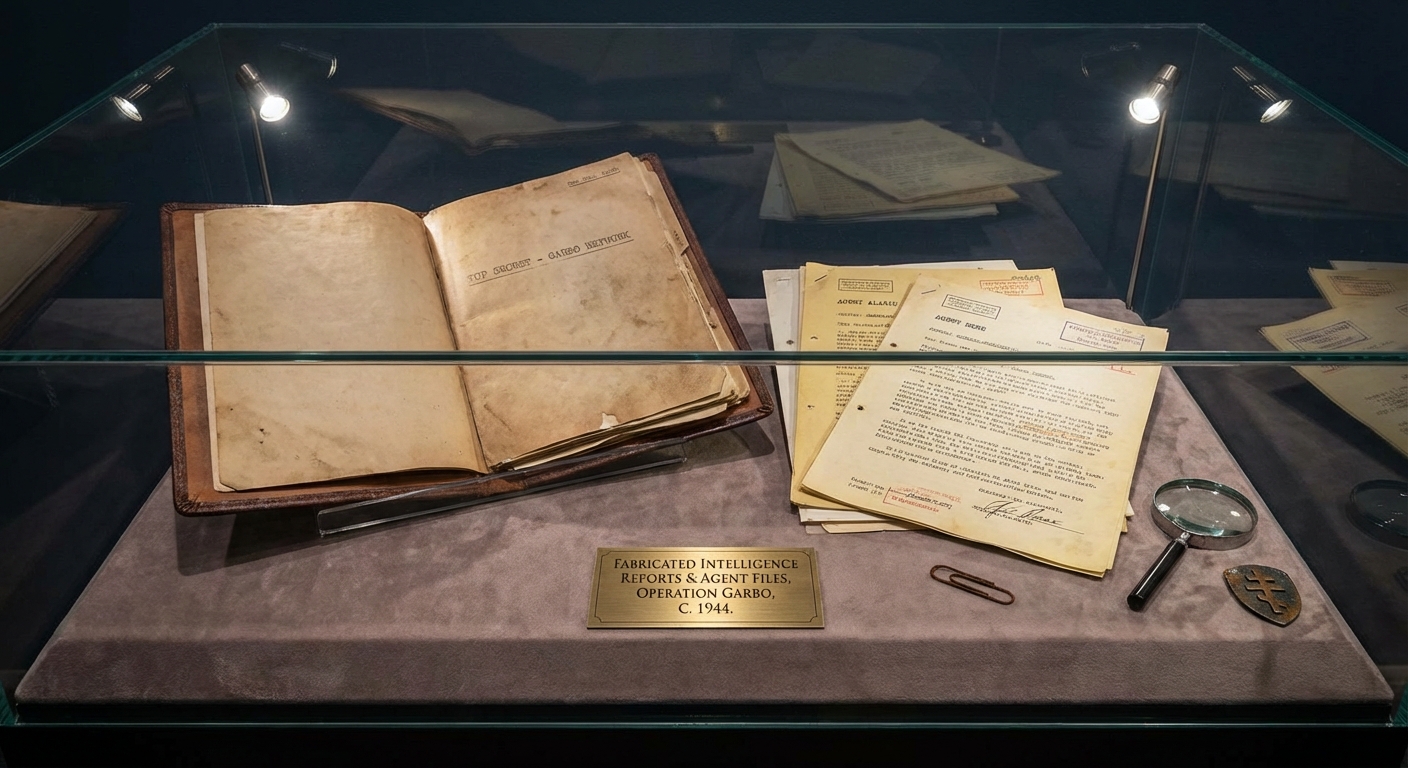
Typewritten reports from a fictional network

The network that never existed

Garbo invented dozens of sub-agents, each with geography, habits, and narrative purpose. Some supplied gossip, some handled shipping, some observed troop chatter. None were real, but together they looked real enough to support an intelligence empire.

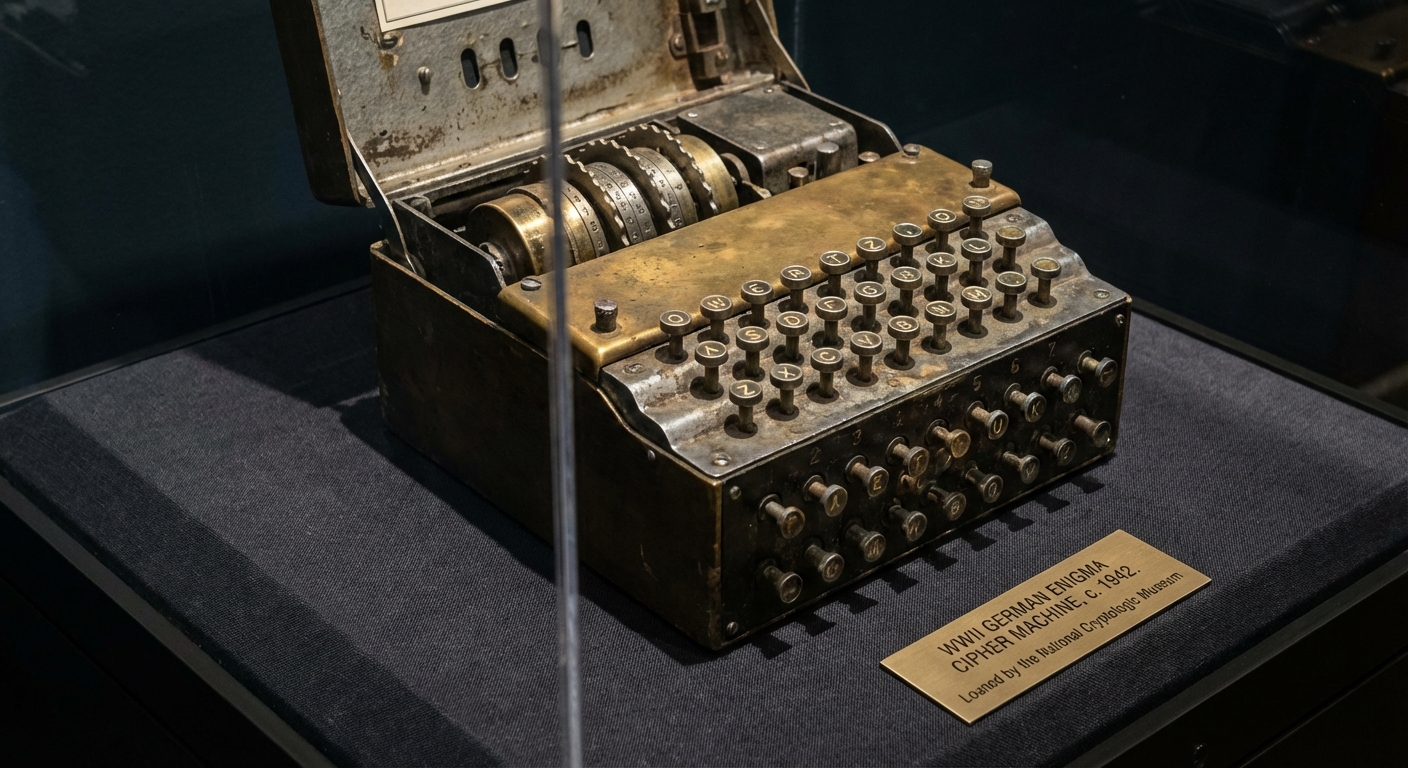
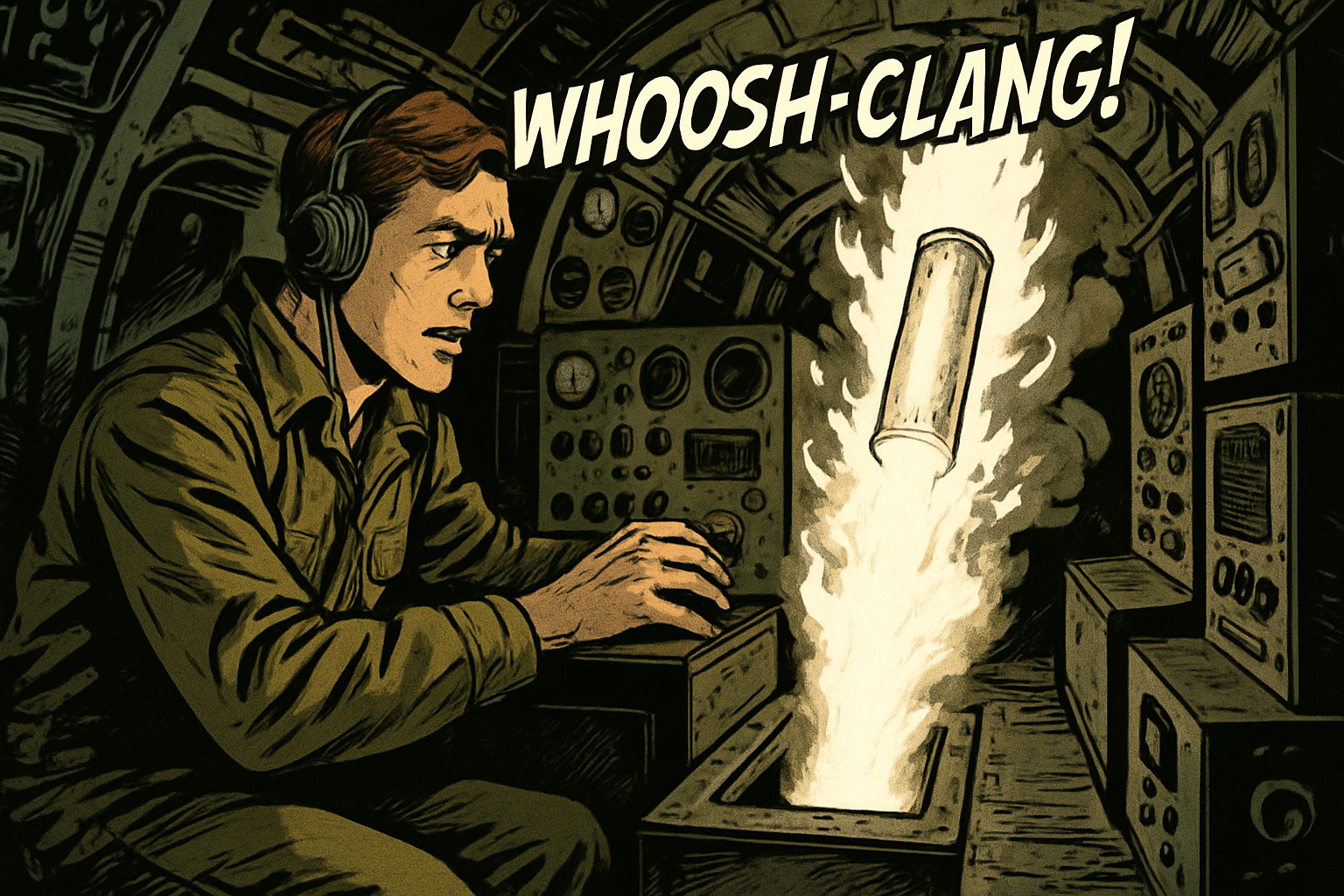
Signals room with coded traffic

A masterpiece of controlled truth

He often mixed harmless accurate detail with selected falsehoods. That blend gave his reports texture. German handlers received enough truth to stay engaged and enough deception to be steered where Allied planners wanted them.

Map of Normandy and Pas-de-Calais

D-Day and after

Garbo's most consequential achievement was helping convince Germany that the Normandy landings were not the decisive invasion. The belief in a larger strike at Pas-de-Calais kept significant forces tied down when they were needed elsewhere.

Tradecraft dossier

How Garbo scaled a lie into strategic force

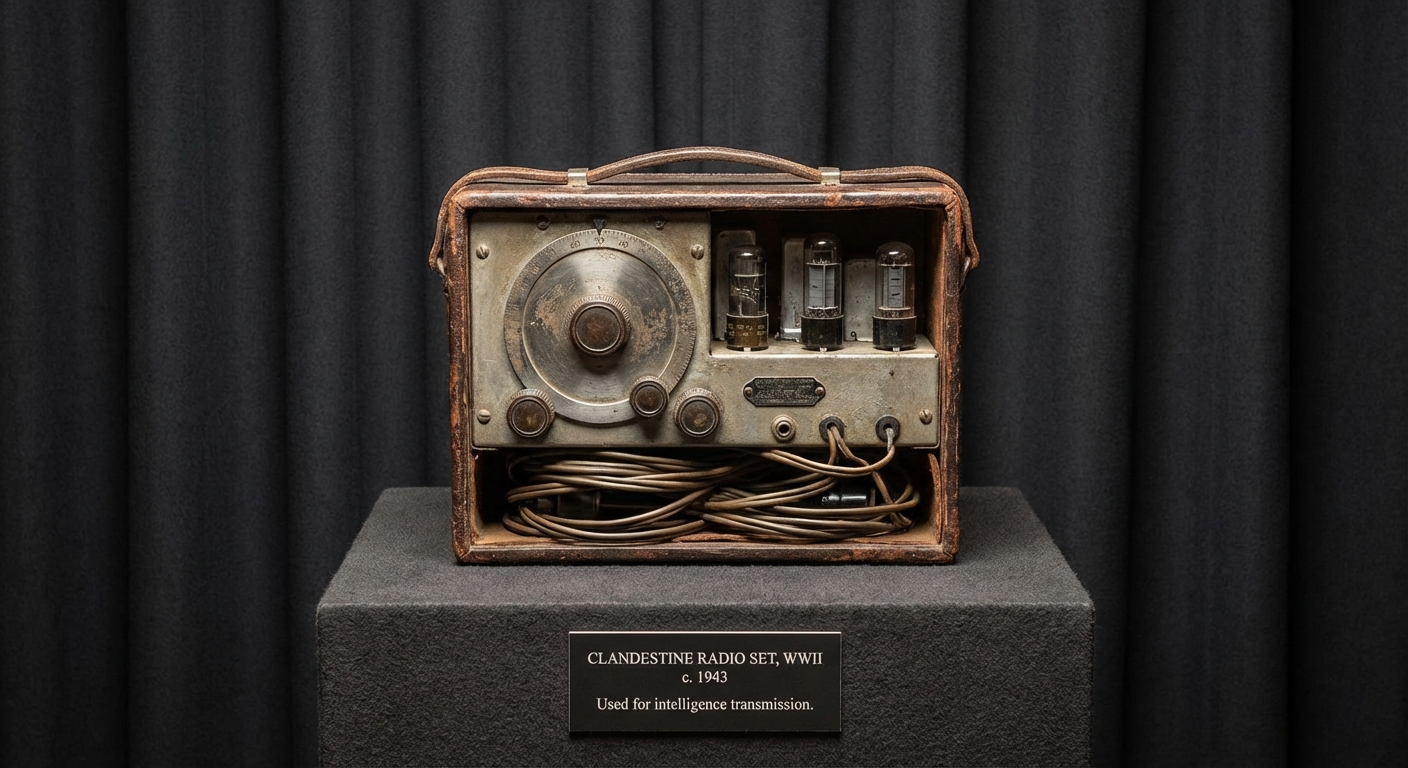
Wireless transmission set

Signal discipline

Transmission schedules and message handling mattered because deception had to feel operationally credible. Reports arrived with the rhythms of a living network rather than as convenient plot devices.

Agent files and ledgers

Character architecture

Each invented sub-agent required biography, access, motive, and cost. Garbo's fake network worked because it had paperwork-like density. Germans were not buying a name. They were buying a populated system.

Map of invasion deception sectors

Geographic plausibility

Garbo's reporting matched the strategic logic of German fears. Pas-de-Calais was a rational place to expect the main blow, so his network amplified a conclusion the enemy was already prepared to entertain.

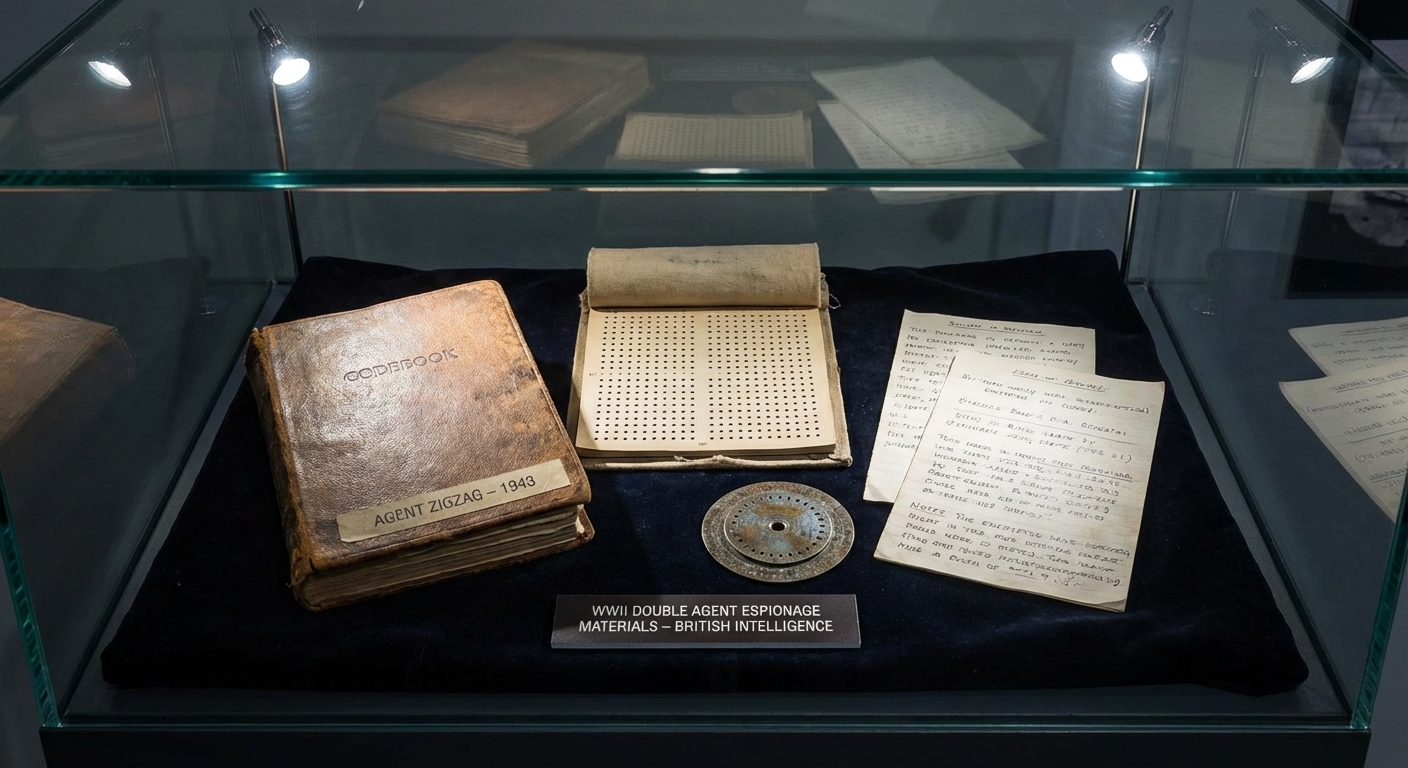
Timing device and coded schedules

Credibility through delay

Some reports were intentionally delivered too late to act on. That seems absurd until you grasp the goal. An occasionally frustrating source is more believable than a supernatural one who always arrives exactly on time.

Allied deception planners and invasion charts

Intelligence record

The scale of the con

  • Invented apparatus: Built a fictitious network reportedly numbering more than two dozen sub-agents, complete with salaries, reports, and operational excuses.
  • Strategic payoff: Supported Operation Fortitude, the larger deception effort shielding Normandy by emphasizing Pas-de-Calais.
  • Enemy trust: German intelligence rated him so highly that he received the Iron Cross, while the British also decorated him for the same war.
  • Operational effect: Helped prolong German belief that the main Allied blow had not yet fallen, delaying a fuller response to Normandy.

Few intelligence stories better show how war can be altered by confidence rather than force. Garbo weaponized the enemy's own analytical habits and turned expectation into paralysis.

Legacy

A reminder that belief moves armies

Garbo's legacy sits at the center of modern deception doctrine. He demonstrated that successful disinformation is rarely a matter of one dazzling trick. It is a long campaign of credibility construction. The final lie works because the earlier lies taught the target how to trust you.

His story also carries a useful warning. The more elaborate the fiction, the more administrative labor it requires. Garbo did not simply improvise. He maintained a world. That is why his con still feels astonishing: not because it was impossible, but because it was managed so meticulously that even professionals lived inside it.