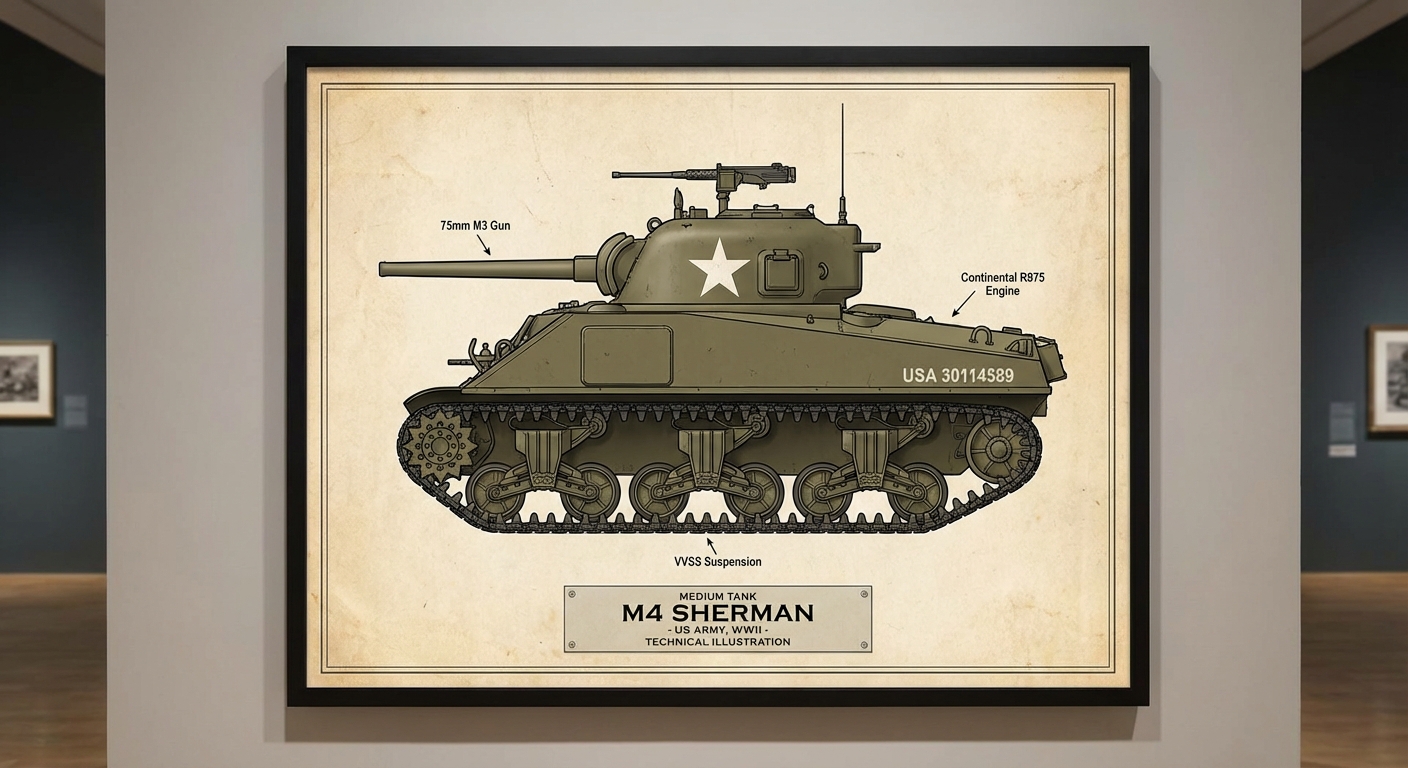
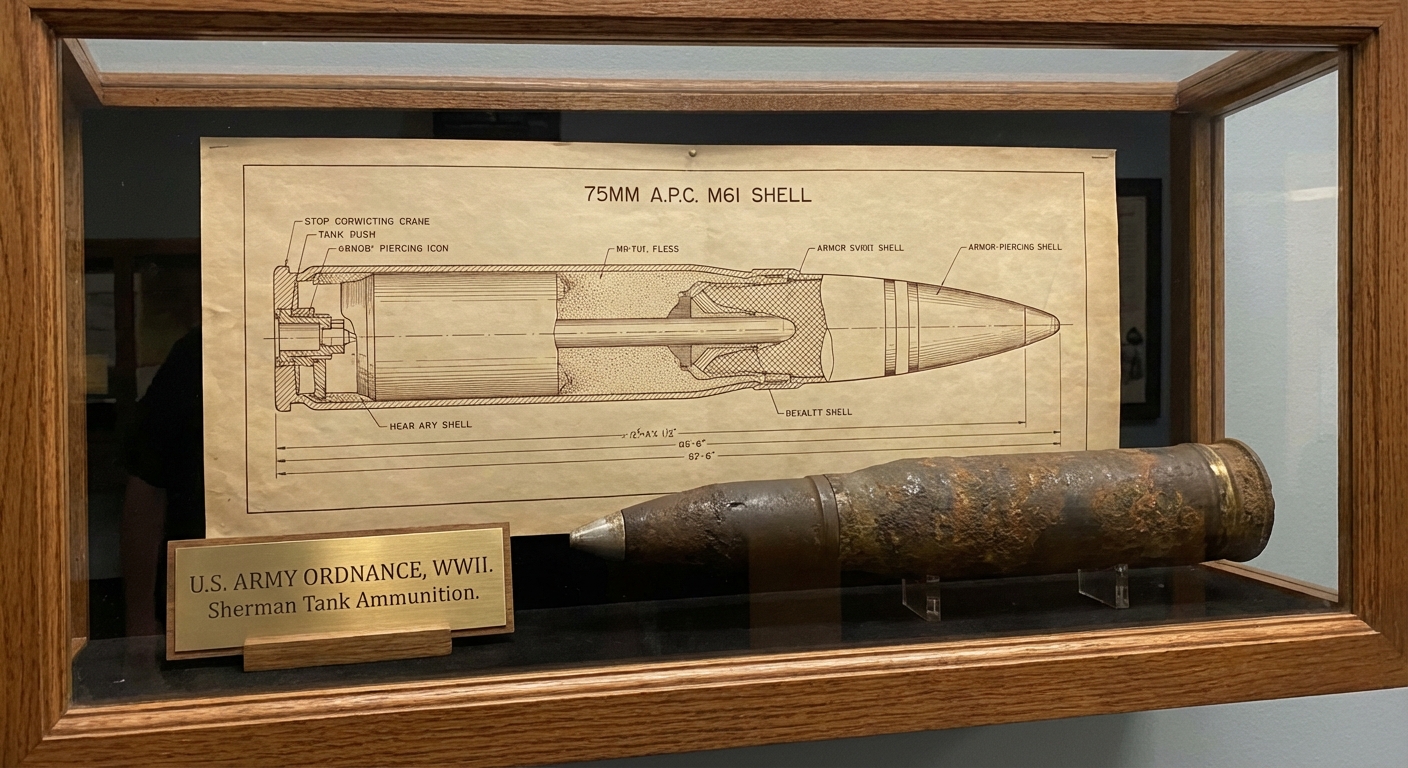
M4 Sherman
Primary American medium tank of Pool's campaigns.
From Normandy to the German frontier, Staff Sergeant Lafayette G. Pool led his Sherman tank through one fight after another with a level of aggression and tactical skill that made him the most successful American tank commander of the European war.
From Normandy to the German frontier, Staff Sergeant Lafayette G. Pool led his Sherman tank through one fight after another with a level of aggression and tactical skill that made him the most successful American tank commander of the European war.
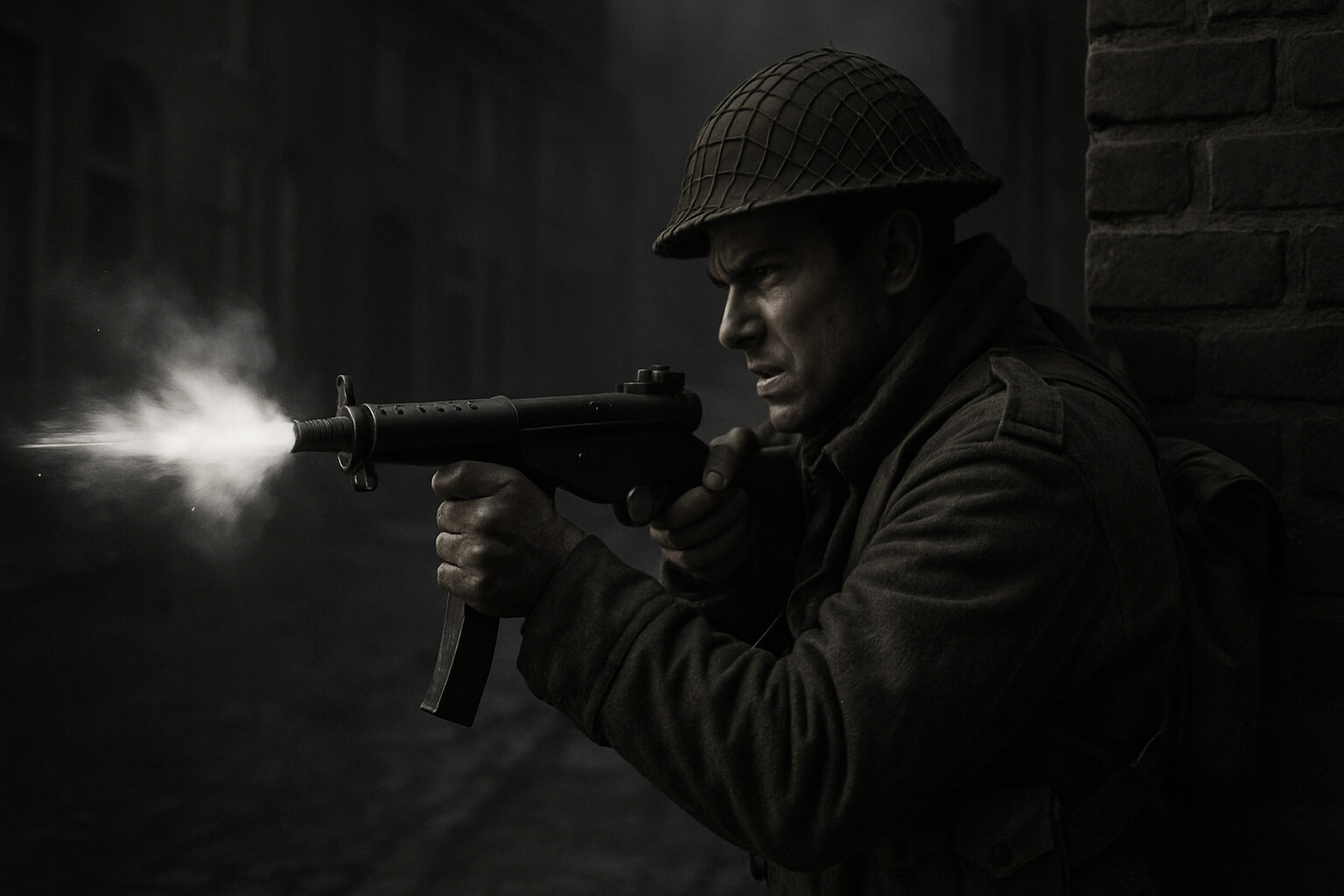
This page follows the Front Line Stories longform layout: six visual panels, grounded narrative, a field kit, battle record, and source trail. It is written to read cleanly for adults while staying vivid enough for younger history fans.
Lafayette G. Pool sits at the point where individual nerve met a much larger machine of war. The details matter, because the drama here came from real people, real places, and real consequences.
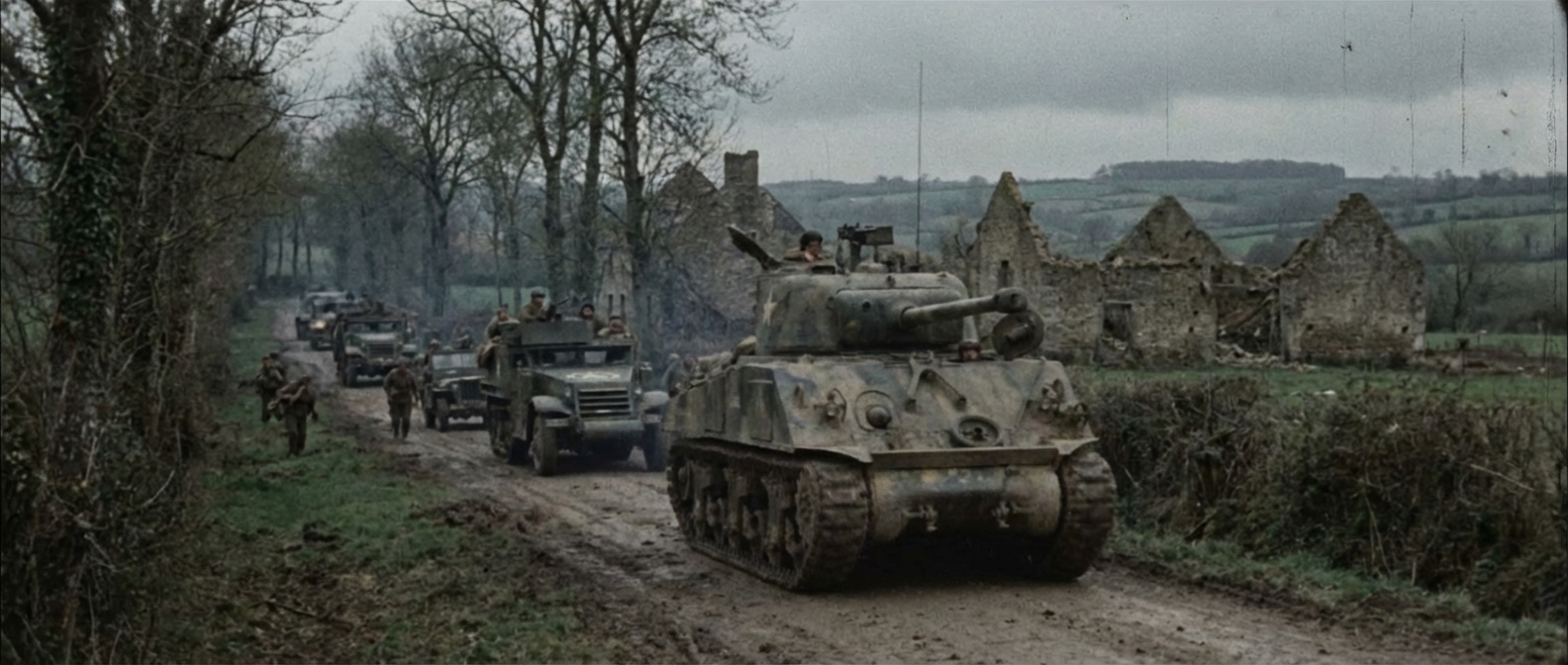
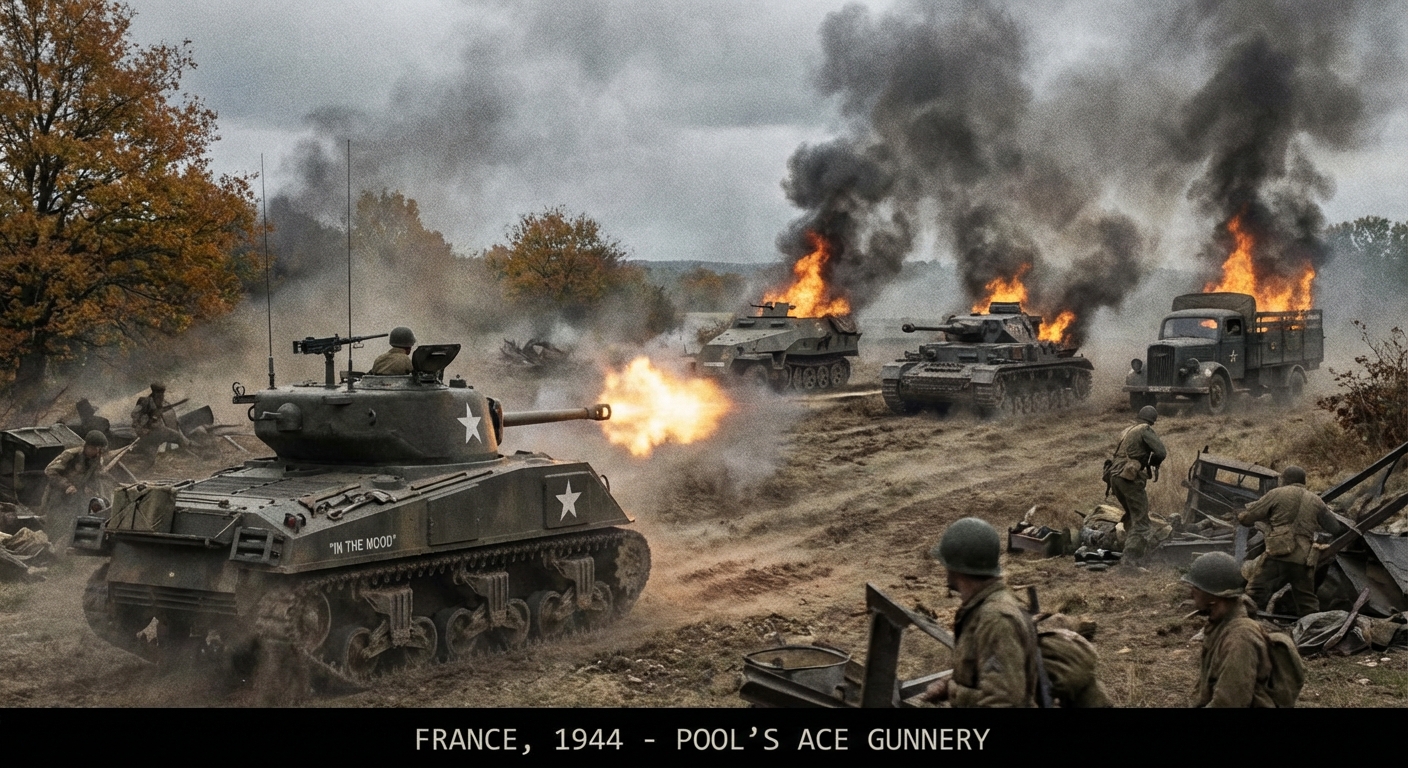
Lafayette Pool entered combat in Normandy in June 1944 as a tank commander in Company I, 32nd Armored Regiment, 3rd Armored Division. His tank, famously named In The Mood, became the spear point of repeated advances through hedgerows, villages, and road junctions where a tank crew could live or die on seconds of awareness. Pool was not chasing personal legend. He was pushing harder and seeing faster than the enemy in an armored war that punished hesitation.
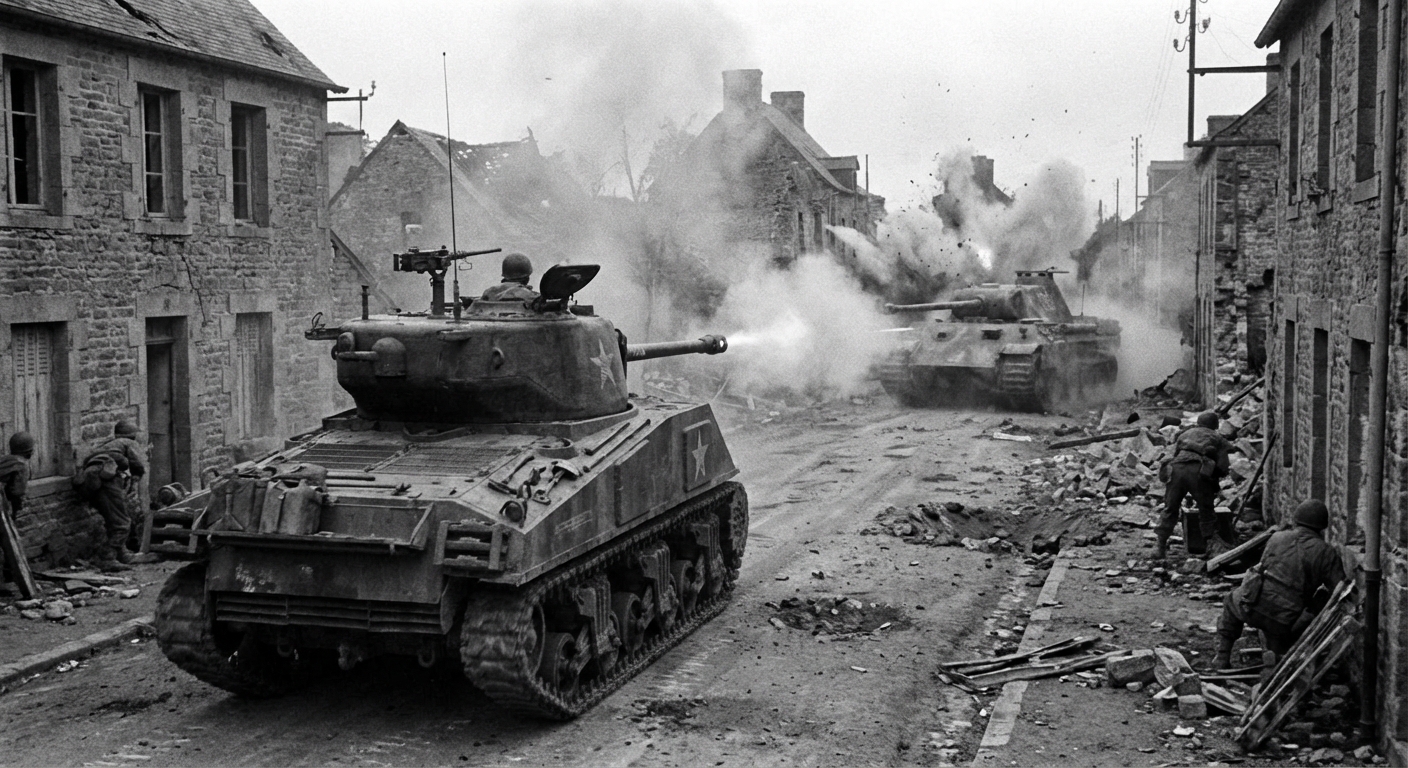
American tank doctrine depended on crews working as tight teams, and Pool's success was inseparable from his crew and maintenance support. Still, command style matters. Pool exposed himself often to see the ground, direct movement, and strike before German antitank guns or panzers could do the same. He used speed and surprise, trusted his instincts, and attacked with an audacity that sometimes felt reckless from the outside and perfectly timed from inside the fight.
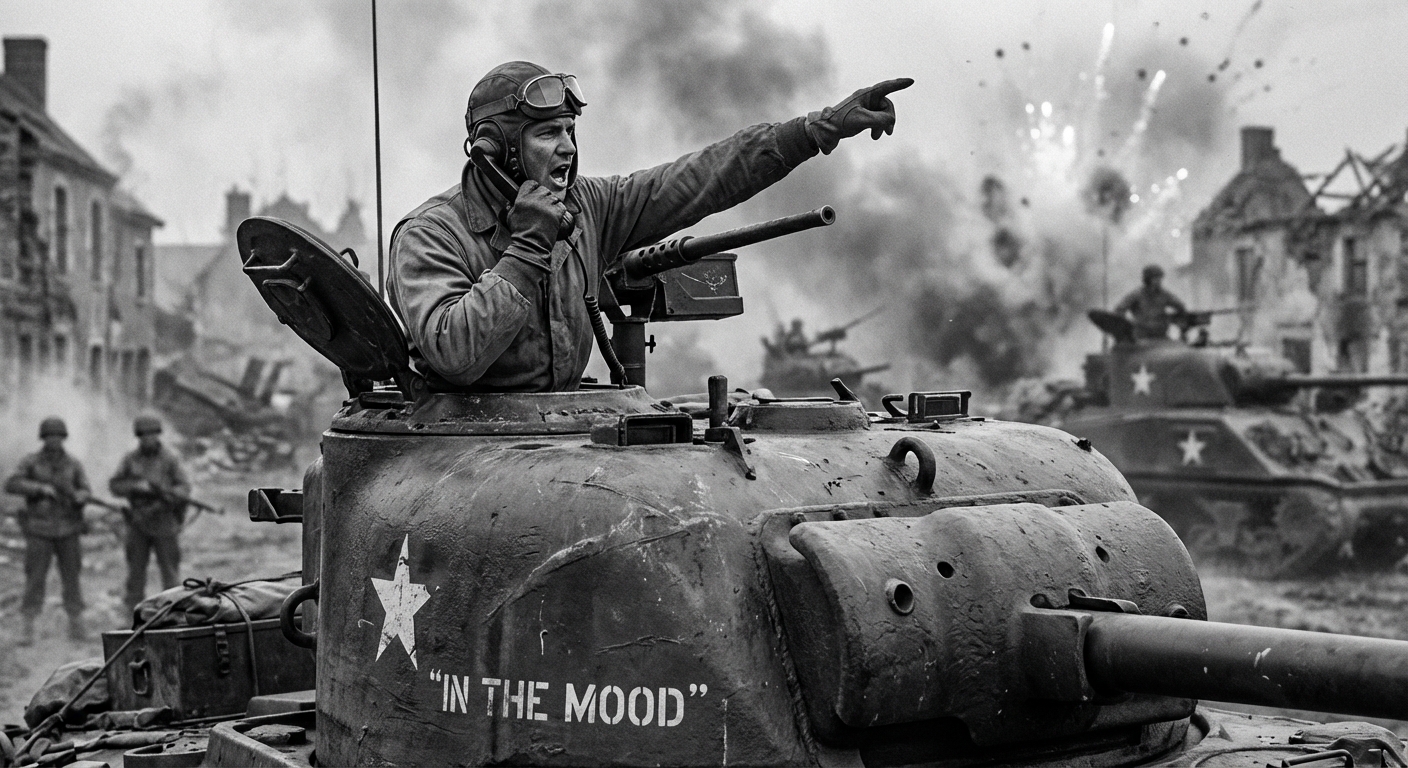
By September 1944 Pool had accumulated a remarkable combat record: scores of enemy tanks, assault guns, armored cars, guns, and vehicles destroyed, along with many prisoners captured. Exact tallies vary by source, but his status as the top American tank ace is well established. The key fact is not a single number but the pattern, day after day, of effective armored combat under rapidly changing conditions.
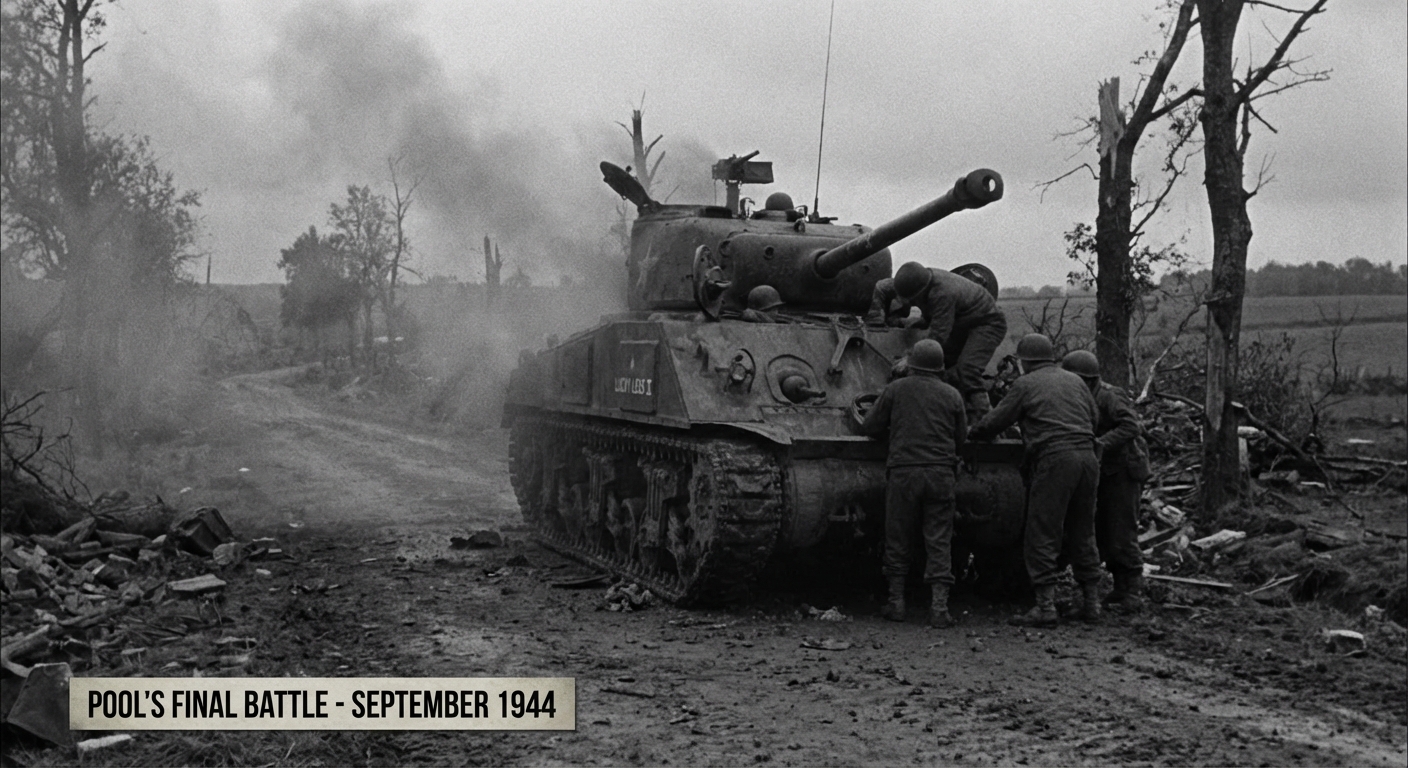
Pool's run ended near the Siegfried Line in September 1944 when his tank was hit and he was seriously wounded in the leg. For an armored crewman, the end can come without warning. One second there is noise, orders, and engine vibration. The next there is fire, steel, and chaos inside a cramped box. Pool survived, but his frontline war was over. He had achieved in three months what many crews could not survive three days trying to do.
His record became part of 3rd Armored Division lore because it represented more than individual ferocity. Pool showed how American armored units, often criticized for Sherman limitations on paper, could dominate through crew skill, initiative, numbers, maintenance, artillery support, and relentless tempo. Tanks are never just machines. They are systems of steel, fuel, radios, logistics, and nerve. Pool drove that system hard.
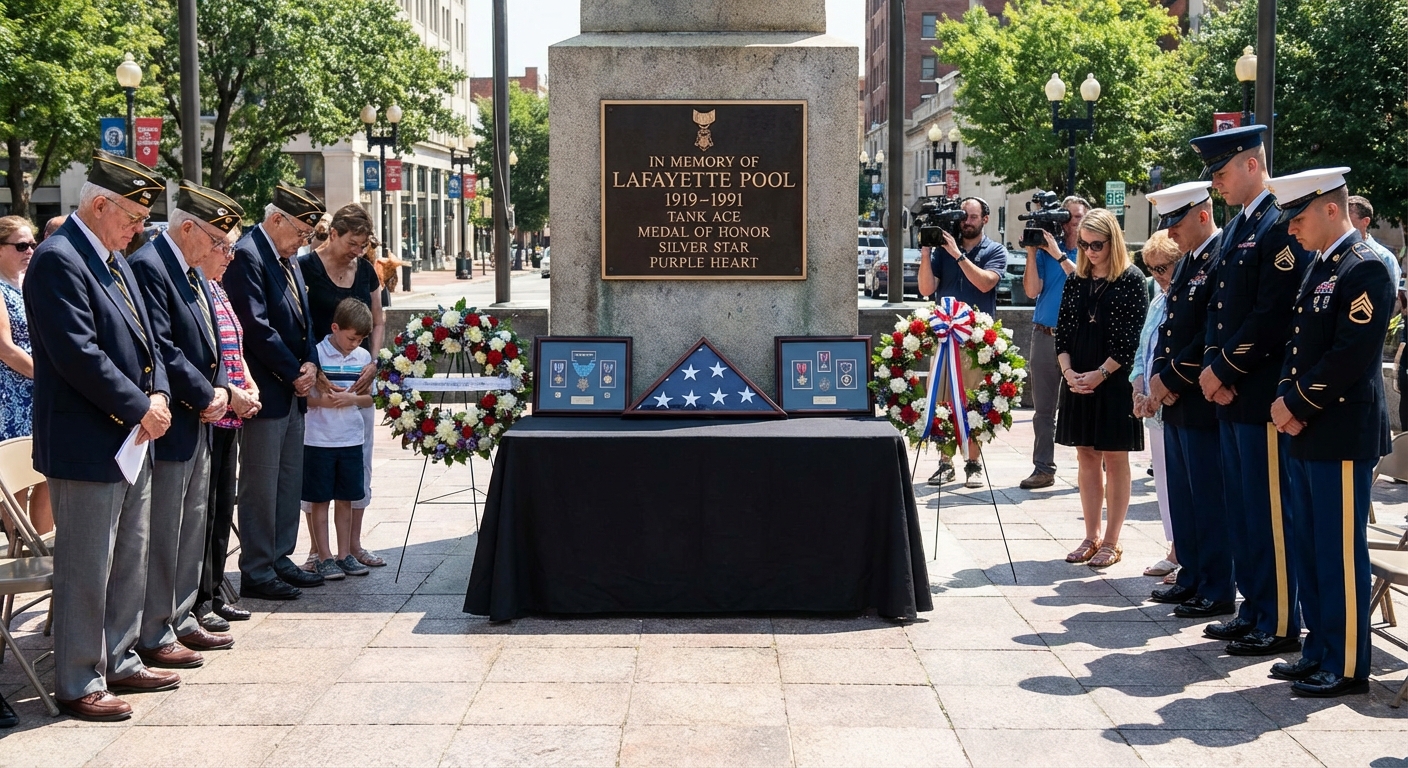
Tank aces are easy to romanticize, but Lafayette Pool's story is clearest when kept concrete. He fought expertly, aggressively, and repeatedly at close quarters in a mobile campaign where mistakes were final. America produced many brave tankers. Pool became the benchmark.
Primary American medium tank of Pool's campaigns.
Common personal weapon for US armored crewmen.
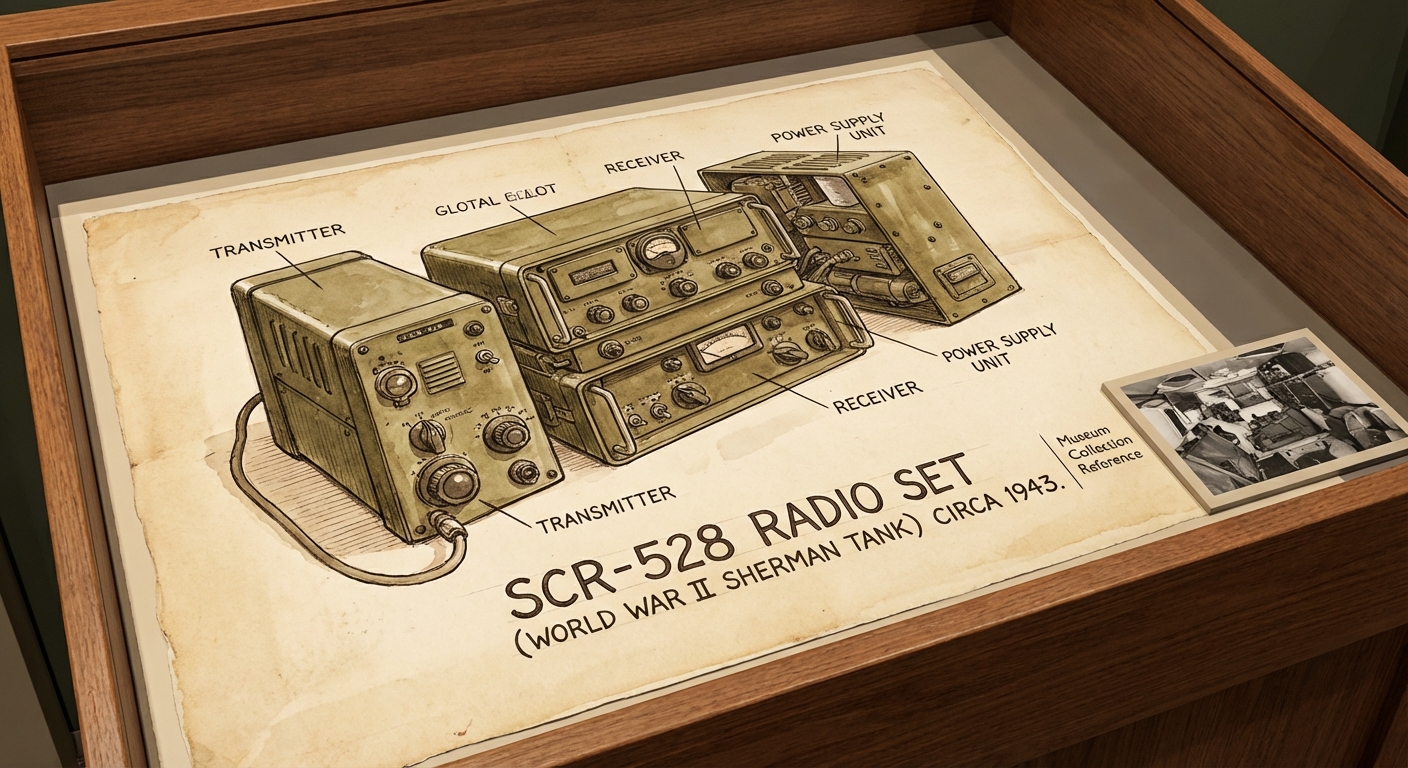
Vital for turret communication under combat noise.
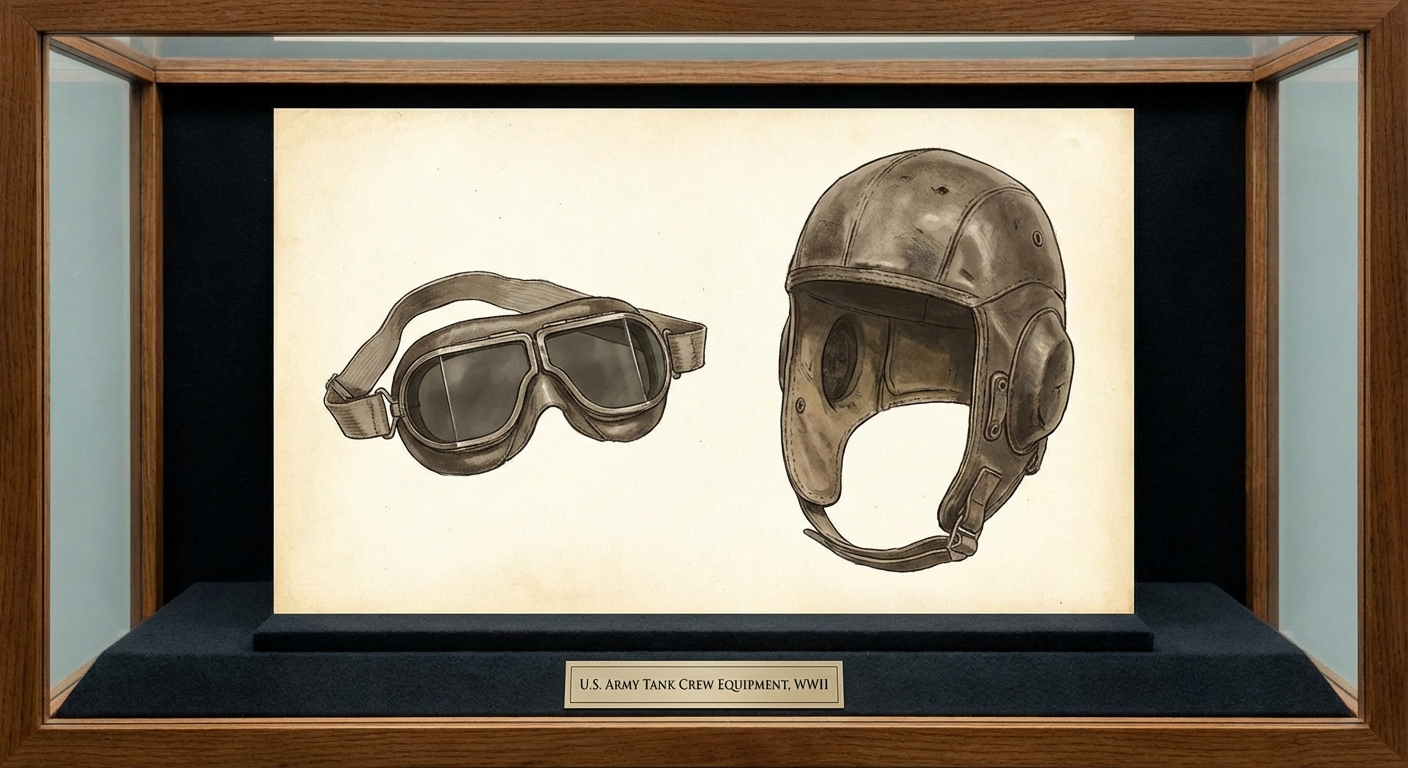
Seeing first was often as important as firing first.
June to September 1944
Pool's combat career covered the breakout from Normandy and the rapid armored advance across France toward the German border. These operations demanded constant movement, local initiative, and rapid engagement with German armored and antitank forces.