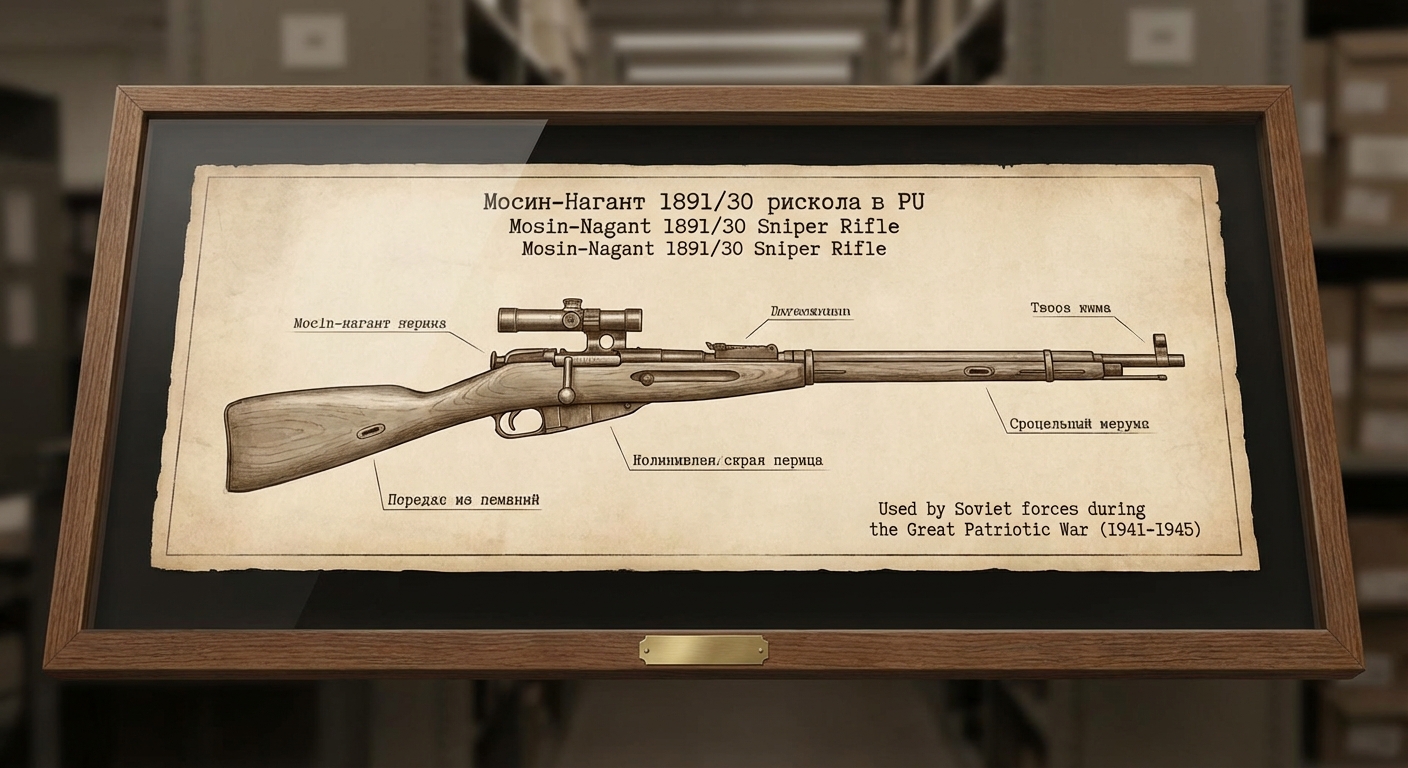
Mosin-Nagant PU Sniper Rifle
Scoped Soviet rifle associated with Zaitsev at Stalingrad.
In the shattered factories and apartment blocks of Stalingrad, Vasily Zaitsev became one of the Red Army's most famous snipers, turning rubble into a battlefield where patience could kill as surely as artillery.
In the shattered factories and apartment blocks of Stalingrad, Vasily Zaitsev became one of the Red Army's most famous snipers, turning rubble into a battlefield where patience could kill as surely as artillery.
This page follows the Front Line Stories longform layout: six visual panels, grounded narrative, a field kit, battle record, and source trail. It is written to read cleanly for adults while staying vivid enough for younger history fans.
Vasily Zaitsev at Stalingrad sits at the point where individual nerve met a much larger machine of war. The details matter, because the drama here came from real people, real places, and real consequences.
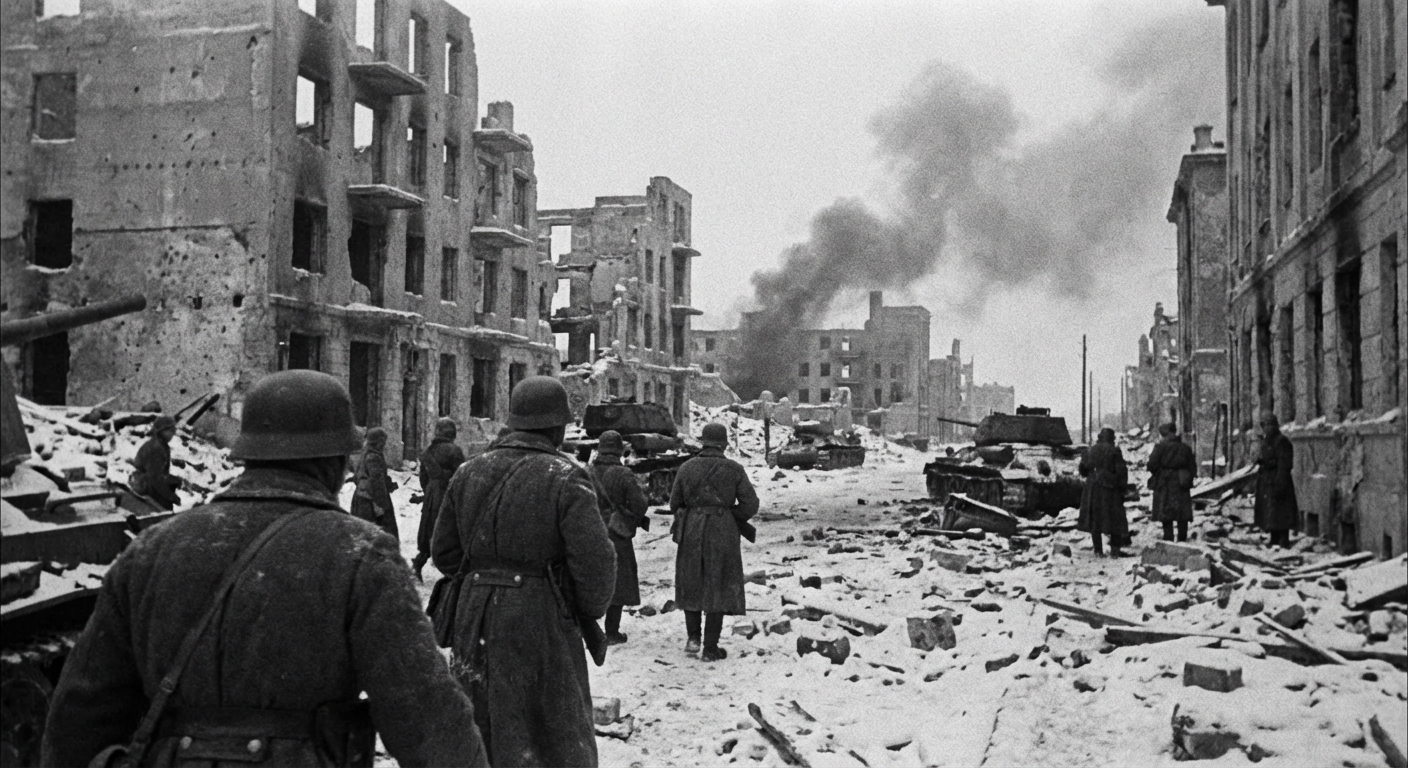
By the autumn of 1942 Stalingrad had become less a city than a field of smashed brick, twisted steel, and dust. German and Soviet forces fought for stairwells, cellars, workshops, and walls reduced to jagged outlines. In such terrain the ordinary logic of movement broke apart. Snipers flourished because the battlefield was made of concealment, choke points, and exhausted men forced to expose themselves for one second too long. Vasily Zaitsev, a sailor turned infantryman from the Urals, understood quickly what this place demanded.
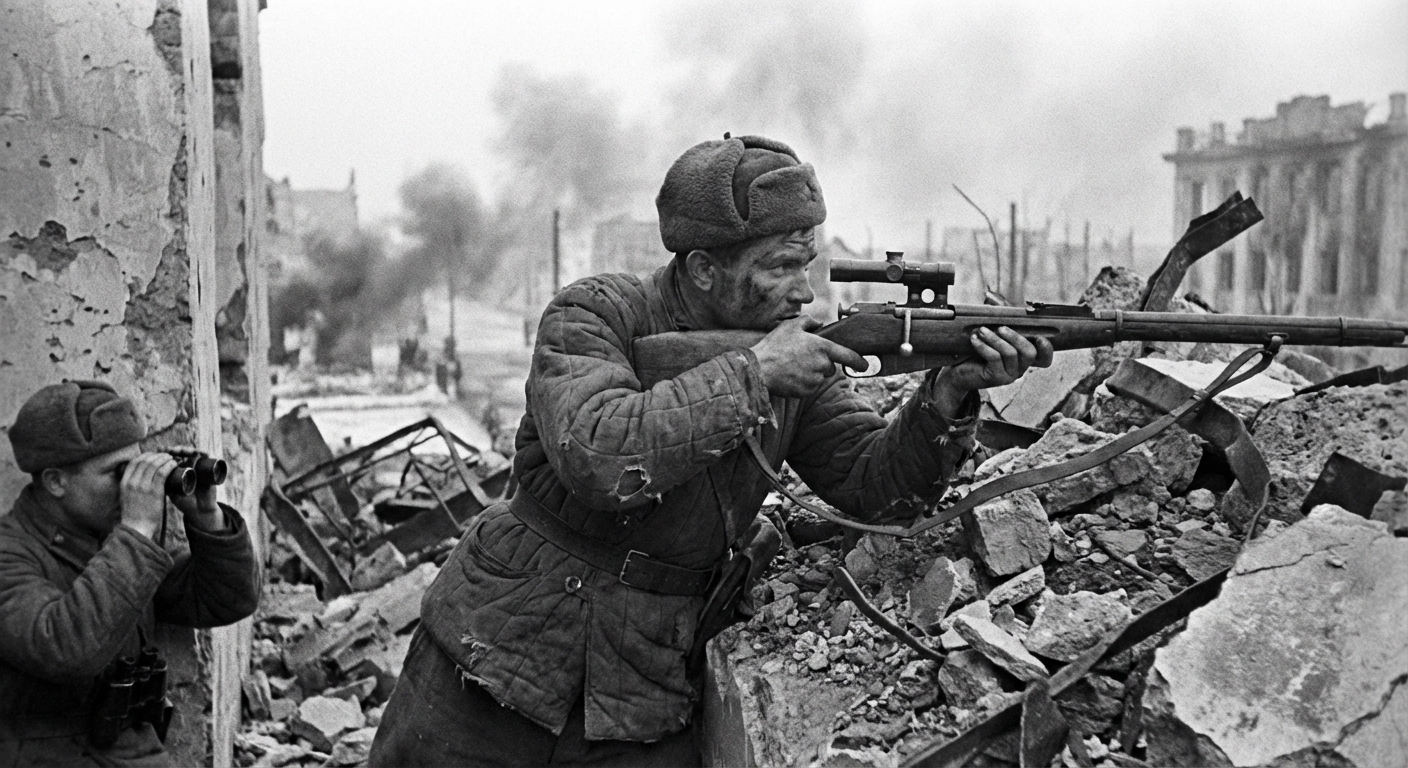
Using a Mosin-Nagant rifle fitted with a scope, Zaitsev began compiling a deadly record in the city fighting. But the number on a score sheet is only part of why he became important. He studied patterns. Where do officers raise their heads? Which rubble heap offers the best line over a crossing point? How many false positions can one team create before the enemy reveals the real one? Stalingrad rewarded thought as much as nerve.
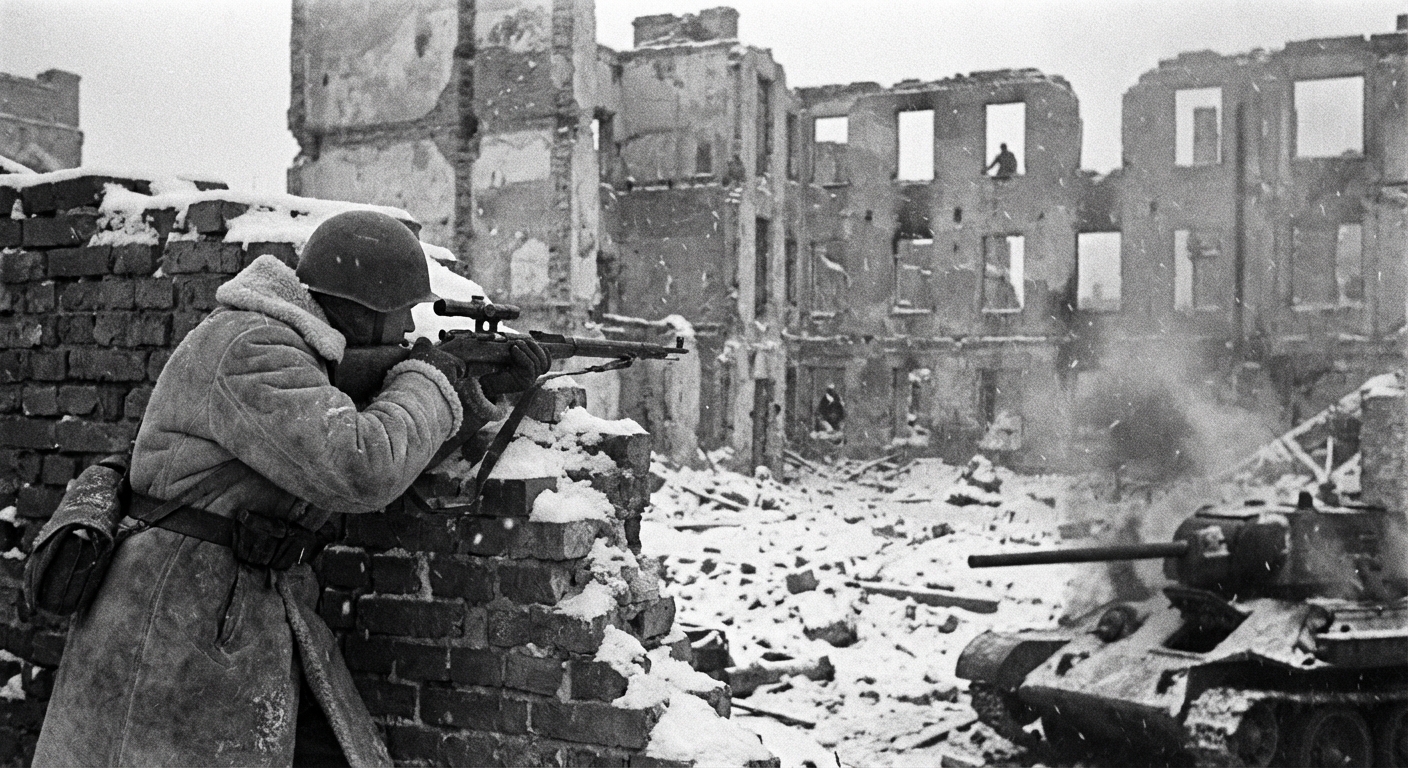
Zaitsev also helped systematize training. He worked with other marksmen, taught camouflage and fieldcraft, and encouraged the use of sniper pairs and small teams. Soviet propaganda would later amplify his fame, but propaganda alone does not explain battlefield influence. In a city where every machine-gun nest and observer mattered, a good sniper could paralyze movement, break confidence, and exact a psychological tax far beyond the bullet's path.
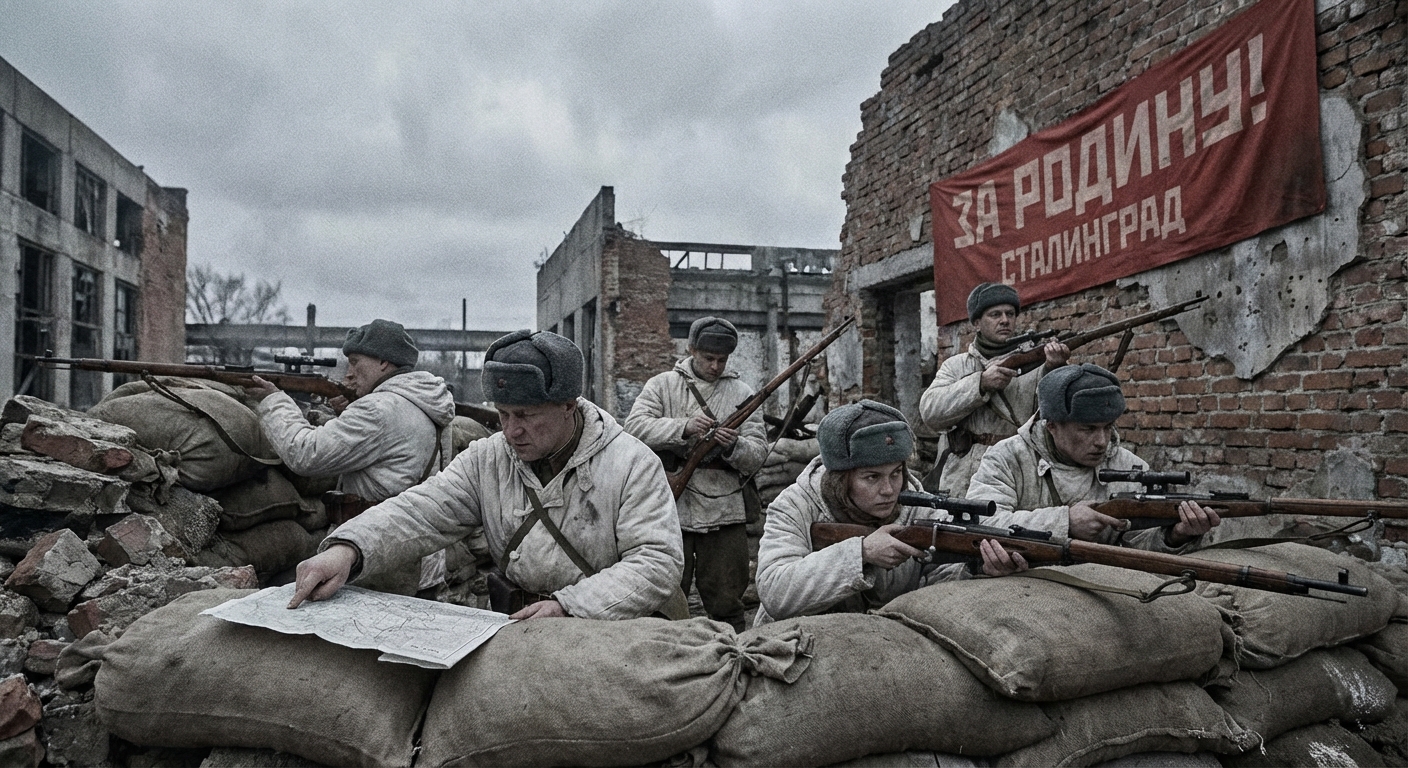
The most famous tale attached to Zaitsev is the alleged duel with a German master sniper often called Major Konig. Historians disagree on how much of that story can be documented. What is beyond dispute is that Zaitsev fought in exactly the kind of sniper contest Stalingrad produced: patient, deceptive, close-range battles of eyes and endurance where a tiny error could end the day and the man. He was later wounded by mortar fire but survived.
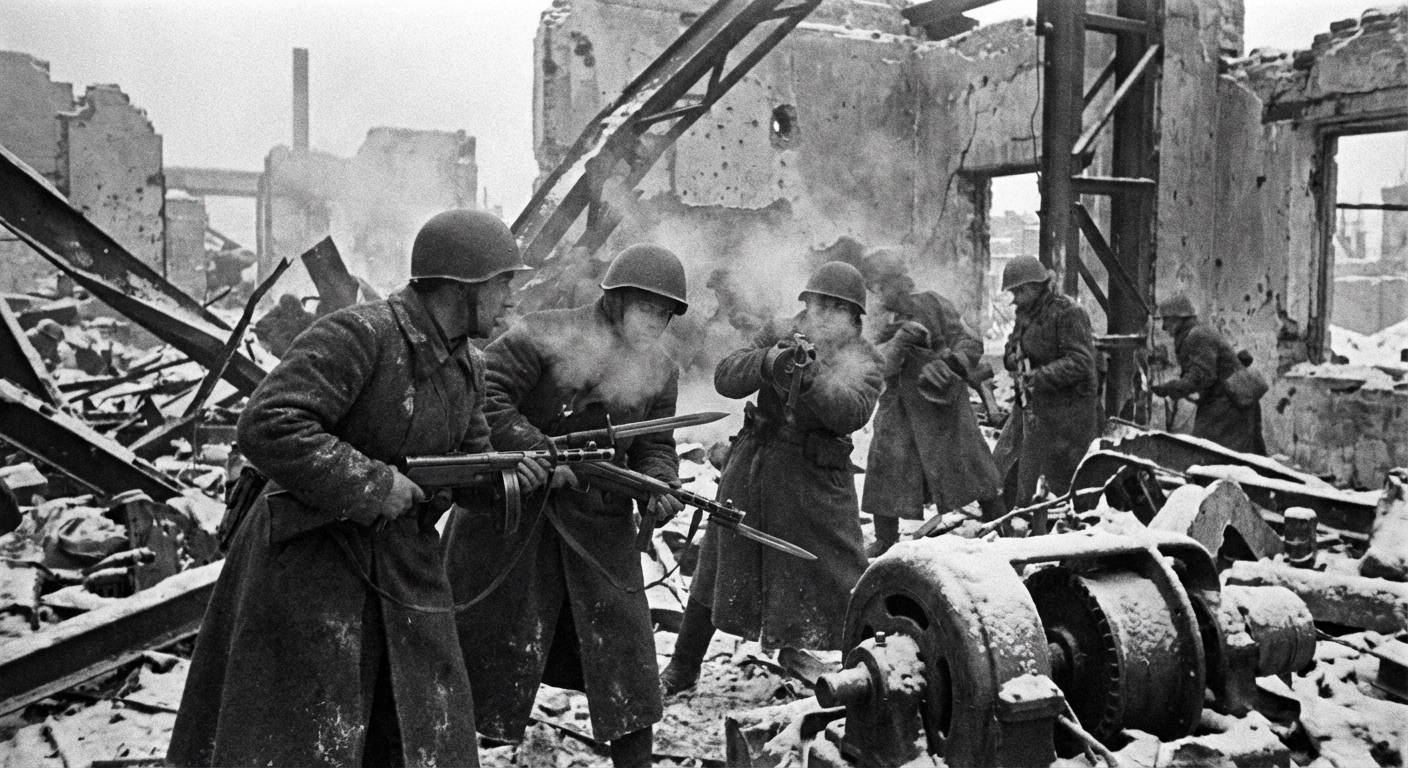
When the encirclement closed around the German Sixth Army and the battle turned decisively against the invaders, figures like Zaitsev became symbols of a larger Soviet answer to catastrophe. The city had not been held by machinery alone. It had been held by individuals and small units who kept fighting in spaces measured in rooms and meters. Zaitsev was one of the faces attached to that stubbornness.
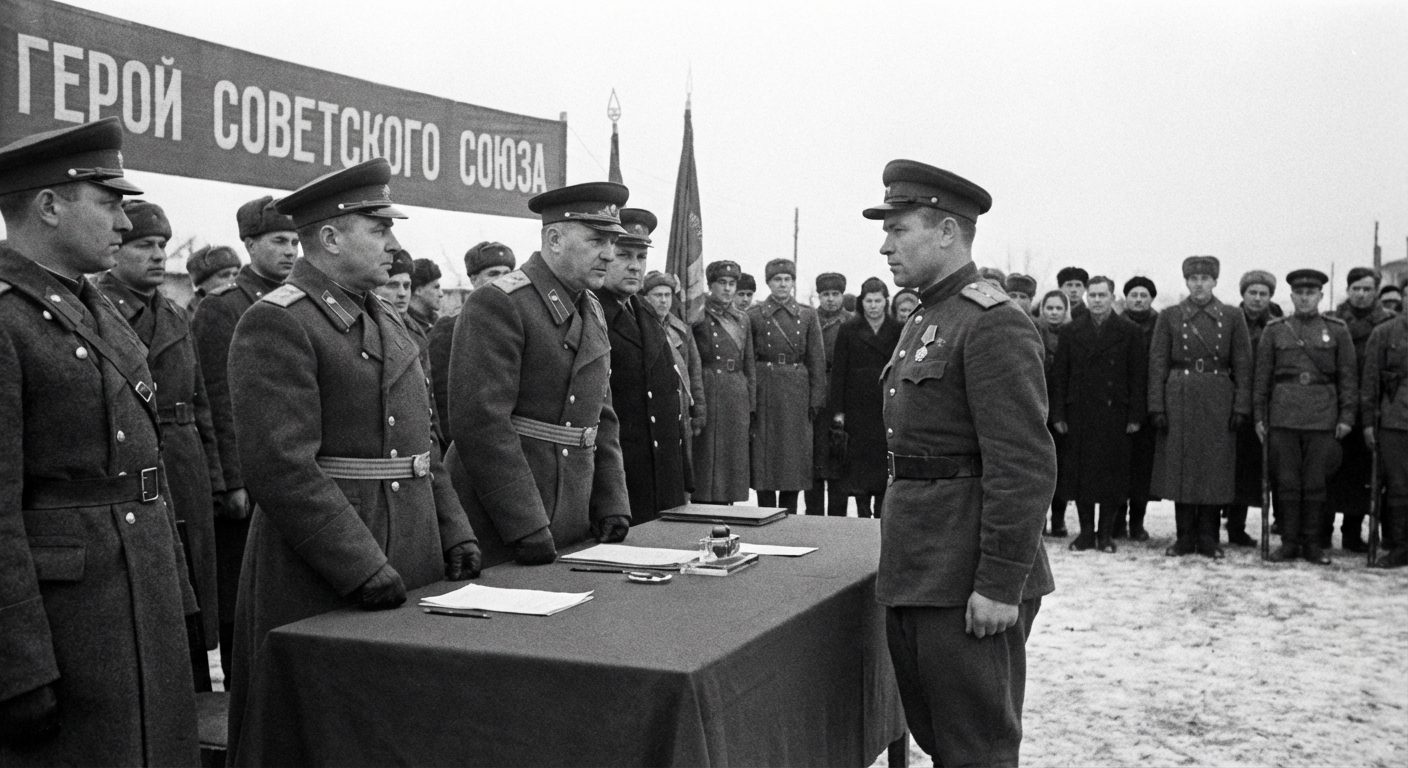
His legend can tempt retelling into myth, but the real Stalingrad needs no embellishment. Vasily Zaitsev was a skilled sniper in one of the most brutal urban battles ever fought. That alone is enough. In the ruins, he made the city itself into a weapon.
Scoped Soviet rifle associated with Zaitsev at Stalingrad.
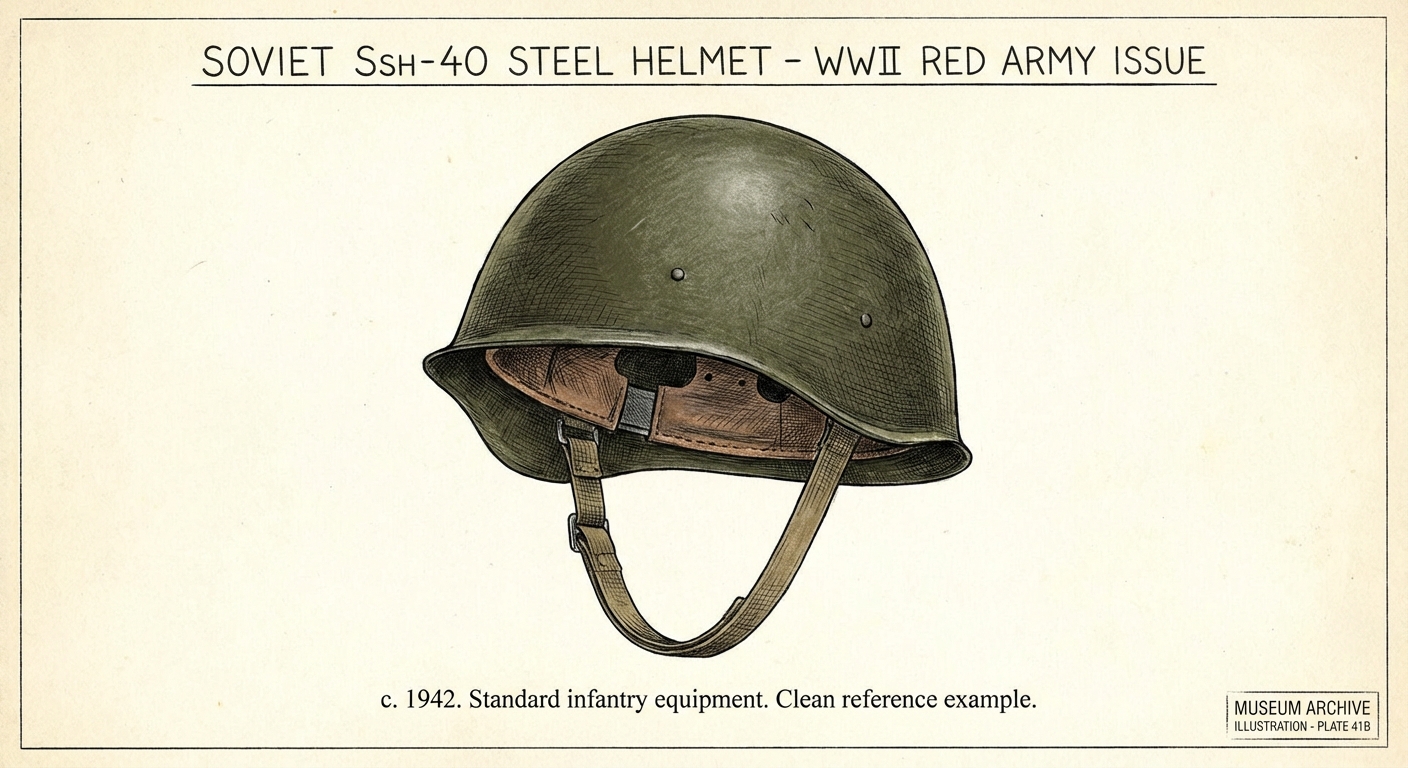
Observation was as important as marksmanship in urban sniping.
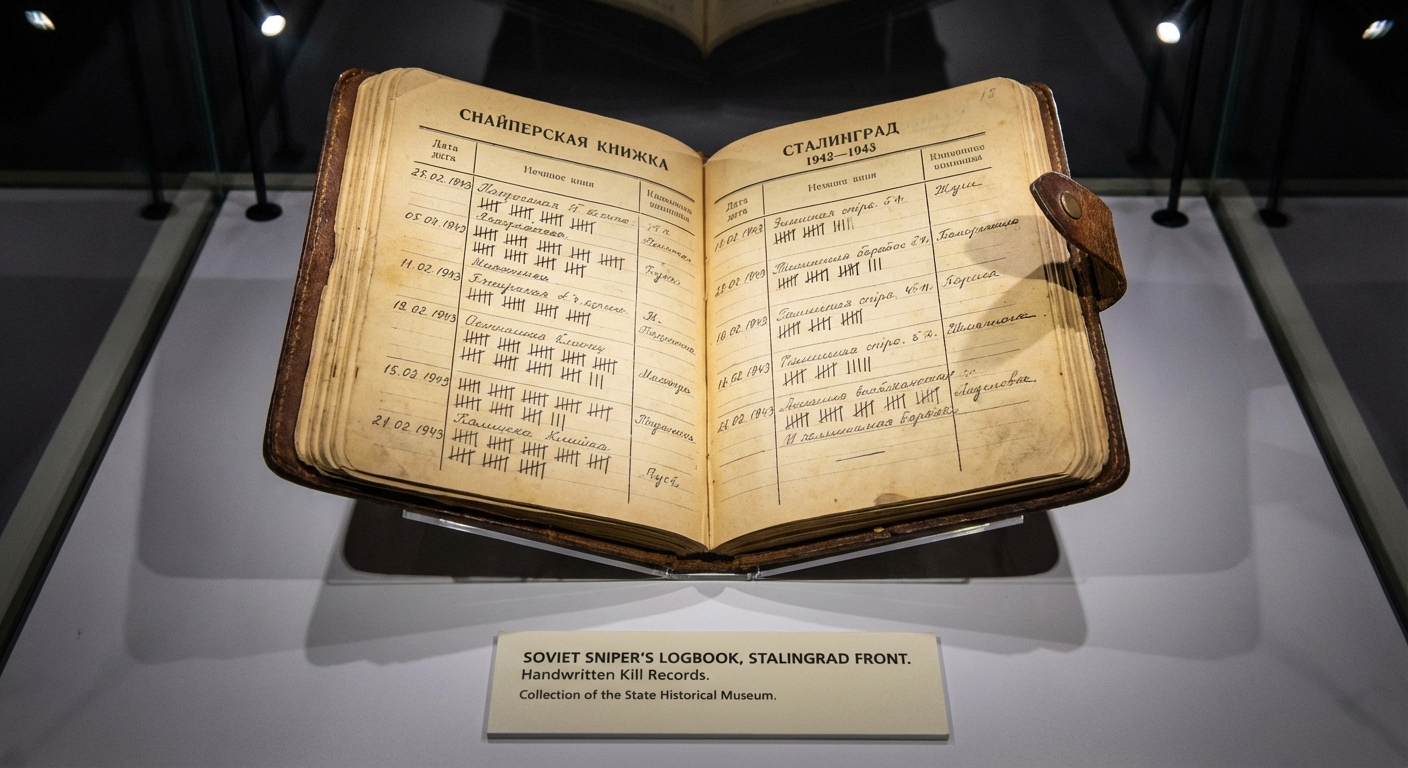
Used to break the outline in rubble and factory ruins.
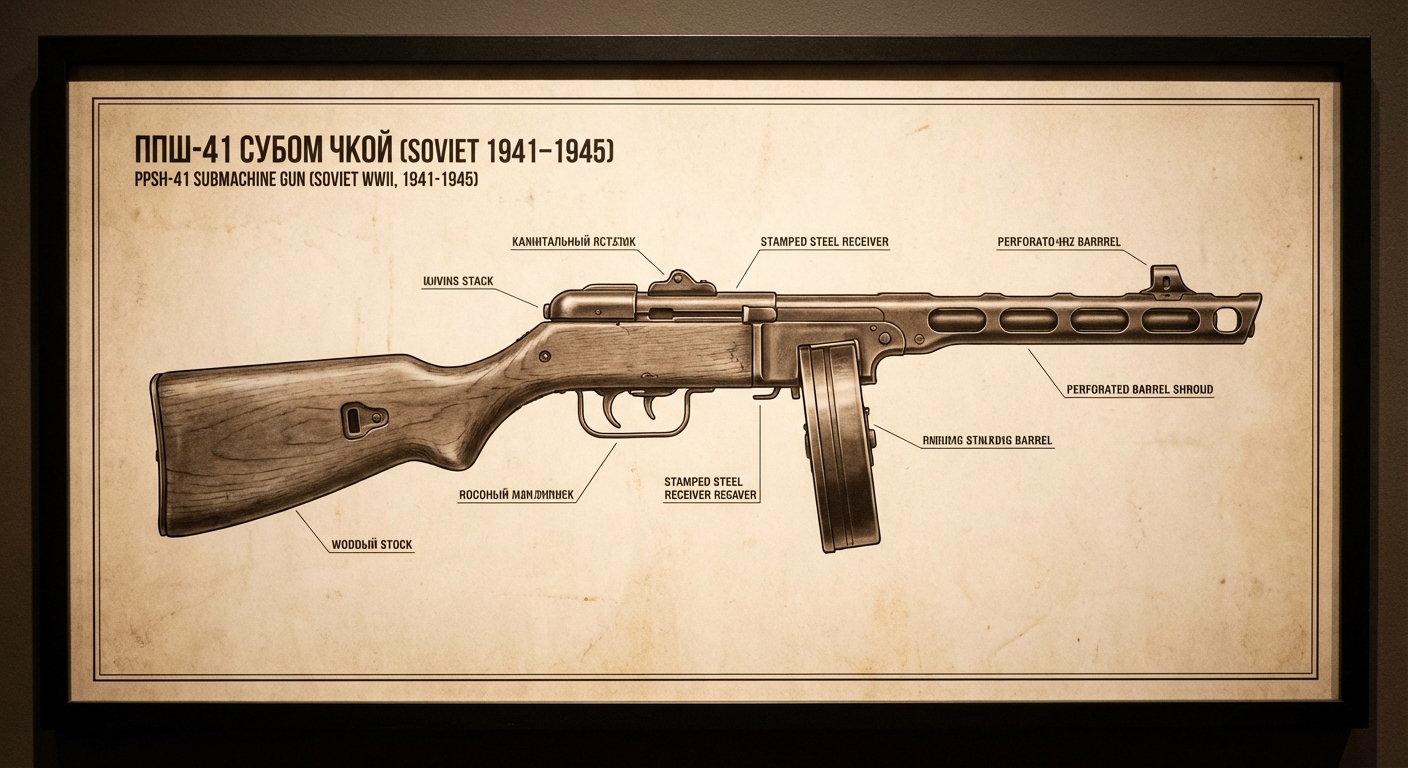
Carried the rifle rounds that had to count in close urban warfare.
23 August 1942 to 2 February 1943
The battle for Stalingrad became a defining clash on the Eastern Front. House-to-house fighting, artillery devastation, and eventual Soviet encirclement destroyed the German Sixth Army and marked a strategic turning point in the war.