Shadowed wartime figure in occupied Europe

Resistance | SOE | OSS

Virginia Hall

She entered occupied France with a prosthetic leg, a forged identity, and a talent for organizing chaos into resistance. To the Gestapo she became one of the most dangerous Allied agents in Europe. To the networks she built, she was the courier, planner, quartermaster, recruiter, and lifeline that kept sabotage alive.

TheaterVichy and occupied France
ServiceSOE, then OSS
Known forEscape, networks, relentless fieldcraft

Why she mattered

A one-woman infrastructure for resistance warfare

Virginia Hall did not simply pass messages or disappear into legend. She built functioning clandestine architecture. In Lyon and beyond, she recruited agents, arranged safe houses, coordinated wireless operators, moved downed airmen, and connected local fighters to Allied strategy. When German security pressure intensified, her usefulness did not diminish, it increased. She adapted faster than the dragnet closed.

Strategically, Hall mattered because resistance requires continuity more than drama. Networks collapse when nobody can move money, people, radios, instructions, or trust. Hall provided all of it. Her work tied local acts of sabotage to the wider Allied campaign, especially as planning shifted toward preparing France for invasion and sustained disruption of German transport and command.

Secret network meeting

The SOE phase

Sent into France in 1941 under cover as a journalist, Hall became one of the first female SOE operatives in the field. She organized circuits in unsteady political terrain, where loyalties, police attention, and German counterintelligence shifted constantly.

Mountain escape route

Gestapo pursuit

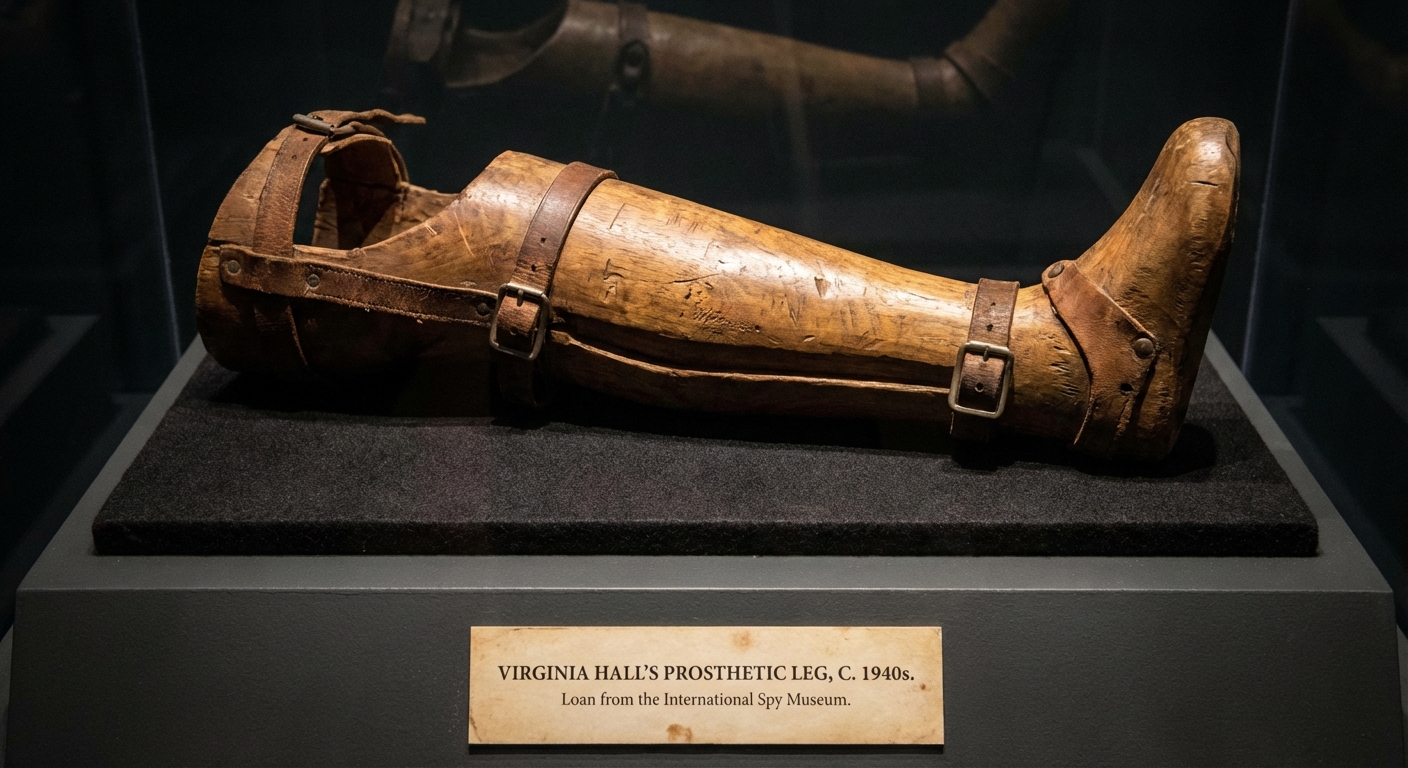
After German pressure intensified and allied networks were compromised, Hall fled across the Pyrenees in winter, dragging her prosthetic leg through one of the hardest possible exits in Europe. The Gestapo circulated warnings about her as a priority target.

Rural resistance fighters preparing ambush

OSS return

Hall came back to France with the OSS, older, tougher, and even harder to find. Disguised as an elderly peasant woman, she coordinated supply drops, guerrilla action, and intelligence collection in support of Allied operations after D-Day.

Tradecraft dossier

How Hall stayed useful when the net tightened

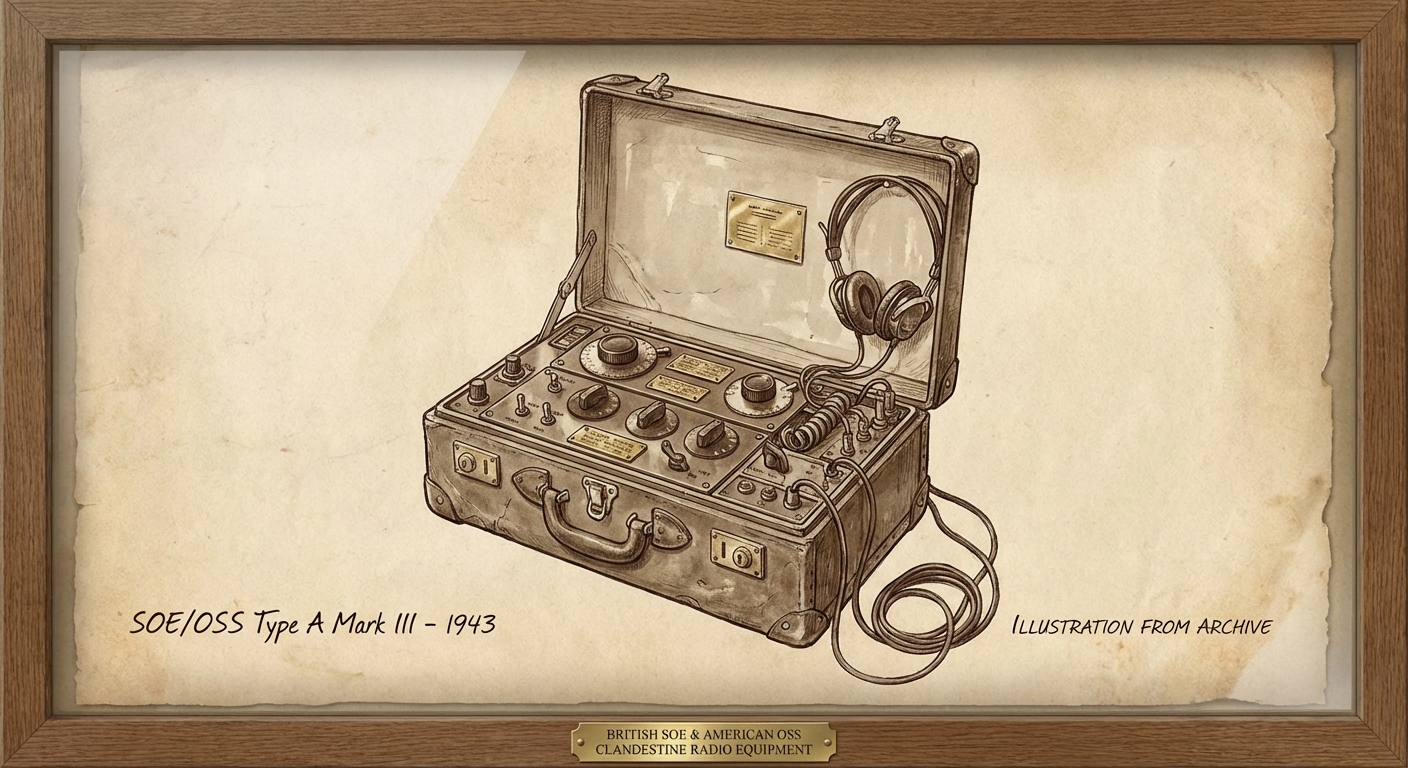
Concealed radio kit

Wireless coordination

Radios brought Allied strategy into occupied territory, but they also invited direction-finding teams. Hall's circuits treated transmission windows, operator movement, and compartmentation as survival measures, not technical niceties.

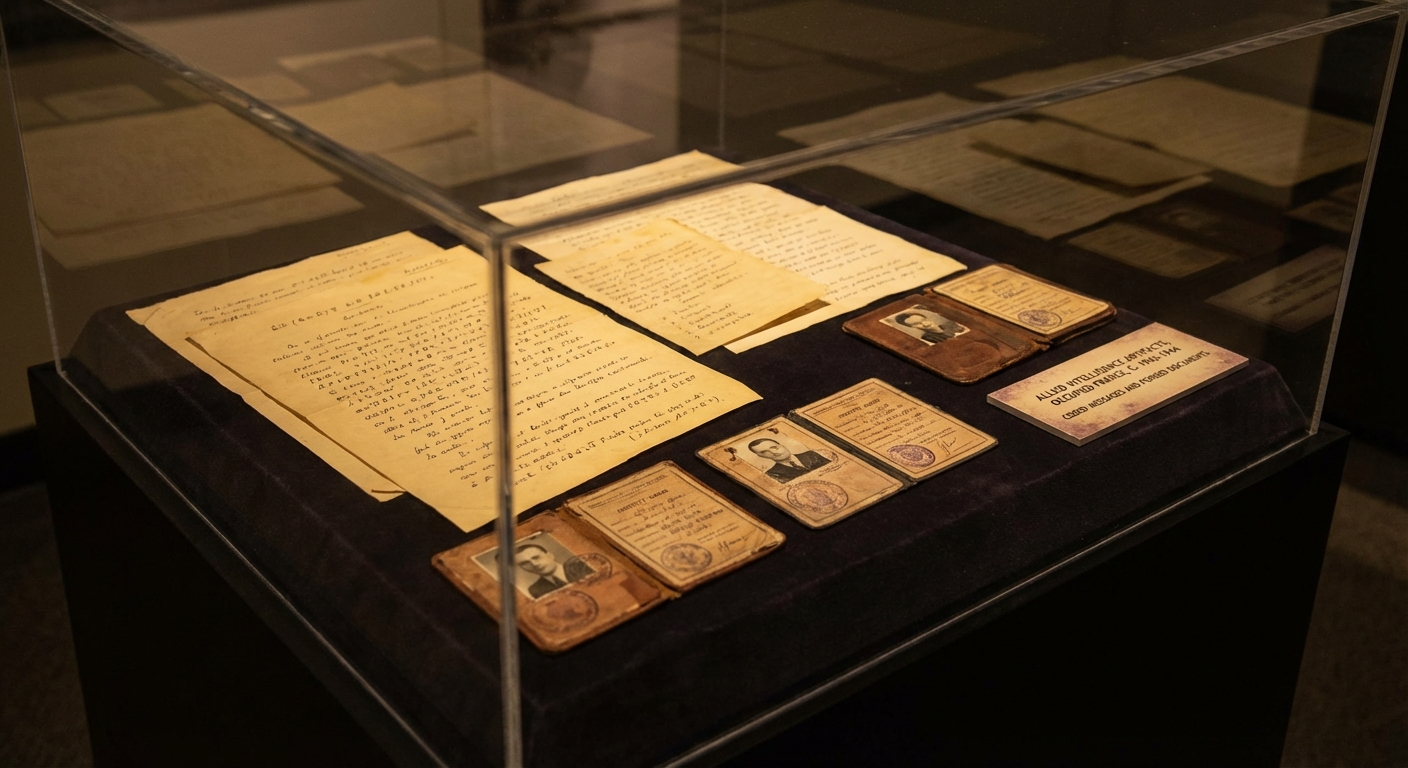
Forged identity papers

Legend and documents

Hall's covers had to survive police contact and neighborhood scrutiny. Papers, ration cards, personal backstory, and mannerisms all had to line up, because occupied Europe punished even tiny contradictions.

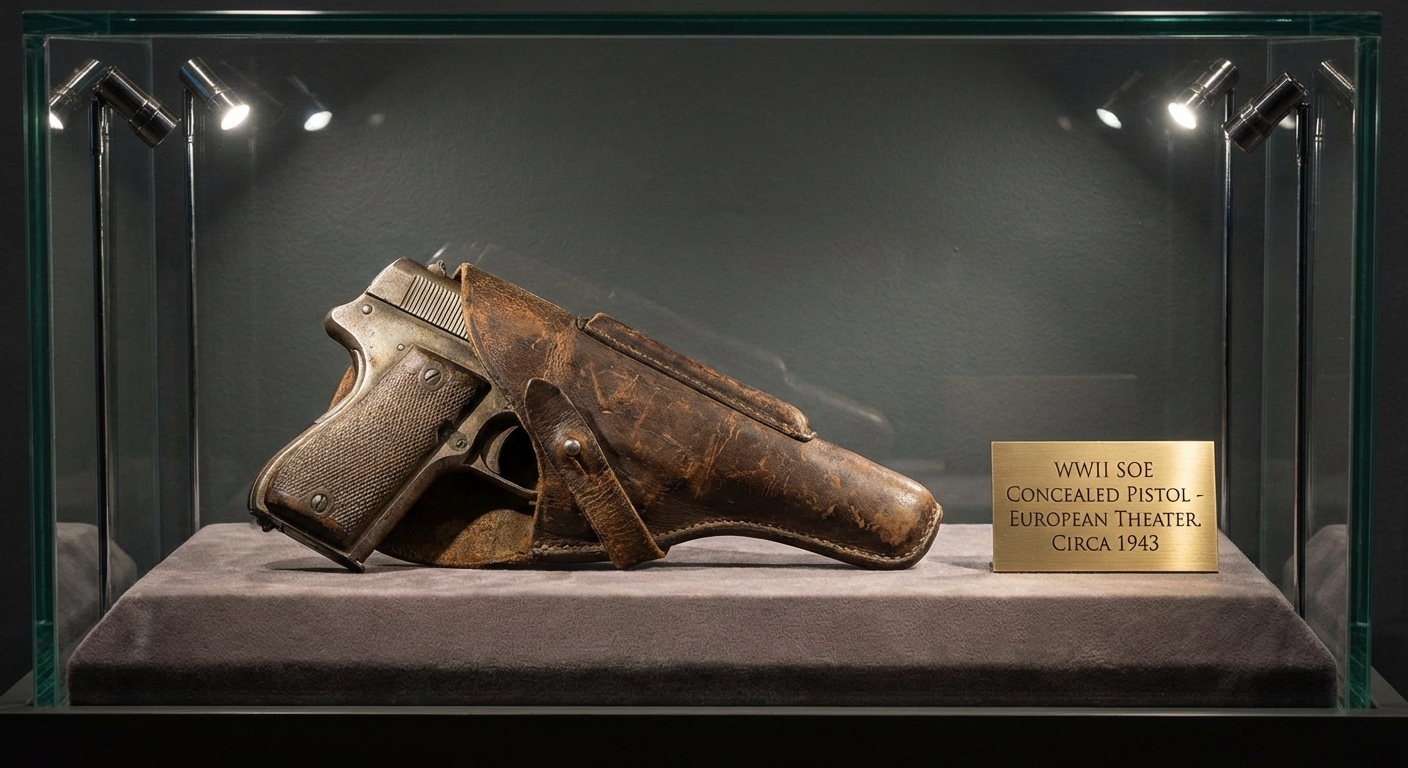
Compact sidearm

Last-resort defense

The romantic image of a lone operative with a pistol misses the point. Firearms were contingency tools. Hall's real weapon was network resilience, the ability to keep contacts productive without exposing the whole circuit.

Marked escape and sabotage map

Mobility planning

Safe routes, fallback points, drop zones, and escape paths were planned with brutal practicality. Hall's prosthetic leg meant every move carried extra cost, so her logistics had to be tighter than anyone else's.

Sabotage team in the French countryside

Intelligence and combat record

Operational impact in the field

  • Network building: Helped create and sustain resistance circuits that linked local fighters to Allied requirements.
  • Escape and evasion: Assisted endangered personnel and managed routes under increasing German surveillance.
  • Guerrilla support: Worked with maquis groups on sabotage, supply reception, and preparations that complicated German movement after Normandy.
  • Counter-pursuit survival: Remained active despite being hunted by one of Europe's most aggressive security systems.

Hall received the Distinguished Service Cross, one of the few civilian women of the war to do so, though much of her work stayed classified and therefore muted in public memory for decades.

Legacy

The operative the enemy remembered

Virginia Hall's legacy is not just inspirational. It is instructional. She proved that intelligence work is often won by stamina, improvisation, and administrative competence under mortal pressure. She also forced a quiet correction to assumptions about who could operate effectively behind enemy lines. The Gestapo's obsession with finding her is the clearest measure of value: enemies do not waste resources chasing mascots. They chase systems disruptors.

Even now, Hall stands out because her story resists simplification. She was not invulnerable, not cinematic in the easy sense, and not merely brave. She was disciplined, inventive, and strategically consequential.