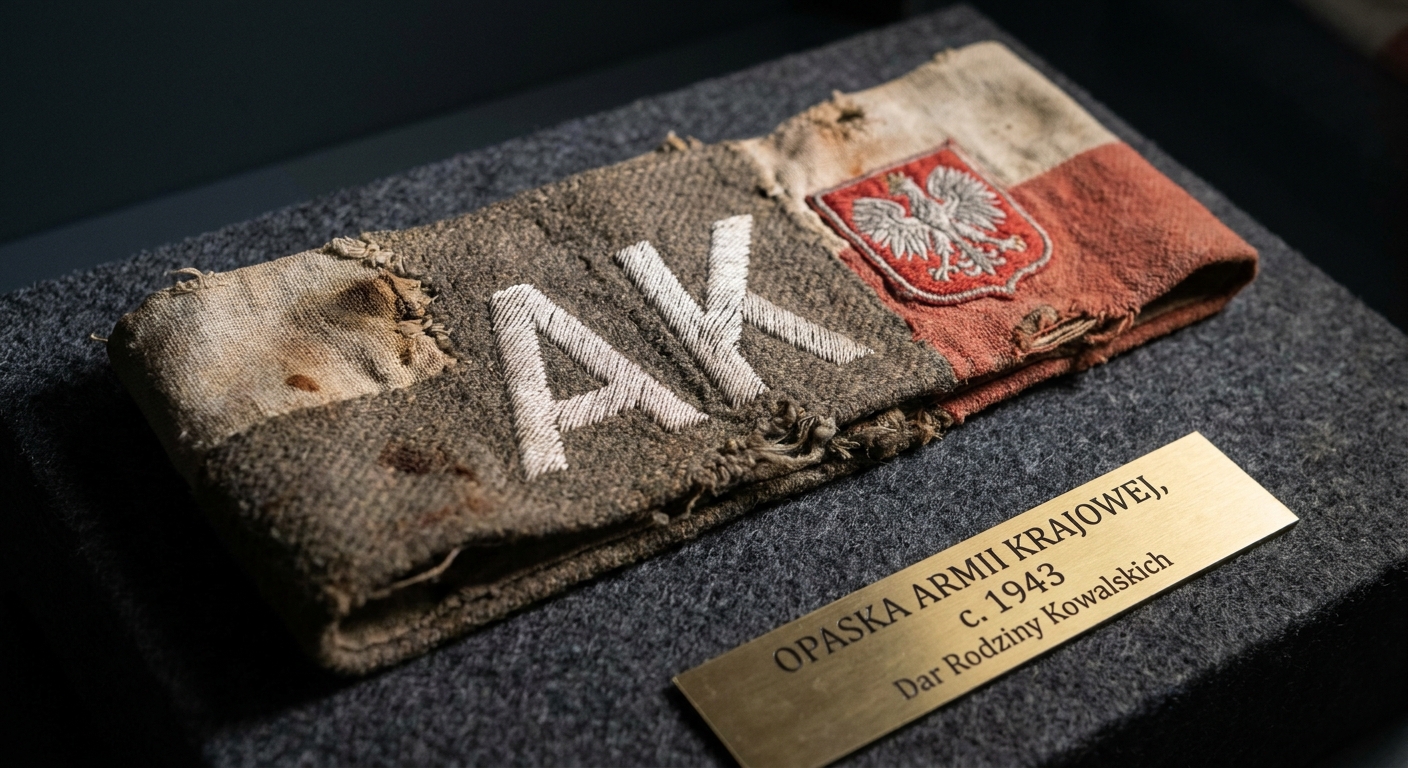
AK Armband
The visible mark of a hidden army stepping into the open.
A City Fights Alone
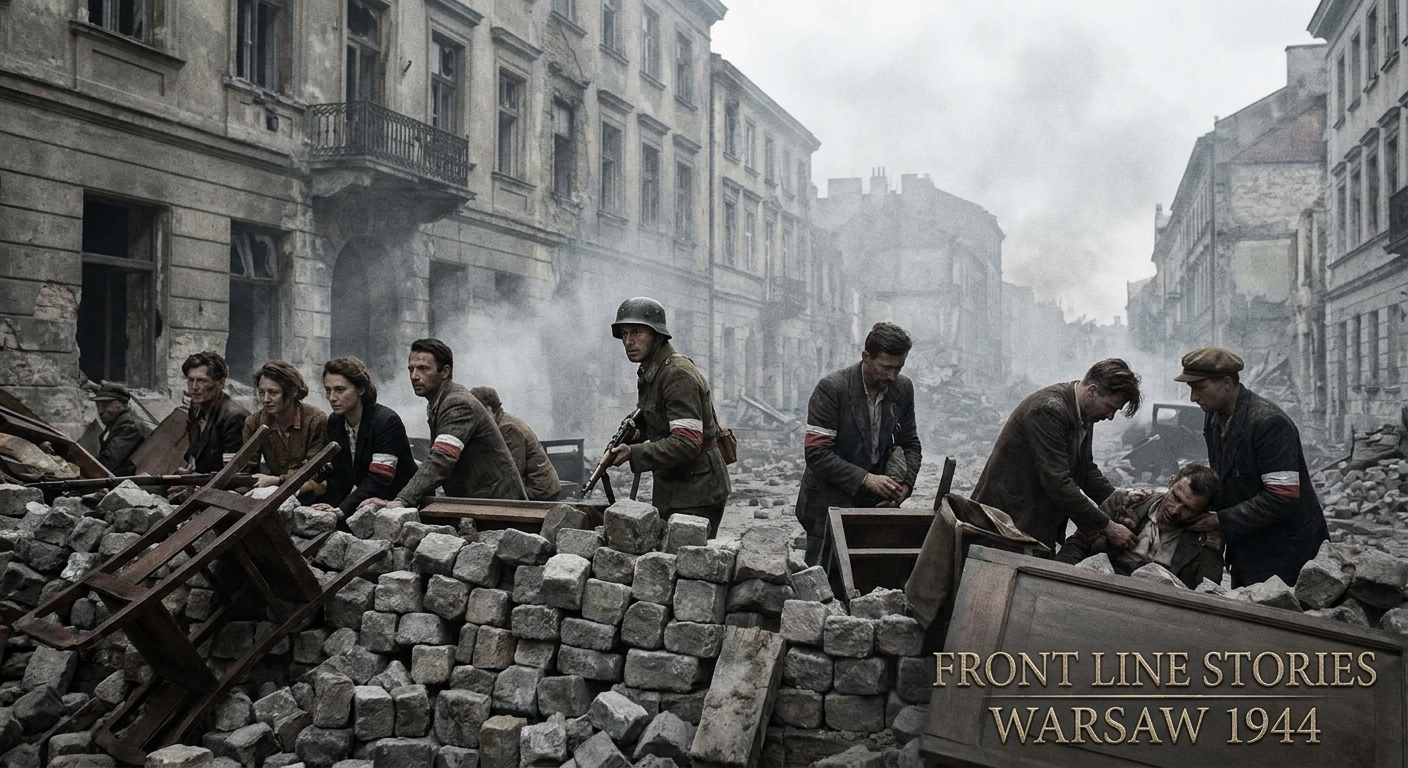
At 5 p.m. on August 1, Warsaw rose with pistols, homemade grenades, and belief.
The Warsaw Uprising began as a desperate bid to liberate the Polish capital before the Red Army arrived. The Home Army, loyal to the Polish government-in-exile, wanted Warsaw freed by Poles, under Polish authority, before Soviet power could define the postwar order by force. It was a political gamble and an urban battle from the first hour.
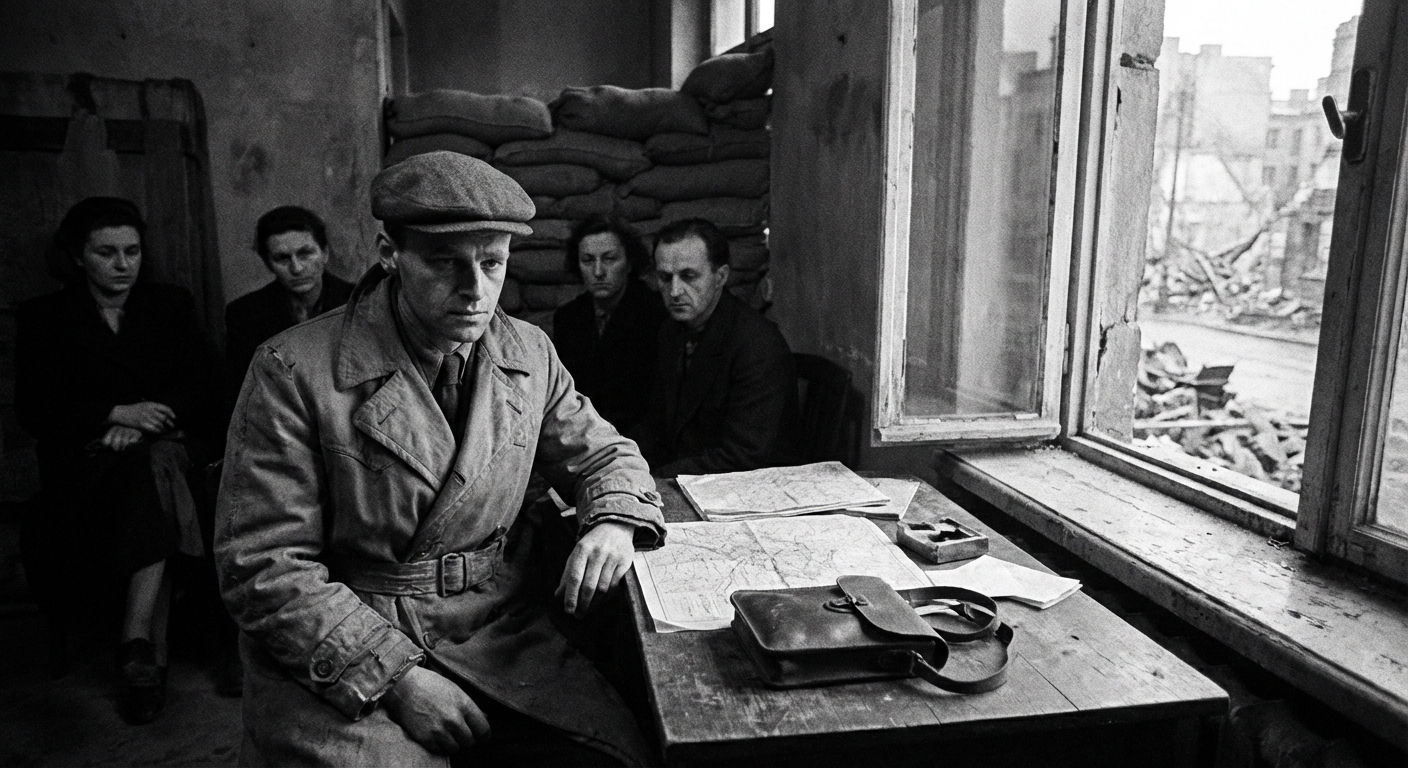
The city fought with whatever it had. Hidden weapons caches. Captured rifles. Bottles turned into fire. Couriers moving through basements and sewers. Young fighters wearing red-and-white armbands. Civilians building barricades out of tramcars, rubble, and furniture while German strongpoints still stood only streets away.
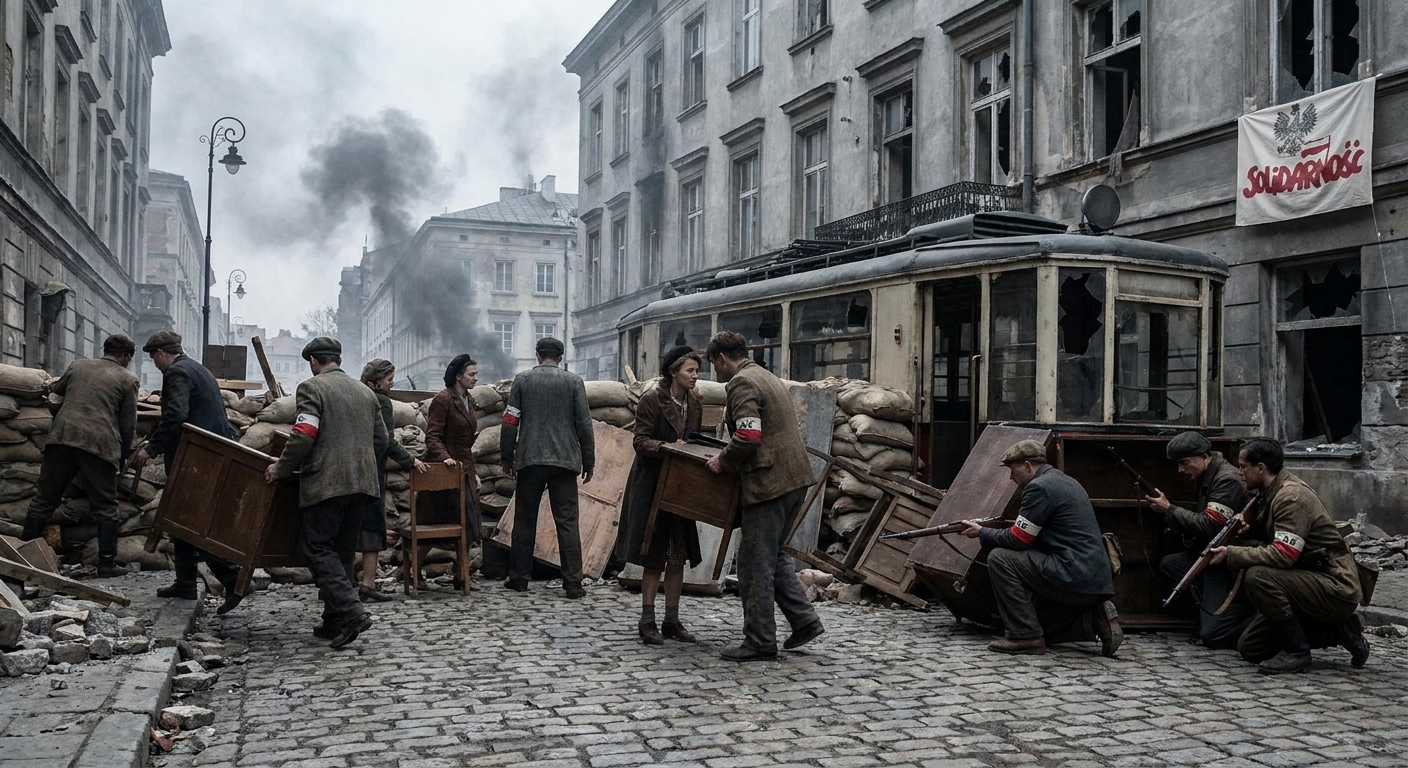
Every block became a fortress. Every courtyard, a route or a trap.
In the opening days the insurgents seized parts of the city and created islands of freedom amid ruin. But Warsaw was not Paris in 1944. The Germans answered not with withdrawal, but with annihilation. SS units, police formations, Dirlewanger's criminals, and heavy weapons were unleashed district by district. In Wola, civilians were massacred in numbers that still numb the eye.
The uprising was urban war at breathing distance, fought through walls, stairwells, attics, and sewer lines under a sky that burned every night.
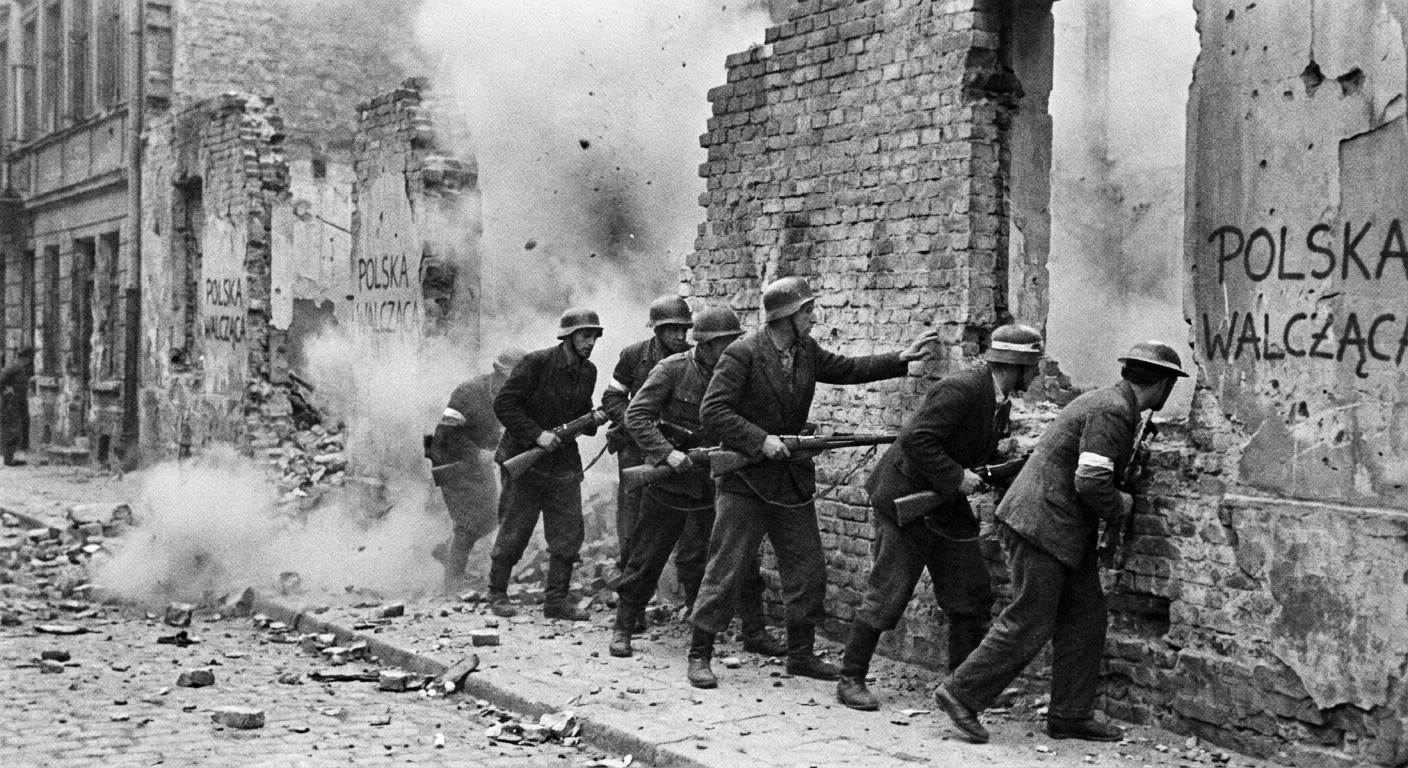
The Home Army learned the geometry of survival, breach, crawl, pass ammunition, hold one more room.
The insurgents displayed astonishing improvisation. They built armored cars from captured vehicles, turned workshops into weapons labs, and sustained an underground city beneath the fighting one. But courage could not manufacture artillery or air cover. German bombers and siege guns reduced whole quarters. Hospitals were hit. Water failed. Food thinned. The uprising became a test of endurance against an enemy willing to destroy the city rather than lose it.
The Soviet armies, halted on the east bank of the Vistula, did not intervene in time to save the rising. Western Allied airdrops came, some heroic, many tragically inaccurate or insufficient. The fighters of Warsaw watched aid fall too little and too late.
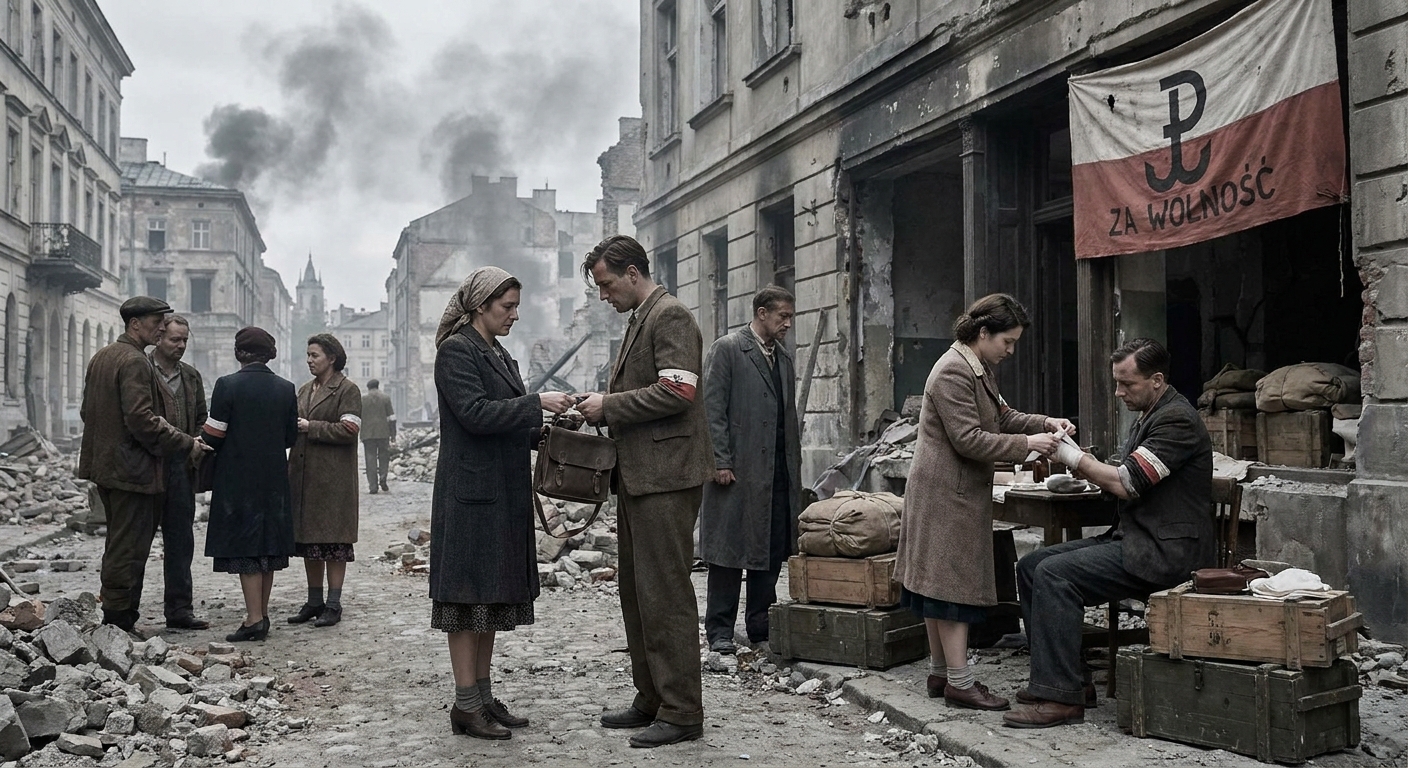
German firepower turned districts into dust and made surrender a question of bodies, not spirit.
After sixty-three days, with ammunition nearly gone and civilians dying in the ruins around them, the Home Army capitulated under terms recognizing insurgents as lawful combatants. The surviving fighters marched into captivity. Civilians were expelled. Then came the methodical destruction of Warsaw, block by block, a punishment carried out with cold intent.
The tragedy is inseparable from the courage. The uprising failed militarily. It remains morally and historically immense. It showed a nation attempting to reclaim its capital under conditions almost designed to break it.
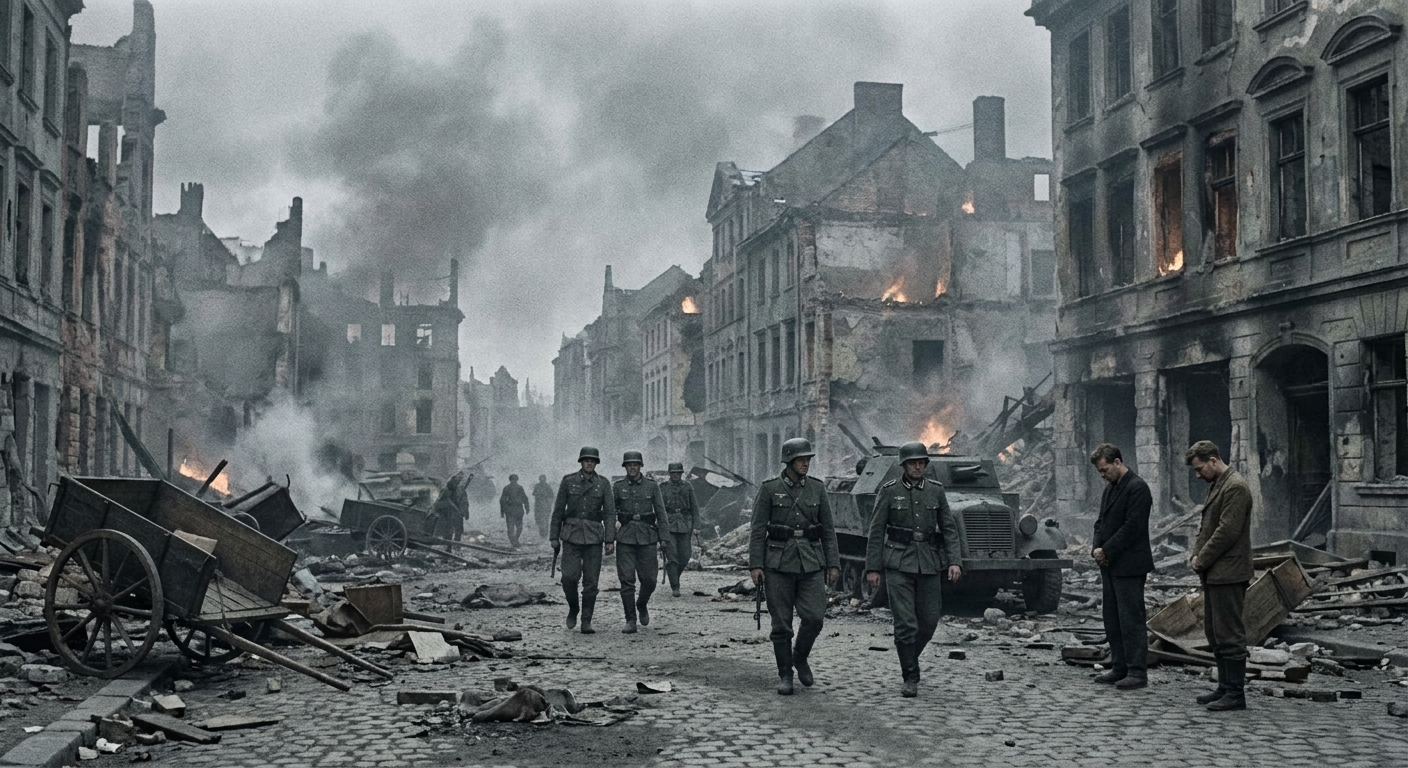
By September, Warsaw's resistance was still alive, but the city around it was being erased.
For modern memory, the Warsaw Uprising resists easy language. It was brave, necessary to some, catastrophically mistimed to others, and soaked in consequences for civilians who carried as much of the burden as the fighters. Yet the image endures, not because it was victorious, but because it refused passivity in the face of occupation and approaching domination from another direction.
Warsaw did not merely fall. It was broken after standing.
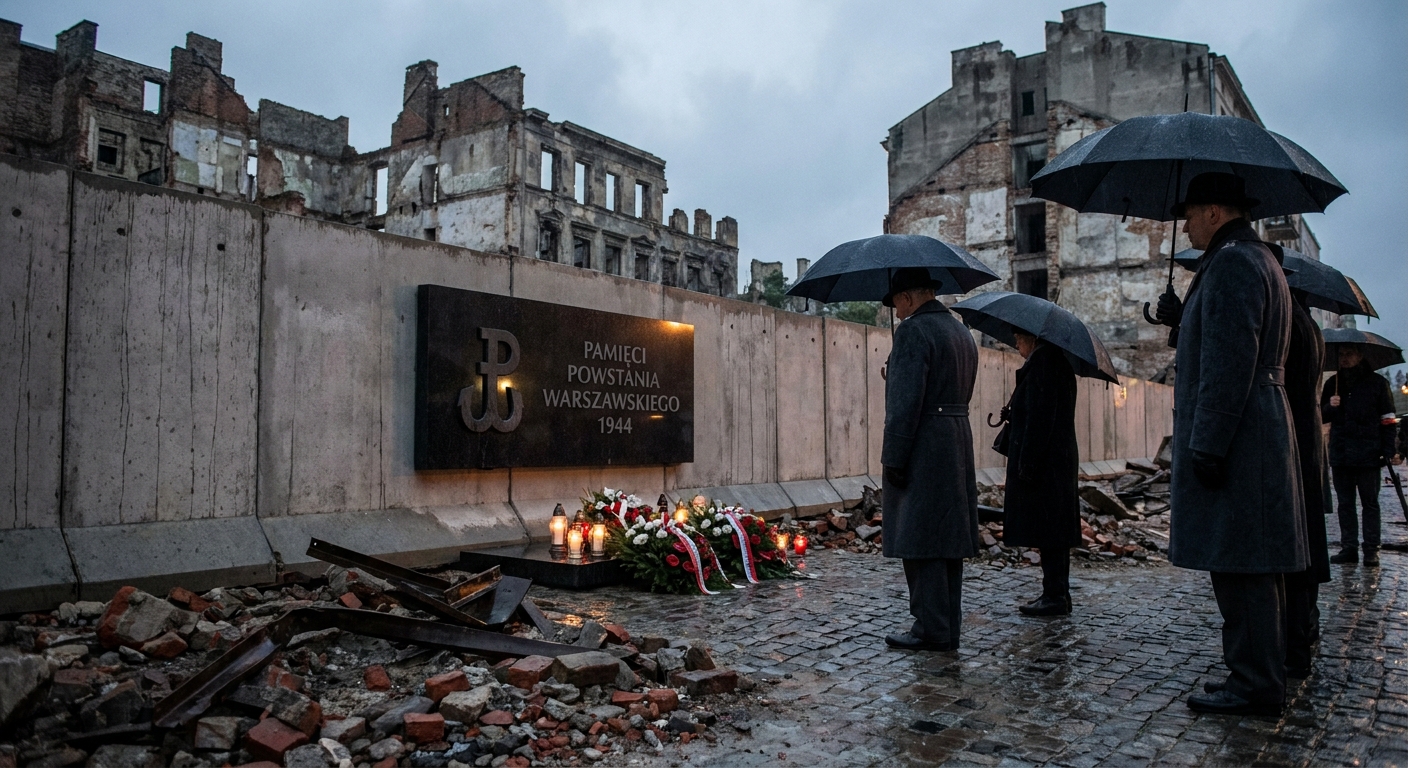
The city was rebuilt. The dead were not. Memory became part of the reconstruction.
The visible mark of a hidden army stepping into the open.
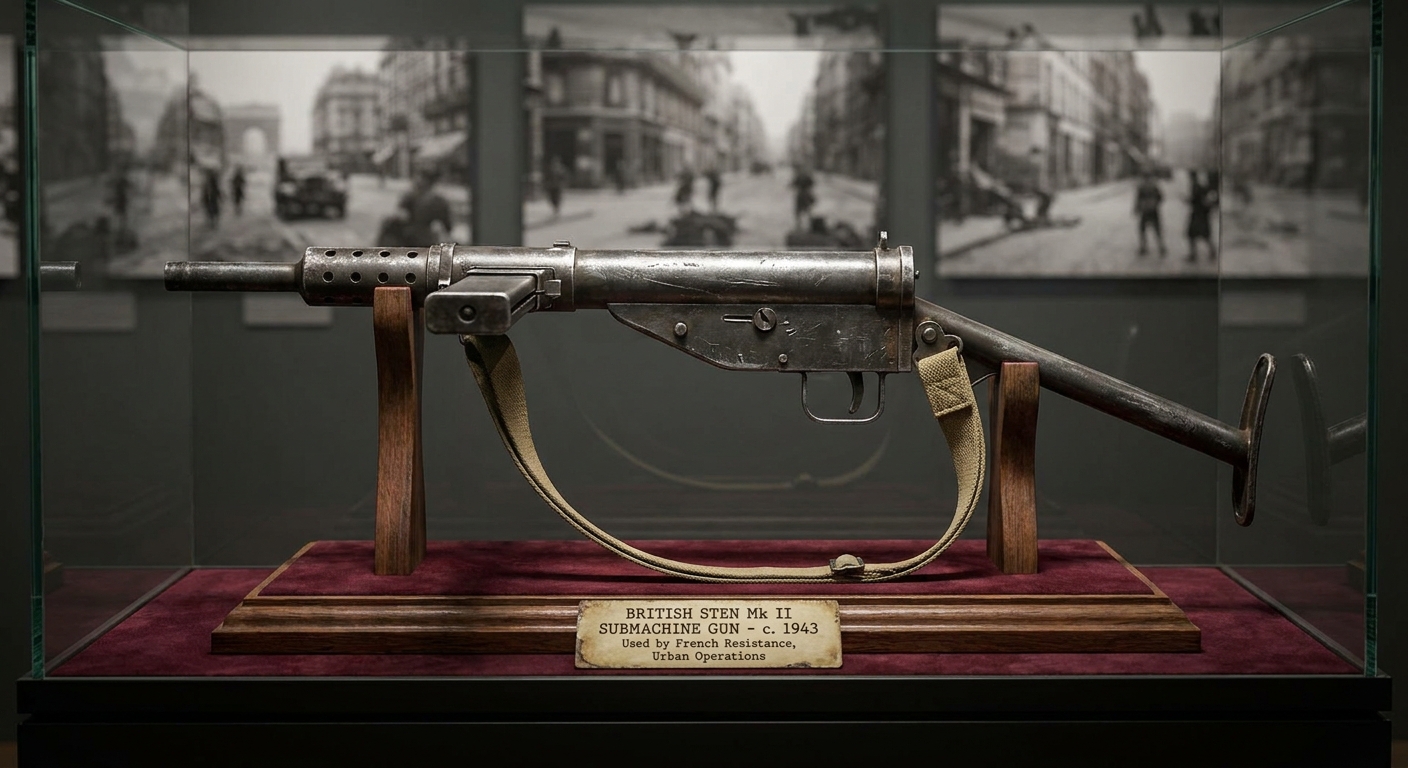
Cheap, portable, and common in resistance fighting where supply was irregular and precious.
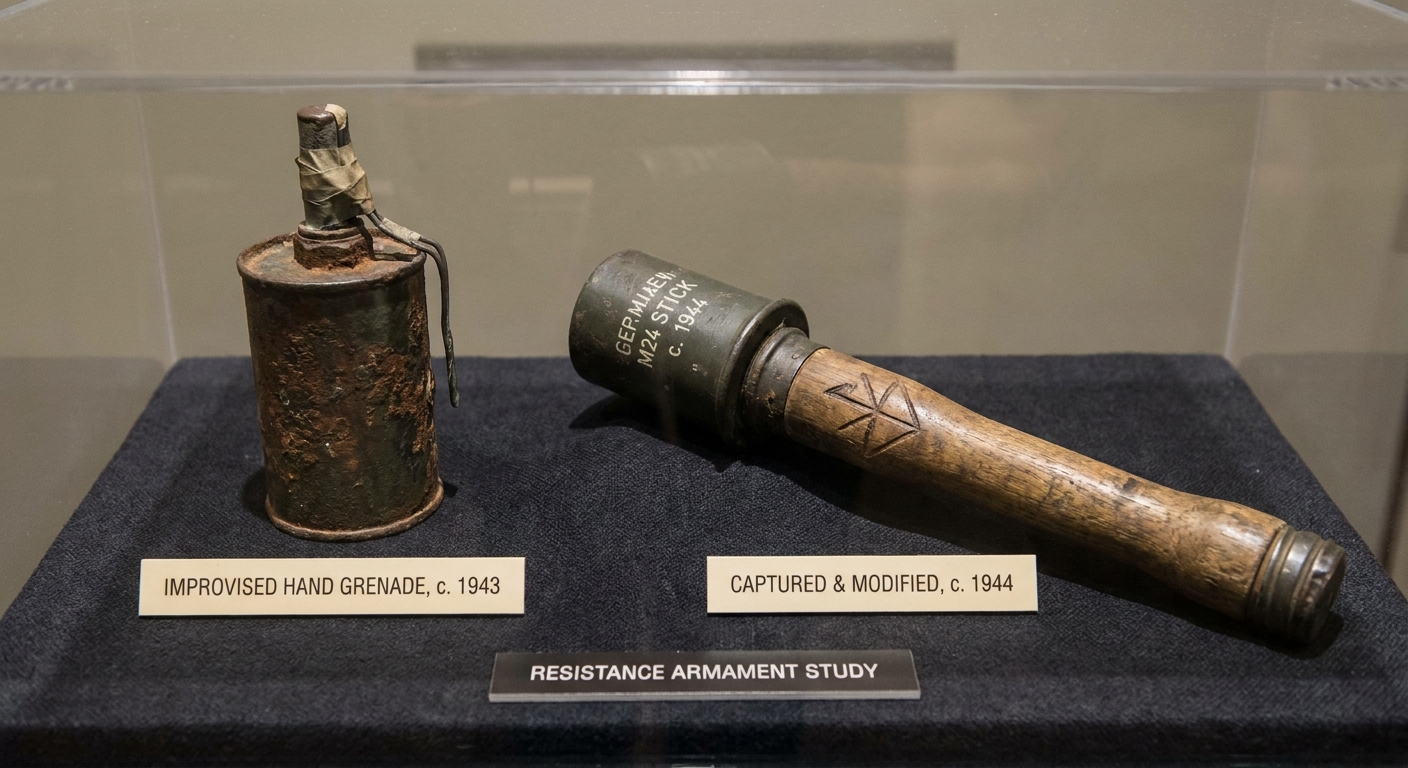
Crude but indispensable against strongpoints and vehicles in close streets.
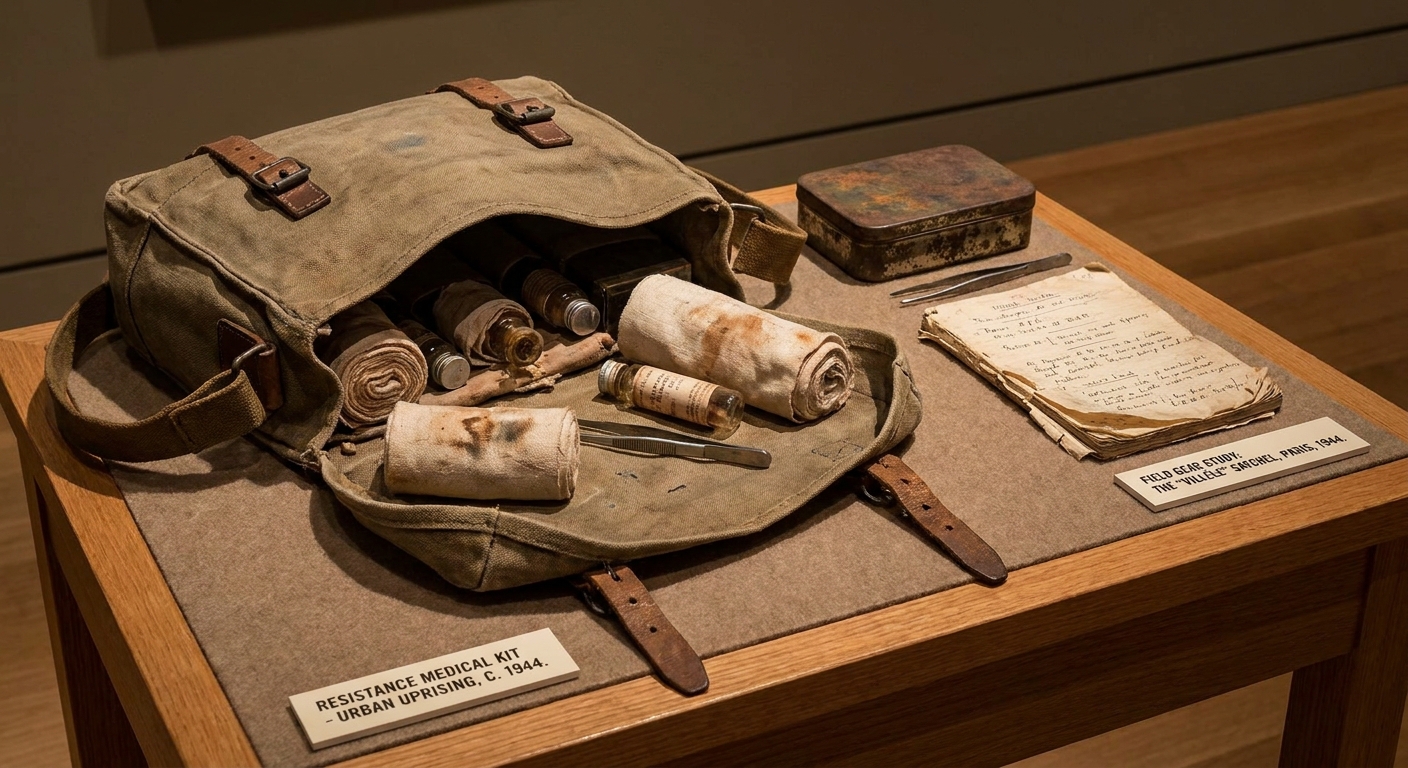
Urban underworld navigation for movement, evacuation, and command continuity.