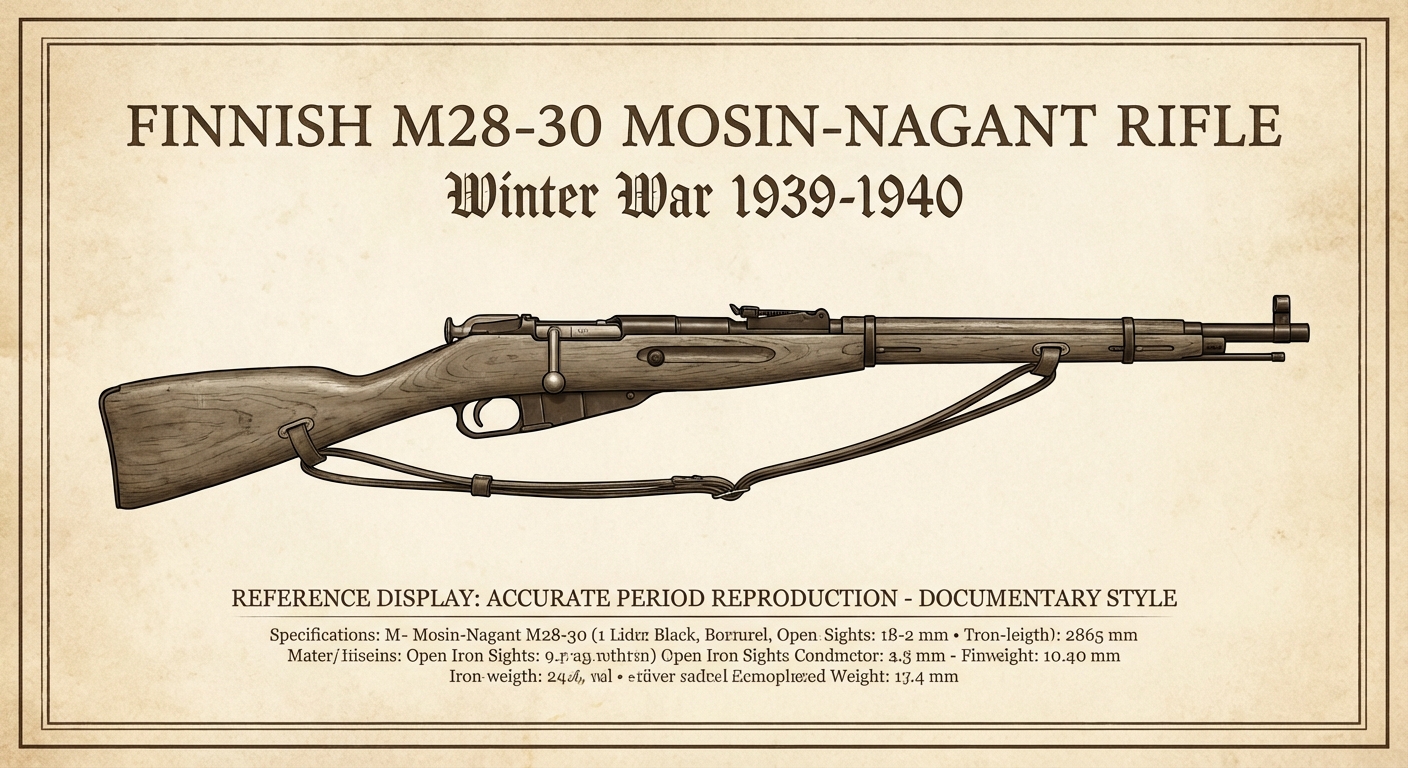
M/28-30 Rifle
Finnish Mosin-Nagant variant Hayha used with iron sights.
In the forests of the Winter War, a farmer in white camouflage became a legend among Soviet troops, not because he was superhuman, but because he understood snow, stillness, and patience better than the army sent to crush his country.
In the forests of the Winter War, a farmer in white camouflage became a legend among Soviet troops, not because he was superhuman, but because he understood snow, stillness, and patience better than the army sent to crush his country.
This page follows the Front Line Stories longform layout: six visual panels, grounded narrative, a field kit, battle record, and source trail. It is written to read cleanly for adults while staying vivid enough for younger history fans.
Simo Hayha sits at the point where individual nerve met a much larger machine of war. The details matter, because the drama here came from real people, real places, and real consequences.
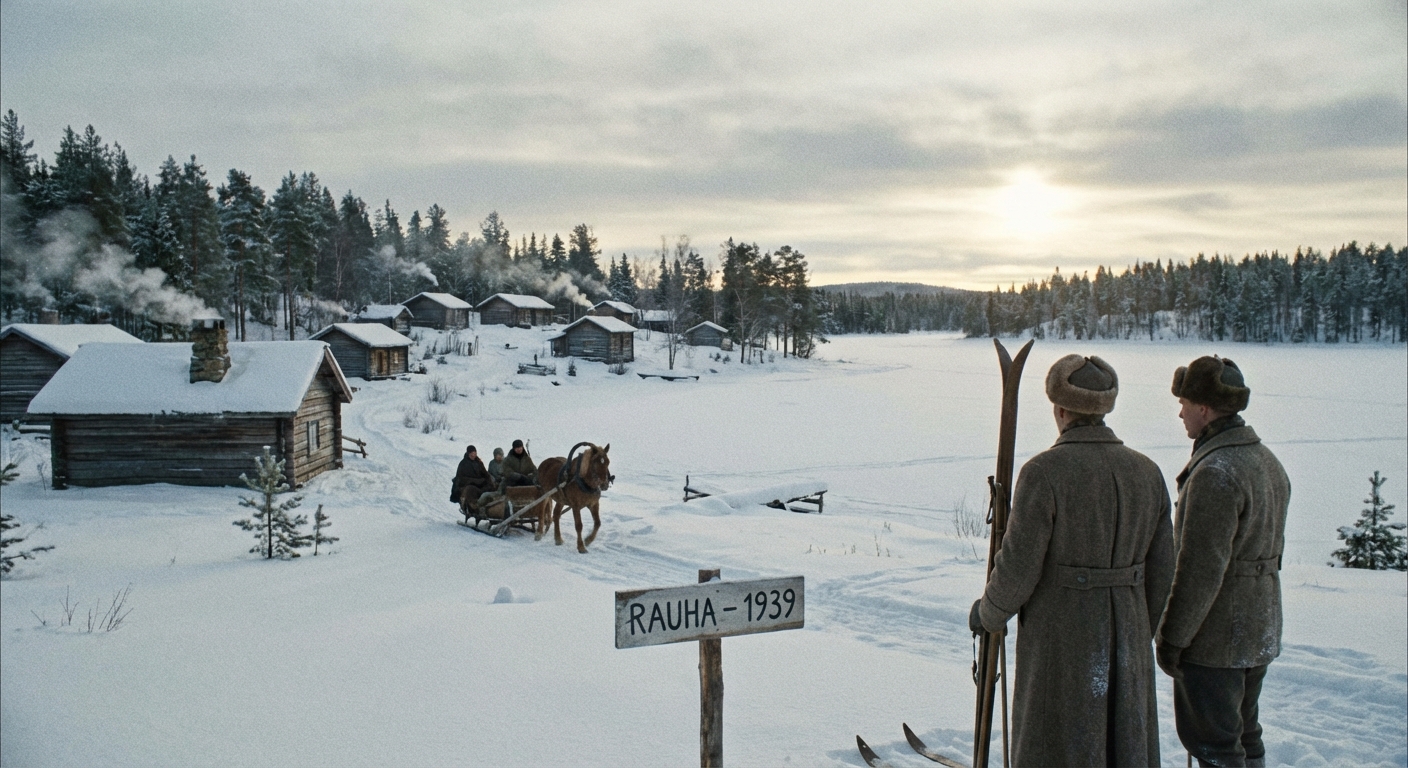
When the Soviet Union invaded Finland in November 1939, the Red Army expected a quick campaign. Instead it found frozen forests, broken roads, and defenders who understood every yard of winter terrain. Among them was Simo Hayha, a reservist from rural Karelia whose life as a hunter and outdoorsman had prepared him for exactly the kind of war Finland now had to fight. He was posted to the Kollaa front, one of the hardest sectors of the war.
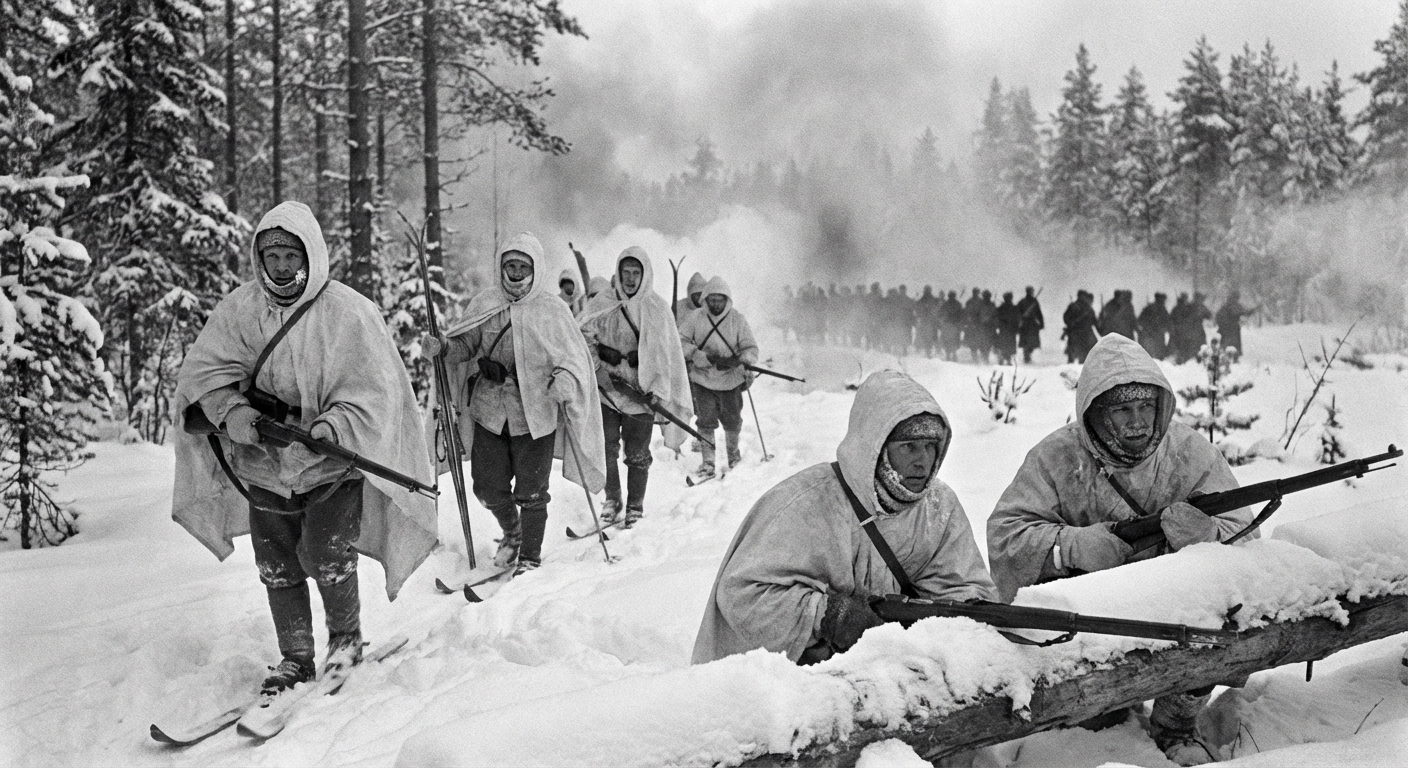
Hayha preferred iron sights on his M/28-30 rifle rather than a telescopic sight. That choice was practical. A scope sat higher, forcing more of the shooter's head above cover. It could also fog or glint in hard cold and bright sun. He packed snow in front of the muzzle to reduce telltale powder blast and kept still for hours in temperatures that could plunge far below zero. This was fieldcraft stripped to essentials: concealment, discipline, and absolute familiarity with the rifle in hand.
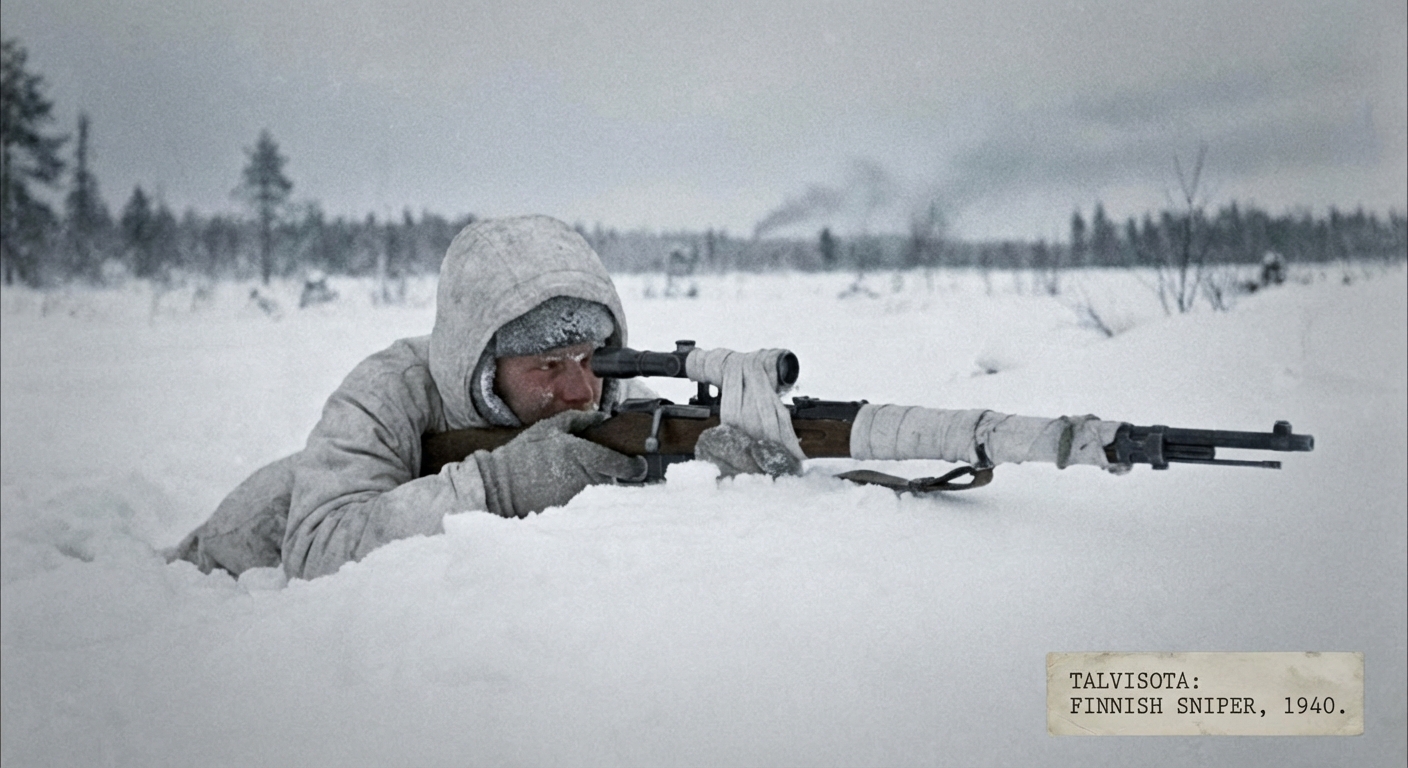
Accounts of his tally vary and later legend has inflated parts of the story, but there is no serious doubt that Hayha was an extraordinarily lethal marksman during the short war. Finnish records credit him with over five hundred sniper kills, with additional enemy casualties from submachine-gun fighting. Whether every number can be proved or not, Soviet units in the sector learned the same lesson the hard way: moving carelessly in white country could get you killed before you ever saw who fired.
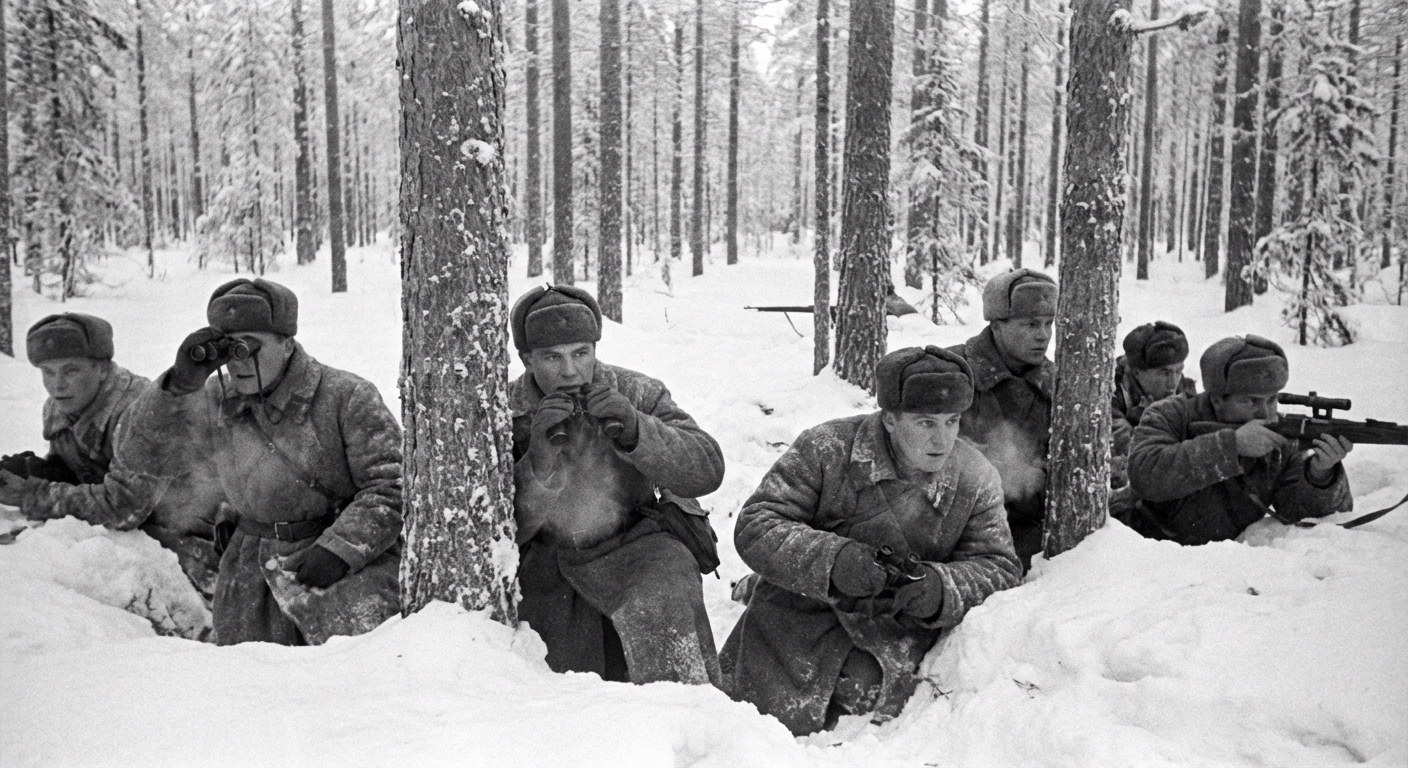
The Red Army responded with countersnipers, bombardment, and aggressive patrols. Hayha remained effective because he was not playing for drama. He did not duel for spectacle. He selected fields of fire, took shots that mattered, and vanished into terrain the way a professional hunter vanishes into weather. On 6 March 1940 he was finally hit in the face by an explosive bullet. The wound was catastrophic. He was evacuated barely alive.
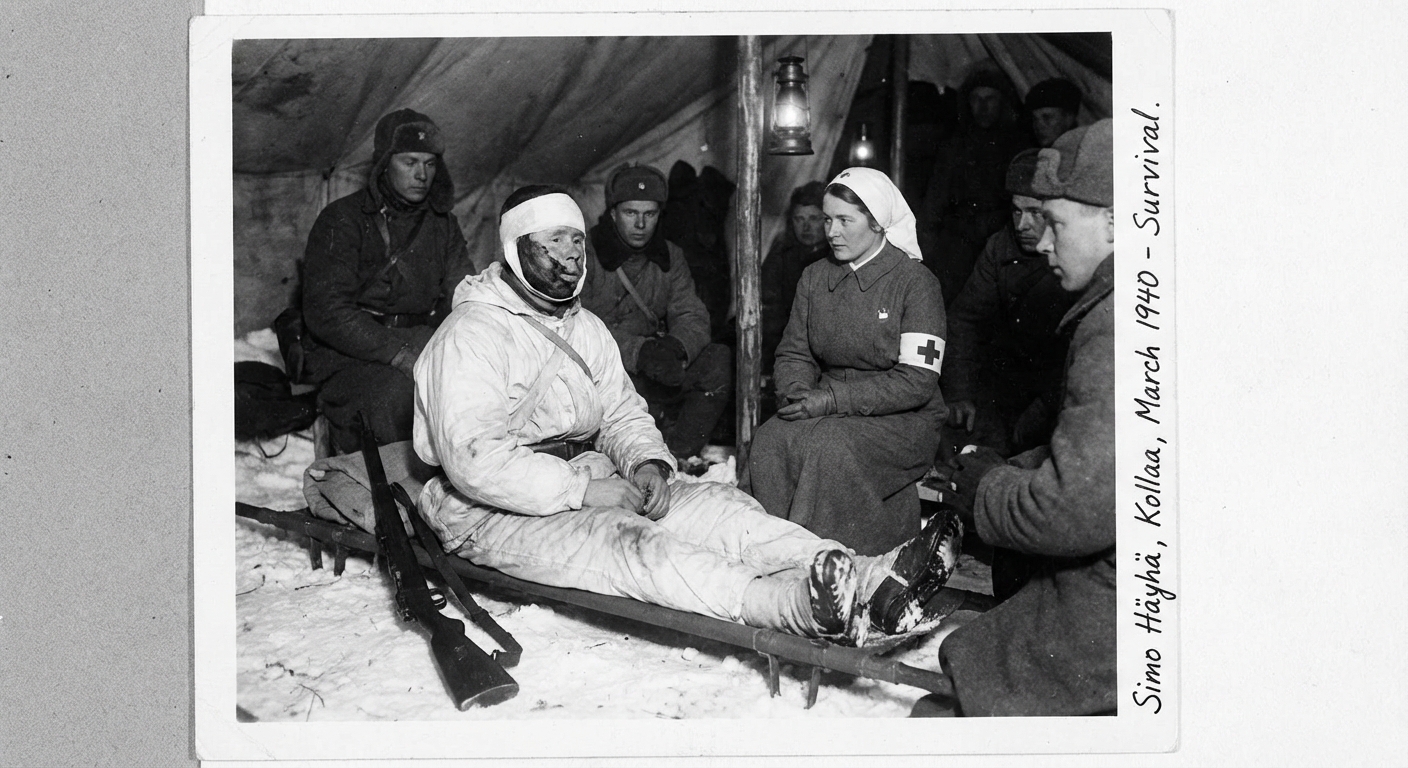
Hayha regained consciousness on the day peace was declared, 13 March 1940. Finland had survived, though it was forced to cede territory. The Winter War turned Finnish resistance into world news, and Hayha became one of its hardest symbols: quiet, durable, and almost impossible to uproot. Later retellings would make him mythic. The more interesting truth is grounded. He was a trained rifleman whose environment, temperament, and country's desperate circumstances aligned with brutal perfection.
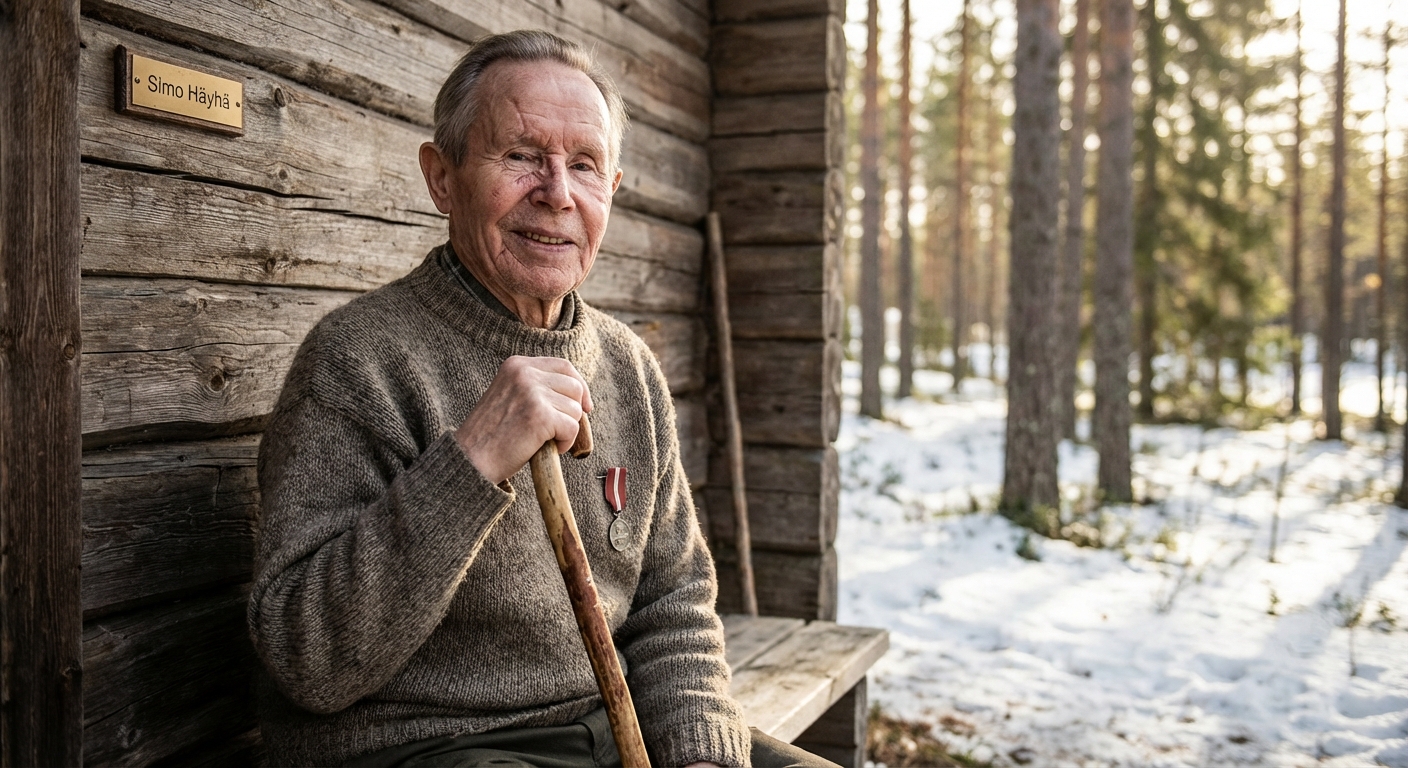
The nickname White Death says something about Soviet fear, but it also says something about winter warfare itself. In the right conditions, the landscape fights with you. Hayha mastered that alliance better than almost anyone. He reminds us that history's most famous fighters are not always the loudest. Sometimes they are the stillest.
Finnish Mosin-Nagant variant Hayha used with iron sights.
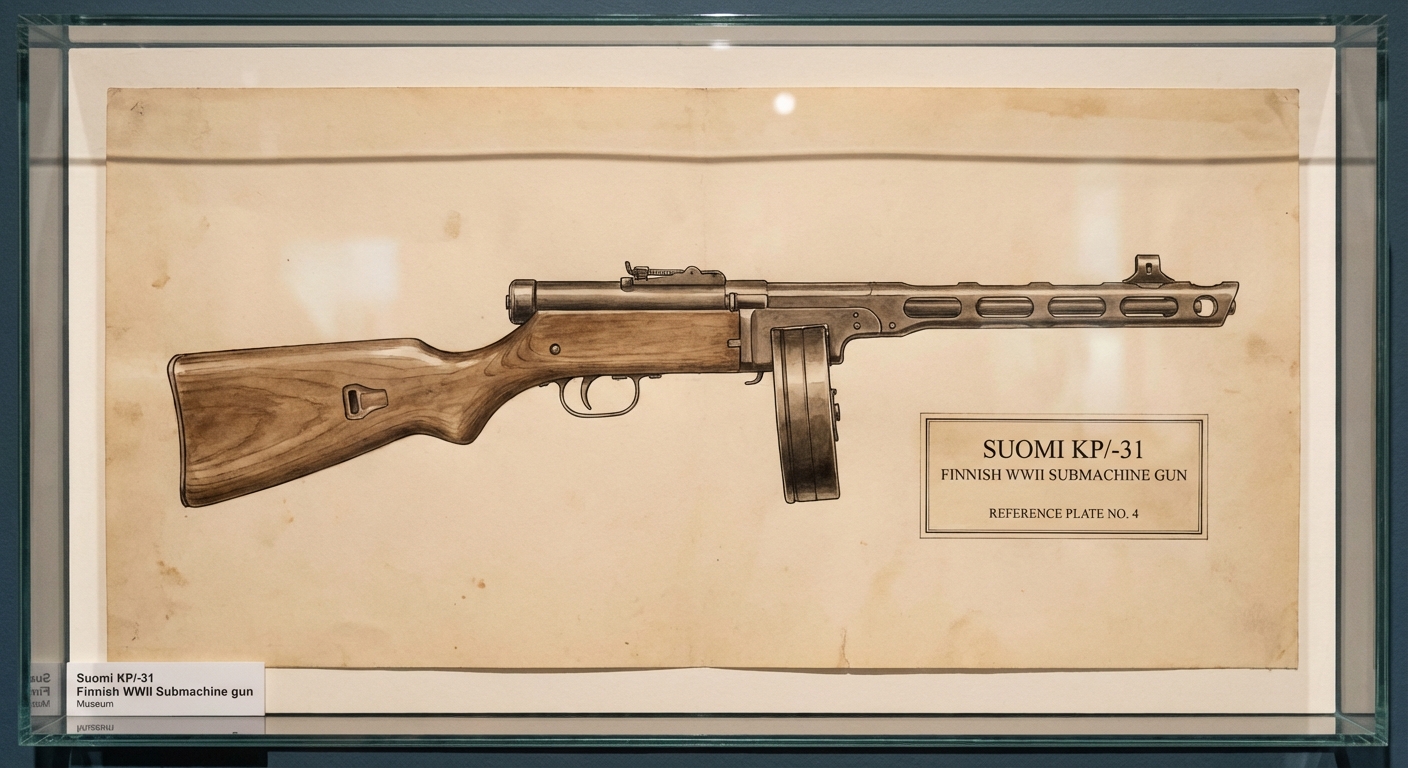
Submachine gun for close fighting in forest actions.
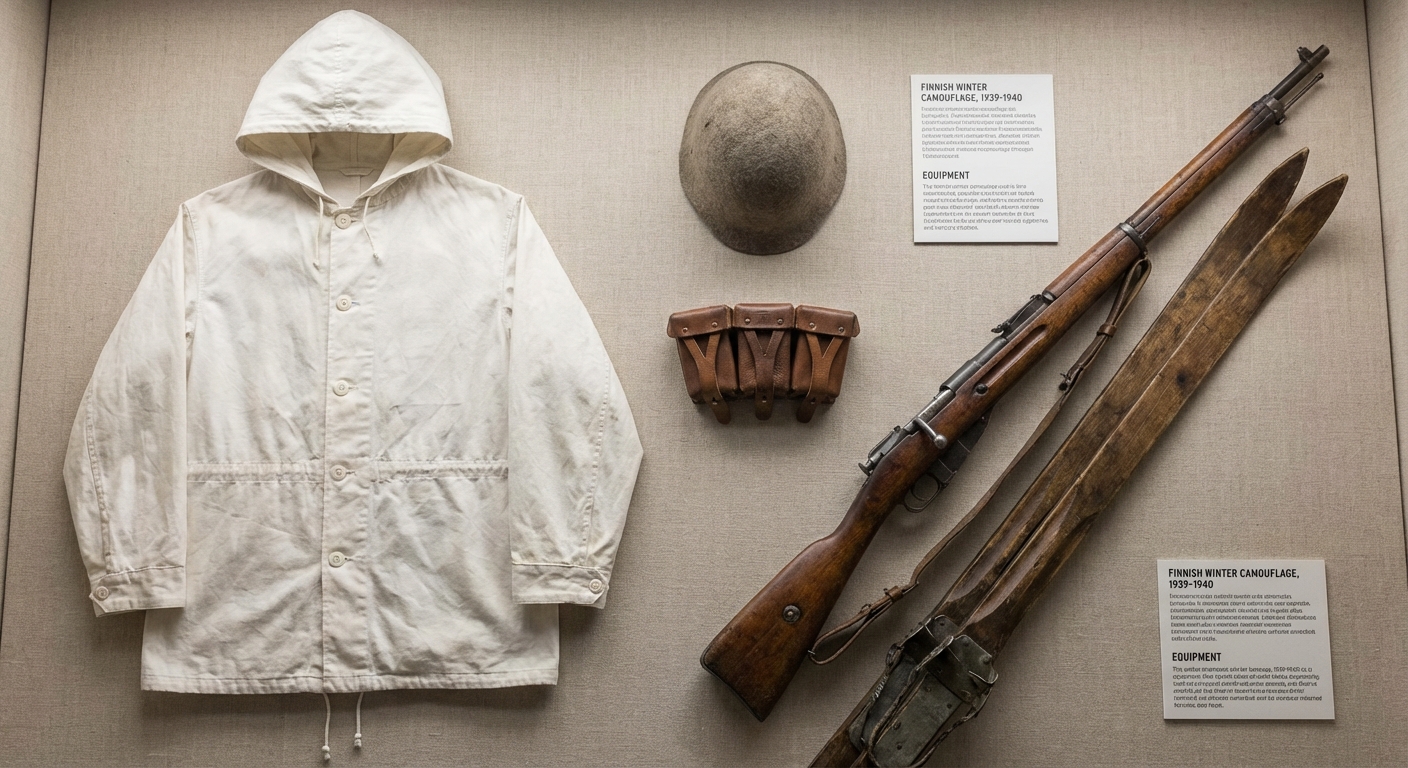
Essential concealment against Soviet patrols and countersnipers.
Minimal gear for surviving long immobile waits in deep winter.
30 November 1939 to 13 March 1940
Kollaa became a byword for Finnish resistance during the Winter War. Small units used terrain, mobility, and marksmanship to slow and bloody a much larger Soviet force in some of the harshest conditions of the twentieth century.