Clandestine Report Notes
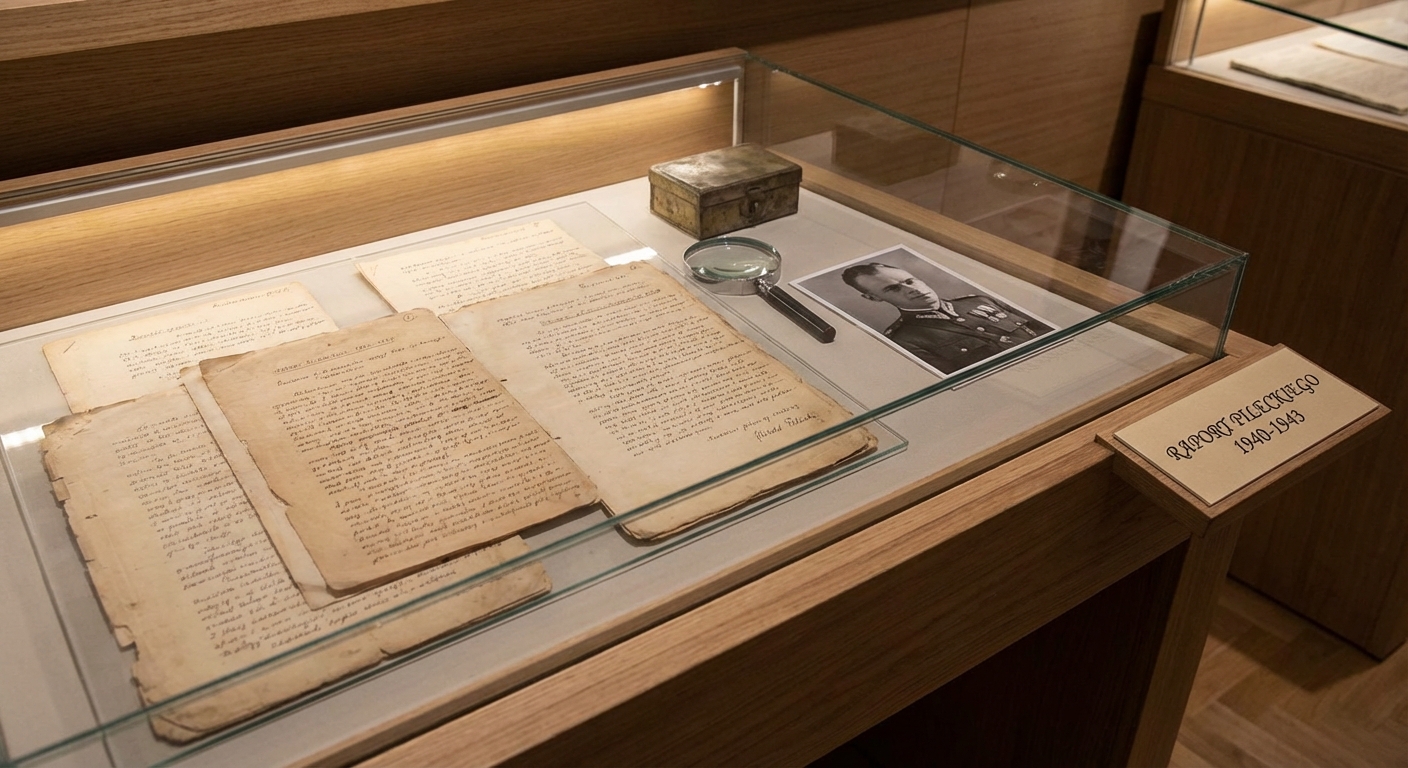
Secret intelligence on camp conditions and Nazi crimes.
Few wartime decisions were more deliberate or more terrifying than Witold Pilecki's. He chose to be arrested so he could enter Auschwitz, build resistance, gather intelligence, and tell the outside world what was happening inside.
Few wartime decisions were more deliberate or more terrifying than Witold Pilecki's. He chose to be arrested so he could enter Auschwitz, build resistance, gather intelligence, and tell the outside world what was happening inside.
This page follows the Front Line Stories longform layout: six visual panels, grounded narrative, a field kit, battle record, and source trail. It is written to read cleanly for adults while staying vivid enough for younger history fans.
Witold Pilecki sits at the point where individual nerve met a much larger machine of war. The details matter, because the drama here came from real people, real places, and real consequences.
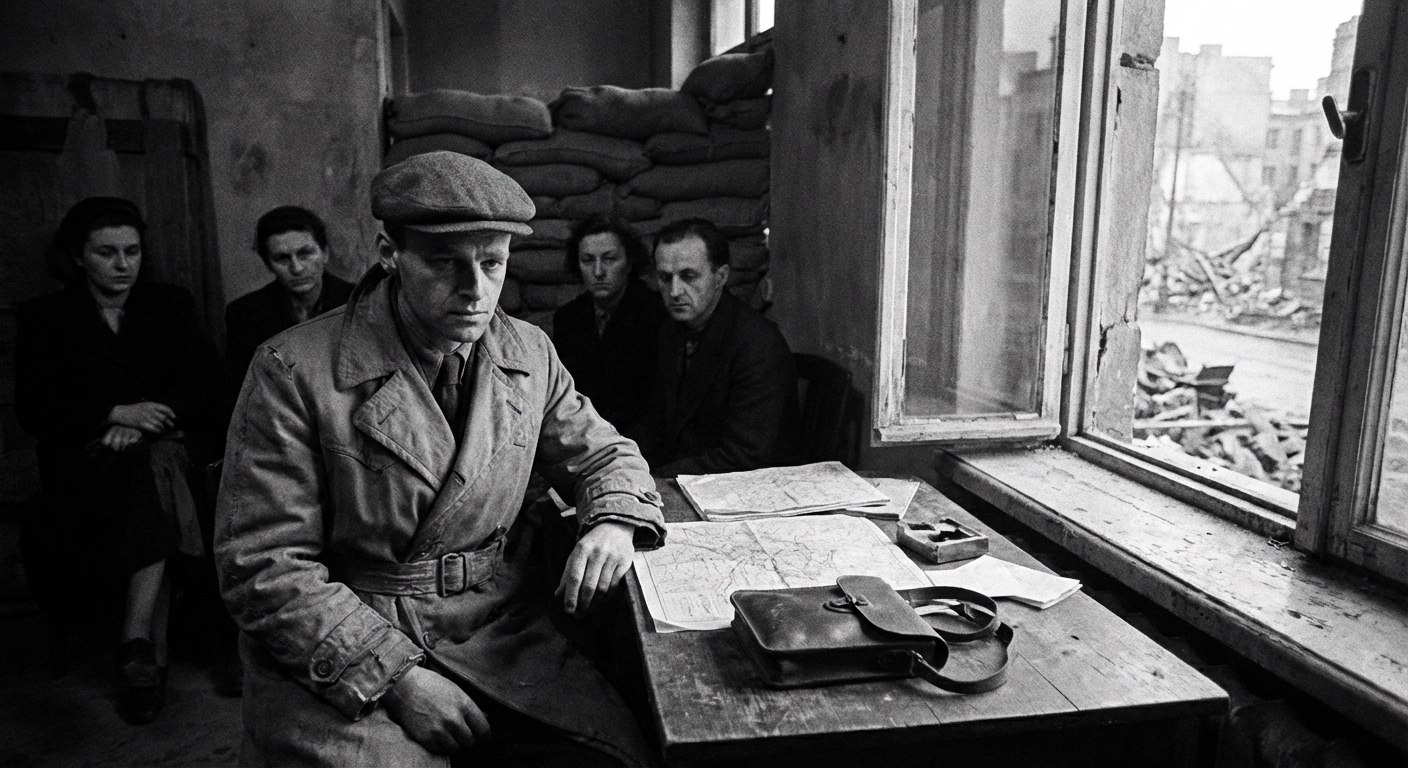
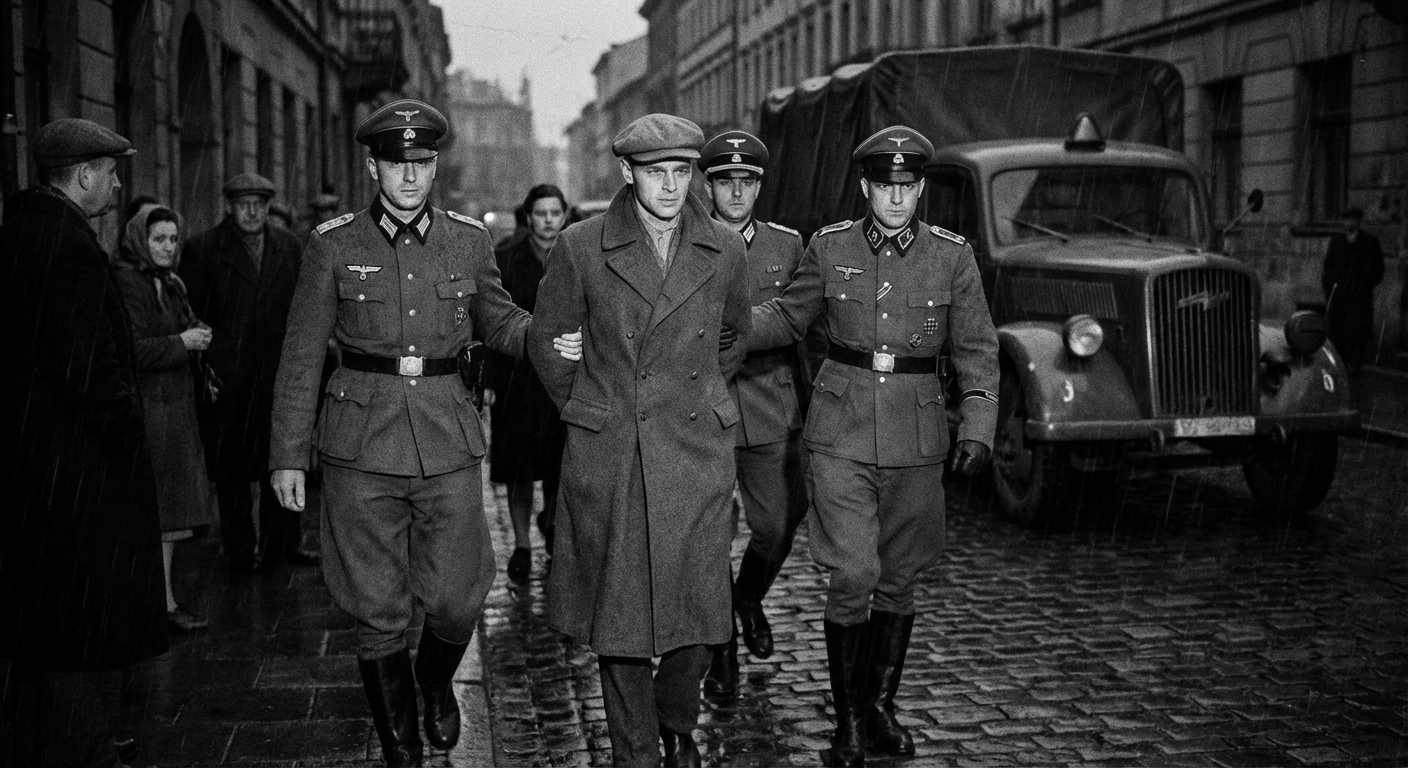
In 1940 Auschwitz was still developing into the vast killing system it would become, but enough was already known to alarm the Polish underground. Witold Pilecki, a cavalry officer and resistance member, proposed something almost unthinkable: infiltrate the camp by getting himself captured, organize prisoners if possible, and report what he learned. During a Warsaw roundup he allowed the Germans to seize him. That decision carried him into one of the darkest places in modern history.
Inside Auschwitz, Pilecki endured the same starvation, beatings, disease, forced labor, and arbitrary violence that defined the camp. He also began building a clandestine network, later called the Union of Military Organization. It spread information, tried to maintain morale, shared food and news where possible, and prepared the ground for a possible uprising if outside help ever came. Resistance inside a concentration camp was not dramatic in the cinematic sense. It was quiet, fragile, and constantly one betrayal away from annihilation.
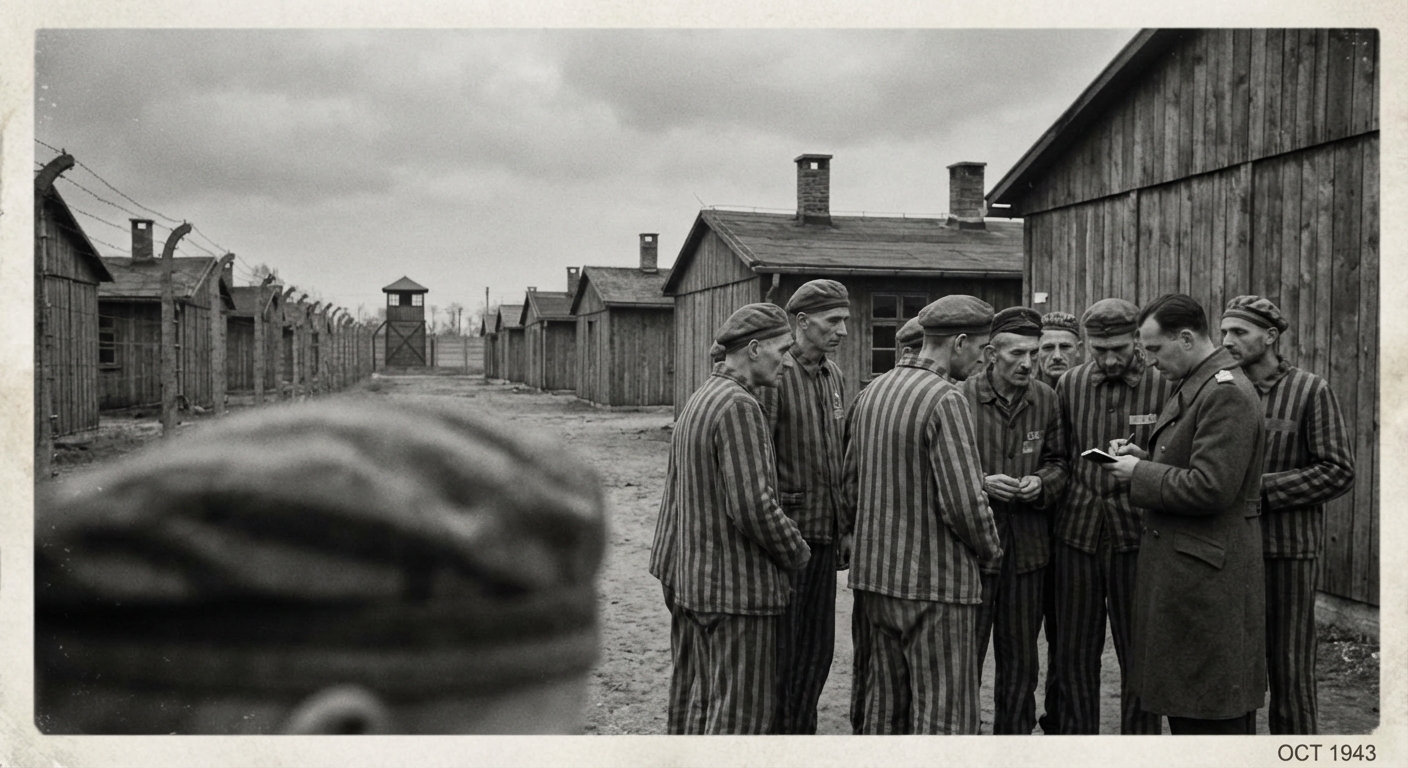
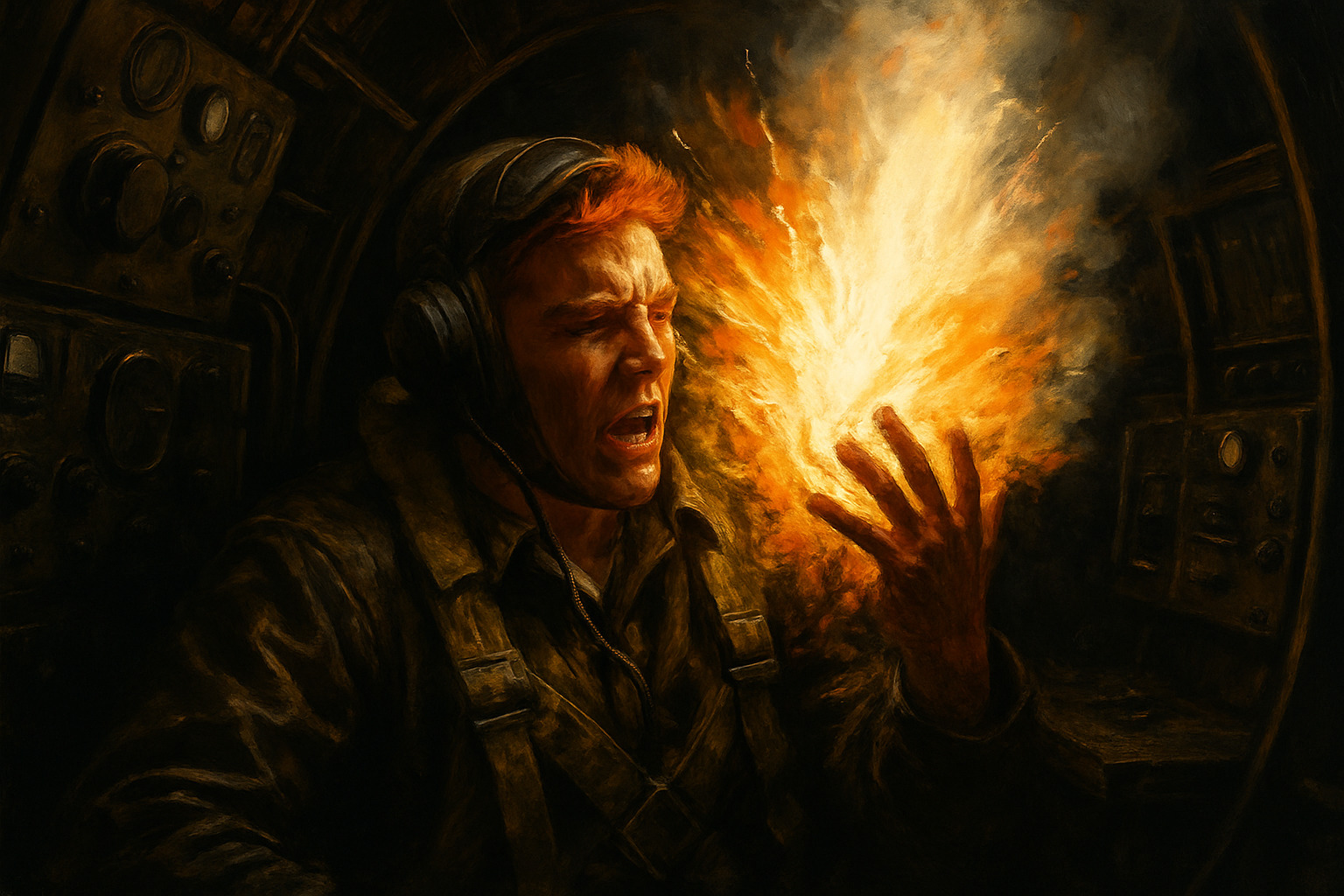
Pilecki's reports made their way out through escaped prisoners and underground couriers. They described the camp's conditions, executions, and expanding machinery of murder. These reports became some of the earliest substantial eyewitness intelligence reaching the Polish underground and, through it, the Western Allies. He urged action, including a strike or assault on the camp, but no rescue came. The gap between knowledge and response remains one of the war's haunting moral failures.
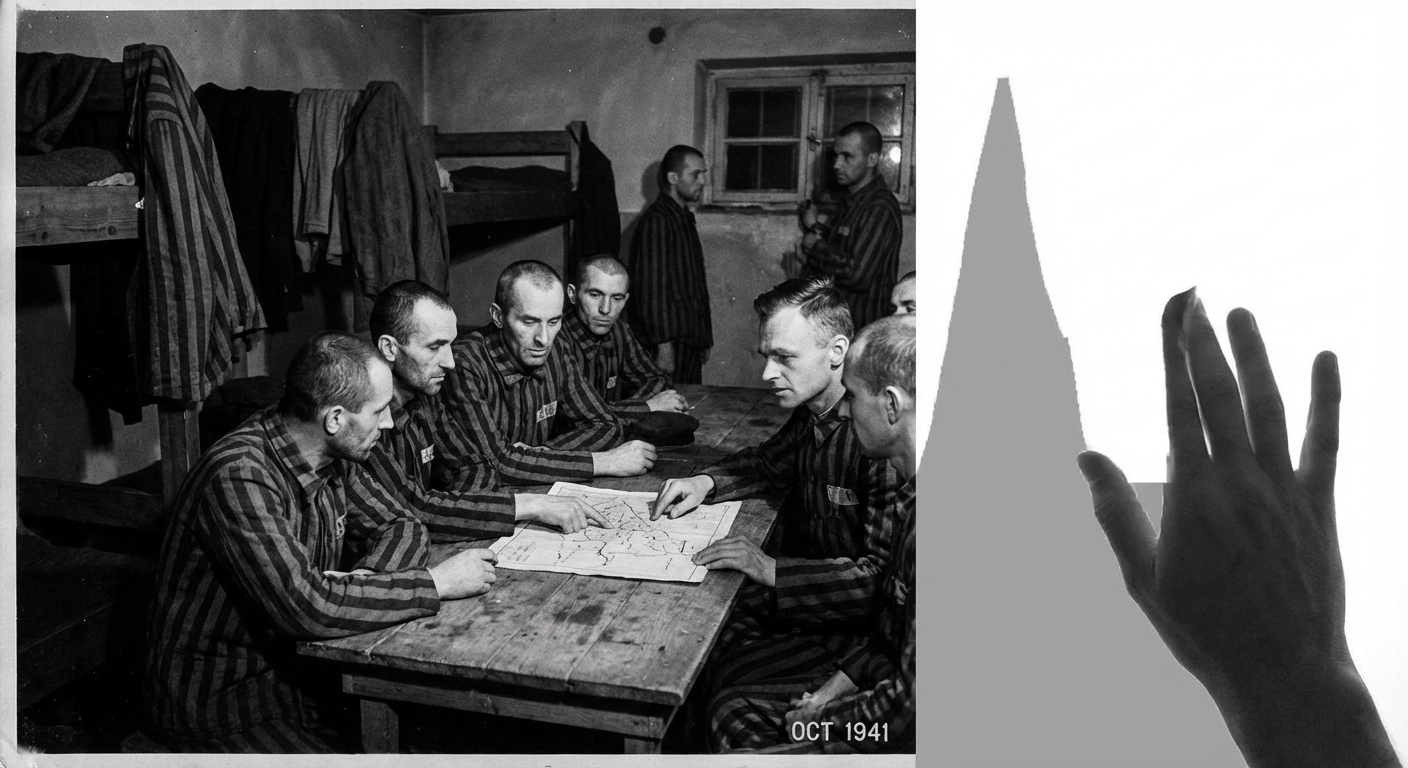
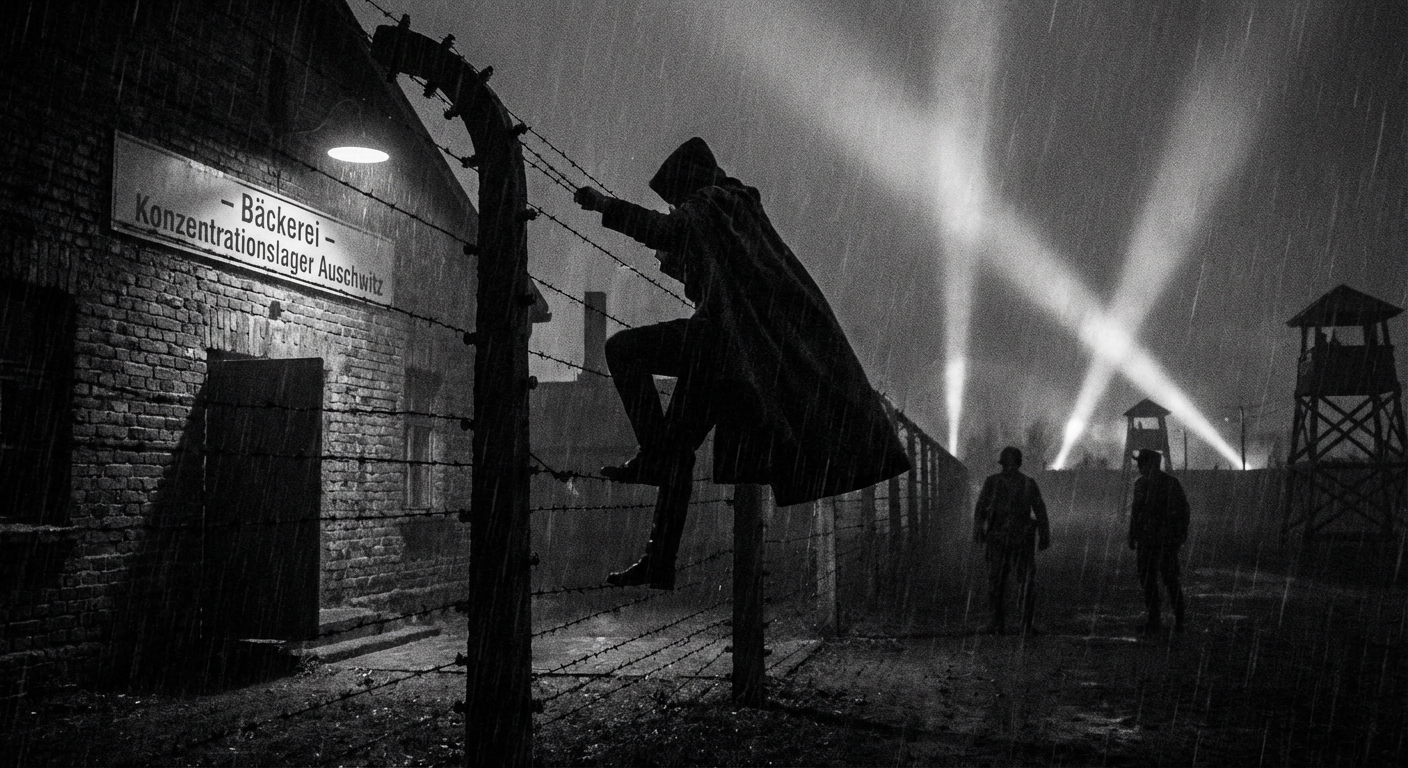
By 1943 Pilecki judged that his mission inside had reached its limit. He escaped with two other prisoners from an outside work assignment, overpowered a guard arrangement, and fled through occupied Poland. Once free, he wrote a fuller report and continued underground service. The fact that he got out at all is extraordinary. The fact that he had gone in voluntarily remains almost beyond comprehension.
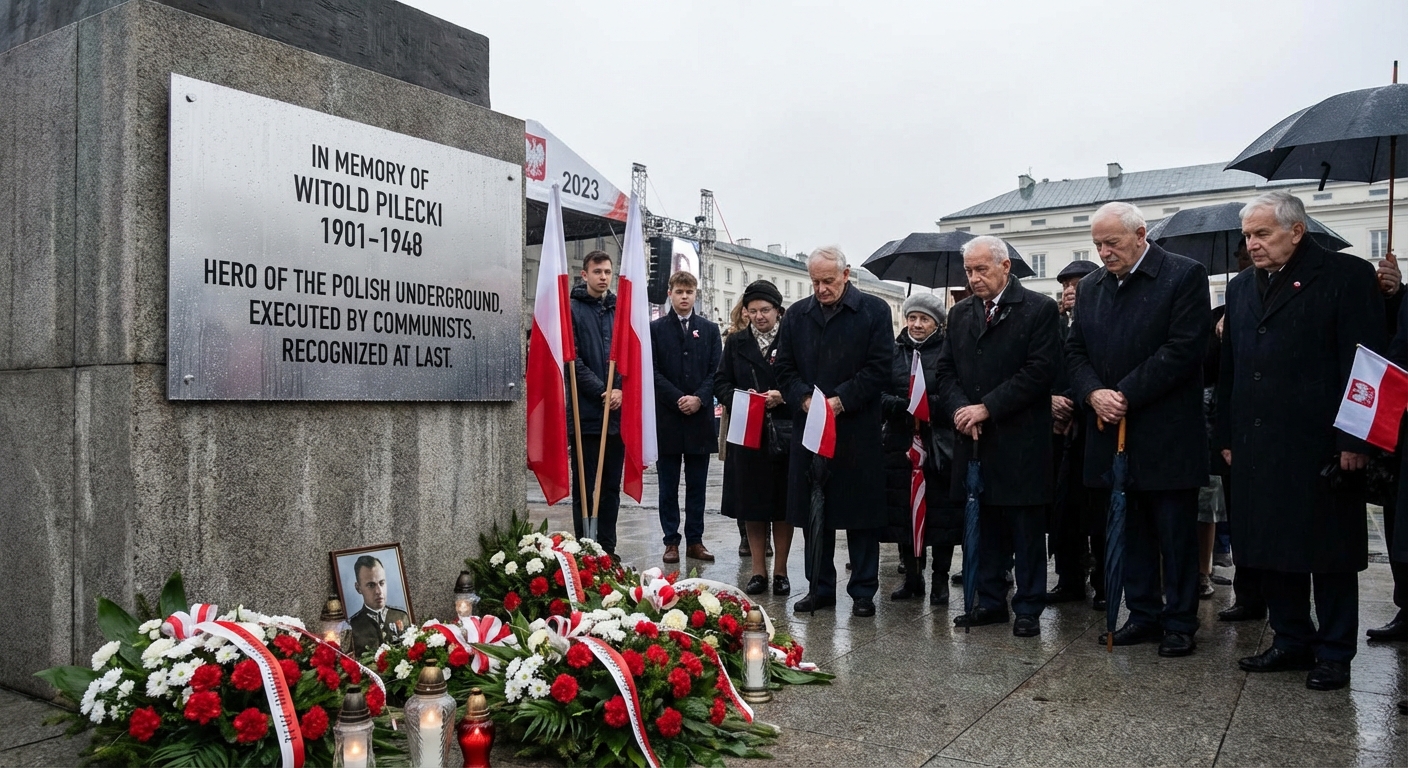
His later life was no kinder. After the war, under communist rule in Poland, Pilecki was arrested, tortured, and executed in 1948 by the new regime. For decades his name was suppressed. Only later did his story re-emerge in public memory as one of the most courageous intelligence missions and moral acts of resistance in the entire conflict.
Pilecki's significance is not only that he witnessed evil. It is that he chose proximity to it in order to expose it, assist others, and fight from within. There is no clean triumph in that story. There is duty, clarity, and an almost unbearable kind of courage.
Secret intelligence on camp conditions and Nazi crimes.
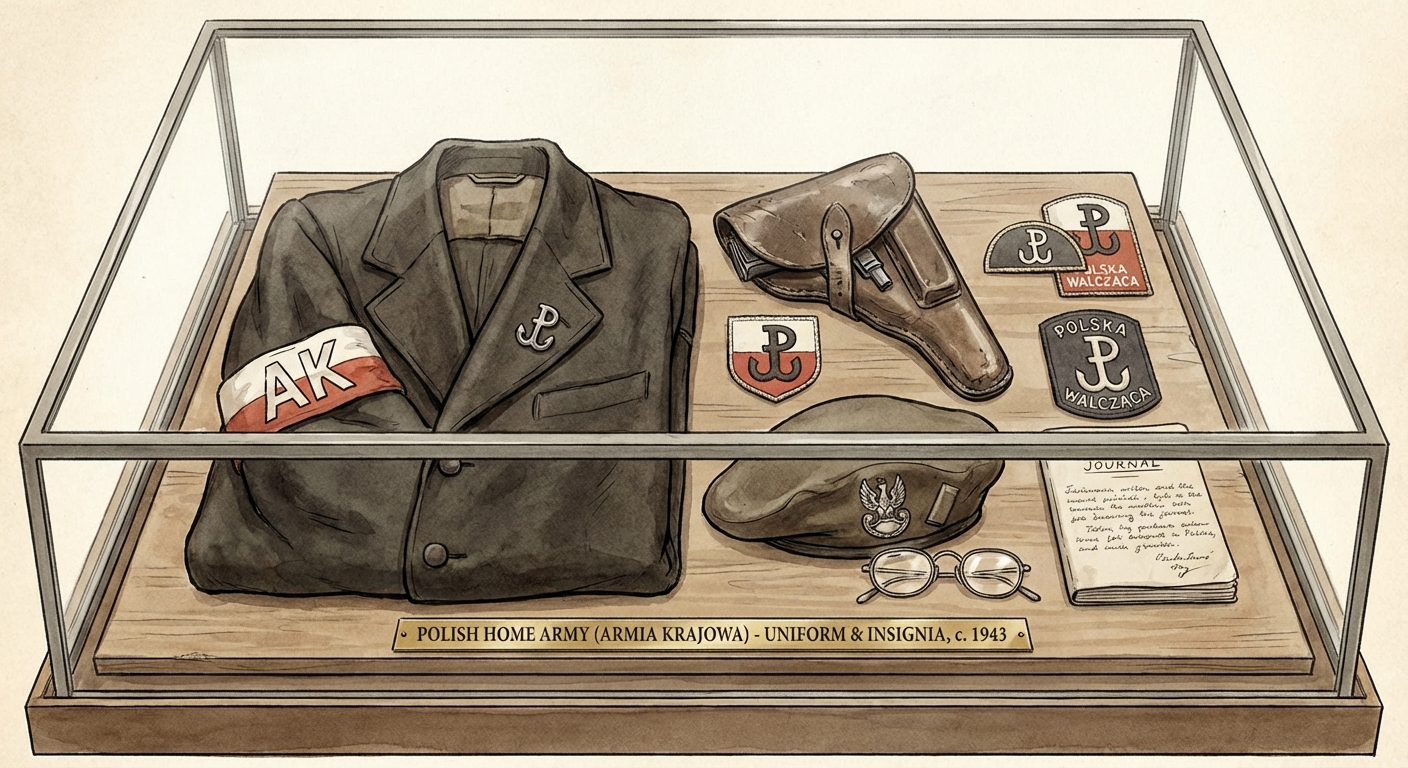
Symbol of Pilecki's ties to the Polish underground beyond the camp.
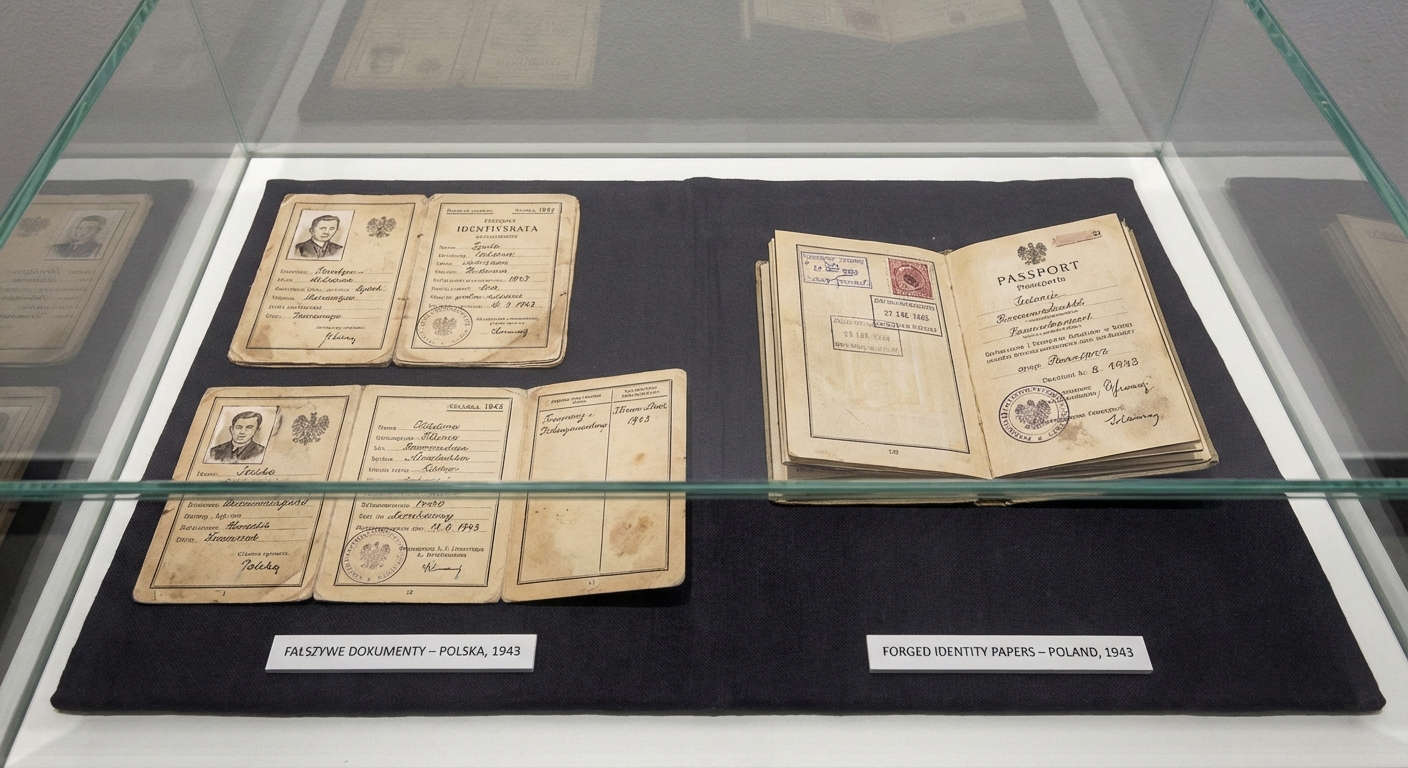
Plain clothes needed to move after breaking out of the camp system.
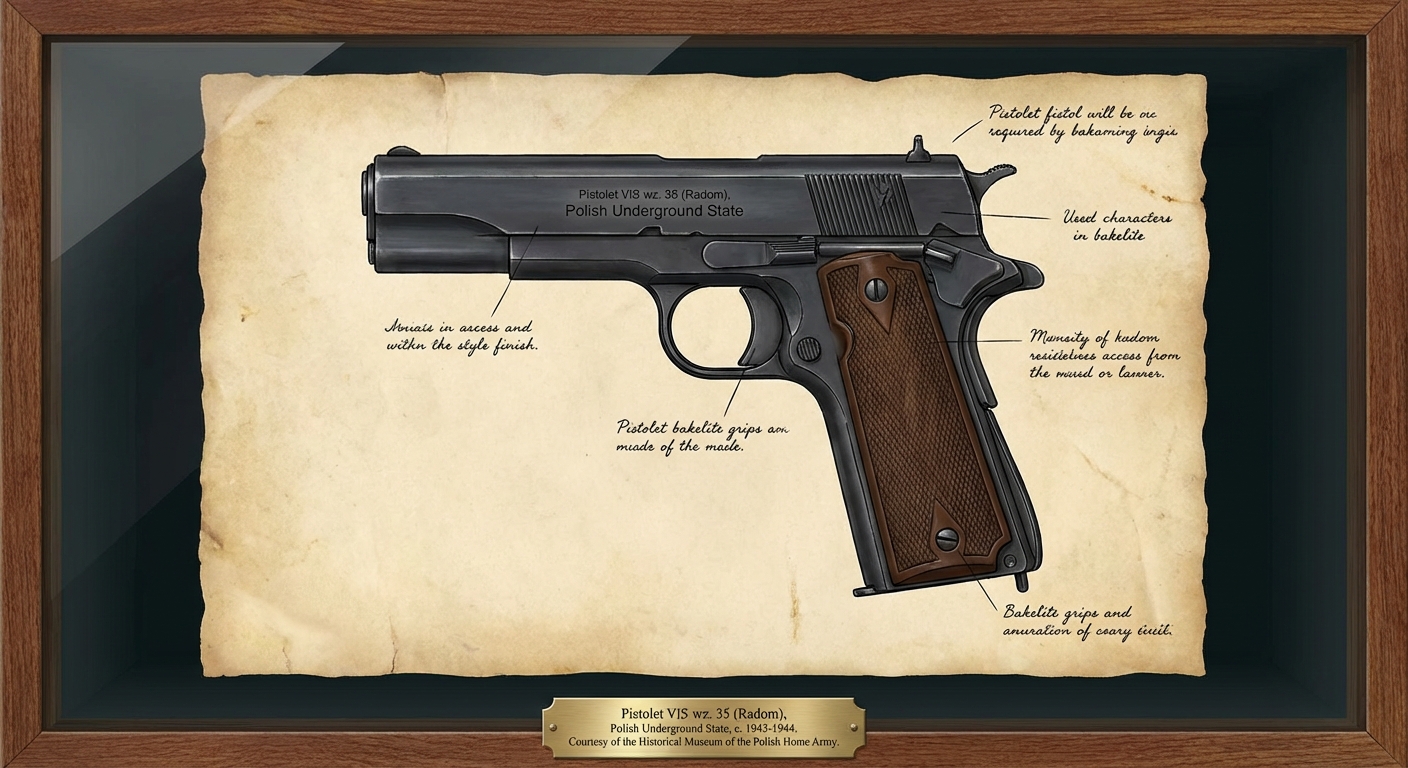
Small private objects often helped prisoners preserve identity and faith.
1940 to 1943
Pilecki's mission inside Auschwitz was a resistance operation conducted under concentration-camp conditions. Its purpose was intelligence gathering, mutual aid, and preparation for possible revolt while exposing the camp's crimes to the outside world.