← Signers hub

New Jersey - lawyer - captured signer

Richard Stockton

The signer whose risk became a prison cell

For Stockton, the danger behind the Declaration did not remain theoretical. British forces captured him, imprisoned him, and the war damaged his health, property, and public life.

Declaration signer profile - expanded July 4 build

Opening scene

Richard Stockton is the signer who turns the word "risk" into a physical event. Many signers risked reputation, fortune, and possible punishment if independence failed. Stockton was actually captured and imprisoned during the war.

He was not a reckless street radical. He was a respected New Jersey lawyer, landowner, and public figure. That is part of why the story matters. The Declaration pulled established colonial authority into open opposition to the Crown, and Stockton paid in the language governments understand: custody, confinement, and loss.

His story gives the Signers hub its hard edge. Treason in ink could become irons, guards, and a ruined estate.
Chapter 01

A Conservative Man Crosses an Irreversible Line

Stockton's story is not powerful because he was the loudest revolutionary. It is powerful because he represented social order. He had education, status, property, and a legal mind. Men like Stockton made independence harder to dismiss as mere riot.

When New Jersey's delegation shifted toward independence, Stockton became part of the public break. His signature said that law-trained colonial authority could reject imperial authority. If the British restored control, that was exactly the kind of public defiance that could not be ignored.

The Declaration made a lawyer's name into evidence.
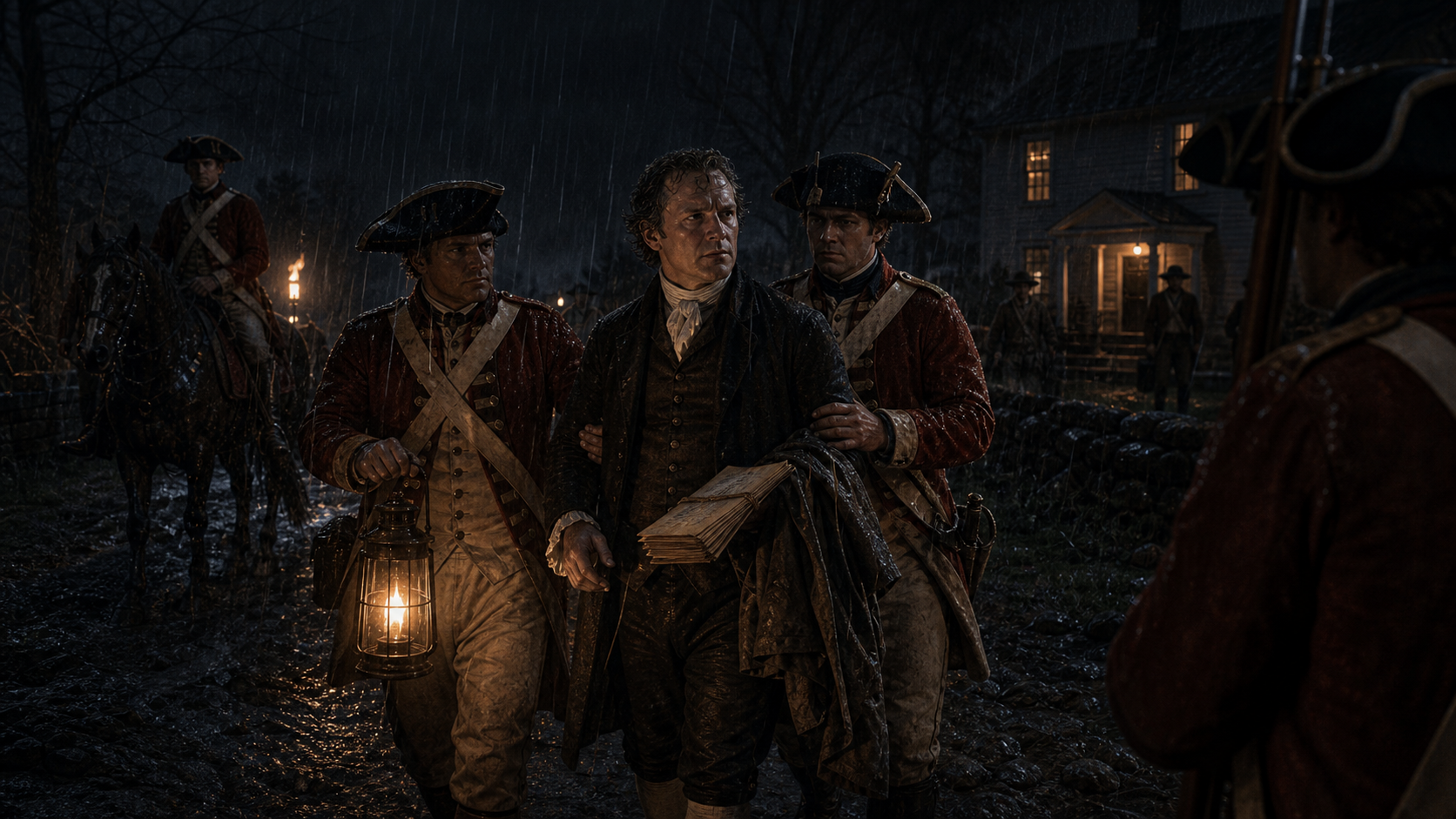
Richard Stockton being captured by British or Loyalist forces at night
The signature becomes physical. Stockton's capture is one of the clearest examples that signer risk could become arrest and imprisonment.

Chapter 02

Captured in the New Jersey Crisis

In late 1776, New Jersey was a dangerous place. Washington's army had retreated, British power pressed through the state, and local loyalties were under strain. Stockton was captured during this crisis and taken into British custody.

The exact details vary across accounts, but the central fact is firm enough for the signer story: a man who had put his name to independence was seized by the enemy. This was not abstract constitutional theory anymore. It was a body under guard.

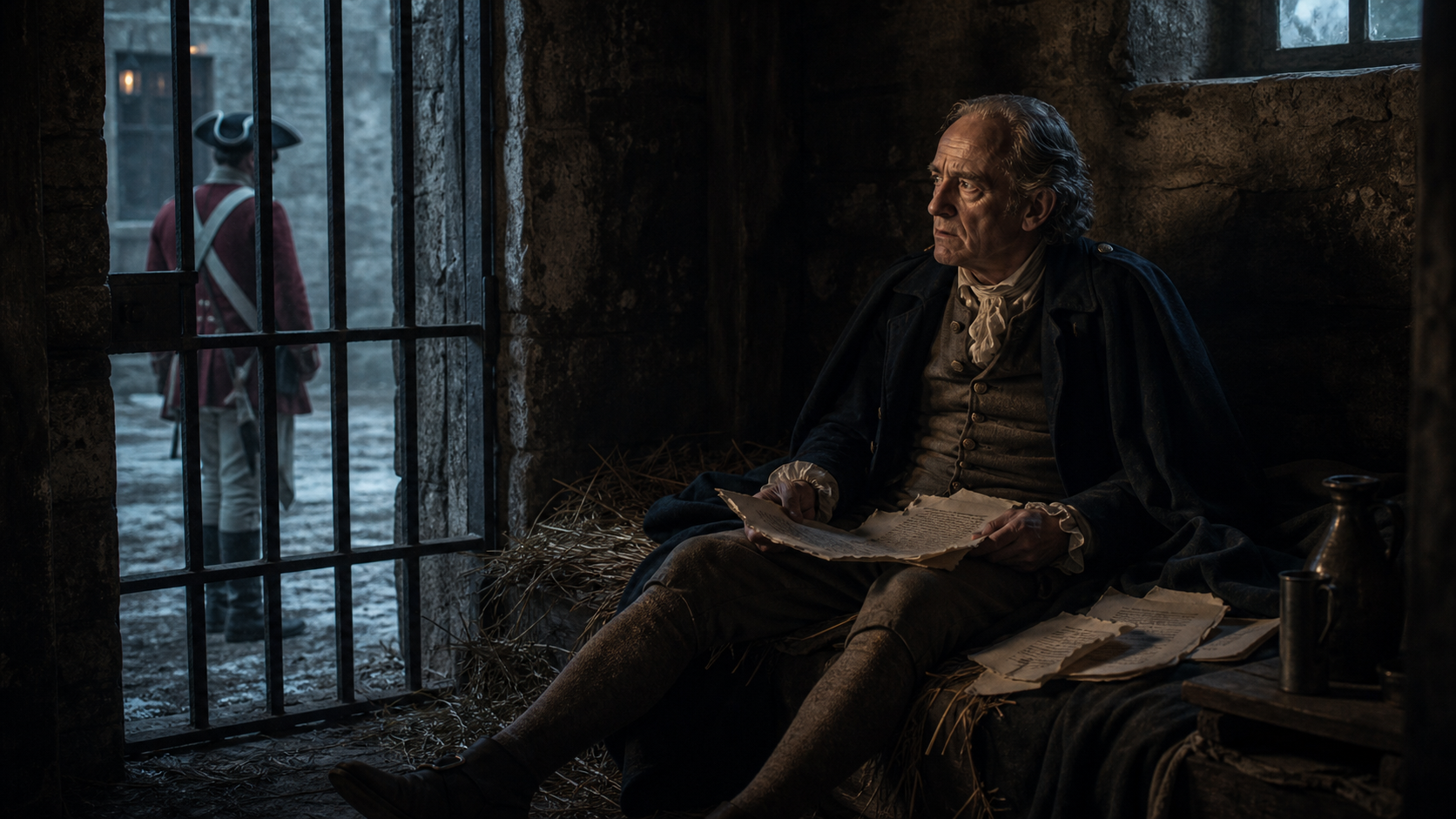
Richard Stockton imprisoned after capture during the American Revolution
Inside the cost. Stockton's imprisonment and failing health made the Declaration's danger personal rather than rhetorical.

Chapter 03

Prison, Health, and the Price of Public Defiance

Stockton's captivity damaged him. Later accounts emphasize harsh treatment, failing health, and the destruction or plundering of property. Some details have been repeated with patriotic drama, so the responsible approach is to keep the claim precise: he was captured, imprisoned, and returned to a damaged life.

That is enough. We do not need to inflate the story to make it matter. Stockton shows that the signers' risk included more than gallows rhetoric. British military success could mean jail, ruined estates, broken health, and political humiliation.

He died in 1781, before independence was secured by treaty. His life after signing was not a victory lap. It was a damaged road through war.

Risk ledger

Why Stockton Was on the Frontline

CaptureHis risk became literal enemy custody.
ImprisonmentConfinement made the signer danger personal and physical.
PropertyThe war damaged his estate and financial security.
HealthCaptivity and wartime strain contributed to lasting decline.
Public statusHis legal and social standing made his rebellion symbolically important.
MemoryStockton anchors the signer series in consequence, not legend.

Timeline

From Law to Captivity

1730Born near Princeton, New Jersey.
1760sBuilds reputation as a lawyer and public figure.
1776Signs the Declaration of Independence for New Jersey.
1776Captured during the New Jersey crisis and imprisoned by British forces.
1781Dies before the final peace, after years marked by captivity's consequences.

Careful history

What We Should Not Overclaim

Stockton's story has sometimes been told in highly dramatic patriotic form. The page keeps the core claim tight: he signed, he was captured, he was imprisoned, and his life and property suffered during the war. That is strong enough without embellishment.

Source basis

References Used

Built from National Archives signer facts, National Park Service and public biographical references on Stockton's public life, capture, and imprisonment.