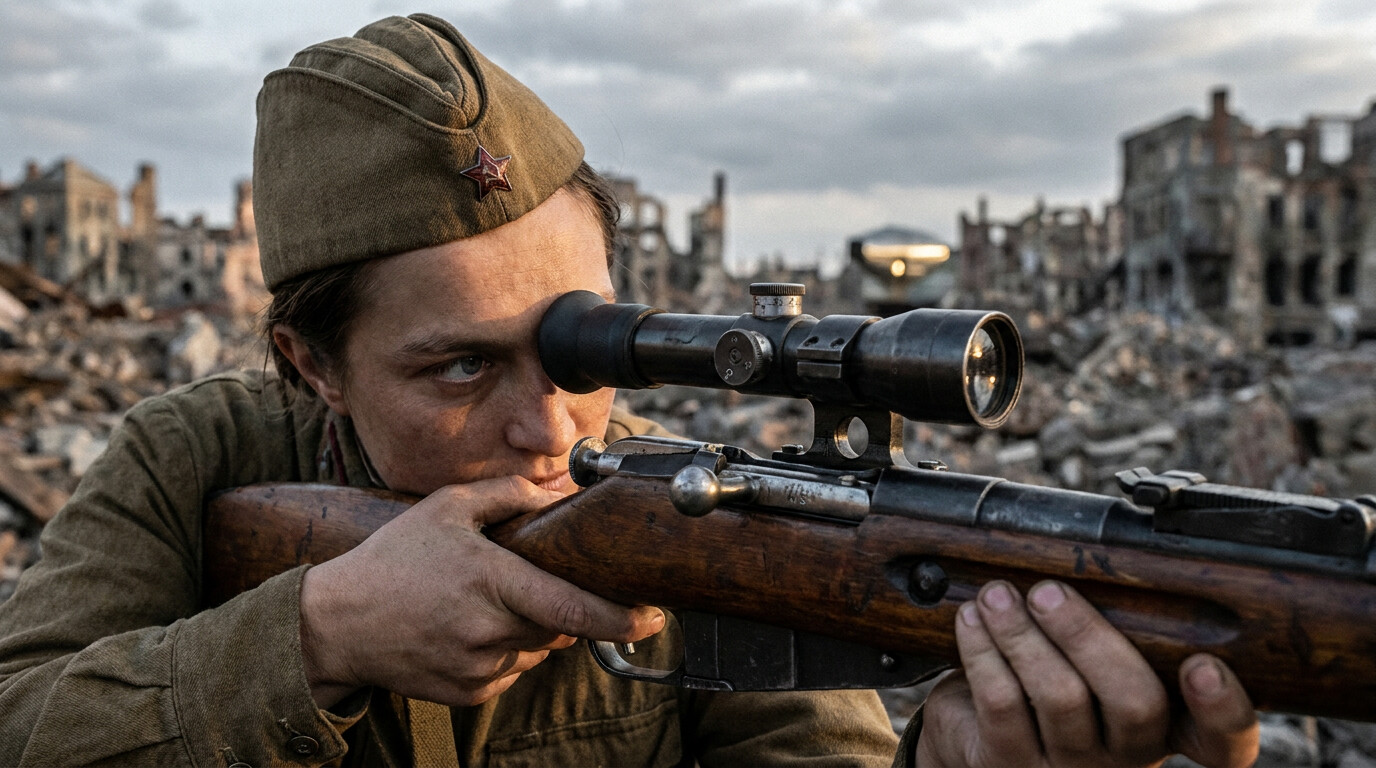
The crosshairs settled on the German officer's chest. Three hundred meters across the rubble-strewn wasteland of Sevastopol, the target adjusted his field glasses, unaware that death waited in the shadows of a collapsed apartment building. Senior Sergeant Lyudmila Pavlichenko controlled her breathing, felt the familiar weight of her Mosin-Nagant rifle, and squeezed the trigger.
The 7.62mm round crossed the distance in less than half a second. The officer dropped without a sound, becoming kill number 309 in her deadly ledger.
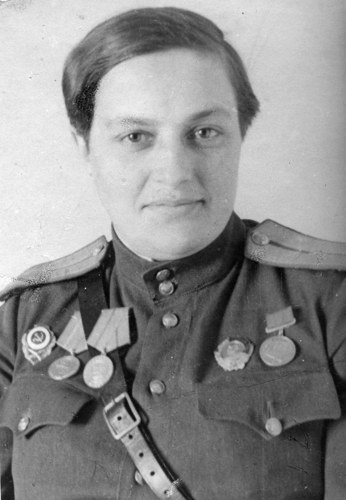
It was June 1942, and Pavlichenko had survived nearly a year of the most brutal urban warfare on the Eastern Front. At twenty-five, this former history student from Kiev University had transformed herself into the Soviet Union's most lethal sniper and a nightmare for Axis forces besieging the Crimean Peninsula.
Lyudmila Mikhailovna Pavlichenko entered the war as an unlikely warrior. Born in 1916 in Bila Tserkva, she grew up during the tumultuous years that forged the Soviet Union. Her path to the rifle began in her teens when she joined a shooting club, displaying natural marksmanship that would prove decisive. When Germany launched Operation Barbarossa in June 1941, Pavlichenko was completing her fourth year studying history at Kiev University. Like millions of Soviet citizens, she watched the Wehrmacht smash through border defenses and drive deep into Ukrainian territory.
The Red Army desperately needed soldiers. Traditional gender roles collapsed under the weight of national survival. While most women served in medical, communications, or support roles, some found themselves in direct combat. Pavlichenko volunteered for the infantry, specifically requesting sniper training. Soviet doctrine, influenced by the success of snipers during the Winter War with Finland, recognized the value of precision marksmen in defensive operations. The Red Army's sniper schools had proven that exceptional shooters, regardless of gender, could inflict disproportionate casualties on advancing enemy forces.
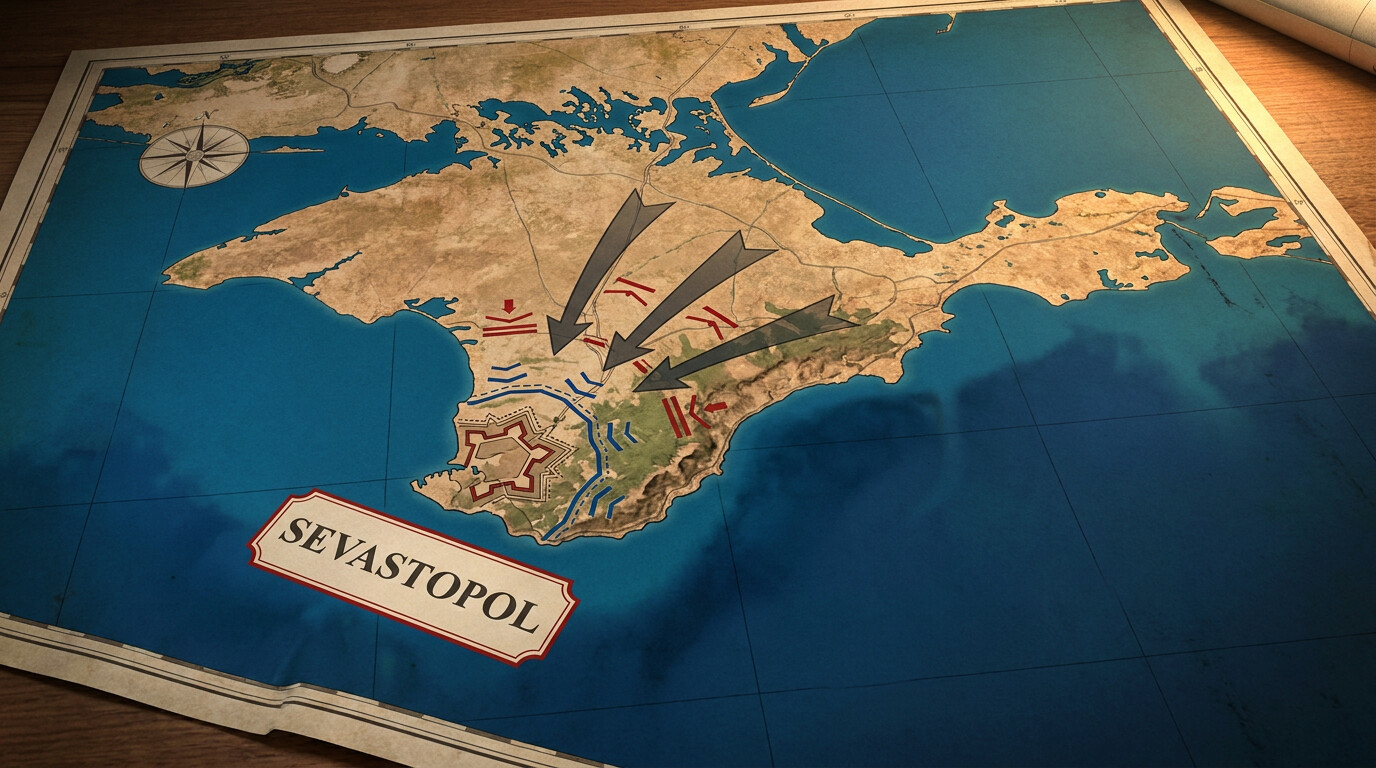
Pavlichenko received her initial assignment to the 25th Rifle Division in August 1941. The division formed part of the Separate Maritime Army defending the vital Black Sea port of Odessa. German Army Group South, supported by Romanian forces, had surrounded the city by mid-August, beginning a siege that would test every defender to their limits.
Odessa's strategic importance extended far beyond its port facilities. The city served as a major naval base for the Black Sea Fleet and controlled critical rail connections to the Soviet interior. Its fall would free up Axis forces for operations elsewhere and provide Germany with a secure logistical hub for further advances into the Caucasus. The Separate Maritime Army, commanded by General Ivan Petrov, included regular Red Army units, naval infantry, and hastily organized militia. Against them, German General Eugen Ritter von Schobert's 11th Army and Romanian forces under General Petre Dumitrescu deployed approximately 340,000 troops.
The siege of Odessa began on August 13, 1941, with German and Romanian forces establishing a loose perimeter around the city. Unlike later urban battles such as Stalingrad, much of the fighting occurred in the approaches to Odessa rather than street-by-street within the city itself. The attackers faced extensive defensive works, including anti-tank ditches, minefields, and concrete fortifications constructed by military engineers and civilian volunteers.
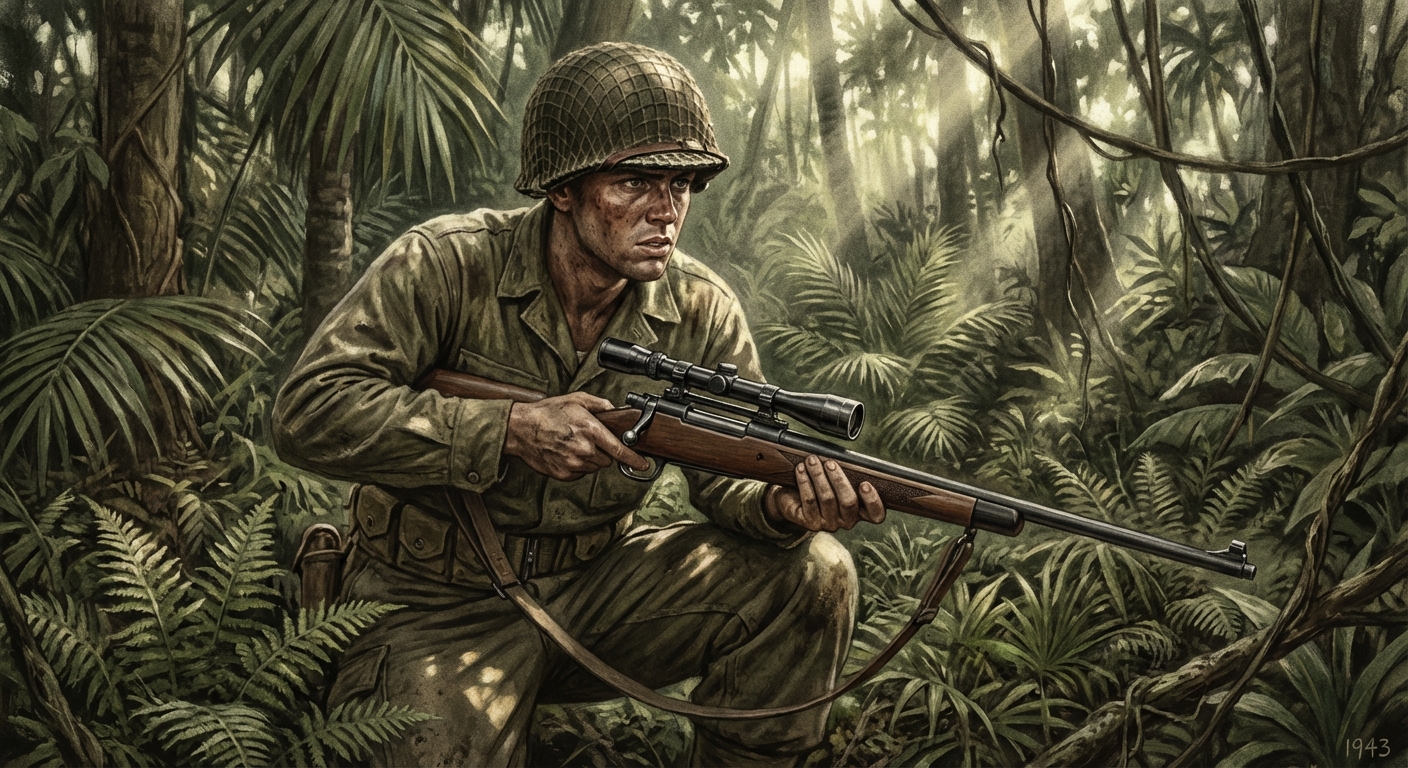
Pavlichenko's weapon was the Mosin-Nagant Model 91/30, the standard Red Army rifle modified for precision shooting. Manufactured at the Tula Arms Plant, her rifle featured a 3.5x PU telescopic sight that allowed effective engagement of targets beyond 800 meters. The rifle fired the 7.62x54mmR cartridge, a powerful round capable of penetrating German steel helmets and body armor at considerable distances. Soviet armorers carefully selected and modified rifles for sniper use, ensuring exceptional accuracy and reliability.
Her first kill came during the opening weeks of the siege. Romanian infantry had established forward positions in a grove of trees approximately 400 meters from Soviet lines. Pavlichenko, concealed in a shell crater and covered with camouflage netting, observed the enemy positions for hours. When a Romanian soldier exposed himself to signal his unit, she fired once. The soldier fell, and Pavlichenko had drawn first blood in what would become an extraordinary tally.
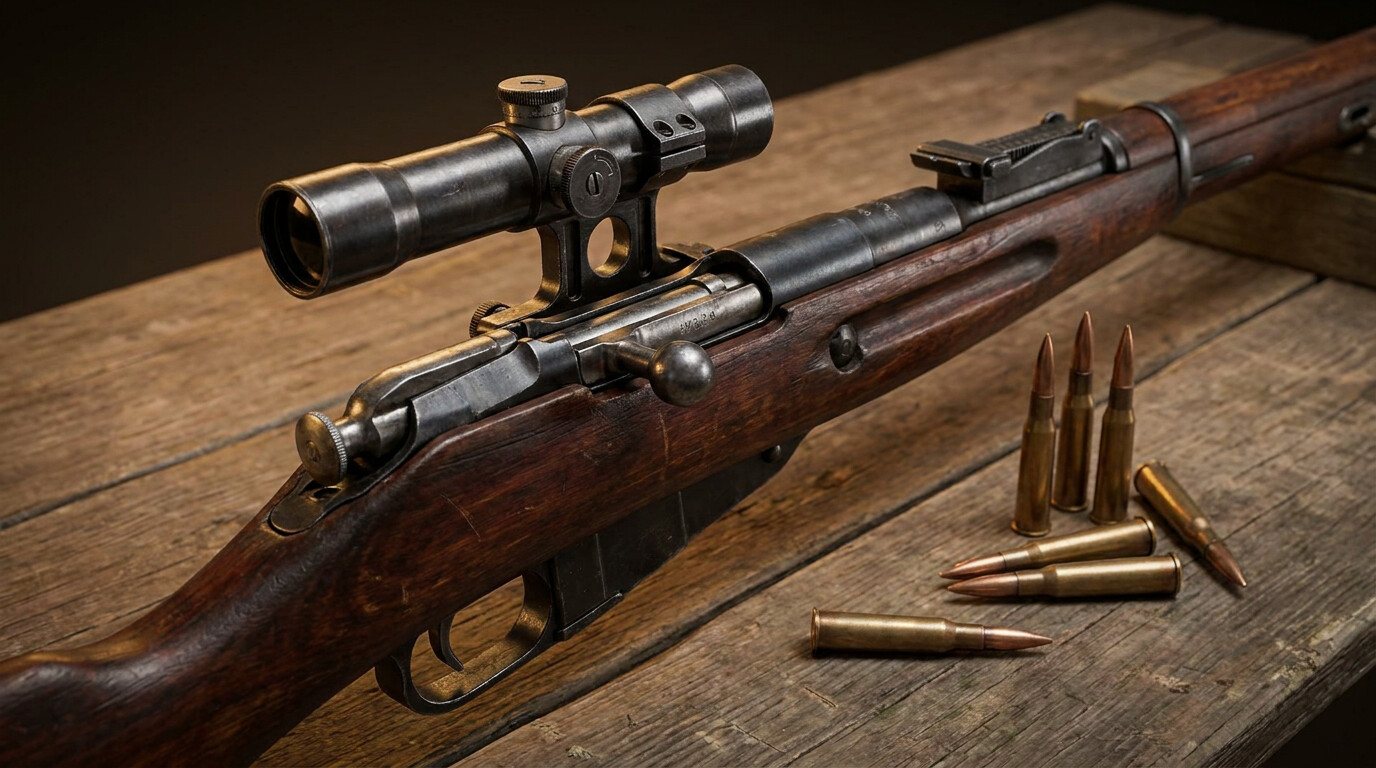
Sniper warfare demanded patience, camouflage skills, and precise shot placement. Pavlichenko learned to remain motionless for hours, studying enemy patterns and identifying high-value targets. Officers, communications personnel, and machine gun crews received priority. A single well-placed shot could disrupt enemy operations far beyond the immediate casualty. German and Romanian forces quickly learned to fear the hidden marksmen, implementing counter-sniper tactics and restricting movement during daylight hours.
The siege intensified throughout September and October 1941. German artillery bombarded Soviet positions daily, while Stukas provided close air support for infantry assaults. Romanian mountain troops, experienced in difficult terrain, proved particularly effective in penetrating Soviet defensive lines. The defenders faced constant shortages of ammunition, food, and medical supplies, with the Black Sea Fleet providing tenuous resupply under German air attack.
Pavlichenko's kill count climbed steadily. By October, she had eliminated over 100 enemy soldiers, earning recognition from her commanders and fear from Axis forces. German intelligence identified her as a priority target, offering bounties for her capture or elimination. Counter-snipers began hunting specifically for her position, forcing constant movement and ever-greater caution.
The psychological impact of sniper operations extended beyond immediate casualties. German after-action reports noted decreased morale and increased reluctance to move in open areas. Romanian units reported similar effects, with soldiers becoming increasingly nervous about exposure. Pavlichenko and other Soviet snipers created a climate of fear that hindered enemy operations and boosted defensive morale.
By mid-October 1941, Soviet high command concluded that Odessa could not be held indefinitely. German forces had broken through several defensive sectors, and the garrison faced inevitable defeat if it remained. Operation Odessa, the evacuation of the Separate Maritime Army, began on October 1 and continued through October 16. The Black Sea Fleet, despite heavy losses to German air attacks, successfully evacuated most military personnel and critical equipment to the Crimean Peninsula.
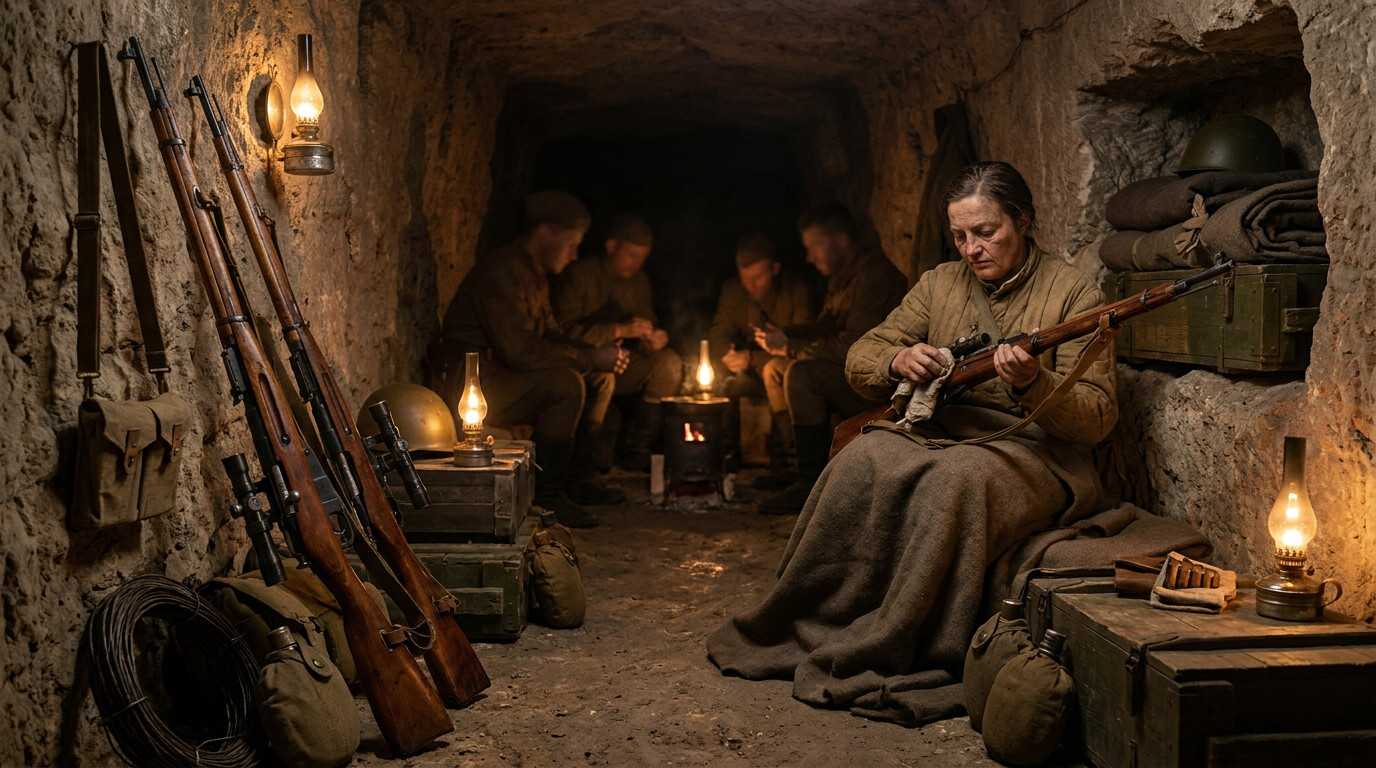
Pavlichenko evacuated with her unit to Sevastopol, the heavily fortified naval base at the southwestern tip of Crimea. Here, she would face her greatest test in warfare that would surpass even Odessa in its intensity and duration.
Sevastopol had served as Russia's principal Black Sea naval base since the late 18th century. The city's defenses included massive coastal artillery batteries, underground ammunition storage, and concrete fortifications built into the rocky terrain. Admiral Filipp Oktyabrsky commanded the naval base, while General Ivan Petrov led ground forces that would eventually be designated as the Independent Separate Maritime Army.
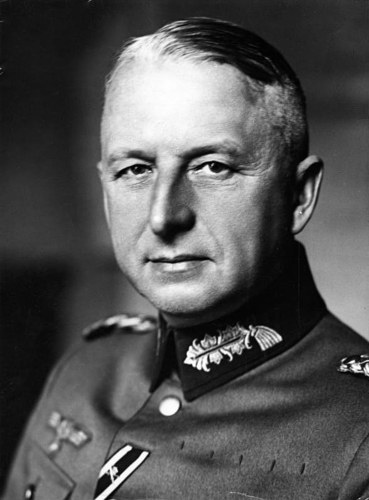
The siege of Sevastopol began in earnest in November 1941, though German forces did not achieve complete encirclement until the following spring. Erich von Manstein's 11th Army faced the daunting task of reducing one of the most heavily fortified positions in Europe. The attackers included elite German units such as the 22nd Air Landing Division and Romanian mountain troops, supported by massive artillery concentrations and specialized siege equipment.
The terrain around Sevastopol favored defenders. Rocky hills, deep ravines, and dense vegetation provided excellent concealment for snipers and machine gun positions. Soviet engineers had reinforced natural defensive advantages with concrete bunkers, interconnected tunnels, and carefully sited artillery positions. The city itself, built on multiple levels rising from the harbor, offered countless sniper positions overlooking German approach routes.
Pavlichenko adapted her tactics to the new environment. Where Odessa had offered relatively open terrain for long-range shooting, Sevastopol's broken ground required closer engagement ranges and greater mobility. She learned to use the limestone caves and underground passages that honeycombed the peninsula, appearing at unexpected positions to engage German forces before disappearing again into the tunnel network.
German forces launched their first major assault on Sevastopol in December 1941. The attack, designated Operation Winter Storm, aimed to capture the city before Soviet reinforcements could arrive by sea. Despite massive artillery bombardments and coordinated infantry assaults, German forces made limited progress against determined Soviet resistance. Pavlichenko's rifle claimed dozens of German soldiers during this offensive, including several officers whose loss disrupted attack coordination.
The winter of 1941-42 brought temporary respite to Sevastopol's defenders. German forces, lacking adequate winter equipment and suffering from extended supply lines, reduced offensive operations. Soviet forces used this period to strengthen defenses, train replacement troops, and rest veteran units. Pavlichenko continued her deadly work, though at a reduced pace due to weather limitations and increased German counter-sniper activities.
German intelligence had identified Pavlichenko as a priority target, assigning specialist marksmen to hunt her specifically. These Scharfschützen, armed with scoped rifles and trained in counter-sniper tactics, posed a deadly threat to Soviet snipers. Several of Pavlichenko's comrades fell to German marksmen during this period, forcing her to exercise extreme caution and frequently change positions.
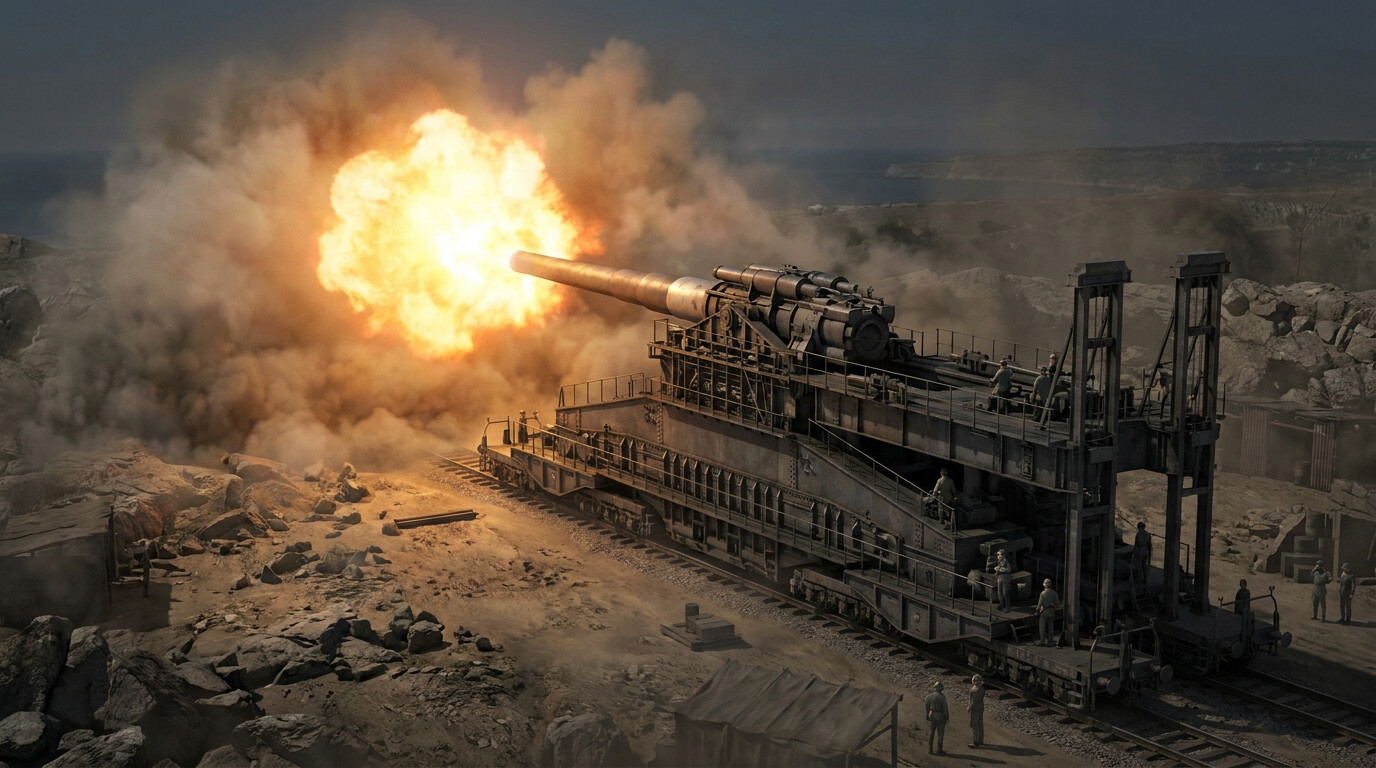
Spring 1942 brought renewed German offensive operations against Sevastopol. General von Manstein concentrated unprecedented firepower for Operation Störfang, including the massive 800mm railway gun "Dora" and heavy siege mortars. The bombardment that preceded the assault represented one of the most intensive artillery preparations of World War II, with over 300,000 rounds falling on Soviet positions.
Despite the devastating bombardment, Soviet forces maintained their resistance. Pavlichenko, operating from positions that had somehow survived the artillery storm, continued engaging German targets. Her kill count passed 300 during the spring fighting, making her the deadliest female sniper in history. Each confirmed kill required verification by a witness or recovery of the body, ensuring accuracy in Soviet records.
The physical and psychological strain of continuous combat began taking its toll. Pavlichenko had survived numerous close calls, including direct hits on positions she had recently vacated and counter-sniper attempts that missed by mere inches. The constant stress of life-or-death decisions, combined with the horror of watching comrades die, pushed even the most resilient soldiers toward their breaking points.
Soviet high command recognized that Pavlichenko had become too valuable to risk in continued combat. Her propaganda value as a successful female warrior exceeded her tactical contribution, despite her exceptional kill count. The decision to remove her from active combat reflected broader Soviet needs for morale-boosting symbols during the darkest period of the war.
In June 1942, Pavlichenko received orders to report to Moscow. Her combat career ended with 309 confirmed kills: 36 enemy snipers and 273 regular soldiers. These numbers, verified through Soviet military records, represented the highest total achieved by any female sniper in history and placed her among the most successful marksmen of any gender during World War II.
Pavlichenko's removal from combat coincided with the final German assault on Sevastopol. General von Manstein's forces finally breached the main defensive lines in late June and early July 1942, forcing the evacuation of surviving Soviet forces. The siege had cost both sides enormous casualties, with German forces suffering over 300,000 casualties while Soviet losses approached similar numbers.
The transition from warrior to symbol proved challenging for Pavlichenko. Soviet authorities assigned her to a propaganda tour of Allied nations, beginning with the United States in August 1942. Her speeches to American audiences, delivered in carefully scripted presentations, emphasized Soviet determination and the contributions of women to the war effort. American media coverage focused heavily on her appearance and background, often overlooking her military achievements in favor of sensationalized personal details.
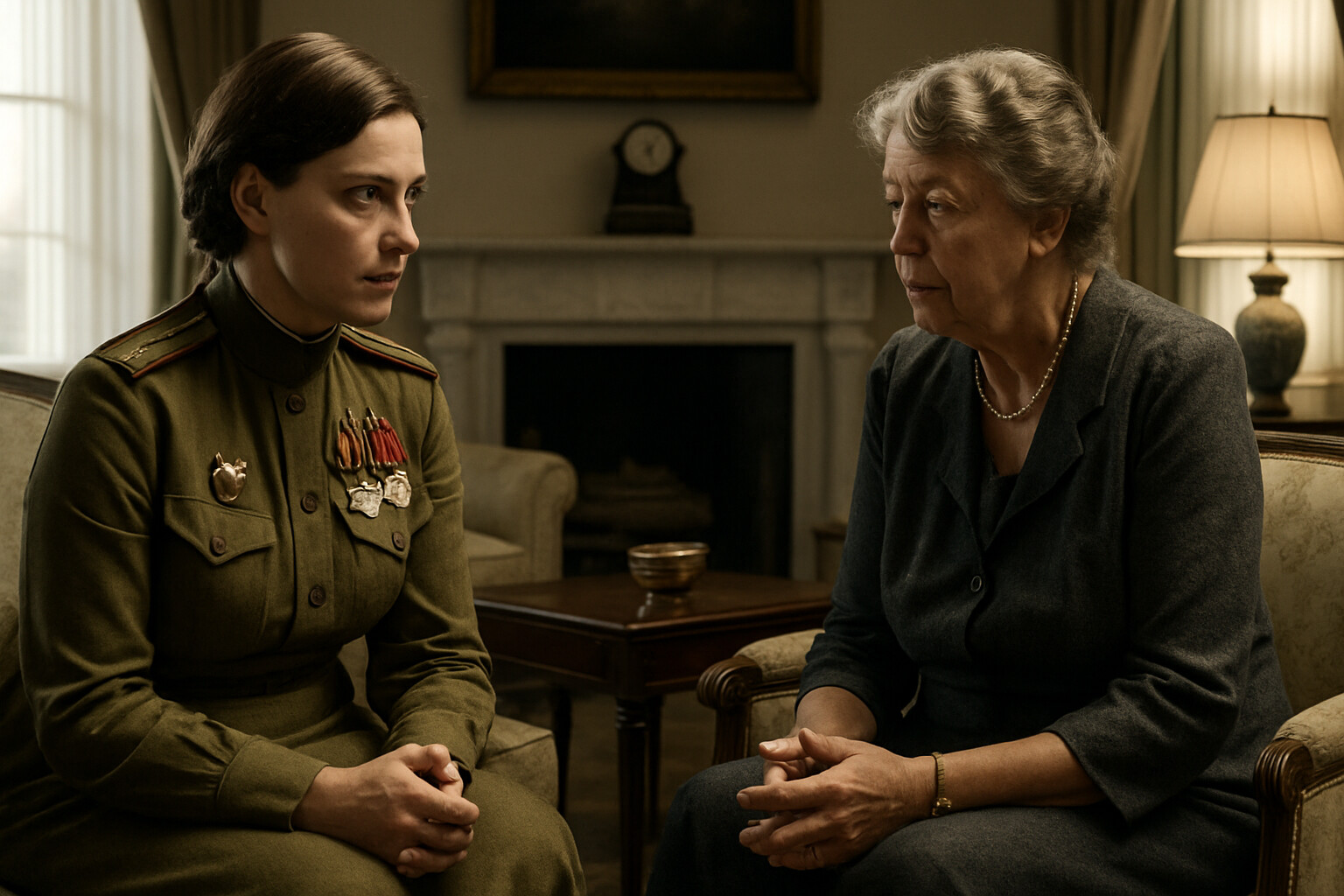
Pavlichenko's American tour included meetings with President Franklin Roosevelt and First Lady Eleanor Roosevelt, who became a personal friend. The visit served Soviet diplomatic objectives by demonstrating the human cost of German aggression and encouraging continued American military aid. Her presence as a living symbol of Soviet resistance helped counter German propaganda that portrayed the Red Army as composed entirely of political fanatics and unwilling conscripts.
Following her American tour, Pavlichenko served as a sniper instructor at Soviet training facilities. Her combat experience proved invaluable in developing tactics and techniques for new generations of Red Army marksmen. Soviet sniper schools, influenced by lessons learned at places like Sevastopol, produced thousands of trained marksmen who contributed significantly to later Soviet victories.
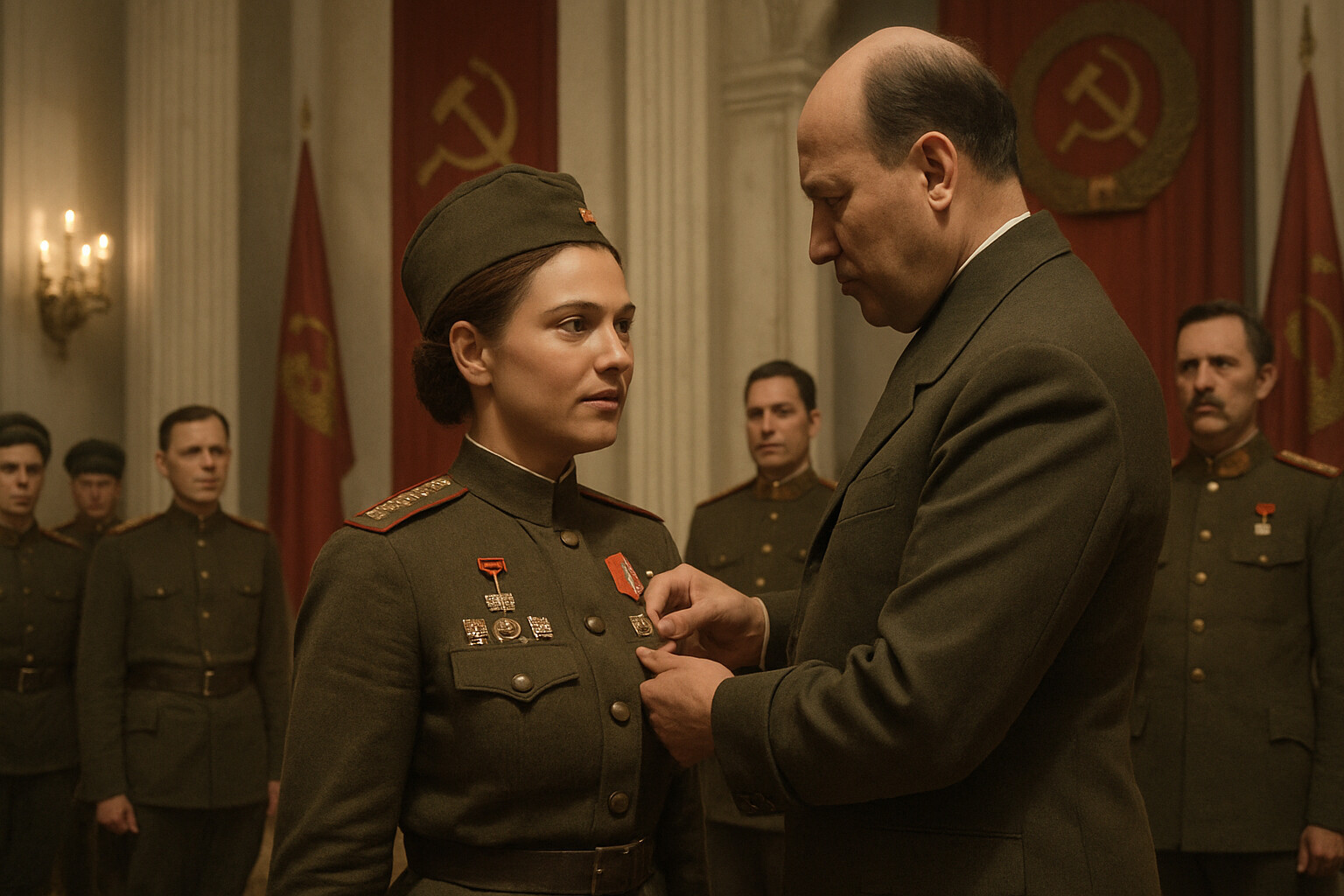
The Soviet Union awarded Pavlichenko the Gold Star of Hero of the Soviet Union, the nation's highest decoration for valor, in recognition of her combat achievements. The citation specifically mentioned her role in the defense of Sevastopol and her contribution to Soviet victory. Additional awards included the Order of Lenin and multiple campaign medals recognizing her service during the siege operations.
Pavlichenko's post-war life reflected the complex legacy of Soviet female combat veterans. While officially celebrated as a hero, she faced challenges common to many veterans in readjusting to civilian life. She completed her interrupted university education, earning a degree in history, and worked as a historian and museum researcher until her death in 1974.
The accuracy of Soviet kill counts, including Pavlichenko's 309 confirmed kills, remains a subject of historical debate. Soviet record-keeping systems required witness verification or physical confirmation of enemy casualties, suggesting reasonable accuracy in documented numbers. However, the propaganda value of high kill counts may have influenced reporting in some cases. Western historians generally accept Pavlichenko's totals as substantially accurate while acknowledging the limitations of wartime record-keeping.
Pavlichenko's legacy extends beyond her individual achievements to broader questions about women in combat roles. Her success demonstrated that gender did not determine combat effectiveness, challenging traditional assumptions about military service. Soviet employment of female snipers, pilots, and tank crews provided practical evidence that women could perform effectively in direct combat roles when properly trained and equipped.
The siege of Sevastopol, where Pavlichenko achieved most of her kills, represented a turning point in the German advance into Soviet territory. While Axis forces ultimately captured the city, the prolonged resistance tied down significant German resources and delayed operations elsewhere. The casualties inflicted on German forces, including those attributed to snipers like Pavlichenko, contributed to the Wehrmacht's growing manpower shortages on the Eastern Front.
Modern military forces have studied Pavlichenko's techniques and the broader Soviet approach to sniper warfare. Her emphasis on patience, camouflage, and target selection reflects principles that remain relevant in contemporary military operations. The psychological impact of sniper operations, demonstrated during the Sevastopol siege, continues to influence modern tactical doctrine.
Lyudmila Pavlichenko's war began with an inexperienced university student volunteering for military service and ended with the most successful female sniper in history. Her 309 confirmed kills, achieved during some of the most brutal fighting on the Eastern Front, established a record that remains unmatched. More importantly, her service challenged assumptions about women in combat and demonstrated the potential for exceptional individual contribution to military success.
The young woman who first looked through a telescopic sight at an enemy soldier in the ruins of Odessa could not have imagined the legend she would become. Her legacy endures not merely in the stark mathematics of confirmed kills, but in the proof that courage, skill, and determination transcend traditional boundaries. In the desperate mathematics of total war, Senior Sergeant Lyudmila Pavlichenko's rifle spoke with a precision that helped write the first chapters of German defeat on the Eastern Front.