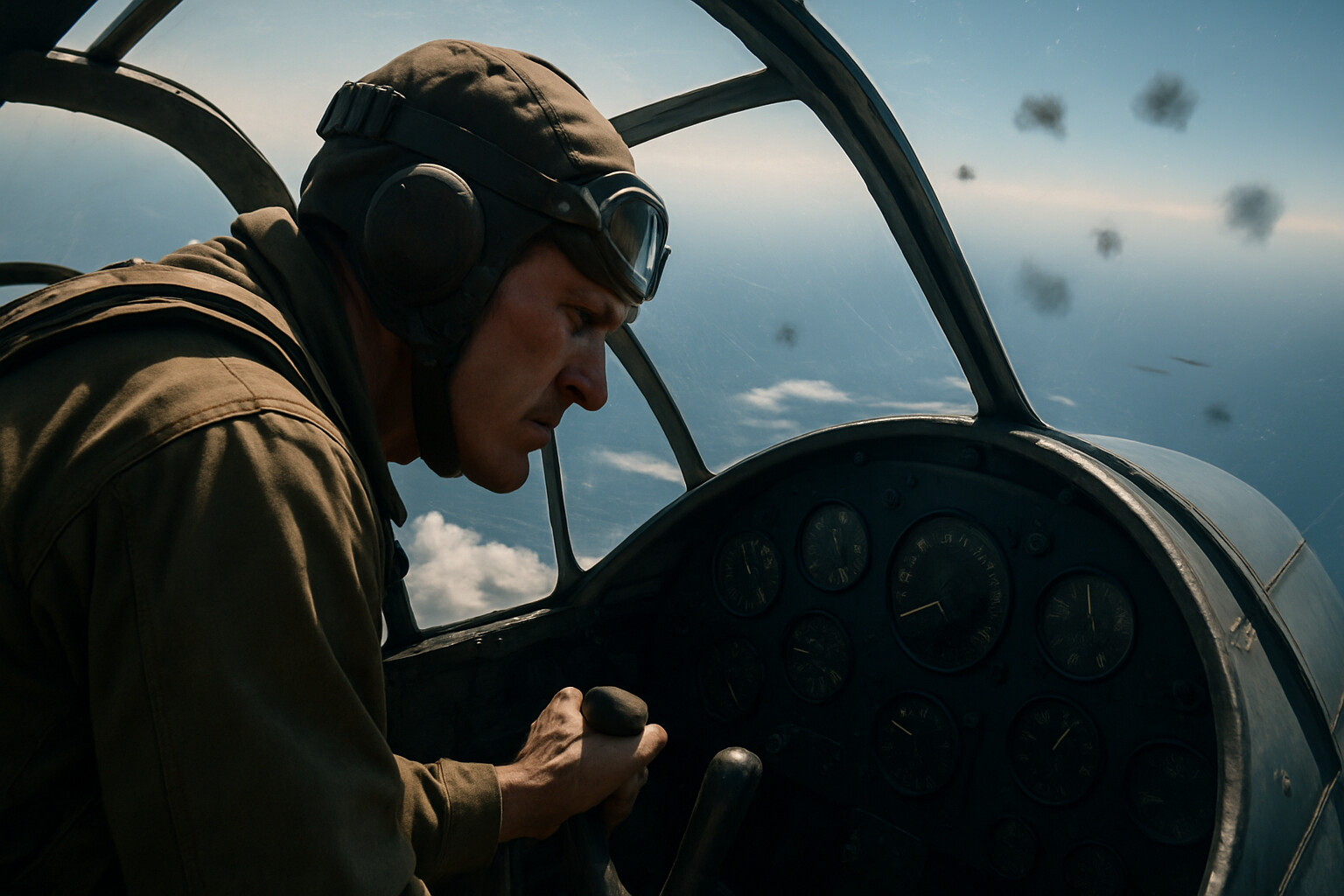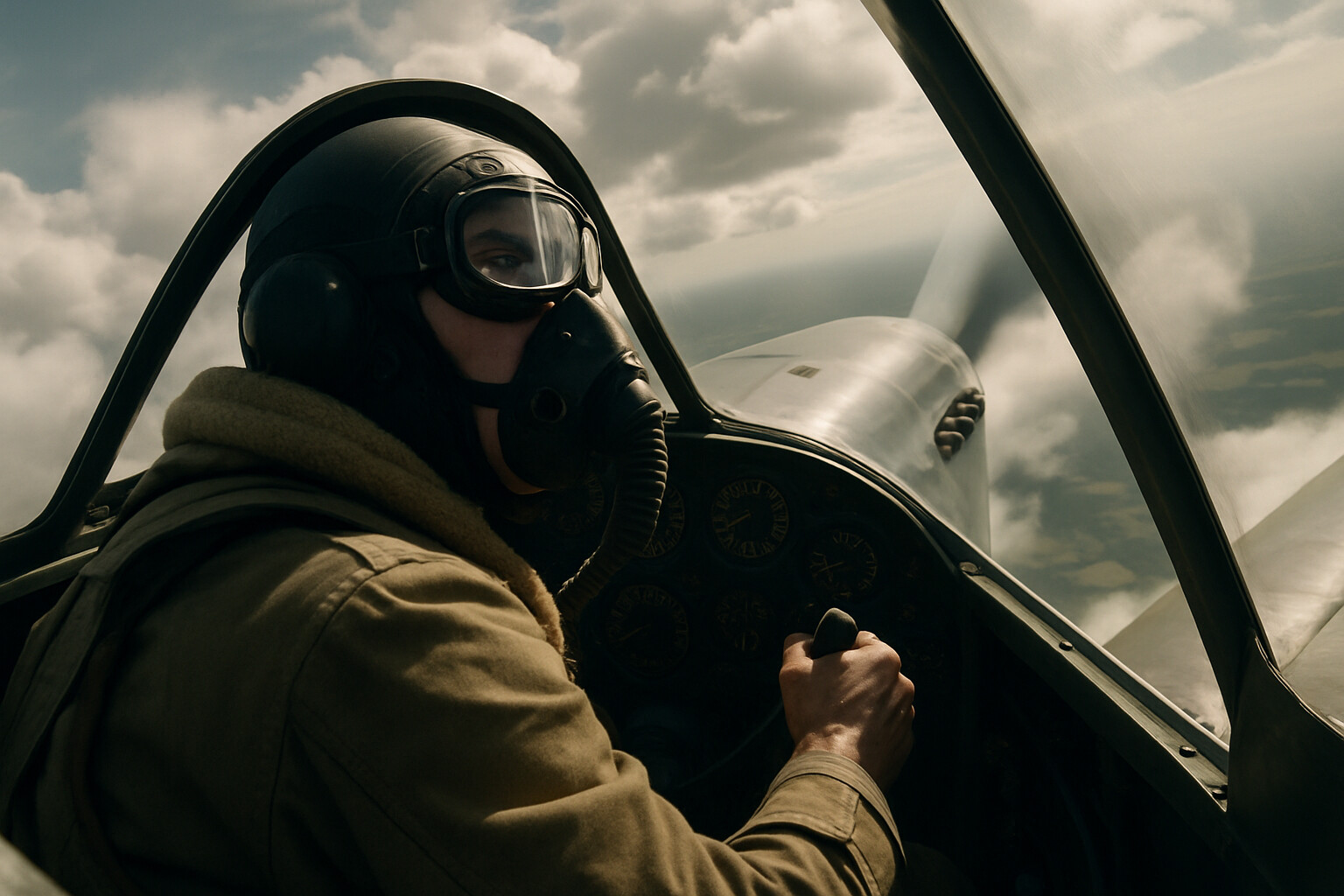
The Spitfire banked hard over the Thames Estuary, carving through the hammering light of a summer afternoon. Below, London's eastern sprawl blurred into shadow. Above and ahead, the sky was full of Germans.
It was the summer of 1940, and the air over southern England had become a killing ground. Squadrons of Messerschmitts flew top cover while the bombers — Heinkels, Dorniers, Junkers 88s — came in formations that filled the horizon. Fighter Command's controllers were pushing vectors and altitudes into headsets across the southeast, directing every available pilot into the stream. Douglas Bader, commanding officer of 242 Squadron, was somewhere in that stream: throttle in his right hand, control column in his left, rudder pedals worked by legs he could not fully feel.
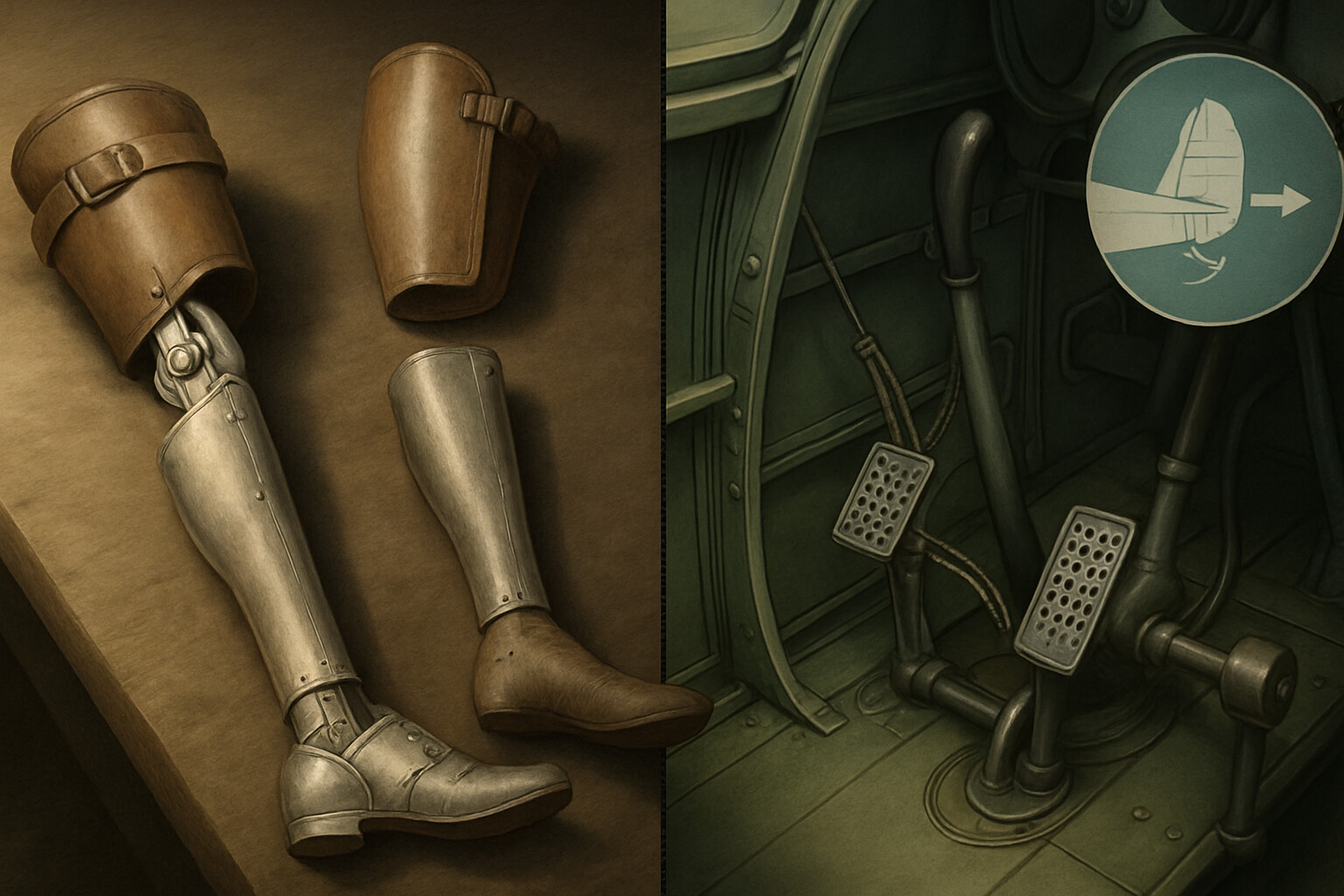
He had no legs. Not flesh-and-blood ones. He had aluminum prosthetics fitted to stumps, and he had fought the Royal Air Force's medical establishment for the better part of a decade to get back into a cockpit. The Battle of Britain was not a triumph waiting to happen. It was a wager, paid for in pain, persistence, and a stubbornness that went well past what most people consider reasonable. Whether it paid off the way the postwar myth suggests is a question the records, examined carefully, do not answer simply.
---
Douglas Robert Steuart Bader was born on 21 February 1910 in London. His father, Frederick Roberts Bader, served in the Royal Engineers and died of wounds received on the Western Front in 1917, when Douglas was seven. The boy grew up at a remove from family money, educated partly on scholarships, and developed early a quality those who knew him described variously as determination, belligerence, and a refusal to acknowledge physical limits. He was athletic at school — rugby, cricket, boxing — and won a cadetship to the Royal Air Force College at Cranwell in 1928. He graduated near the top of his class in 1930 and was commissioned as a Pilot Officer.
By 1931, Bader was flying Bulldogs with No. 23 Squadron at RAF Kenley. The Bristol Bulldog was the front-line RAF fighter of the period: a biplane with a radial engine, capable of about 175 miles per hour, nimble enough for the aerobatic displays that young pilots flew at air shows to demonstrate the RAF's capabilities. It was at one such display — or at the very least a low-level aerobatic practice session at Woodley Aerodrome near Reading — that the accident happened.
The exact circumstances remain, at the edges, slightly disputed. The core facts are documented. On 14 December 1931, Bader attempted a slow roll at very low altitude. The aircraft struck the ground. The Bulldog was destroyed. Bader was pulled from the wreckage with catastrophic injuries to both legs.
Surgeons at the Royal Berkshire Hospital amputated his right leg above the knee that same night. His left leg was amputated below the knee shortly afterward. He was twenty-one years old. The RAF Medical Branch discharged him as unfit for flying duties. He was invalided out of the service.
The rehabilitation was neither swift nor graceful. Bader was fitted with prosthetic legs — the right a full above-knee device with an articulating knee, the left below-knee — and relearned to walk, then to drive, then persuaded the RAF to let him fly dual-control aircraft to demonstrate he could manage the controls. The RAF was not persuaded to return him to active flying duty. In 1932, officially invalided out, he took a desk job at the Asiatic Petroleum Company.
What followed was eight years of ordinary working life for a man who had wanted nothing except to fly fighters, interrupted occasionally by appeals to the Air Ministry that went nowhere. When war came in September 1939, Bader renewed his application. The RAF, suddenly in need of pilots, agreed. He passed a medical in November 1939, was restored to the Active List with the rank of Flying Officer, and sent to Central Flying School to requalify. He requalified. He was posted to No. 19 Squadron, one of the first squadrons to receive the Spitfire.
He was thirty years old. He had not flown operationally in eight years. He had no legs.
---
To understand what Bader flew into in the summer of 1940, it helps to understand what Fighter Command actually was: a tightly integrated system of radar, ground observers, telephone lines, filter rooms, and sector controllers that existed nowhere else in the world at that moment.
The radar chain — the Chain Home network of tall lattice towers along Britain's coasts — could detect incoming aircraft at ranges of up to 100 miles at altitude, though it had significant limitations at low level and was sometimes unreliable. The data fed into Filter Rooms at Group level, then to Sector Operations Rooms, where controllers vectored squadrons toward incoming raids using gridded maps and position markers moved by WAAFs with long-handled rakes across plotting tables.
Fighter Command's commander was Air Chief Marshal Sir Hugh Dowding. His force was organized into Groups: No. 11 Group, commanded by Air Vice-Marshal Keith Park, covered London and the southeast — the main arena. No. 12 Group, commanded by Air Vice-Marshal Trafford Leigh-Mallory, covered the Midlands and East Anglia. No. 13 Group covered the north.
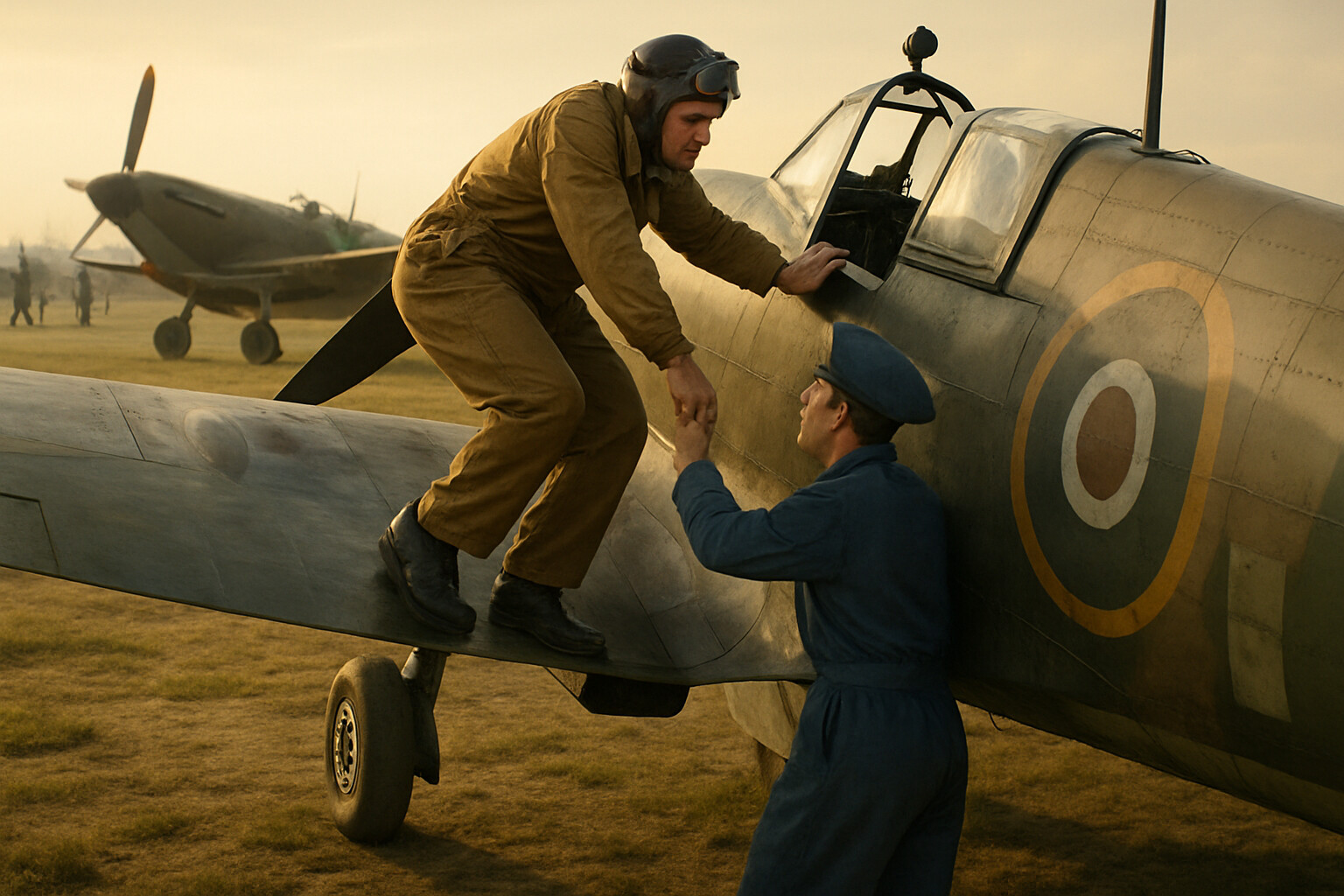
Bader arrived at No. 12 Group's 242 Squadron in June 1940 as a newly promoted Squadron Leader. The squadron was a Canadian unit that had suffered badly in France, its morale shaken and its records in disorder. Bader's task was to take command and rebuild it. By most accounts he was effective at this, instilling discipline and purpose quickly. By the time the Luftwaffe shifted its main effort from French airfields to attacks on Britain that summer, 242 Squadron was operational.
The Battle of Britain is conventionally dated from 10 July to 31 October 1940. The critical phase — the sustained attacks on Fighter Command's airfields and sector stations — ran roughly from 12 August through mid-September. The Germans designated their campaign Adlerangriff, Eagle Attack. The Luftwaffe flew from airfields in France, Belgium, and Norway. Their primary fighters — the Messerschmitt Bf 109E — were fast, capable, and dangerously short of range over England. The escorts could reach London and the southeast, but they had perhaps twenty to thirty minutes of combat time before fuel forced them to turn for home. The bombers — the Heinkel He 111, Dornier Do 17, and Junkers Ju 88 — were the real instrument of destruction, and stopping them before they reached their targets was Fighter Command's purpose.
Bader flew combat sorties with 242 Squadron throughout this period. The squadron's operational record documents engagements over the English Midlands, the Thames Estuary, and the approaches to London. What happened in specific individual engagements — how many aircraft Bader personally shot down in any given battle — is a subject where postwar accounts and wartime credits diverge from what the German records, when they became available after 1945, could confirm. This is a persistent and important qualification: RAF individual victory credits during the Battle of Britain were compiled from pilot combat reports filed under conditions of extreme stress, with multiple pilots often engaging the same aircraft and with no systematic cross-referencing against Luftwaffe loss records in real time. Overcounting was common across Fighter Command as a whole. This is a structural problem of the records, not an accusation of dishonesty against individual pilots.
Bader's credited victories during the Battle of Britain, as attributed in various accounts, number in the range of ten to twelve kills for the war at that period, but the precise figure — broken down by confirmed, probable, and damaged categories against specific dated engagements — varies between secondary sources. The exact total requires direct consultation of primary RAF operational records and Luftwaffe Quartermaster-General loss files.
---
The strategic argument Bader became associated with during the Battle was about tactics, not courage.
Park's 11 Group policy was to scramble squadrons and get them airborne quickly, intercepting raids as early as possible with whatever strength was available — often single squadrons, sometimes pairs. The priority was time. A raid detected crossing the coast had perhaps fifteen minutes before it reached its target. Assembling large formations first was a luxury the geography did not allow for 11 Group.
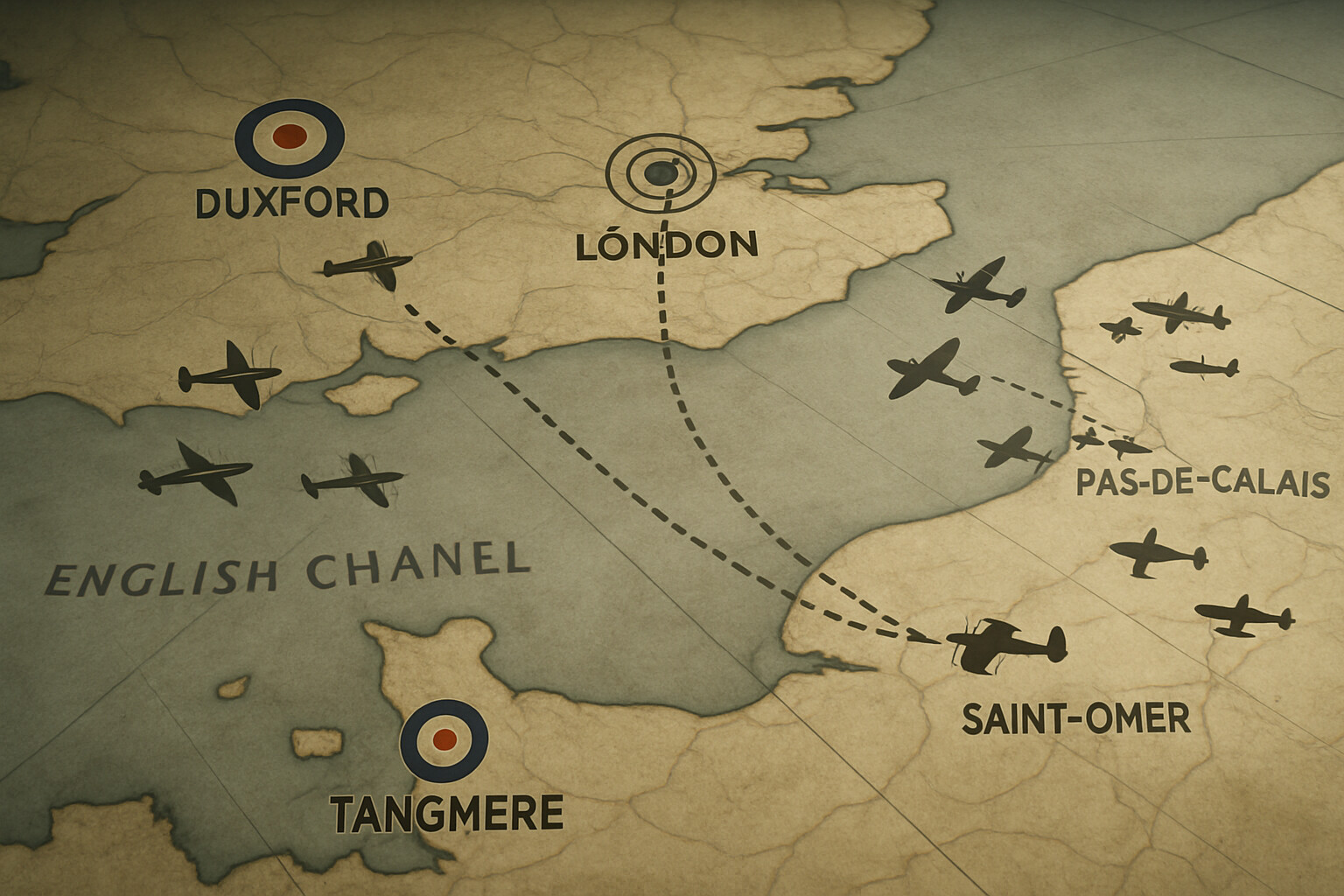
Leigh-Mallory and Bader disagreed. The argument they advanced — sometimes called the Big Wing theory, though the term was not universally used at the time — was that larger formations, three to five squadrons flying together, would be more effective when they met the enemy, inflicting heavier losses and presenting a more formidable force. Bader flew at least several operations with combined formations from 12 Group's Duxford Sector, the so-called Duxford Wing.
The controversy over whether the Big Wing was tactically sound is one of the more persistently debated questions in Battle of Britain historiography. Park argued that by the time large formations assembled and flew south to intercept, the bombers had already struck their targets and were turning for home — and that the 12 Group wing's claimed victory tallies were inflated. The post-battle conference record and subsequent RAF inquiries document the disagreement. Park and Dowding were both removed from their commands in November 1940, a fact that has generated its own historical controversy about the role Leigh-Mallory and Bader may have played in the institutional pressure that followed.
The balance of scholarly opinion, including John Ray's work on the battle and the official RAF history, suggests that Park's 11 Group tactics were well suited to 11 Group's specific geographic and tactical situation, while the Big Wing argument — whatever its theoretical merits — was in practice difficult to execute within the time constraints of 11 Group's defensive area. The claims made for the Duxford Wing's victories during these operations were challenged at the time and have not been fully validated against German records.
None of this diminishes what Bader actually did in the air. Flying a high-performance piston fighter with two prosthetic legs was, by any measure, a serious physical and psychological achievement. Contemporary accounts from pilots who flew with him describe a forceful leader and an aggressive pilot. The qualification matters, though: the mythology that accumulated around Bader after the war — amplified by Paul Brickhill's 1954 biography Reach for the Sky and the 1956 film adaptation — sometimes ran ahead of what the documented record supports.
---
By early 1941, the Battle of Britain's defensive phase was over. Fighter Command began offensive operations: sweeps over occupied France and Belgium, initially to draw up and destroy Luftwaffe fighters, later to escort bombers attacking targets in the occupied territories. These operations were designated Circuses, Rhubarbs, and Rodeos, depending on their size and purpose.
Bader had by this point been promoted to Wing Commander and given command of the Tangmere Wing — three squadrons of Spitfires based at RAF Tangmere in West Sussex. The Tangmere Wing's operations over France in the first half of 1941 were aggressive and costly. Fighter Command's losses in these offensive sweeps, where the RAF was now operating over enemy-held territory without radar cover or ground control, exceeded those of the Luftwaffe by a significant margin. The Germans held the same structural advantages over France that Fighter Command had enjoyed over Britain the previous summer: home territory, radar warning, ground control, and the ability to choose when and whether to engage.
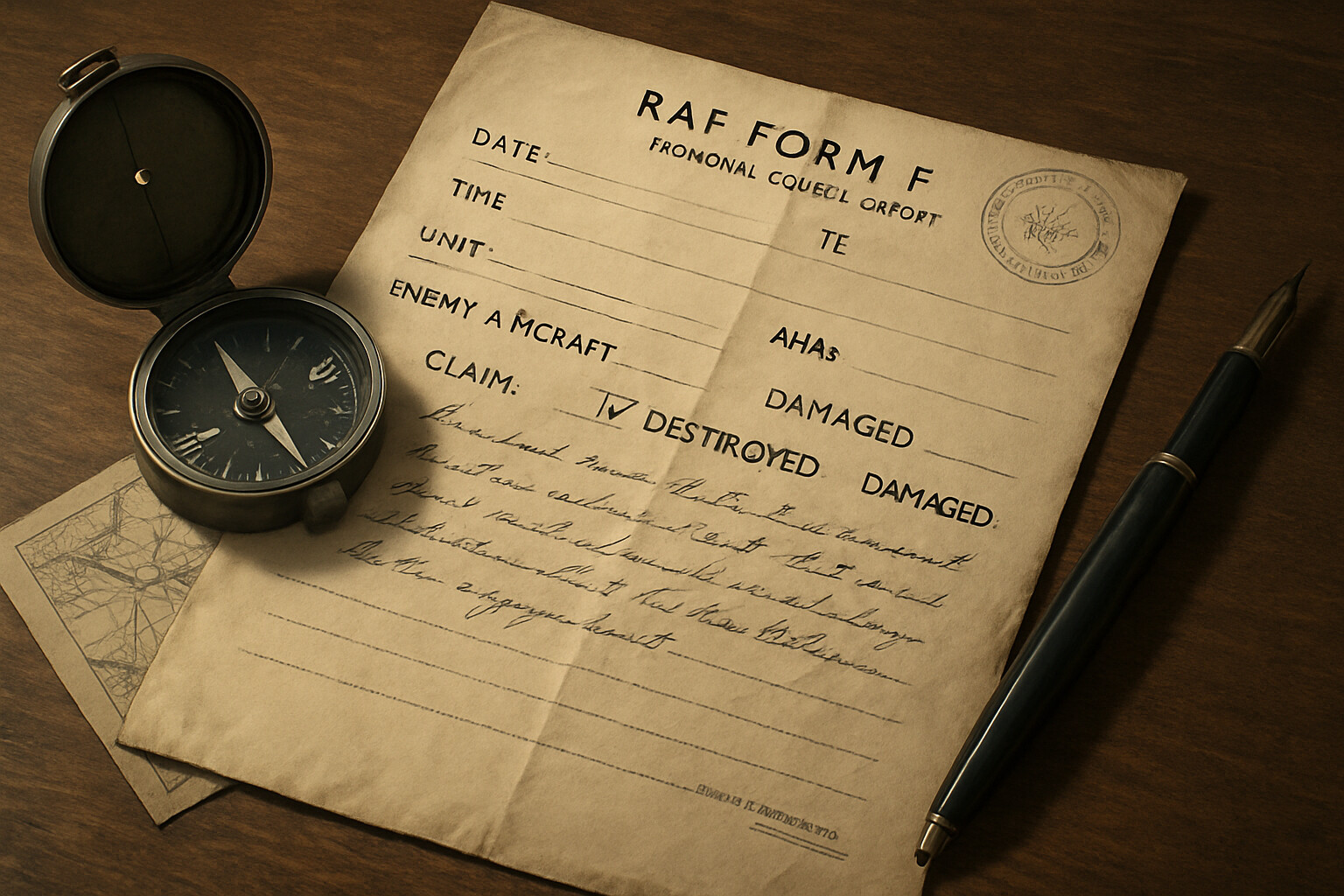
Bader flew these sweeps throughout the spring and summer of 1941. His personal combat claims during this period added to his overall credited total, which various secondary sources place between 20 and 23 kills across the war, though the categories of confirmed, probable, and damaged are not consistently reported across those sources. The same documentary uncertainties that apply to Battle of Britain claims apply here.
On 9 August 1941, Douglas Bader took off from Tangmere with the Wing on a fighter sweep over the Pas-de-Calais region of France. The details of what happened next have been reconstructed from British sources, German accounts, and postwar interviews, but some specifics remain contested.
Somewhere over the Pas-de-Calais, Bader's Spitfire — he was flying a Spitfire Mk VA or Mk VB by this period, though the specific serial number is not consistently reported in secondary sources — was either struck by cannon fire, involved in a mid-air collision, or some combination of both. The aircraft broke up. Bader bailed out. He managed to escape the cockpit despite one of his prosthetic legs being trapped in the wreckage; by some accounts, the leg separated from his body at the stump fitting, allowing him to fall free. He deployed his parachute and landed in occupied France.
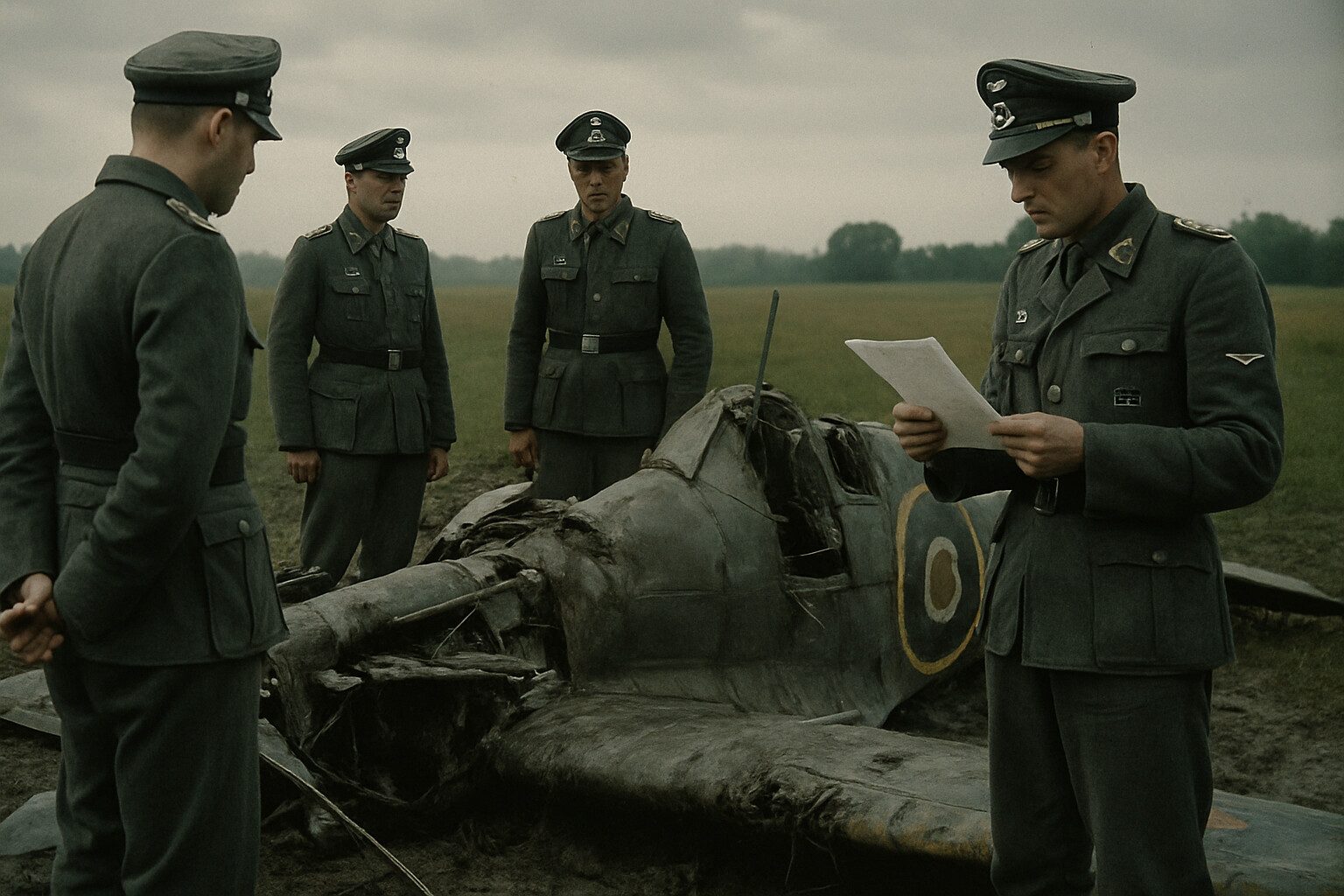
He was taken prisoner by German forces near the village of Saint-Omer.
The precise cause of the incident — collision with a friendly aircraft, German cannon fire, or both — has not been definitively established. German records of the engagement describe a claim against a Spitfire in the area. Some postwar research has suggested the collision theory is credible. The matter is genuinely unresolved in the primary record.
---
At Saint-Omer, Bader was treated by German medical personnel. His prosthetic leg had been damaged or lost during the bailout. What followed is one of the details of the Bader story that is both documented and genuinely remarkable: the Luftwaffe made a formal request, transmitted through the Red Cross, asking the Royal Air Force to drop a replacement prosthetic leg for the prisoner.
The RAF complied. A replacement leg was dropped by parachute into occupied France. The German side of this transaction was coordinated through German officers at Saint-Omer — some accounts name officers from JG 2 or the local Jagdgeschwader as involved in the arrangement, though the specific unit has not been confirmed against unit records. The act was consistent with a code of conduct that some fighter pilots on both sides maintained, one that existed in sharp tension with the broader brutality of the war.
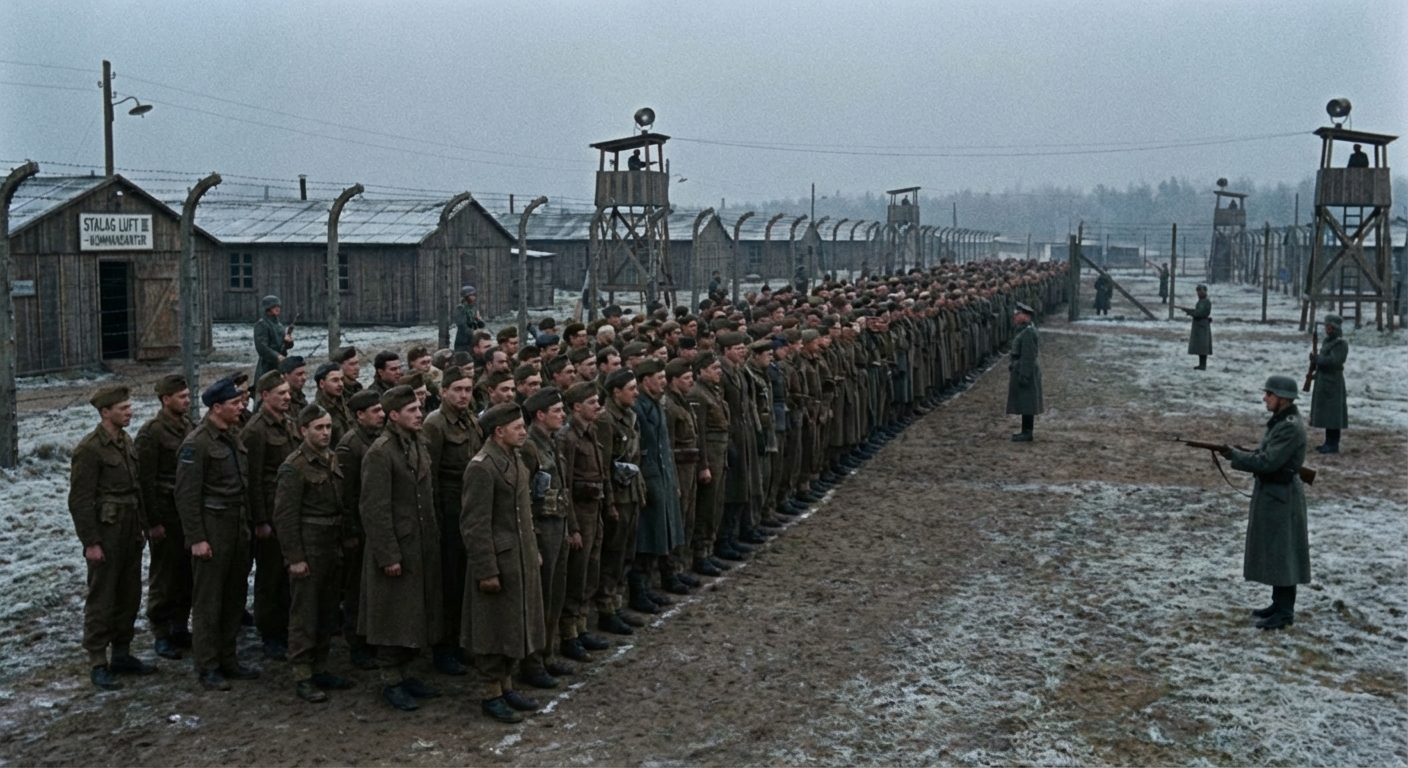
Bader was moved through the German prisoner-of-war system. He was eventually held at Oflag IV-C at Colditz Castle in Saxony, to which he was transferred after repeated escape attempts at other camps. His attempts to escape — and the disruption he caused to camp administration — are documented in prisoner accounts and in the historical record of Colditz, though the specific timeline of his transfers between camps varies between sources and should be verified against official prisoner-of-war records.
He was held for the remainder of the European war. He was liberated in April 1945 when American forces reached the Colditz area.
---
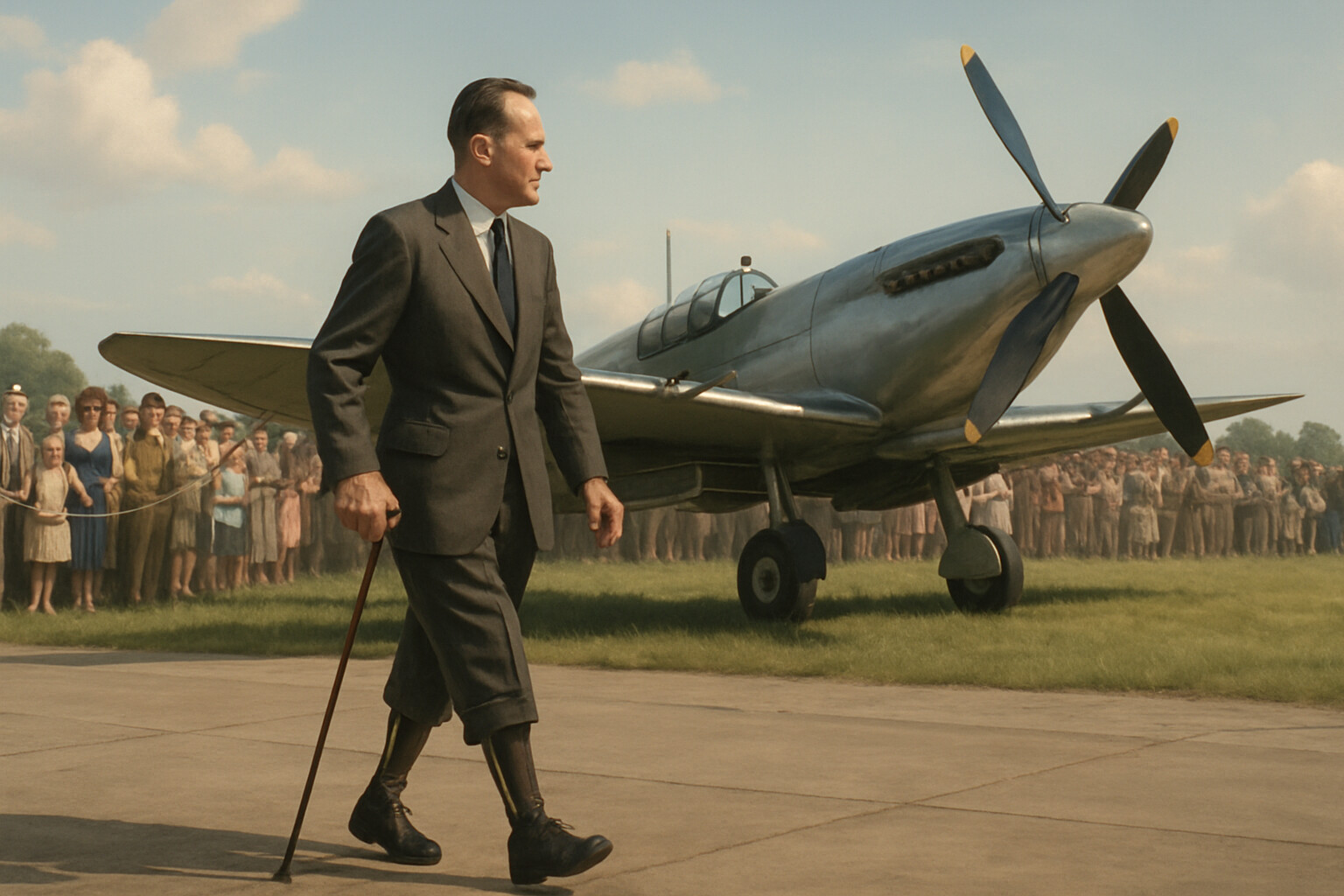
In the air, Bader flew the Spitfire. It is worth describing the aircraft carefully, because it was not simply a vehicle — it was a precision instrument built around the pilot, and for a man without functional leg sensation, its specific characteristics mattered.
The Supermarine Spitfire Mk I and Mk II, which equipped Fighter Command during the Battle of Britain, were powered by the Rolls-Royce Merlin II or Merlin III engine, a liquid-cooled V-12 producing approximately 1,030 horsepower. The aircraft had a maximum speed of approximately 355 miles per hour at 19,000 feet, a service ceiling of about 31,500 feet, and was armed in its standard Battle of Britain configuration with eight .303-inch Browning machine guns, four in each wing. The Spitfire Mk V, which Bader flew during the 1941 sweeps, carried either eight .303 Brownings or a mixed armament of two 20mm Hispano cannons and four .303 Brownings, depending on the variant. The 20mm Hispano provided significantly heavier hitting power against armored German aircraft than the .303 rounds alone.
The Spitfire's control feel was light and responsive. The rudder pedals transmitted forces to the tail through cables. For a pilot with full leg sensation and muscle strength, rudder inputs could be fine and intuitive. For Bader, operating with prosthetics that provided no proprioceptive feedback from the feet, rudder work was managed differently — by body movement, by visual reference, and by learned mechanical adjustment. Contemporary accounts from his flying instructors and fellow pilots suggest he was genuinely skilled at managing the aircraft. A later claim, which gained popular currency, held that his prosthetics gave him a specific advantage against g-force blackout by reducing blood pooling in the legs; this has not been confirmed by any period physiological assessment or medical record and should be treated as unverified.
The Messerschmitt Bf 109E — the primary German fighter during the Battle of Britain — was powered by the Daimler-Benz DB 601A engine, also a liquid-cooled V-12, producing around 1,175 horsepower. Its maximum speed was approximately 354 miles per hour at altitude, comparable to the Spitfire Mk I in straight-line performance. The 109E was armed with two 20mm MG FF cannons in the wings and two 7.92mm MG 17 machine guns in the cowling. The cannons gave it a heavier punch than the .303-equipped Spitfire Mk I, at the cost of a slower rate of fire and a smaller ammunition load per cannon. Advantage between the two types shifted with altitude, speed, angle of attack, and pilot skill. Neither aircraft was clearly superior across all parameters.
The Hurricane, which equipped the majority of Fighter Command squadrons during the Battle of Britain, was a somewhat older design — stressed-skin and fabric rather than the all-metal Spitfire — but was a more stable gun platform, easier to repair in the field, and effective against the German bombers that were the primary threat to Britain's survival. The Hurricane Mk I carried the same eight .303 Brownings as the early Spitfire. It was the type Bader led with 242 Squadron throughout the summer and autumn of 1940.
---
The cost of the 1941 offensive sweeps was severe in ways that wartime publicity obscured. Between June and September 1941, Fighter Command lost more aircraft and pilots over France than the Luftwaffe lost defending against the sweeps. The German fighter force chose its engagements carefully, declining contact when conditions were unfavorable and striking when they were not. British losses in this period — pilots killed, wounded, or taken prisoner — ran into the hundreds. The operational logic of the sweeps was, at least in part, to force the Luftwaffe to keep fighter strength in the West rather than transferring it to the Eastern Front following Germany's invasion of the Soviet Union in June 1941. Whether the sweeps achieved this strategic objective at an acceptable cost is a question historians continue to debate.
Bader's capture on 9 August 1941 ended his operational flying. He was thirty-one years old and had been flying combat for just over a year. The wing he left behind continued operations without him.
---
The record around Bader's decorations is well established for the major awards. He was appointed a Companion of the Distinguished Service Order in January 1941 and received a Bar to the DSO in July 1941, both in connection with his operational service during the Battle of Britain period and the subsequent sweeps. He also held the Distinguished Flying Cross. He was appointed Knight Commander of the Order of the British Empire — knighted — in 1976. A CBE is attributed to him in multiple secondary sources but should be verified directly against London Gazette records before being treated as confirmed.
The precise citations for his DSO and Bar are held in the London Gazette and in Air Ministry records. The combat credits used to support those decorations reflect the RAF's wartime accounting system, with all the caveats that system carries.
---
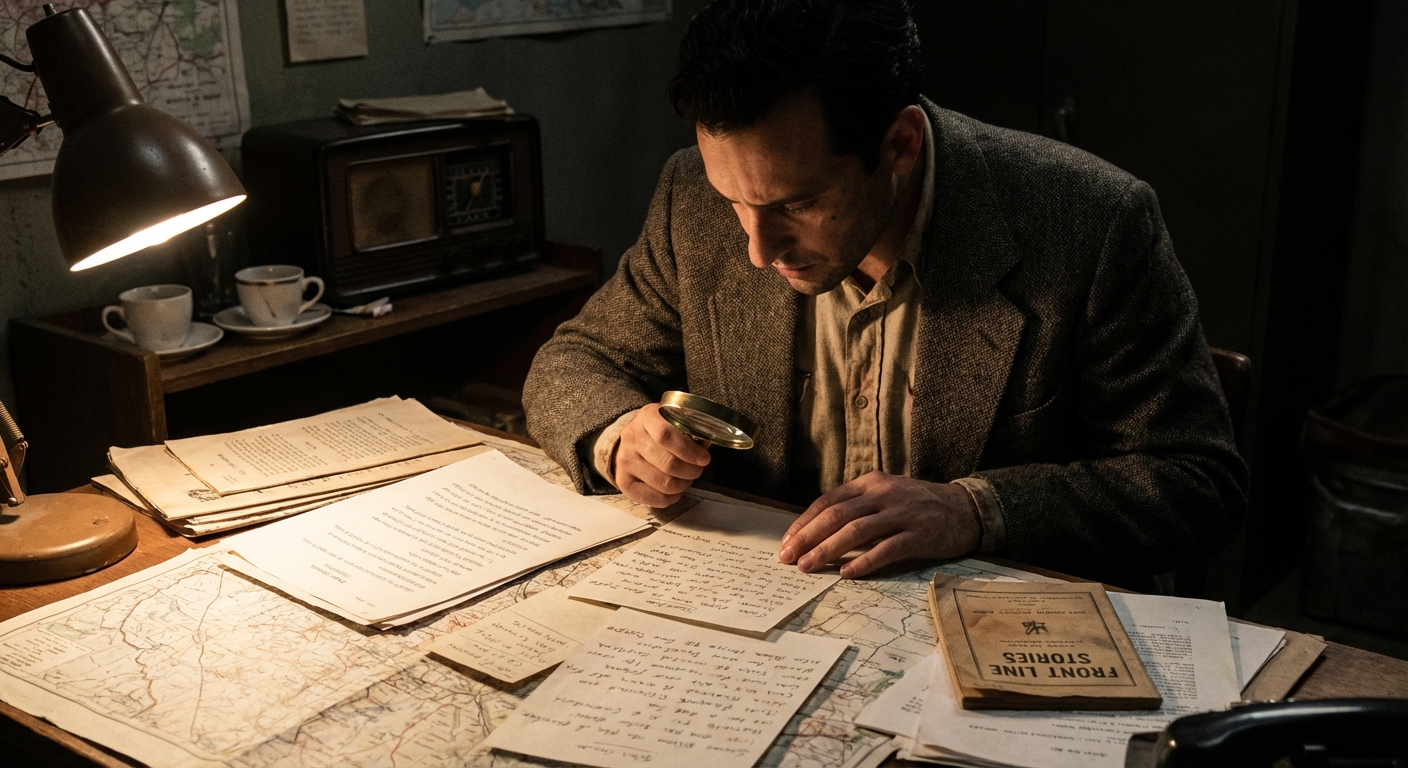
Bader returned to Britain after liberation in 1945. He rejoined Shell — the successor company to Asiatic Petroleum — after briefly returning to the RAF, eventually becoming a senior executive and a persistent advocate for disabled people's rights and access to sport. He flew privately and remained a prominent public figure. Paul Brickhill's biography Reach for the Sky, published in 1954, became a bestseller and was adapted into a film in 1956 with Kenneth More in the title role. The book and film cemented a particular version of Bader's story: the man who overcame disability to achieve greatness, the fighter leader, the indomitable Briton.
That version is not false. But it is simplified in ways that matter. The tactical controversy over the Big Wing was real, and Park and Dowding's removal from their commands in November 1940 — an outcome that many historians have described as institutionally unjust — remains a shadow over the period. Bader's role in the political pressure that may have contributed to that outcome is documented in postwar testimony and historical analysis, though the degree of his personal responsibility, as distinct from Leigh-Mallory's, is disputed and has not been resolved by primary source investigation.
The question of his aerial victory total is one where the honest answer is that the wartime credited figures cannot be fully validated against enemy records, and that a true confirmed total — by the standards of cross-referenced historical verification applied after the war — would likely fall below the credited figures. This is true of virtually every major RAF fighter pilot of the period. It does not diminish the flying, the leadership, or the courage. It simply means the numbers should be held carefully.
What is not in dispute: Douglas Bader, having lost both legs at twenty-one and been told he would never fly again, flew in the Battle of Britain at thirty. He led a wing of three Spitfire squadrons over occupied Europe. He survived being shot down or colliding in combat over France, bailed out, was captured, attempted to escape repeatedly enough to be sent to Colditz, and outlasted the war. He spent the postwar decades working on behalf of amputees and disabled people, using the public attention his story attracted for purposes that extended beyond himself.
He died on 5 September 1982, of a heart attack, in London, at the age of seventy-two. He had attended a dinner in honor of Marshal of the Royal Air Force Sir Arthur Harris earlier that evening.
---
The sky over the Pas-de-Calais is quiet now. The radar towers are gone, the sector stations rebuilt or demolished, the airfields at Tangmere and Duxford preserved as museums. The Spitfires that remain are kept in hangars and brought out on still days, their Merlin engines producing a sound that people who heard it in 1940 still recognize.
Bader's story endures partly because of the prosthetics — the visible, undeniable physical fact of what he overcame. But it endures also because the Battle of Britain itself was a genuinely decisive moment: a period when the outcome of the war in Western Europe was not predetermined, when a relatively small number of pilots flew sustained combat operations that imposed sufficient cost on the Luftwaffe to prevent the air superiority Germany needed for an invasion. Whether Bader was the essential figure the postwar mythology made him, or one capable and complex officer among many, the historical record accommodates both assessments.
What it does not accommodate is the idea that what he did was easy, or expected, or inevitable. He was not supposed to be there. He made himself be there anyway. The rest is history — some of it documented, some of it disputed, all of it worth examining carefully.