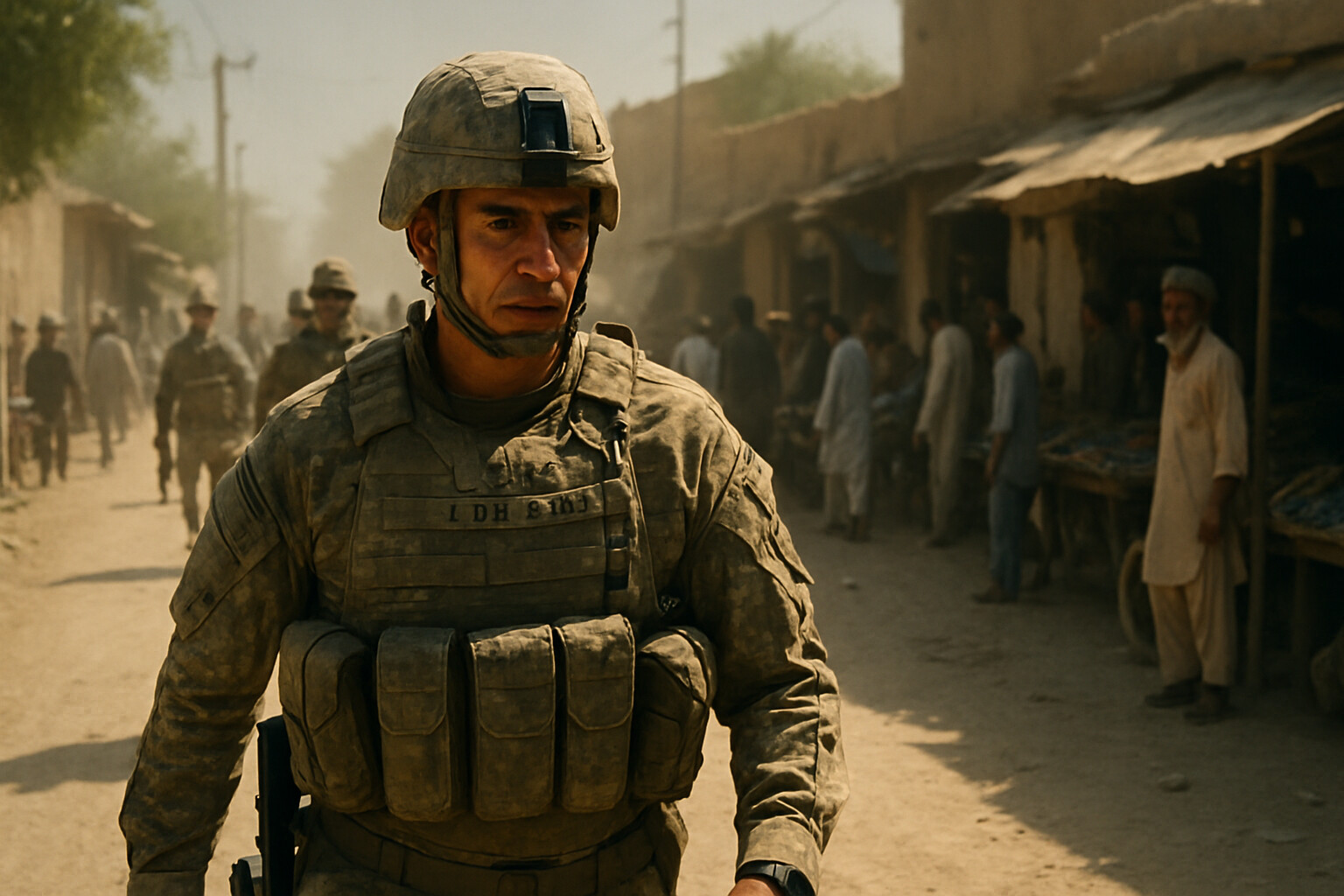
The road into the government center at Asadabad is narrow and exposed.
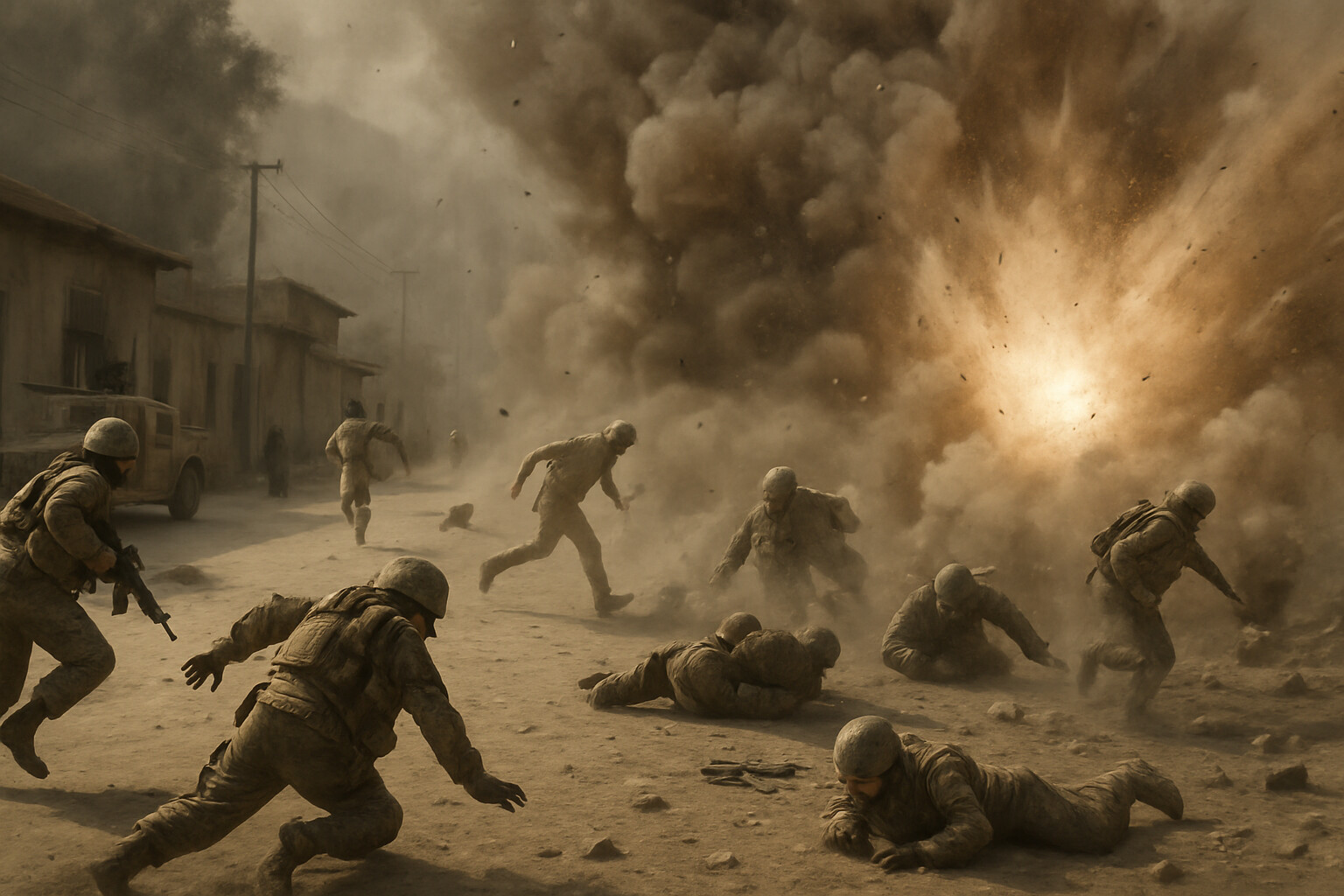
On August 8, 2012, a small coalition formation was moving on foot along that road under the hard summer light of Kunar Province. The group included American soldiers from the 4th Infantry Division and several Afghan counterparts. They had attended a meeting at the provincial headquarters — the kind of coordination event that was routine by that stage of the war, conducted dozens of times a week across Afghanistan. Walking back, they were a visible target: officers and senior leaders moving in a column, without vehicle armor between them and the street, with a security element but no barriers that mattered at close range.
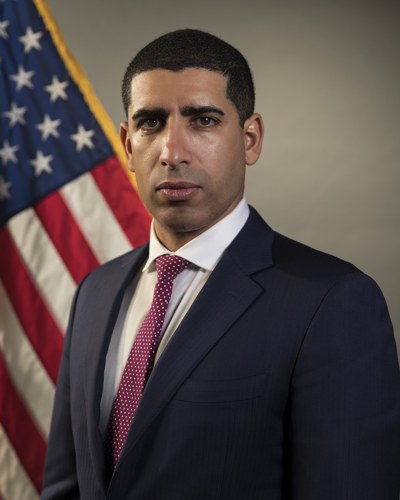
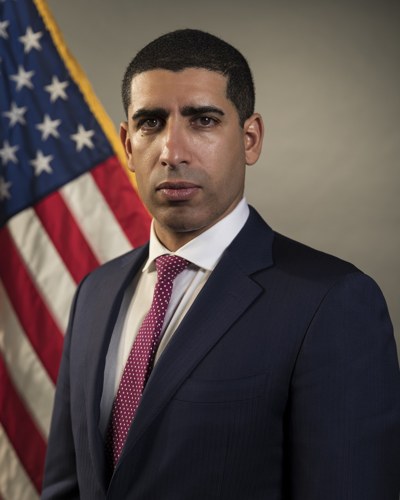
Captain Florent Groberg was providing personal security for the formation. That was his job that day — reading the crowd, watching the flanks, staying close to the principals.
He saw the man coming.
Something was wrong about the way he moved. The specific cues Groberg registered — gait, posture, clothing — are described in subsequent accounts, including his own memoir, though the precise sequence of recognition belongs to the seconds before the explosion and cannot be reconstructed from the outside with confidence. What is documented is what he did.
He grabbed the man. He drove him away from the formation. The bomb detonated.
Four people died. Groberg survived, though barely.
This is what happened, as closely as the record allows.
---
**The Province and the War It Contained**
Kunar Province sits in the far northeast of Afghanistan, wedged against the Pakistani border by the Hindu Kush. The Kunar River runs south through a narrow valley floor, and its tributaries cut into side valleys — the Pech, the Waygal, the Korengal — each of which became a separate chapter in the American war. The terrain is among the most operationally demanding in Afghanistan: steep ridgelines that channel movement, villages perched at elevations that dominate any road below, and a border that was notional in practice, providing sanctuary and resupply to insurgent networks on both sides.
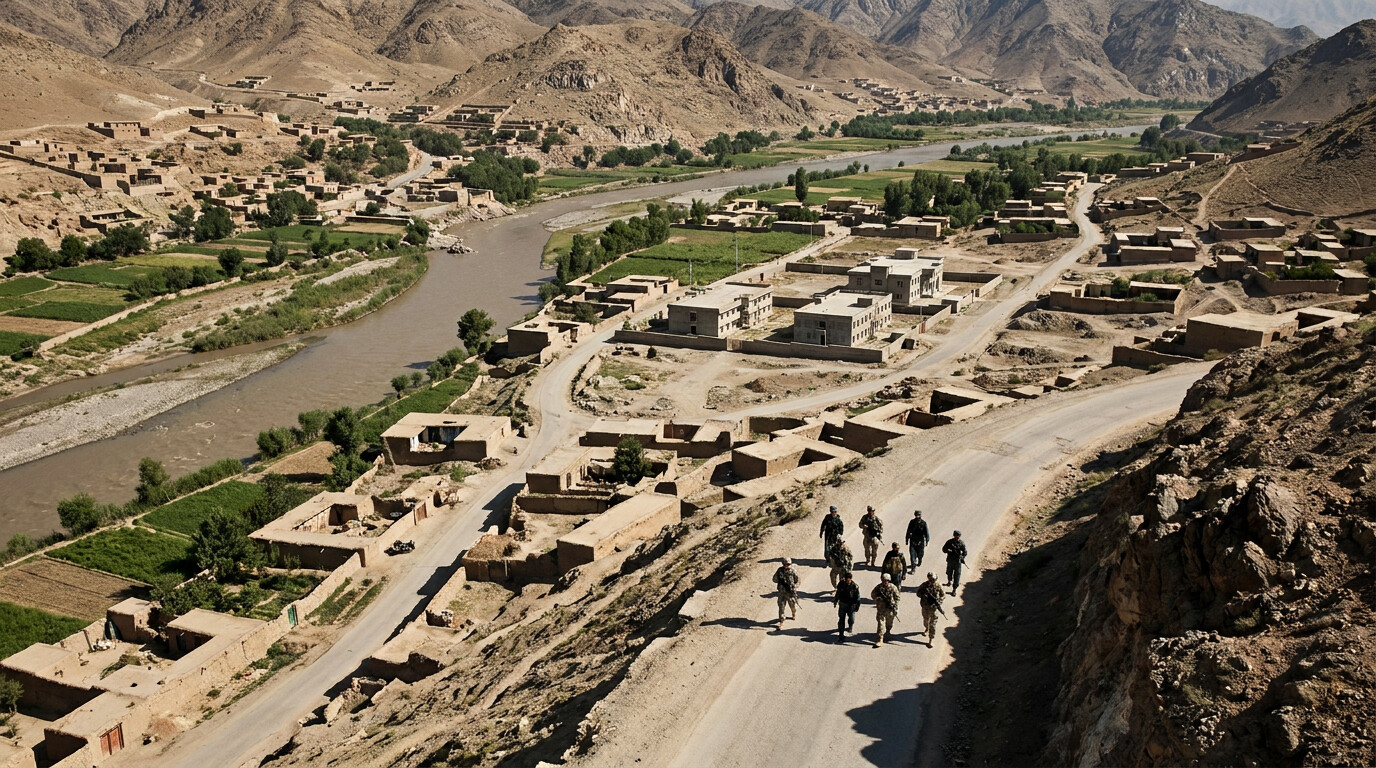
Asadabad is the provincial capital, sitting at the confluence of the Kunar and Pech rivers. It is a town of layered complexity — government presence, bazaar economy, international military footprint, and persistent insurgent activity existing within close geographic proximity. For American forces operating there in 2012, the environment was simultaneously controlled enough to allow dismounted movement to government buildings and dangerous enough that such movement required constant threat assessment.
By 2012, the American military had been fighting in Kunar for over a decade. The province had seen some of the heaviest combat of the war — Operation Red Wings in 2005, the Battle of Wanat in 2008, sustained engagements in the Korengal Valley before U.S. forces withdrew from that sub-valley in 2010. The drawdown of surge forces was underway, transition to Afghan lead was accelerating, and the character of the threat had shifted. Large-unit engagements had become less common than complex attacks: IEDs, indirect fire, and suicide bombings targeting leadership and coordination nodes.
Suicide bombers were a specific and persistent threat. Unlike a pressure-plate IED buried in a road, a person-borne improvised explosive device — a PBIED — could navigate around vehicle routes, target dismounted personnel, and reach the interior of a formation before triggering. Afghan and coalition forces had developed protocols for managing the threat: standoff distances, escalation-of-force measures, designated security personnel on high-alert status during movement. The threat was understood. Stopping it once a bomber had closed to within a few meters was another matter.
---
**The Man at the Center**
Florent Groberg was born in Poissy, France, in 1983. His family immigrated to the United States when he was a child, settling in Maryland. He attended the University of Maryland, where he competed in track and field — a detail that would prove directly relevant on August 8 — and was commissioned through ROTC as a second lieutenant in the U.S. Army.
By 2012, Groberg was a captain assigned to the 4th Infantry Division, headquartered at Fort Carson, Colorado. He had deployed to Afghanistan before. His second deployment brought him to Kunar Province as part of ongoing security operations. He was filling a personal security detail role that placed him close to the principal officers and leaders he was tasked with protecting — a function that required constant environmental awareness and the willingness to make split-second threat assessments in complex, crowded spaces.
The record of what he did on August 8 is consistent with someone who had internalized the threat environment — not someone acting from panic, but someone who identified a threat, made a decision, and moved before the moment had fully resolved. Whether that reflects training, instinct, or the compression of both into a single action is a question the record does not answer. In the space of those seconds, the outcome was the same.
---
**The Patrol and Its Purpose**
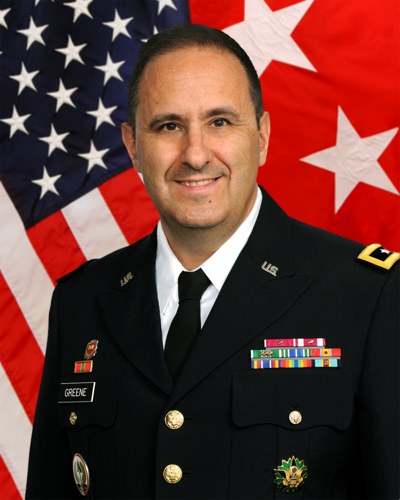
The coalition formation that morning included several senior officers and key personnel. Among those present were Brigadier General Harold Greene and Command Sergeant Major Kevin Griffin, as well as Major Tom Kennedy, Major David Gray, and Ragaei Abdelfattah, a U.S. Agency for International Development Foreign Service Officer serving with the interagency team. The group had conducted a meeting at a coordination facility in Asadabad — the precise nature of the engagement is documented in official records — and was moving on foot back through the town.
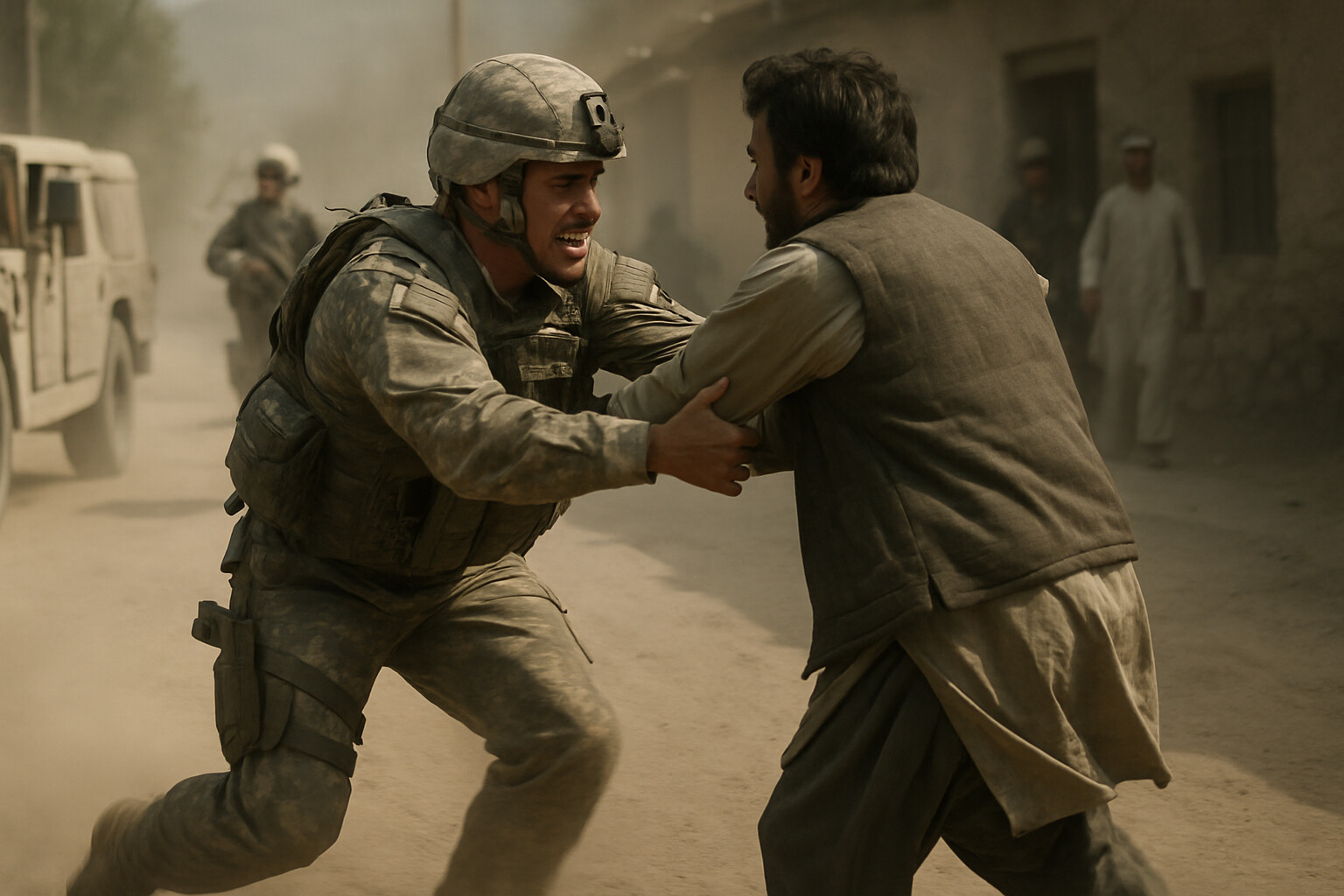
The patrol route passed through a mixed civilian and government-adjacent environment. It was the kind of movement that happened routinely: short, deliberate, security-conscious, but necessarily exposed. The presence of senior leaders made the formation a high-value target in the insurgency's targeting logic.
Captain Groberg was positioned at the edge of the formation, watching inbound foot traffic, reading the behavior of people moving along and across the route. Standard personal security detail practice places designated personnel in this outward-facing role precisely because the principals they protect cannot simultaneously conduct coordination meetings, maintain awareness of the surrounding environment, and assess approaching individuals. Groberg was the screen.
---
**The Bomber**
The man with the bomb was approaching the formation — the precise vector is documented in official accounts, and it was Groberg's training and awareness that made an intercept possible at all.
He was wearing a suicide vest, a device designed to be concealed under clothing and detonated by the wearer. Suicide vests used by insurgents in Afghanistan during this period varied widely in construction, explosive load, and fragmentation material. Based on the documented casualty pattern and general knowledge of PBIED devices used in the theater, many such vests incorporated ball bearings, bolts, or other metal packed around a core explosive charge — typically military-grade explosive, TATP, PETN-based material, or commercial compound. (The precise construction of the vest used on August 8 has not been confirmed from forensic or disposal records available to this production.) The vest's lethality came from two effects: the overpressure of the detonation, and the fragmentation field projected outward through the packed metal.
At close range — within five to ten meters — a vest of this type was capable of killing everyone in the immediate vicinity. At slightly greater distance, the primary danger shifted to fragmentation. This physics is why Groberg's action mattered in a way that was not symbolic but physical: every meter of separation between the detonation point and the nearest person was the difference between lethal and survivable fragmentation density.
Groberg grabbed the man, drove him away from the formation, and the bomb detonated.
---
**The Explosion and Its Costs**
The blast killed four people: Major Tom Kennedy, Major David Gray, Command Sergeant Major Kevin Griffin, and Ragaei Abdelfattah. Their deaths are documented in official casualty records and subsequent tributes.
Brigadier General Harold Greene was wounded but survived. He would be killed in a separate insider-threat attack at the Marshal Fahim National Defense University in Kabul in August 2014 — a loss that underscored the sustained danger of the environment those men had inhabited together.
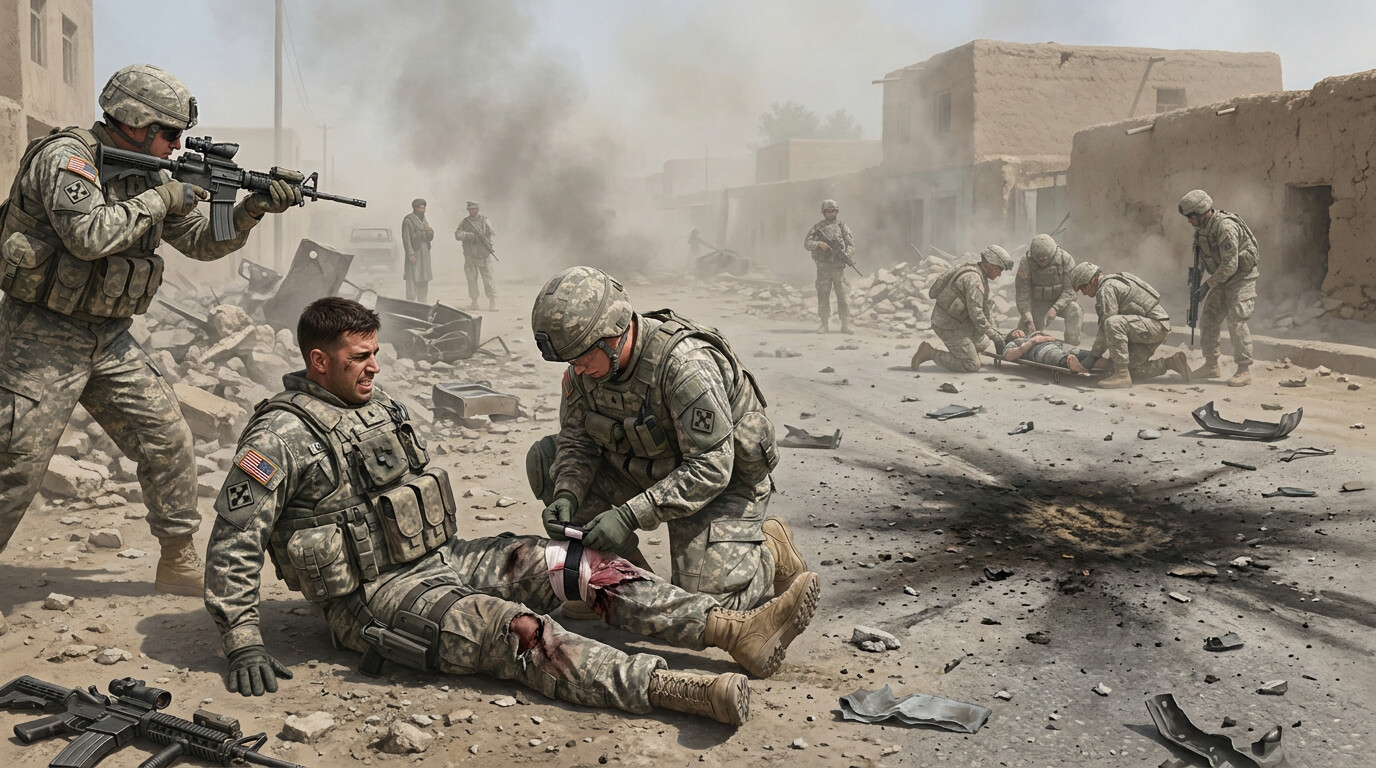
Groberg himself was severely wounded. The blast tore apart his left leg. He required emergency treatment in the field, surgical evacuation, and prolonged hospitalization and rehabilitation at Walter Reed National Military Medical Center. He underwent more than thirty surgeries. The recovery took years. He came close to losing the leg. He carries permanent damage.
That he survived at all — that the four killed were not six or eight or more — is directly connected to what he did in the seconds before the detonation.
This is not a narrative claim. It is a physical one.
---
**The Tactical Geometry of a Tackled Bomb**
To understand what Groberg did, it helps to think in terms of threat physics rather than heroism alone.
A suicide bombing against a walking formation is designed to maximize casualties by detonating inside or at the edge of the human cluster, where the fragmentation envelope overlaps with the maximum number of bodies. A bomber who has closed the distance has time and proximity working in his favor: the closer he gets before triggering, the fewer people can escape the lethal radius.
The personal security detail function exists precisely to interrupt this geometry. The tool available to a security element when a bomber has already closed to arm's reach is not a rifle shot. It is physical intervention.
Groberg grabbed the man and drove him away from the others.
The detonation happened not inside the formation but at its margin — at the point where Groberg had forced the contact. The people farthest from that point survived. The people closest to it, including Groberg, took the most damage.
This is the transaction that occurred. It was not random. It was directed.
His track background from the University of Maryland is mentioned in accounts of the action as contextually relevant to his ability to close on the bomber quickly. Whether it determined the outcome in those specific seconds is not provable. What is documented is that he moved fast enough to intercept, and that he did.
---
**The Wounded and the Dead**
Major Tom Kennedy was a Special Forces officer attached to the formation. Major David Gray was a Marine officer serving in an advisor role. Command Sergeant Major Kevin Griffin was a senior noncommissioned officer. Ragaei Abdelfattah was a Foreign Service Officer, a civilian working to rebuild the civil infrastructure the war had damaged. They were killed by a bomb intended for a formation, and their deaths represent the cost of operating in an environment where every meeting at a government office carried the possibility of ambush.
They are not footnotes to Groberg's story. They are at its center. Groberg has spoken publicly about them in the years since the Medal of Honor ceremony, and the record of his remarks is consistent with a man who carries their deaths alongside his survival — not as guilt in a clinical sense, but as weight.
The wounded, including Groberg, were treated at the point of injury and evacuated. Military medical personnel in Afghanistan had refined trauma care over years of high-tempo casualty operations. Tactical Combat Casualty Care protocols, applied at the scene and continued through the evacuation chain, are credited in the broader record of the war with dramatically improving survival rates from blast injuries that would have been fatal in earlier conflicts.
Groberg reached Walter Reed. He went through surgeries that numbered more than thirty over the following years. The reconstruction of a leg subjected to close-range fragmentation is a long and grinding process, and public accounts describe his rehabilitation as both physically grueling and marked by setbacks. He retained the leg. He relearned to walk well enough to stand at a ceremony at the White House.
---
**What the Record Shows**
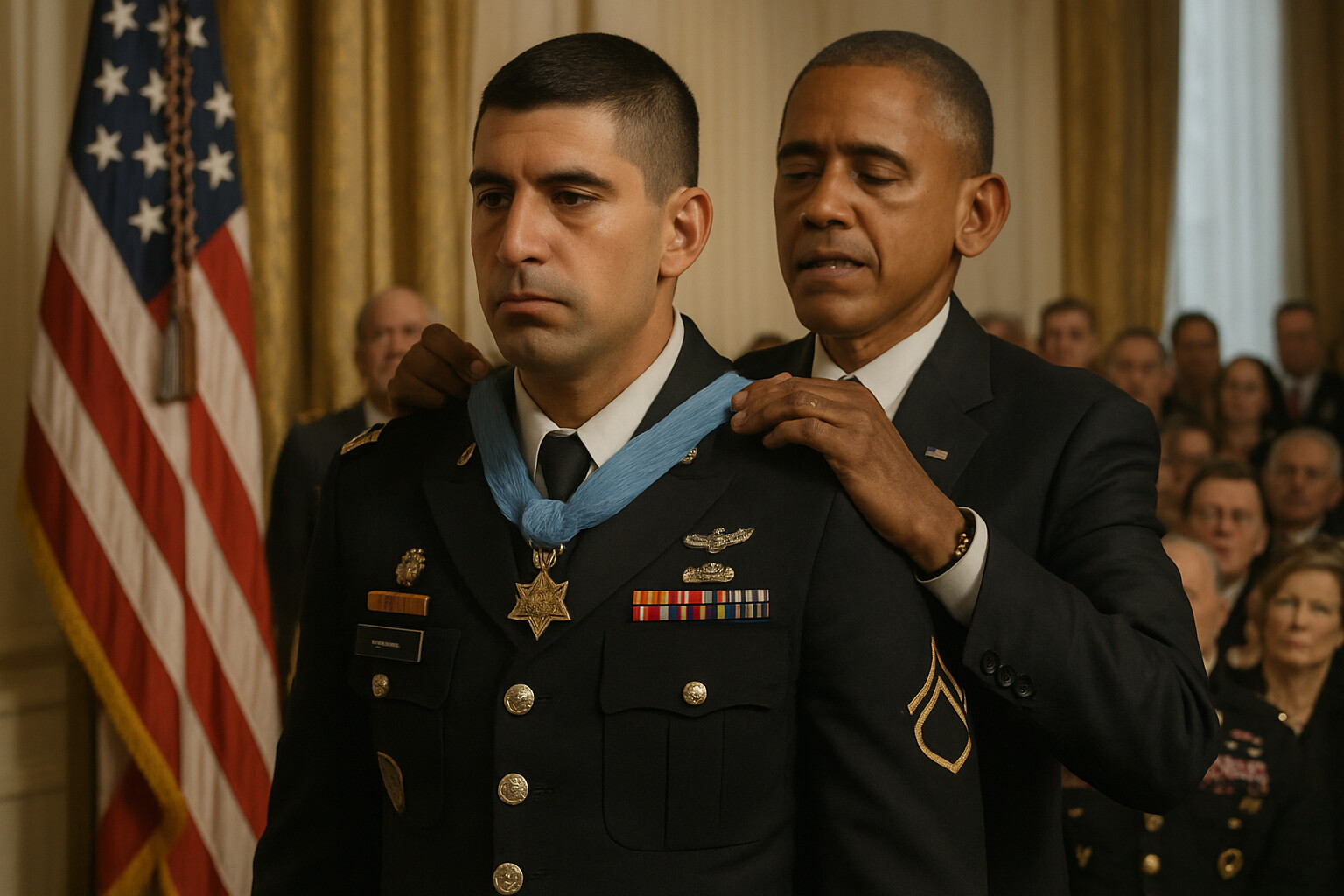
The Medal of Honor was awarded to Captain Florent Groberg by President Barack Obama in a ceremony at the White House on November 12, 2015 — three years and three months after the event it recognized.
The gap between action and award is not unusual for Medal of Honor cases. The review process for the nation's highest military decoration is deliberate and multi-layered. Actions must be documented through witness statements, after-action reports, and command endorsements at successive levels. Cases are reviewed by service boards, the Secretary of the Army, the Secretary of Defense, and ultimately require Presidential approval. For actions in complex environments where the witnesses are also casualties, reconstruction of the exact sequence of events can take considerable time.
Groberg's award was verified through this process. He is one of a small number of living Medal of Honor recipients from the post-September 11 conflicts.
The official citation — issued by the Department of the Army — describes his actions in terms consistent with the account reconstructed here from public records and reporting: he detected the threat, physically engaged the bomber, pushed him away from the formation, and absorbed a significant portion of the resulting blast. (The verbatim citation text has not been reproduced in this production pending access to the primary official document; the summary above is drawn from public reporting.)
---
**The Equipment and the Environment**
The soldiers in the formation were dressed for a command visit in a semi-permissive environment — Army Combat Uniforms with body armor, most likely the Improved Outer Tactical Vest or a comparable plate carrier system standard for 2012. IOTV systems carrying ESAPI ceramic plates provided meaningful protection against small arms and fragmentation across the torso. They did not protect the limbs.
Groberg's left leg wound — the most severe of his injuries — is consistent with the fragmentation pattern of a close-range vest device: the plates protect the vital organs, but the extremities remain exposed to the lateral fragmentation field. In blast casualty medicine this is sometimes called the tertiary fragmentation zone, and limb injuries from this mechanism became among the most common serious wounds treated in the Afghanistan theater.
The weapons the security element carried — M4 carbines and likely M9 pistols for officers, standard U.S. Army equipment in 2012 — were not the relevant tools in this moment. A rifle is not useful against a bomber who has closed to arm's reach in a crowded street. The M4 represented the ambient security of the patrol, the deterrence that kept the outer environment managed. It did not stop the bomber. Groberg's body did.
---
**Asadabad After**
The attack did not stop the mission. That is a statement worth pausing on.
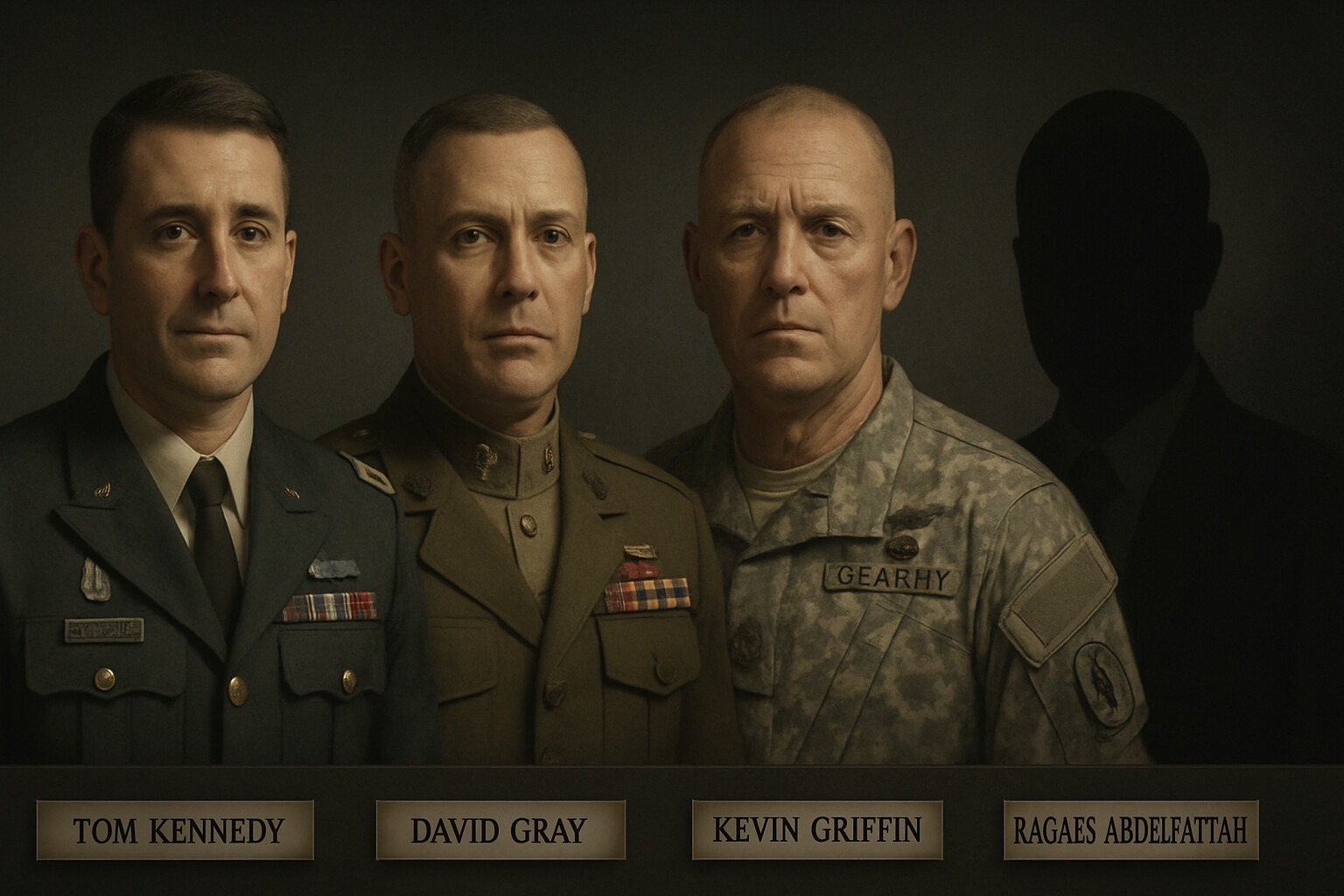
Coalition and Afghan forces continued operating in Kunar Province after August 8, 2012. The meetings continued. The foot patrols continued. The security transition to Afghan forces continued. The four who died — Kennedy, Gray, Griffin, Abdelfattah — were mourned and memorialized, and then the work that had brought them to that road went on, because the alternative was to concede the purpose of everything that had come before them.
Brigadier General Greene, wounded in the blast, returned to duty. He was killed in August 2014 at the Marshal Fahim National Defense University in Kabul, shot by an Afghan soldier in an insider-threat attack. He was the highest-ranking American officer killed in combat since 1970. His death closed a loop that had opened on the road in Asadabad two years earlier — the same general, the same province of danger, a different weapon and a different day.
Groberg left Walter Reed after years of treatment. He went to work at the Pentagon. He wrote a memoir, published in 2019, titled "8 Seconds of Courage" — the estimated duration of the action from identification of the threat to the detonation, drawn from his own reconstruction of the event rather than any stopwatch measurement. Eight seconds is a long time when measured in the weight of a decision, and a very short time when measured in lives.
---
**The Medal and Its Weight**
The Medal of Honor is the highest military decoration the United States awards. It is given, under the statute that governs it, for gallantry and intrepidity at the risk of life, above and beyond the call of duty, in action against an enemy of the United States. The standard is deliberately narrow. The review is deliberately thorough. As of Groberg's ceremony in November 2015, fewer than a dozen living recipients from the post-September 11 conflicts had received it.
Groberg received it for eight seconds on a road in Kunar Province — for a physical decision made in the space between seeing and dying. The ceremony occurred three years later, by which time the survivors and the families of the dead had absorbed what the day had taken and what it had left behind.
At the ceremony, as is tradition, the recipient names the people who died. Groberg named Kennedy, Gray, Griffin, and Abdelfattah. The medal belongs to them in the sense that the act it recognizes was performed on their behalf. It rests on Groberg because he was the one who was there, and moving, and fast enough.
---
**What Remains**
Kunar Province remained contested for years after 2012. The American military footprint in Afghanistan shrank, the security transition accelerated, and the Taliban re-emerged with force. The road in Asadabad where four people died is not marked in any way visible to the outside world. The provincial capital continues to exist, the river continues to run south, and the border with Pakistan continues to be crossed in both directions.
The men who died on August 8, 2012 are remembered in the official record, in the awards citations, in the memoir Groberg wrote, and in the private memory of the people who knew them. Major Kennedy's family. Major Gray's family. Sergeant Major Griffin's family. Ragaei Abdelfattah's family, who lost a Foreign Service Officer doing the civilian work that every military commander in Afghanistan described as inseparable from the military effort.
Groberg's left leg was reconstructed over more than thirty surgeries. He walks. He spoke at the Medal of Honor ceremony not about himself but about the four men who did not come home from that road. The record of those remarks is public, and the substance is consistent with a man who has made the deaths of four people the frame through which his own survival is understood.
Eight seconds. Four dead. One man between the bomb and the rest of the formation.
The numbers are clean. What they contain is not.
That is the nature of the record. It gives you the facts and leaves the weight to you.