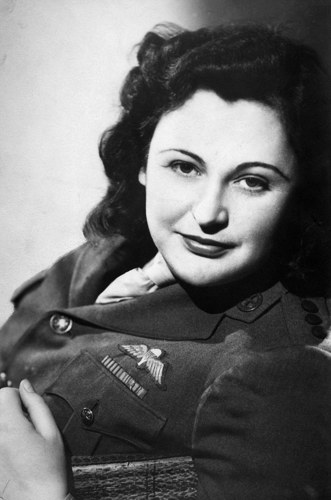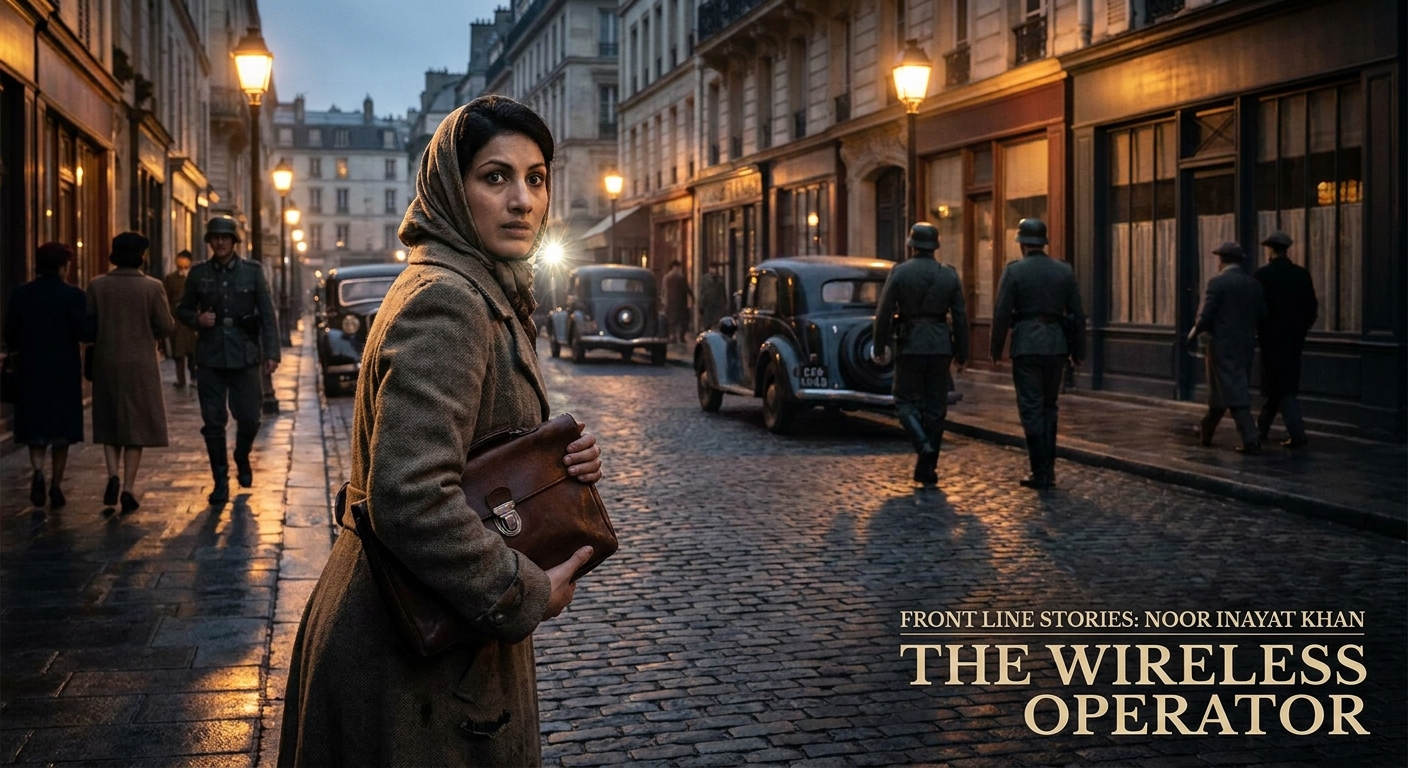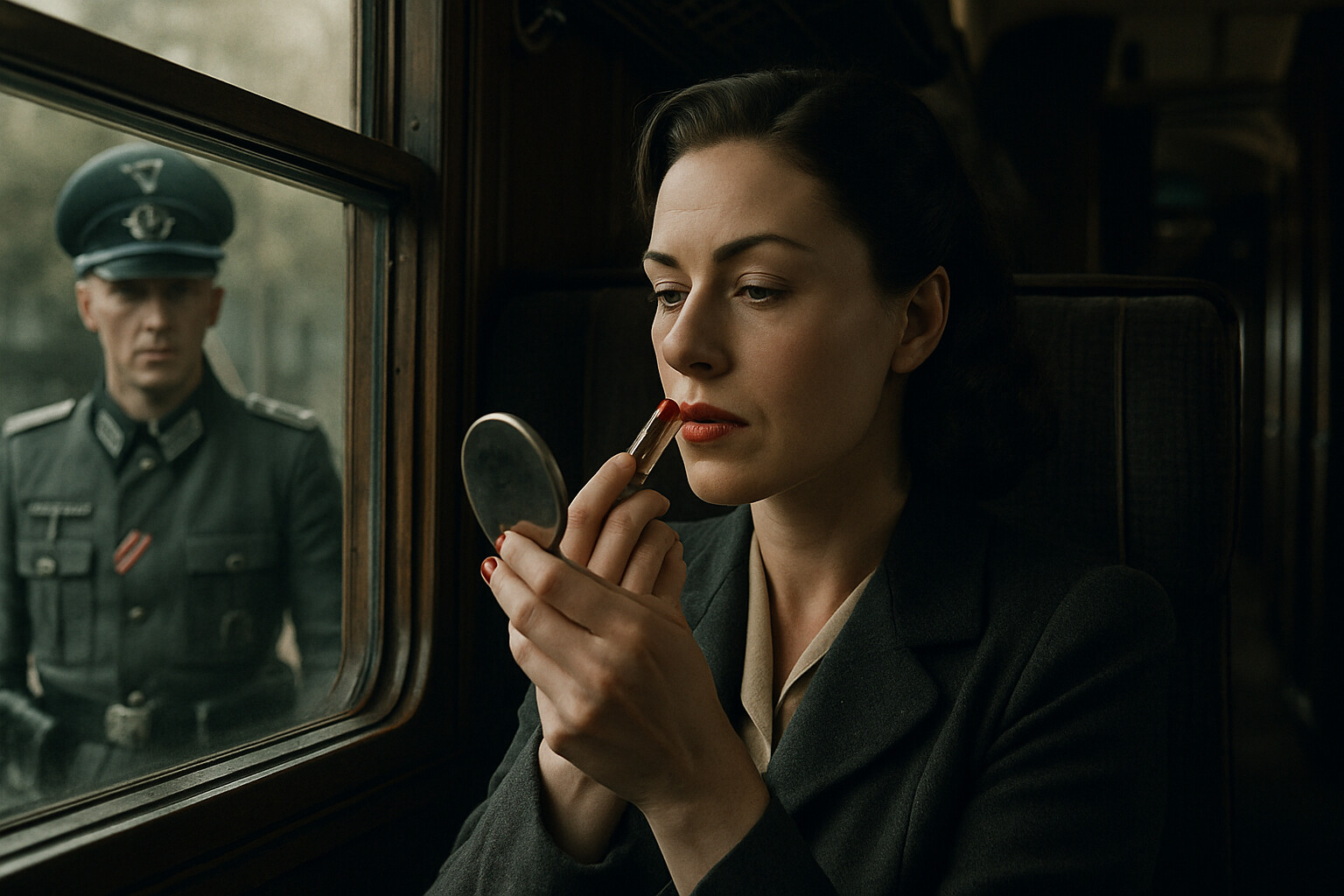
The Gestapo checkpoint materialized through the morning mist like a predator waiting to strike. Nancy Wake adjusted her red lipstick in the train window's reflection, her pulse steady despite the documents hidden in her coat that could hang her. The German officer's eyes swept the passenger compartment, lingering on each face. Wake met his gaze with the practiced smile of a wealthy socialite traveling to visit friends. Behind that smile lay the most wanted woman in France.
By February 1943, the Third Reich had placed a five million franc bounty on the head of the woman they called "The White Mouse" – a phantom who slipped through their nets, smuggled Allied airmen to safety, and funded resistance networks across southern France. The Germans knew her only by her reputation: impossible to catch, deadly to pursue. They had no idea she was sitting three meters away, wearing Chanel perfume and carrying forged travel papers.
Nancy Grace Augusta Wake had not set out to become a spy. Born in New Zealand in 1912 and raised in Australia, she had moved to Paris in her early twenties, married wealthy French industrialist Henri Fiocca, and settled into the comfortable life of an expatriate socialite. The war changed everything. When German forces swept through France in May 1940, Wake watched her adopted country fall in forty-six days. The armistice divided France into the German-occupied north and the supposedly independent Vichy regime in the south. Wake's comfortable world disappeared overnight.
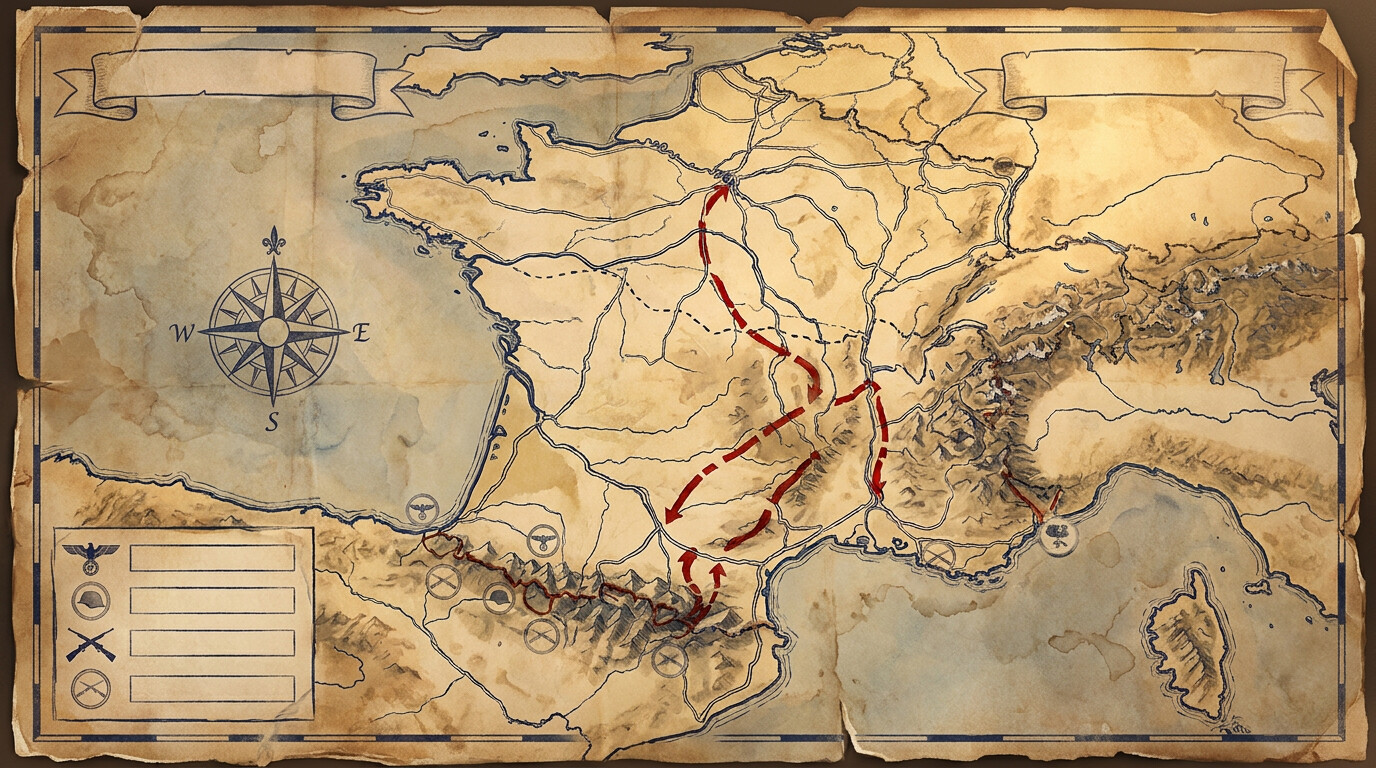
The transformation began gradually. At first, Wake simply helped where she could – providing food and money to refugees, offering her home as a safe house for those fleeing the Nazis. But as the occupation tightened its grip, her activities grew bolder. She made contact with Captain Ian Garrow, a Scottish officer organizing escape routes for Allied servicemen shot down over France. The "Pat O'Leary Line," as it became known, stretched from Paris through Marseille to the Spanish border, spiriting hundreds of airmen back to Britain.
Wake's role expanded from occasional helper to key organizer. Her wealth, social connections, and natural charm made her invaluable. German officers at cocktail parties saw only an attractive socialite; they had no idea she was memorizing their conversations and passing intelligence to the resistance. Her husband's business contacts provided cover for meetings and money laundering. Her fluent French and gift for improvisation kept her alive when operations went wrong.
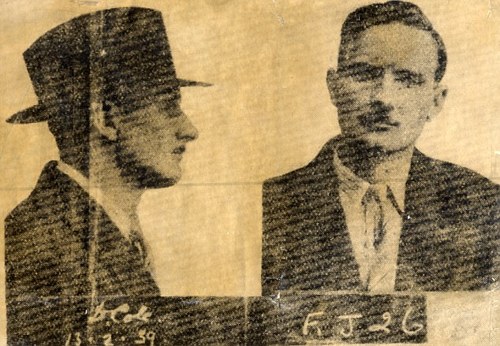
The Gestapo began closing in by late 1942. Garrow was captured and imprisoned. Wake's face appeared on wanted posters across southern France. German agents questioned her neighbors and watched her apartment. Henri Fiocca, increasingly desperate, begged his wife to stop. Wake refused. She had seen too much – the deportation trains, the arbitrary executions, the slow strangulation of French freedom. There could be no stepping back.
The train jolted to a stop. The German officer was checking papers three rows ahead. Wake touched the forged identity card in her purse – the work of a master counterfeiter who had been shot two weeks earlier. Everything depended on documents that might not pass close scrutiny and nerves that absolutely could not fail.
Her escape from France in December 1943 required six attempts and cost the lives of several helpers. Each failed crossing brought the Gestapo closer. On her final attempt, Wake and a group of refugees spent three days hiding in a shepherd's hut in the Pyrenees while German patrols searched the mountains. When they finally reached Spain, frostbite had blackened her toes and exhaustion had reduced her to skin and bone. But she was alive, and she was free.
London offered safety but no peace. British intelligence debriefed Wake extensively about resistance networks and German defenses. The Special Operations Executive, Churchill's organization for "setting Europe ablaze," recognized her value immediately. Wake had intimate knowledge of southern France, proven courage under pressure, and the language skills and personal connections to operate behind enemy lines. After intensive training in weapons, explosives, radio procedures, and silent killing techniques, Wake prepared to return to the war zone.
The SOE equipped her with a new identity and a new mission. As "Andrée," she would parachute into the Auvergne region of central France to arm and organize Maquis guerrilla bands in preparation for the Allied invasion. The Maquis – named after the dense scrubland of Corsica – were groups of young Frenchmen who had taken to the hills rather than submit to forced labor in Germany. They ranged from dedicated patriots to common criminals, from communist partisans to conservative nationalists. Turning them into an effective fighting force would require weapons, training, and leadership they desperately lacked.
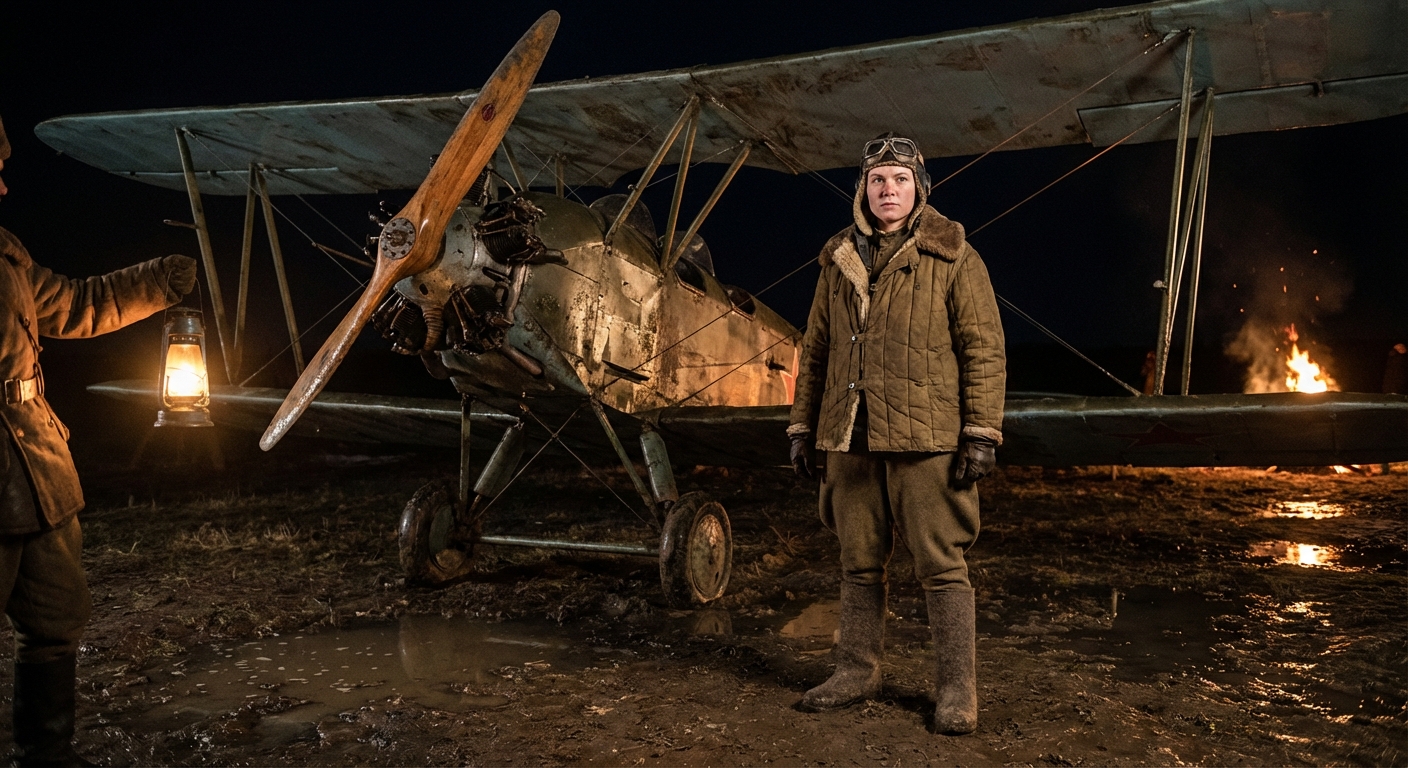
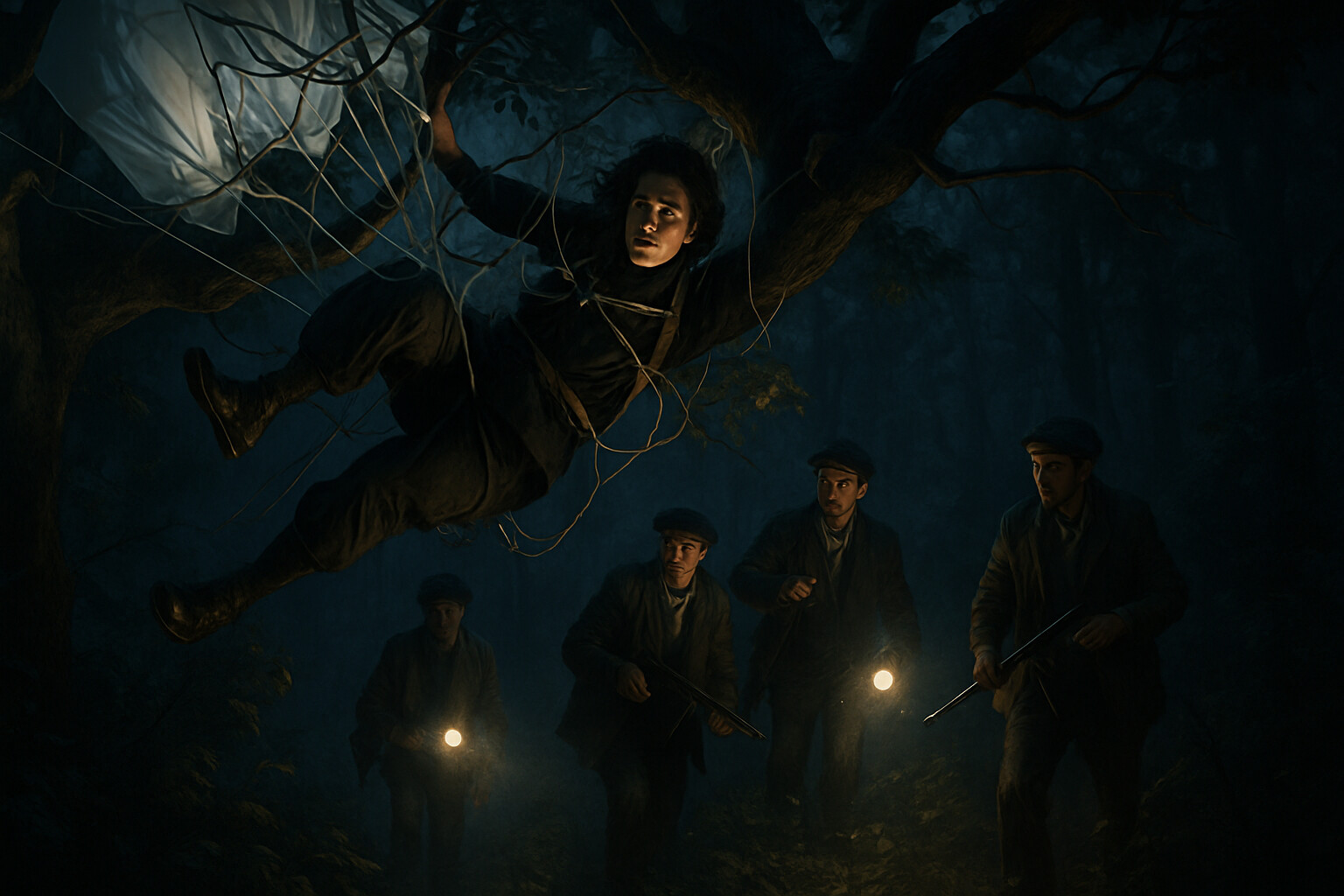
Wake's parachute drop on the night of April 29, 1944, nearly ended in disaster. Strong winds carried her off course, and she crash-landed in a tree, suspended fifteen feet above the ground with her parachute tangled in the branches. The reception committee found her hanging upside down, cursing fluently in French, English, and Australian. According to post-war accounts, she told her rescuers something to the effect of hoping their future wives would be easier to extract from trees than she was proving to be.
The Auvergne was wild country – volcanic peaks, dense forests, and isolated valleys perfect for guerrilla warfare but challenging for supply drops. Wake's base lay in the mountains near Chaudes-Aigues, a region where German control barely extended beyond the main roads. The local Maquis numbered perhaps 3,000 men scattered across dozens of camps, armed with a motley collection of hunting rifles, stolen German weapons, and homemade explosives. Most had no military training beyond what they had picked up through trial and error.
Wake's first challenge was establishing her authority. Many Maquis leaders had never worked with a woman agent, let alone taken orders from one. Her fluent French and obvious competence with weapons gradually won acceptance, but tensions remained high. Communist and non-communist factions within the resistance often seemed more interested in fighting each other than fighting Germans. Personal rivalries and political disagreements threatened to tear the movement apart just when Allied invasion made unified action crucial.
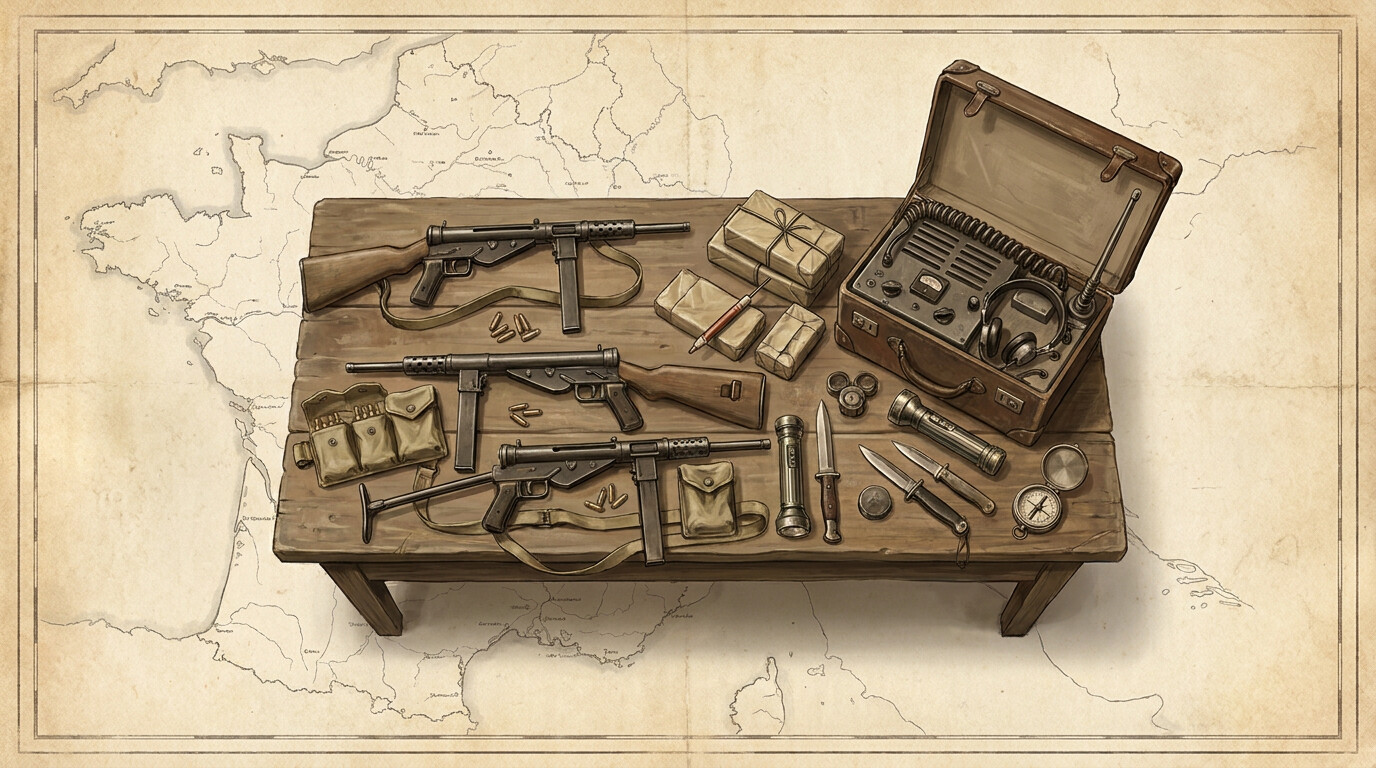
The weapons drops began in earnest in May 1944. British aircraft flew dangerous night missions over occupied France, following radio beacons to improvised landing zones marked with torches or bicycle lights. Each successful drop brought Sten submachine guns, Lee-Enfield rifles, Bren light machine guns, plastic explosives, ammunition, and other military supplies. Wake coordinated the reception committees, ensuring that weapons reached the right people and that security remained tight. A single German infiltrator could destroy months of careful preparation.
The Sten gun became the signature weapon of the French Resistance. Cheap to manufacture and simple to operate, the Sten could be assembled from components dropped separately, making it ideal for clandestine warfare. Its 9mm ammunition was compatible with captured German weapons, and its distinctive shape – a crude tube with a side-mounted magazine – became a symbol of defiance across occupied Europe. Wake trained hundreds of Maquis fighters on the Sten's operation, emphasizing its strengths and limitations.
Explosives training proved equally crucial. Wake taught Maquis saboteurs to use plastic explosive and time pencils to derail trains, destroy bridges, and cut telephone lines. The techniques were simple but deadly: a few ounces of plastique properly placed could disable a locomotive or topple a communications tower. The psychological impact often exceeded the physical damage. Every successful sabotage operation reminded French collaborators and German occupiers that the resistance remained active and dangerous.
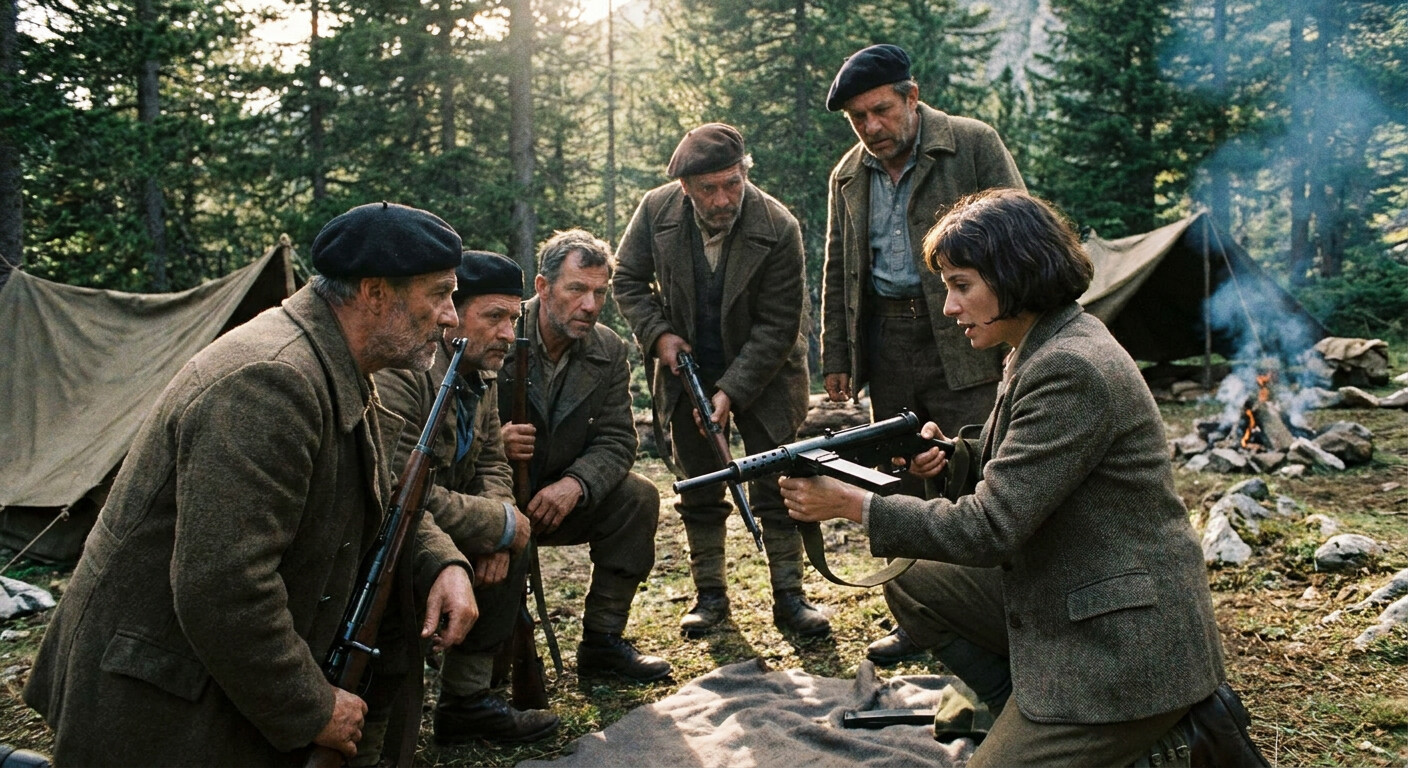
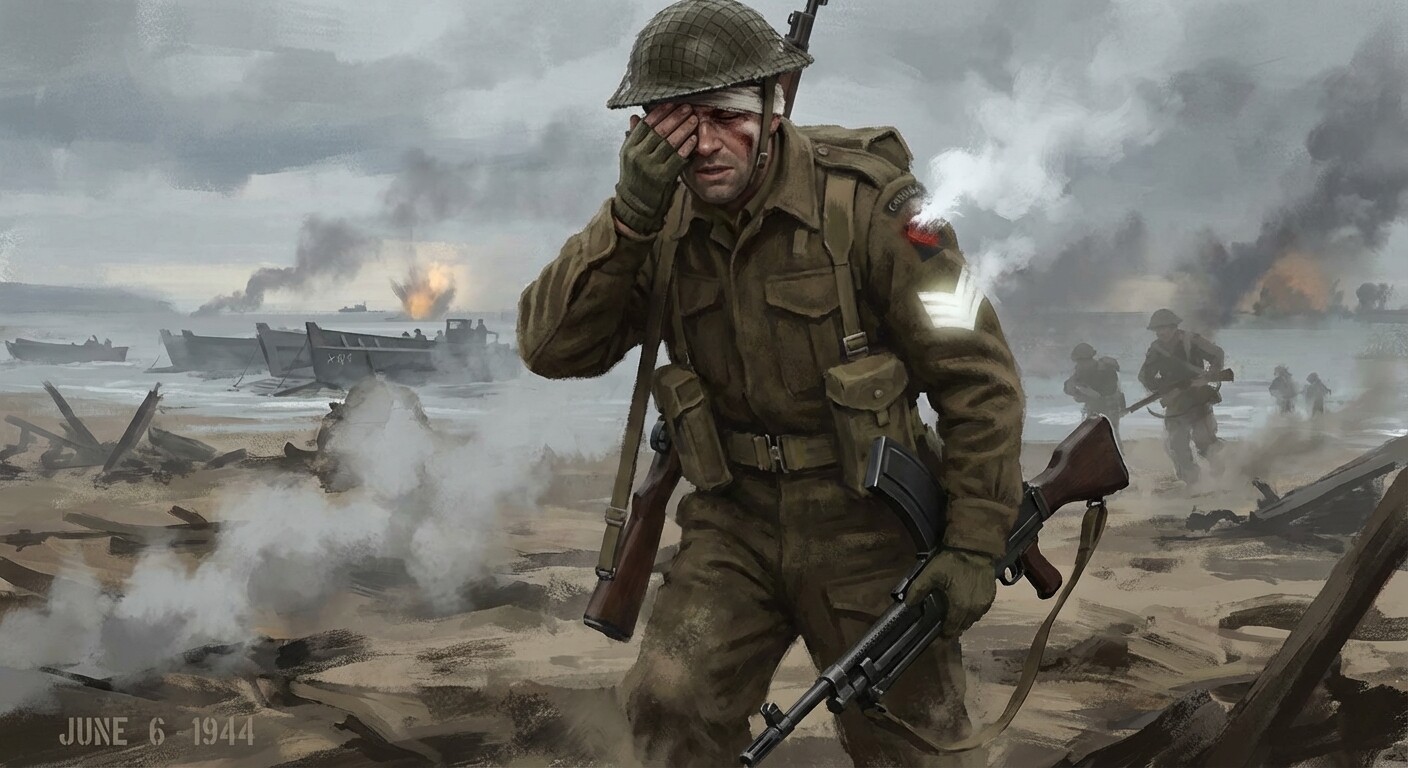
By June 1944, Wake was effectively commanding 7,000 armed fighters across the Auvergne. The D-Day landings in Normandy on June 6 triggered a massive escalation in resistance activity. Hitler's "Fortress Europe" suddenly faced attacks from within as well as invasion from without. Wake's Maquis struck at German supply lines, communication networks, and isolated garrisons. They ambushed convoys, destroyed fuel dumps, and tied down troops that could otherwise reinforce the Normandy defenses.
The German response was swift and brutal. SS units launched "anti-partisan" operations designed to terrorize the civilian population into withdrawing support for the Maquis. Entire villages suspected of harboring resistance fighters were burned. Hostages were shot in public squares. Captured Maquis were tortured for information before being executed. Wake watched friends disappear into Gestapo custody, knowing she might never see them again.
The largest engagement came in June 1944 when 22,000 German troops, supported by aircraft and artillery, launched Operation Treffenunkt to destroy the Maquis in the Auvergne and neighboring Corrèze. Wake's fighters, outnumbered more than three to one, could not hope to win a conventional battle. Instead, they fought a running campaign, striking at German columns and melting back into the forests before enemy reinforcements could arrive.
Wake herself participated in several combat actions during the German offensive. Armed with a Sten gun and carrying plastic explosives, she took part in ambushes and sabotage missions that would have challenged professional soldiers. Her Australian directness and obvious courage under fire cemented her reputation among the Maquis. Stories spread of "Andrée" fighting alongside the men, sharing their dangers and their hardships without complaint.
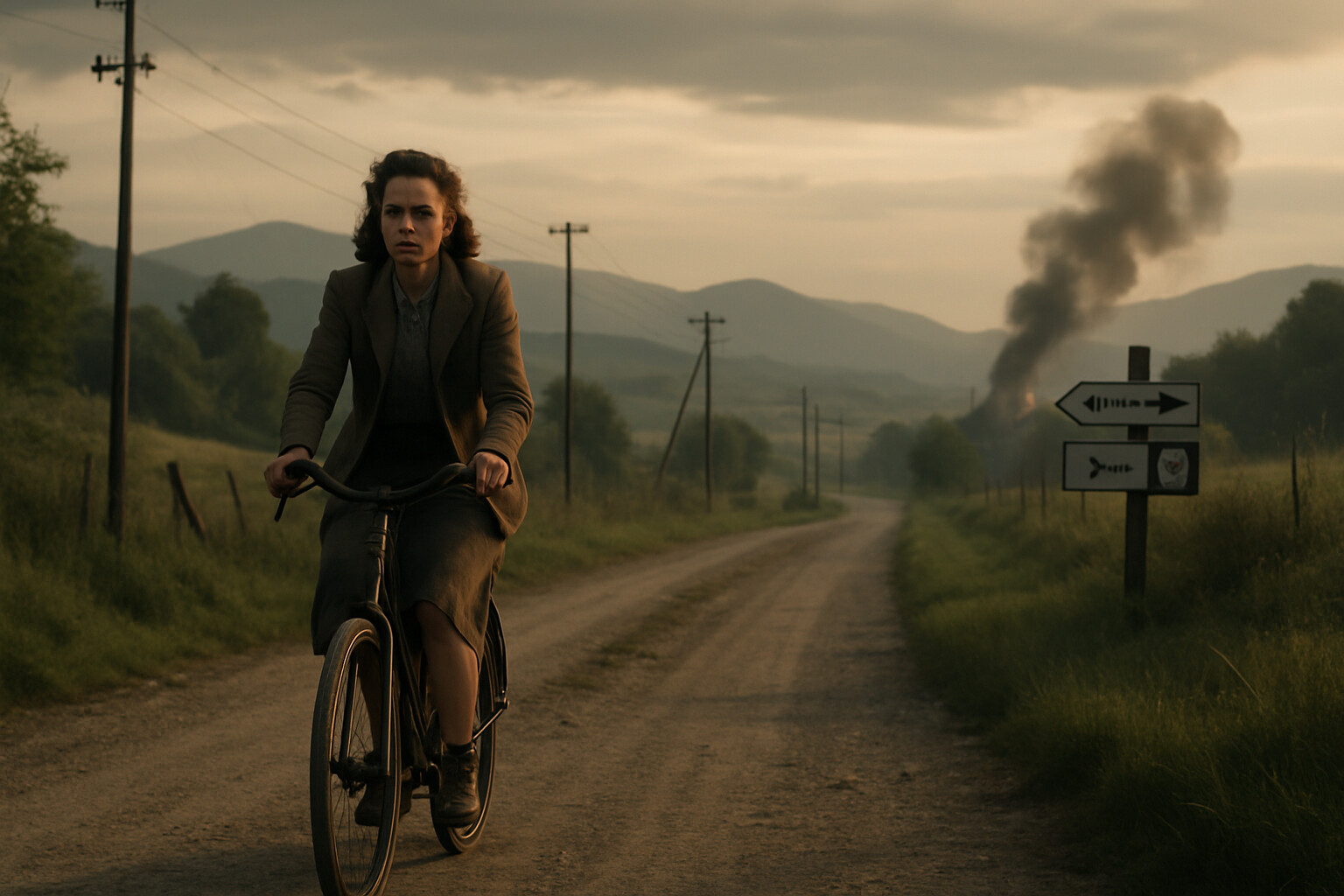
The most critical moment came when German forces overran a Maquis camp and captured the group's radio equipment. Without wireless contact with London, Wake's fighters could not coordinate weapons drops or receive intelligence about German movements. The nearest functioning radio lay 200 kilometers away, across territory crawling with German patrols. Wake volunteered to make the journey herself, cycling through enemy-controlled territory to reestablish communications.
The ride took her through the heart of occupied France, past German checkpoints and through areas where civilians had been ordered to report any suspicious travelers. Wake's cover story – a young woman visiting relatives – would not survive close scrutiny, but it might be enough to avoid arousing immediate suspicion. She traveled mostly at night, hiding during daylight hours and relying on resistance sympathizers for food and shelter.
After three days of desperate cycling, Wake reached the alternative radio post and transmitted the codes that brought British supply aircraft back to the Auvergne. The weapons drops resumed just as Wake's fighters launched a series of coordinated attacks that helped drive German forces from the region. Her 500-kilometer round trip through enemy territory became legend among the Maquis, cementing her reputation as someone who would risk everything for the cause.
The liberation of France proceeded faster than anyone had anticipated. By August 1944, German forces were retreating on all fronts. Wake's Maquis emerged from the forests to help regular Allied units clear the last pockets of resistance. The woman who had fled France as a refugee returned as a conqueror, armed with British weapons and leading French fighters who had proven they could stand against the Wehrmacht.
The cost had been enormous. Thousands of Maquis fighters died in combat or under torture. Civilians paid an even higher price – shot as hostages, deported as forced laborers, or killed simply for living in the wrong village at the wrong time. Wake herself lost friends, comrades, and contacts throughout the campaign. Most painfully, she learned that her husband Henri Fiocca had been captured by the Gestapo in October 1943, tortured for information about his wife's activities, and executed when he refused to talk.
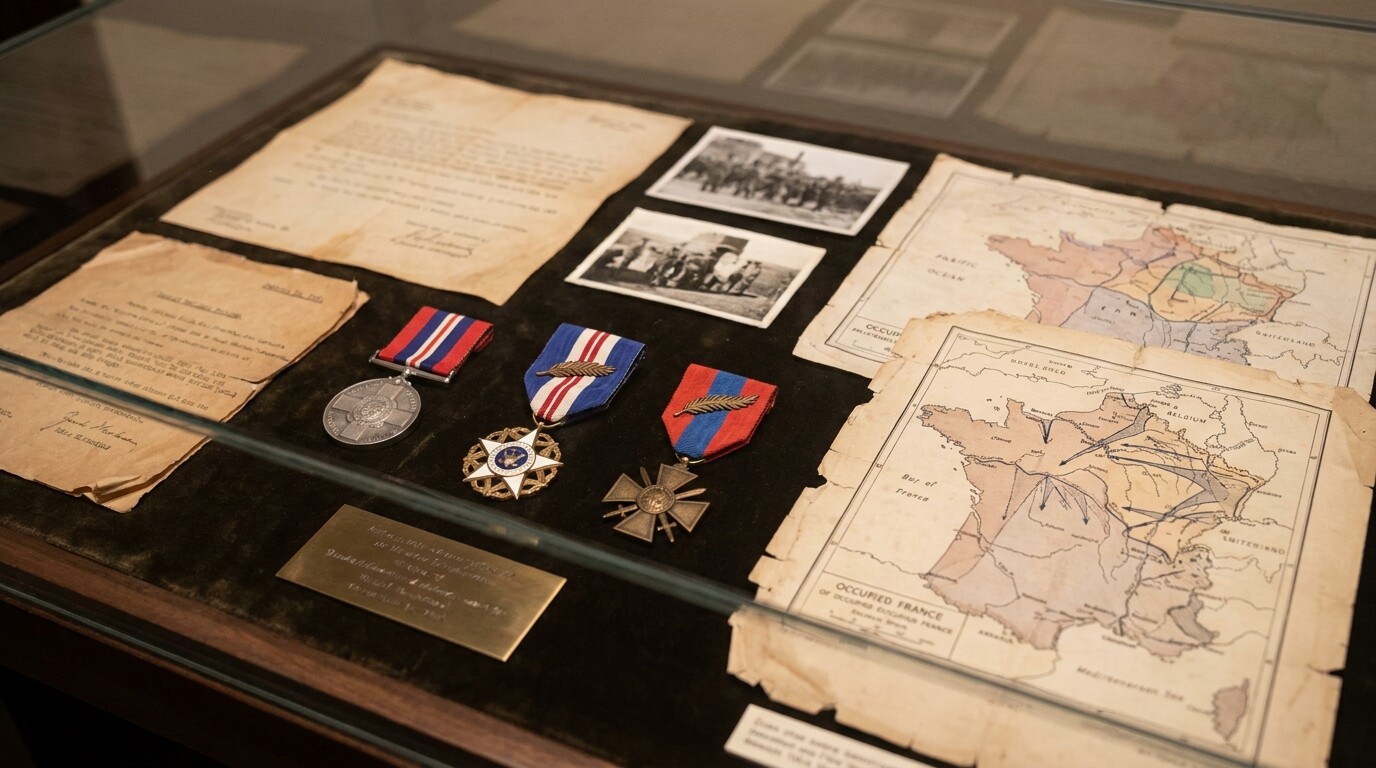
Wake's wartime service earned recognition from multiple Allied governments. The British awarded her the George Medal, recognizing her exceptional gallantry and devotion to duty. The Americans honored her with the Medal of Freedom for her contribution to the liberation of France. The French government presented her with the Croix de Guerre, acknowledging her role in organizing the resistance that helped drive the occupiers from French soil.
The documentary record of Wake's service comes primarily from Special Operations Executive files held by the National Archives in London, debriefing reports filed immediately after the war, and French resistance archives that survived the destruction of the occupation period. Wake's own post-war accounts, while invaluable for understanding her experiences, sometimes present dramatic retellings where specific dialogue and incident details cannot be fully verified against contemporary documents.
Wake's legacy extends beyond her individual heroism to the broader story of resistance in occupied Europe. Her career illustrates how ordinary civilians – in her case, an Australian socialite with no military training – could become effective combatants against totalitarian occupation. Her success coordinating between British special forces, French partisans, and local civilians demonstrated the potential of unconventional warfare when properly organized and equipped.
The "White Mouse" who had slipped through Gestapo nets emerged from the war as one of the most decorated Allied agents. But decorations could not restore what the war had taken – her husband, her friends, her comfortable pre-war life. Like so many who fought in the shadows, Wake discovered that victory came at a price that medals could never fully repay. She had helped liberate France, but liberation could not bring back the dead or heal all the wounds that war inflicted on those who fought it most directly.
After the war, Wake struggled to find her place in a world that no longer needed her particular skills. She married again, moved to Australia, and eventually settled in London, where she died in 2011 at the age of 98. Her story reminds us that the defeat of fascism required not just armies and air forces, but individual men and women willing to risk everything for freedom. In Wake's case, that risk paid off – but only because courage, skill, and determination combined with the kind of luck that no amount of training can guarantee.