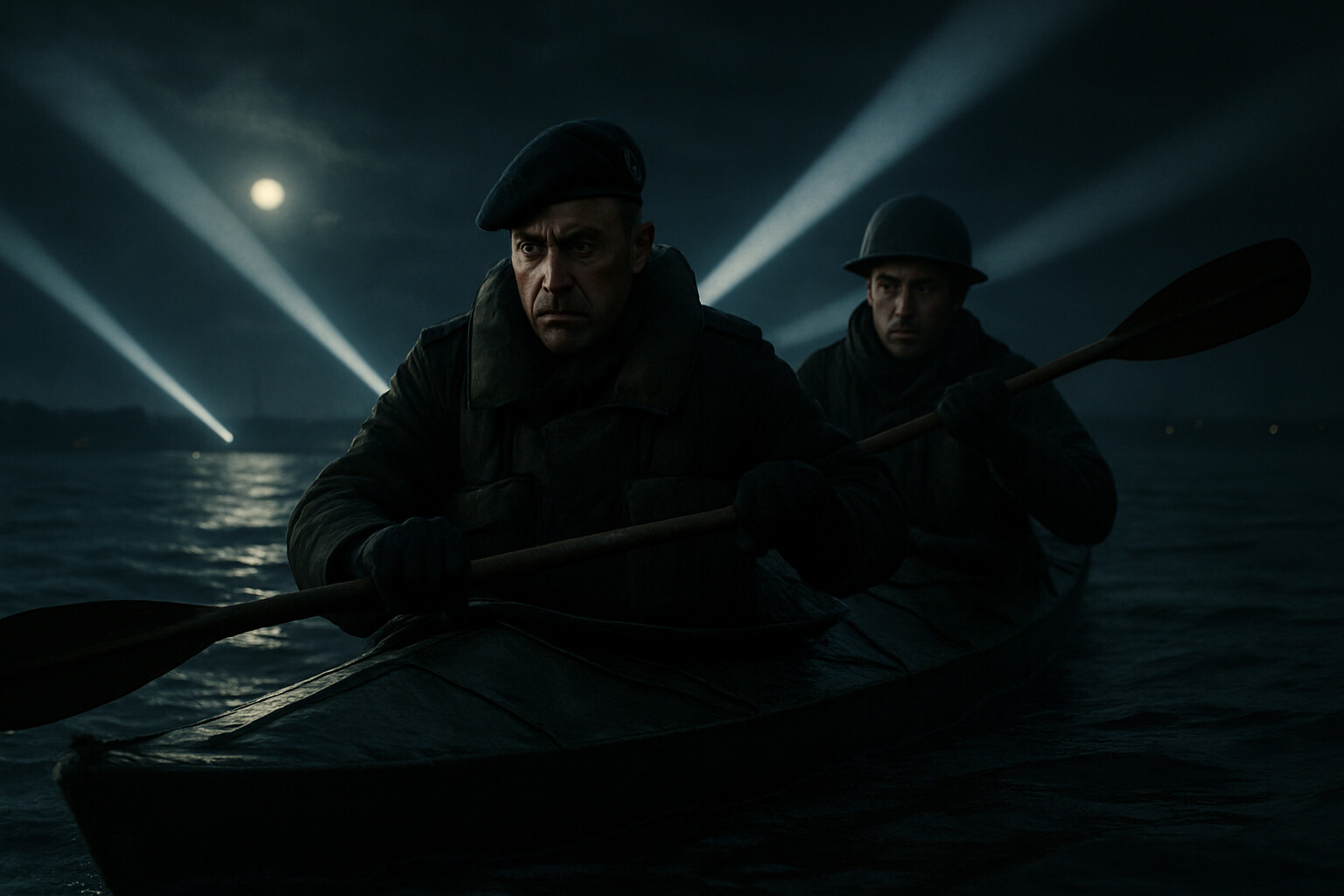
The tide was turning against them. Major Herbert "Blondie" Hasler gripped his paddle, feeling the current of the Gironde estuary pull at his Cockle Mark II canoe. Somewhere ahead in the December darkness lay Bordeaux harbor and the German blockade runners that Churchill himself wanted destroyed. Behind him, four other canoes carried his Royal Marines deeper into occupied France. They had been paddling for three nights, sleeping rough in marshes, living off cold rations. Now, with German sentries patrolling the riverbanks and searchlights sweeping the water, they were running out of time and luck.
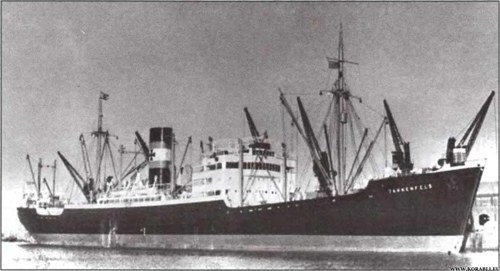
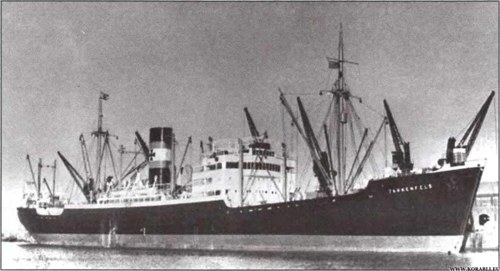
The mission that brought Hasler and his men to this moment began in the summer of 1942, when German blockade runners posed a critical threat to Allied shipping. Fast merchant vessels slipped through the Royal Navy's Atlantic blockade, carrying vital supplies from the Far East to Germany's war machine. Rubber, tin, tungsten, and other strategic materials flowed into Bordeaux harbor, fueling the Wehrmacht's campaigns across Europe. Traditional naval attacks had failed – the port lay too far inland, protected by coastal batteries, minefields, and the twisting channels of the Gironde.
Hasler, a 28-year-old Royal Marines major with a passion for small boat tactics, proposed an audacious alternative. His newly formed Royal Marines Boom Patrol Detachment would paddle collapsible canoes up the estuary under cover of darkness, attach limpet mines to enemy ships, and escape overland to neutral Spain. The plan was so dangerous that Combined Operations headquarters initially rejected it. But with conventional options exhausted and the blockade runner threat growing, Churchill's staff approved what they code-named Operation Frankton.
The Gironde estuary presented a formidable challenge even without the German presence. Stretching 75 kilometers from the Atlantic to Bordeaux, the waterway narrowed as it approached the port, forcing any approaching force through increasingly restricted channels. Tidal ranges reached six meters, creating treacherous currents and exposing vast mudflats at low tide. The December weather added bitter cold, rain, and shortened daylight hours that compressed the mission's already tight schedule.
German defenses along the estuary reflected the port's strategic importance. The 708th Infantry Division, a static coastal defense unit, maintained observation posts and patrol boats along both banks. Artillery batteries protected key approaches, while naval units conducted regular sweeps. In Bordeaux itself, harbor defense units guarded the docks where blockade runners moored. Intelligence reports suggested at least six major vessels in port, including the fast merchant ships that had recently completed runs from the Far East.
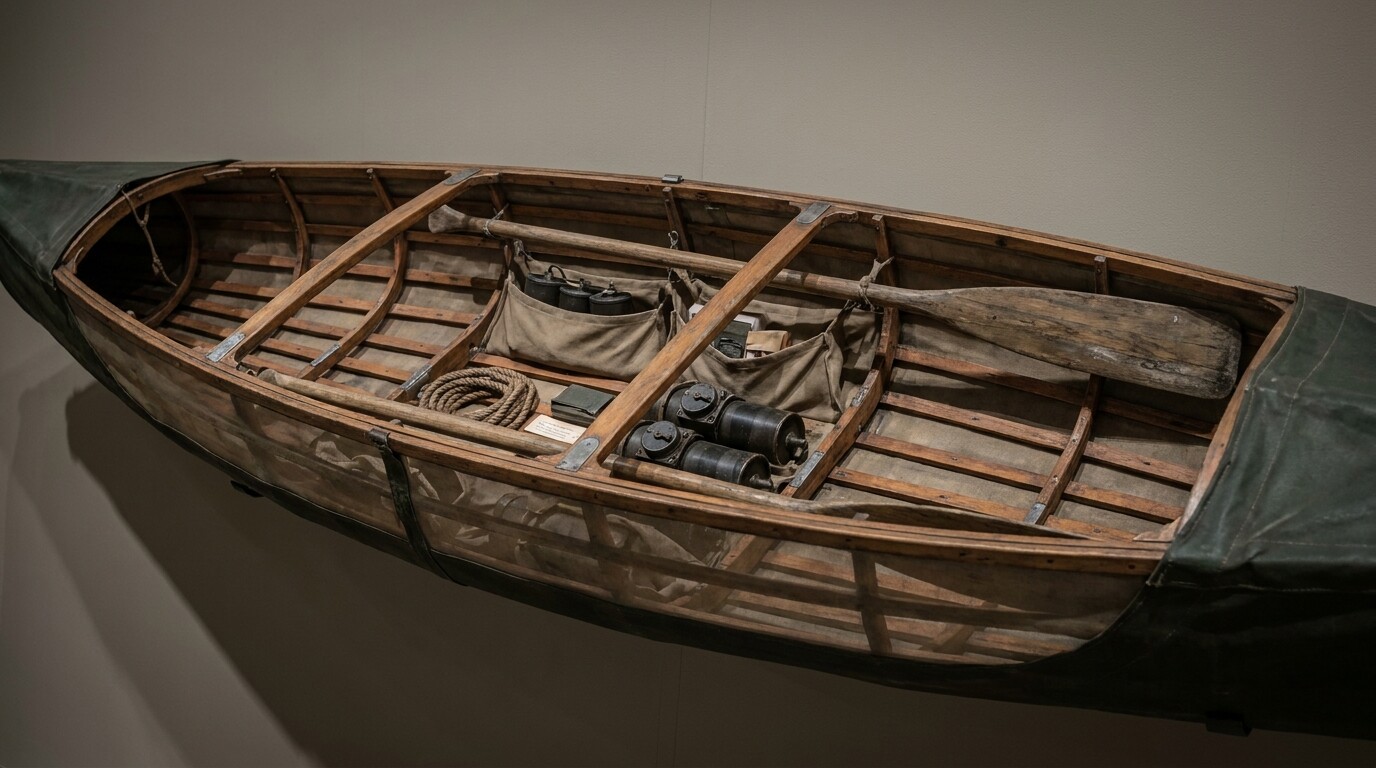
Hasler's team consisted of ten volunteers from the Royal Marines, organized into five two-man crews. Each pair would paddle a Cockle Mark II, a collapsible canoe designed specifically for clandestine operations. The craft measured fifteen feet long and could carry two men plus equipment while maintaining exceptional seaworthiness and stealth characteristics. Marine Bill Sparks, Hasler's own canoe partner, had proven himself during training as one of the unit's most reliable paddlers.
The other crews included Corporal Albert Laver and Marine William Mills in "Crayfish," Corporal George Sheard and Marine David Moffatt in "Conger," Sergeant Samuel Wallace and Marine Robert Ewart in "Coalfish," and Marine W.A. Ellery and Marine Eric Fisher in "Cachalot." Each man had volunteered without knowing the mission details, understanding only that it involved hazardous duty behind enemy lines.
Their weapons loadout reflected the mission's stealth requirements. Each marine carried a Colt .45 automatic pistol, fighting knives, and emergency rations for six days. The real firepower came from their limpet mines – sophisticated magnetic charges designed to attach to ship hulls below the waterline. Each canoe carried eight mines, timed to detonate simultaneously and create maximum damage to multiple targets.
The submarine HMS Tuna delivered the raiding force to the Gironde mouth on December 7, 1942. Lieutenant Commander Dick Raikes positioned his boat six miles offshore as darkness fell. The sea state looked manageable, but intelligence reports warned of increased German patrol activity following recent Allied operations along the French coast.
Disaster struck immediately. As the marines transferred their canoes to the water, Cachalot capsized in Tuna's wash. Ellery and Fisher, weighed down by equipment, disappeared beneath the dark Atlantic swells before their teammates could reach them. The mission had lost twenty percent of its strength before reaching French territorial waters.
Hasler faced a critical decision. Royal Marine doctrine emphasized mission accomplishment above individual survival, but losing two men before starting suggested the entire operation might be compromised. After brief consultation with his remaining crew leaders, he ordered the mission to continue. Four canoes, eight men, and thirty-two limpet mines would have to accomplish what ten marines and forty mines had been planned to do.
The first night's paddle proved exhausting but successful. The marines navigated by compass and coastal landmarks, staying close to the northern shore where German observation posts were reportedly less concentrated. Each crew maintained strict noise discipline, communicating through hand signals and carefully timed paddle strokes that minimized splash signatures.
By dawn on December 8th, they had covered approximately fifteen miles and needed concealment for the daylight hours. Hasler selected a small inlet near Pointe de Grave, where reeds and marsh grass provided natural camouflage. The men dragged their canoes inland, covered them with camouflage nets, and settled into cold, wet hides with minimal movement permitted.
The day passed with agonizing slowness. German aircraft flew overhead at regular intervals, while patrol boats moved up and down the estuary. Around midday, a Wehrmacht foot patrol passed within fifty meters of their position, forcing the marines to remain absolutely motionless for nearly an hour. The cold seeped through their waterproof gear, and condensed breath threatened to give away their positions.
As darkness returned, they discovered their first major casualty. Coalfish had suffered irreparable damage to its canvas hull during the night's navigation through shallow water and debris. Wallace and Ewart would have to be left behind, reducing the striking force to six men in three canoes. Hasler made the painful decision to abandon the crew, knowing that their chances of reaching Spain on foot were minimal but that the mission could not wait for repairs.
The second night brought them deeper into the estuary, where the channel narrowed and German defenses intensified. Searchlights swept the water at irregular intervals, forcing the canoes to hug the shoreline and navigate by feel through reed beds and tidal channels. The current grew stronger as they approached the estuary's neck, requiring constant course corrections and increased physical effort.
Conger, paddled by Sheard and Moffatt, began falling behind during the early morning hours. The crew had been struggling with navigation difficulties, and their canoe showed signs of structural stress from repeated groundings on mudflats. When dawn approached on December 9th, Hasler could not locate the missing canoe despite careful searching of their designated rendezvous points.
Now reduced to four men in two canoes, the raiding force faced its most dangerous day yet. They had penetrated nearly forty miles up the Gironde, well within the German defensive zone, and German patrol activity was increasing. Radio intercepts suggested that coastal units had been alerted to possible infiltration attempts, though whether this resulted from their mission or general security measures remained unclear.
Their hide site near Blaye offered less natural concealment than previous positions. The marines had to rely primarily on their camouflage nets and motionless discipline as German patrols passed repeatedly throughout the day. A Luftwaffe reconnaissance aircraft circled their area twice, forcing the men to remain frozen for extended periods while cramps set in and body temperature dropped.
The final night's approach to Bordeaux required extreme caution and precise navigation. The harbor lay twelve miles ahead, but the route wound through increasingly narrow channels where any mistake could result in discovery or capture. Industrial facilities along the riverbanks created a maze of docks, jetties, and patrol positions that demanded constant vigilance.
Hasler and Sparks reached the harbor's outer approaches around midnight on December 11th. Through the darkness, they could see the silhouettes of major vessels moored at the commercial docks. Intelligence photographs had prepared them for the layout, but the reality of moving through an active enemy port while carrying enough explosives to sink multiple ships created unprecedented tension.
Laver and Mills in Crayfish had kept pace throughout the approach, demonstrating the seamanship and determination that had made them Hasler's most reliable crew. The two canoes separated to attack different sections of the harbor, maximizing their impact while reducing the risk of mutual interference.
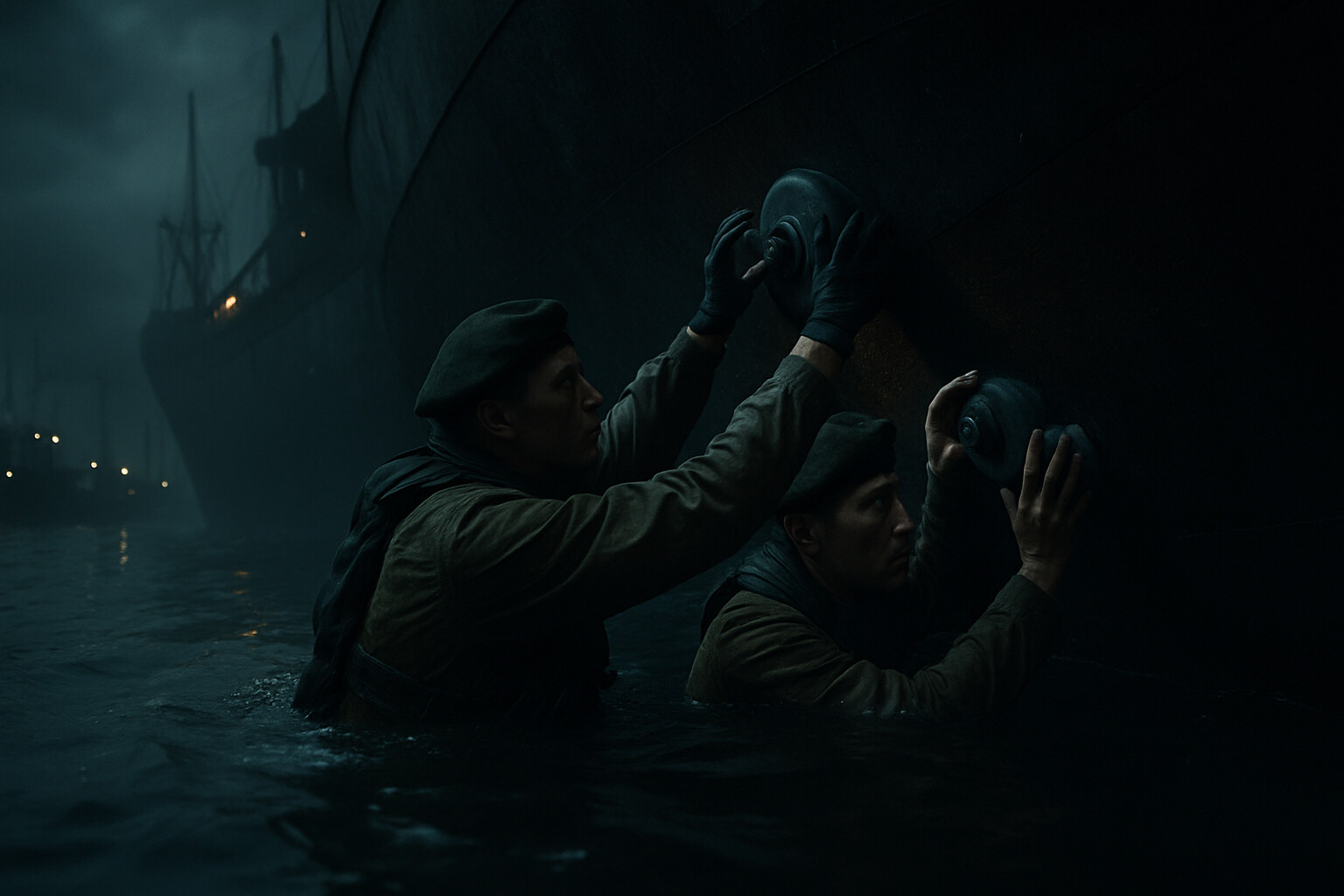
The limpet mine attacks required precise timing and technical skill under extreme pressure. Each magnetic charge weighed four and a half pounds and contained enough explosive to blow a hole twelve feet in diameter through a merchant vessel's hull. The mines featured a nine-hour delay fuse, allowing the raiders to escape before the simultaneous explosions revealed their presence.
Working in complete silence, the marines attached their charges below the waterline of multiple vessels. Historical records indicate that several German ships were successfully targeted, though the exact details of the placement operations remain classified. The magnetic clamps held securely against the steel hulls, and the timer mechanisms activated properly.
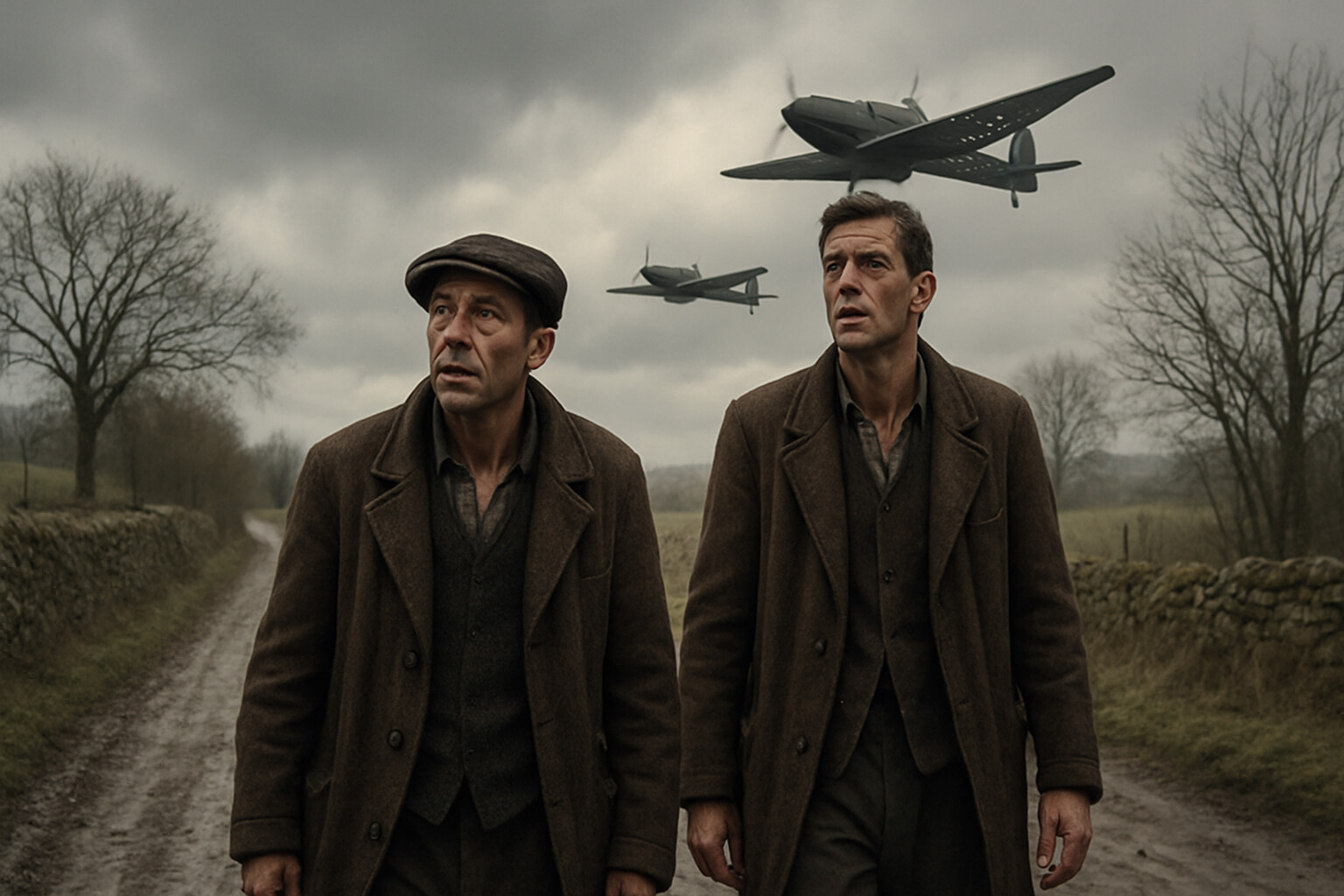
By 0600 hours on December 12th, both crews had completed their attacks and begun the escape phase. The plan called for them to scuttle their canoes and proceed overland to Spain, a journey of approximately 100 miles through occupied territory. They separated to reduce the risk of mutual compromise, with each pair carrying emergency rations, civilian clothing, and escape maps provided by MI9.
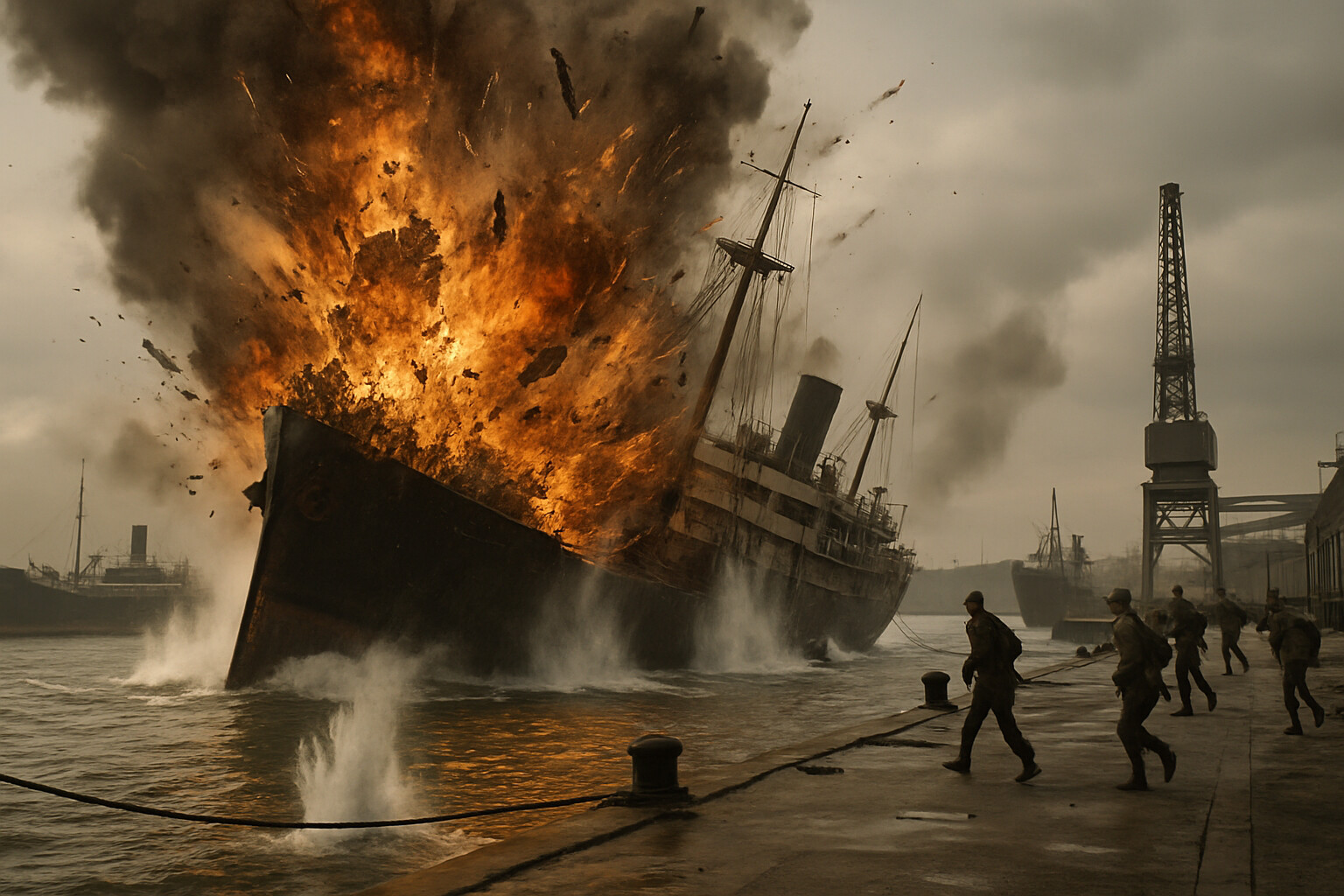
The limpet mines detonated as scheduled at approximately 1300 hours. German records later confirmed that multiple vessels suffered significant damage. Some ships were completely destroyed, while others required extensive repairs that kept them out of service for months or the remainder of the war. The harbor attack succeeded beyond the mission planners' expectations.
German reaction was swift and comprehensive. The 708th Infantry Division initiated massive search operations throughout the region, while Gestapo units began interrogating local populations for signs of Allied agents. Roadblocks appeared on all major routes toward the Spanish border, and German security services coordinated with Vichy French authorities to expand the manhunt.
Hasler and Sparks, traveling as French workmen, managed to evade the initial search sweeps through careful route selection and local assistance from French resistance contacts. Their escape training had prepared them for overland movement, but the reality of crossing occupied territory while every German unit in southwestern France searched for them tested their limits.
Laver and Mills faced more immediate problems. German patrols captured them near Montlieu-la-Garde, approximately thirty miles from Bordeaux, on December 13th. The two marines had maintained their cover story initially, but German intelligence quickly connected their presence to the harbor explosions. Both men were subsequently executed under Hitler's Commando Order, which mandated the killing of captured special forces personnel.
The fate of the other crews became clear over the following weeks. Wallace and Ewart, left behind after Coalfish's damage, were captured during their attempted overland escape and executed. Sheard and Moffatt, whose canoe had separated during the second night, were taken prisoner after reaching Bordeaux independently and also executed. Of the ten marines who began Operation Frankton, only Hasler and Sparks would survive to reach Allied lines.
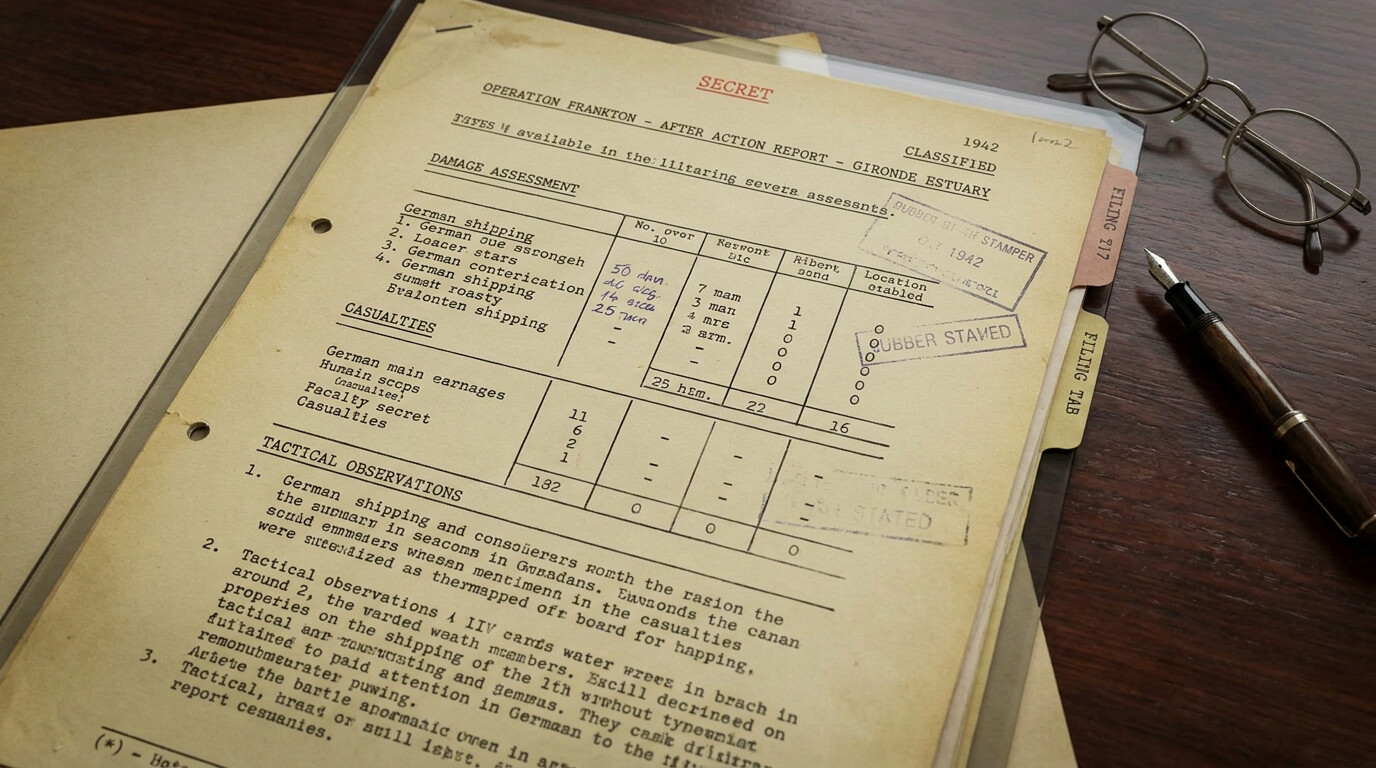
Their escape took eighteen days and covered nearly 100 miles of enemy territory. French resistance networks provided crucial assistance, moving the two marines through safe houses and across German checkpoints. The escape route led through Limoges and eventually to the Spanish border near Perpignan, where they crossed into neutral territory on December 29th, 1942.
British consular officials in Barcelona facilitated their return to Gibraltar and eventually to London, where Combined Operations headquarters debriefed them extensively. The intelligence gathered during their escape proved valuable for future operations, while their tactical experiences contributed to improved training and equipment for subsequent raids.
Operation Frankton's immediate results exceeded expectations despite the heavy casualties. The psychological impact proved equally important, as German security services implemented costly defensive measures throughout Atlantic ports. The raid demonstrated that even heavily defended harbors remained vulnerable to small-unit attacks using innovative tactics and equipment.
The strategic significance emerged over time. German blockade runner operations never fully recovered from the damage and disruption caused by Operation Frankton. Combined with other Allied operations, the raid contributed to Germany's increasing isolation from Far Eastern supply sources, affecting production of critical materials throughout 1943 and 1944.
Major Hasler received the Distinguished Service Order for his leadership and tactical skill during the operation. Marine Sparks was awarded the Distinguished Service Medal, while the six marines who died in German custody received posthumous recognition for their sacrifice. The awards recognized not only personal courage but also the development of tactics that would influence special operations throughout the remainder of the war.
Post-war analysis revealed several factors that contributed to the mission's mixed success. The Cockle Mark II canoes proved remarkably effective for their intended purpose, leading to improved designs for subsequent operations. Limpet mine technology, tested under combat conditions for the first time, demonstrated both its potential and limitations for harbor attacks.
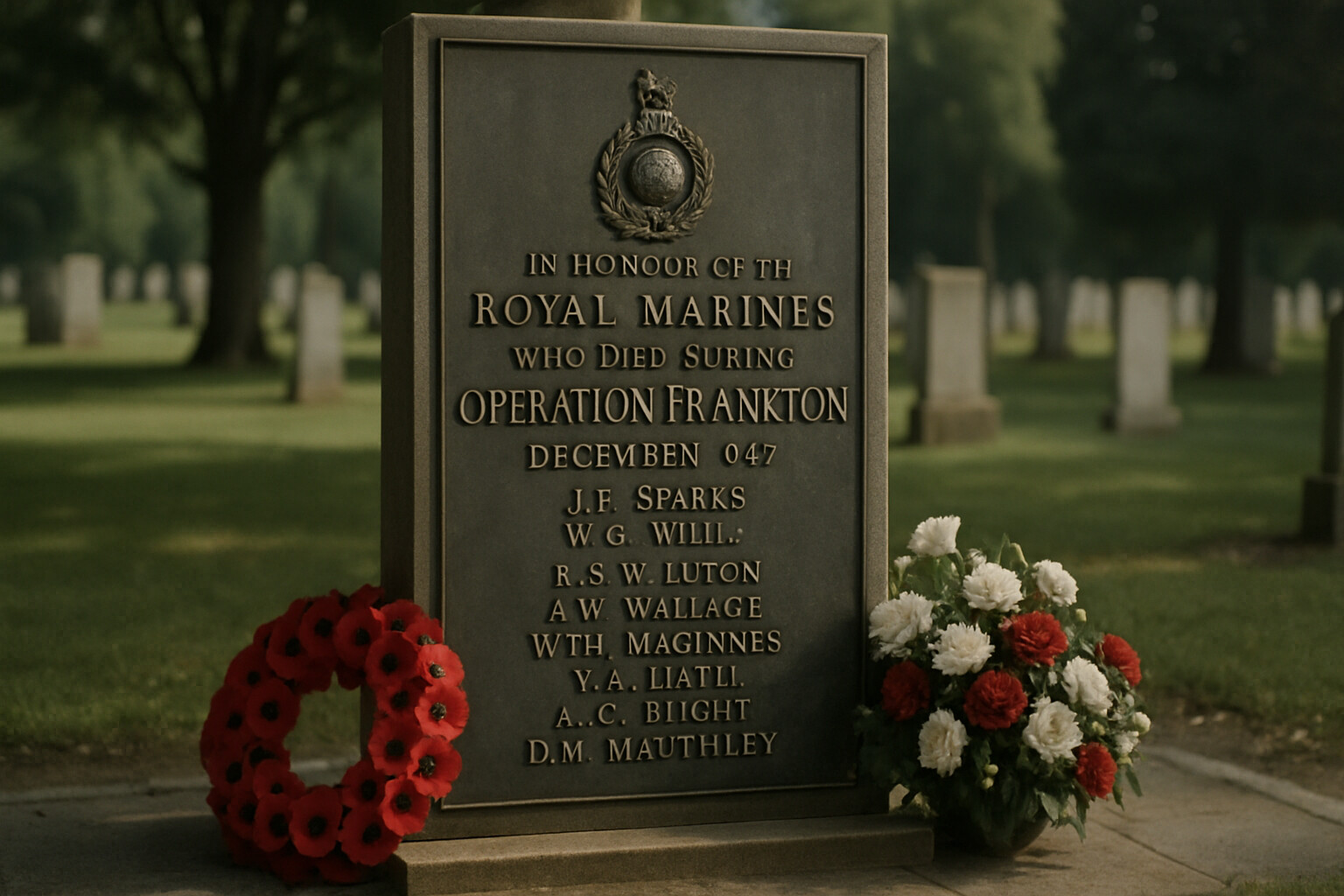
The human cost of Operation Frankton reflected the stark realities of special operations warfare. Eighty percent casualties represented an extreme price, but one that planners had anticipated given the mission's depth behind enemy lines. The Royal Marines who participated understood these odds, and their voluntary acceptance of such risks became part of the unit's enduring legacy.
The operation's influence on Allied strategy extended beyond its immediate tactical results. The success of small-unit raids against strategic targets encouraged expansion of special operations capabilities throughout the European theater. Techniques developed for Operation Frankton influenced subsequent missions against German shipping, submarine pens, and coastal installations.
German countermeasures following the raid demonstrated both the effectiveness and limitations of special operations. While harbor security increased significantly, the resources required for comprehensive coastal defense diverted German forces from other critical missions. The psychological effect of successful penetration behind German lines created lasting uncertainty about future Allied capabilities.
The legacy of the Cockleshell Heroes extended far beyond their immediate military accomplishments. Their story demonstrated the potential of small, highly trained units operating behind enemy lines, validating concepts that would mature into modern special operations forces. The combination of technological innovation, tactical daring, and personal sacrifice embodied the evolution of warfare during World War II.
Modern special operations doctrine still references lessons learned from Operation Frankton. The importance of thorough intelligence preparation, backup planning for equipment failures, and escape route coordination became standard elements of similar missions. The operation's emphasis on individual initiative and small-unit leadership influenced training programs that continue today.
The eight marines who died during Operation Frankton are commemorated at the Royal Marines Museum and in memorials throughout Britain and France. Their sacrifice, along with Hasler and Sparks' survival, created a lasting example of military professionalism under extreme circumstances. The mission they completed changed naval warfare and demonstrated the courage required for victory in humanity's darkest conflict.