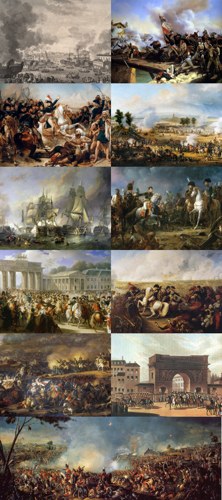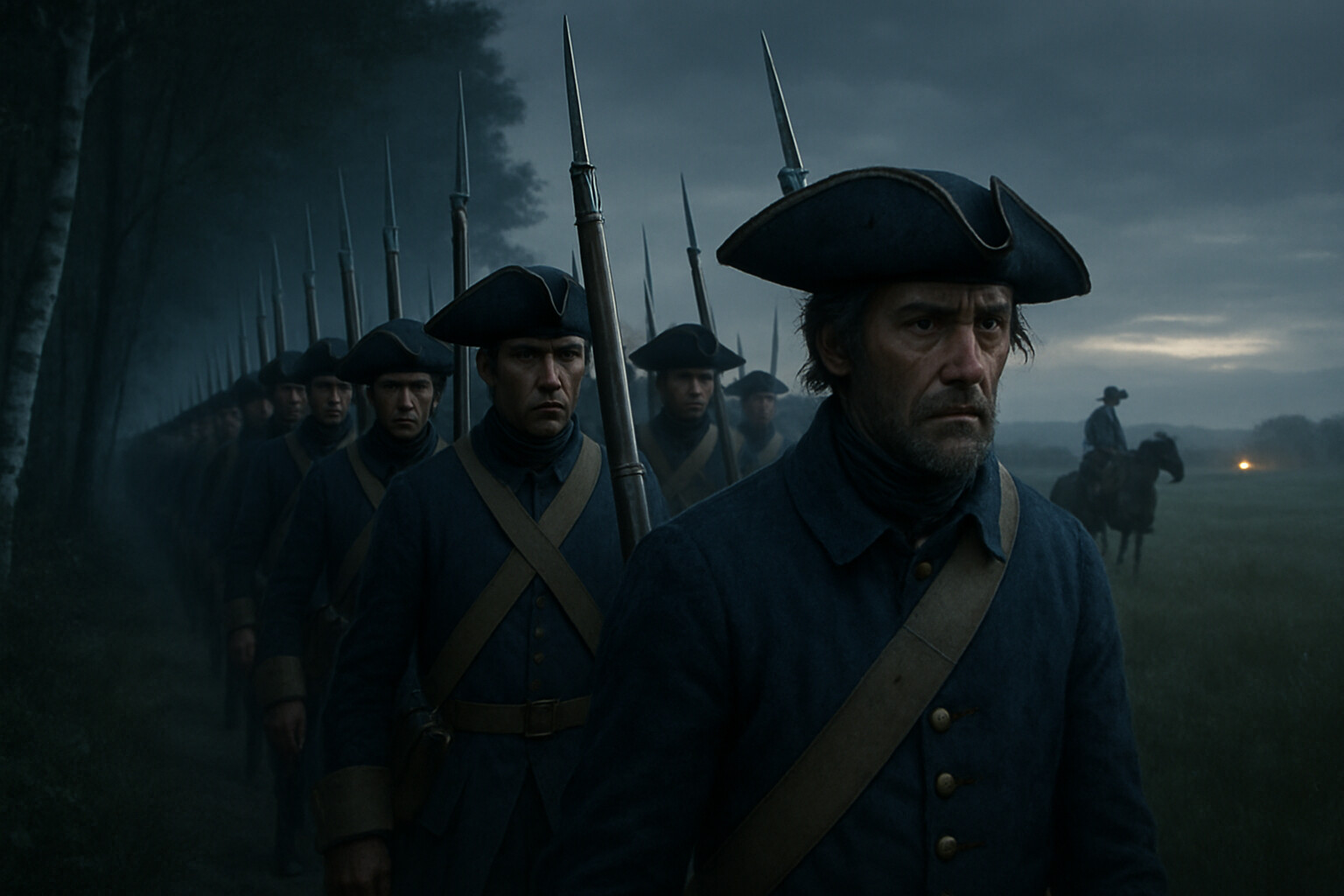
The fog came off the Goldbach stream before dawn, thick and cold, pooling in the hollows between the frozen fields of Moravia. On the morning of December 2, 1805, it was still dark when French infantry began moving silently through it, boots crunching on frost, breath clouding in the pre-dawn air. Somewhere ahead, across roughly twelve kilometers of rolling farmland, pond complexes, and shallow ridges, more than eighty-five thousand Russian and Austrian soldiers were preparing what their commanders believed would be the decisive blow against a weakened, overextended French army.
They were wrong about almost everything.
What they did not know—what Napoleon had worked for two weeks to ensure they did not know—was that the French position was not weak. It was a trap. The fog, which later accounts would romanticize as the Sun of Austerlitz in reference to the winter sun that burned through it, was not simply weather. It was the final cover for one of the most carefully engineered deceptions in the history of European warfare.
The Battle of Austerlitz stands in military history not primarily because of its scale—though the scale was enormous—but because of its architecture. Napoleon Bonaparte, Emperor of the French and commander of La Grande Armée, did not simply win this battle. He designed it weeks in advance, shaped his enemy's decisions, and then executed the plan with a precision that stunned experienced commanders on both sides. To understand what happened at Austerlitz is to understand something fundamental about how Napoleon approached war: not as a contest of attrition but as a problem in applied psychology and geometry.
---
By late November 1805, Napoleon's strategic position, while not actually desperate, was genuinely complicated. The War of the Third Coalition had opened with extraordinary speed. In just seven weeks, the Grande Armée had pivoted from its camps at Boulogne on the English Channel, marched more than a thousand kilometers through Germany, and encircled an entire Austrian army of roughly 30,000 men at Ulm on October 20 without a general engagement. Vienna fell on November 13. By any conventional measure, France was winning.
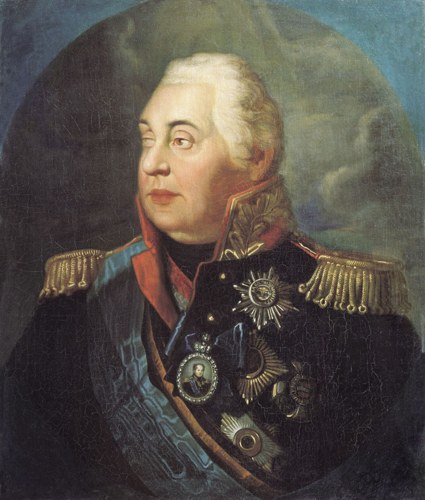
But the coalition had not collapsed. General Mikhail Kutuzov—veteran, cautious, and deeply skeptical of his Austrian allies—had avoided the Ulm encirclement by retreating eastward through Moravia. A second Russian force under General Fyodor Buxhöwden was arriving from the east. Prussia, neutral until now, was wavering dangerously, and Prussian entry into the war would have fundamentally altered French strategic mathematics. The coalition, wounded, was not yet dead.
Napoleon therefore needed not just a victory but a decisive one—a battle that would make continued coalition warfare politically untenable, and one that had to be fought before Prussian intervention could materialize.
He also needed the right ground.
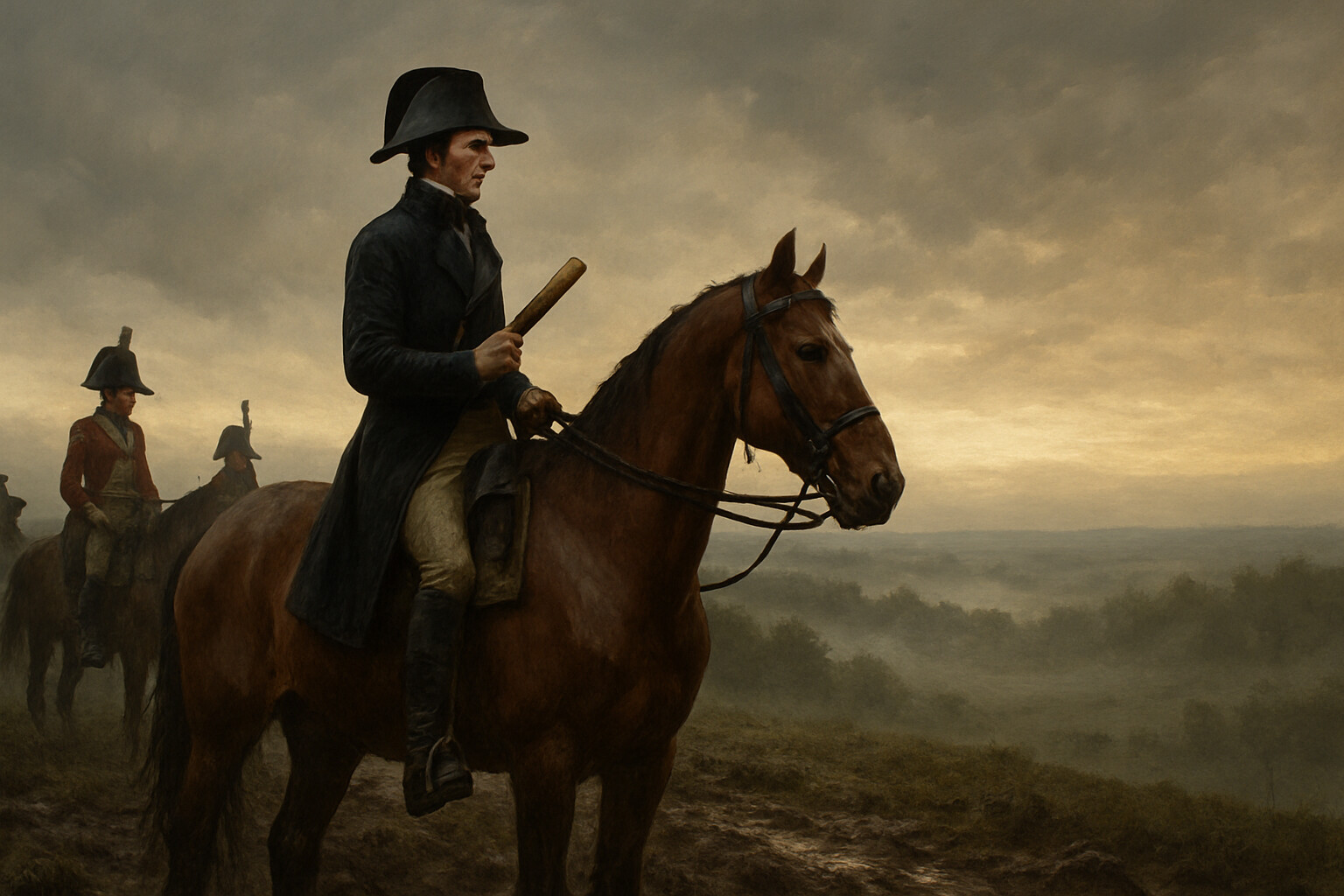
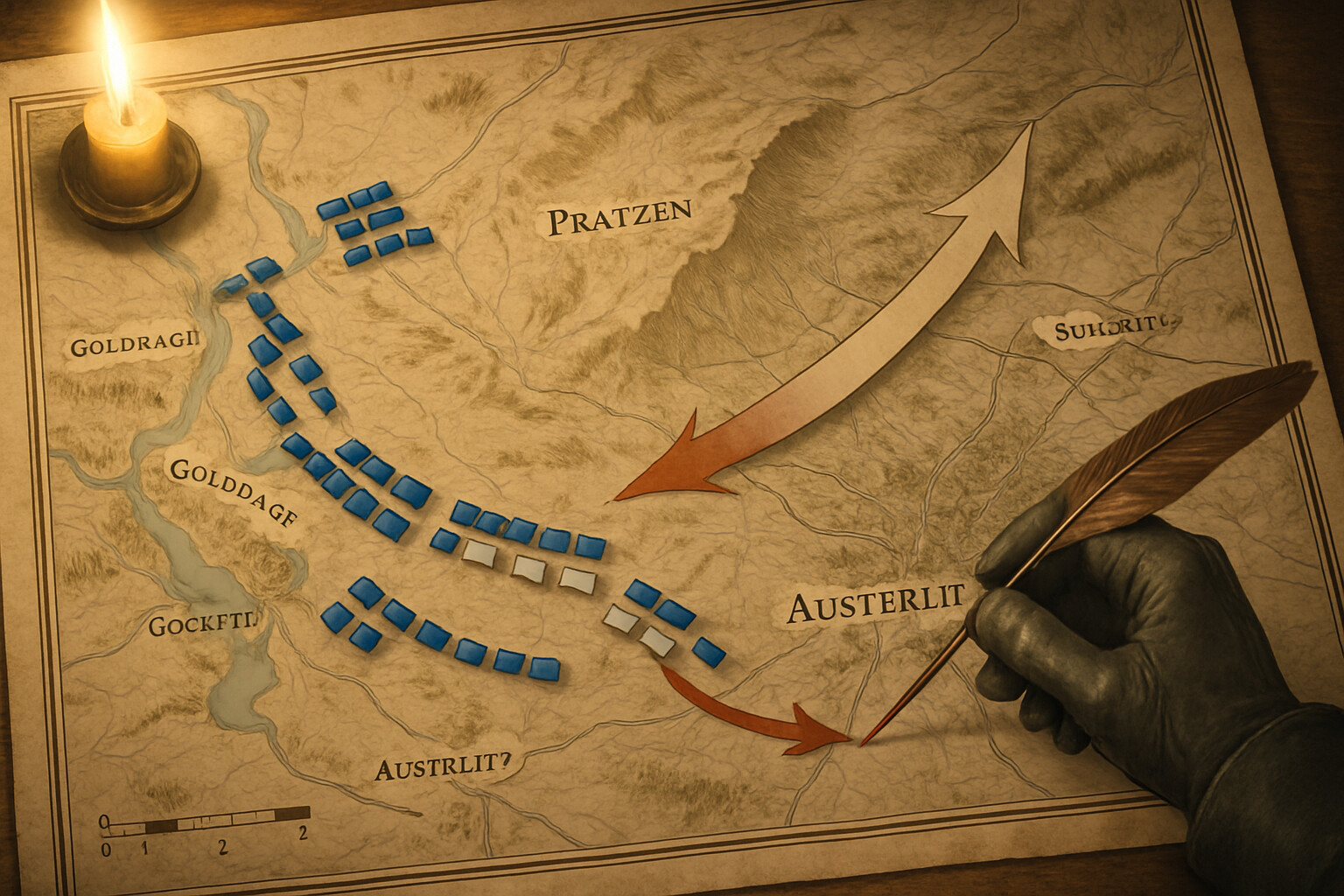
He found it near the village of Austerlitz, roughly twenty kilometers east of Brünn in present-day Czech Republic. The terrain was not dramatic by alpine standards, but it was tactically rich: a series of gentle ridges running roughly east-west, divided by the Goldbach stream and its associated ponds on the French right, and anchored by a commanding height called the Pratzen Plateau in the center. Whoever held the Pratzen controlled the battlefield. Napoleon toured the ground personally in late November, studying the fields, the frozen ponds, the angles of visibility and movement. Officers who accompanied him on these reconnaissance rides noted his attention to the terrain; the exact number and routes of his surveys are documented in secondary histories but not always traceable to specific primary records.
His plan, as it emerged from these reconnaissances, was elegantly counterintuitive. He would not hold the Pratzen Heights. He would give them up.
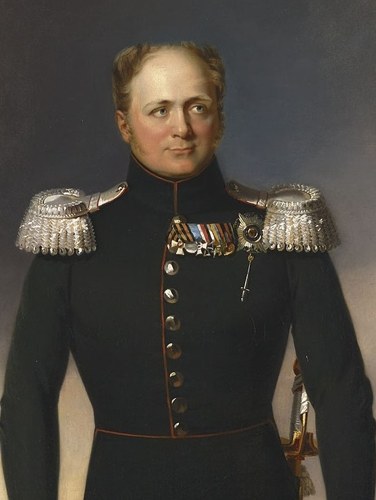
The logic was this: the allied commanders—Tsar Alexander I of Russia, Emperor Francis II of Austria, and their senior staff, particularly the Austrian general Franz von Weyrother who would draft the allied battle plan—believed Napoleon was stretched thin, anxious for a negotiated settlement, and unable to defend his right flank. Napoleon deliberately reinforced this impression. He withdrew French outposts from the Pratzen, thinning his right flank visibly. He sought a meeting with Russian emissaries under circumstances designed to convey hesitation. He positioned his camp so that allied observers could see only the apparent weakness of his right and center, not the powerful corps massed out of sight to his north and center-left.
The allied plan, drafted by Weyrother in a staff session on the night of December 1–2—participant accounts suggest the briefing was poorly received, with some corps commanders reportedly inattentive during the presentation—was built entirely around the assumption that the French right was Napoleon's vulnerability. The plan called for a massive flanking column of roughly 40,000 men under Buxhöwden to swing south, cross the Goldbach stream, cut the French line of retreat toward Vienna, and roll up the French right. To build this flanking force, the allied center would shed troops, moving them southward.
That movement would expose the Pratzen Heights.
Napoleon intended to let it happen, wait until the allied columns were fully committed to their southward march, and then drive a concentrated attack straight through the weakened center, splitting the allied army in two. The southern half would be trapped between the Goldbach ponds, the pressing French right, and the pivot of the French central assault. The northern half—thinner, without the weight of the flanking columns—would be rolled up from flank and rear.
It was a plan that depended on the enemy behaving exactly as Napoleon expected. That he turned out to be correct is a measure both of his intelligence work and of the allied command's susceptibility to the deception he had constructed.
---
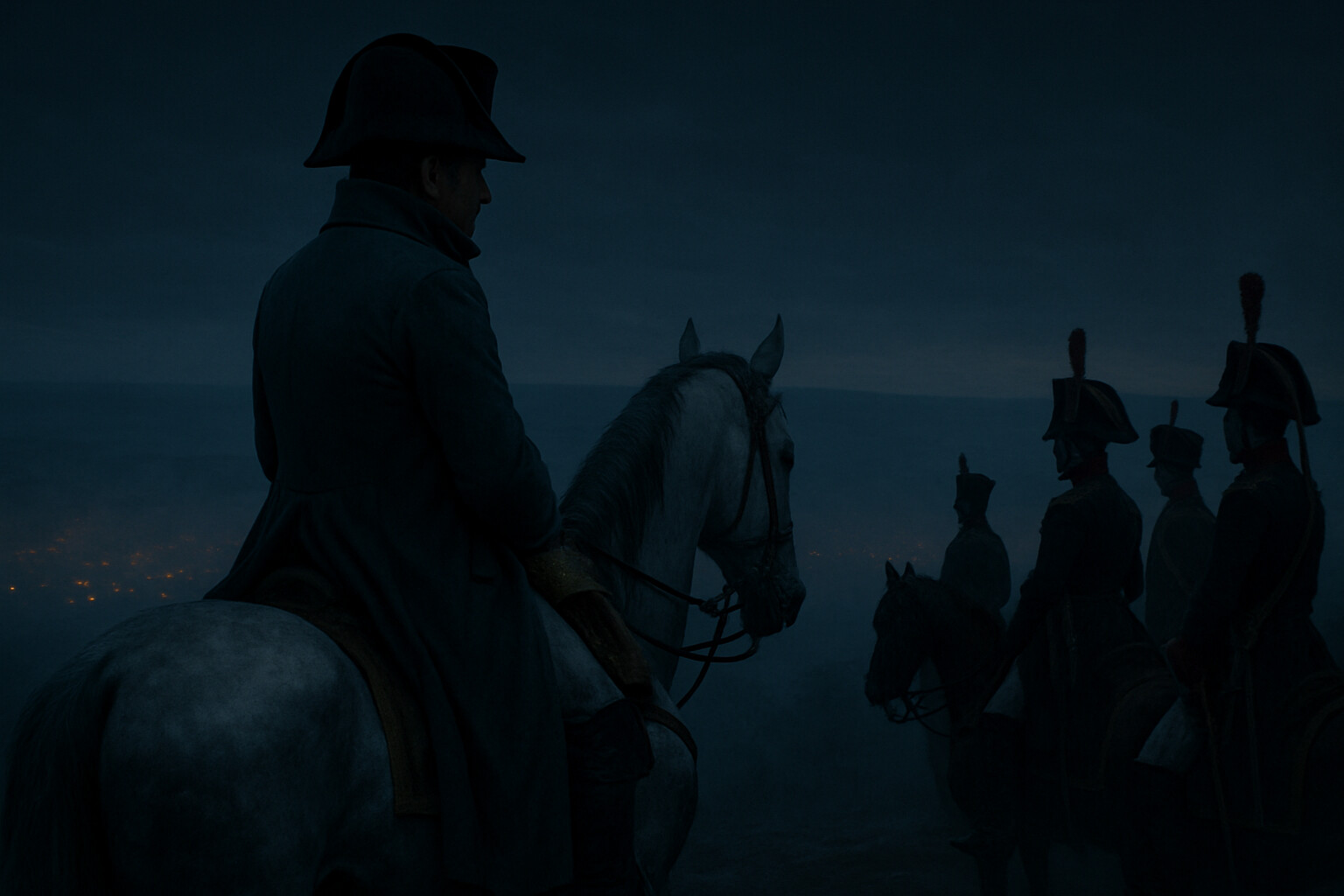
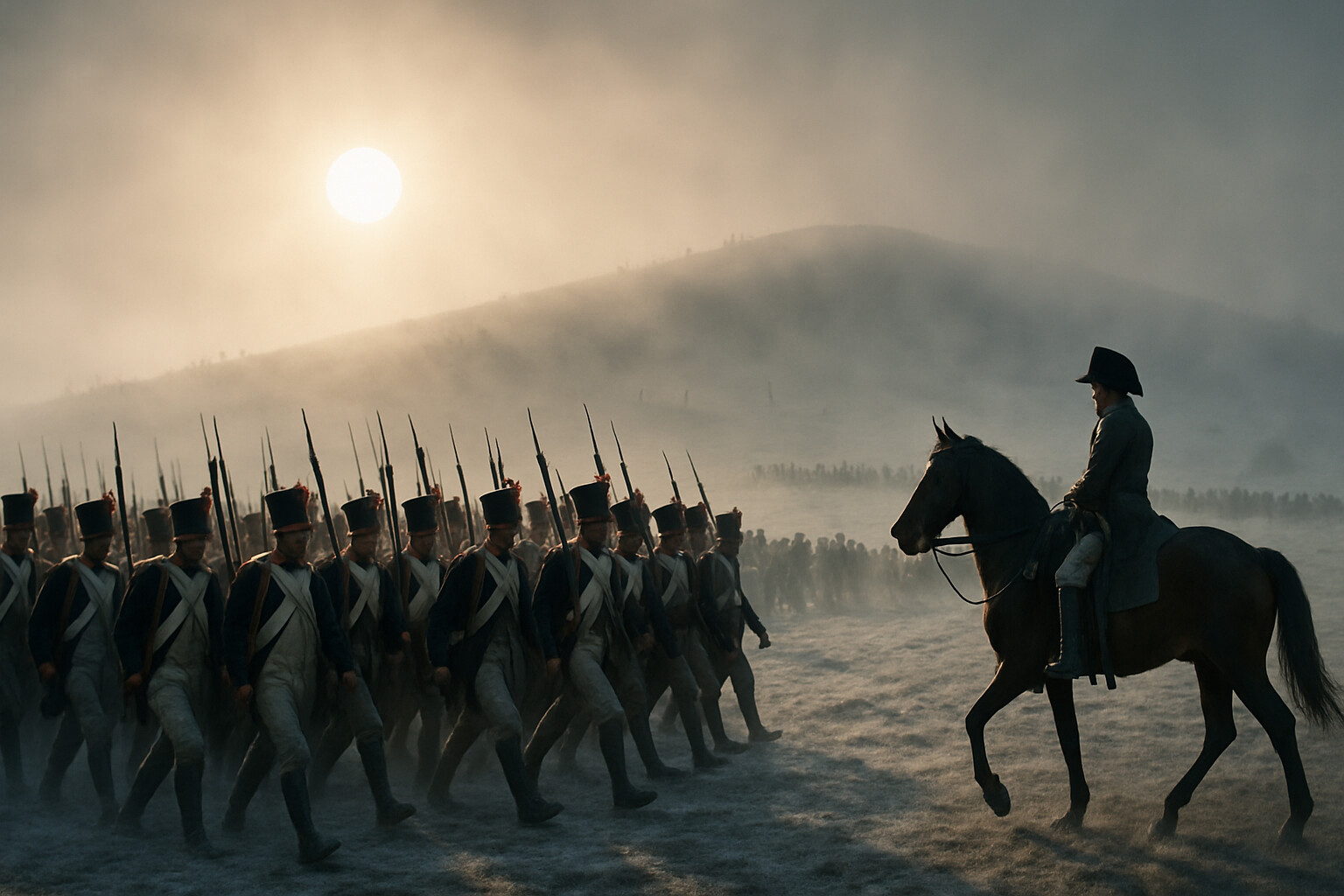
On the night of December 1, Napoleon rode through his bivouacs to gauge his troops and confirm that corps commanders understood their assignments. Contemporary French accounts—including later participant memoirs—describe soldiers recognizing the Emperor moving through the darkness and lighting wisps of straw to honor him, creating a ripple of small fires across the French lines. Whether this was spontaneous or partially staged, and how much the scene was embellished in subsequent retellings, has been debated by historians; it should be understood as a widely reported tradition rather than a fully verified sequence. What is not disputed is that by morning, corps commanders Soult, Bernadotte, Lannes, Murat, and Davout had their orders clearly in hand.
The Grande Armée that executed those orders in December 1805 was arguably the finest battlefield instrument Napoleon ever commanded. Forged in the Boulogne camps through more than a year of intensive training, and proven in the lightning advance through Germany, it was an army with experienced soldiers, a capable NCO corps, and a corps system that no European opponent could yet match. Each corps—roughly 15,000 to 30,000 men—functioned as a self-contained combined-arms force with its own infantry, cavalry, and artillery, capable of marching independently and converging on a battlefield without waiting for orders from above.
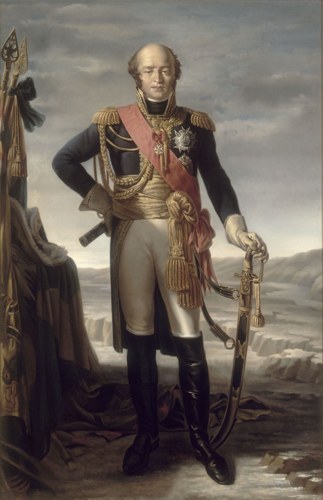
This system was central to what happened at Austerlitz. Marshal Davout's III Corps, arriving from the south after a demanding overnight forced march, could feed into the French right at a critical moment without disrupting the overall plan. Marshal Soult's IV Corps prepared the decisive central blow. Bernadotte's I Corps held the pivot between them. Lannes' V Corps and Murat's cavalry reserve contained the northern sector against Prince Bagration's Russians.
The morning fog was still thick at roughly 6:00 AM when Buxhöwden's flanking columns began their southward march. Watching from the Zuran Hill behind the French center, Napoleon could not yet see the allied movement, but cavalry screens confirmed that the Pratzen was emptying. According to accounts preserved in participant memoirs and reproduced in subsequent histories, Napoleon told Soult he would give the order to advance approximately twenty minutes after the fog lifted, and Soult replied that his men needed twenty minutes to reach the plateau summit. The exact wording of this exchange cannot be verified; it is a widely repeated account that may reflect the general tenor of the conversation rather than precise verbatim record.
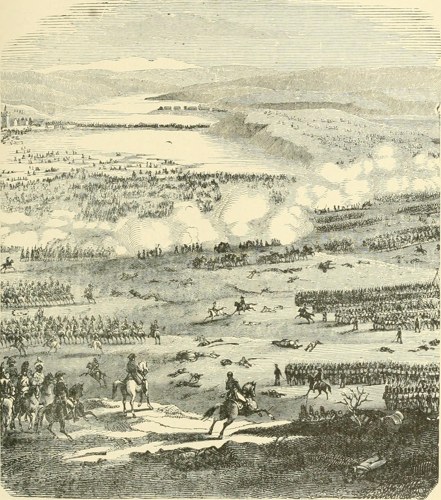
The fog lifted between approximately 8:30 and 9:00 AM—the precise timing is reconstructed from secondary sources. The winter sun broke over the Moravian plain and revealed the Pratzen Plateau thinly held and crossed by the tail ends of allied columns still filing southward. Napoleon gave the order.
Soult's two divisions under Generals Saint-Hilaire and Vandamme—perhaps 16,000 infantry in blue coats and shakos—stepped forward at the quick march. The terrain was open farmland, the ground frozen hard underfoot, the ascent of the plateau gradual. Allied units on the plateau were slow to recognize the threat, in part because some officers initially believed the advancing blue columns were Russian troops in dark greatcoats moving to assigned positions. By the time the confusion resolved, Saint-Hilaire's men were within musket range of the plateau summit.
What followed was intense and relatively brief. Russian regiments on the Pratzen—including elements of the Novgorod Musketeers and other line units—fought back with genuine determination. The fighting involved close-range musketry at distances sometimes under one hundred meters, battery exchanges with Russian artillery scrambling to unlimber in the confusion, and at least one significant counterattack by Russian Imperial Guard cavalry that briefly staggered Saint-Hilaire's division. French momentum and weight of numbers were decisive. By approximately 11:00 AM—the timing is a reconstruction from secondary accounts—the Pratzen was firmly in French hands.
The splitting of the allied army was now a physical reality, not just a plan on paper.
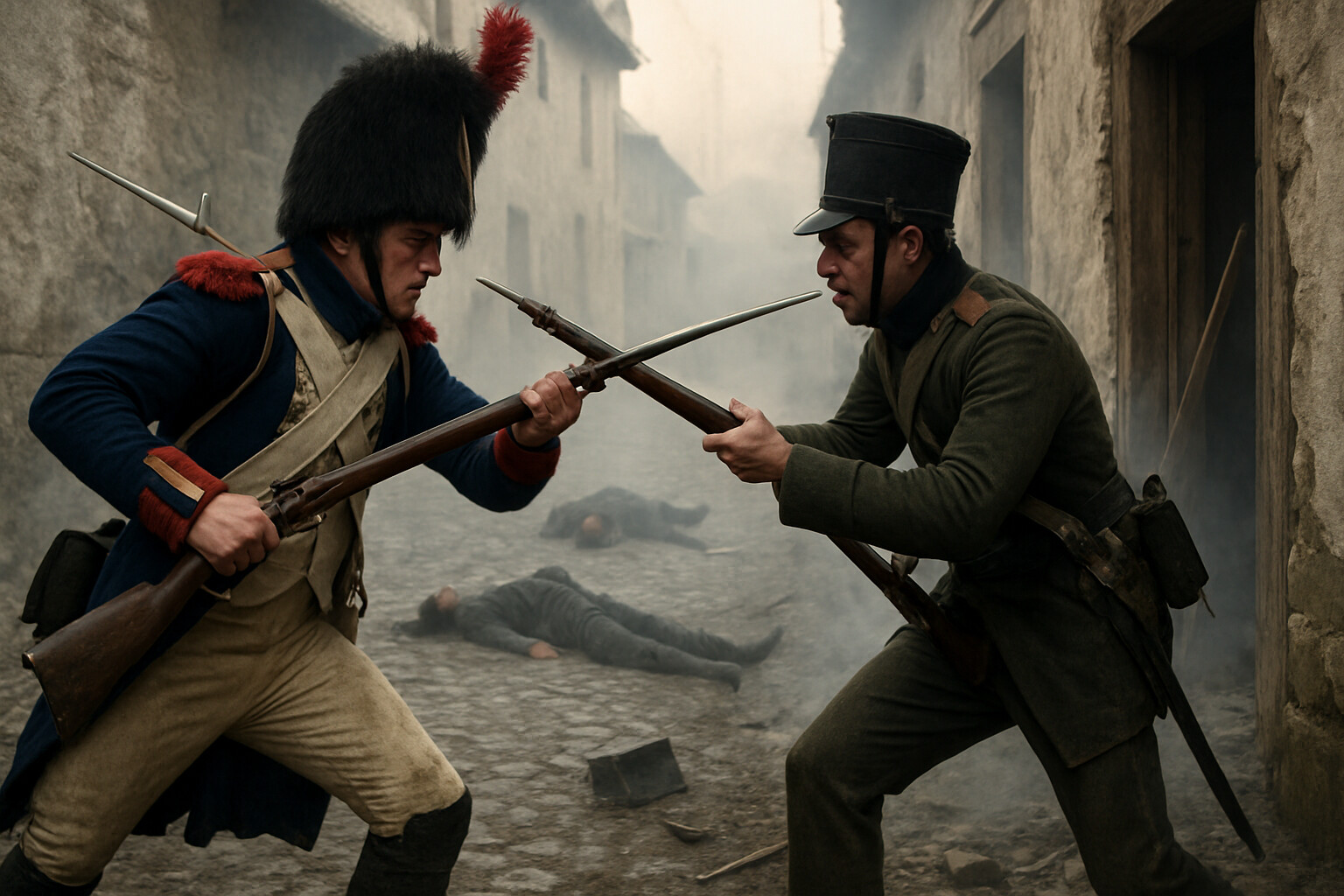
To the south, Buxhöwden's flanking columns had crossed the Goldbach and were pressing Marshal Legrand's thin screening force on the French right. This was the most dangerous period of the battle from the French perspective. Davout's III Corps, completing its forced march, was arriving piecemeal rather than as a formed mass, and the pressure on the French right was severe. The villages of Telnitz and Sokolnitz changed hands multiple times in brutal, close-quarters fighting. Russian and Austrian infantry pushed through those streets at bayonet point, only to be driven back by French counterattacks supported by artillery. Davout's men—tired from their march but disciplined and led by one of Napoleon's most capable marshals—held on.
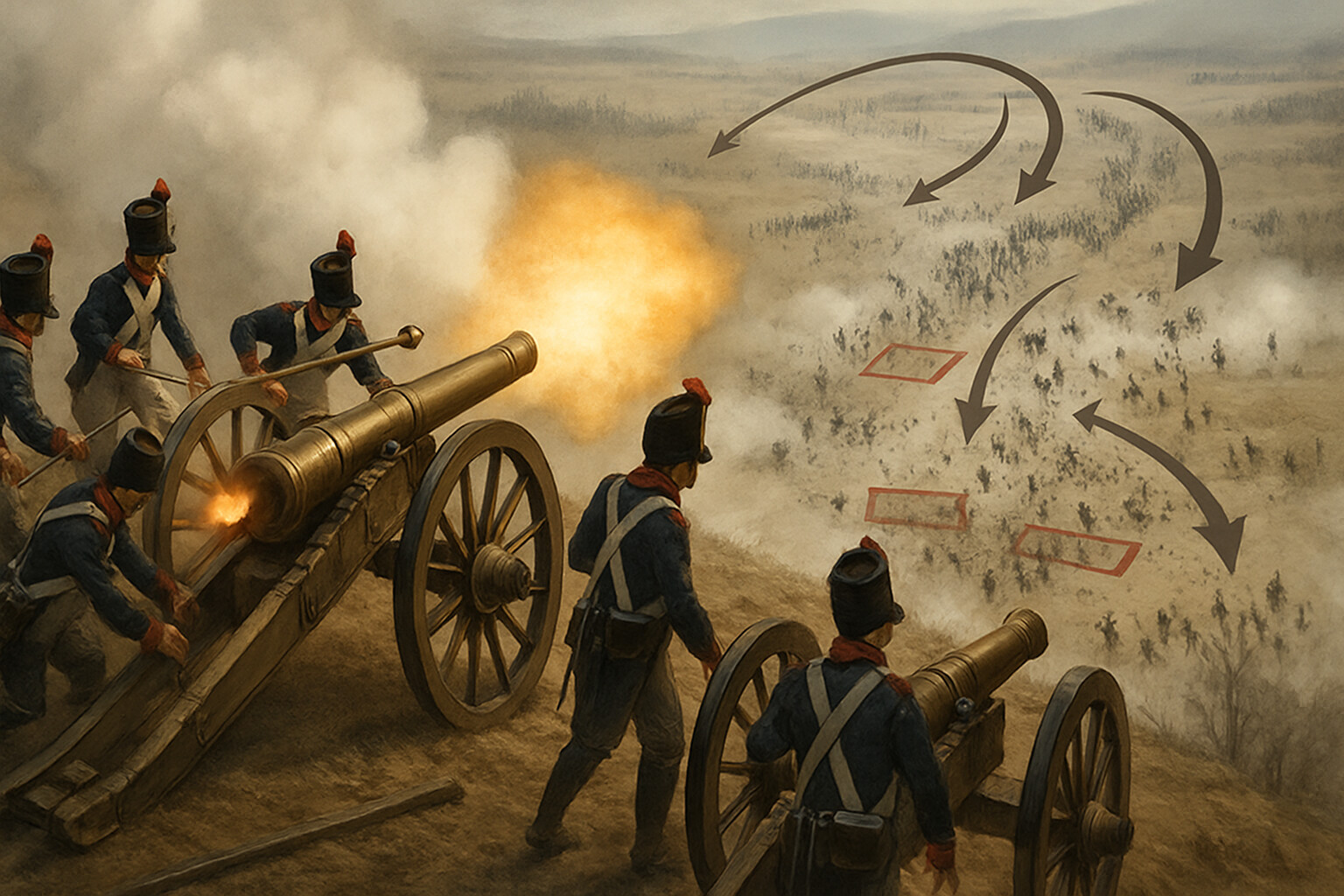
The decisive shift came not from the fighting in the south but from what Soult's corps did once it held the plateau. French divisions wheeled left and right from the Pratzen summit, driving into the flanks and rear of the southern flanking columns. Buxhöwden's men, already committed in the Goldbach valley with frozen ponds and the stream at their backs, found French troops appearing on the heights above them. The geometry of the trap closed.
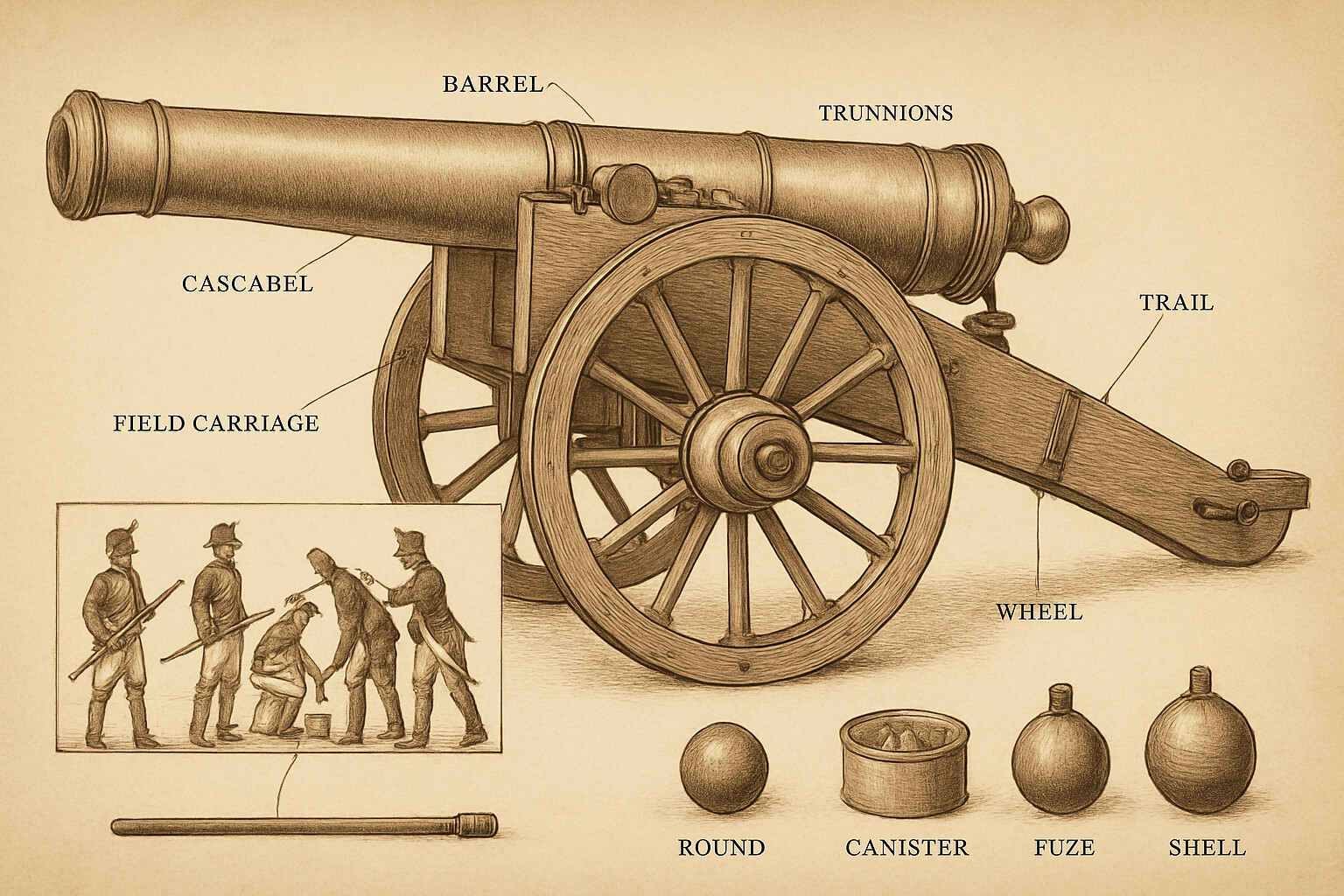
French artillery on the plateau found clear fields of fire into the crowded allied formations in the low ground. Roundshot and canister from batteries working at close range tore through the packed columns below. Some allied troops attempting to retreat across the frozen Satschan Pond found the ice failing under artillery fire—a scene that later became famous through French propaganda and through Tolstoy's account in War and Peace. The dramatic image of masses drowning is inflated in romantic retellings; French artillery did fire on retreating troops attempting to use the ice, and the pond crossing did result in allied losses, but the precise casualty figures from this episode cannot be established with confidence from surviving records and should be understood as uncertain.
On the northern sector, Lannes' V Corps and Murat's reserve cavalry had contained Prince Bagration's Russian right wing since morning in sustained fighting around the Santon Hill, a steep feature anchored on the French left by a French artillery battery placed by engineers. Bagration's infantry and cavalry pressed this sector repeatedly without breaking through. The fighting there was less decisive than in the center, but it served its purpose: Bagration's wing could not disengage to aid the collapsing center and south.
The Russian Imperial Guard cavalry was committed in a counterattack near the Pratzen during the mid-morning fighting, striking French infantry that had not yet formed square. A brigade of Saint-Hilaire's division took significant casualties before French Imperial Guard cavalry under Marshal Bessières intervened. The engagement between the Russian and French Imperial Guards was one of the most intense cavalry actions of the battle, involving close-quarters mounted combat in which the advantage shifted before the Russian cavalry was driven off. The exact timing, unit positions, and sequence of this engagement remain among the more contested tactical details in the detailed scholarship on Austerlitz.
By early afternoon, the allied army was not merely defeated; it was fragmented. The southern columns were trapped and surrendering in large numbers. The northern wing under Bagration conducted a more orderly retreat eastward. Tsar Alexander I, who had been present on the field and had supported the aggressive flanking plan, left the battlefield accompanied by a small escort. Contemporary accounts—several recorded in subsequent memoirs—describe him visibly shaken. Kutuzov himself was wounded during the fighting on the Pratzen.
Napoleon moved forward from the Zuran Hill as the outcome became clear, riding across the Pratzen onto the field below. French army returns in the days following the battle counted approximately 36 captured artillery pieces initially, though later tallies would push that figure higher—and the precise total has not been fully reconciled across surviving records. Allied casualties in killed, wounded, and prisoners reached somewhere between 36,000 and 40,000 men out of roughly 85,000 engaged—a catastrophic loss rate. French casualties, based on contemporary French returns, are generally estimated at approximately 9,000 killed and wounded, though some historians place the figure somewhat higher. These figures carry the uncertainties inherent to Napoleonic-era accounting: units were not always accurately counted before or after action, and both French and allied commands had reasons to report selectively. What is not in doubt is the strategic scale of the result.
---
Emperor Francis II of Austria requested an armistice meeting with Napoleon, who received the defeated emperor on December 4 near the village of Nasiedlowitz. The Peace of Pressburg, signed on December 26, 1805, stripped Austria of significant territories in Italy and Germany, imposed a large indemnity, and effectively ended Austrian influence in southern Germany. The Holy Roman Empire, already hollow, would be formally dissolved the following year. The Third Coalition was finished.
For Russia, the aftermath was different. Alexander's army retreated eastward, battered but not destroyed as an institution. Russia would fight Napoleon again—at Eylau in 1807, and most consequentially in 1812. But Austerlitz removed Russia from the immediate war and demonstrated to European courts that Napoleonic France had no current peer on the continent.
The Prussian threat that had shadowed French planning before the battle evaporated almost immediately. Prussia, on the verge of joining the coalition, quietly withdrew its mobilization and opened negotiations instead.
---
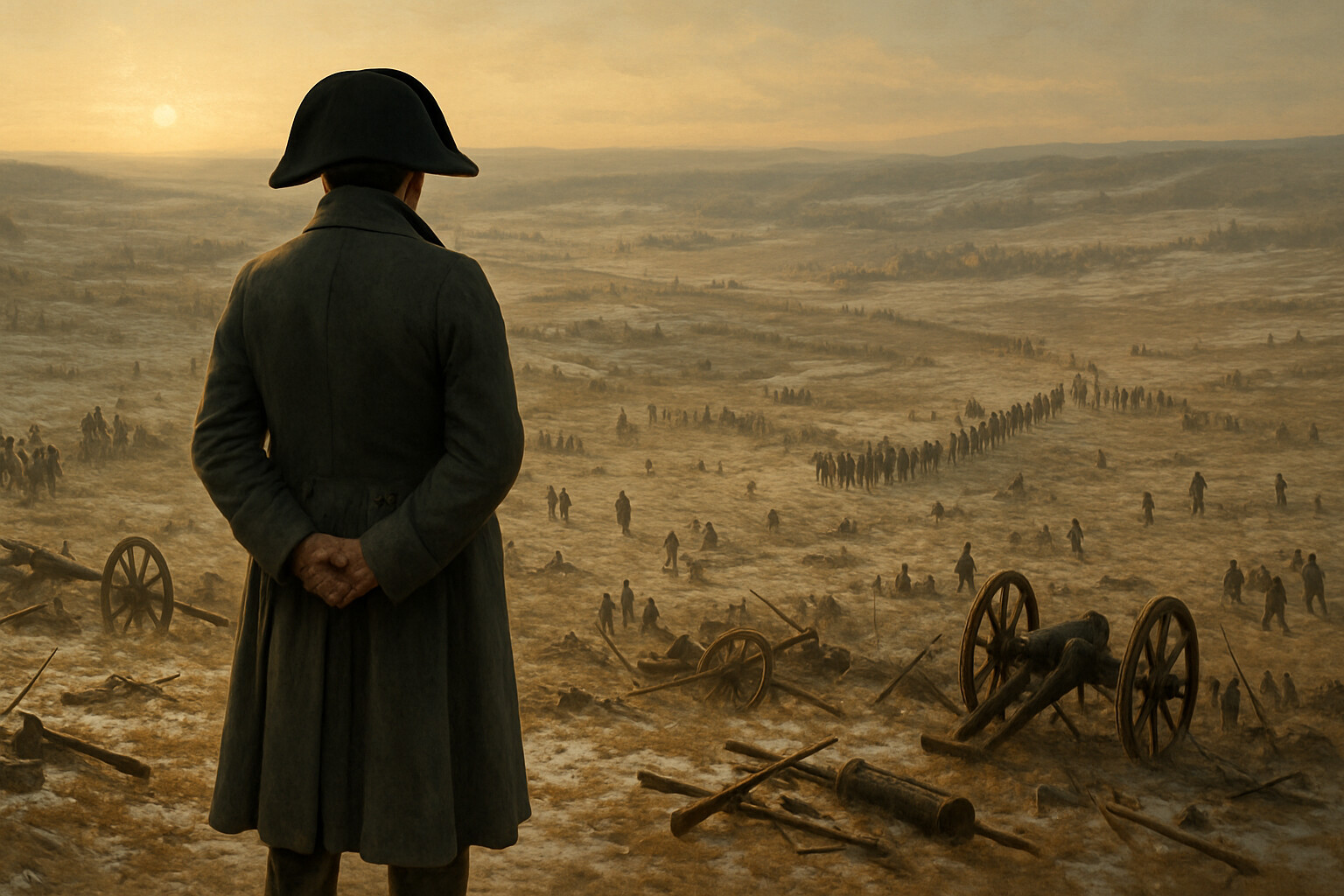
For the men of La Grande Armée who fought on December 2, the battle's legacy was more immediate and more personal. Several thousand French soldiers were killed—their names recorded in regimental returns, their bodies buried in mass graves on the Moravian plain. Wounded men filled improvised hospitals in Brünn and surrounding villages in numbers that overwhelmed medical resources already inadequate by any modern standard. The Napoleonic-era surgeon's primary response to shattered limbs was amputation, and battlefield hospitals after Austerlitz were places of profound suffering despite the victory.
Napoleon addressed his army in the Proclamation of December 3, 1805, a document preserved in French archives and widely reproduced in subsequent histories. In it he described the battle as the soldiers' own achievement, enumerated the prizes taken, promised that mothers of soldiers killed would receive imperial pension support, and declared that war orphans would be considered wards of France under his personal patronage. How thoroughly these promises were honored in individual cases is a matter historians have examined with mixed conclusions; the administrative machinery of the Napoleonic Empire was extensive but imperfect.
Marshal Davout, whose III Corps performance on the French right was critical to holding the line while Soult attacked the center, received significant credit in official accounts. Soult, who had overseen the Pratzen assault, was celebrated as the tactical executor of the decisive blow. Napoleon himself, in his later dictations at Saint Helena, is widely quoted as calling Austerlitz the finest of all his battles—the exact phrasing varies across translations and the transmission of those dictations—but most military historians have not disputed the judgment on tactical grounds, whatever their broader assessments of his career.
The battle entered European cultural memory rapidly and in multiple forms. Beethoven, who had completed his Third Symphony—the Eroica—in a spirit that included admiration for Napoleon, is reported in letters and accounts of the period to have grown deeply disillusioned with his subject's imperial ambitions; the precise connection to Austerlitz specifically is simplified in popular tellings and the documentary basis for the specific causal link is partial. Tolstoy's extended treatment of the battle in War and Peace, published decades later, took significant liberties with historical detail while capturing something genuine about the experience of soldiers caught in events larger than their understanding. His Prince Andrei lying wounded on the field, looking up at the sky, is one of the celebrated passages in European literature. It is fiction, not history.
The Vendôme Column in Paris, completed in 1810, was cast partly from the bronze of cannon captured at Austerlitz and other Napoleonic victories. It still stands in the Place Vendôme, the metal in its spiral bas-reliefs carrying, in a literal physical sense, something of December 2, 1805.
---
What Austerlitz demonstrated—and what military theorists, historians, and staff officers have studied for more than two centuries—is a set of principles Napoleon had developed through study, instinct, and practice but nowhere systematically codified. The deliberate concession of terrain to invite an enemy flanking movement. The use of a corps screen to hold a threatened flank while masked forces prepared a counter-stroke. The concentration of mass at the decisive point—the Pratzen center—rather than equal strength everywhere. The role of deception, and of managing the enemy's perception rather than simply his physical position. And the integration of infantry, cavalry, and artillery operating in coordination at the operational level.
Modern historians have also noted the limits and the luck in the victory. The allied plan was genuinely poor, drafted hastily by Weyrother with inadequate knowledge of French dispositions. The Austro-Russian command arrangements were genuinely dysfunctional, with Tsar Alexander exercising personal authority in ways that undercut Kutuzov's professional judgment—though the degree and explicitness of Kutuzov's reported opposition to the flanking plan is presented differently in Russian and Western historiographies, and the primary sources for that opposition deserve closer examination than popular accounts typically afford them. Had Bagration's northern wing broken through against Lannes, or had the Russian Imperial Guard cavalry shattered Saint-Hilaire's division at the moment of crisis on the Pratzen, the battle's outcome could have been significantly different. War never runs purely on one side's genius.
But these qualifications do not substantially diminish the achievement. Napoleon had read the campaign correctly, set the conditions correctly, and executed the plan correctly under the fog and friction of an actual battle. The allied plan was poor in part because Napoleon had worked to make it poor—the deliberate display of weakness, the managed conduct of pre-battle diplomacy, the choice of ground that invited exactly the flanking movement Weyrother proposed. The trap was constructed, not fortunate.
Austerlitz rewards careful study not as an advertisement for genius or destiny but as a case study in what happens when one commander understands a battlefield as a system—terrain, enemy intentions, his own forces' capabilities, time, and information—with greater clarity than his opponents. Napoleon was thirty-six years old on December 2, 1805. He had been First Consul for six years and Emperor for less than two. He had not yet fought the campaigns that would stretch and ultimately break his empire. On that Moravian plain, under the winter sun that burned off the morning fog, he was at the peak of his powers.
The plateau the French took that morning still stands above the surrounding fields. The villages whose names appeared in French regimental returns—Telnitz, Sokolnitz, Pratze, Blasowitz—are still there. A memorial to the fallen of all nations, erected in the twentieth century near the site, marks the ground where the graves were dug. The Moravian plain in December is cold and quiet, the sky large above flat fields, the ridge of the Pratzen Heights visible from several kilometers away—low, gradual, commanding.
It is easy to see why Napoleon wanted it. It is possible, standing there, to understand something about what he understood on the morning he chose to give it up.