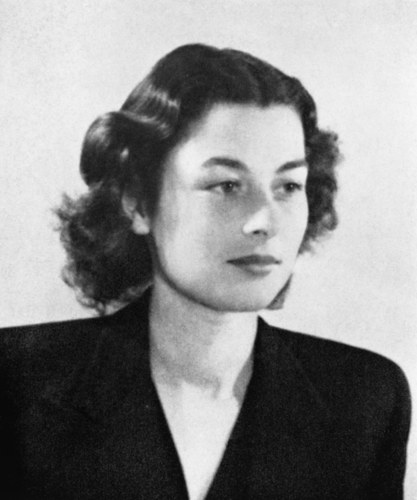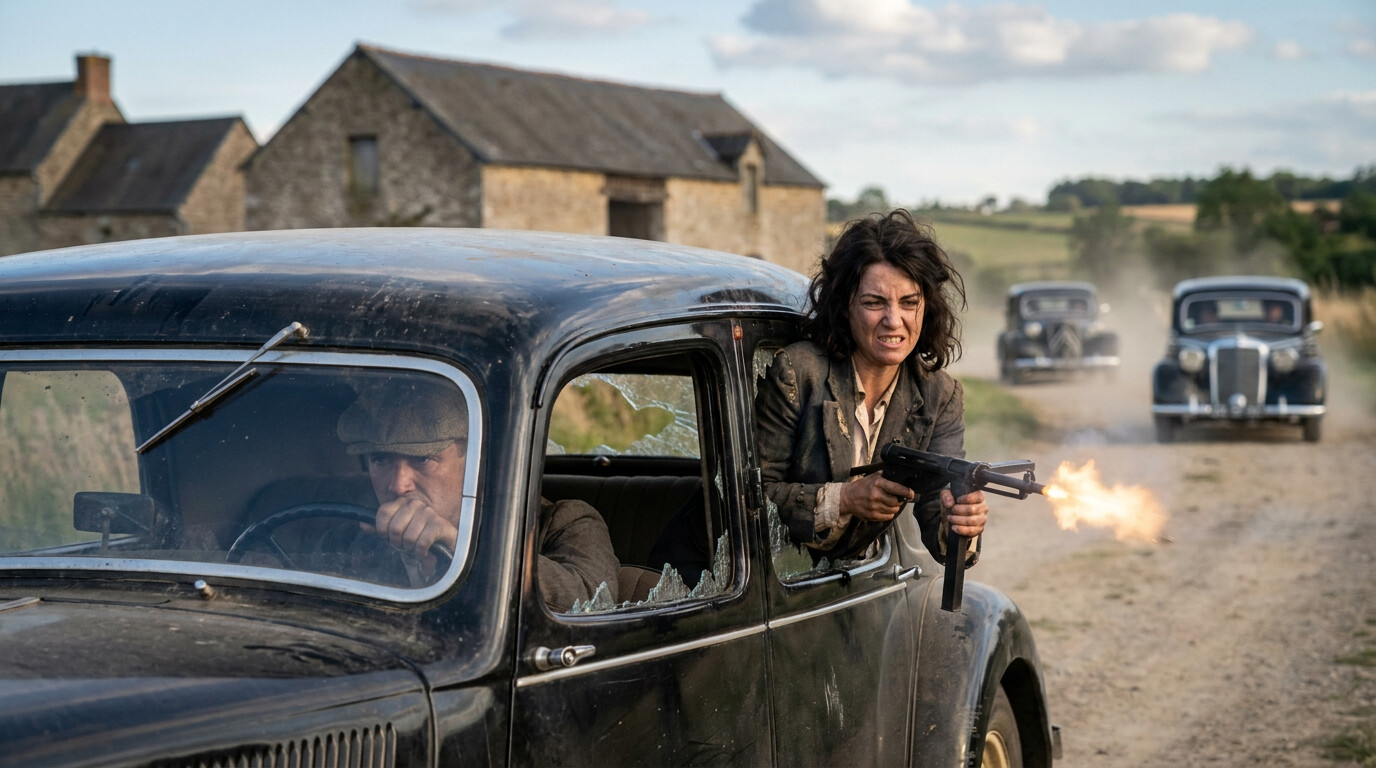
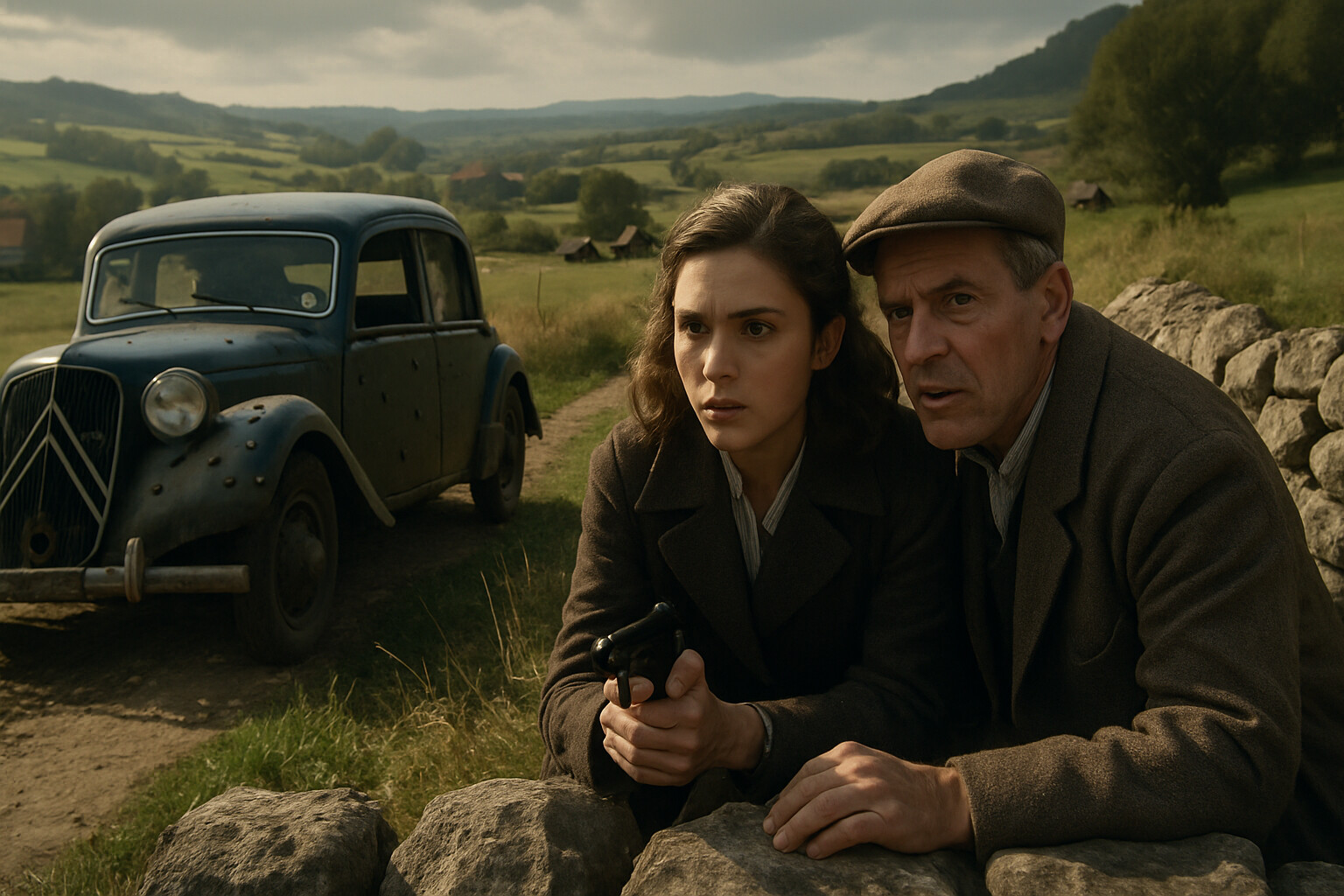
The Citroën's engine screamed as bullets shattered the rear window. Violette Szabo hunched over the steering wheel, her Sten gun braced against her shoulder as she returned fire through the splintered glass. Behind them, two German staff cars closed the gap on the narrow country road outside Salon-la-Tour. The roadblock ahead meant only one choice: abandon the car and run.
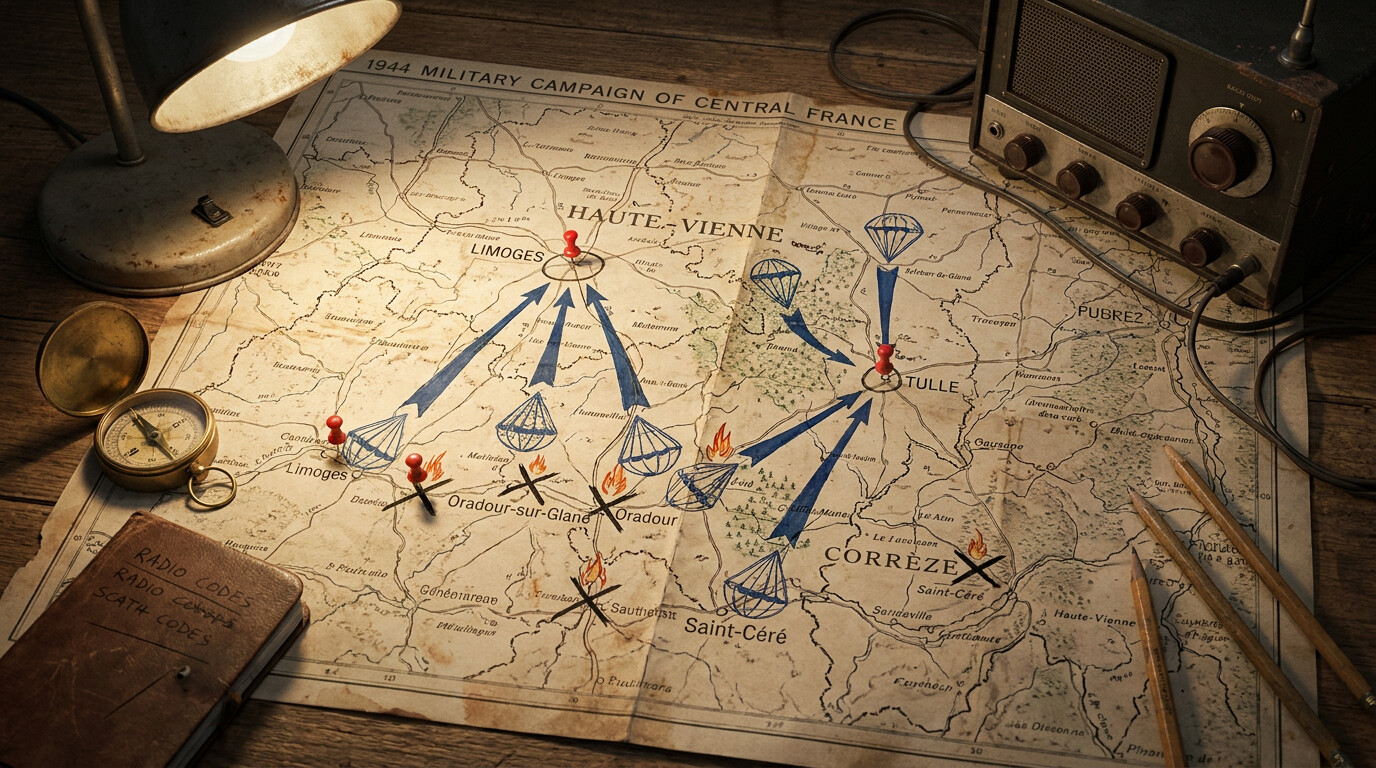
It was June 10, 1944, four days after D-Day, and Ensign Violette Szabo of the First Aid Nursing Yeomanry was 800 miles from the Normandy beaches, deep in occupied France on her second mission for the Special Operations Executive. At 23, the young widow had already parachuted into enemy territory once before, establishing networks and coordinating resistance operations. This time, she had come to reorganize the shattered SALESMAN circuit in the Haute-Vienne, where German security sweeps had decimated the local Maquis.
Violette's war had begun in personal tragedy. Her husband Etienne, a Foreign Legion officer, had died at El Alamein in October 1942, leaving her with their infant daughter Tania. Rather than retreat into grief, she had volunteered for the most dangerous work the British could offer: behind-the-lines operations in Nazi-occupied Europe. The Special Operations Executive, Churchill's organization to 'set Europe ablaze,' trained her in weapons, explosives, radio operation, and survival. They taught her to kill silently and to resist interrogation. They could not teach her to accept failure.
The SALESMAN circuit covered a vast area of central France, coordinating arms drops, sabotage operations, and intelligence gathering across multiple départements. When D-Day began, these networks became crucial for harassing German reinforcements moving toward Normandy. But in early June, the Gestapo had rolled up key cells, capturing wireless operators and safe houses. London needed someone to assess the damage and rebuild what could be salvaged.
Violette parachuted into France on June 7, landing near Sussac in the Haute-Vienne. Her cover identity was Corinne Reine Leroy, a commercial secretary from Le Havre. Her real mission was to contact surviving resistance leaders, establish new communication links with London, and coordinate attacks on the railway lines feeding German reinforcements northward. She carried forged papers, emergency money, and a compact Sten gun - the 9mm submachine gun that had become the weapon of choice for SOE operations.
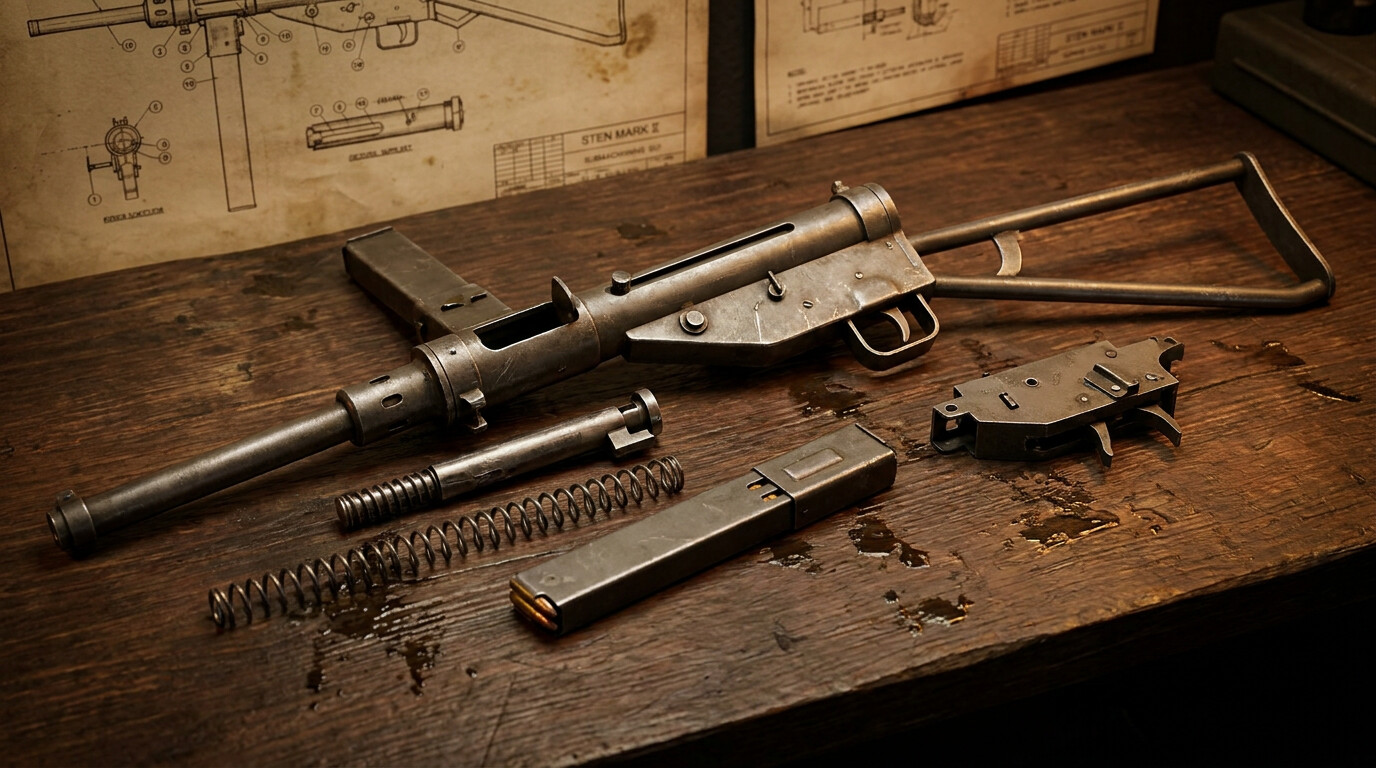
The Sten Mark II weighed just over six pounds and could fire 550 rounds per minute from its 32-round magazine. Crude but effective, it broke down into easily concealed components and used the same 9mm Parabellum ammunition as German weapons, allowing agents to resupply from captured stocks. Its simple blowback mechanism made it reliable in the field, though its side-mounted magazine and light weight made accurate fire challenging. For close-quarters combat in the French countryside, it remained the best option available to Britain's secret army.
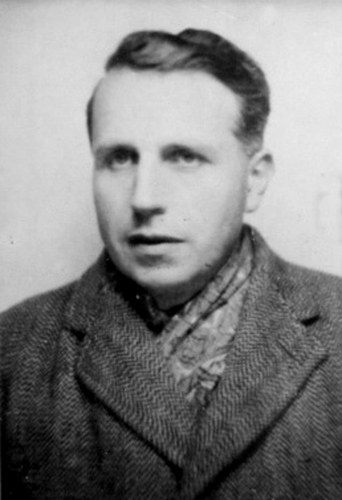
Violette's first contacts went smoothly. She met with Jacques Dufour, the local Maquis leader, and began assessing which safe houses remained secure. But German security forces were already closing in. The 2nd SS Panzer Division 'Das Reich,' moving north toward Normandy, had detailed security troops throughout the region. These were not ordinary Wehrmacht soldiers but Waffen-SS veterans, experienced in anti-partisan warfare and known for their brutal efficiency.
On June 10, Violette and Dufour were returning from a reconnaissance mission when they encountered the German roadblock. Intelligence suggested the enemy was searching for Allied agents, possibly acting on information extracted from captured resistance members. The roadblock consisted of at least two vehicles and appeared to be part of a larger sweep operation in the area.
Dufour attempted to reverse their Citroën, but more German vehicles appeared behind them. The narrow country road offered little room to maneuver, and the surrounding terrain provided minimal cover. With enemy forces closing from both directions, Violette made the decision to fight their way out.
The running gun battle that followed lasted several miles across the Corrèze countryside. Violette alternated between driving and shooting, using her Sten gun to suppress the pursuing Germans while Dufour attempted to navigate escape routes through the rural landscape. The car's limited armor offered no protection against rifle fire, and German bullets quickly disabled the engine.
With their vehicle immobilized, Violette and Dufour abandoned the Citroën and continued on foot. The terrain here consisted of rolling hills, scattered farms, and patches of woodland that offered intermittent concealment. German pursuit forces included both vehicles and foot patrols, suggesting they had committed significant resources to the operation.
Violette's training emphasized that captured agents faced interrogation, torture, and eventual execution. SOE doctrine stressed that operatives should avoid capture at all costs, fighting to the death if necessary. But doctrine did not account for ammunition running low, escape routes blocked, and an injured companion slowing movement through enemy-controlled territory.
The pursuit lasted hours. Violette's Sten gun ammunition was exhausted, forcing her to rely on her .32 caliber Colt automatic pistol for the final engagement. This compact sidearm carried only eight rounds and lacked the stopping power needed against determined attackers. When German troops finally surrounded their position near a farm outside Salon-la-Tour, further resistance became impossible.
German records indicate that Violette was captured by elements of the 2nd SS Panzer Division's reconnaissance battalion. Her captor was reportedly Sturmbannführer Helmut Kämpfe, though German documentation of the specific engagement remains incomplete. What is documented is that she was immediately identified as a potential Allied agent and transferred to SS security forces for interrogation.
The initial interrogation took place at the division's temporary headquarters. SS interrogation methods were systematically brutal, designed to break resistance through a combination of physical torture, psychological pressure, and threats against family members. Violette's training had prepared her for this ordeal, emphasizing techniques for withstanding pain and maintaining operational security under extreme duress.
According to German records and post-war testimony from other prisoners, Violette revealed nothing of operational value during weeks of interrogation. She maintained her cover identity as Corinne Leroy, claiming to be a French civilian caught in the wrong place at the wrong time. Her interrogators applied escalating pressure, including beatings, sleep deprivation, and other documented torture methods, but failed to extract intelligence about SOE operations, wireless codes, or resistance networks.
This resistance carried enormous personal cost. German interrogation reports, discovered after the war, document a systematic attempt to break her through increasingly severe methods. Evidence from other prisoners' accounts suggests she suffered severe physical abuse consistent with prolonged interrogation. Yet she maintained operational security, protecting the lives of other agents and resistance members.
In August 1944, Violette was transferred from local SS custody to Fresnes prison near Paris. This facility served as a collection point for political prisoners and captured Allied personnel awaiting transport to concentration camps in Germany. Conditions at Fresnes were deliberately harsh: overcrowded cells, inadequate food, minimal medical care, and constant threat of further interrogation.
Fellow prisoners later testified that Violette maintained remarkable morale despite her circumstances. According to their accounts, she organized resistance activities within the prison, shared food with weaker prisoners, and continued to refuse cooperation with German authorities. Her behavior demonstrated the same courage that had characterized her field operations, now applied to the different battlefield of prison survival.
On August 8, 1944, Violette was transported from Fresnes to Ravensbrück concentration camp in Germany. This facility, located about 50 miles north of Berlin, was specifically designed for female prisoners and had become a center for the systematic murder of captured female agents and resistance members. The journey took several days in cattle cars under conditions designed to weaken prisoners before arrival.
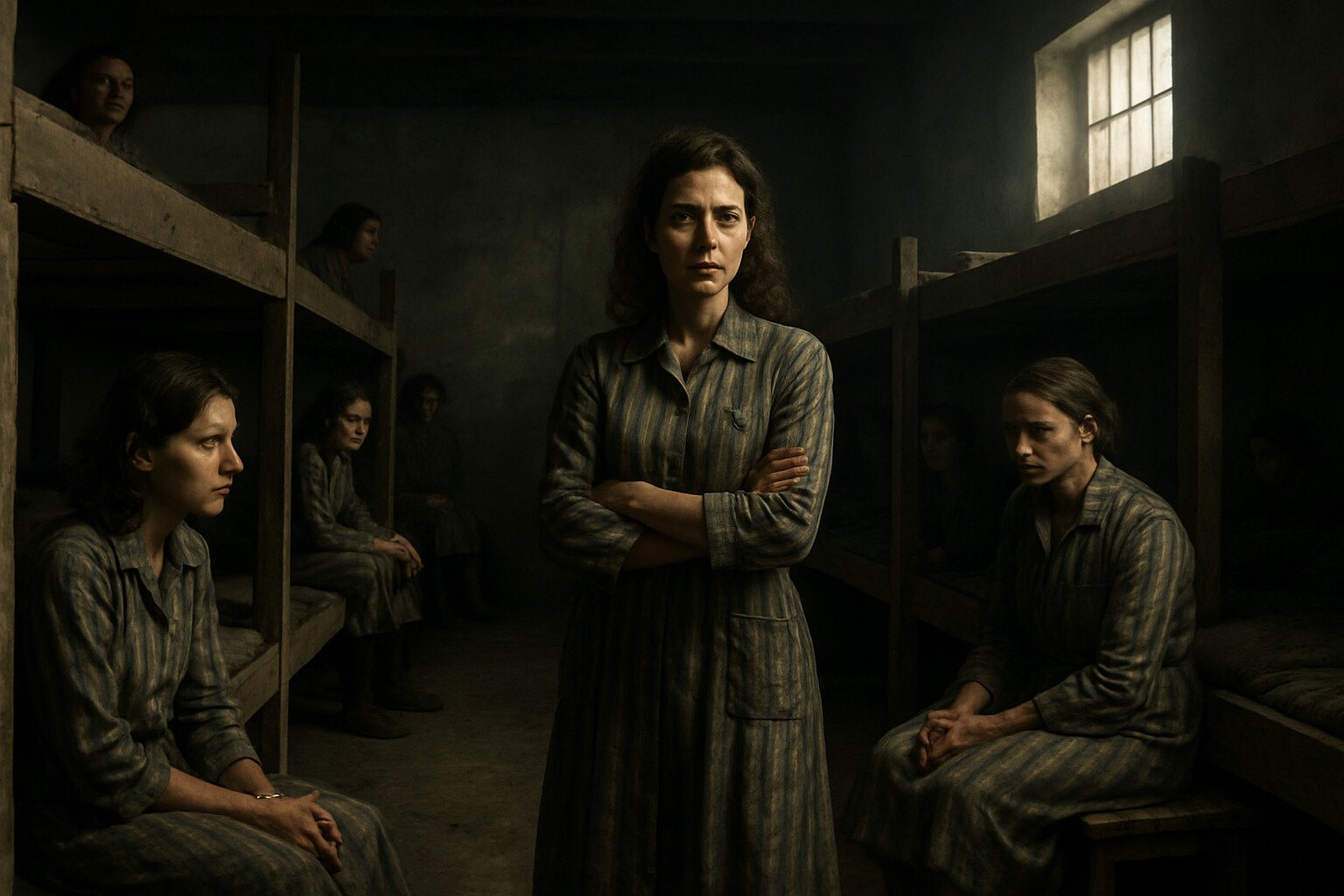
Ravensbrück represented the Nazi system's industrial approach to murder. The camp combined slave labor, medical experimentation, and systematic execution to eliminate prisoners deemed threats to German security. Female SOE agents were particular targets, as their training and operational knowledge made them valuable intelligence assets if broken, or dangerous symbols of resistance if they maintained their defiance.
Witness testimony from surviving prisoners indicates that Violette continued her resistance within the camp. Survivors reported that she participated in prisoner organizations that shared food, medical care, and moral support. Despite deteriorating physical condition from malnutrition and abuse, she maintained the discipline and operational security that had characterized her entire SOE service.
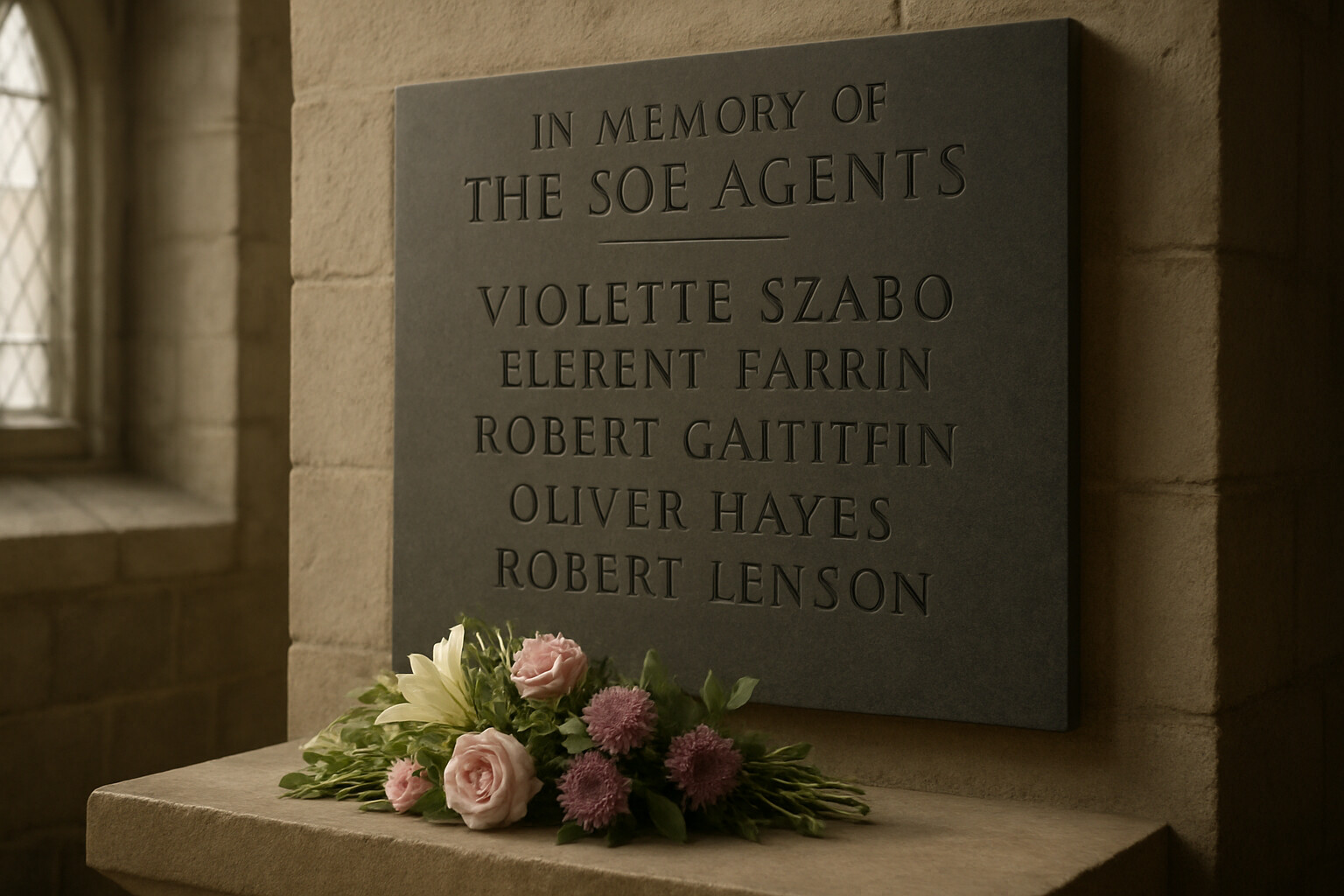
On February 5, 1945, Violette Szabo was executed at Ravensbrück. German records indicate she was shot, along with two other female SOE agents: Denise Bloch and Lilian Rolfe. All three had maintained operational security throughout months of interrogation and imprisonment. Their executions came just three months before the camp's liberation by Soviet forces.
The execution was not random violence but a calculated decision by German security forces. Documents recovered after the war show that these three agents were specifically selected for elimination based on their continued resistance to interrogation and their potential intelligence value if rescued by advancing Allied forces. Their deaths represented the Nazi system's recognition that they remained dangerous even in captivity.
Violette's fate remained unknown to British authorities until after the war. SOE operations assumed that missing agents were either dead or compromised, but confirmation often took months or years. The organization had lost 118 agents in France alone, representing roughly 25% of all personnel deployed to that theater. These losses reflected both the extreme danger of the work and the systematic German effort to eliminate Allied intelligence networks.
Post-war investigation confirmed Violette's operational achievements and the circumstances of her capture and death. French resistance leaders testified to her effectiveness in reorganizing damaged networks and coordinating sabotage operations. German documents revealed the extent of their efforts to break her during interrogation and the intelligence value they placed on her continued resistance.
The broader context of her sacrifice became clear as historians assessed SOE's contribution to Allied victory. The organization's sabotage operations significantly disrupted German supply lines and communications, particularly during the critical period following D-Day. Railway attacks alone forced the Germans to deploy thousands of troops for security duties that could otherwise have reinforced front-line units.
Violette's specific mission area proved particularly valuable. The SALESMAN circuit's attacks on railway lines in central France contributed to delays in German reinforcement movements toward Normandy. While individual operations may have seemed small, their cumulative effect created significant strategic pressure on German logistics and force deployment.
The human cost of these operations remained largely hidden from public view. SOE agents who survived often remained silent about their experiences, bound by official secrecy and personal trauma. Those who died, like Violette, left only fragmentary records and the testimony of fellow prisoners or resistance contacts who had witnessed their courage under impossible circumstances.
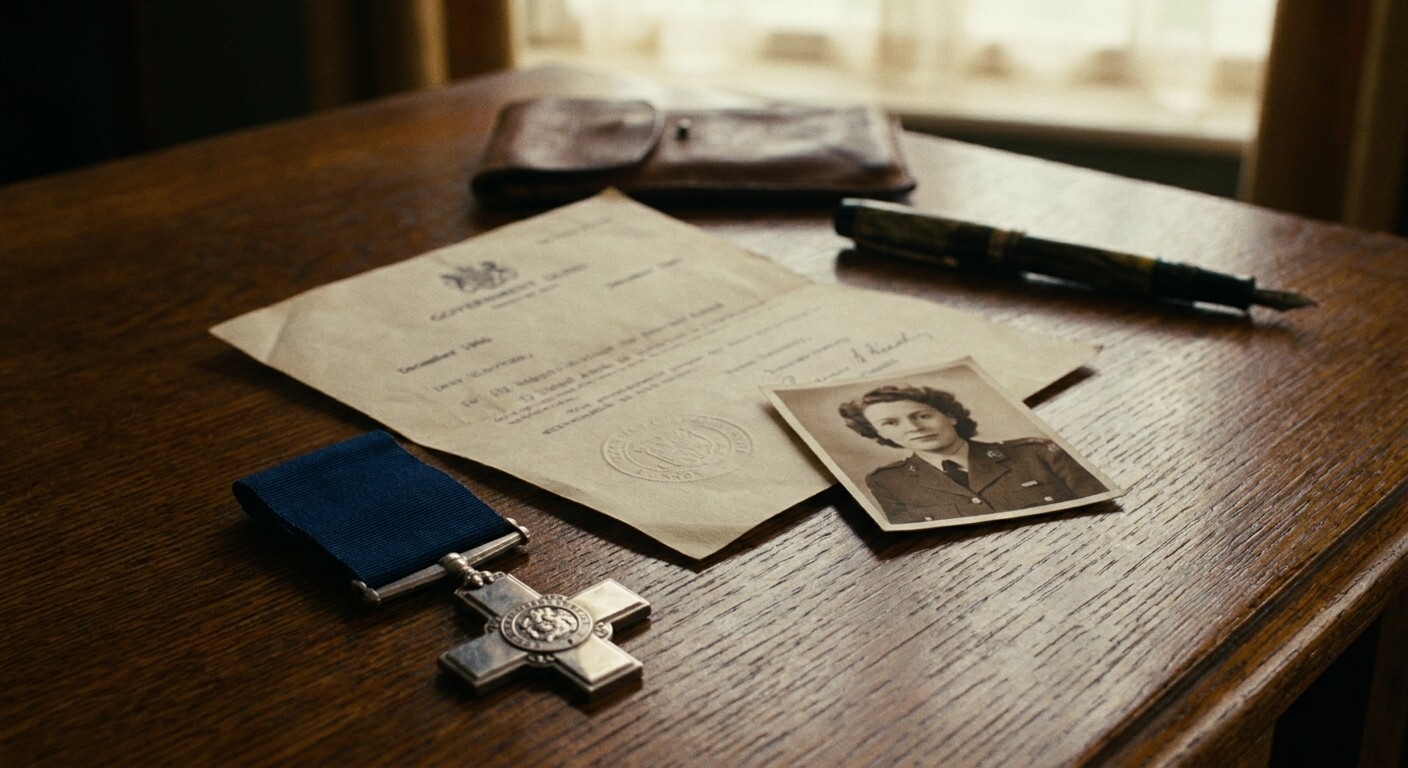
Recognition came slowly. In December 1946, King George VI awarded Violette the George Cross, Britain's highest civilian decoration for gallantry. The citation recognized her "courage and devotion to duty" and her refusal to reveal information "in spite of the torture to which she was subjected." The medal was presented to her daughter Tania, then four years old.
The George Cross, instituted in 1940, recognizes "acts of the greatest heroism or of the most conspicuous courage in circumstances of extreme danger." It ranks second only to the Victoria Cross in Britain's order of precedence and is often awarded posthumously to recognize supreme sacrifice in civilian or non-combat military circumstances. Violette was one of only four women to receive the decoration during World War II.
Her story gradually emerged through official histories, survivor testimony, and family recollections. But the full scope of SOE operations remained classified for decades, limiting public understanding of the organization's work and the sacrifices made by its agents. Only in recent years have historians gained access to complete records that reveal the extent of these behind-the-lines operations.
Modern assessment of Violette's service emphasizes both her individual courage and the broader strategic importance of SOE work. Her ability to maintain operational security under extreme duress protected other agents and resistance networks, preserving capabilities that continued contributing to Allied victory even after her capture. Her refusal to break under interrogation exemplified the highest standards of military service under the most challenging circumstances possible.
The tactical lessons of her final mission remain relevant for understanding irregular warfare. Her initial success in rebuilding damaged networks demonstrated the importance of local knowledge and cultural preparation. The circumstances of her capture highlighted the constant security threats facing agents in occupied territory and the sophisticated counter-intelligence capabilities of German security forces.
The running gun battle that led to her capture illustrates both the possibilities and limitations of small-unit tactics against superior forces. Her Sten gun provided adequate firepower for the initial engagement, but limited ammunition capacity and the lack of support eventually made continued resistance impossible. The terrain offered concealment but no genuine sanctuary against a determined pursuit force with superior numbers and equipment.
Perhaps most significantly, her conduct during interrogation and imprisonment demonstrated that courage could triumph even in defeat. Her refusal to provide intelligence under torture protected other lives and maintained operational capabilities that continued serving Allied objectives. This aspect of her service - the victory achieved through endurance rather than action - represents a form of military effectiveness that traditional accounts often overlook.
Violette Szabo's war ended not with liberation or return home, but with execution in a German concentration camp. Yet her service achieved its essential objectives: networks rebuilt, operations maintained, intelligence protected, and enemy resources diverted from front-line combat. These achievements came at the ultimate personal cost but contributed to the broader Allied victory that would justify the sacrifice.
Her legacy endures in the records of SOE operations and the testimony of those who witnessed her courage. The young widow who volunteered for the most dangerous work available had proven equal to its demands, maintaining the discipline and determination required for victory even when victory meant death rather than survival. In the larger context of World War II, such individual acts of courage provided the foundation for strategic success, one mission and one sacrifice at a time.