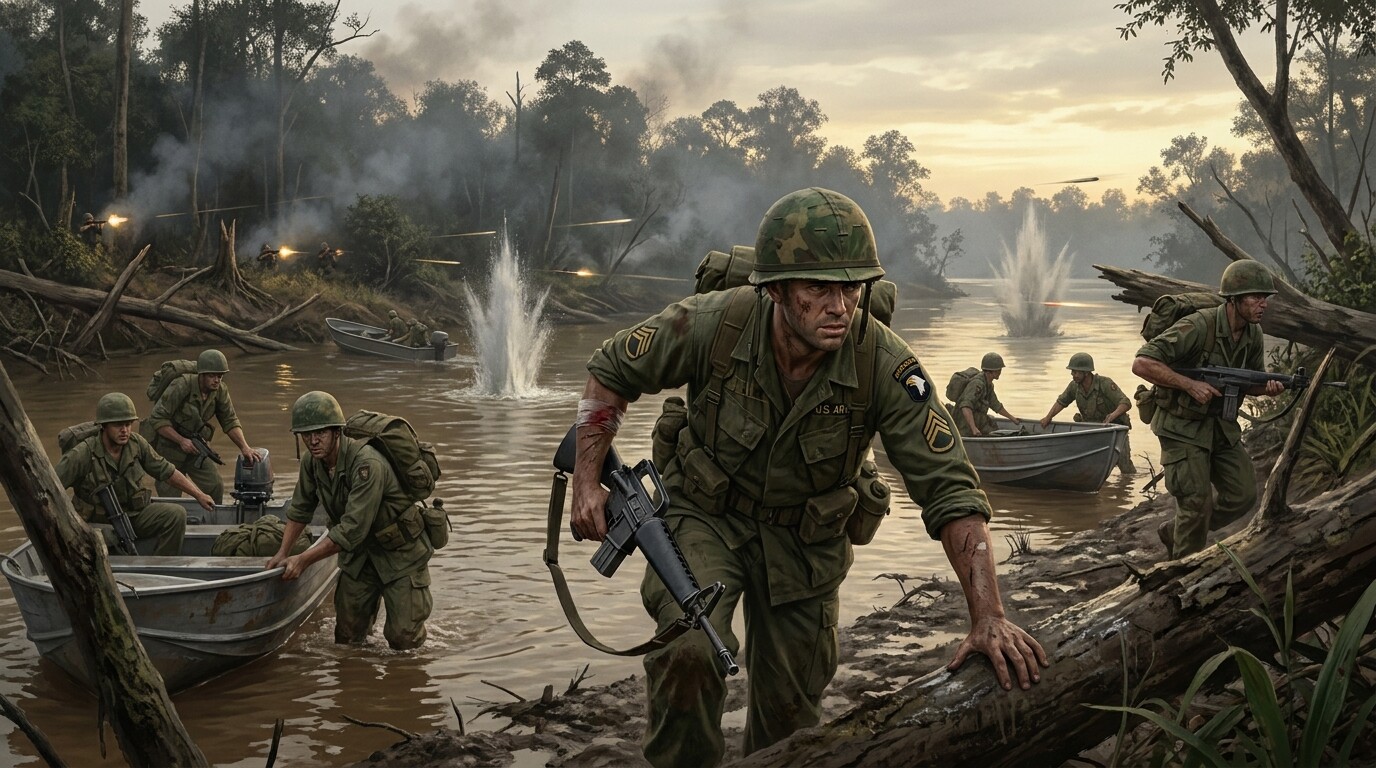
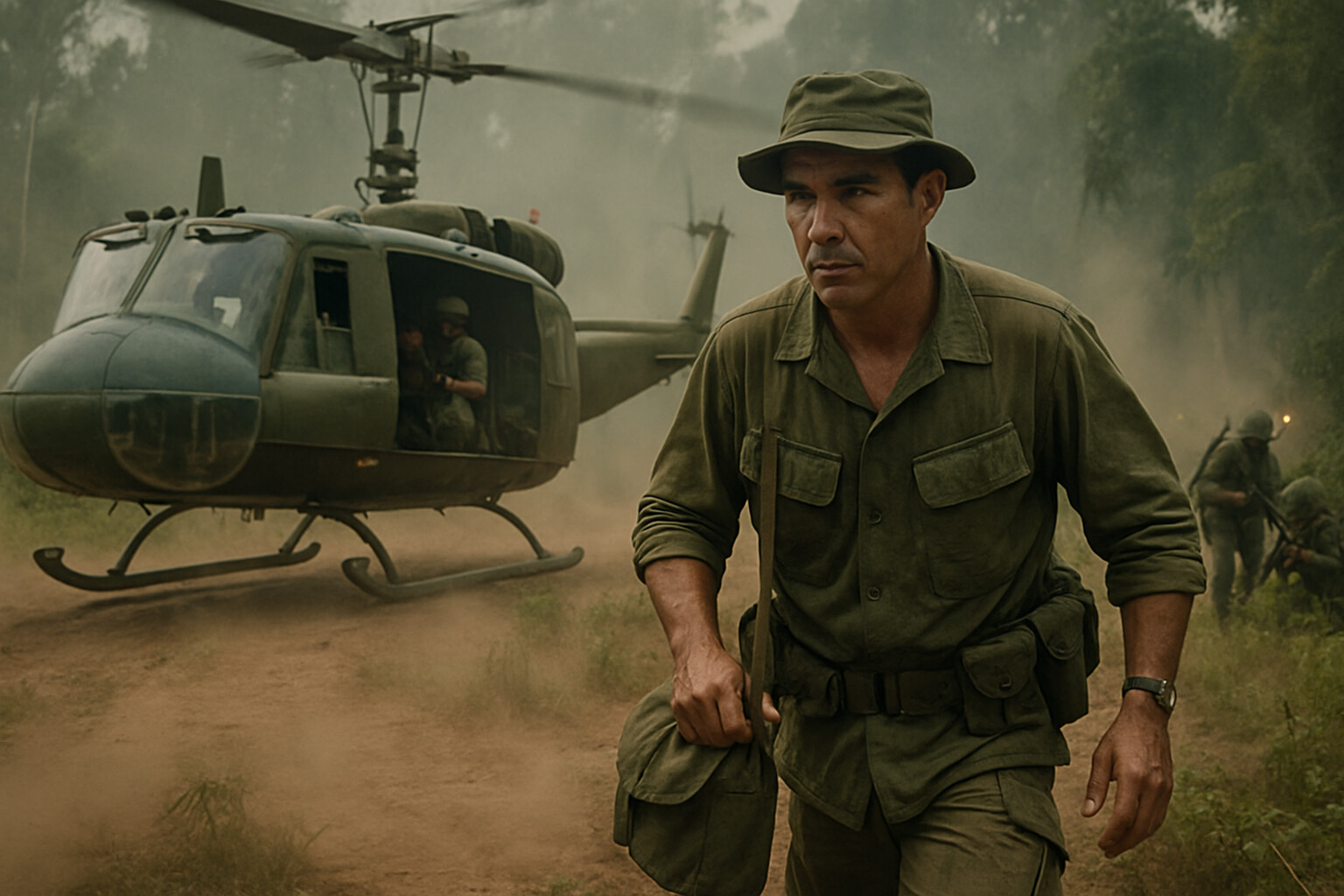
The machine gun chattered from the treeline fifty meters away. Specialist Four Alfred V. Rascon dragged another wounded paratrooper toward cover as blood soaked through his own fatigue jacket from shrapnel wounds. Around him, members of the 173rd Airborne Brigade's reconnaissance platoon fought for their lives in what had begun as a routine patrol near Long Binh.
It was March 16, 1966. The twenty-year-old medic from Oxnard, California, had been in-country for eight months as the unit's primary medic. The 173rd Airborne Brigade had arrived in Vietnam the previous May as one of the first major U.S. ground combat units deployed to Southeast Asia. Known as the "Sky Soldiers," the brigade operated throughout III Corps Tactical Zone, the military region surrounding Saigon, conducting search-and-destroy missions against Viet Cong forces who melted into dense jungle after each engagement.
Rascon had volunteered for the dangerous assignment of reconnaissance platoon medic, knowing it meant operating with small units far from immediate support. Born in Mexico and raised in California after his family immigrated when he was young, he had joined the Army in 1963. He completed both basic medical training and airborne school before deploying to Vietnam. The reconnaissance platoon's mission required them to move deep into enemy territory, gather intelligence, and engage targets of opportunity—work that guaranteed contact with hostile forces.
The patrol had started before dawn. Twenty-three men moved through the rubber plantation and secondary jungle northeast of Long Binh. Intelligence reports indicated Viet Cong activity in the area, but the morning passed quietly as the paratroopers methodically searched villages and investigated suspected supply caches. The heat climbed toward ninety degrees. The men carried full combat loads: M16 rifles, ammunition, water, rations, and medical supplies distributed across the squad.
Rascon moved with the patrol's lead element. His aid bag contained battle dressings, morphine syrettes, IV fluids, and other supplies that might keep wounded men alive until helicopter evacuation. The reconnaissance platoon operated with minimal equipment to maintain mobility, but Rascon carried extra medical gear, knowing he might be the only trained medic available for miles.
The ambush erupted without warning just after noon.

Automatic weapons fire poured from concealed positions in the treeline, catching the patrol in a natural clearing with minimal cover. Muzzle flashes sparked from spider holes and firing positions the Viet Cong had prepared with interlocking fields of fire. The distinctive crack of AK-47 assault rifles mixed with the heavier hammering of machine guns as enemy soldiers opened fire from three sides.
Paratroopers dove for whatever cover they could find—fallen logs, shallow depressions, scattered boulders. The platoon leader tried to organize return fire while determining the enemy's positions and strength. Radio calls went out requesting artillery support and helicopter gunships, but the nearest firebase was miles away, and close air support would take time to arrive.
Rascon hit the ground with the rest of the patrol, but his responsibilities as medic meant he couldn't stay pinned down. Within moments of the initial contact, he heard the calls that every combat medic dreaded.
Medic! Medic up!"
The first wounded man lay thirty meters away, caught in the open when the firing started. Machine gun rounds snapped overhead as Rascon left his covered position and crawled toward the injured paratrooper. Bullets kicked up dirt around him. He reached the casualty and began his assessment. The soldier had taken rifle rounds in the leg and shoulder—serious wounds that required immediate attention to prevent shock and blood loss.
Working under fire, Rascon applied pressure dressings and administered morphine while enemy rounds continued to impact nearby. He could hear the distinctive whistle of incoming rifle grenades and the deeper explosions as they detonated among the scattered paratroopers. With the casualty stabilized enough to move, Rascon grabbed the wounded man's equipment and dragged him toward a shallow depression that offered better protection.

Before he could catch his breath, another call for medical aid came from a different sector of the perimeter. A rifle grenade had exploded near two paratroopers, wounding both with fragmentation. Again, Rascon moved into the open, exposing himself to enemy fire as he reached the casualties.
One of the wounded men had severe lacerations from metal fragments, bleeding heavily from wounds to his arms and torso. The other suffered from shock and multiple small fragment wounds that peppered his legs and back. Rascon treated both men simultaneously. He applied bandages and pressure dressings while lying flat to present the smallest possible target to enemy marksmen.
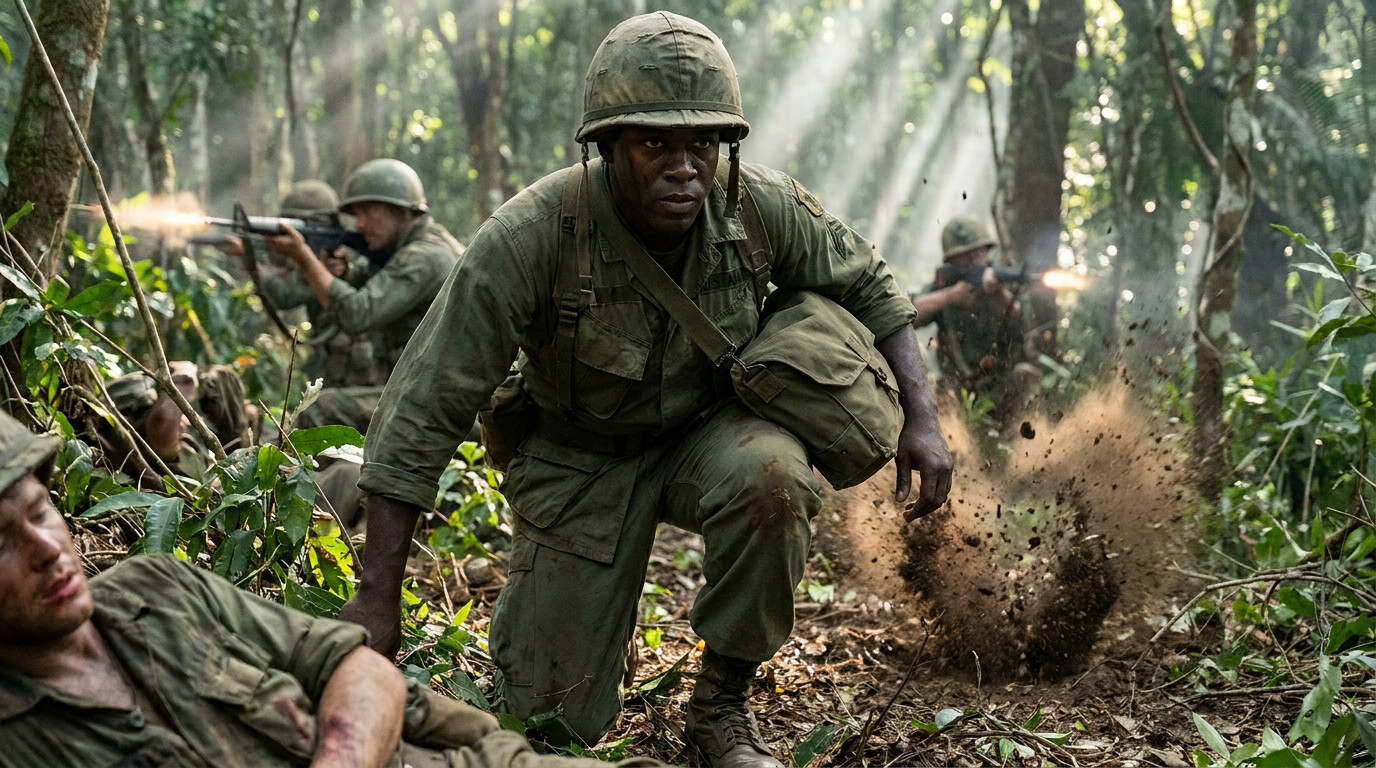
As he worked, a burst of machine gun fire stitched the ground near his position. Instinctively, Rascon threw himself across the more seriously wounded paratrooper, using his own body as a shield. Metal fragments from a rifle grenade explosion tore through his fatigue jacket, opening wounds across his back and arms. He continued treating the casualty beneath him.
The tactical situation continued to deteriorate. The Viet Cong had positioned their ambush expertly, using terrain features to channel the American patrol into a kill zone while maintaining covered withdrawal routes for their own forces. Enemy fire came from multiple directions, making it nearly impossible for the paratroopers to organize an effective counterattack.
Rascon's actions during the next hour defined the kind of courage that combat medics displayed throughout Vietnam. Despite his own wounds, he continued moving between casualties under direct enemy fire. When rifle grenades bracketed his position, he used his body to shield wounded men from the explosions. When machine gun fire swept the clearing, he crawled from one injured paratrooper to the next, providing medical care that kept them alive.
The Viet Cong employed tactics refined through years of fighting against French and later American forces. Their weapons included Soviet-supplied AK-47 assault rifles, RPD light machine guns, and B-40 rocket-propelled grenades. The rifle grenades they fired came from SKS carbines equipped with grenade launcher attachments—weapons that could deliver explosive rounds accurately out to 150 meters.

Each time Rascon moved to treat a casualty, he became a target for enemy marksmen. The Viet Cong understood that eliminating the unit's medic would compound casualties and damage morale. But Rascon refused to be deterred by the incoming fire. He treated each wounded man with the same methodical care he would have provided in a field hospital.
During one particularly intense exchange of fire, shrapnel from an exploding rifle grenade tore through Rascon's leg, opening a wound that bled profusely. He applied a hasty bandage to himself, then continued treating other casualties. The pain and blood loss began affecting his coordination, but he pushed through the physical limitations to reach another wounded paratrooper.
This casualty had been hit by machine gun fire while trying to reach better cover. The bullets had shattered his femur and opened arterial bleeding that threatened his life within minutes. Rascon applied a tourniquet and pressure dressing while under direct observation by enemy soldiers less than fifty meters away. Rifle rounds snapped past his head as he worked, but he remained focused on stopping the bleeding and treating for shock.
As he prepared to move this casualty to better cover, Rascon again placed his own body between the wounded man and enemy fire. A rifle grenade exploded nearby. Metal fragments tore through Rascon's equipment and clothing. Blood flowed from multiple new wounds, but he continued dragging the casualty toward a position that offered protection from direct fire.
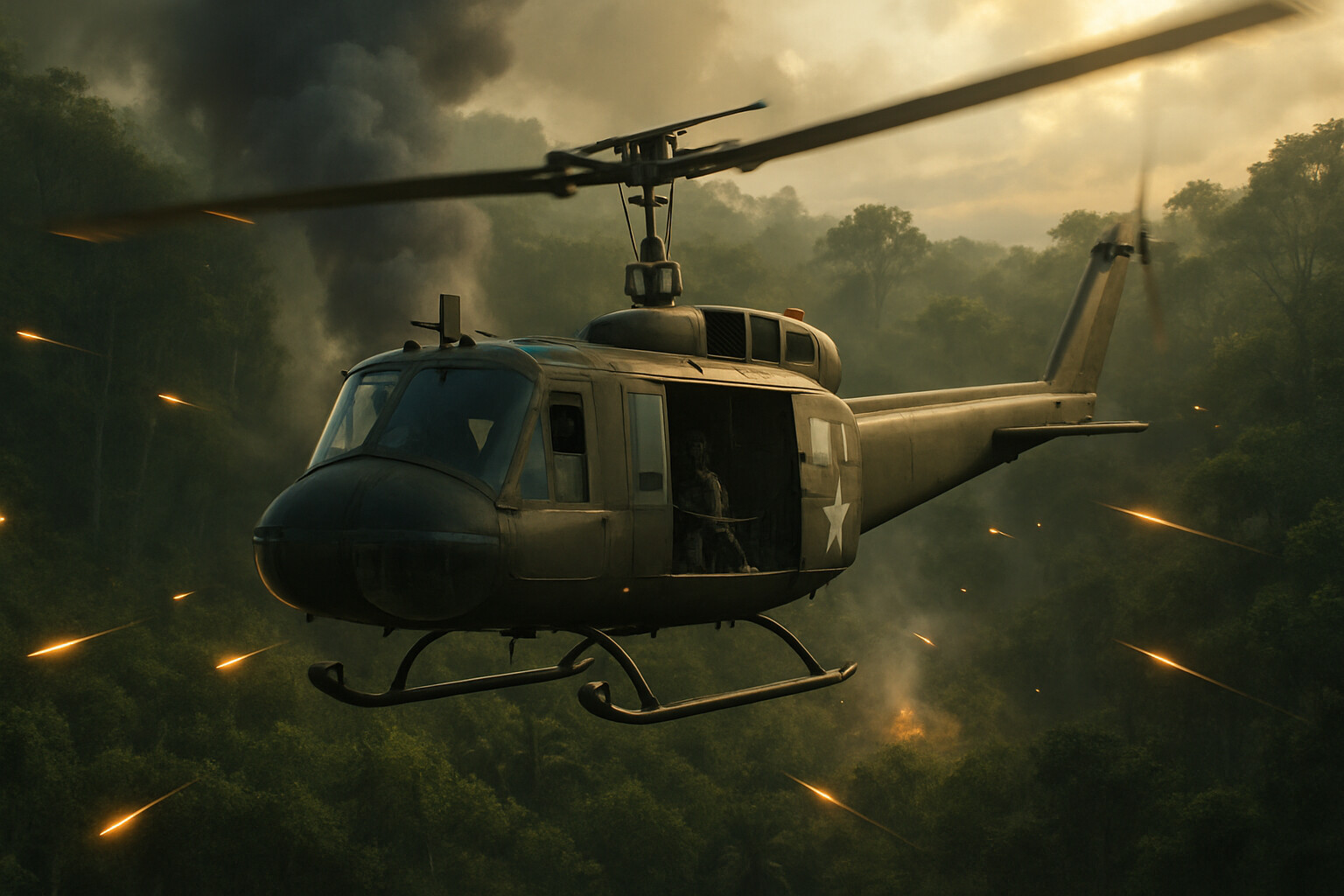
By mid-afternoon, artillery support finally arrived from the nearest fire base. The 105mm howitzer rounds impacted in the treeline where enemy muzzle flashes had been observed, forcing the Viet Cong to withdraw from their prepared positions. UH-1B helicopter gunships followed, strafing suspected enemy locations with rockets and machine gun fire.
The immediate tactical situation improved, but Rascon's work continued. He had treated multiple casualties, several requiring continuous monitoring to prevent them from going into shock. His own wounds needed attention, but he refused evacuation on the first medevac helicopter. He insisted that more seriously wounded men be evacuated first.

The extraction helicopters faced their own dangers. Landing zones had to be cleared and secured while enemy forces remained in the area. Door gunners provided covering fire as crews loaded casualties, but the aircraft made vulnerable targets during the loading process. Rascon helped carry wounded men to the helicopters, ensuring proper handling of those with spinal injuries or fractures that could be worsened by rough movement.
Only when all other casualties had been evacuated did Rascon allow himself to be loaded onto a medevac helicopter. By then, he had lost significant blood from his wounds and was showing signs of shock himself. Medical personnel at the field hospital noted multiple fragment wounds across his back, arms, and legs, plus the effects of blood loss and exhaustion.
The after-action reports documented the reconnaissance platoon's engagement with an estimated company-sized Viet Cong force. Enemy casualties could not be confirmed due to their successful withdrawal, but blood trails and abandoned equipment suggested the artillery and air strikes had been effective. American casualties included multiple wounded but no killed in action—a result that unit commanders attributed directly to Rascon's actions under fire.
Rascon recovered from his wounds and returned to duty, continuing to serve as a combat medic with the 173rd Airborne Brigade. He participated in additional operations throughout 1966, including the larger search-and-destroy missions that characterized American strategy during this phase of the Vietnam War. His actions on March 16 became part of the unit's history, but like many acts of valor during the war, formal recognition would be delayed for decades.
The Medal of Honor recommendation process during Vietnam often moved slowly due to the volume of cases and the detailed investigation required for the nation's highest military decoration. Rascon's case became part of a systematic review conducted in the 1990s to identify Hispanic-American servicemen whose valor may have been overlooked due to cultural or administrative factors.
This review process, mandated by Congress and conducted by the Department of Defense, examined thousands of cases from multiple wars. Researchers worked with historians, veterans' organizations, and family members to reconstruct actions that merited recognition. The investigation into Rascon's case involved interviews with surviving members of his unit, examination of medical records, and analysis of after-action reports from March 16, 1966.

The delayed recognition reflected broader issues within the military awards system during Vietnam. The war's controversial nature, combined with administrative challenges in a rapidly expanding military, meant that many acts of valor received less attention than they deserved. The systematic reviews conducted in later decades helped correct some of these oversights, though they could not address all cases.
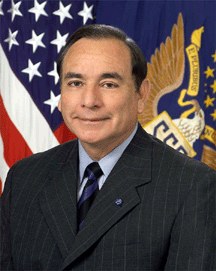
On February 8, 2000, President Bill Clinton presented the Medal of Honor to Alfred Rascon in a White House ceremony. By then, Rascon had completed a full military career, retiring as a Master Sergeant after serving in various assignments including additional combat deployments. The citation recognized his "conspicuous gallantry and intrepidity at the risk of his life above and beyond the call of duty."
The formal citation detailed how Rascon "unhesitatingly, and with complete disregard for his own safety, charged through the enemy fire to provide medical aid to his wounded comrades" and "used his body as a shield to protect them from further injury." It noted that he "refused medical evacuation until his wounded comrades had been evacuated."
Rascon's story illustrates the role of combat medics during the Vietnam War, where small-unit operations in dense terrain placed enormous responsibilities on individual soldiers. Medical evacuation procedures had improved significantly since World War II, with helicopter ambulances providing rapid transport to field hospitals. But in the crucial minutes before evacuation arrived, the unit medic often meant the difference between life and death for wounded soldiers.
The weapons and tactics employed during this engagement reflected the nature of warfare in Vietnam. The Viet Cong's use of prepared positions, coordinated fields of fire, and rapid withdrawal represented a sophisticated understanding of guerrilla warfare adapted to local conditions. Their targeting of the American medic demonstrated recognition that eliminating key personnel could multiply the effects of casualties.
Rascon's actions also exemplified the traditions of the Army Medical Corps, which has produced more Medal of Honor recipients than any other branch except the infantry. Combat medics in Vietnam faced unique challenges, operating with small units in hostile territory while carrying out duties that required them to expose themselves to enemy fire. Their refusal to bear arms while treating casualties made them both non-combatants under international law and high-value targets for enemy forces.

The 173rd Airborne Brigade's operations in Vietnam continued throughout the war, with the unit participating in major campaigns including Operation Junction City and the defense of Firebase Charlie. The brigade's reconnaissance platoons conducted thousands of patrols similar to the one on March 16, 1966, gathering intelligence and engaging enemy forces in the complex terrain around Saigon.
Modern military medical training still emphasizes the principles Rascon demonstrated: treat the most serious casualties first, work under fire when necessary, and ensure evacuation of wounded personnel before attending to your own injuries. The techniques he used—pressure dressings, tourniquets, morphine administration, and shock prevention—remain fundamental to battlefield medicine, though equipment and procedures have evolved significantly.
Rascon's delayed recognition also contributed to broader discussions about equity in military awards. The systematic reviews of the 1990s identified patterns suggesting that minority servicemen and those from non-English speaking backgrounds may have faced obstacles in the awards process. While individual cases varied widely, the aggregate data supported efforts to ensure more comprehensive recognition of valor across all ethnic and cultural groups.
Today, Alfred Rascon's Medal of Honor represents both individual courage and the collective sacrifice of combat medics throughout American military history. His willingness to use his own body as a shield for wounded comrades embodied the medical corps motto: "To Conserve Fighting Strength." In the chaos of a Vietnam firefight, that commitment meant the difference between life and death for the paratroopers he treated.
The actions of March 16, 1966, demonstrate how individual courage can affect tactical outcomes in small-unit warfare. Rascon's medical care kept wounded men alive and maintained unit cohesion during a critical engagement. His refusal to be evacuated until all other casualties were treated reflected the kind of leadership that sustained American forces throughout the Vietnam conflict.
The story also illustrates the importance of historical review in ensuring that acts of valor receive appropriate recognition. The three-decade delay in Rascon's Medal of Honor award highlights both the challenges of wartime administration and the value of systematic efforts to identify overlooked cases. His eventual recognition serves as a reminder that courage in combat deserves acknowledgment regardless of when it occurred or who performed it.