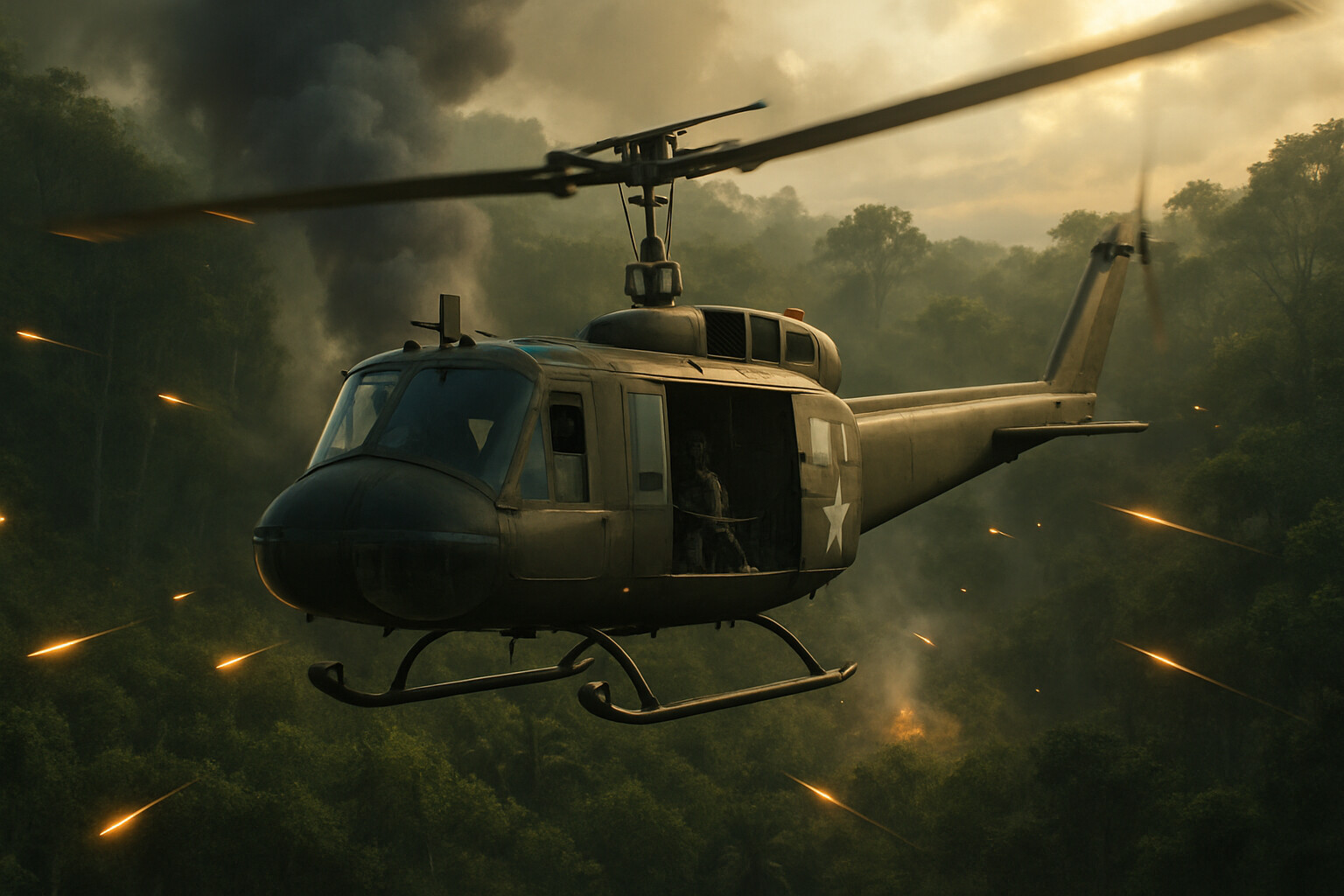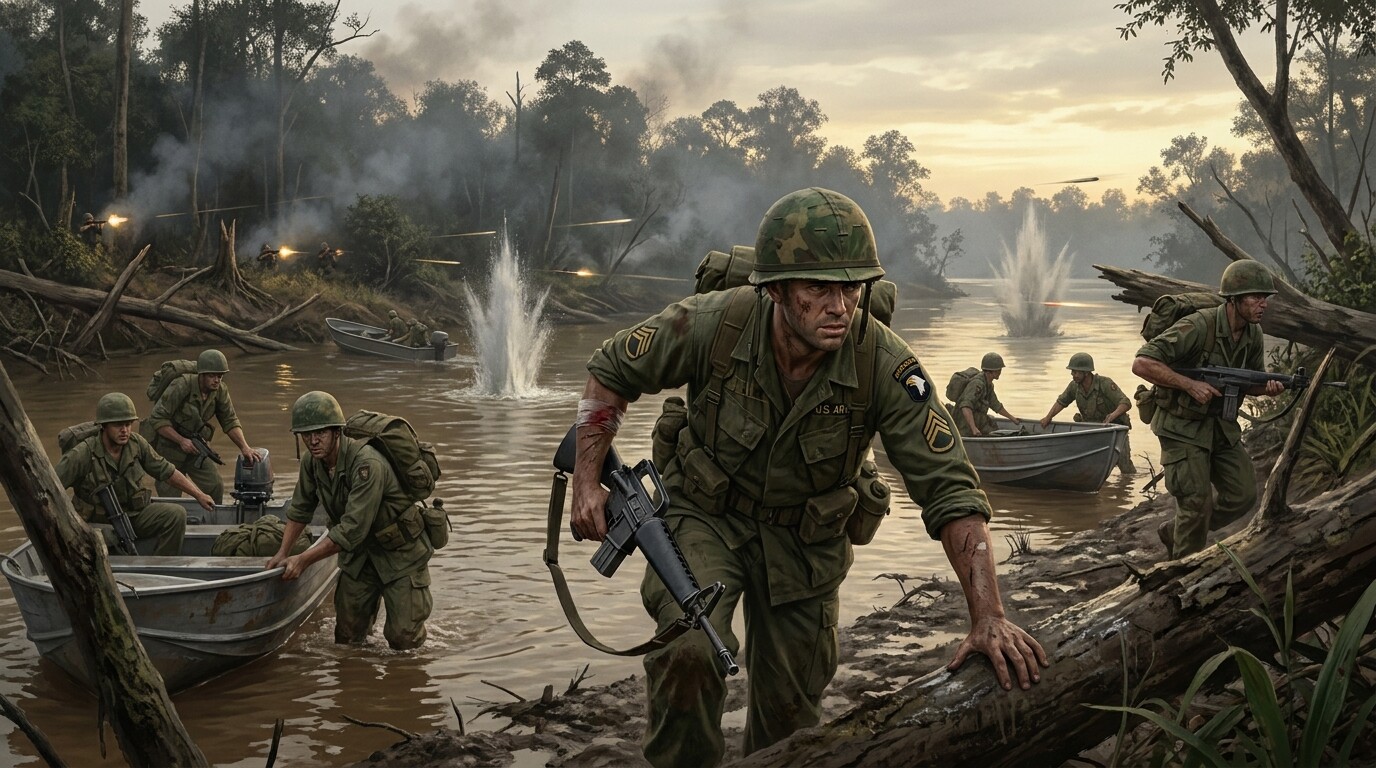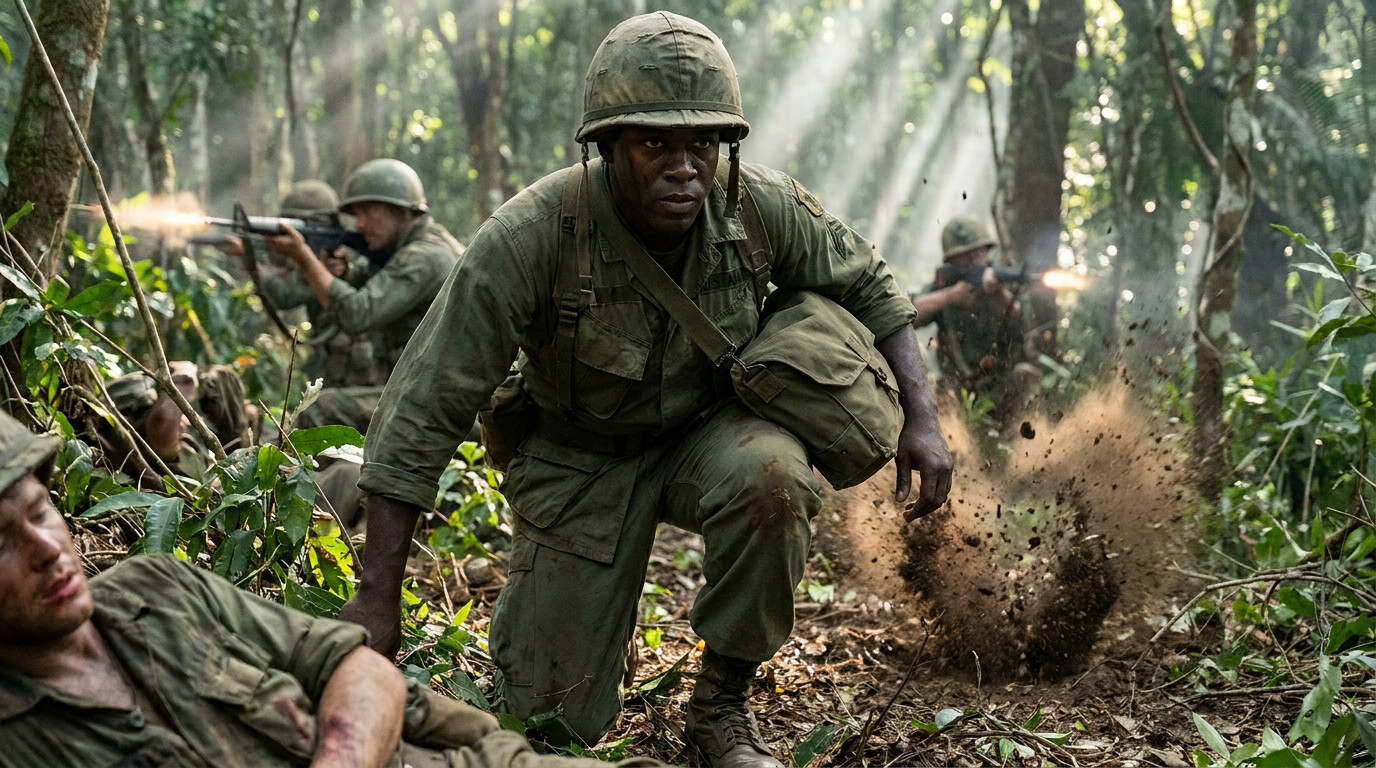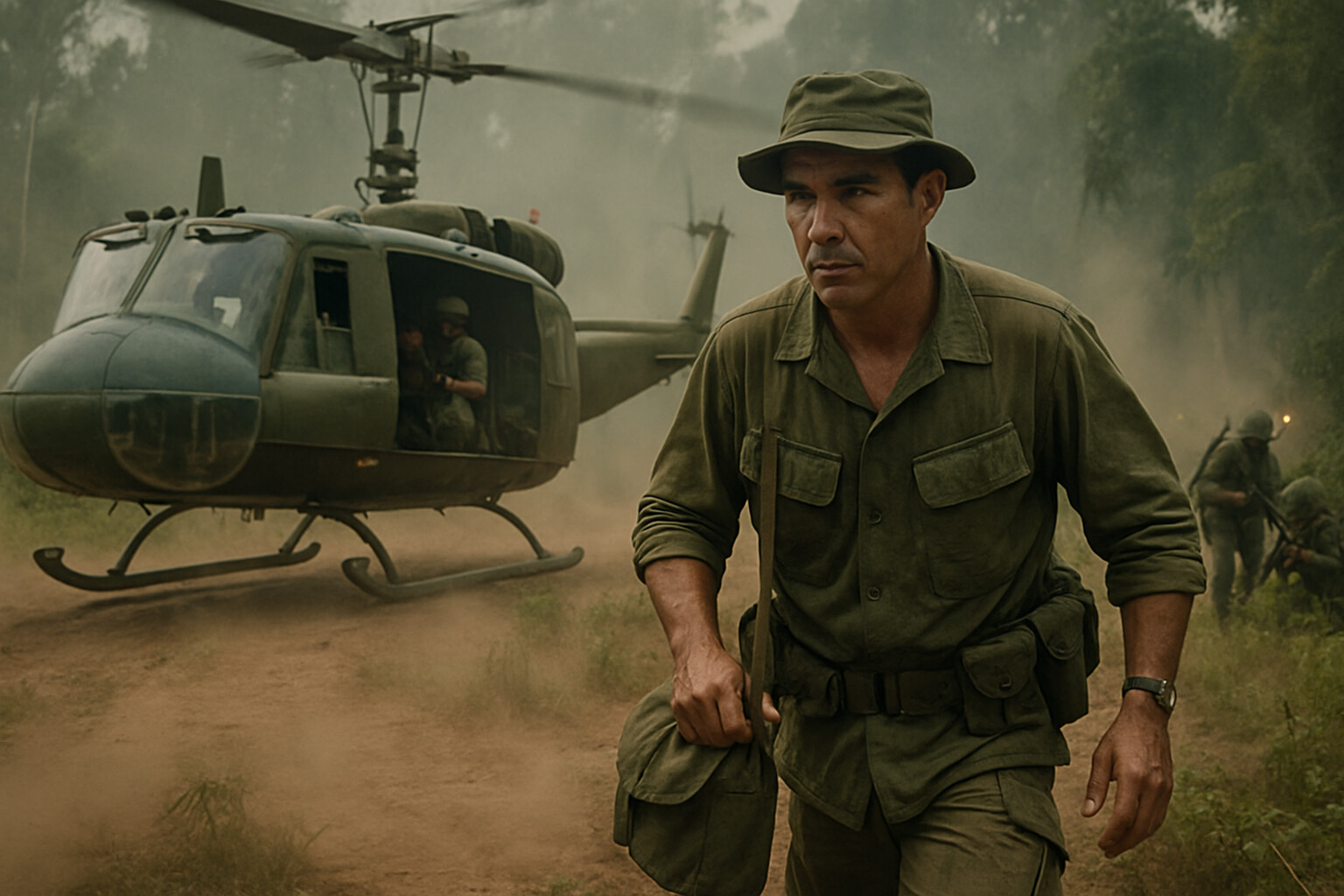
The helicopter bucked and shuddered as automatic weapons fire raked its fuselage. Through the open door, Staff Sergeant Roy P. Benavidez could see muzzle flashes erupting from the jungle canopy below. Somewhere in that dense triple-canopy vegetation west of Loc Ninh, a twelve-man Special Forces reconnaissance team was fighting for their lives against what radio intercepts suggested were significant enemy forces. The pilot's voice crackled through the intercom over the roar of the Huey's turbine: the landing zone was too hot for a safe insertion.
Benavidez grabbed his medical bag and extra ammunition. At thirty-three, the Green Beret medic had already survived one tour in Vietnam and carried shrapnel in his back from a land mine explosion that Army doctors said would permanently end his infantry career. They had been catastrophically wrong. Now, on this humid morning of May 2, 1968, near the Cambodian border where North Vietnamese forces moved with increasing boldness, he was about to prove just how wrong.
Without waiting for permission or a safer opportunity, Benavidez leaped from the hovering UH-1D into the gunfire seventy-five meters below.
The crisis had been building since dawn at Forward Operating Base 31, a remote Special Forces compound carved from the jungle of Binh Long Province. The base served as a launching point for classified reconnaissance missions into the contested border region where the Ho Chi Minh Trail's tentacles reached deep into South Vietnam. These operations, conducted by small teams moving on foot through terrain that heavily favored defenders, represented some of the war's most dangerous assignments.
Benavidez, assigned to Detachment B-56 of the 5th Special Forces Group as a senior medic, had been monitoring radio traffic when the first desperate transmissions crackled through the static around 1330 hours. A reconnaissance team designated "Bright Light" had been inserted twenty-four hours earlier to gather intelligence on North Vietnamese Army movement patterns and base camp locations. Their mission: document infiltration routes, photograph supply caches, and identify targets for future B-52 strikes.
Now they were surrounded and fighting for survival.
The twelve-man team, led by Staff Sergeant Leroy Wright, had been operating in terrain that epitomized the tactical challenges facing Special Forces throughout the Vietnam conflict. Dense jungle canopy blocked observation from supporting aircraft while providing excellent concealment for enemy forces. Multiple stream beds and ridge lines offered covered approaches from several directions. Extraction landing zones were few, small, and easily covered by enemy fire from elevated positions.
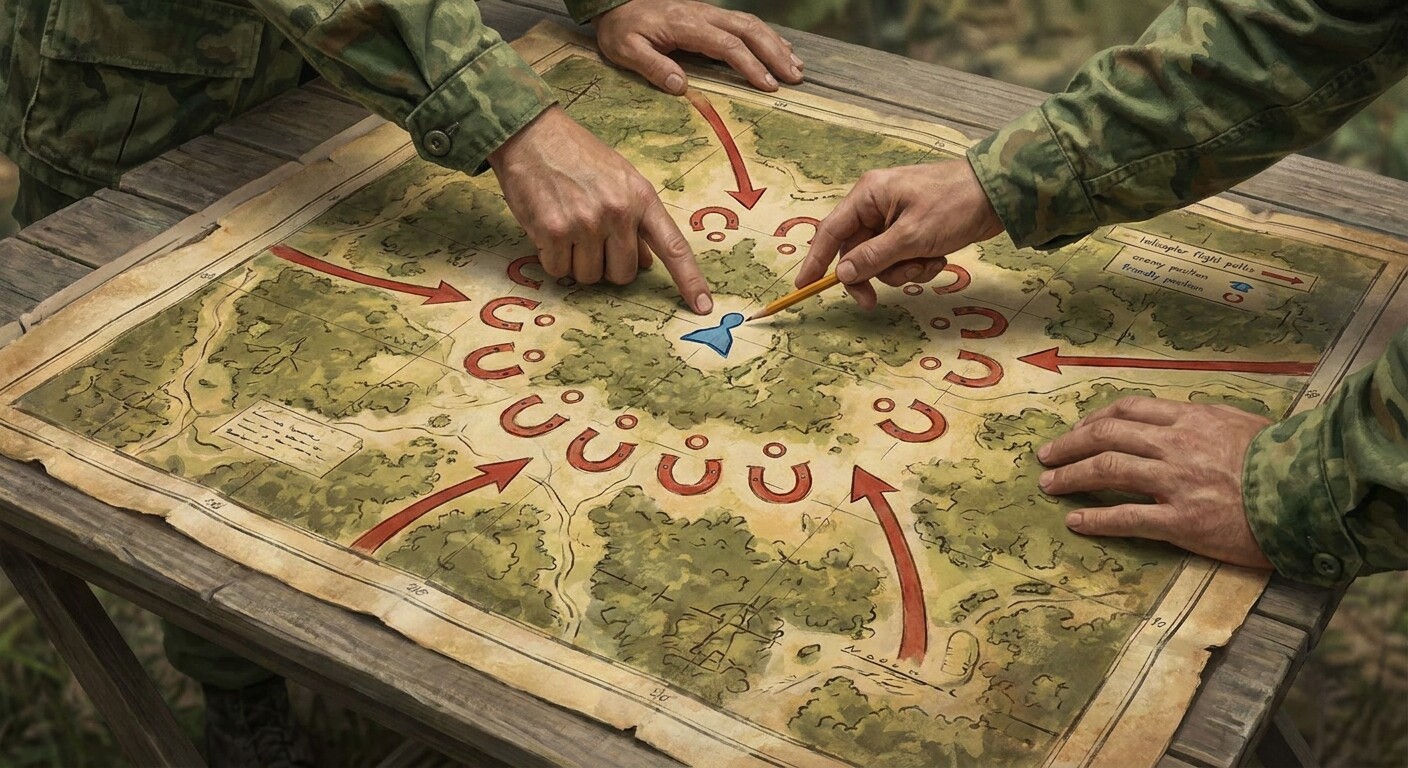
The reconnaissance team had been compromised during their second day of operations, possibly by local informants or simply through the mathematics of sustained movement through heavily patrolled territory. Radio intercepts suggested enemy forces had maneuvered to encircle their position using terrain advantages and superior local knowledge. The team's initial contact had escalated into a running firefight that left them pinned in a small clearing with mounting casualties.
By the time distress calls reached FOB 31, the tactical situation had deteriorated beyond standard extraction procedures. The team's radio operator was wounded, making communications sporadic and unreliable. Ammunition was running dangerously low after hours of sustained combat. Two previous helicopter extraction attempts had been driven off by accurate fire from concealed positions that dominated all approach routes.
For Benavidez and his Special Forces colleagues, the stakes extended far beyond twelve American lives, though those alone justified any rescue attempt. The reconnaissance team carried classified documents detailing ongoing operations, radio frequencies for coordinating with other teams, and photographic intelligence that could expose additional American positions if captured. In the shadow war along the Cambodian border, where teams operated beyond conventional support networks, such information could compromise multiple ongoing missions and cost additional lives across the region.
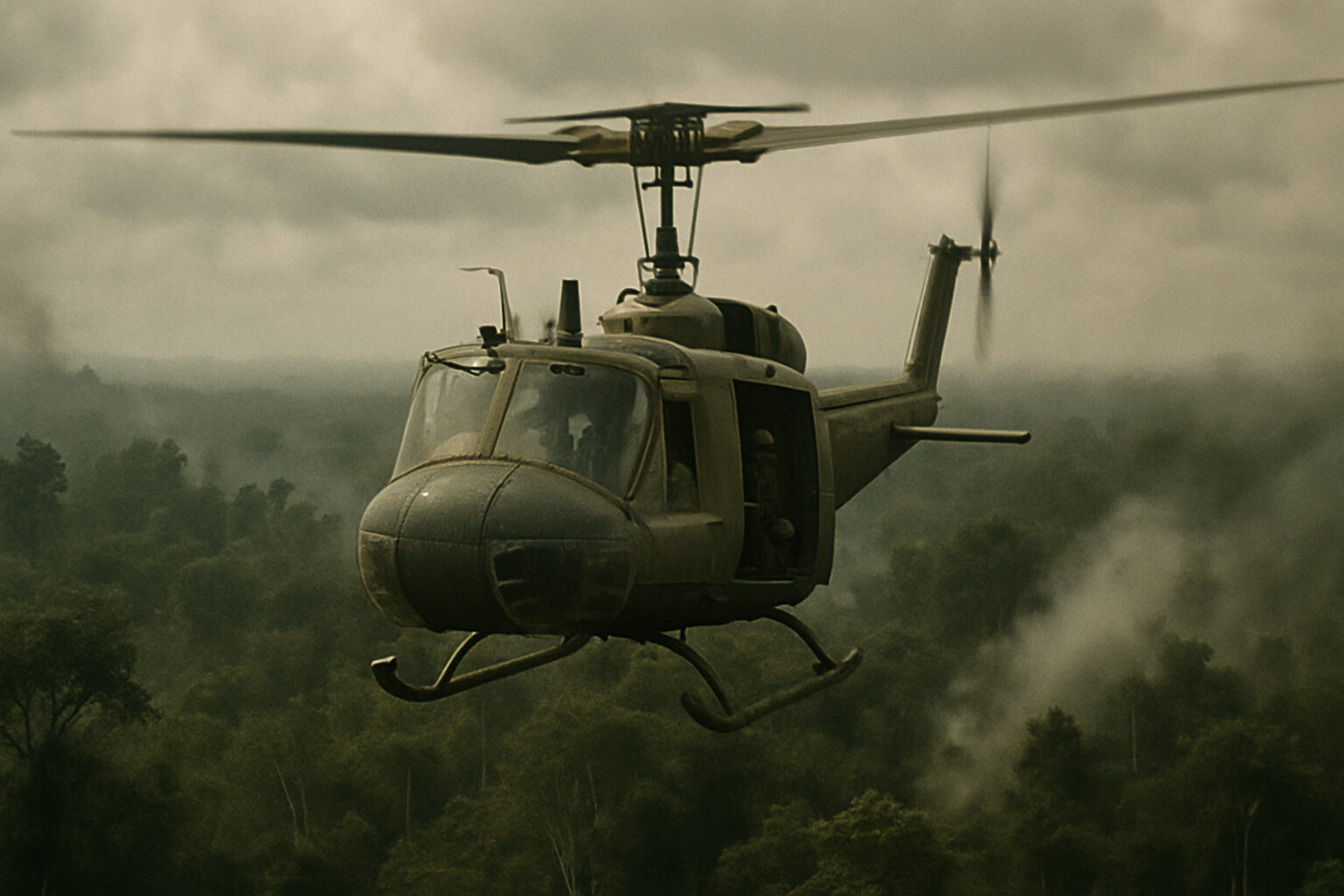
The helicopter had become both lifeline and target in this conflict unlike any America had previously fought. The UH-1 "Huey" served as the backbone of tactical mobility, medical evacuation, and fire support throughout South Vietnam. Its distinctive rotor sound became the soundtrack of American involvement, representing both salvation for troops in contact and an inviting target for enemy gunners. The aircraft's thin aluminum skin provided minimal protection against small arms fire, while its turbine engine and flight controls remained vulnerable to even single well-placed rounds.
Every helicopter insertion or extraction in contested areas required crews to balance mission requirements against mechanical limitations and enemy capabilities. Pilots had to maintain airspeed and altitude to minimize exposure time while simultaneously slowing enough to allow personnel to board or disembark safely. The mathematics were unforgiving: helicopters moved slowly during critical phases of flight, making them vulnerable to concentrated fire from multiple weapons.
The path that brought Benavidez to this moment of decision had begun in the cotton fields and ranch country around Cuero, Texas, where he was born on August 5, 1935, to a Mexican-American farming family struggling through the Depression. Military service offered opportunities unavailable in civilian employment, and Benavidez enlisted in the Army in 1955, initially serving with the 82nd Airborne Division before volunteering for the more demanding world of Special Forces in 1965.
During his first Vietnam deployment in 1965, a land mine blast near Loc Ninh—ironically, the same general area where he now prepared for his rescue mission—had nearly ended both his military career and his life. The explosion left him paralyzed from the waist down with what doctors described as permanent spinal damage. Military medical boards delivered a devastating professional verdict: he would never walk normally again and was medically unfit for continued infantry service.
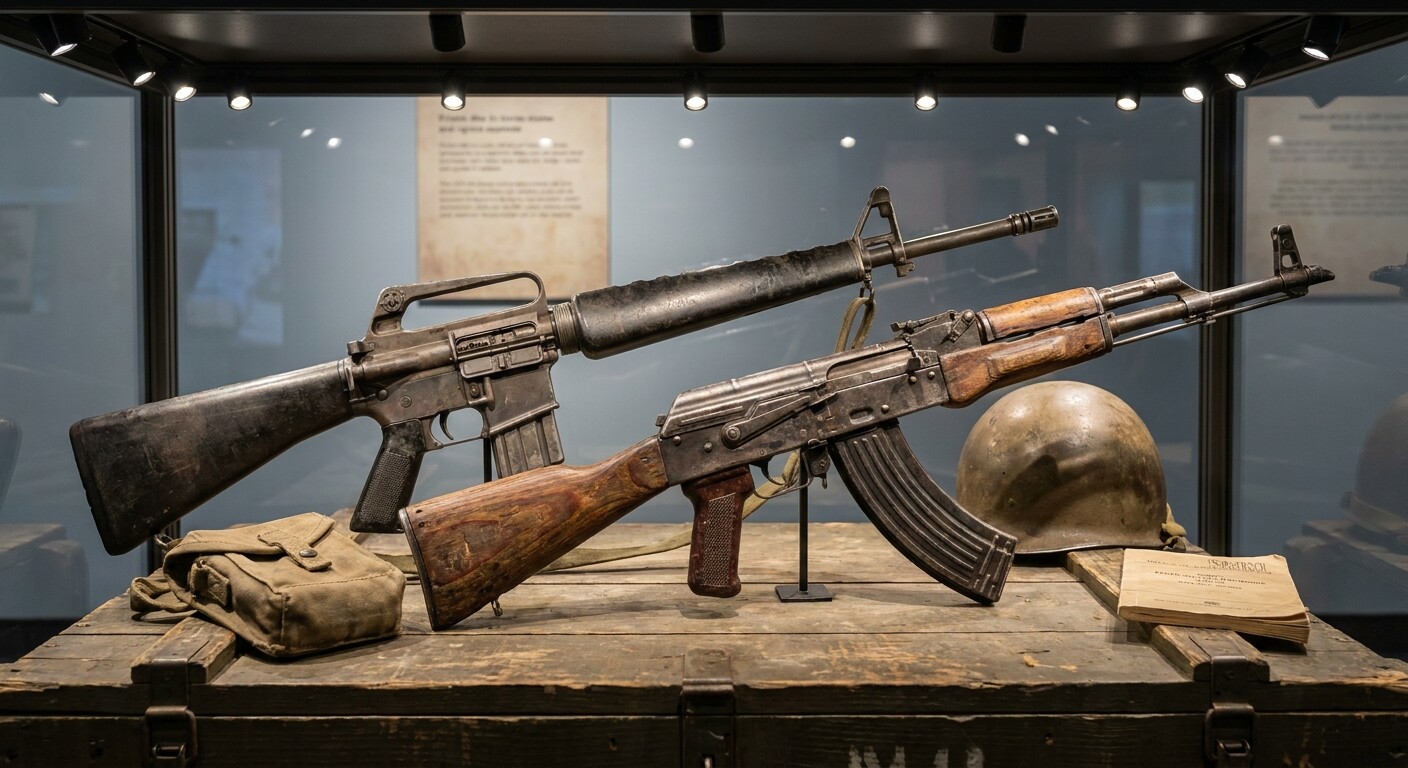
Benavidez refused to accept that prognosis. Through months of agonizing physical therapy conducted largely against medical advice, he slowly rebuilt his strength and mobility. Much of his rehabilitation was conducted in secret, as medical personnel had forbidden the intensive exercise routines he believed necessary for recovery. His determination proved stronger than medical opinion. By demonstrating restored physical capabilities that defied initial assessments, he successfully returned to active duty and earned assignment back to Vietnam with the 5th Special Forces Group.
Now, as he listened to the increasingly desperate radio calls from the trapped reconnaissance team, Benavidez faced a decision that would define the remainder of his life. When volunteers were requested for what everyone understood was likely a suicide mission, he stepped forward without hesitation or consultation.
The extraction helicopter, a UH-1D "Slick" from the 240th Assault Helicopter Company, lifted off at approximately 1400 hours carrying a volunteer crew willing to attempt what two previous aircraft had failed to accomplish. As they approached the landing zone coordinates transmitted by the surrounded team, the Huey immediately came under intense and accurate fire from multiple directions. The distinctive sharp crack of AK-47s mixed with the heavier, more ominous reports of .51-caliber machine guns that enemy forces had positioned to cover all likely helicopter approach routes.
Pilot Chief Warrant Officer Larry McKibben attempted to land twice but was driven away by the sheer volume and precision of enemy fire. Rounds punched through the aircraft's thin fuselage with metallic impacts that crew members could hear over the engine noise. The crew chief reported multiple hits to critical components including the engine compartment, transmission, and fuel system. Continuing the approach would likely result in the loss of another aircraft and crew.
That's when Benavidez made his leap into combat history.
He struck the ground hard approximately seventy-five meters from the reconnaissance team's defensive position and immediately came under accurate fire from multiple concealed weapons. An AK-47 round tore through his right leg above the knee, spinning him around and opening the first of what medical records would later document as numerous serious wounds. Blood began soaking through his jungle fatigues as he began a deadly crawl toward his surrounded teammates, using available cover and moving during lulls in enemy fire.
The scene that greeted Benavidez as he reached the team's perimeter illustrated the brutal reality of small-unit combat in jungle terrain. The reconnaissance team had suffered devastating casualties during their running firefight with enemy forces that appeared to substantially outnumber them. Four Americans lay dead, including men who had been killed during the initial contact hours earlier. Eight others bore wounds ranging from serious to immediately life-threatening. The surviving team members had formed a tight defensive perimeter around their casualties, but ammunition was nearly exhausted and their tactical position was rapidly becoming untenable.
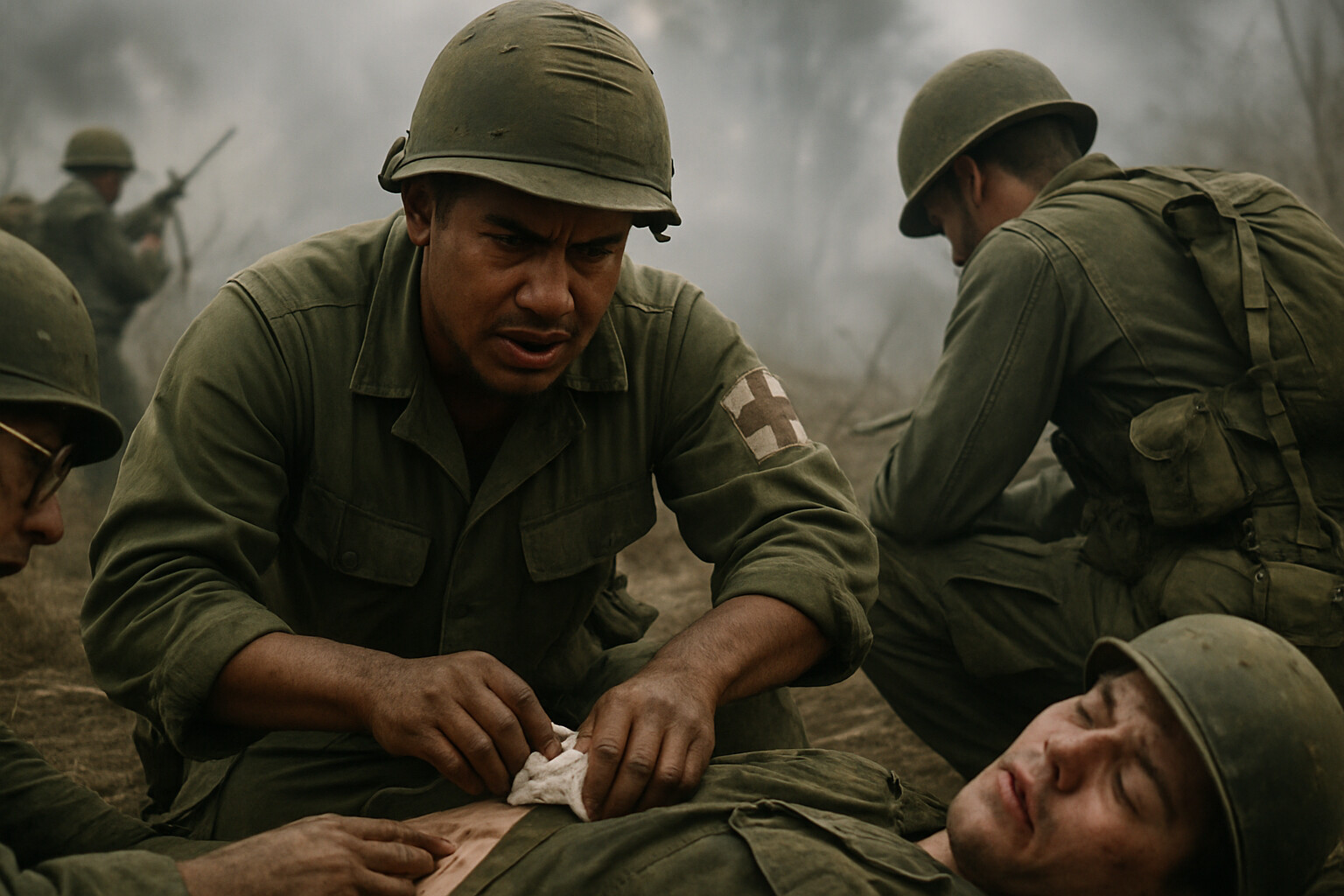
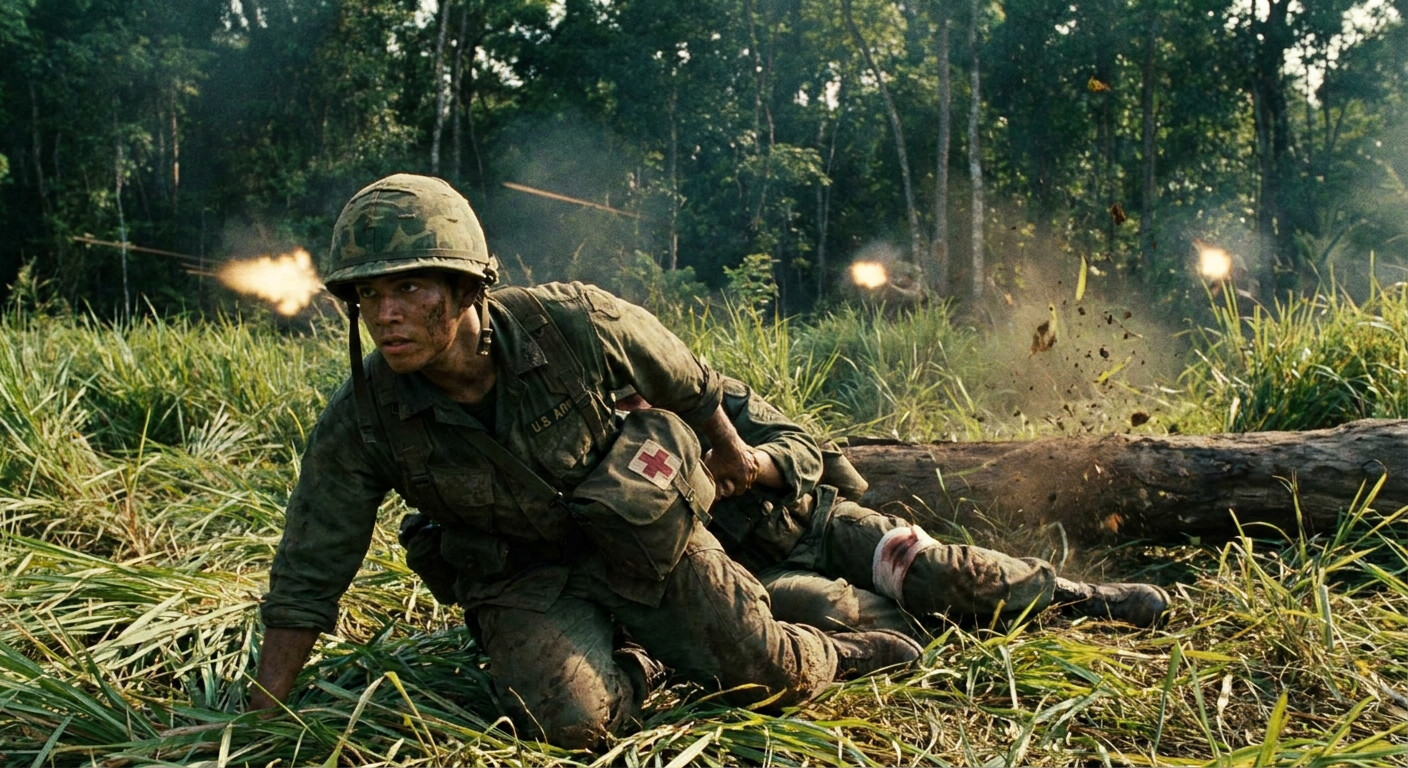
Working under continuous small arms fire that intensified whenever he moved between positions, Benavidez began the grim work of battlefield medicine under impossible conditions. He applied field dressings to sucking chest wounds that threatened immediate death from blood loss, administered morphine syrettes to men whose screams revealed the extent of their suffering, and redistributed ammunition from his own supply to soldiers whose magazines had run completely dry.
When he attempted to reach a critically wounded man lying in more exposed ground, an enemy soldier positioned approximately thirty meters away opened accurate fire with an AK-47. Multiple rounds struck Benavidez in the stomach and back, adding to his growing catalog of injuries, but he continued moving toward casualties who needed immediate medical attention. The tactical situation demanded that wounded men be moved to more defensible positions while maintaining security against enemy forces who were clearly maneuvering for better firing positions.
The classified material scattered around the defensive position presented another critical tactical problem that Benavidez understood could have strategic implications. Maps marked with current operational areas, documents detailing planned future missions, and radio equipment containing sensitive frequencies lay exposed where they had been dropped during the chaos of initial enemy contact. Under fire that intensified every time he moved between positions, Benavidez crawled methodically around the perimeter, gathering intelligence materials and stuffing them inside his bloodied fatigue shirt for protection.
For the next six hours, Benavidez served as the crucial human link holding the defensive position together against mounting pressure. He redistributed ammunition to soldiers whose weapons had fallen silent, applied hasty first aid to new casualties as enemy fire found additional targets, and served as radio operator to call in tactical air strikes on enemy positions that threatened to overrun the increasingly fragile perimeter. His medical training proved as valuable as his combat experience in keeping wounded men alive long enough for eventual evacuation.
When enemy soldiers advanced close enough to threaten hand-to-hand combat, Benavidez engaged them with rifle fire despite his mounting wounds and increasing blood loss. A mortar round impacting nearby drove hot metal fragments deep into his back and shoulders, adding shrapnel wounds to bullet wounds while further compromising his physical capabilities. Blood loss was becoming a serious medical concern, but he continued to function simultaneously as the team's senior medic, ammunition coordinator, and tactical leader.
The sustained air strikes from tactical fighters that began arriving around 1700 hours temporarily suppressed the most dangerous enemy positions, creating a brief tactical window of opportunity for extraction. Another UH-1D, this one piloted by Chief Warrant Officer Larry McKibben making his second attempt of the day, approached the landing zone using a high-speed, low-level attack profile designed to minimize exposure time to enemy fire.
This time, despite continued fire from surviving enemy positions, the helicopter managed to touch down in the small clearing that served as the only available landing zone.
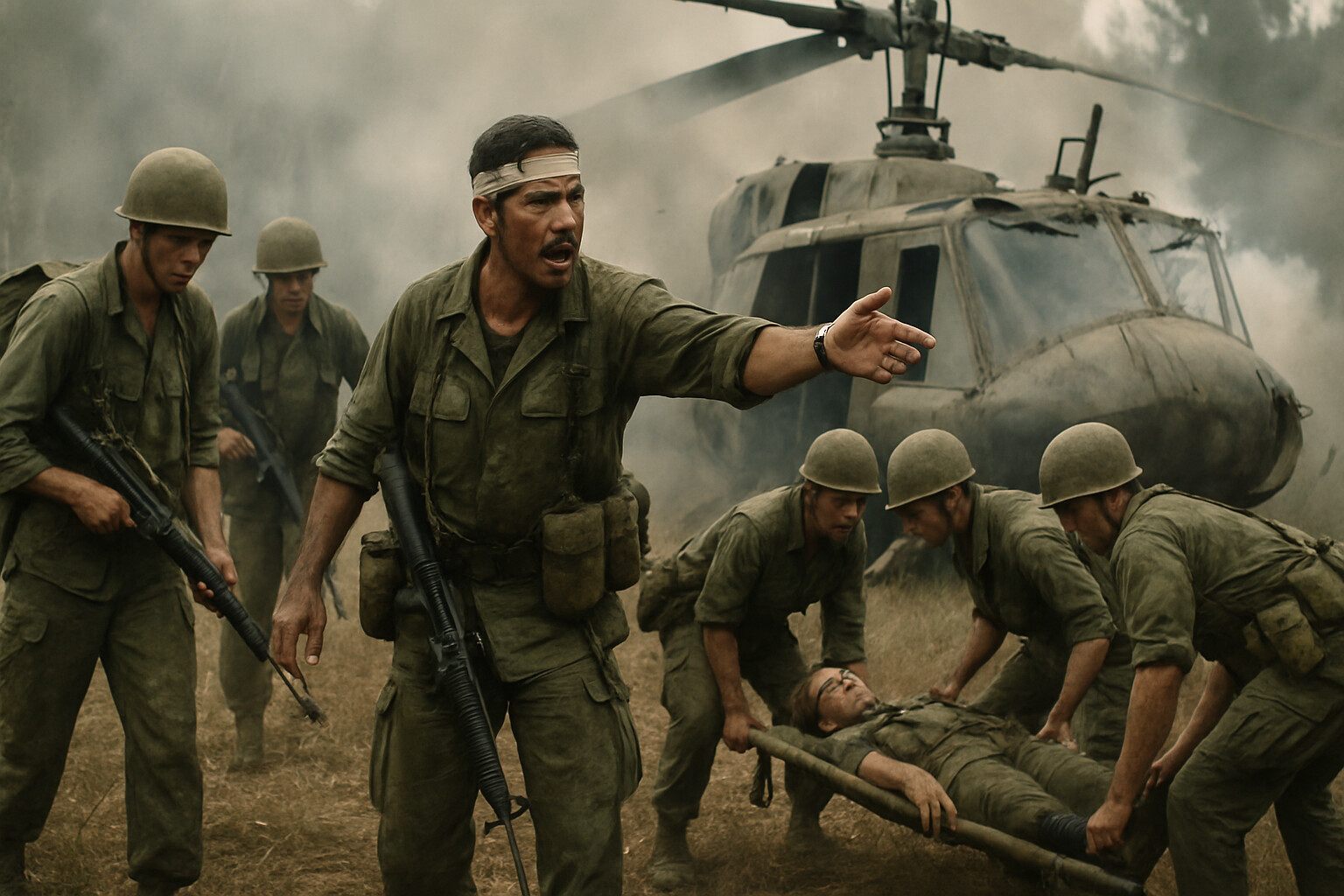
Benavidez immediately began coordinating the complex process of loading casualties while simultaneously providing covering fire with a captured AK-47—his own M16 rifle had been damaged by shrapnel and rendered inoperable during the sustained firefight. The evacuation process required multiple dangerous trips between the defensive position and the aircraft, with each movement drawing renewed and increasingly accurate enemy fire from positions that air strikes had failed to completely suppress.
Wounded men who couldn't walk under their own power had to be carried across open ground while maintaining security. Critical casualties required careful handling to avoid worsening their injuries during movement. The dead had to be recovered as well—military doctrine demanded that no American remains be left behind if tactically feasible. Each trip to the helicopter represented a calculated risk that grew more dangerous as enemy forces adjusted their fire to cover the evacuation route.
Just as the helicopter prepared to lift off with its load of wounded Americans, disaster struck with mechanical precision. Concentrated enemy fire found critical components in the UH-1D's engine and flight control systems. The aircraft crashed back to earth with devastating impact, killing pilot McKibben instantly and severely wounding the co-pilot along with crew members who had been working to save the reconnaissance team.
Now Benavidez faced an even more desperate tactical situation than when he had first arrived. The original casualties from the reconnaissance team, the helicopter crew members, and the wreckage of a second aircraft all required protection and evacuation from what had become an even more concentrated target for enemy forces. Working with what reserves of strength remained after hours of combat and significant blood loss, he pulled survivors from the twisted aircraft wreckage and established a new defensive perimeter that could protect both groups of casualties.
By this point, medical assessment would later determine that Benavidez had sustained multiple gunshot wounds, numerous grenade and mortar fragment injuries, and what appeared to be a bayonet wound to his abdomen from close-quarters combat with an enemy soldier. His continued ability to function represented a testament to both physical conditioning and psychological determination that defied normal human limitations.
Still, he continued to fight, organize defensive fires, and coordinate medical treatment.
A third extraction helicopter arrived as darkness began falling across the jungle battlefield, creating additional tactical challenges for both American and enemy forces. Once again, Benavidez coordinated the loading of casualties while maintaining perimeter security around a landing zone that had become thoroughly compromised by hours of combat. The process had evolved into a race against multiple factors: his own blood loss was approaching levels that threatened unconsciousness, enemy forces appeared to be regrouping for what might be a final coordinated assault on the position, and approaching darkness would complicate both evacuation procedures and defensive fires.
As he carried what he believed to be the last wounded man toward the waiting aircraft, Benavidez finally reached the absolute limit of human endurance. He collapsed from blood loss, trauma, and exhaustion that had been building throughout the six-hour engagement. The helicopter crew chief, seeing his motionless, blood-covered form, initially assessed him as dead and began preparing his body for transport.
According to some accounts, Benavidez managed to demonstrate signs of life when the crew chief began standard procedures for handling battlefield casualties, though the precise details of this moment remain unclear and may have been enhanced through retellings over time. Medical records confirm he was unconscious but alive when the extraction helicopter finally departed the landing zone.
The flight back to medical facilities became a desperate race against time and blood loss. Benavidez drifted in and out of consciousness while helicopter medical personnel worked to stabilize his vital signs during the flight. His condition remained critical throughout the evacuation, with multiple life-threatening wounds that individually could have proven fatal.
Benavidez spent the following weeks in military hospitals undergoing multiple surgical procedures to repair damage from his extensive wounds. The extent of his injuries was severe enough that survival remained uncertain for several days. Recovery required months of intensive medical treatment and rehabilitation that paralleled his earlier struggle to overcome his previous combat injuries.
The after-action reports filed following the mission painted a detailed picture of extraordinary valor under tactically impossible conditions, but they also revealed bureaucratic and classification challenges that would significantly complicate efforts to achieve appropriate recognition for Benavidez's actions. Because much of the six-hour firefight had occurred during a classified Special Forces reconnaissance operation in a politically sensitive border area, there were initially limited witnesses available to support recommendations for the highest-level military decorations.
Benavidez received the Distinguished Service Cross, the nation's second-highest award for battlefield valor, but many who understood the full scope of his actions felt this recognition fell short of what the tactical situation and his response warranted. The campaign for upgraded recognition would require years to develop momentum and demanded persistent advocacy from multiple sources familiar with the classified details.
The sustained effort to secure Medal of Honor recognition began gaining serious traction during the mid-1970s, driven primarily by surviving members of the reconnaissance team who had witnessed different phases of Benavidez's six-hour performance under fire. In 1976, Staff Sergeant Wright and other survivors provided detailed sworn testimony about the events of May 2, 1968, creating an official record that painted a comprehensive picture of sustained heroism under conditions that should logically have resulted in complete mission failure and substantially higher casualties.
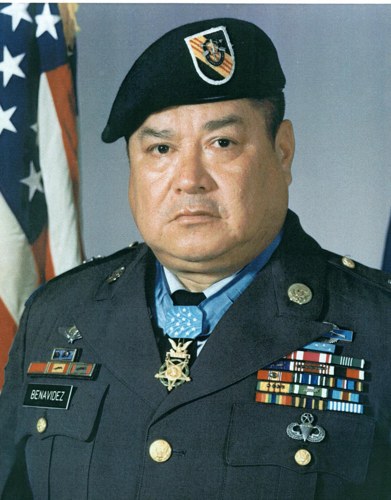
The Medal of Honor citation, finally approved by Congress in 1981, provided an official summary that necessarily compressed six hours of combat into formal language: Benavidez had "distinguished himself by a series of daring and extremely valorous actions" while "continually exposed to small arms and grenade fire." The citation specifically noted his voluntary insertion into an active battle area, his treatment of casualties under continuous fire, his recovery of classified materials that could have compromised ongoing operations, and his crucial role in organizing multiple extraction attempts that ultimately saved eight American lives.
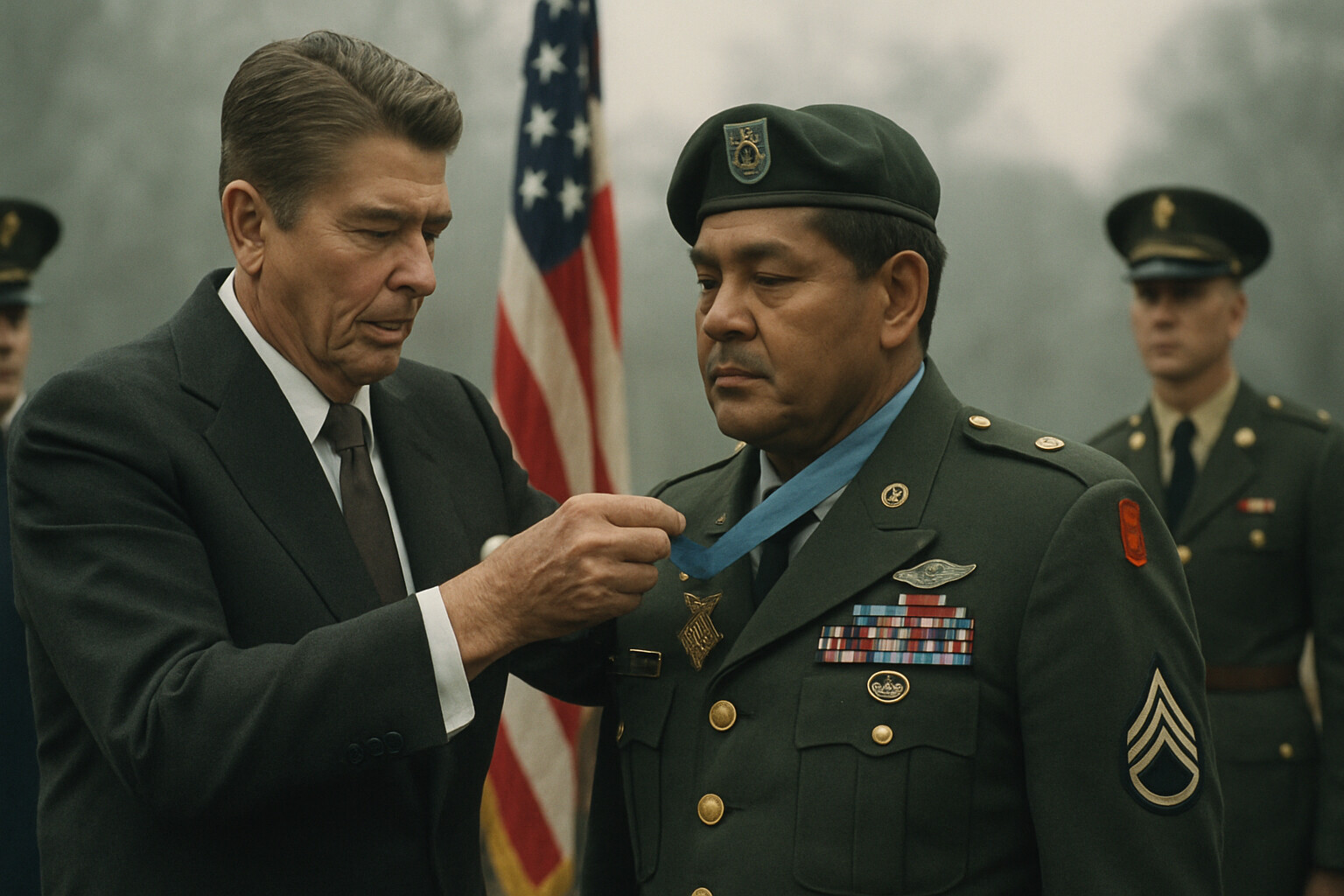
President Ronald Reagan presented the Medal of Honor to Benavidez at a Pentagon ceremony on February 24, 1981, marking the culmination of a thirteen-year journey from battlefield action to national recognition. Reagan noted in his formal remarks that Benavidez had "willingly faced death to save his comrades" and represented "the very best traditions of the American fighting man." The ceremony provided official closure to what had been a complex process of documentation, verification, and political approval.
Benavidez retired from active duty in 1976 as a Master Sergeant after completing a military career that spanned the transformation of American military forces from the post-World War II structure through the technological and tactical evolution of the Vietnam era. His post-retirement years were spent speaking to military audiences, school groups, and civic organizations about duty, service, and the meaning of sacrifice in military culture. He consistently emphasized that the Medal of Honor belonged not exclusively to him as an individual, but represented recognition for all Americans who had served and suffered during the Vietnam conflict.
The battle west of Loc Ninh represented in microcosm the tactical and strategic realities that defined Special Forces operations throughout the Vietnam War. Small teams operating far beyond conventional support networks, dependent entirely on air mobility and rapid extraction when tactical situations deteriorated, faced risks that conventional infantry units rarely encountered. The successful recovery of both the reconnaissance team and classified intelligence materials had operational implications that extended well beyond the immediate tactical situation, potentially protecting other American units operating in similar circumstances throughout the region.
Benavidez's actions also illustrated the absolutely central role that helicopter mobility played in Vietnam-era military operations. The UH-1 "Huey" had become the defining symbol of American tactical doctrine in Southeast Asia, serving simultaneously as troop transport, aerial weapons platform, and medical evacuation vehicle. The vulnerability of these aircraft to ground fire made every landing in contested areas a carefully calculated risk that required exceptional courage from aircrews and created tactical dilemmas that had no clean solutions.
The six-hour firefight demonstrated how combined arms tactics—coordinated air strikes, helicopter support, and ground defense—had to be precisely orchestrated to avoid fratricide while maintaining effective pressure on enemy forces. Benavidez served as the critical human link between these tactical elements, calling in close air support missions while simultaneously maintaining ground-level defensive coordination. His medical training proved as tactically valuable as his combat experience in keeping the mission from ending in complete catastrophe.
Historical assessment of Benavidez's actions has remained remarkably consistent across official sources, independent researchers, and participant accounts. The Medal of Honor citation draws support from comprehensive after-action reports, detailed medical records documenting the extent and nature of his numerous wounds, and sworn testimony from multiple survivors who witnessed different phases of the sustained action. The Department of Defense maintains extensive records confirming both his service history and the progression of military awards he received throughout his career.
Some operational details of the battle remain necessarily unclear due to the classified nature of the original Special Forces mission and the destruction or classification of certain records over the intervening decades. The precise composition and strength of enemy forces, the specific intelligence objectives that had brought the reconnaissance team to that particular area, and the broader tactical significance of the mission within larger operational plans are not fully documented in sources available to historical researchers.
Benavidez died in 1998 at age sixty-three in San Antonio, Texas, having lived thirty productive years beyond that day in the Vietnamese jungle when medical logic suggested he should not have survived. His legacy encompasses both individual heroism of the highest caliber and the broader historical story of Special Forces operations during America's longest and most controversial war.
The official Medal of Honor citation concludes that Benavidez's "conspicuous gallantry and intrepidity at the risk of his life above and beyond the call of duty" directly resulted in saving the lives of at least eight American soldiers while preventing sensitive classified information from falling into enemy hands. In an era when the Vietnam War remains politically controversial and strategically debated, his story represents something more fundamental and enduring: the willingness of professional soldiers to sacrifice for their comrades regardless of political considerations, strategic debates, or personal cost.
That willingness, demonstrated across six hours of sustained combat in hostile jungle terrain against superior enemy numbers, transformed a farmer's son from South Texas into one of America's most decorated soldiers. More importantly for the men who served with him, it brought eight wounded Americans home alive and preserved operational security that potentially protected other soldiers still fighting throughout the region.
The helicopter that lifted off from that blood-soaked landing zone that evening carried more than battle casualties back to medical treatment. It carried tangible proof that individual courage, properly applied at the critical moment, could still decisively influence the outcome of desperate tactical situations. Roy Benavidez had volunteered for a mission with minimal probability of success and fought his way through to completion, bringing his brothers in arms home with him through skill, determination, and a refusal to accept defeat.
In the broader context of military history, his story demonstrates that technological superiority, air support, and superior logistics cannot always substitute for individual initiative when tactical situations deteriorate beyond conventional solutions. Sometimes, mission success depends entirely on one person's willingness to accept extraordinary risk for the benefit of others. On May 2, 1968, west of Loc Ninh, that person was Roy Benavidez.