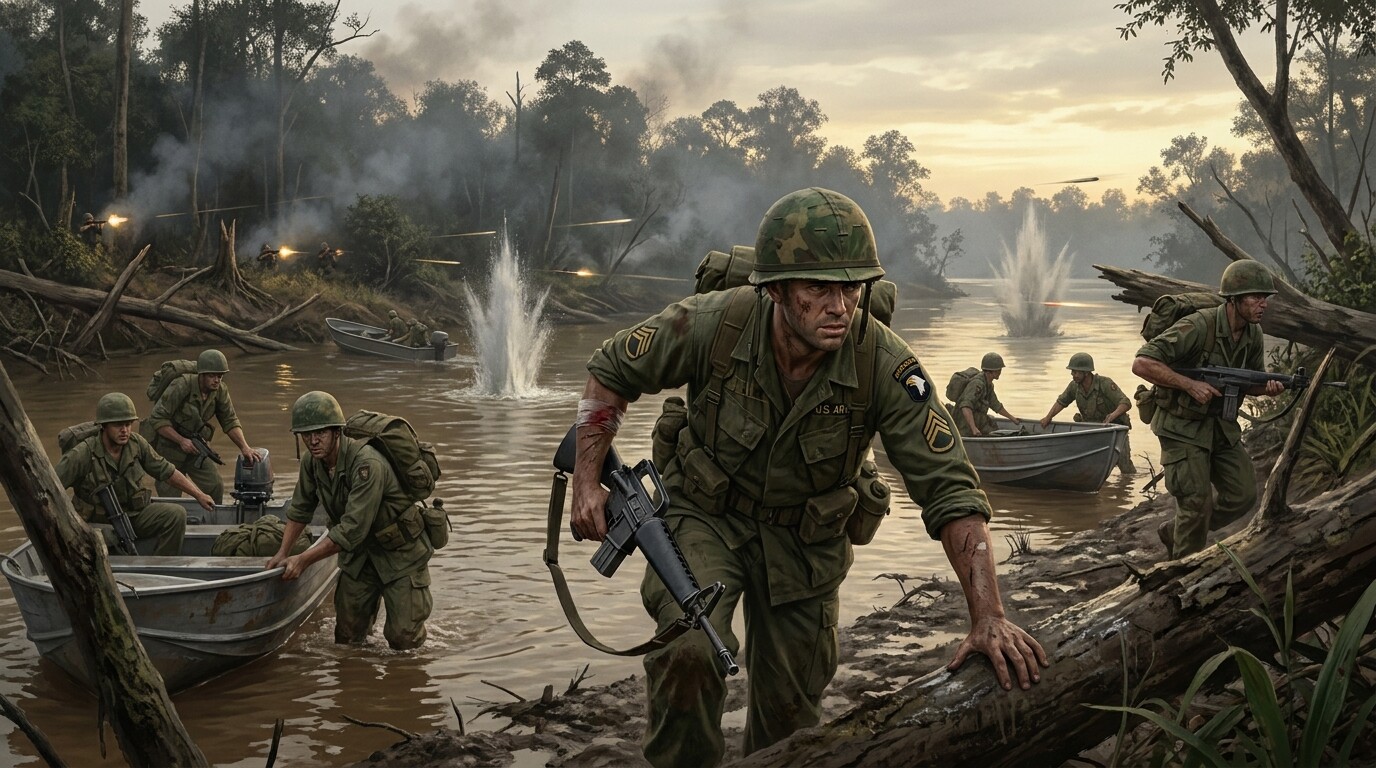
The first burst of fire came before anyone could react.
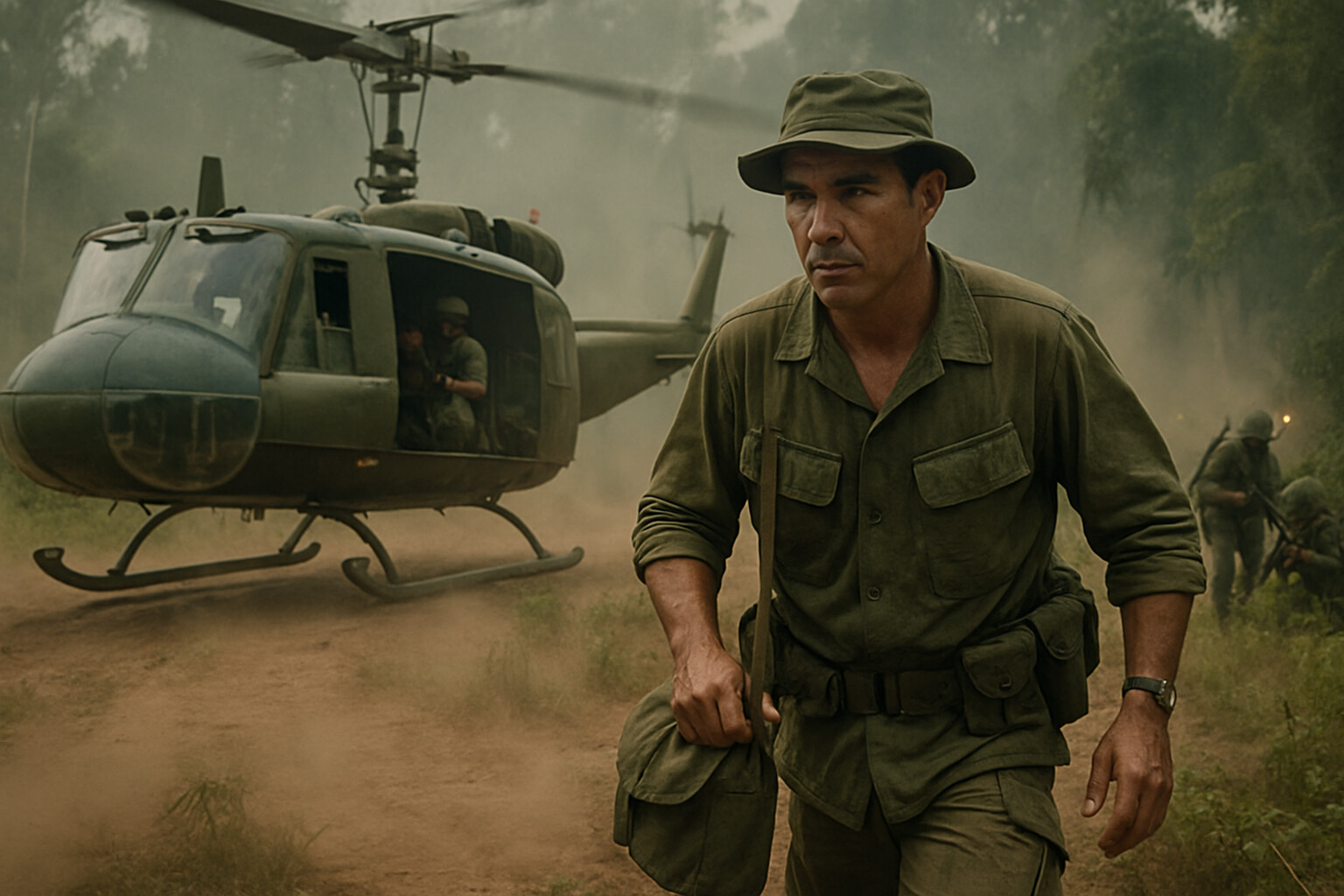
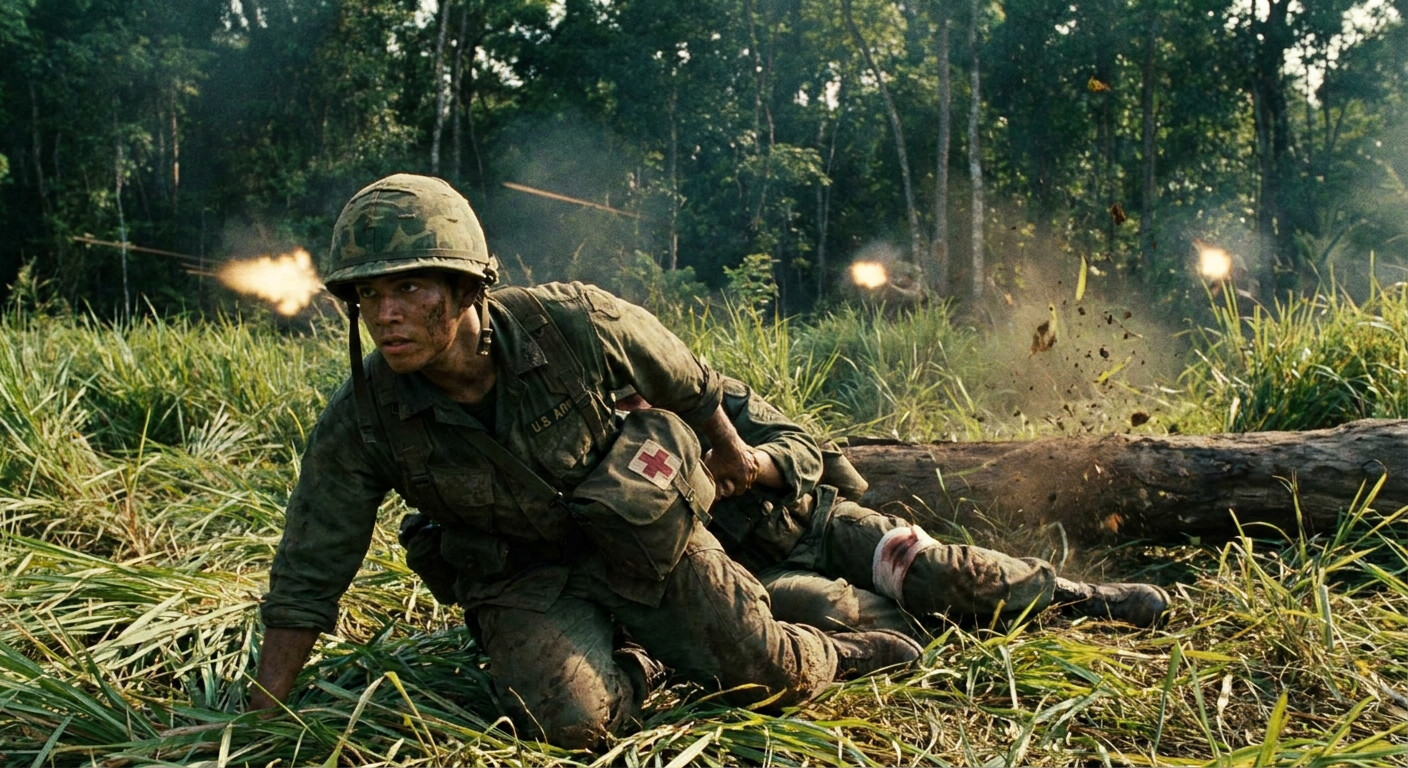
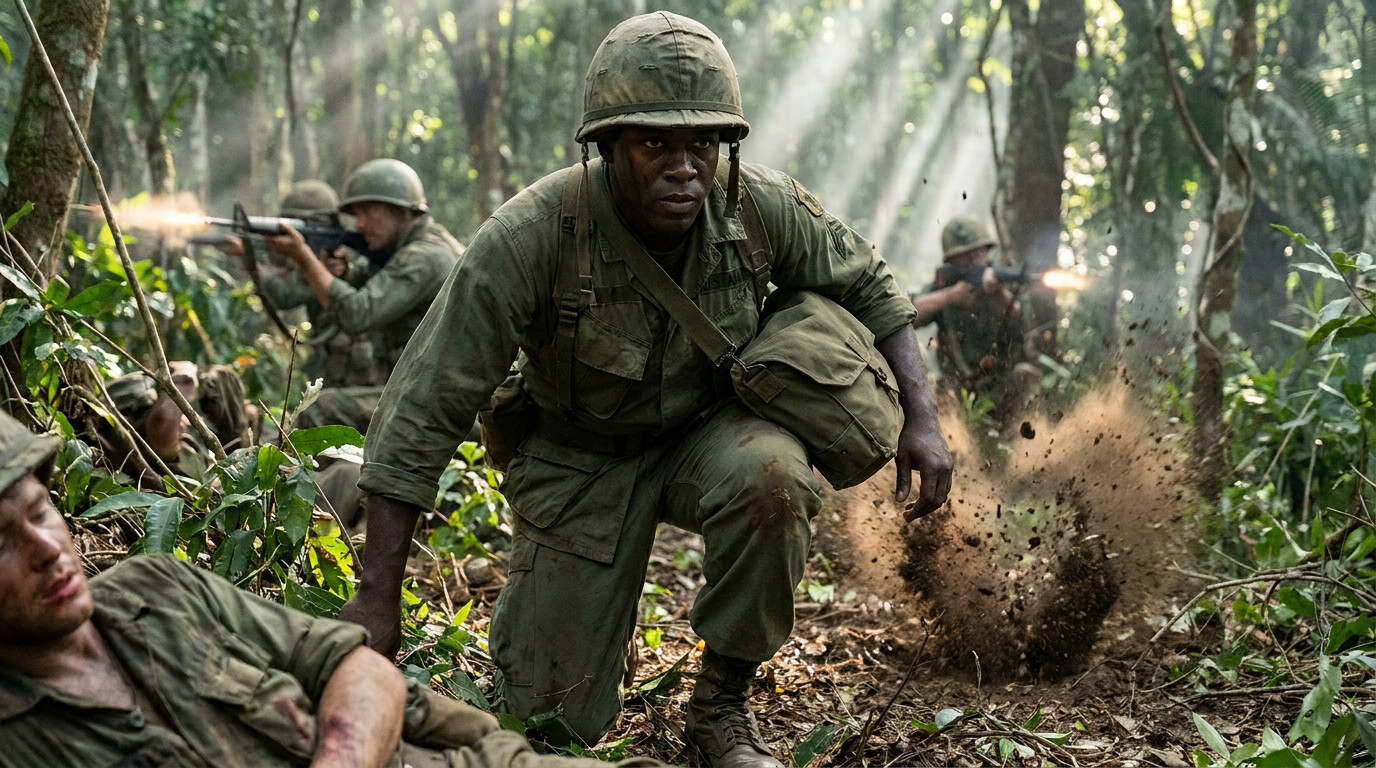
It was mid-morning on November 8, 1965. A rifle company from the 1st Battalion, 503rd Infantry Regiment had been pushing through the dense secondary growth of War Zone D in Binh Duong Province, South Vietnam, when the jungle opened up. A Viet Cong force — later assessed as a well-prepared main-force unit — had allowed the column to walk deep into the kill zone before firing from concealed fighting positions at close range. Men went down in the first seconds. The company's perimeter collapsed inward. Through the noise and the undergrowth, with wounded soldiers calling out, one man began moving toward the fire instead of away from it.
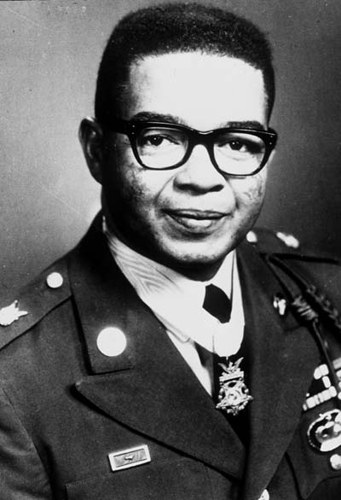
Specialist Five Lawrence Joel was the company medic. That was his job. But in moments like that one, job descriptions are insufficient explanations for what he did.
---
Lawrence Joel was born on February 22, 1928, in Winston-Salem, North Carolina. He grew up in the segregated South during the Depression. When he reached adulthood, the United States military was still a formally segregated institution. Joel enlisted in the Army in 1946, a year before President Truman's Executive Order 9981 began the formal process of military desegregation. He served through Korea and through more than a decade of peacetime soldiering, accumulating the kind of institutional knowledge that turns a soldier into a professional. By 1965 he was thirty-seven years old — older than most of the men around him — and serving as a senior medic with the 1st Battalion, 503rd Infantry Regiment, 173rd Airborne Brigade.
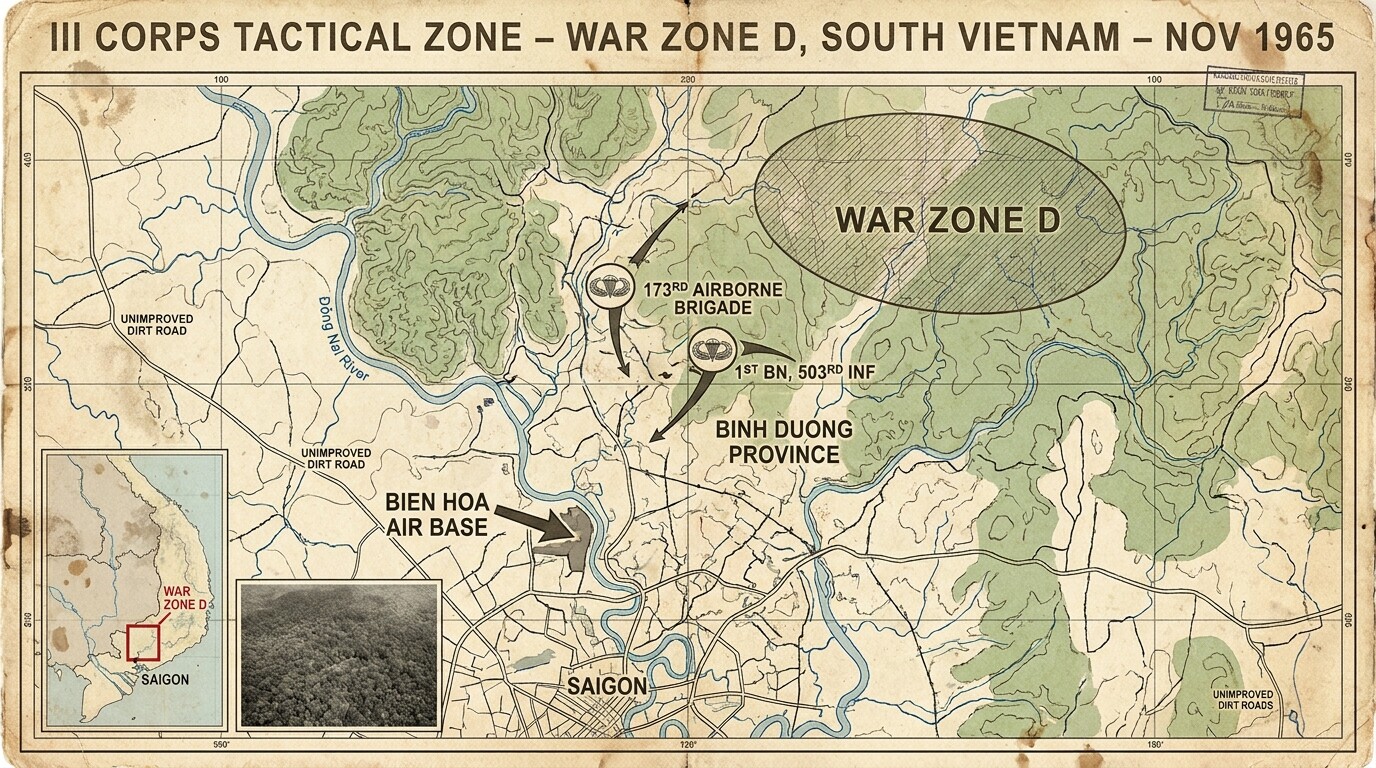
The 173rd was among the first major American ground combat units committed to Vietnam. It arrived in-country in May 1965, deploying from its peacetime station on Okinawa to Bien Hoa Air Base in III Corps. The brigade was a light airborne force built for rapid deployment and jungle operations, composed of two infantry battalions, supporting artillery, and attached units. Its soldiers were paratroopers — trained to jump from aircraft into hostile territory and fight with whatever they carried. In 1965 that meant M16 rifles still proving themselves in the field, M79 grenade launchers, M60 machine guns, and the weight of medical bags, radios, and ammunition distributed across men who would move fast and far from resupply.
The 173rd's early operations in Vietnam included some of the first large-unit American offensive sweeps of the war. By the fall of 1965, the brigade had already conducted major operations in War Zone D — a long-contested stretch of jungle and scrub north and northeast of Saigon that the Viet Cong had used as a base area, infiltration corridor, and sanctuary for years. War Zone D was not a single terrain feature but a broad operational zone, roughly bounded by the Dong Nai River to the east and the Thi Tinh River to the west, characterized by triple-canopy jungle, tangled secondary growth, and a network of trails and base camps that the enemy knew intimately and the Americans were still learning.
On the morning of November 8, 1965, elements of the 1st Battalion, 503rd Infantry were conducting a sweep through this terrain. The specific company designation within the battalion has not been confirmed in publicly available sources. The company was pushing through heavy undergrowth when it walked into what the official record characterizes as an intense enemy ambush.
The Viet Cong forces engaged that day fought from prepared positions. The tactical signature — waiting for the column to fully enter the kill zone before initiating fire from multiple directions — was consistent with main-force Viet Cong ambush doctrine as it had developed by late 1965. These were not guerrillas improvising from a treeline. They had chosen their ground, pre-positioned their weapons, and waited. When they fired, they fired at close range, in volume, with the initial advantages that surprise and fixed positions provide.
The Americans immediately took casualties.
---
The jungle floor in War Zone D in November 1965 was a fractured, mottled environment: elephant grass in the clearings, heavy undergrowth where secondary growth competed for light beneath taller trees, and areas of dense bamboo that channeled movement and cut visibility to fifteen or twenty feet. The ground was uneven, crossed by small drainage features and root systems that tripped men moving fast under fire. Sound carried in strange ways — the crack of a rifle was directionally deceptive, and the noise of an ambush made locating specific enemy positions extremely difficult.
These details reflect the general character of War Zone D as documented in unit histories and operational accounts of the period; the exact ground conditions at the specific contact site on November 8 are not reconstructed from primary sources.
Into that environment, when the shooting started, Lawrence Joel moved.
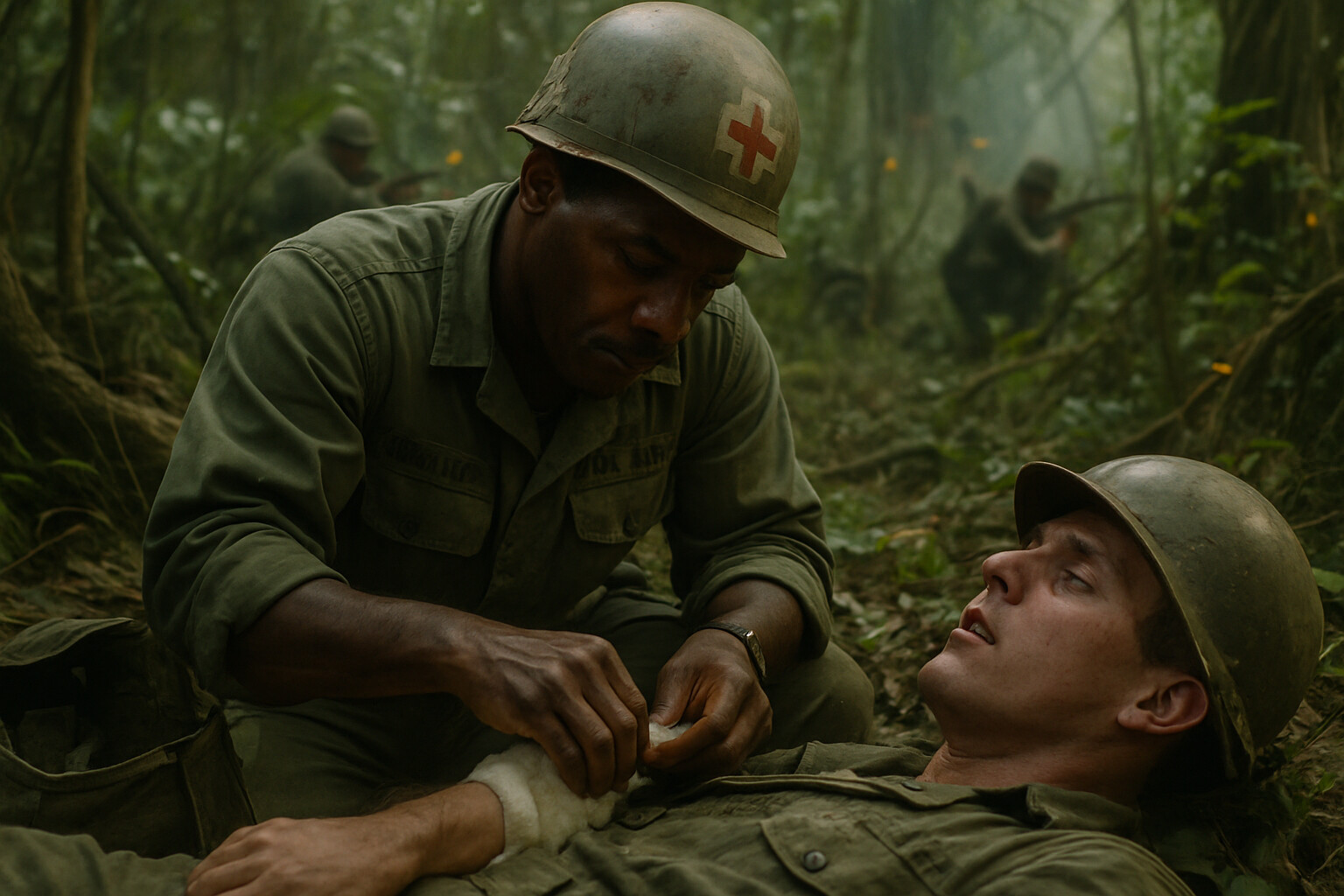
He was already at risk from the moment the ambush opened. A medic in a firefight is a high-value target; enemy forces in Vietnam, as in earlier conflicts, understood that removing a unit's medical capability degraded its will to fight. Joel's aid bag identified him. His movement toward the wounded, rather than toward cover, made him visible. The official record of his actions indicates that he was wounded during this engagement — not once, but twice — and that each time he treated his own wound and continued working.
The timeline of Joel's movement through the battle stretches across more than twenty-four hours in the most widely cited accounts — a period covering the initial ambush, the consolidation of the American position, attempts to extract the wounded, and the continuation of the fight into the following day. During that period, the Medal of Honor citation records that he moved from casualty to casualty, working under direct fire, administering treatment to soldiers who could not reach cover or who had been hit in positions exposed to enemy observation.
What did treating a casualty mean, in practical terms, in that jungle on that day?
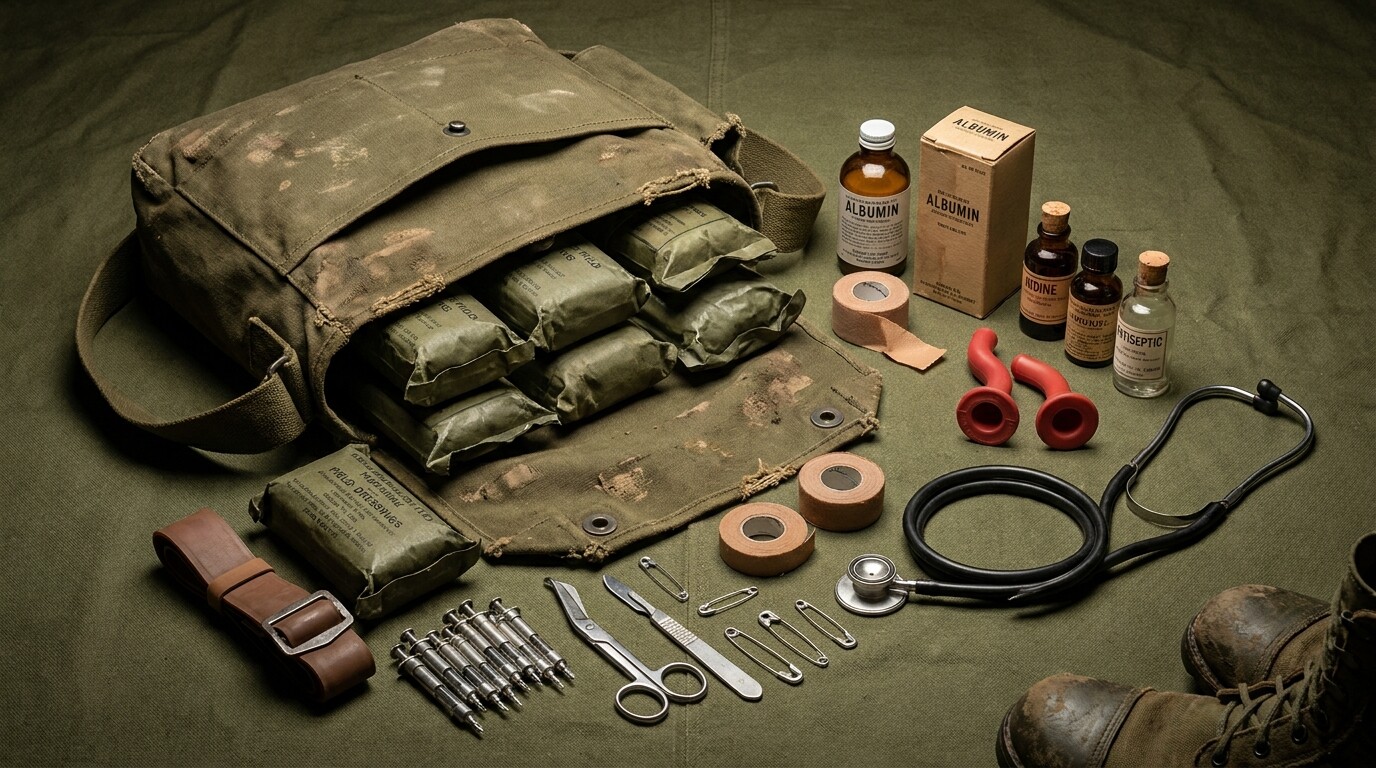
A combat medic in 1965 carried a Unit One medical bag, sometimes supplemented by additional supplies distributed through the company. Standard contents included field dressings for wound packing, morphine syrettes for pain management, plasma or albumin for volume replacement, airway adjuncts, and tourniquets. The medic's job in a firefight was triage and stabilization: control bleeding, maintain airway, treat for shock, prepare the casualty for evacuation. The treatments available were not those of a hospital — they were the difference between a man living long enough to reach a surgical team and a man dying in the undergrowth.
Moving to a casualty under fire required the medic to expose himself. There was no way around it. The wounded did not fall in covered positions. They fell where the fire found them — often in the open, in the kill zone, in ground the enemy was still watching. Every time Joel moved to a new casualty, he was crossing terrain that the enemy had already demonstrated it could reach.
The official account notes that Joel treated a significant number of wounded soldiers during the course of the engagement. The figure most commonly cited in reliable secondary sources is thirteen, but this number has not been independently verified against the primary Medal of Honor citation text, and readers should treat it as a best available estimate pending that confirmation. What is documented is the sustained nature of his effort — not a single act under fire in a single moment, but a repeated decision, made again and again across an extended battle, to go where the wounded were.
At some point during the fighting, Joel was hit. The wound did not stop him. He treated himself — as the citation records — and continued. Later, he was hit again. Again, he treated himself. Again, he continued.
This is the part of the record worth pausing on, because it is easy to read quickly and move past. A gunshot wound in a firefight is not simply an inconvenience. Pain, blood loss, and the body's physiological stress response degrade cognitive function, fine motor control, and physical capacity. A medic working through a gunshot wound is managing his own physiological emergency while trying to manage the emergencies of others, while enemy fire is still impacting around him, while the tactical situation continues to evolve in ways he cannot fully control. The fact that Joel continued functioning — continued treating casualties, continued moving — twice, after being wounded, is the core of what the record documents.
The battle continued into the next day. The wounded were eventually evacuated. The American force held its position.
Lawrence Joel had been moving through that jungle for more than twenty-four hours.
---
The weapons on both sides of this engagement shaped how the fight unfolded and what Joel faced as he moved through it.
The American infantrymen of the 173rd were in the early stages of transitioning to the M16 rifle in 1965. Whether this particular company was fully equipped with M16s or still carried M14 rifles — the heavier 7.62mm weapon the M16 was replacing — is not confirmed in available sources, and the transition across the brigade may have been uneven at that point in the year. The M16, chambered in the smaller 5.56mm cartridge, was lighter and allowed soldiers to carry more ammunition, but early production versions had reliability problems in the humid, fouling-prone conditions of Vietnam that were not fully corrected until the M16A1 variant was standardized in 1967 with a chrome-lined barrel and improved buffer. In late 1965, trust in the new rifle was not universal.
For indirect fire at the squad and platoon level, the Americans carried the M79 grenade launcher — a single-shot, break-open weapon that fired a 40mm grenade out to roughly 350 meters. Troops called it the blooper. It could project fragmentation, smoke, or illumination rounds, giving a small unit a portable indirect-fire option without calling for artillery or air support. In dense jungle the canopy could catch rounds before they reached their targets, but at the ranges typical of War Zone D contacts, the M79 remained a standard tool for trying to suppress ambush positions or break contact.
The M60 machine gun was the primary crew-served weapon at the company level — belt-fed, 7.62mm, capable of sustained rates of fire that individual rifles could not match. In an ambush the instinct was to get the M60s working, to generate enough volume of fire to suppress the enemy long enough to maneuver. But M60 crews were priority targets. The gun's weight — approximately twenty-three pounds without ammunition — and its distinctive sound made its position immediately identifiable.
The Viet Cong force that initiated the ambush was equipped with weapons that reflected the diversity of communist supply lines in 1965. Chinese-manufactured Type 56 copies of the AK-47 assault rifle and the SKS carbine were common, as were Soviet-designed RPD light machine guns. The AK-47 family — chambered in 7.62x39mm — was robust and reliable in conditions of mud and heat that caused problems for tighter-toleranced Western designs. At the close ranges of jungle ambush, often under thirty meters, its hitting power was fully adequate. RPG-2 and RPG-7 rocket-propelled grenades were present in Viet Cong main-force units by this period, capable of creating casualties among personnel in the open. Mortars — typically 60mm or 82mm — were organic to main-force battalions and could be employed to suppress a perimeter or interdict helicopter landing zones during medevac operations.
The presence of enemy mortar capability matters to understanding Joel's situation. In a sustained firefight, the enemy could shift from direct to indirect fire, which meant that soldiers behind cover were not safe, and movement across the battlefield to reach casualties became a matter of timing as well as physical courage.
The specific enemy unit designation engaged on November 8 has not been confirmed in publicly available sources. The weapons and tactics described here are consistent with documented Viet Cong main-force capabilities of the period, but readers should understand that the enemy order of battle for this specific action remains a research gap.
---
The 173rd Airborne Brigade's operations in War Zone D were part of a broader American strategic commitment still being defined. The introduction of American ground combat forces in 1965 — marked by the landing of Marines at Da Nang in March and the commitment of Army units through the summer — represented a decision to use American military power to prevent the collapse of the South Vietnamese government and armed forces. The strategy was not yet what it would become: the search-and-destroy operations, the attrition metrics measured in body counts, and the mounting domestic controversy of the war's later years.
In the fall of 1965, American units were still establishing operational patterns, learning the terrain, and absorbing the first hard lessons about fighting a patient, adaptable enemy on his own ground. The 173rd's sweeps through War Zone D were designed to find, fix, and destroy Viet Cong main-force units and disrupt their base areas. The enemy's response — calculated ambushes of American columns, followed by rapid disengagement before American firepower could bear — was already proving effective at imposing casualties without allowing the Americans to bring their superior fire support to decisive effect.
For the soldiers on the ground in November 1965, the strategic picture was largely beside the point. What mattered was the ground in front of them, the men beside them, and the fire coming through the trees.
Lawrence Joel's war was the ground-level war. He was there to keep men alive.
---
Joel was recommended for the Medal of Honor following the action of November 8, 1965. The award process is lengthy and rigorous, requiring multiple levels of review, witness statements, and verification before reaching the Secretary of the Army and ultimately the President.
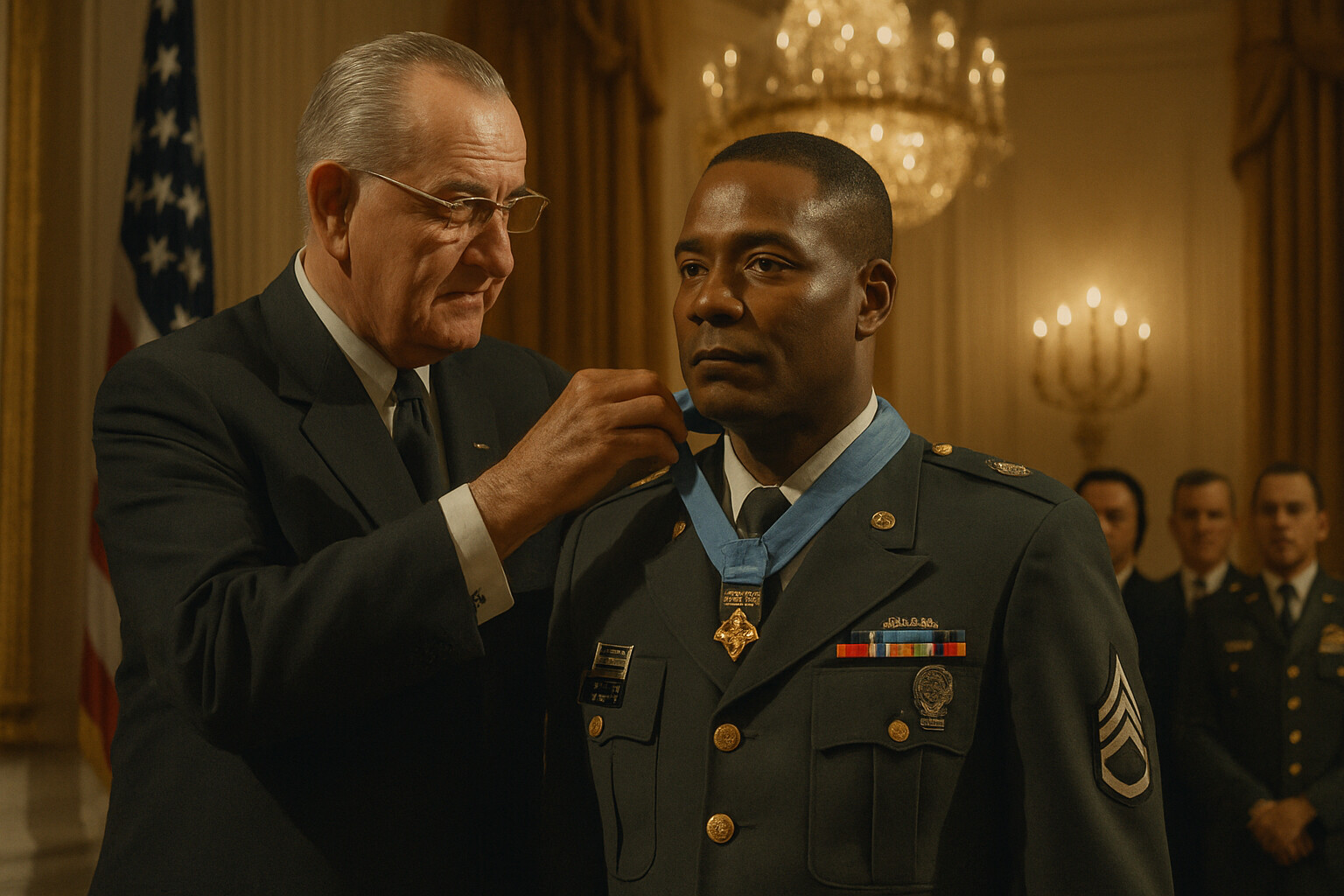
President Lyndon B. Johnson presented Lawrence Joel with the Medal of Honor on March 9, 1967, in a White House ceremony. The citation, as reflected in official records, describes Joel's actions in terms consistent with the account above: treating casualties under fire, refusing evacuation despite his own wounds, continuing to function across an extended engagement.
The historical significance of the award was noted at the time and has been recognized consistently in the decades since. Lawrence Joel became the first living Black American to receive the Medal of Honor since Black soldiers received the decoration for actions during the Spanish-American War of 1898 — a gap of nearly seven decades during which the Army's racial policies had, in effect, closed the door on recognition of this kind regardless of the actions performed. The precise framing of this claim — the emphasis on "living" recipient — is important: Black soldiers did receive posthumous and other recognitions in the intervening period, and the full history of Medal of Honor awards between 1898 and 1967 is complex. The 1898 comparison is the one most consistently cited in official and reliable secondary sources, but careful verification against the complete Medal of Honor roll for that period is warranted before asserting it as absolute fact.
The segregation era's legacy in the awards system was later formally documented by the Shaw University study commissioned by the Army in the 1990s, which found that racial bias had systematically prevented Black soldiers from receiving the Medal of Honor during World War II. That study led to a retroactive award ceremony in 1997 for seven Black World War II veterans. Joel's 1967 award came before that formal reckoning, but the historical gap it bridged was already visible to contemporaries.
The weight of that context did not change what Joel had done in War Zone D. But it placed his actions within a history that extended well beyond a single day in the jungle.
---
What does the record actually show, and what is inferred?
The Medal of Honor citation is the primary official source for Joel's actions on November 8, 1965. It is produced through the military's awards process, based on witness statements and commander recommendations. As with all Medal of Honor citations, it describes actions at a level of general clarity rather than minute-by-minute tactical detail. The citation establishes the core facts: the ambush, the sustained enemy fire, Joel's repeated movement to treat casualties under that fire, his two wounds, his refusal of evacuation, and the duration of his effort.
The tactical details — the precise nature of the terrain, the exact enemy weapons employed, the specific sequence of Joel's movements, the identities of the soldiers he treated — are not fully reconstructed in publicly available records. Secondary accounts, including journalistic coverage from the 1960s and subsequent histories of the 173rd Airborne Brigade, provide additional context but do not always agree on specifics such as the exact number of casualties treated. The verbatim text of the citation has not been independently reproduced in this narrative; it should be confirmed directly against the Congressional Medal of Honor Society records at www.cmohs.org or U.S. Army Center of Military History files before verbatim publication.
The operational context — the 173rd's deployment, its role in War Zone D, the date of the action — is well established in unit histories, official operational histories of the Vietnam War, and contemporary reporting.
---
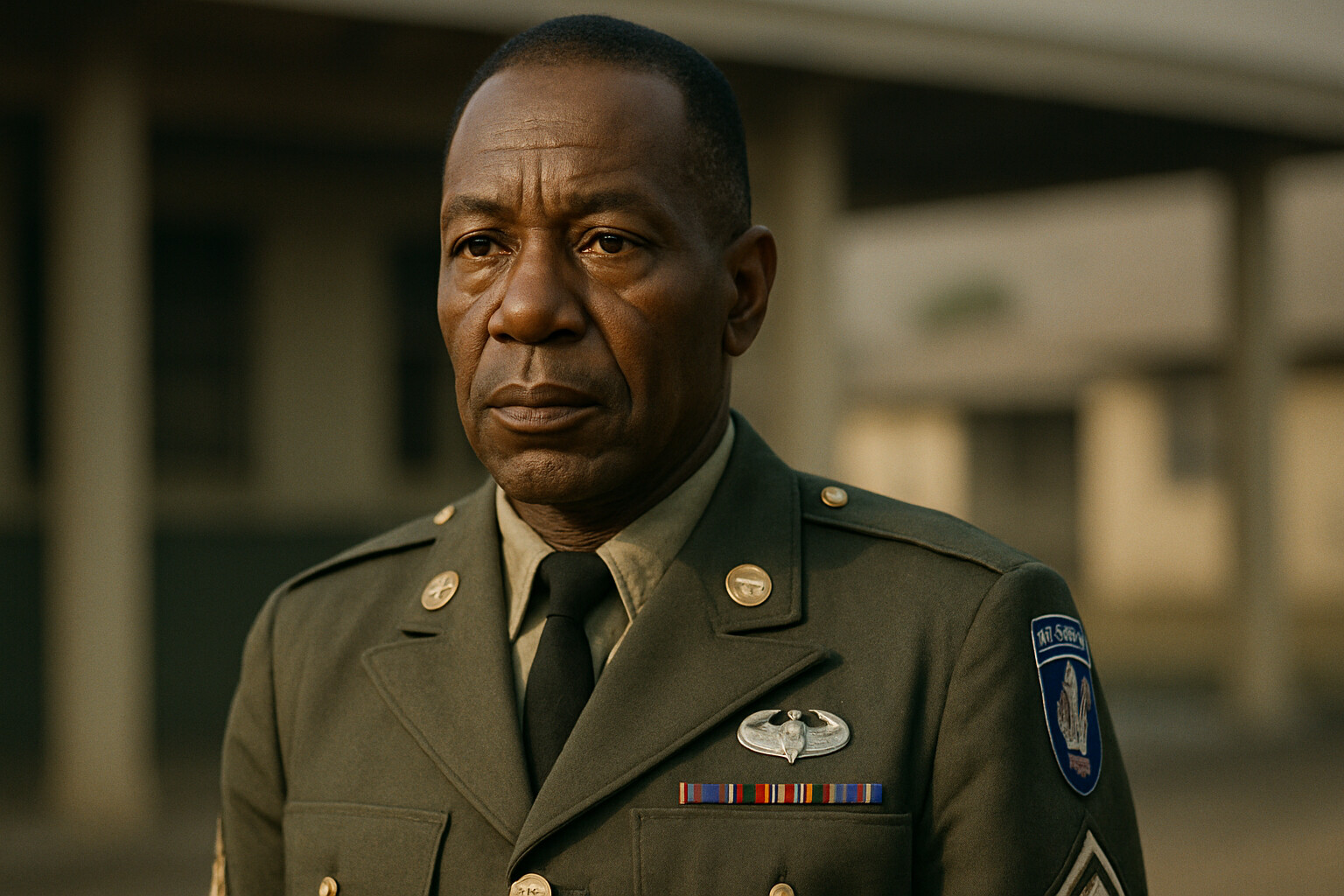
After the war, Lawrence Joel returned to Winston-Salem, North Carolina — the city where he had been born. He remained a figure of local and national recognition until his death on February 4, 1984, at the age of fifty-five. His postwar life between the 1967 ceremony and his death has not been detailed in the sources reviewed for this narrative; full biographical treatment would require additional research.
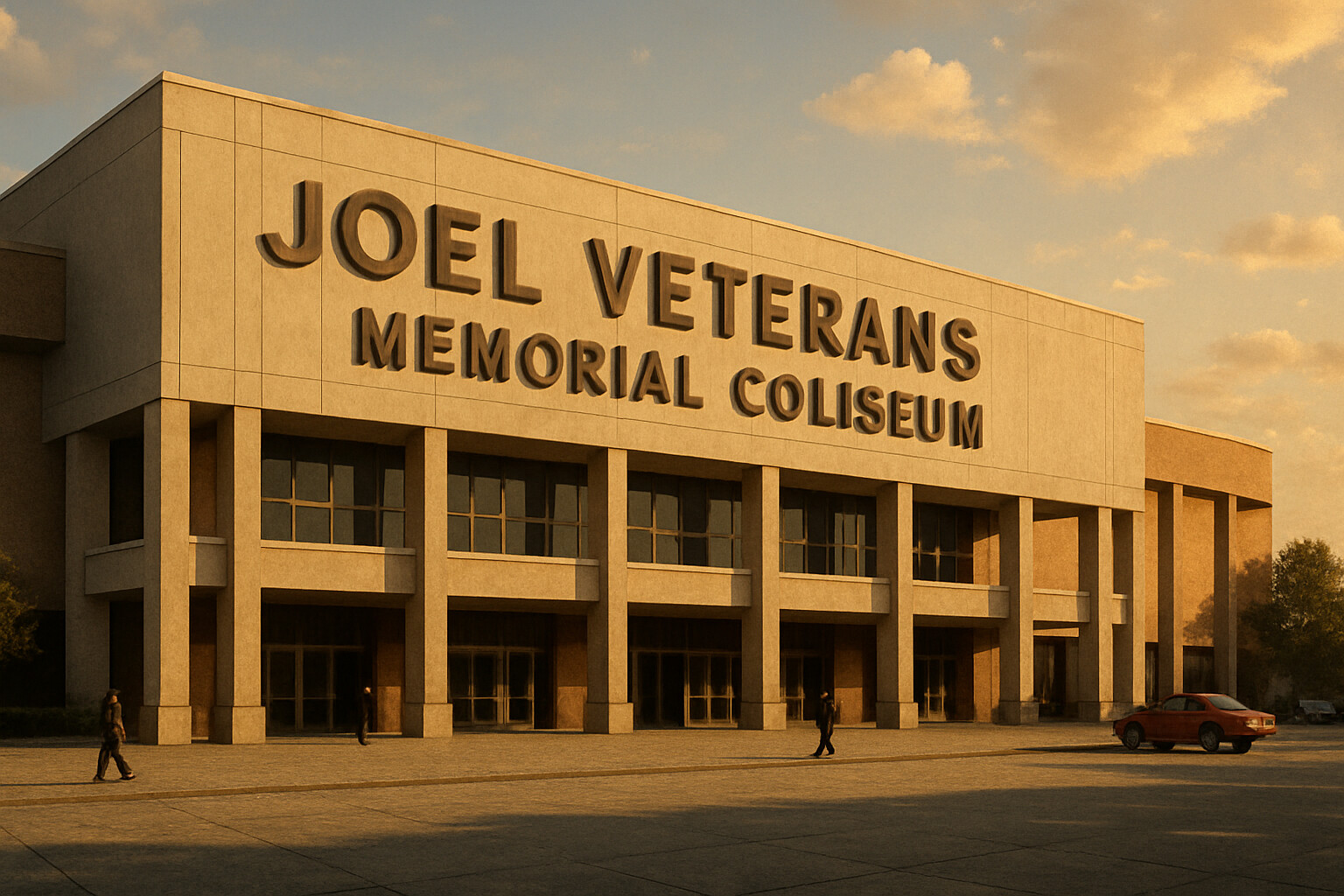
The Joel Veterans Memorial Coliseum in Winston-Salem bears his name — permanent, in letters large enough to read from across a parking lot. Whether the people passing through its doors know the story behind the name is the kind of question all memorials quietly pose.
The story behind the name is this: a thirty-seven-year-old medic, older than most of the men around him, carried his aid bag into a jungle ambush and did not stop working. He was shot. He treated himself. He kept working. He was shot again. He treated himself again. He kept working. For more than twenty-four hours.
The men he treated had better odds of surviving because he was there. Some of them survived.
That is what the record shows. That is enough.
---
The 173rd Airborne Brigade continued to serve in Vietnam for the duration of the American ground war. Its paratroopers made the only combat jump of the Vietnam War — Operation Junction City in February 1967 — and the unit fought in some of the heaviest engagements of the conflict, including the Battle of Dak To in November 1967, where the 173rd suffered severe casualties fighting for the hilltops of Kontum Province.
For the soldiers who had been in War Zone D on November 8, 1965, all of that was still in the future. On that morning, the immediate reality was the fire coming through the trees, the men who were down, and the medic who was moving toward them.
The Medal of Honor citation does not record what Joel said to the soldiers he treated, or what they said to him. It does not record the exact sequence of his movements or the precise moments when the fire was at its worst. What it records is that he was there, that he moved when moving was the most dangerous thing he could do, that he was wounded and kept going, and that he did this not once but across an entire day and night of sustained combat.
The history of the Medal of Honor across more than a century of American warfare is a long record of individual acts committed under conditions that produced every instinct to stop, take cover, and survive. What separates the acts that earn the decoration is not the absence of that instinct — it is the movement that happens despite it.
Lawrence Joel moved.