The smoke arrived before the armies did.
It came from the southwest on the morning of September 17, 1631 — thick, grey columns rising from the direction of Leipzig, where fields had been set alight in the confusion that preceded battle. By midday it would hang across the plain north of the city like a curtain across a stage, swallowing formations whole, choking horses, and turning the afternoon sun the color of a forge.
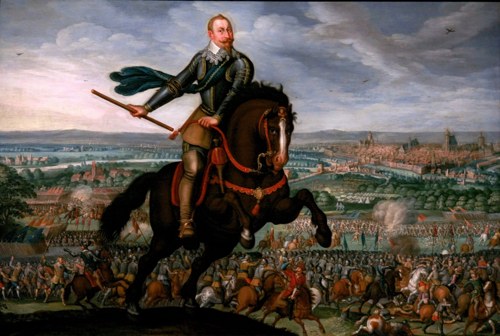
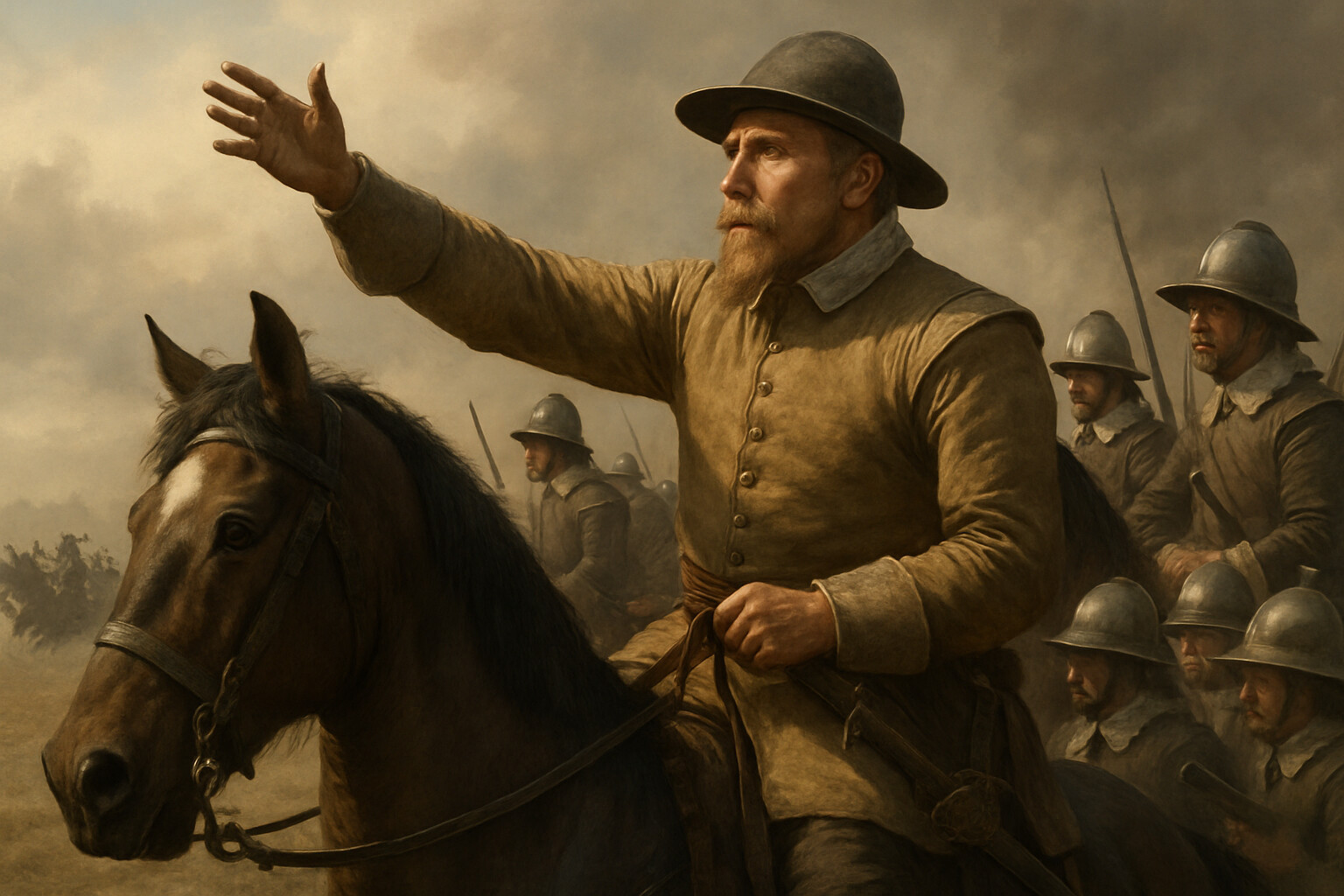
Gustavus II Adolf, King of Sweden, was somewhere behind his front line studying the ground he had chosen. He was thirty-six years old. He had been fighting wars almost without interruption since seventeen. A wound to his neck at Dirschau in 1627 had been serious enough that he could no longer wear full plate armor around his neck, and he carried that vulnerability into every subsequent engagement. On this day he wore a buff leather coat — no heavy cuirass over his torso — and commanded an army that had marched through German mud for weeks to reach this moment. His infantry were tired. His artillery had been hauled across difficult terrain by teams he had personally organized. His Saxon allies, commanded by Elector John George I, were present but uncertain, their army less battle-hardened, their commitment to the cause measured in anxious calculation rather than conviction.
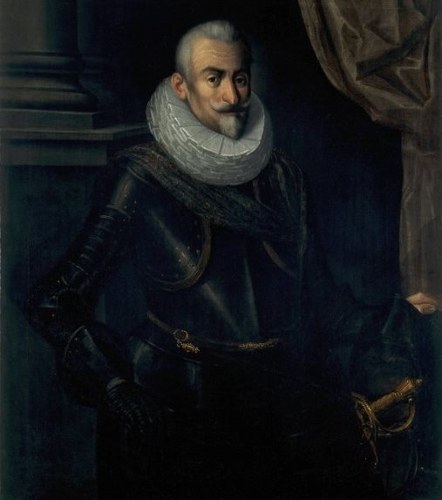
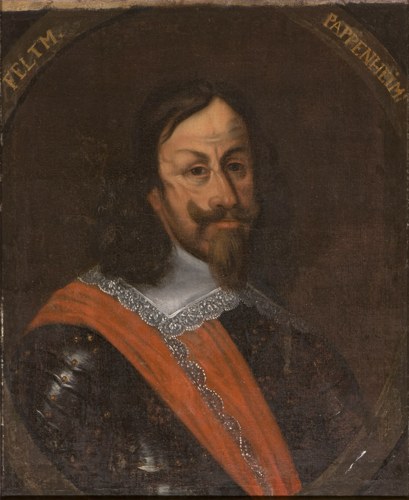
Across the plain, the Imperial army under Field Marshal Johann Tserclaes, Count Tilly, was waiting. Tilly was seventy-two years old. He had never lost a battle in this war. His force — combined with the separate cavalry corps of Imperial general Gottfried Heinrich Graf zu Pappenheim on the left — numbered somewhere between thirty-one thousand and thirty-five thousand men by most scholarly estimates, though exact figures remain disputed across sources. They were veterans. Earlier in 1631 they had sacked Magdeburg so completely that the city's name had become, across Protestant Europe, a synonym for annihilation. They had the confidence of a decade of victories and the psychological weight of apparent invincibility.
Gustavus had approximately twenty-three thousand Swedes, plus roughly eighteen thousand Saxons under John George — a combined force often estimated at around forty thousand, though pre-modern sources carry their usual uncertainty. On paper the two forces were roughly comparable. In tactical sophistication, they were not.
---
To understand what happened at Breitenfeld, you have to understand what was wrong with how European armies were fighting in 1631.
The dominant tactical system of the era was the Spanish tercio — a massive infantry formation of pikemen and musketeers, sometimes several thousand men, organized into a dense block capable of absorbing punishment and delivering shock. Tercios had dominated European warfare for over a century. They were powerful, resilient, and psychologically intimidating. They were also slow, difficult to maneuver, and dependent on a time-consuming rotational fire cycle in which musketeers fired, fell back to reload, and cycled through ranks. The Imperial army at Breitenfeld used formations derived from this tradition: large, deep, methodical.
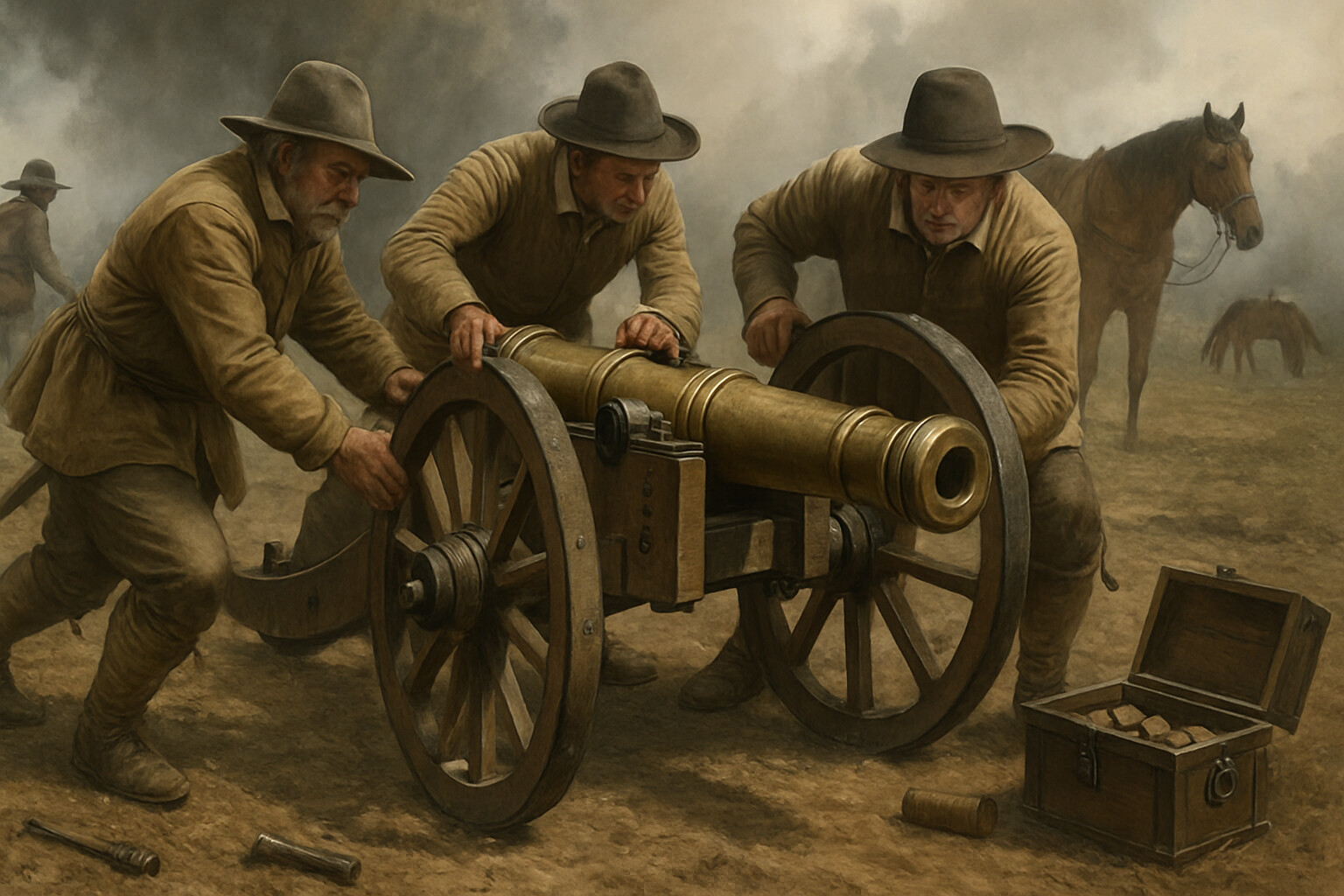
Gustavus had spent years redesigning his army around a different idea. He thinned his infantry formations — Swedish brigades fought in lines six ranks deep rather than the deep blocks of the tercio system, sometimes even shallower — and trained his musketeers to deliver coordinated salvos that concentrated firepower at the decisive moment rather than trickling it out across a long reload cycle. His cavalry were trained to close with the enemy at speed, using swords rather than the cautious pistol-and-wheel technique — the caracole — that many European horsemen favored. His artillery, lighter and more numerous per man than the Imperial guns, was designed to move with the army rather than sit in fixed positions.
This was not improvisation. Gustavus had studied military thought carefully — the Dutch reforms of Maurice of Nassau had influenced him, and he had built on them — and had run a decade of Baltic campaigns as a practical laboratory. The Swedish army that arrived at Breitenfeld was an institution shaped by systematic reform, hard training, and the experience of men who had fought together long enough to function under pressure.
The stakes of the battle were existential in the most direct sense. The Protestant cause in the Holy Roman Empire had been retreating for years. The Edict of Restitution in 1629 had ordered the return of church properties secularized since 1552, a legal assault on Protestant territorial gains that amounted to a demand for partial surrender. Gustavus had entered the war in 1630 partly from strategic self-interest — a powerful Catholic empire on the Baltic rim was a problem for Swedish ambitions — and partly as the declared champion of Protestant princes who had no other protector with real military power. His allies were watching. His enemies were betting he could be stopped.
If Tilly's army destroyed the Swedes at Breitenfeld, Sweden's intervention in Germany might collapse. Protestant resistance might collapse with it. The war, already thirteen years old, had years more to run regardless — but the shape of those years, and of any eventual settlement, would have looked very different.
---
The armies moved into position through the morning.
Tilly deployed his infantry in the center in large formations, with cavalry on both wings. Pappenheim commanded the Imperial left-wing cavalry — by multiple accounts an aggressive officer, perhaps impulsively so — while the horse on the right fell under Fürstenberg. The combined Swedish-Saxon army aligned across the plain facing them: the Saxons on the left under John George, the Swedes in the center and right under Gustavus and his senior commanders. Field Marshal Gustav Horn commanded the Swedish left. Gustavus himself directed the main effort with the right wing cavalry.
The ground at Breitenfeld was agricultural plain, relatively flat, offering neither army major natural advantages. The wind blew from the southwest — this would matter later. Tilly apparently hoped to delay engagement, possibly to consolidate his position or wait for more favorable conditions, but Pappenheim's cavalry attacked before the Imperial army was fully ready, initiating the battle prematurely on the Imperial left. This sequence is recorded across multiple contemporary chronicles, though the degree to which Pappenheim acted contrary to explicit orders versus anticipated them remains debated by historians.
Pappenheim's cavalry struck the Swedish right. They struck repeatedly. Surviving accounts credit something like seven attacks — the precise number varies by source — and each time the Swedish cavalry, supported by interspersed infantry and artillery, absorbed the blow and threw them back. The Swedish system of positioning musketeers within cavalry formations gave Gustavus's horse a firepower advantage that Pappenheim's cuirassiers could not simply ride over. The Swedish guns — lighter pieces that could be repositioned mid-battle — added to the punishment. Pappenheim's wing bled itself against the Swedish right without breaking it.
On the Imperial right, against the Saxons, the story was different.
The Saxon army of John George was not the Swedish army. It had not been through the same training, the same campaigns, or the same institutional rebuilding. When the Imperial right wing struck the Saxon formations in force, they gave way — and then collapsed. John George and much of his army left the field, retreating in disorder. The rout was fast and substantial. It tore open an enormous gap in the Protestant left, and suddenly Tilly's infantry, advancing in the center, had the possibility of rolling up the entire allied line from the flank.
This is the moment in the battle that matters most — not the moment of greatest drama, but the moment of greatest danger and greatest decision.
The Imperial center, advancing with the Saxons gone, was now overlapping the Swedish left and threatening to envelop it. Horn's Swedish left wing faced pressure it had not anticipated. The logical Imperial opportunity was to pivot into the hole, crush the Swedish flank, and unravel the whole position.
Gustavus reacted with the speed and clarity that his reformed army was built to deliver.
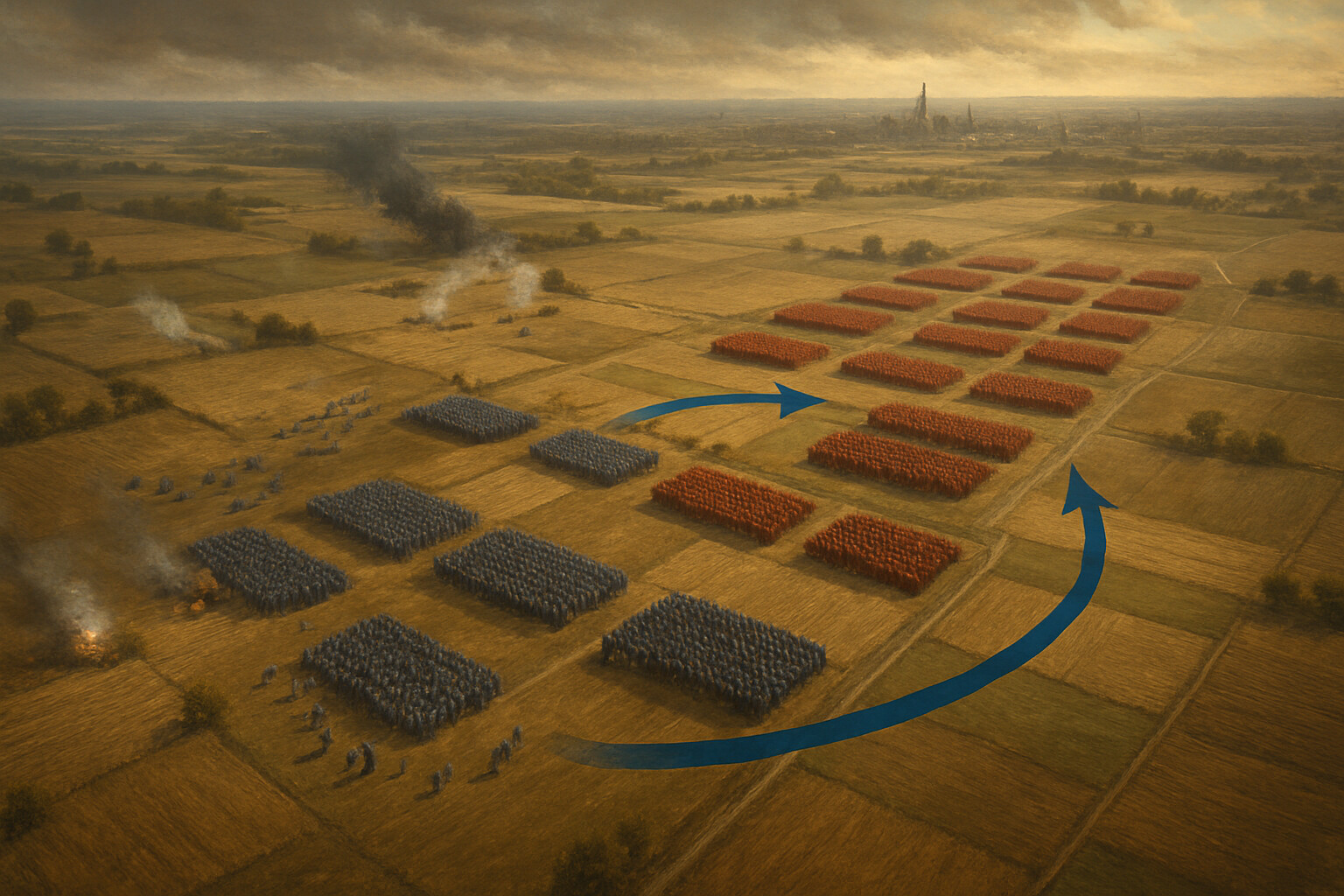
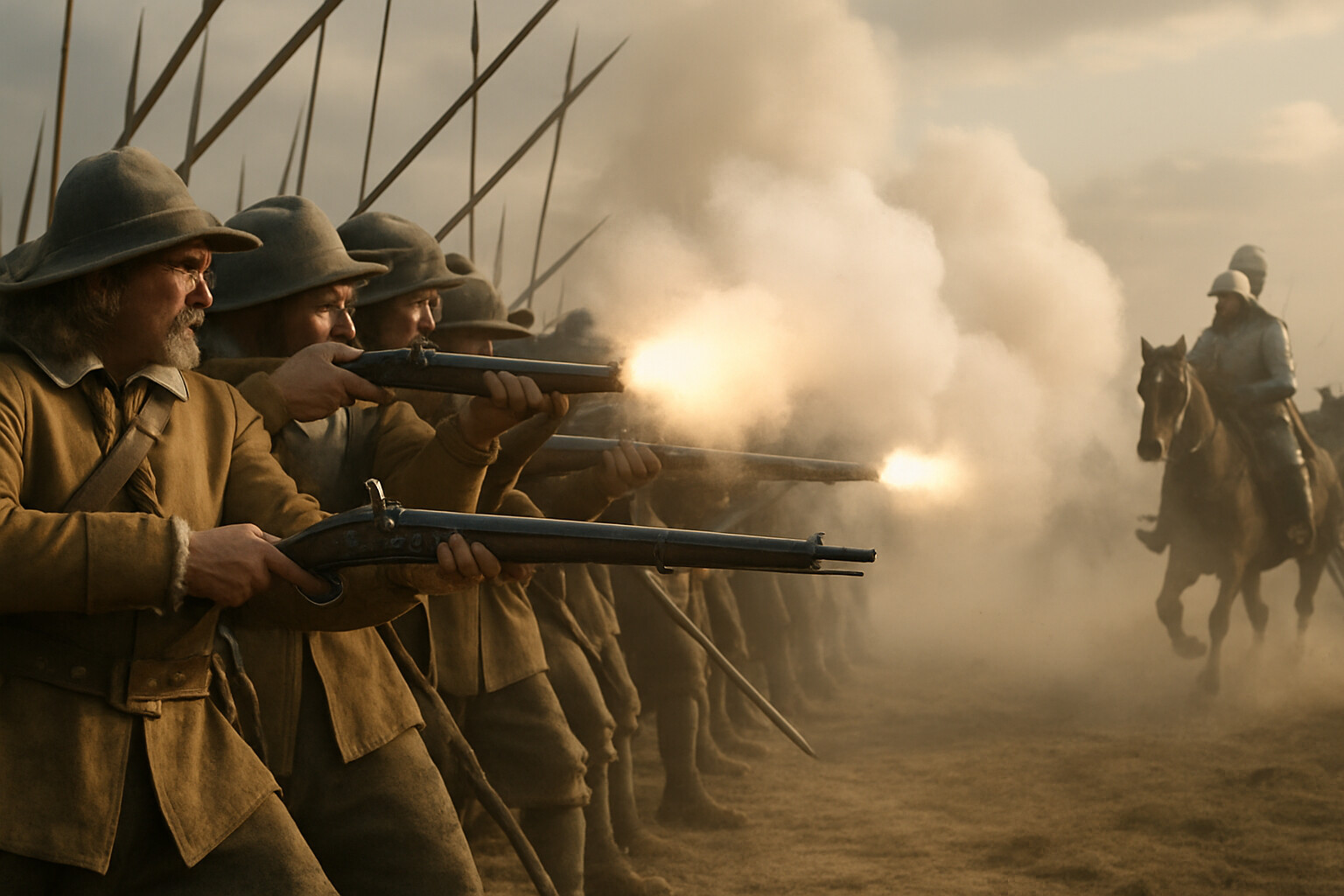
He did not wait for the full scope of the disaster to become clear. Swedish cavalry and infantry units on the left began to refuse their flank — turning to face the threat — while the Swedish artillery, positioned with the tactical mobility his reforms had created, shifted fire onto the advancing Imperial infantry. Meanwhile Gustavus directed the Swedish right wing cavalry, which had stabilized against Pappenheim's repeated attacks and now held the initiative, to begin an exploitation.
The Swedish cavalry swept around the Imperial left — Pappenheim's exhausted and repulsed wing — and drove into the rear of the Imperial center and right. At roughly the same time, the Swedish infantry in the center pressed forward. The Imperial army, which had been maneuvering to exploit the Saxon collapse, now found itself under assault from multiple directions simultaneously: from the front by Swedish infantry, from the flank and rear by Swedish cavalry, and across the entire field by Swedish artillery firing into increasingly disordered formations.
Tilly's army began to disintegrate.
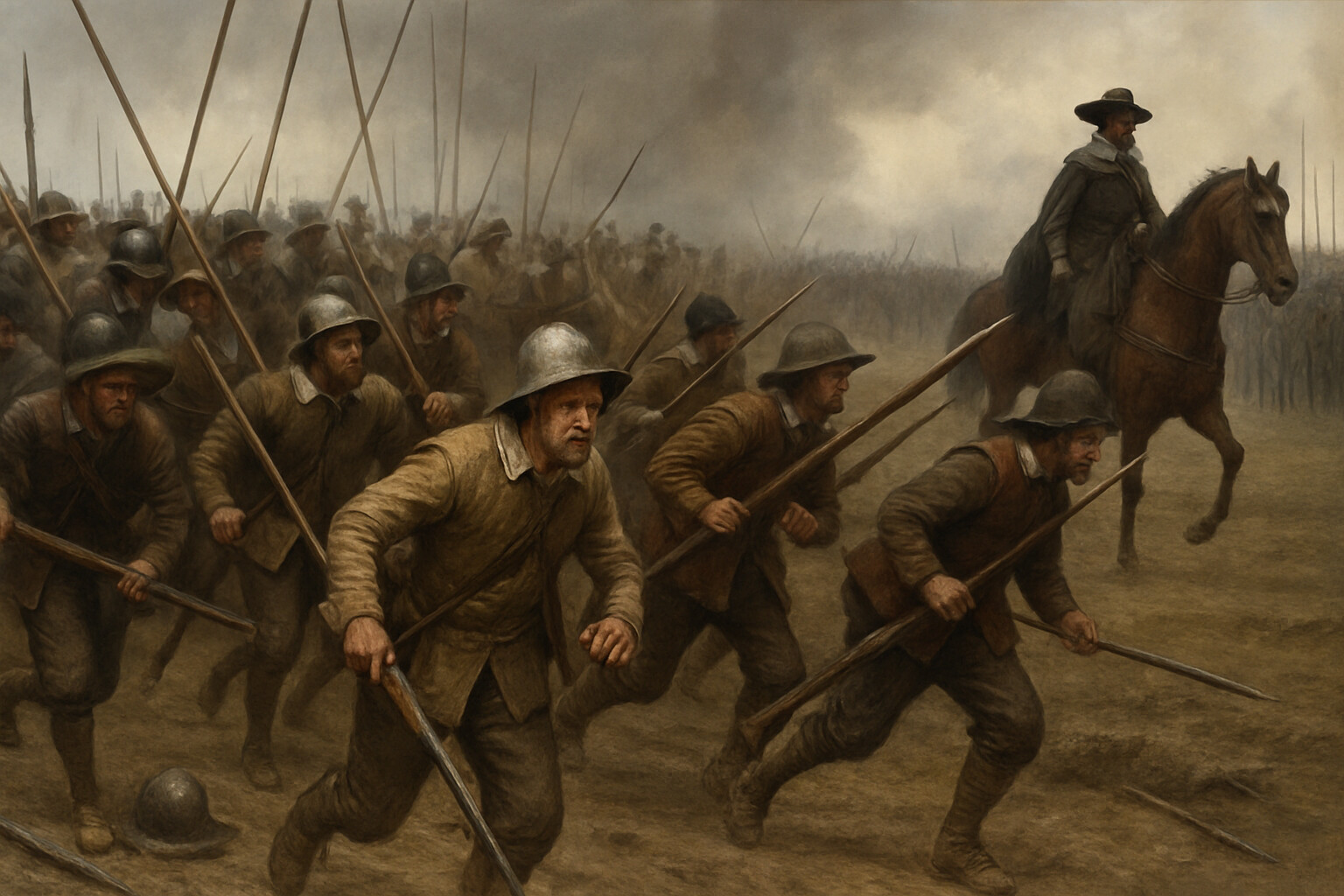
The Imperial infantry formations — large, deep, slow to maneuver — could not reorganize fast enough to face threats arriving from unexpected directions at once. The advantage of the tercio system was mass and staying power in a static engagement. When cohesion broke and formations began to fragment under pressure from multiple axes, that same mass became a liability: men packed together could not move freely, could not find clear lines of retreat, and blocked each other's ability to reform. What had been military strength became the condition for rout.
The battle lasted through the afternoon. By the time the fighting ended as darkness gathered, the Imperial army had suffered a catastrophic defeat. Contemporary accounts and later scholarly assessments generally agree that Imperial losses were severe — commonly cited figures run to seven thousand or more killed and some six thousand or more captured, with many additional casualties from the pursuit that followed, though exact numbers carry the usual pre-modern uncertainty and vary across sources. Most of the Imperial artillery was captured; figures for the number of pieces differ across sources, with some accounts suggesting roughly twenty-six guns, though this figure should be treated as approximate. Tilly himself was wounded. The army that had enforced Imperial Catholic dominance for a decade was shattered as a fighting force.
The Swedes and Saxons also paid a price. Swedish casualties are generally estimated at several thousand killed and wounded. Saxon losses are harder to quantify given the rout, and figures in primary sources are almost certainly unreliable. The victory was real and decisive. It was not purchased without cost.
---
Gustavus Adolphus did not conduct this battle from safety.
The records establish that he was personally present in the cavalry action on the Swedish right wing, directing the engagement against Pappenheim's attacks. Commanding kings in the seventeenth century routinely fought near the front — this was part of the political and military culture of the age, a demonstration of personal courage expected of a military sovereign — but it carried obvious physical risk. His decision to ride without a full cuirass, a consequence of the Dirschau wound, meant that the protection most senior commanders could rely on was unavailable to him. His active role in the cavalry fighting is well established in the historical literature, though the precise detail of individual moments is reconstructed from sources that recorded the broad shape of events rather than a minute-by-minute chronicle.
After the battle, according to contemporary and near-contemporary accounts, Gustavus knelt on the field and offered public religious thanks — a gesture recorded in several early sources and consistent with his known Lutheran seriousness. He was a king who understood his war in partly theological terms, and the victory at Breitenfeld confirmed for him and his supporters that the campaign carried meaning beyond simple politics. Whether this moment unfolded precisely as later tradition describes it cannot be established with certainty; the core of the account — that Gustavus gave public religious thanks after the battle — appears in enough early sources to be treated as likely, while the exact form and any specific phrasing remain unconfirmed.
---
The aftermath of Breitenfeld reshaped the war.
Before the battle, every major Swedish engagement in Germany had been defensive or preliminary. The army had established itself on the Baltic coast, maneuvered, secured supply lines, and fought to protect its position — but it had not destroyed an Imperial army in open battle. After Breitenfeld, the strategic initiative shifted completely.
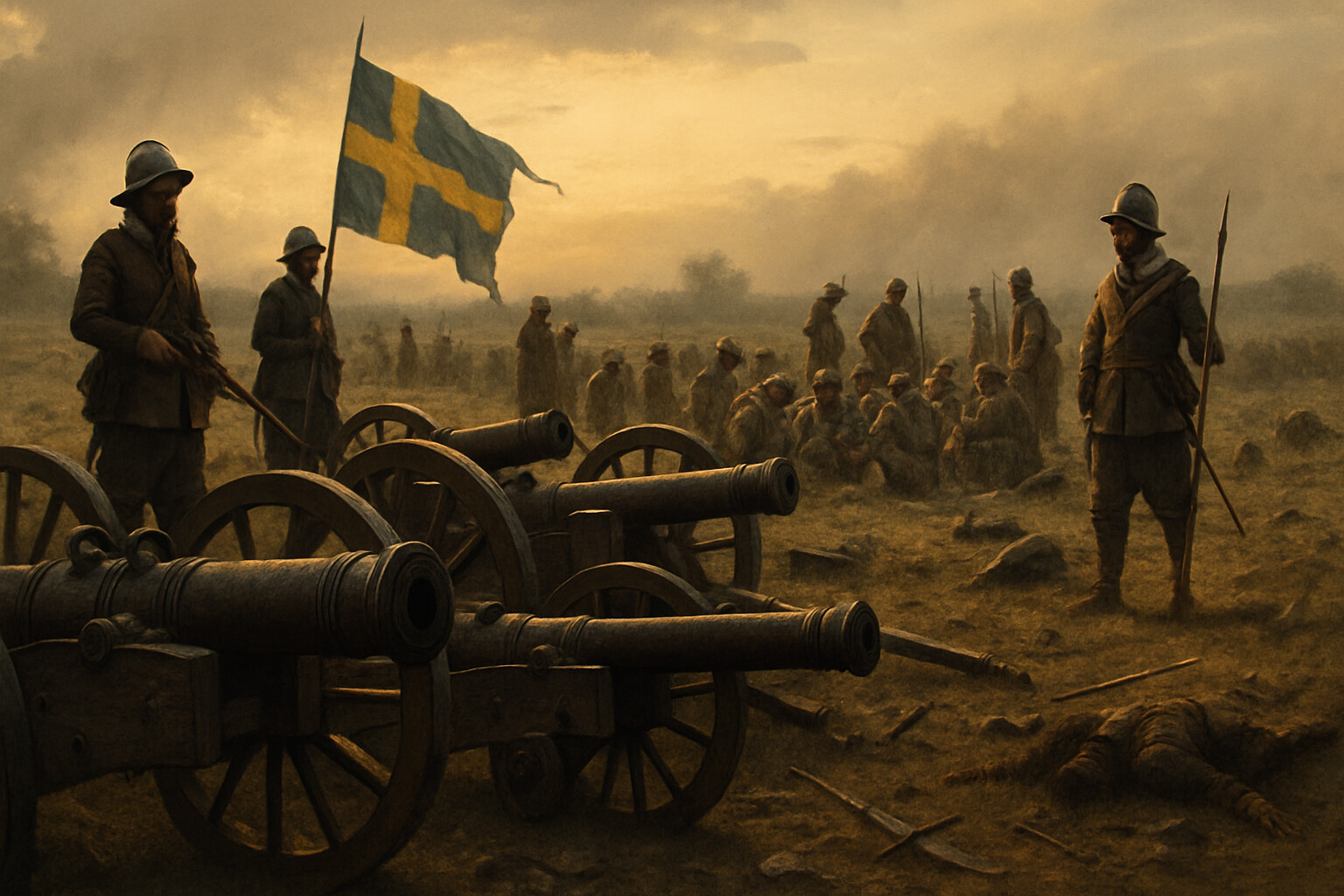
Gustavus moved his army deep into Germany over the following months, driving into the heart of the Empire. He entered Frankfurt am Main, then Mainz. Swedish forces reached the Rhine. Protestant princes who had been watching from cautious distance began to calculate that the Swedes were worth joining. The strategic landscape of the war rotated on the axis of what had happened at Breitenfeld.
For Imperial Catholic power, the shock was profound. Tilly, who had been the instrument of Imperial military dominance for years, had been beaten badly in open field — his army effectively destroyed as a formed force. He would be given another command and died of wounds received at the Battle of Rain the following year, in April 1632. Emperor Ferdinand II had to recall Albrecht von Wallenstein, whom he had previously dismissed, to rebuild Imperial military capacity. That recall, and the subsequent career and assassination of Wallenstein, would define much of the next phase of the war.
The battle also confirmed, in the most public possible way, that the tactical system Gustavus had built worked. The combination of mobile artillery, linear infantry formations capable of concentrated fire, and aggressive cavalry committed to shock rather than cautious pistol work had beaten the formations that everyone in Europe had spent a century treating as dominant. Military thinkers across Europe noticed. The Swedish brigade formation, the integration of artillery into tactical planning at the operational level, the emphasis on cavalry shock — these elements spread through European armies over the following decades, not always directly copied from Sweden but absorbed into the broader evolution of military thinking that the Thirty Years' War itself accelerated.
Gustavus himself would be dead within fourteen months. He was killed at the Battle of Lützen on November 16, 1632 — shot from his horse during a cavalry engagement in fog, his body found on the field afterward. The precise sequence of events is contested in some details, including the circumstances of his final moments, but the fact of his death at Lützen is beyond question. He was thirty-seven years old. The war he had entered continued for sixteen more years after his death, grinding through 1648 and the Peace of Westphalia, which produced the broad confessional settlement that Protestant survival in the Empire required.
He did not live to see it.
---
What the records allow us to say about Breitenfeld, and what they do not.
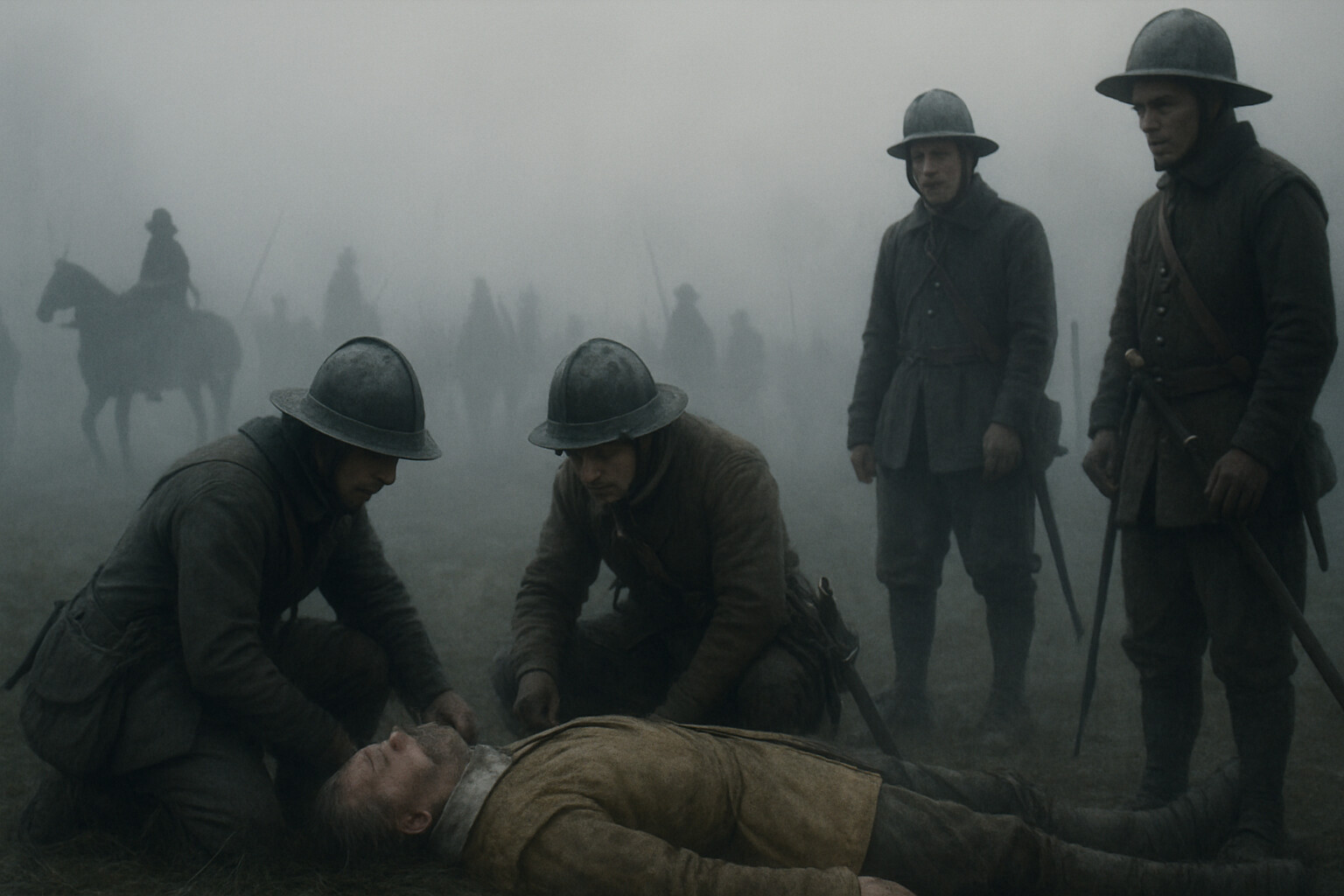
The broad shape of the battle — the Saxon collapse, the Swedish recovery, the envelopment and destruction of the Imperial army — is established across multiple sources, including contemporary chronicles, Swedish state records, and the work of later military historians who have examined the available primary material. Michael Roberts's work on Gustavus Adolphus remains the foundational English-language treatment, and the battle is analyzed in detail by scholars including Geoffrey Parker in his studies of the Thirty Years' War and military revolution. Peter H. Wilson's comprehensive modern synthesis provides essential cross-reference for the major factual claims in this account. The order of battle, the names of senior commanders, and the basic sequence of events are not in serious dispute.
Precise casualty figures are, as with most early modern battles, less reliable. Numbers reported in contemporary accounts varied widely, and later compilations represent informed estimates rather than verified counts. The same caveat applies to exact troop strengths: figures given by different sources for each army differ by several thousand men, and modern historians generally present ranges rather than precise totals.
The tactical details — the number of times Pappenheim attacked the Swedish right, the precise sequence of Swedish counteraction — are recorded in sources but cannot be verified with the precision a modern after-action report would provide. The reconstruction in this account is based on the weight of the scholarly literature, but readers should understand that some elements remain interpretation.
The image of Gustavus as the decisive, personally present commander who held his army together when the Saxons broke is consistent with the sources and is not a later invention, but the individual moments within that image — the specific orders given, the precise positions at particular times — are reconstruction from imperfect records. Direct quotations attributed to Gustavus in some popular histories are of uncertain provenance and are not used in this account.
---
Breitenfeld was not the end of anything. The war ran for another seventeen years. Germany continued to suffer — famine, plague, displacement, and violence that depopulated entire regions and left scars across the political geography of Central Europe. The Peace of Westphalia in 1648 acknowledged what Breitenfeld had made possible: Protestant existence in the Empire was not going to be simply extinguished.
Gustavus Adolphus had arrived in Germany in 1630 with an army rebuilt around systematic ideas, led by a king who understood war as a technical and organizational problem as much as a matter of courage. At Breitenfeld he had the chance to prove it at scale, against the most capable army his enemies could put in the field, under conditions as difficult as they could be — with an allied wing already broken and running when the decisive moment arrived.
He did not break. His army did not break. The formation that Tilly brought to bear, tested against a thousand opponents over a decade, came apart in the afternoon sun north of Leipzig, and when it was over, the plain was covered in the debris of a force that had believed itself unbeatable.
The reckoning for Protestant Europe did not come in the form anyone had expected. It came in the form of artillery moving faster than anyone thought artillery could move, and cavalry riding harder than the old system allowed for, and infantry delivering fire in coordinated volleys from lines thin enough to maneuver.
It came in the form of a king who had read the same books as everyone else and drawn different conclusions.