Zero hour came at 7:30 in the morning.
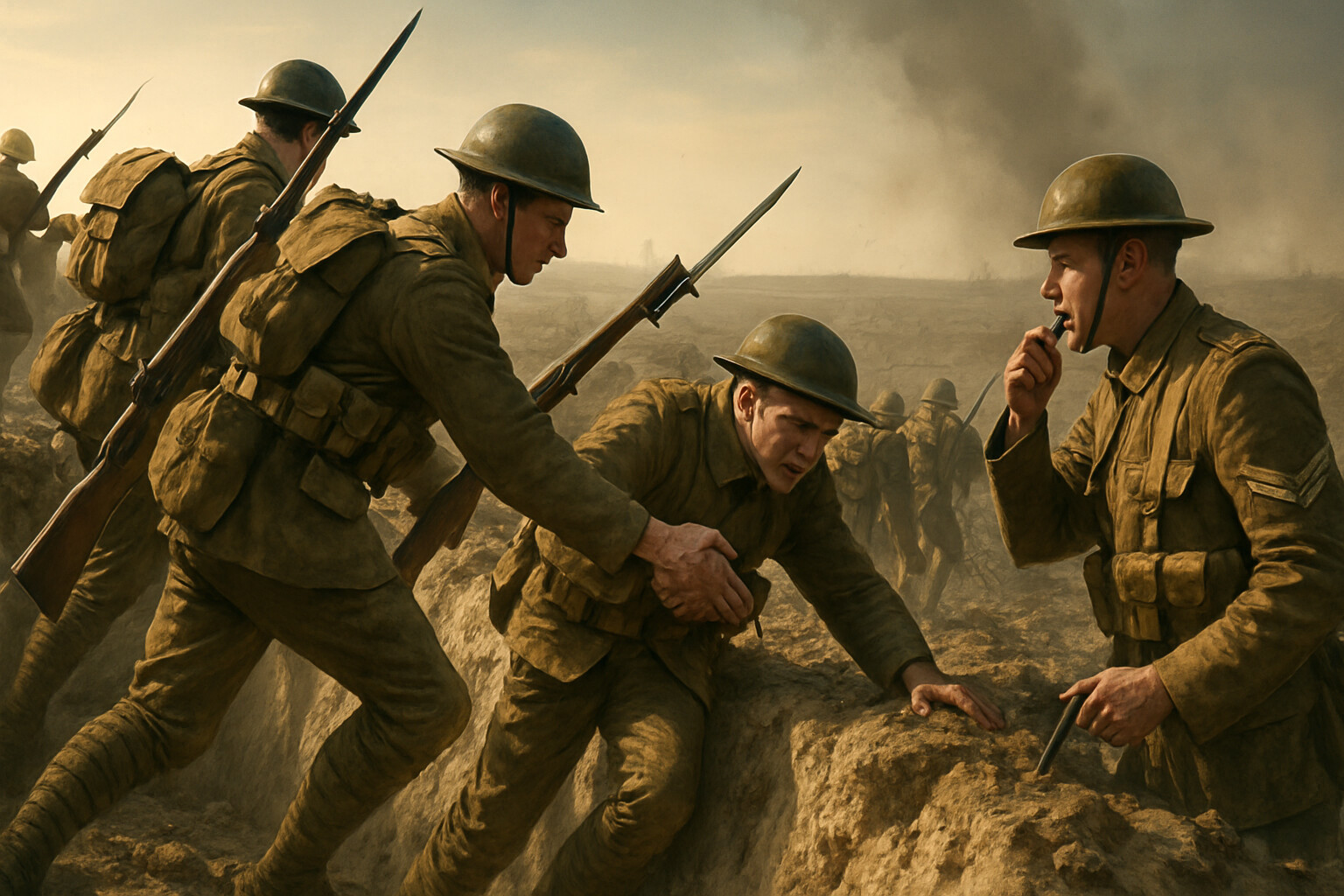
Along fourteen miles of chalk downland between Serre in the north and Maricourt in the south, whistles blew in a hundred muddy trenches, and thousands of British infantrymen climbed out of the earth and walked forward into the July light. They walked because their commanders had calculated that a week of unprecedented artillery bombardment had destroyed the German defenses—the wire, the machine-gun nests, the deep concrete bunkers—and that the infantry need only advance to consolidate what the guns had already won.
The guns had not won it.
Within minutes, German machine gunners who had ridden out the bombardment in dugouts cut thirty feet into the chalk emerged, dragged their weapons to the fire-step, and opened fire on a battlefield that offered almost no cover. Waves of men fell before they reached the German wire. Some units lost most of their strength in the first hour. By nightfall, the British Expeditionary Force had suffered approximately 57,470 casualties—roughly 19,240 killed and the rest wounded, missing, or taken prisoner—on a single day.
It was 1 July 1916. It remains the bloodiest day in the history of the British Army.
---
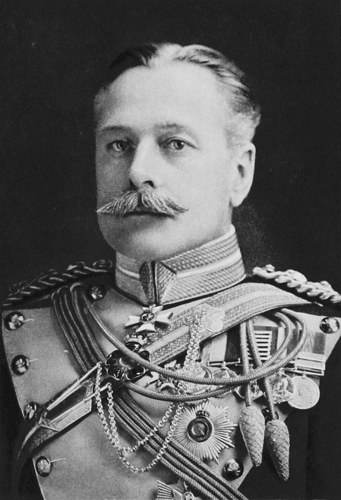
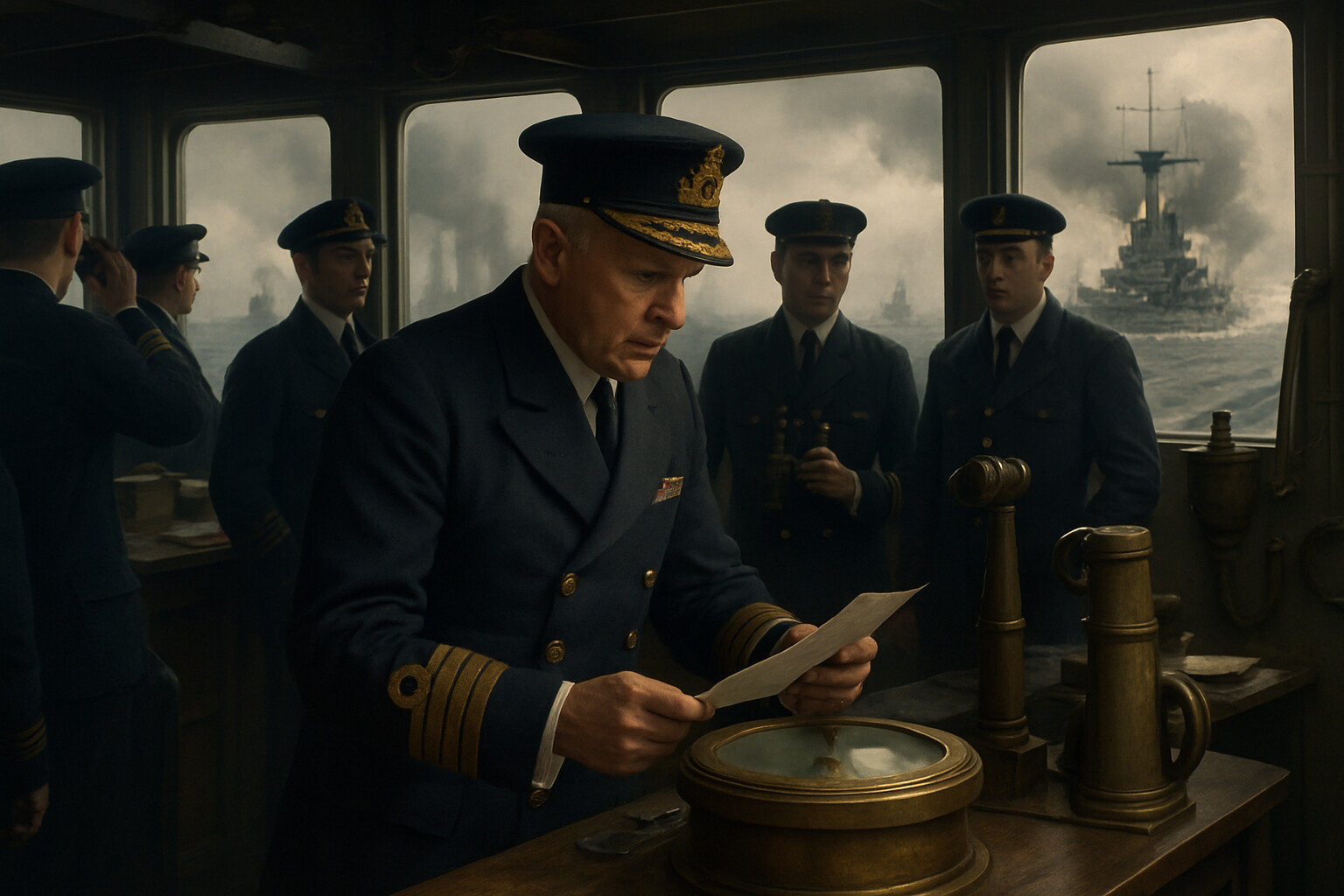
The man who bore ultimate responsibility for that day was Field Marshal Sir Douglas Haig, Commander-in-Chief of the British Expeditionary Force.
Haig was 55 years old in the summer of 1916, a Lowland Scot from a whisky family, educated at Clifton College, Brasenose College Oxford, and the Royal Military College at Sandhurst. He had been commissioned into the 7th Queen's Own Hussars and served in the Sudan, South Africa, and India before rising through staff and command appointments to the highest post the British Army could offer. He was not the kind of man who expressed doubt in writing or in public. His diary, maintained with meticulous care throughout the war, records a man of measured confidence, deep faith, and an almost complete absence of visible anguish. Historians have used that very quality to condemn him and to defend him, sometimes in the same paragraph.
Haig had taken command of the BEF in December 1915, replacing Sir John French. By spring 1916 he found himself caught between competing strategic imperatives that left him, in his own assessment, with no good options. The German Army had launched a massive offensive at Verdun in February 1916, grinding the French Army toward collapse in attritional fighting of almost mechanical violence. French commander General Joseph Joffre pressed Haig with growing urgency to open a major offensive on the Somme to draw German forces away from Verdun. The date was not Haig's preferred choice; he had wanted more time to train the New Armies—the vast citizen force raised by Kitchener's recruitment drive of 1914 and 1915. The strategic pressure was not abstract. If France collapsed at Verdun, the war was lost.
So the Somme was chosen, and the date—1 July 1916—was set.
---
The ground itself mattered enormously, and it favored the defender.
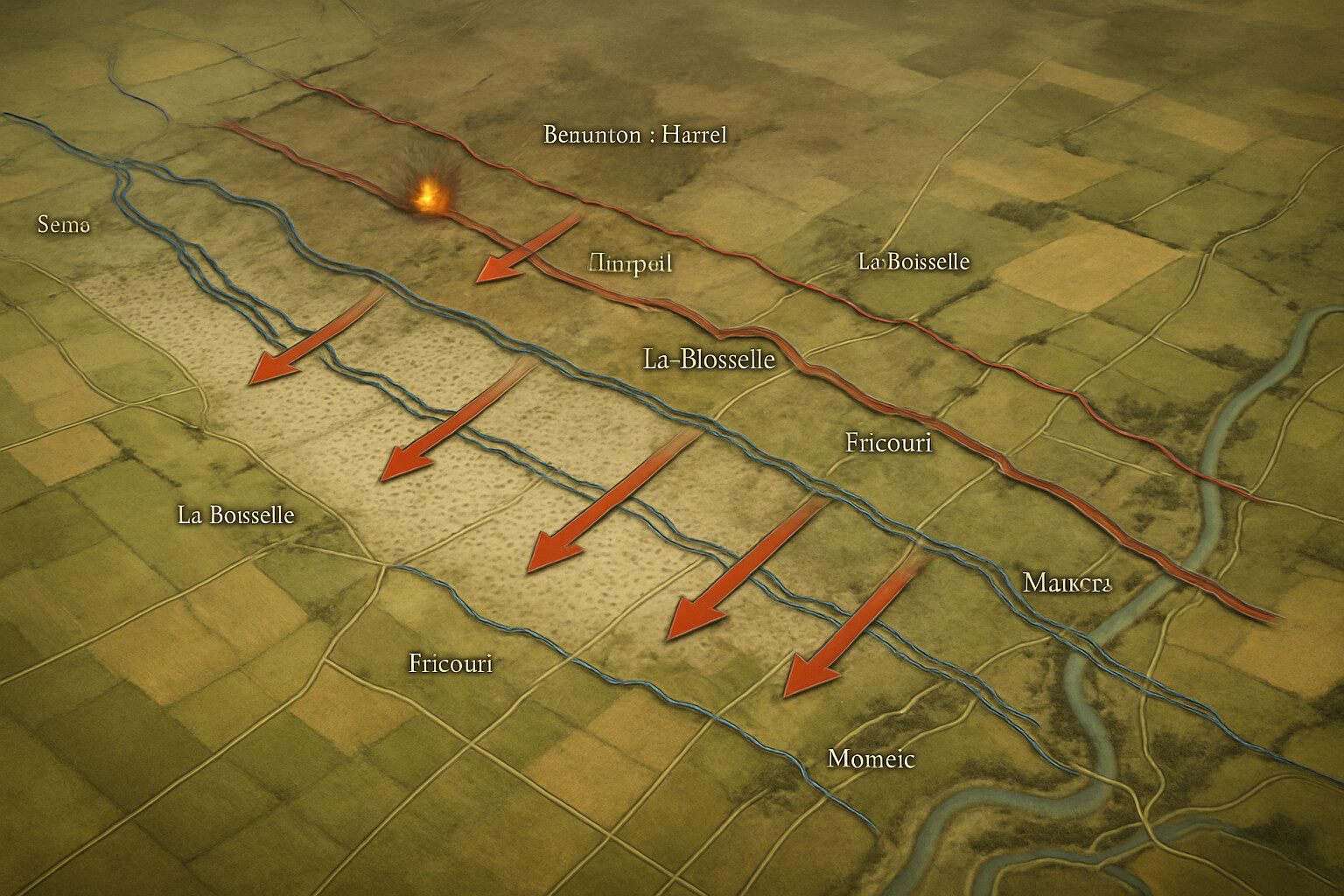
The Somme sector sits on a broad ridge of chalk downland in the département of the Somme in Picardy. In 1916 it was farmland and small villages: Thiepval, Beaumont-Hamel, La Boisselle, Fricourt, Mametz, Montauban. The German Army had held this line since late 1914, and in those eighteen months it had engineered a defensive system of remarkable depth. The front-line trench system was backed by support trenches, communication trenches, and reserve positions extending several miles to the rear. Crucially, the Germans had exploited the chalk geology to dig deep dugouts—some reaching thirty feet below the surface—that could shelter entire garrisons from all but a direct hit by the heaviest shells.
The German wire in front of these positions was not a token obstacle. It was dense, deep, and had been growing for eighteen months. In places it ran thirty yards in depth, rusted and tangled and anchored to iron stakes. Men who reached it without being shot faced the task of cutting through under fire—or being channeled into the lanes the defenders had left open, which were covered by machine guns.
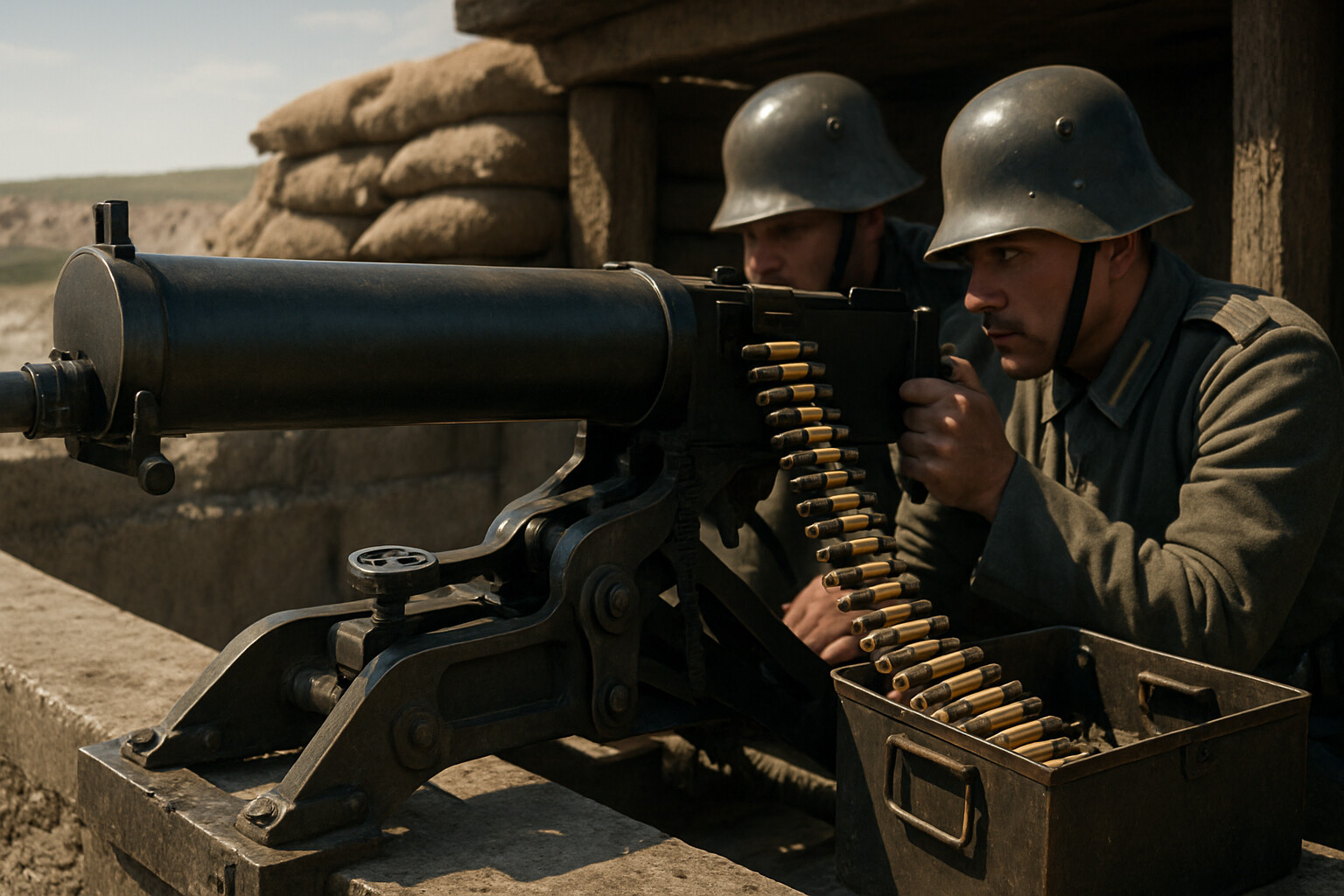
The German machine guns anchoring the defensive line were primarily the MG 08—a water-cooled weapon derived from Hiram Maxim's original design, capable of firing approximately 400 to 450 rounds per minute at an effective range exceeding 2,000 meters. A single MG 08 crew, properly positioned with interlocking fields of fire, could cover an entire section of No Man's Land. German defensive doctrine called for multiple overlapping machine-gun positions, so that the loss of one would not open a gap. These weapons were the central fact of the battlefield. On 1 July 1916 they performed exactly as designed.
The British infantry going forward carried the Short Magazine Lee-Enfield rifle—a bolt-action weapon of genuine quality, accurate and reliable, capable of fifteen rounds per minute in trained hands. But the Lee-Enfield was suited to a different kind of fight. Walking upright across open ground toward intact wire and concealed machine guns, the infantryman's personal weapon was largely beside the point. The battle would be decided by artillery suppression, by wire-cutting, and by the speed and surprise of the assault. On 1 July 1916, all three of those conditions failed.
British infantry sections had also begun to receive the Lewis gun by 1916—a lighter, air-cooled machine gun that provided a measure of organic fire support at platoon level and was a genuine improvement in infantry firepower. But the Lewis gun's value lay in suppressive fire and the consolidation of captured ground. It could not substitute for the artillery preparation that was supposed to have cleared the path.
---
The plan for 1 July was built around a single load-bearing assumption: that the preliminary bombardment would destroy the German defensive system before the infantry moved.
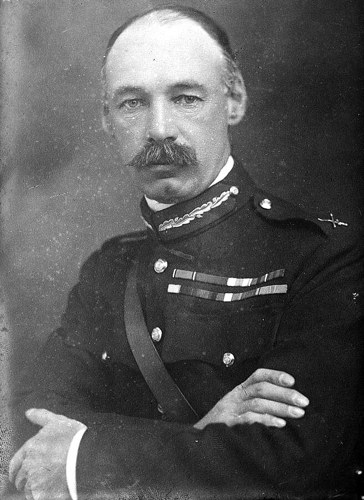
For seven days—from 24 June to the morning of 1 July—British guns fired approximately 1.5 million shells along the Somme front. The scale was without precedent in British military history. Haig and his Fourth Army commander, General Sir Henry Rawlinson, expected that this weight of fire would cut the wire, collapse the dugouts, destroy the machine-gun positions, and break the defenders' will. Observers in the days before the assault reported the German front line churned into a moonscape.
The bombardment was not adequate for the task, and several factors compounded each other. A significant proportion of British shells were duds—estimates vary considerably by sector and shell type, with one in three cited as a rough approximation in secondary literature, though the actual figure differed across the front—and failed to explode on impact. The heaviest shells capable of penetrating deep dugouts were available in smaller numbers than the lighter field artillery rounds, which could churn the surface without reaching men thirty feet below. Wire-cutting required specific fuze types, and in many sectors the wire remained substantially intact. German garrisons in the deep dugouts survived in numbers their opponents had not anticipated.
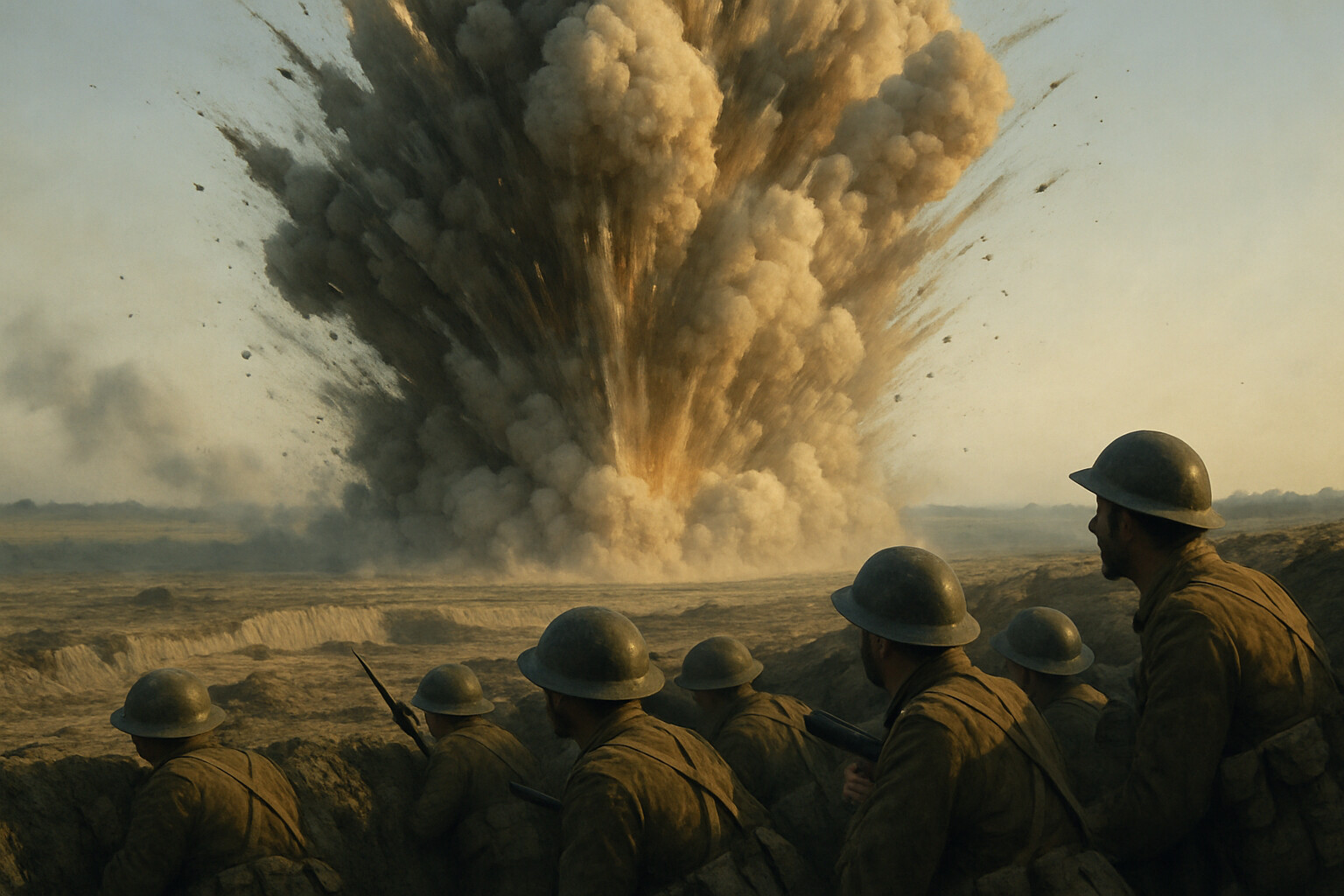
At 7:20 a.m. on 1 July—ten minutes before zero hour—the Hawthorn Ridge mine near Beaumont-Hamel was detonated. At 7:28 a.m., the Lochnagar mine beneath La Boisselle and several others along the front went up in enormous columns of earth and chalk. The Lochnagar explosion killed or incapacitated the German garrison at that specific point. The decision to detonate the Hawthorn mine ten minutes early has been associated in several accounts with the requirements of a film crew recording the event, as noted in British official records, though whether the early detonation directly alerted German defenders along that sector to the imminent assault is inferred from circumstantial evidence rather than proven conclusively.
At 7:30 a.m., the barrage lifted and the infantry went over.
---
What followed differed dramatically from one section of the front to another, and this variation is essential to understanding what happened.
In the northern sectors—from Serre south through Beaumont-Hamel, Thiepval, and the Ancre valley—the results were catastrophic. The German wire was largely uncut. The deep dugouts had sheltered their garrisons. German machine gunners emerged within minutes of the barrage lifting and found British infantry advancing in extended lines across open ground with almost no cover.
The 1st Newfoundland Regiment at Beaumont-Hamel attacked from a position some 250 yards behind the British front line—the communication trenches forward were clogged with casualties from preceding waves—and crossed No Man's Land in full view of German positions. Of approximately 780 men who went forward, the regiment suffered roughly 710 casualties, including around 233 killed on that day. It was the near-destruction of a unit between breakfast and noon.
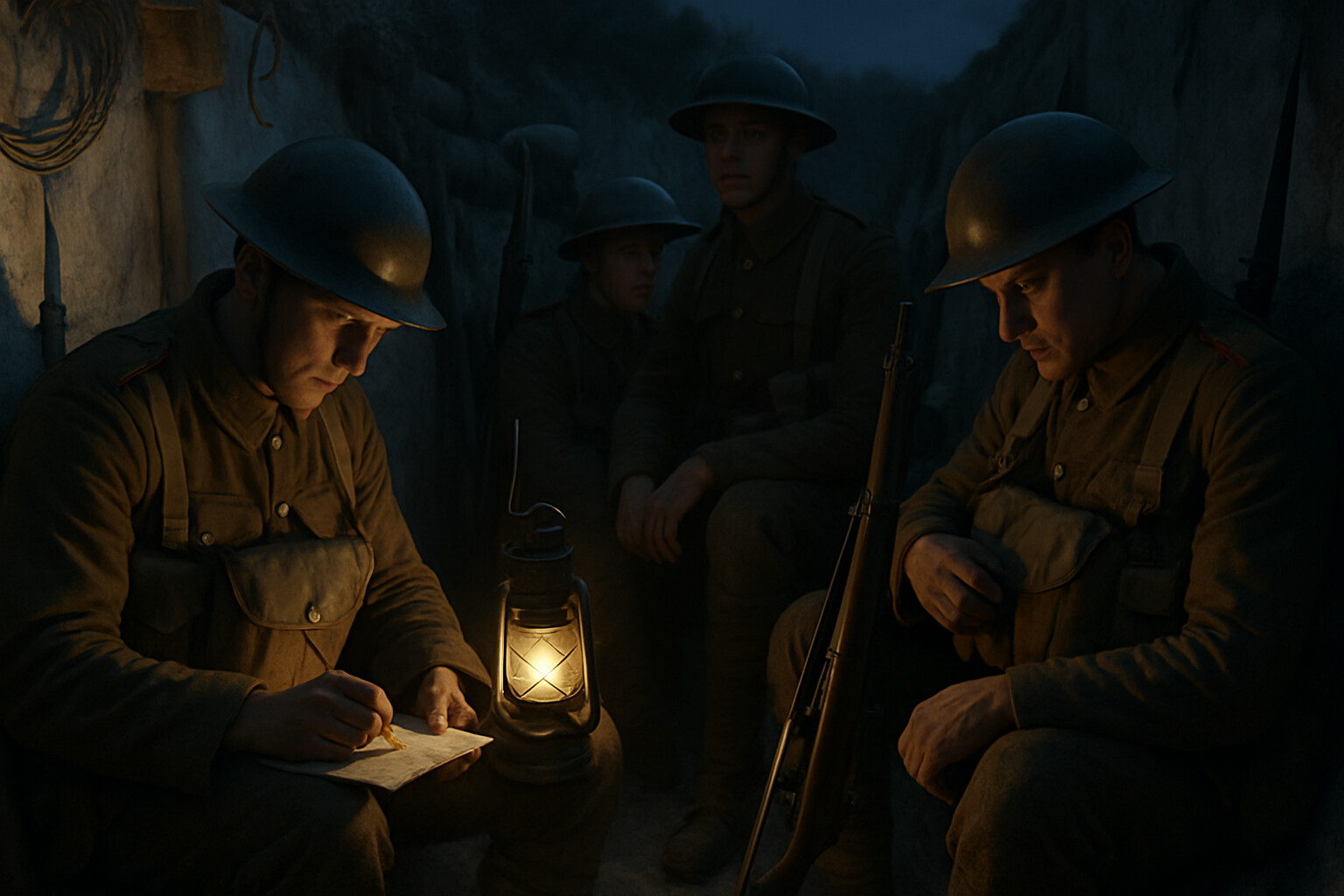
The 36th (Ulster) Division at Thiepval achieved one of the most remarkable advances of the day, penetrating deep into the German defensive system and reaching the Schwaben Redoubt—a heavily fortified strongpoint considered a key objective. The Ulstermen closed tightly on the creeping barrage and drove into the German lines with tactical skill. For a period they held positions far inside German-held ground. But neighboring units on their flanks had been stopped, and without reinforcement or resupply they could not hold what they had taken. By evening they had been forced back, having suffered severe casualties in both the advance and the withdrawal.
In the southern sectors—from Fricourt through Mametz to Montauban—the story was different. French artillery on the right flank was denser and more effective than British fire in comparable sectors, a finding of the British Official History, though the degree of advantage varied by sub-sector. German positions in some areas were less deep. The British 13th and 30th Divisions, operating alongside French forces, achieved their objectives on 1 July and held them. Montauban was taken. These successes were real, but the scale of failure in the north obscured them.
The day produced more Victoria Crosses than almost any other single day in British history. Men cut wire under fire. Officers led forward through concentrated machine-gun fire. Stretcher-bearers worked in the open throughout the day and the night that followed. The courage on display across the front was not in question. The system in which that courage was spent was the question that 1 July raised—and has never entirely stopped raising.
---
Haig's headquarters was at the Château de Beauquesne, approximately twenty miles behind the front.
The communications technology of 1916 meant that accurate, timely information about what was happening on a battlefield of this scale reached commanders only in fragments, often hours after the events described. Telephone lines ran forward from corps and divisional headquarters but were frequently cut by shellfire. Runners—men assigned to carry messages on foot—were the backup, and the distances involved made them desperately slow. Aircraft observation depended on weather and on the ability of observers to interpret what they saw from altitude. Carrier pigeons were used. Visual signaling with lamps and flags was attempted.
The cumulative effect was that on the afternoon of 1 July 1916, Haig and Rawlinson at Fourth Army headquarters did not have a clear picture of the full scale of the disaster on their left flank. Some reports were optimistic. The southern successes appeared to confirm that a breakthrough remained possible. Haig's diary entry for 1 July—a document studied with forensic care by historians—recorded his early impressions as more positive than the reality warranted, and then recorded the progressive arrival of worse news through the day.
This was a documented feature of command at the operational level throughout the First World War, not a failing specific to Haig's character. The gap between the ambition of industrial-scale offensive operations and the communications technology available to manage them was structural. Commanders were routinely working with information that was hours old and geographically incomplete. The tragedy, as many historians have framed it, was built into that gap—not into any individual's indifference.
Haig did not halt the offensive on 1 July. He continued it. The Battle of the Somme ran from 1 July to 18 November 1916—141 days. Before it ended, British and Commonwealth forces suffered approximately 419,654 casualties. German casualties on the Somme across the same period are estimated at roughly 465,000 to 500,000, though these figures remain subjects of ongoing scholarly scrutiny and the partial destruction of German records in the Second World War makes precision impossible. French forces on the right flank suffered an estimated 200,000 additional casualties.
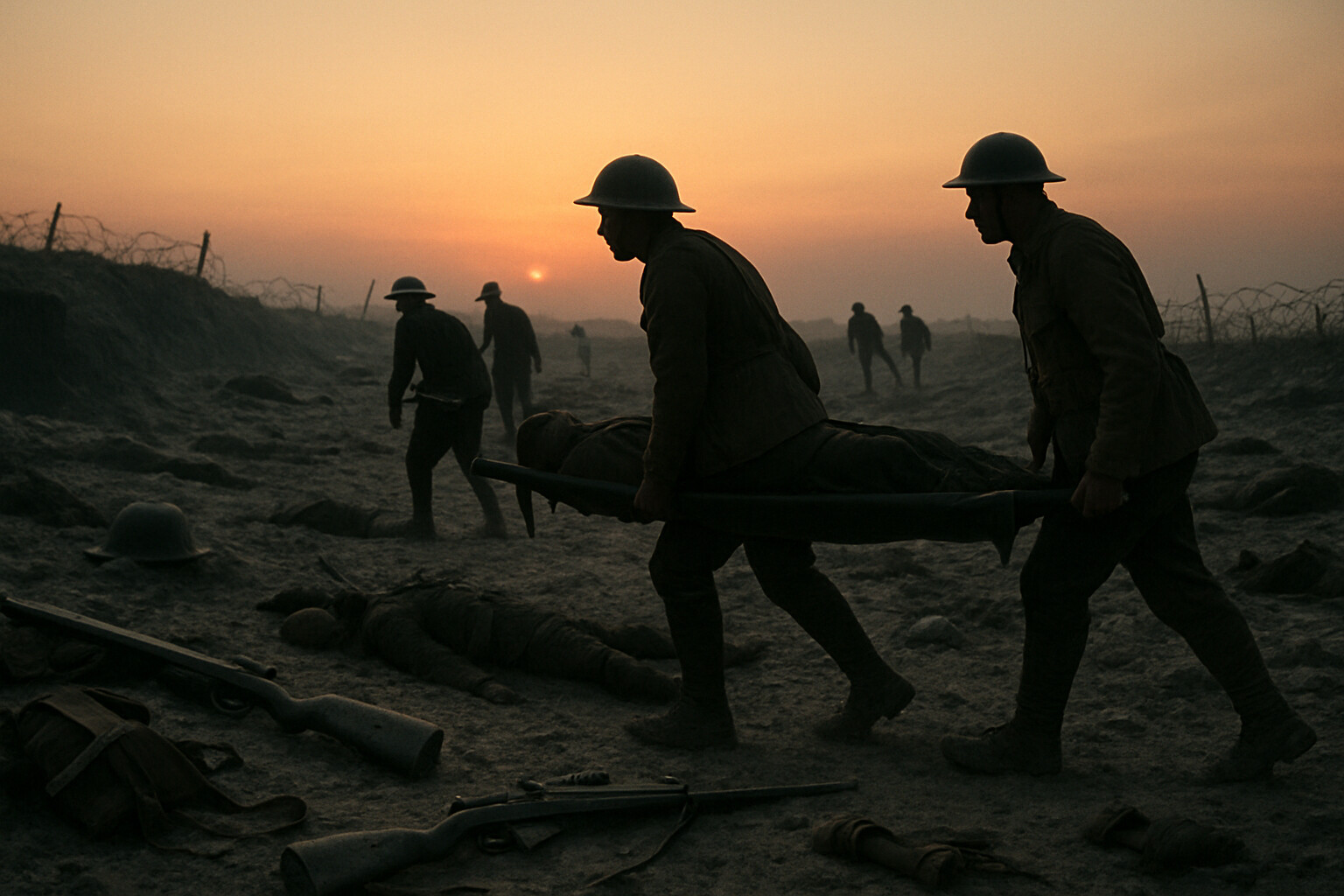
The territorial gain by November 1916 was measured in miles—roughly six at the deepest point of the British advance. The fortress village of Thiepval—an objective on the morning of 1 July—fell on 26 September 1916 after weeks of fighting. Beaumont-Hamel, where the Newfoundlanders had been destroyed in the first hour, was not taken until 13 November.
The strategic calculation behind the offensive—that it would relieve pressure on Verdun—carried some validity. German offensive operations at Verdun diminished as the Somme drew increasing German reserves. The French Army was not broken in 1916, and it continued fighting. Whether that strategic outcome justified the cost is a question that historians, descendants, and the nations involved have argued for more than a century, without resolution.
---
On 15 September 1916, the British Army introduced a new weapon to the Somme battlefield: the tank.
Designated the Mark I and developed under considerable secrecy, it was an armored, tracked vehicle designed to cross trenches, crush wire, and provide moving cover for infantry. It was mechanically unreliable in its early form. Of 49 tanks available for the Battle of Flers-Courcelette on 15 September, approximately 32 reached the start line; far fewer remained operational throughout the day—though the precise breakdown should be confirmed against the British Official History's Tank Corps volumes. Where tanks advanced successfully with infantry, they produced results that artillery alone had not. The village of Flers was entered in part with tank support. German accounts noted the psychological effect of encountering the vehicles for the first time, though quantifying that effect operationally is difficult.
Haig's decision to use the available tanks in September 1916—rather than holding them until larger numbers could be assembled—has been criticized by some historians and defended by others. Whether an earlier introduction, a later massed deployment, or some other approach would have produced better operational results is not a question the historical record can answer definitively.
---
The record of the Somme is one of the most thoroughly documented in military history.
The British Official History—compiled after the war under Brigadier-General Sir James Edmonds—runs to multiple volumes covering the Somme campaign and constitutes the essential documentary spine of any account of the battle. Edmonds had complicated professional relationships with several of the commanders he wrote about, and the Official History has been critiqued for its defensive treatment of certain decisions and its selective use of German records. It remains indispensable.
General Sir Henry Rawlinson's papers, held at the Churchill Archives Centre in Cambridge, document Fourth Army planning and operations in detail. Haig's own diaries—held at the National Library of Scotland and published in edited form—are primary sources of unusual weight, though historians have read them to very different conclusions. John Terraine and Gary Sheffield have drawn from them a portrait of a commander working within genuine constraints; John Keegan and Basil Liddell Hart drew something closer to an indictment. The diaries sustain both readings, which is itself a fact about the Somme's historical complexity.
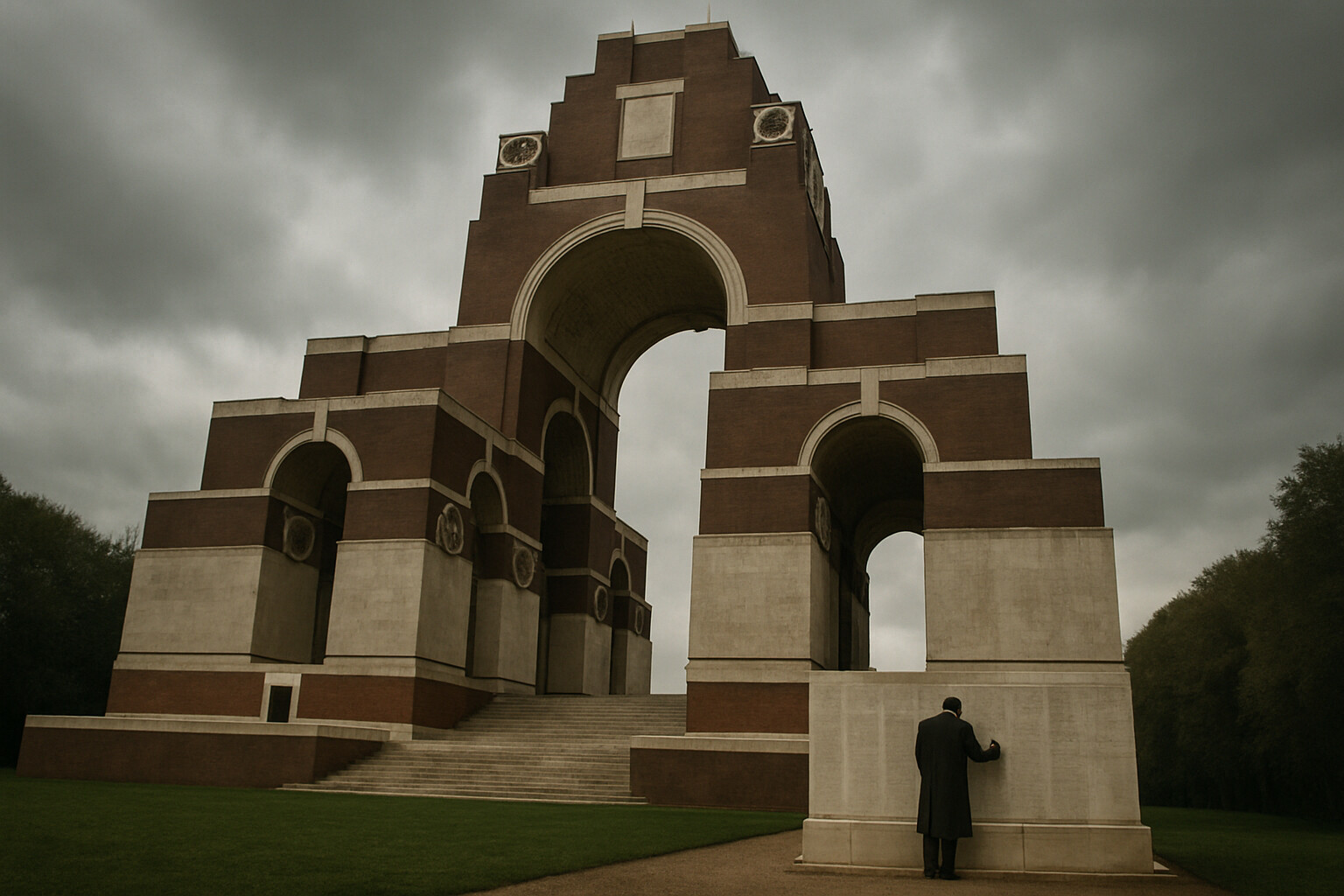
The Commonwealth War Graves Commission maintains records of the identified dead. The Thiepval Memorial to the Missing of the Somme—designed by Edwin Lutyens and unveiled in 1932—bears the names of 72,195 officers and men of United Kingdom and South African forces who died on the Somme between July 1915 and February 1918 and have no known grave. It is one of the largest war memorials in the world.
The personal testimonies of survivors—collected in the decades after the war and preserved in archives including the Imperial War Museum's Sound Archive—provide a human texture the operational records cannot. These accounts describe the noise, the weight of equipment, the wire, the faces of the men ahead, the moment of going over. They are oral history rather than operational record, and they vary in detail and reliability. Their emotional weight has nonetheless shaped public understanding of the Somme more profoundly than any official document.
---
Assessing Douglas Haig against the history of the Somme has occupied serious historians for the better part of a century without producing consensus.
The case against Haig begins with 1 July and rests on several arguments: overconfidence in the bombardment's effects; the decision to attack with an army not yet fully trained; the continuation of costly offensive operations after the first day made the original plan's assumptions untenable; the distance between his headquarters and the front; and a command style that his critics contend substituted optimism for accurate information.
The case for Haig—made most forcefully by Terraine, Gary Sheffield, and J.P. Harris—rests on the strategic context: the obligation to act at Verdun, the attrition imposed on the German Army across the full campaign, the absence of clearly superior operational alternatives given the technology of the era, and the argument that the BEF of 1918—which won a series of decisive victories against the same German Army—was forged in part by the hard institutional learning of the Somme. Sheffield has argued that the campaign should be understood not as futile slaughter but as part of a learning curve that ultimately produced an effective fighting force. Harris's assessment, while more critical of Haig's performance, rests on the same evidentiary base and reaches different conclusions. Neither framing should be presented as the settled scholarly verdict; the debate continues in the literature.
Both interpretations are grounded in real evidence. Neither resolves the central human fact of 1 July 1916.
Nearly 57,000 British and Commonwealth soldiers were killed, wounded, or taken prisoner on that single day. Many of them were volunteers—men who had answered Kitchener's call in 1914 and 1915, who had trained for months, and who had been told that the guns had already done the hard work. They walked forward in the morning light of a summer day in northern France, and they walked into fire that the preparations had not suppressed and onto wire that the shells had not cut.
---
The Lochnagar mine crater at La Boisselle still exists—approximately 70 meters wide and 30 meters deep, preserved by private purchase in 1978 by Richard Dunning to prevent its development. Every year on 1 July, a ceremony is held at its rim.
The Thiepval Memorial stands on the ridge above the Ancre valley, visible for miles on a clear day. The names carved into its Portland stone piers are not a list of decorated men or celebrated actions. They are the names of men whose bodies were never found—consumed by the ground they were ordered to cross.
Haig received a field marshal's baton, an earldom, and a substantial parliamentary grant after the war. He spent his postwar years working for veterans, particularly through the British Legion, which he helped to found. He died on 29 January 1928 and is buried at Dryburgh Abbey in the Scottish Borders. The debate about his command did not end with his death. It accelerated.
The 1960s brought a wave of cultural revisionism—the musical Oh! What a Lovely War, Alan Clark's polemical The Donkeys, and decades later Blackadder Goes Forth—that fixed in popular memory an image of the Somme as the product of criminal incompetence, of staff officers ordering men to their deaths from comfortable châteaux while understanding nothing of what they commanded. Academic military historians have spent decades unpacking, qualifying, and in some cases sharply contesting that image. Clark's book in particular is regarded by most military historians as polemic rather than scholarship and is cited here as cultural history, not operational record. The debate between popular memory and professional historiography has not been resolved; it has become part of the Somme's history in its own right.
What is not disputed is what happened on the morning of 1 July 1916.
The whistles blew. The men climbed out. The German machine guns opened fire.
In the chalk of the Somme, in the meticulous records of the Commonwealth War Graves Commission, in the names on the Thiepval Memorial, the evidence is permanent and specific. Approximately 19,240 British and Commonwealth soldiers died on that single day. Each had a name, a unit, a hometown, and in most cases a family that received a telegram.
No interpretive framework changes that arithmetic. The argument about what it means—whether it was necessary, whether it was avoidable, whether the men who ordered it bore guilt or simply an impossible burden—continues because the evidence demands it. The dead of the Somme have made certain of that.
That is the Somme's lasting condition: not a clean verdict, but a permanent question, carved in Portland stone and multiplied by 72,195 names on a memorial built because there were no graves to visit.