Visual breakdown
Henry Johnson's night fight
A trench raid became the regiment's clearest individual story: two sentries, a wounded comrade, and a refusal to let the line collapse.
World War I - 369th Infantry Regiment
The 369th went to war for a country that doubted them
The Harlem Hellfighters of the 369th Infantry Regiment: French command, Henry Johnson, Croix de Guerre, Sechault, and the war after the war.
Chapter 01
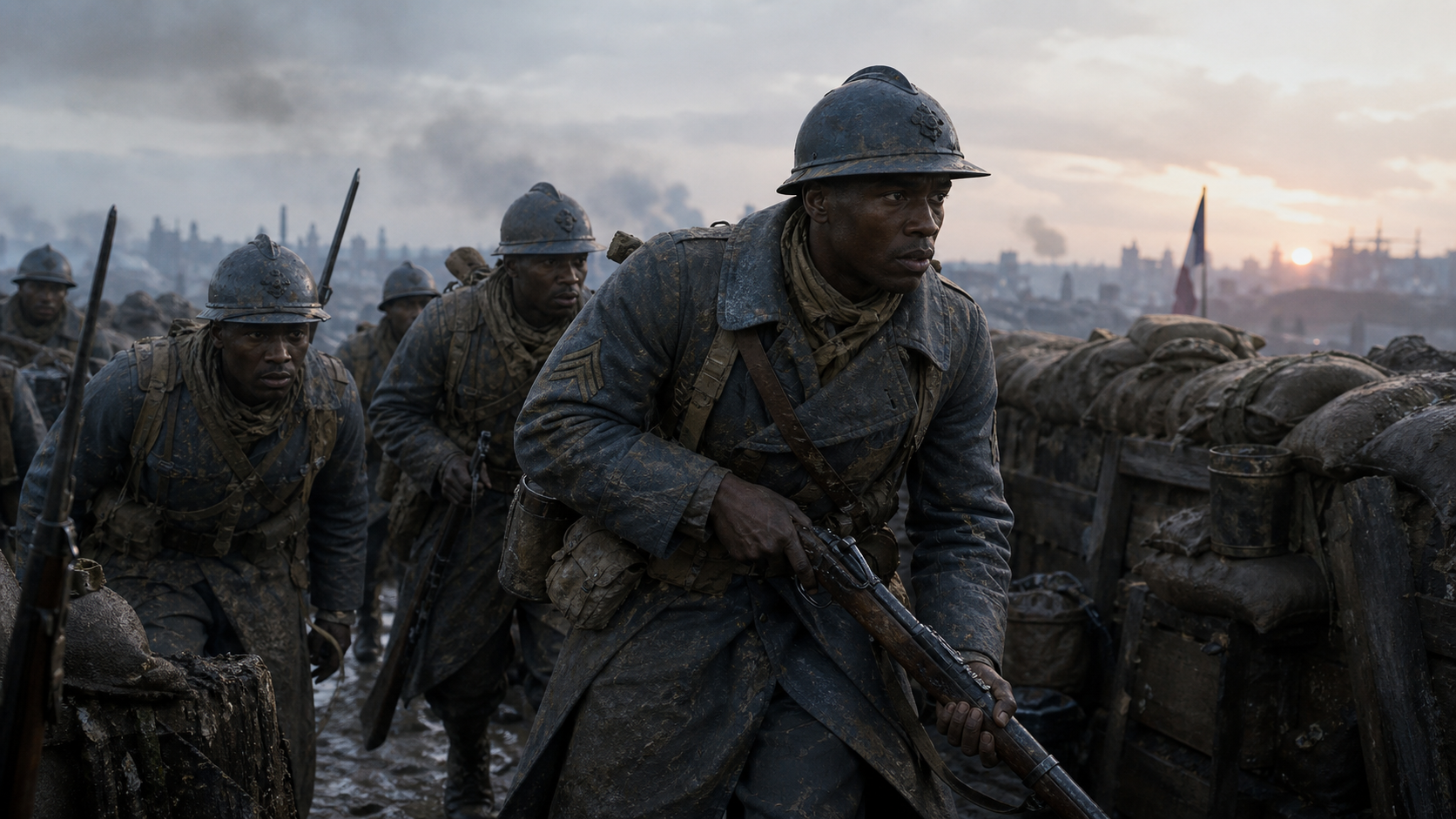
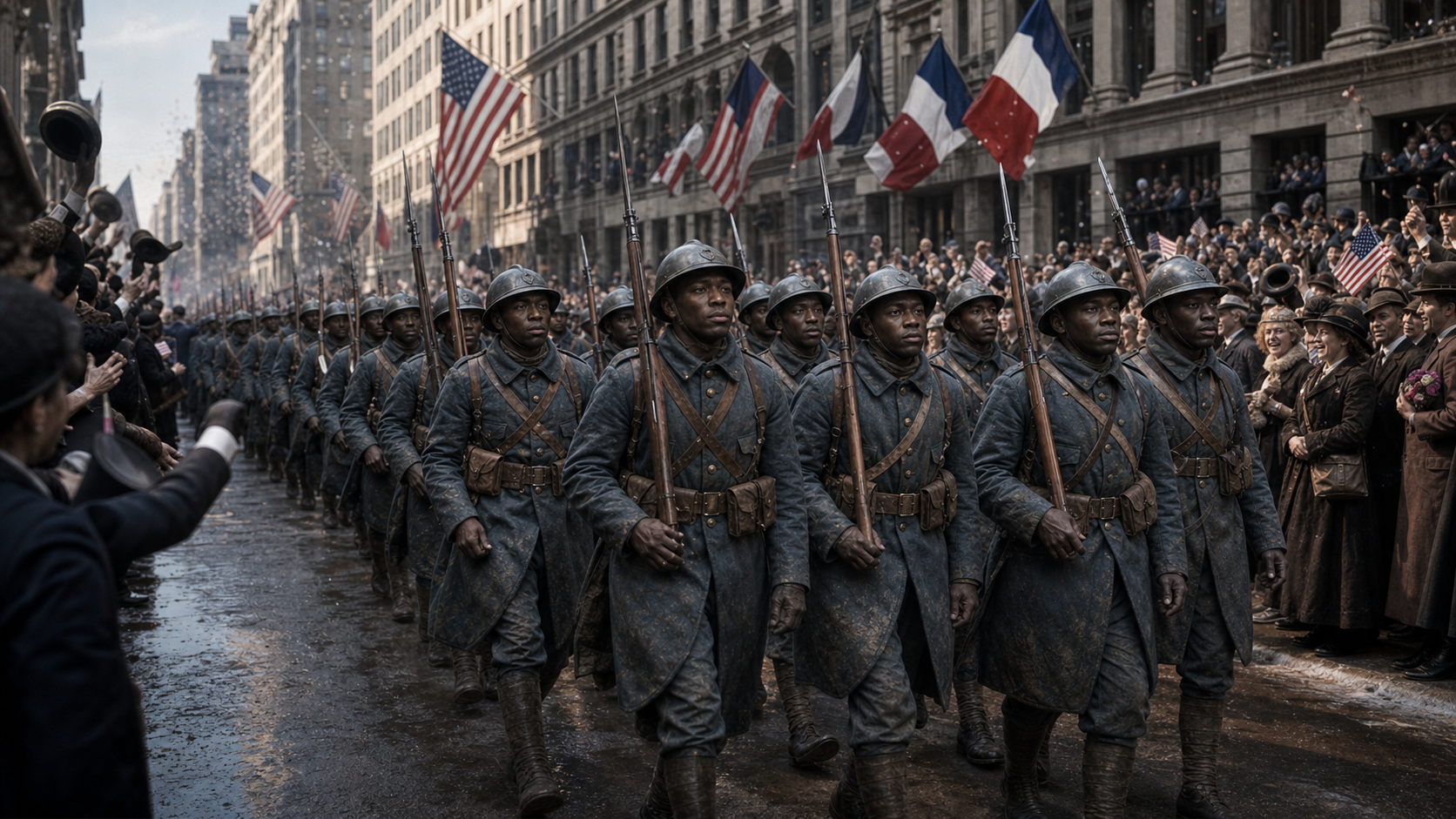
The men of the 369th marched home in February 1919 with rifles on their shoulders and history at their backs. Harlem poured into the streets. They had gone to France as Black Americans in a segregated army that doubted them. They came back as the Harlem Hellfighters.
The regiment began as the 15th New York National Guard Regiment, rooted in Black New York. Its soldiers entered a military system that reflected the racism of the nation it served. When the United States entered World War I, Black Americans volunteered and were drafted into a war described as a defense of democracy while democracy at home remained conditional.
Chapter 02
The Army was segregated. Black troops were often denied combat roles, assigned exhausting labor, and treated as a problem to be managed instead of a force to be trusted. In France, the 369th first did support work before being attached to the French Army.
That transfer was born from discrimination, but the men made it into opportunity. The French needed fighters. The 369th wanted the chance to fight. They wore French helmets, used French weapons and methods, and entered the line where the measure was simple: hold.
Visual breakdown
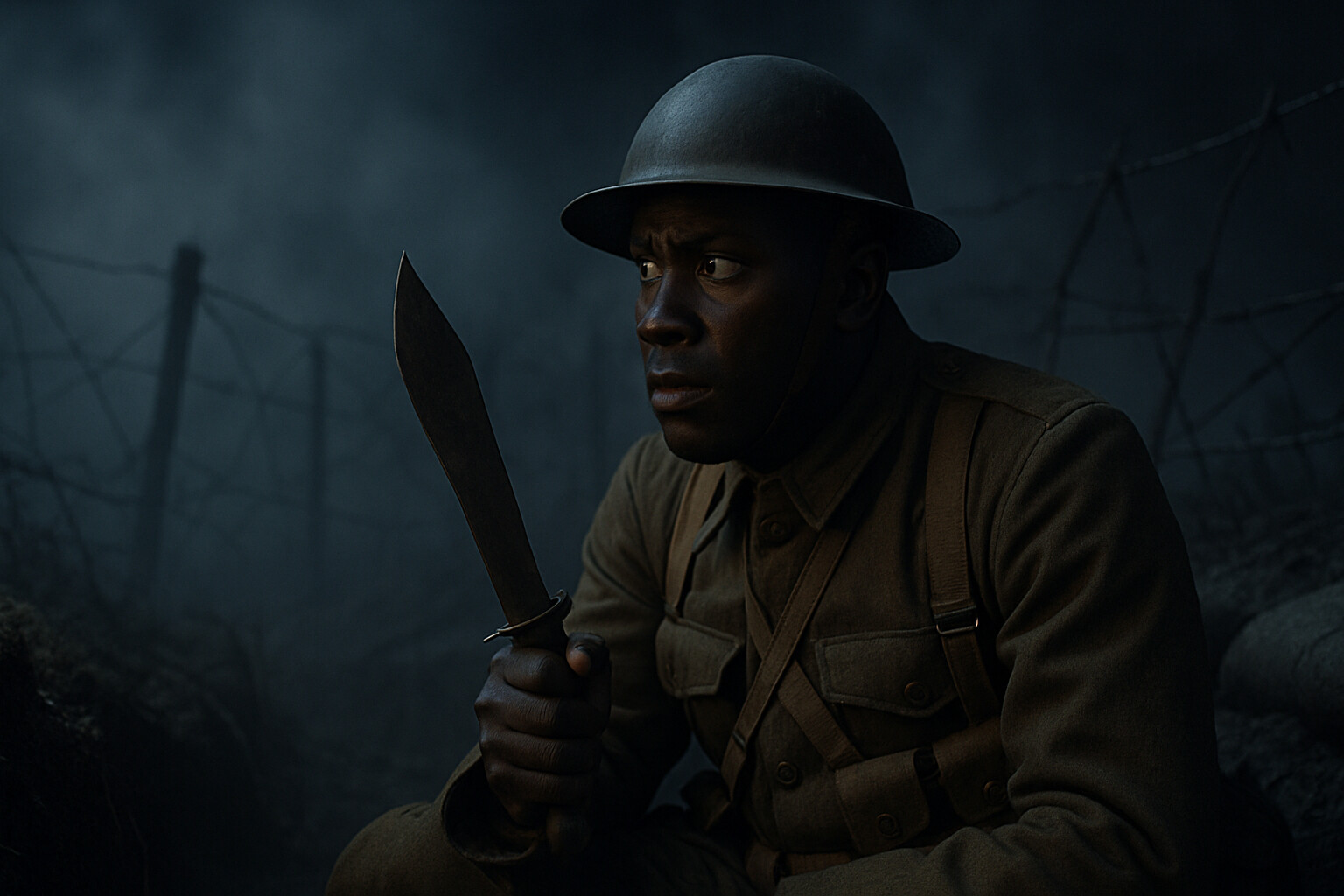
A trench raid became the regiment's clearest individual story: two sentries, a wounded comrade, and a refusal to let the line collapse.
Chapter 03
On the night of May 15, 1918, Henry Johnson and Needham Roberts were on sentry duty when German raiders attacked. Roberts was wounded. Johnson was wounded too, but he kept fighting. He fired, threw grenades, and fought at close range when the Germans tried to drag Roberts away.
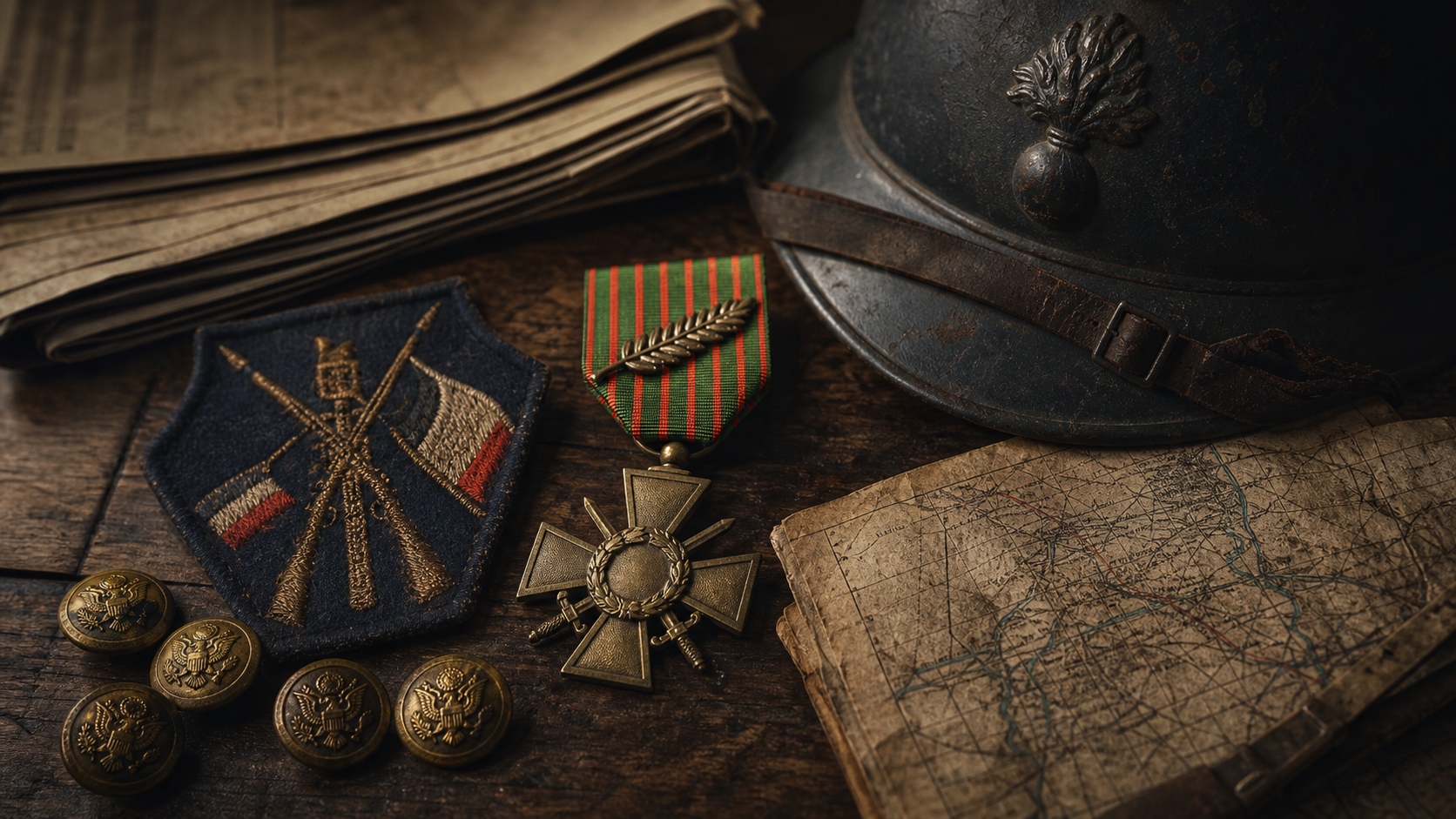
France recognized what America hesitated to honor. Johnson and Roberts received the Croix de Guerre. Johnson's full American recognition came painfully late, ending with the Medal of Honor in 2015. The delay tells a second story: the Hellfighters fought the German Army in France and erasure in American memory.
Chapter 04
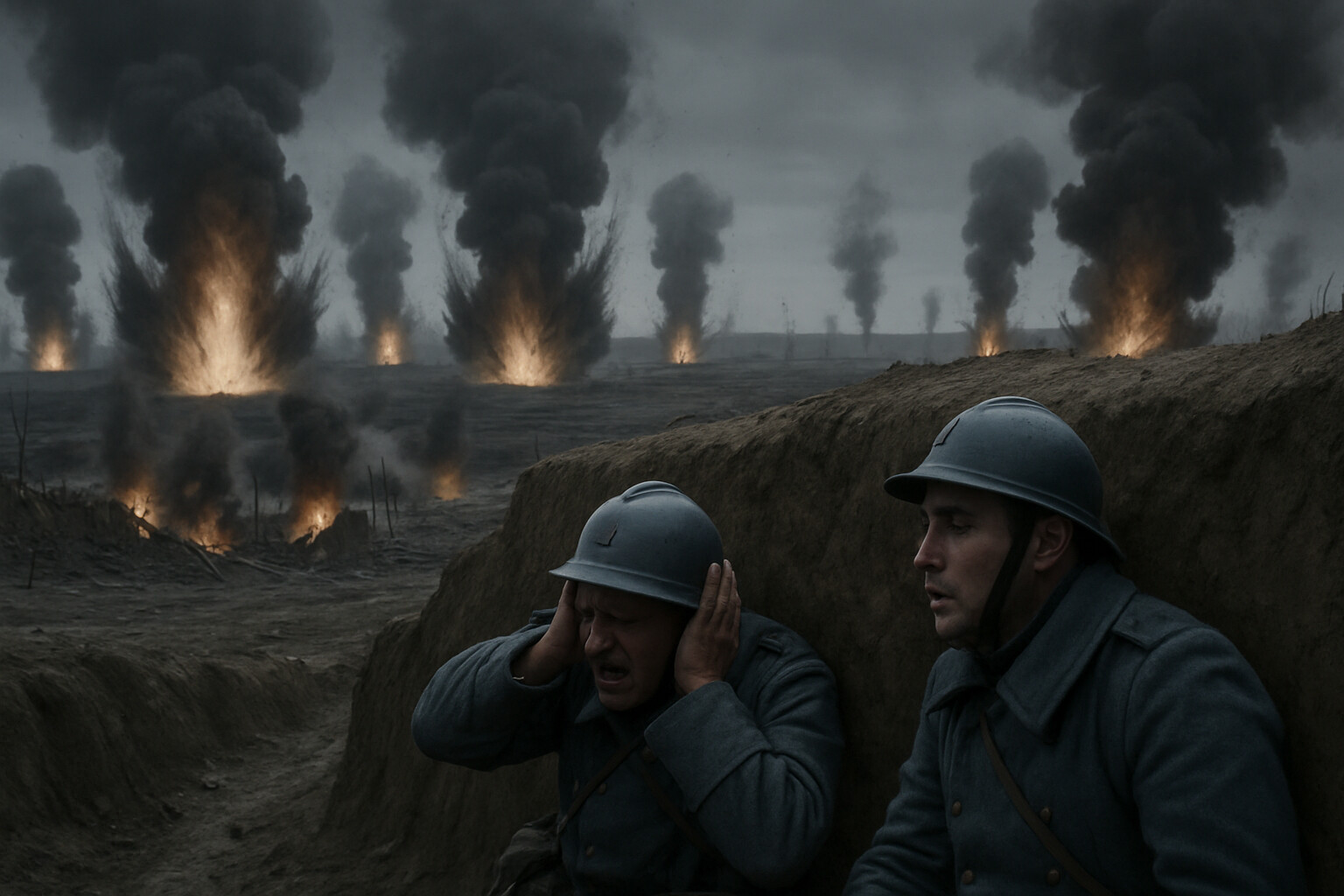
The regiment served in hard campaigns in the final year of the war. Around Sechault in September 1918, the 369th advanced through fierce resistance and paid heavily for ground that looked small on a map. The unit's reputation came from endurance: shelling, gas, machine-gun fire, patrols, and the grinding pressure of modern war.
The French decorated the regiment as a unit, and many soldiers received individual French awards. The Croix de Guerre matters because it shows how valor could be visible to allies while still politically inconvenient at home.
Chapter 05
The Fifth Avenue parade was a public reckoning. Crowds cheered men who had been doubted, sidelined, and sent abroad under racist assumptions. But celebration did not undo the country they came home to. Black veterans returned to discrimination, job barriers, racial violence, and delayed recognition.
The Harlem Hellfighters matter because they force the story of World War I into sharper focus. They were not a side note. They were one of its most decorated and symbolically powerful American units, and their service exposed the hypocrisy of a segregated democracy.
Closer look
The Hellfighters' story works best when the parade and the trenches are held together. The Fifth Avenue homecoming was not just celebration; it was public evidence. The city was watching men who had been treated as second-class citizens return with a battlefield record that could not be dismissed.
The French decorations matter for the same reason. The Croix de Guerre was not a sentimental prop. It marked a bitter contrast: French commanders saw combat value and decorated it, while the American system took decades to fully recognize men like Henry Johnson. That delay is part of the battlefield story because memory itself became another front.
Timeline
Related WWI Stories
Source basis
Built from public-history and museum references, with cinematic narration kept tied to documented events and careful uncertainty where the record is contested.