The German voices came through the wire like whispers in the dark. Private Henry Johnson pressed his face against the cold earth of his listening post, straining to make sense of the sounds drifting across no man's land. It was past 2 AM on May 15, 1918, and the Argonne Forest held its breath around him.
Beside him in the shallow outpost, Private Needham Roberts shifted nervously. The two men had been assigned to this advanced position, a critical observation post pushed forward from the main American trenches. Their job was simple: watch, listen, and report. But as the rustling in the wire grew louder, Johnson realized they were about to do much more than observe.
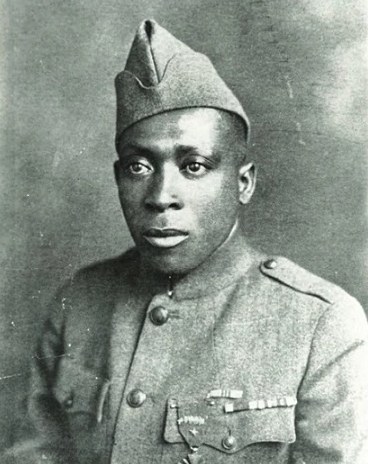
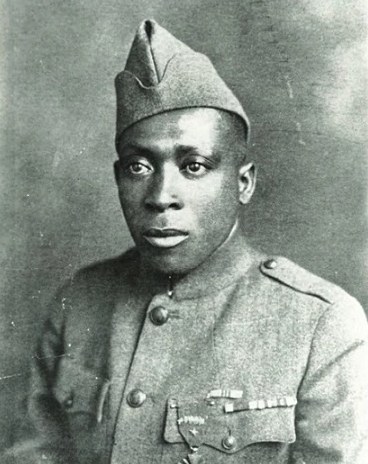
Henry Johnson had traveled an extraordinary path to this muddy hole in the French countryside. Born around 1892 in North Carolina, he had migrated north like thousands of African Americans seeking better opportunities in the early 1900s. In Albany, New York, he found work as a railroad porter, a respectable position that required him to serve white passengers with unfailing courtesy while enduring the casual racism of the era. The job demanded patience, dignity under pressure, and the ability to remain calm in difficult situations—qualities that would prove invaluable in the trenches of France.
When America entered the Great War in April 1917, Johnson answered the call to serve his country. Like hundreds of thousands of African American men, he believed that military service might earn Black Americans the full citizenship and equality that had been promised but never delivered after the Civil War. The reality proved more complex and painful than he had imagined.
The United States Army in 1917 was rigidly segregated and deeply prejudiced against its Black soldiers. Military leadership, reflecting the broader society's racial attitudes, considered African Americans unsuitable for combat roles. Most Black volunteers found themselves assigned to labor battalions, loading ships, building roads, and digging latrines while white soldiers prepared for battle. The Army's official position held that Black men lacked the intelligence, courage, and discipline necessary for effective combat service.
Johnson enlisted in the 15th New York National Guard Regiment, a unit that had existed since 1916 but struggled to obtain proper equipment and training facilities due to racial discrimination. When the unit was federalized for overseas service, it became the 369th Infantry Regiment. The designation carried both promise and uncertainty—the 369th would be one of only four African American combat regiments in the entire American Expeditionary Force.
The regiment's journey to France revealed the contradictions and complexities of American racial policy during wartime. On arrival in France in December 1917, the 369th expected to join other American divisions in training and combat. Instead, they found themselves caught in a diplomatic and military predicament that would ultimately define their war experience.
General John J. Pershing, commander of American forces in Europe, faced enormous pressure from Allied commanders desperate for reinforcements. The French Army had suffered catastrophic losses in three years of warfare—over a million dead and wounded by 1917. British forces were similarly depleted. Both allies pressed Pershing to allow their experienced commanders to integrate American units into existing French and British divisions rather than maintaining separate American command structures.
Pershing generally resisted these requests, insisting that American forces fight under American leadership to maintain national prestige and military independence. However, he made exceptions for the four African American combat regiments, viewing them as expendable assets that could be transferred to French control without compromising American military integrity. The decision reflected both practical military considerations and racial prejudice—Pershing saw little value in maintaining command over troops he considered inferior.
For the soldiers of the 369th, this transfer proved unexpectedly liberating. The French Army, while not free from racial prejudice, had a fundamentally different relationship with colonial troops and was more willing to judge soldiers by their performance rather than their skin color. French commanders had successfully integrated West African, North African, and Indochinese troops into their ranks throughout the war.
The 369th was assigned to the French Fourth Army under General Henri Gouraud, a veteran commander who had lost an arm in the Gallipoli campaign and earned respect for his tactical skill and concern for his troops. Gouraud evaluated the American regiment based on military criteria rather than racial preconceptions. He found them eager, disciplined, and capable of effective training.
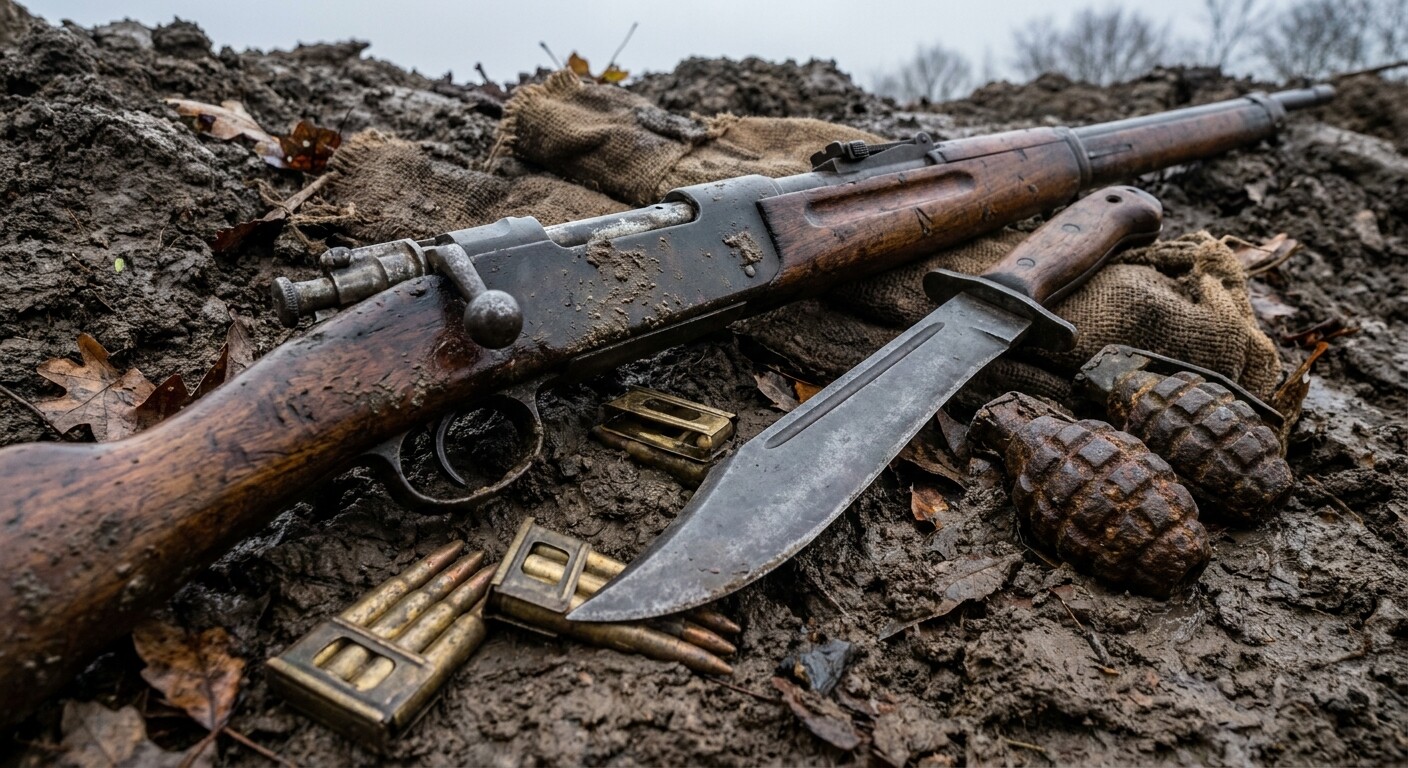
The French immediately began re-equipping and retraining the 369th according to French military standards. Out went the American Springfield rifles and field equipment; in came French Lebel rifles, Adrian helmets, and the distinctive horizon blue uniforms that marked French infantry. The Americans retained their U.S. insignia and national identity but adopted French weapons, tactics, and command structures.
This transformation proved crucial for Johnson and his fellow soldiers. The Lebel rifle, while older than the German Mauser or British Lee-Enfield, was reliable and familiar to French instructors. More importantly, French training emphasized the kind of close-quarters fighting that characterized trench warfare: grenade throwing, bayonet fighting, and the aggressive raids that dominated no man's land.
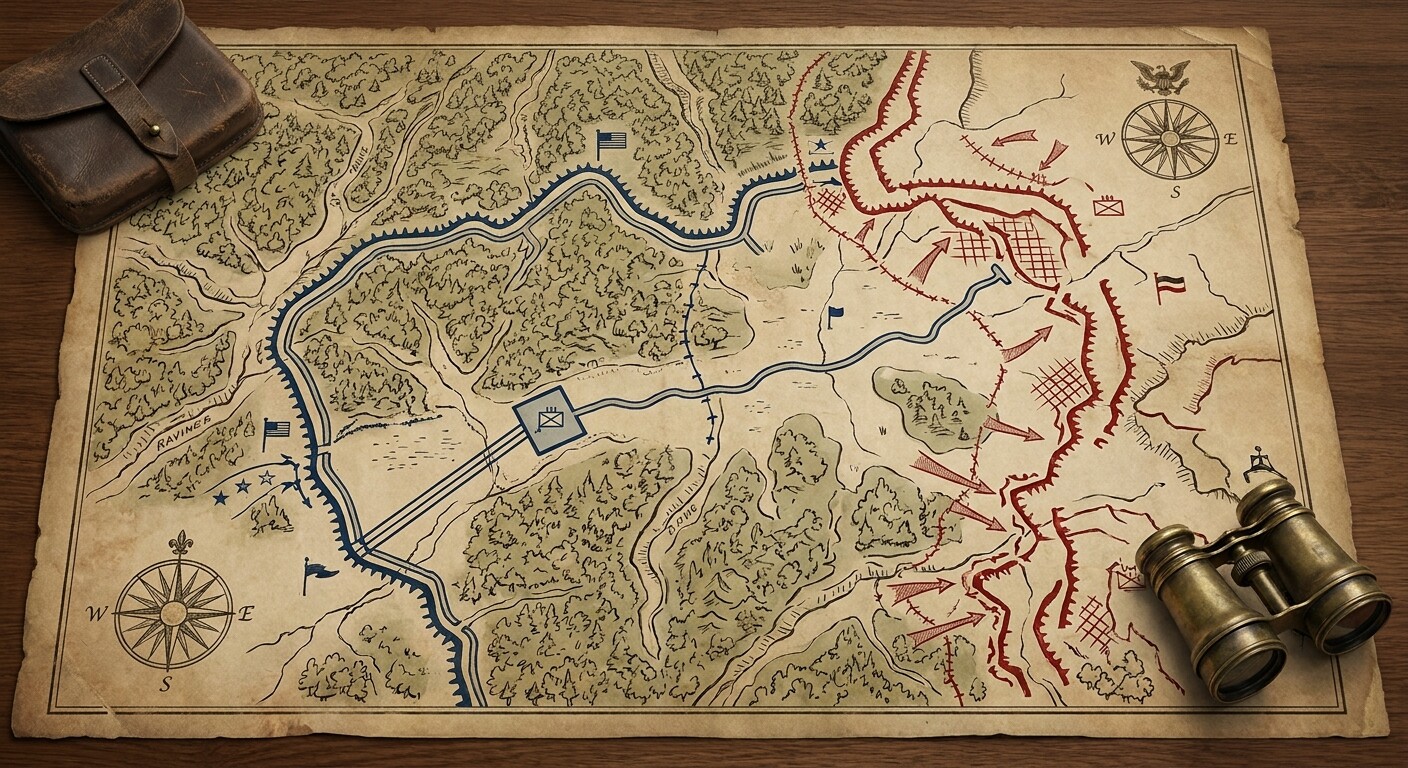
The Argonne Forest sector where Johnson now found himself represented one of the most challenging terrains on the Western Front. This dense woodland, stretching roughly 25 miles east to west and 15 miles north to south, lay between the key cities of Verdun and Reims. The forest's strategic importance was obvious—control of the Argonne meant control of crucial railway lines and communication routes that supported German positions throughout the region.
Both sides had fortified the Argonne extensively since 1914. The Germans, holding the high ground along the forest's northern edge, had constructed elaborate defensive systems that took advantage of the natural terrain. Steep ravines became machine gun positions; thick groves provided concealment for artillery batteries; clearings were turned into killing fields swept by overlapping fields of fire.
The French had responded with their own defensive preparations, but the forest's density made large-scale offensives nearly impossible. Instead, the Argonne became a sector dominated by patrol actions, raids, and the constant tension of opponents separated by mere hundreds of yards of tangled woodland. Trees that had stood for decades became casualties of war, splintered by artillery shells and machine gun bullets.
For infantry soldiers, the Argonne presented unique challenges. Navigation was difficult even in daylight; at night, movement became treacherous. The forest canopy blocked moonlight and made artillery observation nearly impossible, but it also provided concealment for small unit actions. Both sides learned to move quietly through the underbrush, to recognize the sounds that distinguished friendly movement from enemy infiltration.
The trench systems in the Argonne differed from those on open ground elsewhere along the Western Front. Rather than long, continuous lines, positions often consisted of isolated strongpoints connected by communication trenches that wound between trees and around natural obstacles. These positions were harder to coordinate but also more difficult for enemies to locate and destroy.
Johnson's listening post represented a typical forward observation position in this environment. Located roughly 100 yards ahead of the main American defensive line, the outpost consisted of a shallow excavation barely large enough for two men. A narrow communication trench, too shallow to allow standing movement, connected the position to the main trenches behind.
The post's mission was intelligence gathering and early warning. Johnson and Roberts were to observe German positions, report on enemy movement, and provide advance notice of any large-scale attack. They carried a field telephone connected to headquarters, emergency flares for signaling, and enough ammunition and supplies for several hours of independent operation.
The isolation of such positions made them attractive targets for enemy raids. German intelligence officers valued prisoners who could provide information about American strength, morale, and operational plans. A successful raid on an isolated outpost might capture valuable intelligence while demonstrating German tactical superiority and undermining American confidence.
The German military had perfected the art of trench raids through four years of experience. These operations typically involved small assault teams of 10-20 specially trained soldiers who would infiltrate enemy positions under cover of darkness. The teams carried light equipment—rifles, pistols, grenades, and wire cutters—designed for rapid movement and close combat.
German raiding doctrine emphasized speed, surprise, and violence. The ideal raid would overwhelm defenders before they could call for help, capture prisoners for interrogation, and withdraw before enemy reinforcements arrived. Success required careful preparation: reconnaissance of target positions, identification of approach routes, and precise timing to avoid friendly artillery and patrols.
The sounds Johnson heard in the darkness followed this established pattern. German soldiers were cutting through the barbed wire that surrounded his position, moving with practiced efficiency to create gaps that would allow rapid assault. The fact that he could hear multiple sets of wire cutters suggested a substantial raiding party—larger than the typical three or four-man reconnaissance patrol.
Johnson nudged Roberts and pointed toward their telephone line. Standard procedure called for immediate notification of headquarters at the first sign of enemy activity. But as Roberts reached for the field phone, both soldiers realized they were in serious trouble. The telephone line had been cut—probably by advance German scouts who had identified the communication route hours earlier.
They were isolated, outnumbered, and about to be attacked by an unknown number of enemy soldiers. The main American trenches were too far away for shouting to be heard over the ambient sounds of the front lines. Their emergency flares would signal their location to German as well as American observers, potentially drawing artillery fire onto their own position.
The tactical situation was clear: they could attempt to fall back through the communication trench, abandoning the position but preserving their lives, or they could remain and fight against overwhelming odds. Military doctrine suggested retreat—two soldiers could not reasonably be expected to hold an exposed position against a determined attack.
But Johnson had not traveled thousands of miles and endured months of training to run from his first real test of combat. More importantly, the listening post served a crucial function in the defense of the sector. If German raiders occupied the position, they could observe American movements and potentially infiltrate the main defensive line undetected.
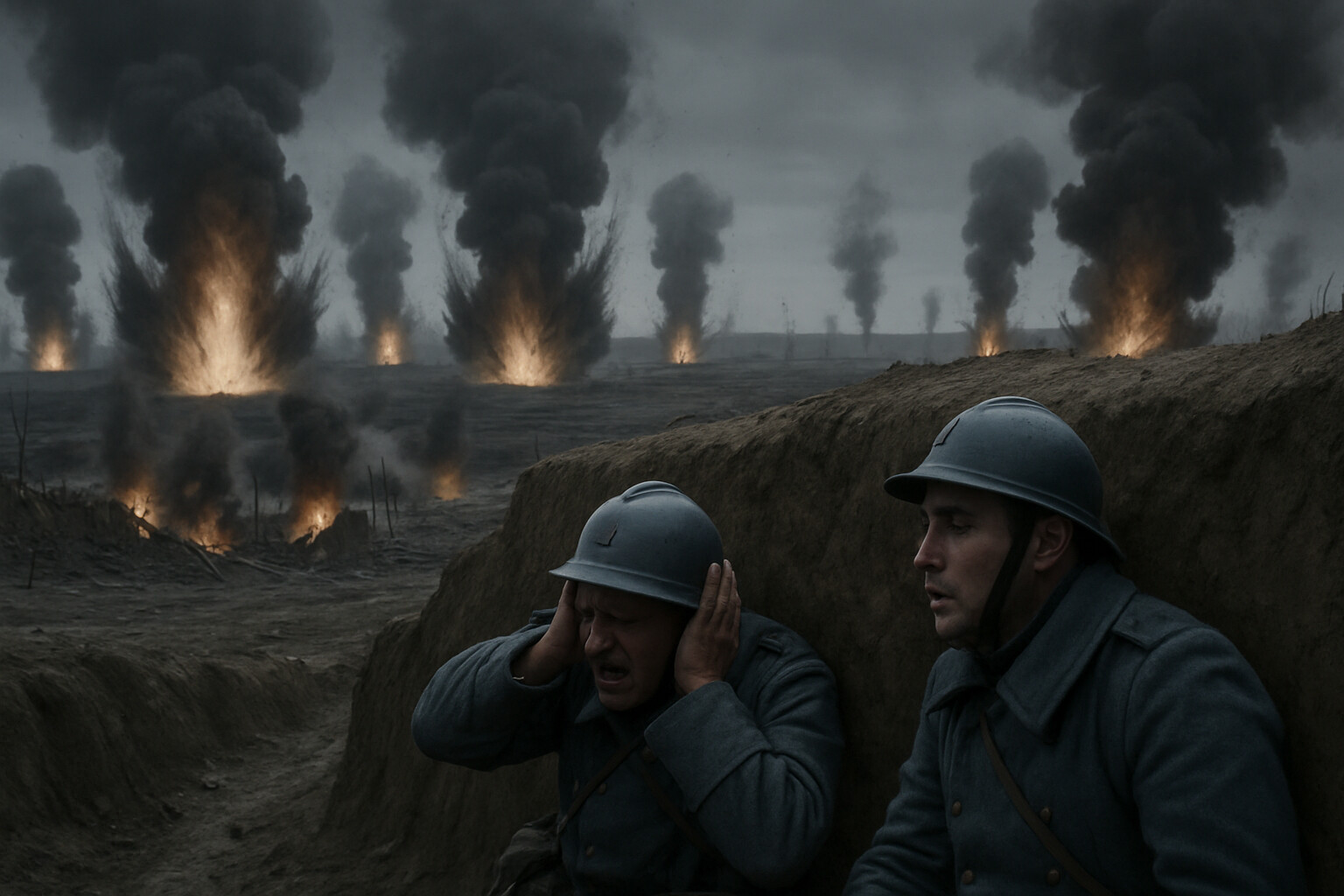
The attack began with the distinctive whistle of incoming grenades. German potato mashers—stick grenades with wooden handles that improved throwing distance and accuracy—arced through the darkness in groups of three and four. The explosions came in rapid succession, orange flashes that temporarily illuminated the surrounding forest and filled the air with dirt, splinters, and deadly metal fragments.
Johnson rolled to his left as shrapnel whistled past his head, feeling the heat of the explosions wash over him. The concussions hammered his eardrums and left him momentarily disoriented. Beside him, Roberts cried out as fragments from the first wave of grenades found their mark, tearing into his head and left arm.
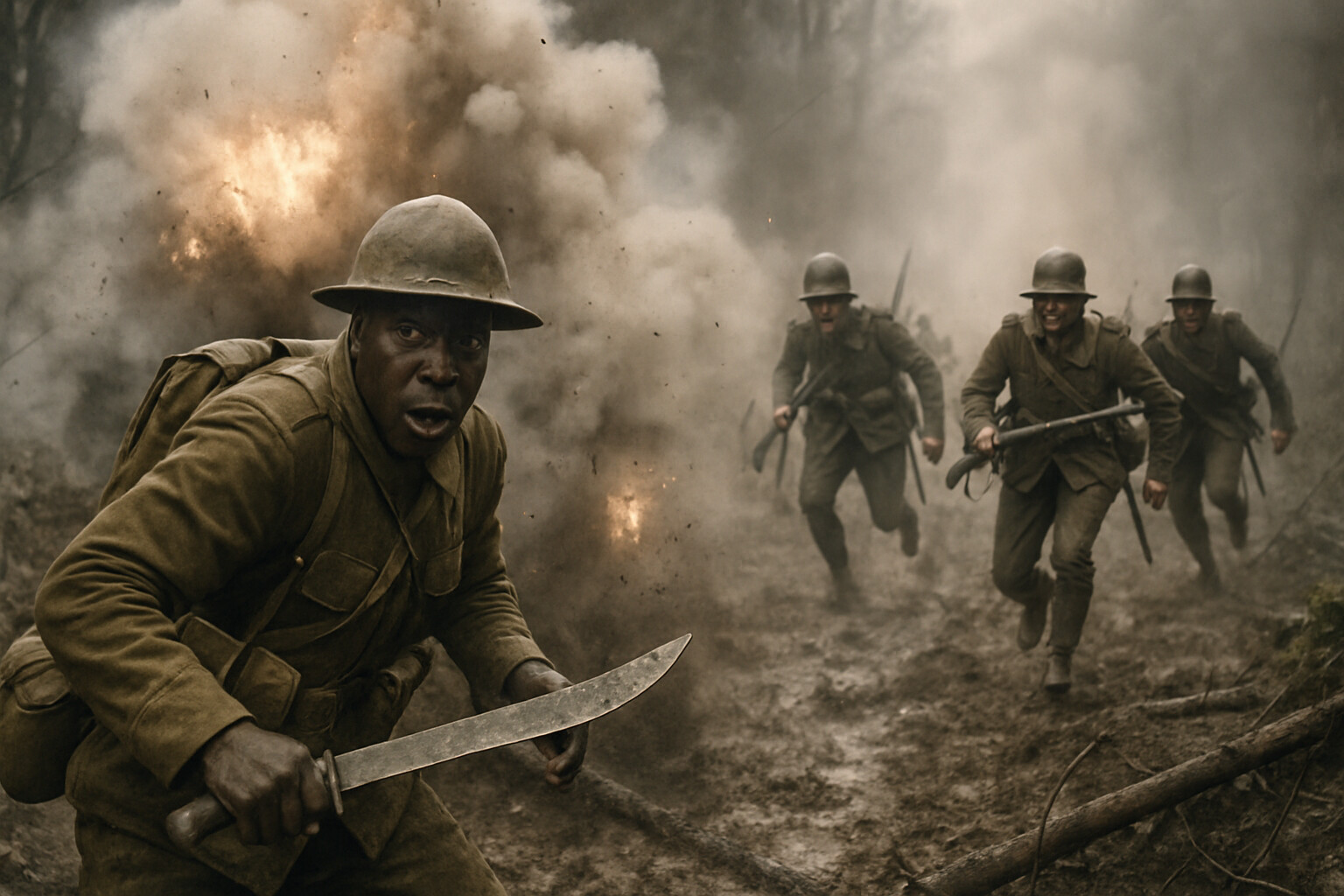
Before the echoes of the explosions had faded, dark figures rushed their position from three directions. Johnson's training took over—he brought his Lebel rifle to his shoulder and fired at the nearest attacker. The French rifle's distinctive crack cut through the night, and the German soldier spun and fell into the wire.
Johnson worked the bolt action smoothly, ejecting the spent cartridge and chambering a fresh round. The motion was automatic after months of drill, performed without conscious thought even under the stress of combat. He fired again, then again, each shot aimed and deliberate despite the chaos surrounding him.
The Lebel rifle, despite its age, proved effective in these close quarters. The 8mm cartridge carried sufficient stopping power to drop attackers at ranges of 50 yards or less, and the rifle's accuracy remained excellent despite the harsh conditions. Johnson had maintained his weapon meticulously during the months in France, understanding that his life might depend on its reliable function.
Roberts, despite his wounds, managed to return fire with his own rifle. Blood streamed down his face from shrapnel cuts, and his left arm hung uselessly at his side, but his right hand still functioned. He fired several rounds into the advancing Germans before a second wave of grenades exploded near his position.
This time the blast was closer and more devastating. Roberts slumped forward, unconscious or worse, his rifle falling into the mud. Johnson realized he was now alone against an enemy force that seemed to be growing larger rather than smaller. More German voices echoed from the darkness, suggesting that reinforcements were moving up to support the initial assault team.
The tactical situation had become desperate. Johnson was down to perhaps three rounds in his rifle, his partner was wounded and out of action, and German soldiers were advancing on his position from multiple directions. The smart choice—the choice that military training recommended—was to fall back while he still could, saving himself to fight another day.
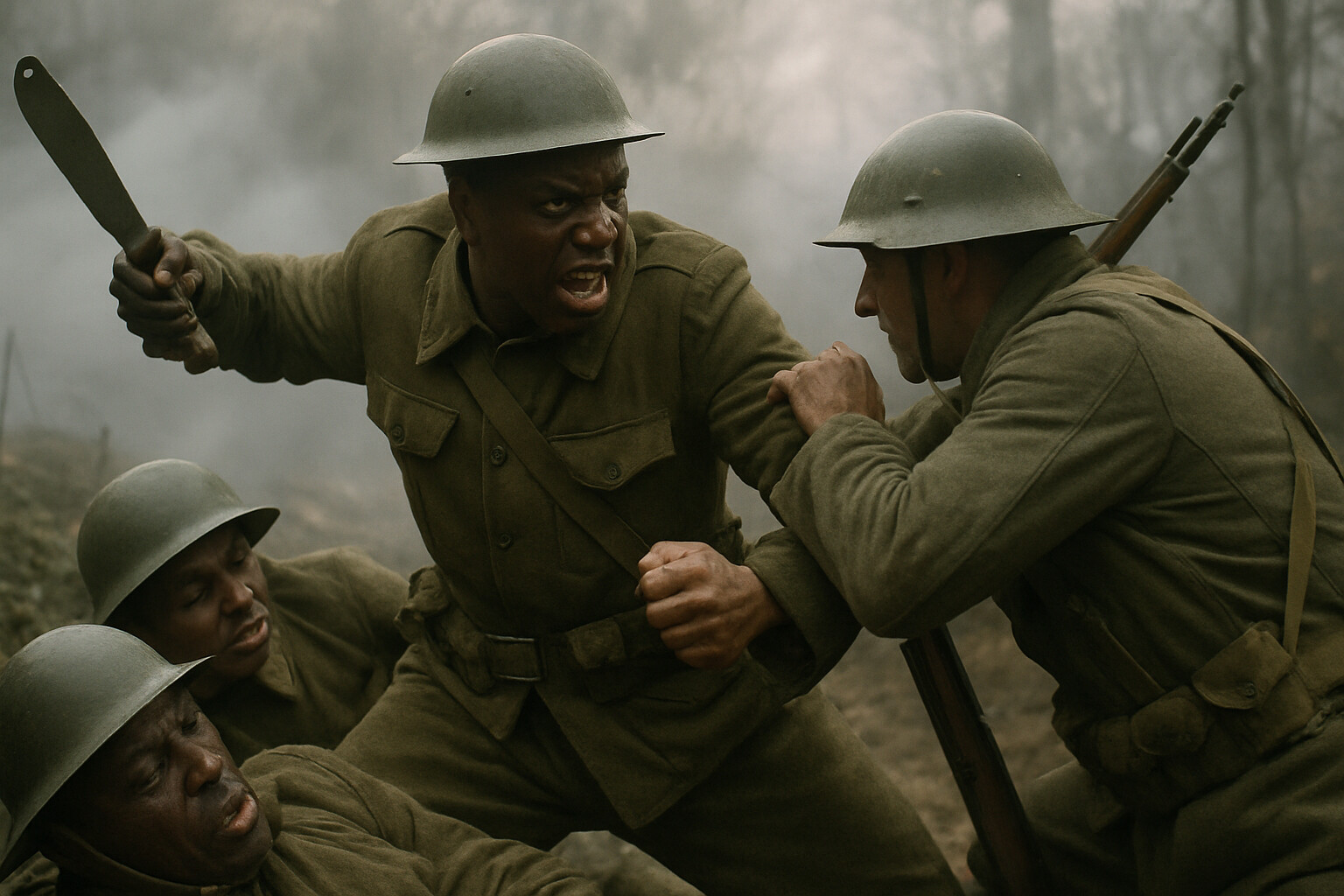
But as Johnson watched German hands reach for the unconscious Roberts, something in his character made retreat impossible. Roberts was his responsibility, his battle partner. They had trained together, shared the fears and discomforts of trench life, depended on each other for survival in an environment that offered death as the price of small mistakes.
More than that, Johnson understood that allowing Roberts to be captured would be a profound failure. German interrogators were skilled at extracting information from prisoners, and Roberts knew details about American strength, positions, and planned operations that could cost many lives if revealed. The Germans clearly intended to drag Roberts back to their lines for questioning—Johnson could see them preparing stretchers and binding materials.
Johnson emptied his remaining rifle ammunition into the Germans attempting to reach Roberts. At least one more attacker fell, but others kept coming. The Lebel's eight-round magazine was exhausted, and there was no time to reload with the cumbersome en bloc clips that the French rifle required.
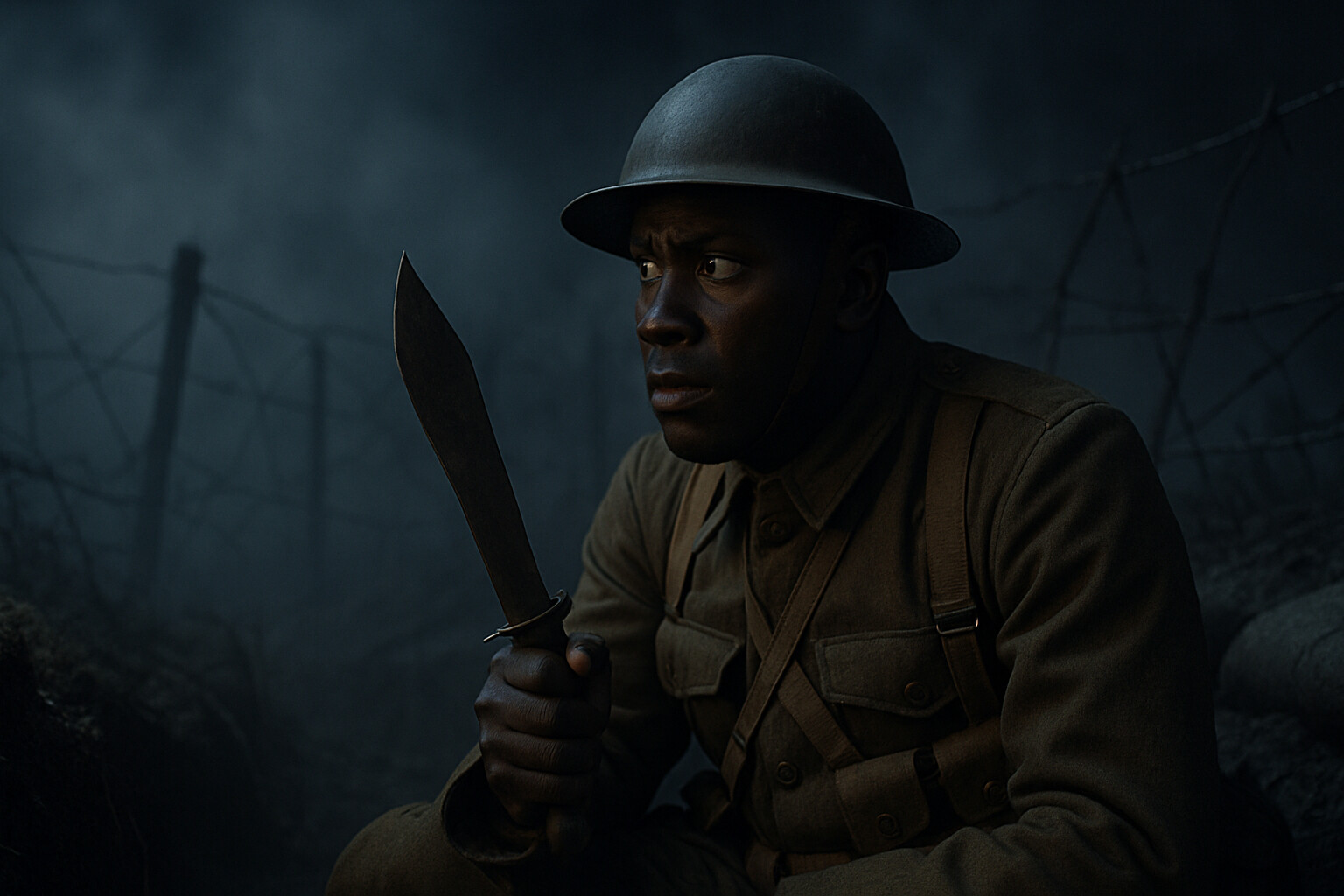
As German soldiers reached for Roberts with clear intent to carry him away, Johnson drew his bolo knife.
The U.S. Model 1917 Bolo was a weapon born from American experience in the Philippines, where conventional military equipment had proven inadequate for jungle warfare against Filipino insurgents. The original Filipino bolo was a utility tool—part machete, part weapon—used for clearing vegetation and close combat. American military designers had adapted the concept, creating a purpose-built fighting knife that combined the bolo's cutting power with military durability.
The knife Johnson now gripped weighed nearly two pounds and featured a twelve-inch curved blade that was broad at the tip and narrowed toward the hilt. The design concentrated weight at the blade's end, giving tremendous momentum to slashing attacks. Unlike straight fighting knives that relied primarily on thrusting motions, the bolo was optimized for sweeping cuts that could sever limbs or inflict massive bleeding wounds.
Johnson had practiced with the bolo during training in France, but no amount of practice could prepare a soldier for the reality of close combat with edged weapons. The fighting that followed was primal and terrible, conducted at ranges measured in feet rather than yards, with victory determined by strength, speed, and the willingness to inflict and endure horrific injuries.
The first German to reach for Roberts never saw the blade coming. Johnson's initial strike caught the soldier across the shoulder and neck, the heavy steel biting deep through cloth, equipment, and flesh. The curved design of the blade created massive trauma, and the German screamed as he staggered backward into the wire.
A second attacker turned to face this new threat, bringing his rifle around in an attempt to bayonet Johnson at close range. But Johnson was already inside the German's guard, too close for the longer weapon to be effective. The bolo's point punched through the German's ribs with a wet, tearing sound, and the soldier collapsed.
The violence escalated beyond anything Johnson had imagined during his training. The confined space of the listening post became a killing ground where men fought with primitive weapons in primitive ways. Blood sprayed across Johnson's hands and uniform as he wielded the bolo with desperate efficiency, its heavy blade cutting through anything in its path.
The surviving Germans, shocked by the ferocity of resistance from what they had expected to be a quick and easy capture, began to fall back toward their own lines. But Johnson wasn't finished. Even as the immediate threat to Roberts receded, he could see more German soldiers moving in the darkness beyond the wire—some were wounded Germans from the initial assault trying to crawl back to safety, others appeared to be reinforcements drawn by the sound of fighting.
Johnson began collecting grenades from the German dead, hurling them into the darkness where muzzle flashes and voices indicated continuing enemy presence. The explosions illuminated twisted forms caught in the barbed wire and sent additional attackers scrambling for cover.
The fighting had attracted attention from both sides. Within minutes, French artillery began dropping shells on known German positions, the thunderous explosions providing covering fire for the embattled Americans. American voices echoed from the communication trench as relief forces began moving forward from the main defensive line.
By the time help arrived, Johnson had held his position for nearly an hour against what post-battle analysis would estimate as a twelve to fifteen-man German assault team. The cost of the night was written in blood across the small outpost. Johnson himself had suffered more than twenty separate wounds—shrapnel cuts from grenades, a bullet graze across his scalp that left a permanent scar, and numerous lacerations from fighting in the wire.
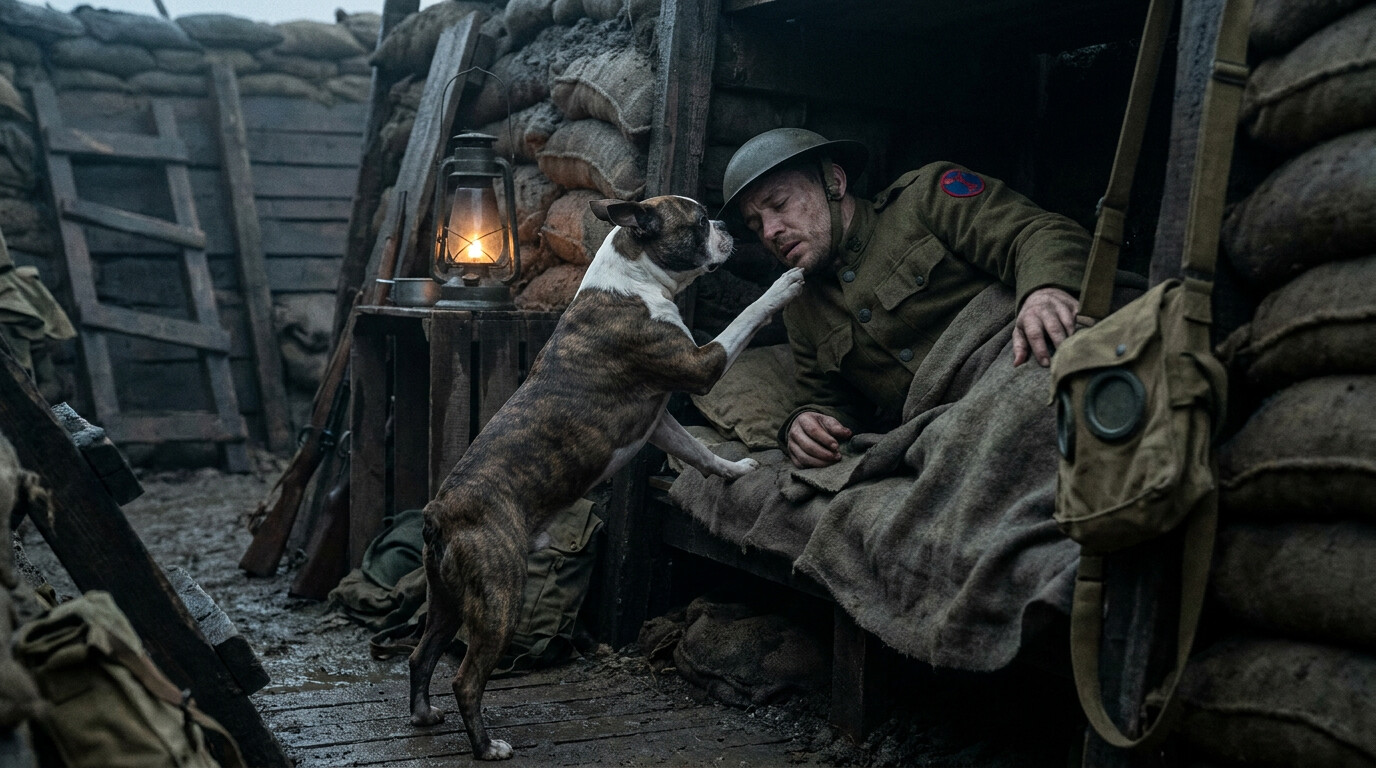
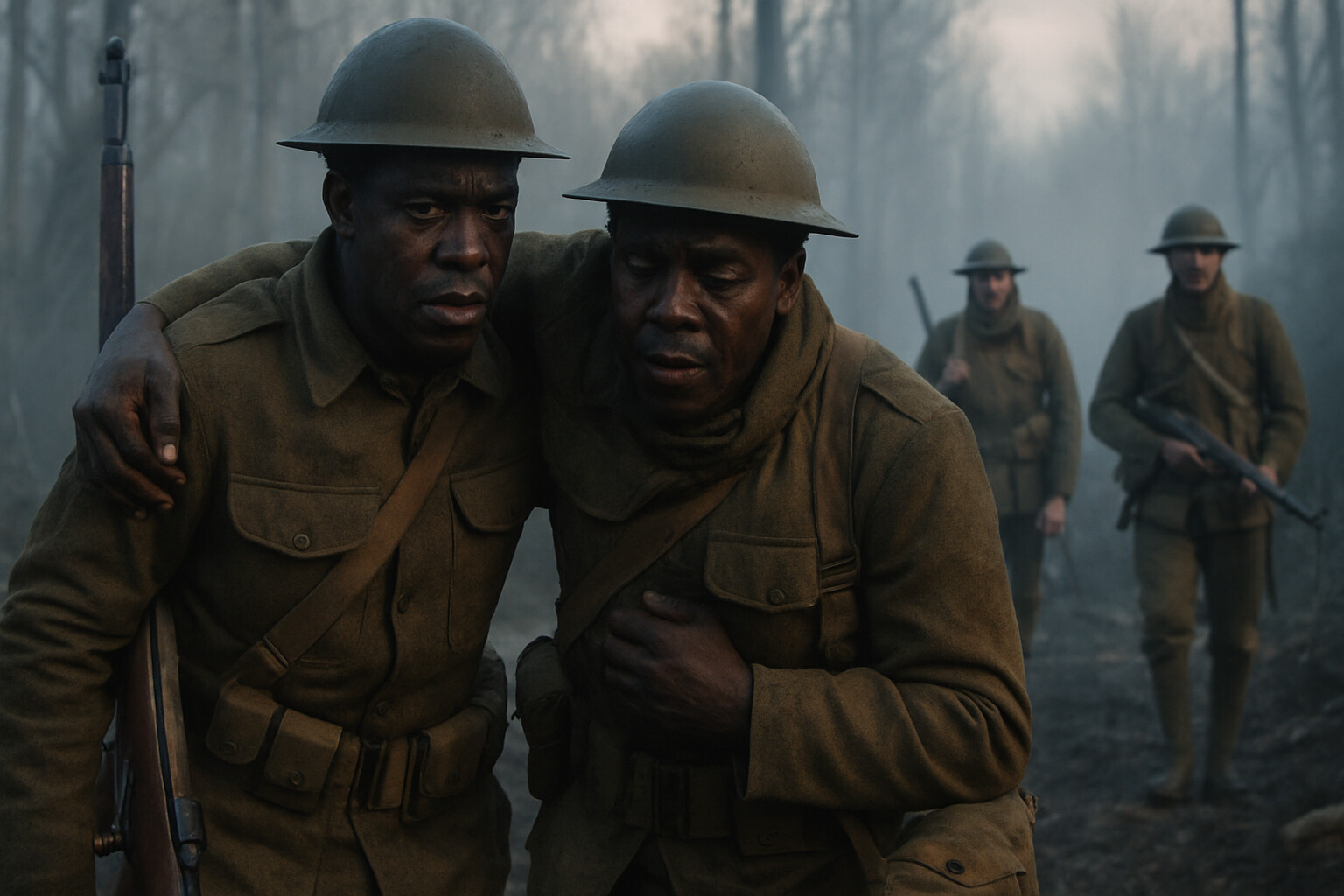
Roberts was more seriously injured but alive, having survived both the German attack and the hour-long battle that followed. Stretcher bearers carried him back to the aid station where French medical personnel treated his wounds and prepared him for evacuation to a base hospital.
Johnson walked part of the way back under his own power, still carrying his bloodied bolo knife. Medical personnel who examined him later counted the wounds covering his body and marveled that he had remained conscious, much less effective in combat, with such injuries. The combination of adrenaline, determination, and perhaps simple stubborn courage had enabled him to continue fighting long after most soldiers would have collapsed.
Around the shattered listening post lay evidence of the night's violence. Several German soldiers had died in the attack, their bodies testifying to the effectiveness of both rifle fire and the terrible efficiency of the bolo knife in close combat. Equipment scattered across the position told the story of desperate fighting at the closest possible range.
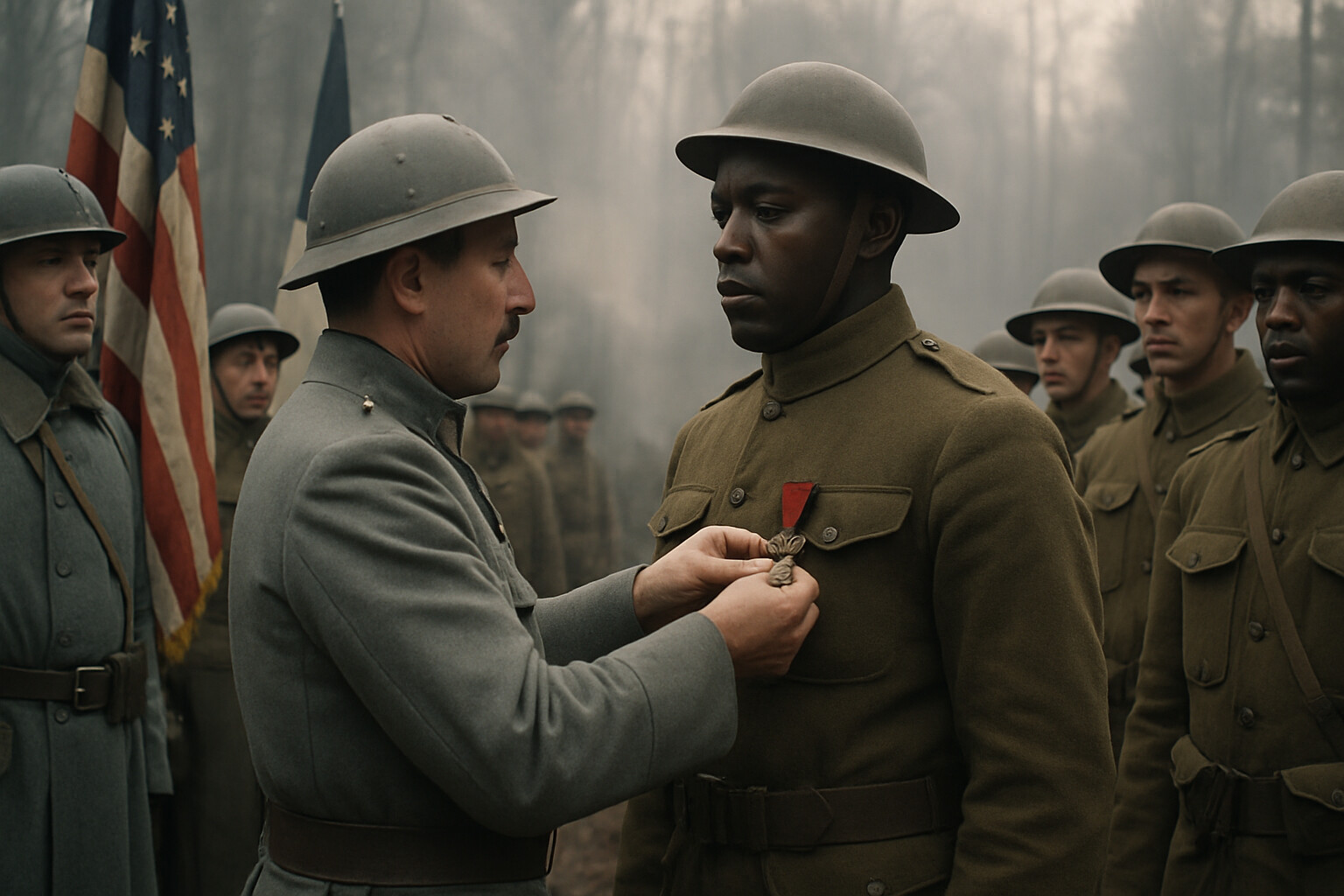
The French military, experienced in evaluating combat actions after four years of war, recognized immediately that something extraordinary had occurred. Within days of the action, both Johnson and Roberts were awarded the Croix de Guerre, France's decoration for military valor. They became the first Americans to receive this honor, a distinction that carried particular significance given the racial barriers they had overcome to reach combat service.
The French citation praised Johnson's courage and noted that he had successfully defended his position against overwhelming odds while wounded, preventing the capture of military personnel and maintaining the integrity of the defensive line. French commanders understood the tactical importance of Johnson's stand—allowing German raiders to capture American soldiers would have provided valuable intelligence and potentially compromised the security of the entire sector.
News of the action spread through the French and American forces with remarkable speed. Here was a story that embodied everything the Allies wanted to believe about their cause: individual courage triumphing over numerical superiority, a wounded soldier refusing to abandon his comrade, an American proving himself worthy of the highest military honors.
French newspapers picked up the story within days, presenting Johnson as an example of American fighting spirit and the effectiveness of Franco-American military cooperation. The story soon crossed the Atlantic to appear in American papers, though the coverage reflected the complex racial attitudes of the era. Some publications celebrated Johnson's heroism while others seemed surprised that a Black soldier had performed so effectively in combat.
But the fuller recognition Johnson deserved from his own country would be much longer in coming. The U.S. military's award system moved slowly for all soldiers, and racial prejudice created additional obstacles for African American servicemembers. While French commanders immediately recognized Johnson's heroism with their highest military decoration, American officials were more cautious in their praise.
The broader context of American military policy complicated Johnson's situation. The U.S. Army remained deeply ambivalent about the combat effectiveness of African American soldiers, despite mounting evidence of their capabilities. Reports of the 369th's success in combat were often downplayed or attributed to French leadership rather than the soldiers themselves.
The 369th Infantry Regiment continued its service with the French Army through the end of the war, participating in major offensives including the Meuse-Argonne campaign that finally broke German resistance in the fall of 1918. The regiment spent 191 days in front-line trenches, longer than any other American unit. They suffered heavy casualties—over 1,400 men killed or wounded—but proved definitively that African American soldiers could fight effectively when given proper equipment, training, and leadership.
The regiment's combat record was extraordinary by any measure. They participated in major battles at Champagne, Verdun, and the Meuse-Argonne. French commanders consistently rated their performance as excellent, and German intelligence documents captured after the war showed that enemy forces had learned to respect and fear the fighting abilities of the "Harlem Hellfighters."
Individual soldiers from the regiment earned numerous French decorations for valor. Besides Johnson and Roberts, dozens of other members of the 369th received the Croix de Guerre or other French military honors. The regiment as a unit was awarded the Croix de Guerre for its service, one of the few American units to receive this distinction.
Yet recognition from their own country remained limited. The U.S. military establishment seemed reluctant to acknowledge that African American soldiers had performed as effectively as their white counterparts. Official histories often minimized the 369th's contributions or suggested that their success was due primarily to French leadership rather than the soldiers' own capabilities.
Johnson returned to the United States in February 1919 as part of the 369th's victory parade through New York City. Nearly a million people lined the streets to cheer the returning Harlem Hellfighters, and Johnson found himself briefly famous as newspapers retold the story of his night fight in the Argonne. He spoke at rallies and appeared at public events, sharing platforms with other war heroes and advocating for veteran's benefits.
The homecoming parade represented both triumph and bitter irony for Johnson and his fellow soldiers. They marched through cheering crowds as heroes, but they returned to a country where Jim Crow laws still denied them basic civil rights. The same democracy they had fought to defend overseas continued to treat them as second-class citizens at home.
Fame proved fleeting for Johnson in post-war America. Despite his military record and French decoration, he struggled to find steady employment. The same racial barriers that had tried to keep him out of combat now limited his opportunities in civilian life. He worked various jobs—railroad porter, night watchman, laborer—but never achieved the financial stability that his military service might have suggested he deserved.
Johnson also struggled with what would now be recognized as post-traumatic stress disorder. The violence he had experienced and inflicted during his hour of combat in the Argonne had left psychological scars that 1920s medical understanding was ill-equipped to treat. He suffered from nightmares, depression, and episodes of drinking that complicated his civilian readjustment.
Personal relationships proved difficult for Johnson after the war. He married and had children, but the psychological wounds from combat created tensions that his family struggled to understand or address. The man who had shown extraordinary courage under fire found civilian life unexpectedly challenging.
By the mid-1920s, Johnson's brief period of fame had largely faded from public memory. Newspaper articles that had once celebrated his heroism were forgotten, and new generations of Americans had little awareness of the 369th's contributions to the war effort. Johnson continued working various jobs to support his family, but his health began to deteriorate from both his war wounds and the economic stress of the Great Depression.
Johnson died in 1929 at the age of 37, in relative poverty and obscurity. He was buried in Arlington National Cemetery, but the full recognition of his heroism would not come for nearly another century.
The historical record of Johnson's action rests on multiple corroborating sources, though details sometimes vary in the telling. The French military citation provides contemporary official recognition of the basic facts: Johnson fought off a German attack while wounded, defended his position against overwhelming odds, and prevented the capture of his wounded comrade. This citation was based on immediate post-battle reports from French and American officers who investigated the scene.
American after-action reports confirm the German raid and document the casualties inflicted on the attacking force. Military intelligence reports from the sector noted the unusual intensity of the fighting and the successful defense of the forward position. Medical records document the extensive wounds Johnson suffered during the action.
Fellow soldiers of the 369th provided additional details about the fighting and Johnson's condition after the battle. These accounts, collected both immediately after the action and in later interviews, consistently describe Johnson's wounds, his use of the bolo knife, and his determination to prevent Roberts' capture.
Some aspects of the Johnson story grew in the telling over the decades. Early newspaper accounts, eager for dramatic details to satisfy public interest, sometimes embellished the number of German casualties or provided specific details of the knife fighting that could not be verified from eyewitness sources. Later retellings occasionally presented tactical details that, while consistent with the known facts, represented careful reconstruction rather than documented record.
The core elements of the story—the German raid, Johnson's resistance while wounded, his use of multiple weapons including the bolo knife, and the French recognition of his valor—are well documented in contemporary sources. The specific sequence of the fighting, while plausible based on the evidence, should be understood as historically informed narrative rather than verified minute-by-minute reconstruction.
Modern military historians have analyzed Johnson's action within the broader context of trench warfare tactics and African American military service during World War I. His successful defense fits the pattern of other documented cases where determined individual soldiers held positions against larger attacking forces through superior defensive positions, knowledge of terrain, and simple refusal to surrender.
In 2015, nearly a century after that night in the Argonne, President Barack Obama awarded Henry Johnson the Medal of Honor posthumously. The ceremony took place at the White House with Johnson's descendants present to receive the recognition their ancestor had long deserved.
The Medal of Honor citation recognized Johnson's "conspicuous gallantry and intrepidity at the risk of his life above and beyond the call of duty." The official language captured the essential elements of his action: facing overwhelming odds, continuing to fight while wounded, preventing enemy capture of friendly personnel, and maintaining his position until relief arrived.
The award represented more than individual recognition—it was part of a broader effort to correct historical oversights in military recognition, particularly regarding minority servicemembers who may have been overlooked due to the prejudices of their era. Johnson's Medal of Honor joined similar posthumous awards to other African American, Hispanic, Asian American, and Native American veterans whose heroism had gone unrecognized.
The story of Henry Johnson's fight reveals broader truths about courage, sacrifice, and recognition in war that transcend the specific circumstances of one night in 1918. In the space of an hour in a muddy outpost, a railroad porter from Albany became a symbol of valor that ultimately transcended the racial barriers of his era.
Johnson's willingness to stand and fight when retreat was tactically reasonable, his refusal to abandon a wounded comrade when capture seemed certain, and his effectiveness with weapons ranging from rifle to grenade to knife demonstrated warrior virtues that all armies claim to value. His action embodied the military ideals of duty, courage, and selfless service that transcend nationality or race.
The delayed recognition of Johnson's heroism also illuminates the complex relationships between individual valor and institutional acknowledgment, between battlefield performance and social prejudice, between the democracy America fought to defend abroad and the equality it struggled to achieve at home.
The Argonne Forest where Johnson fought has long since healed from the scars of war. Trees grow again where trenches once snaked through the undergrowth, and peaceful hiking trails cross ground once swept by machine gun fire. But the memory of that night fight endures as a reminder that courage can emerge from unexpected places and that the measure of a soldier is taken not in parade dress but in the mud and darkness where battles are actually won.
Johnson's bolo knife, stained with the blood of enemies and wielded with desperate determination, became a symbol that resonated far beyond its immediate tactical effectiveness. The weapon represented the intersection of individual heroism and institutional discrimination, of proven battlefield valor and delayed national recognition, of a democracy's ideals and its failures.
In the end, Henry Johnson's stand in the Argonne was both a military action and a statement about who deserved to be called an American hero. The answer, proven in blood and courage on a dark night in France, was clear to those who witnessed it. That it took nearly a century for the full official recognition to follow says more about the limitations of institutions than about the reality of heroism under fire.