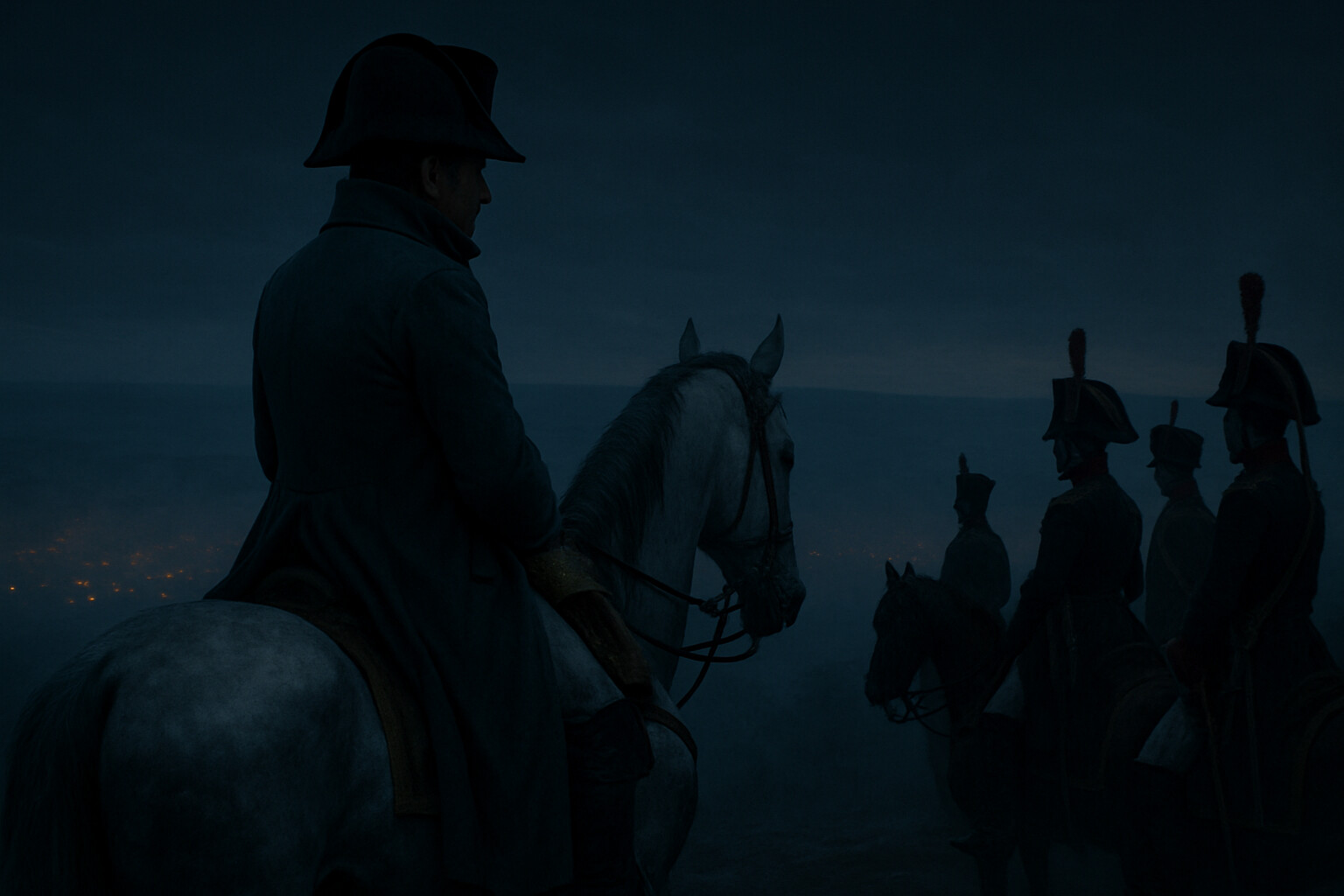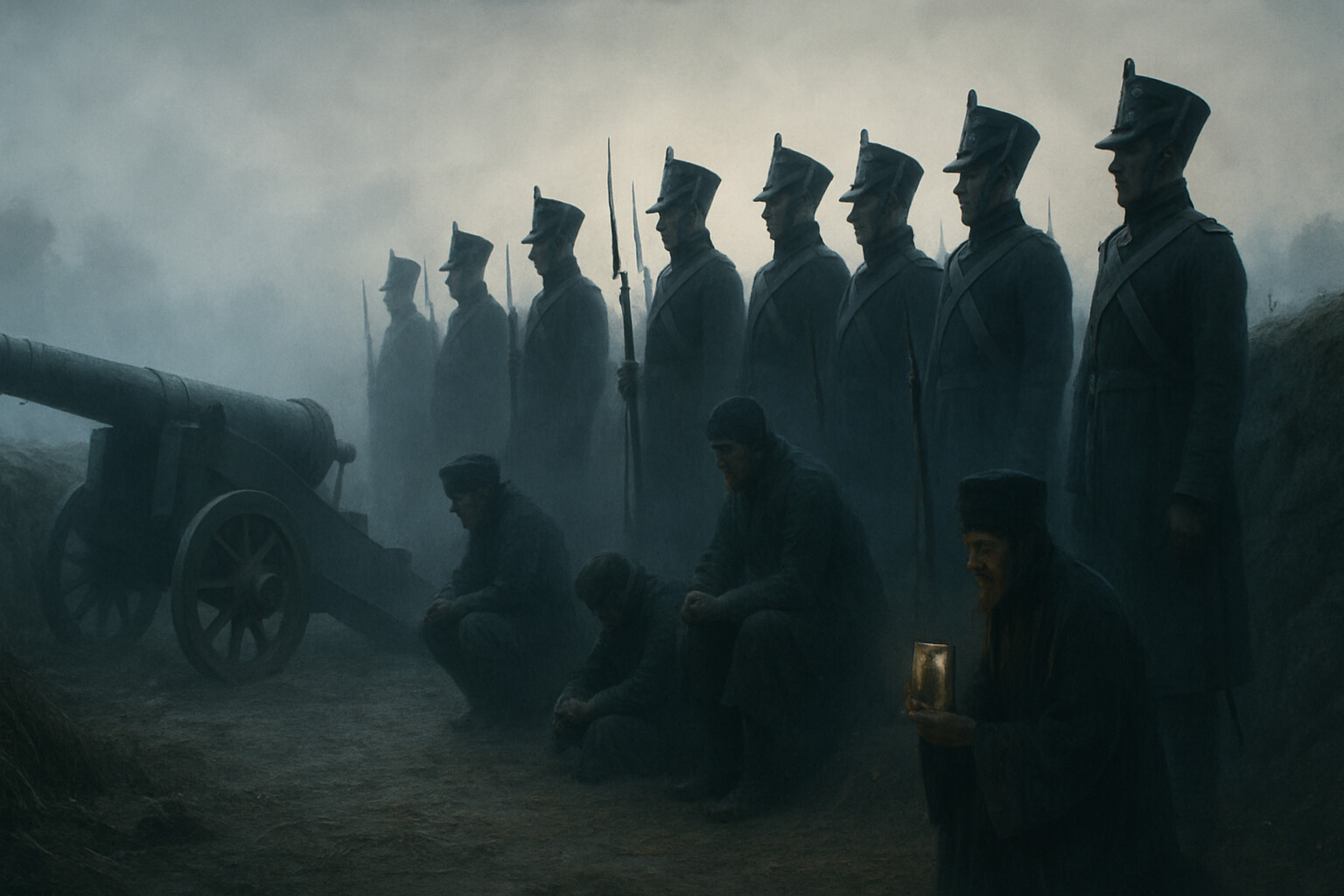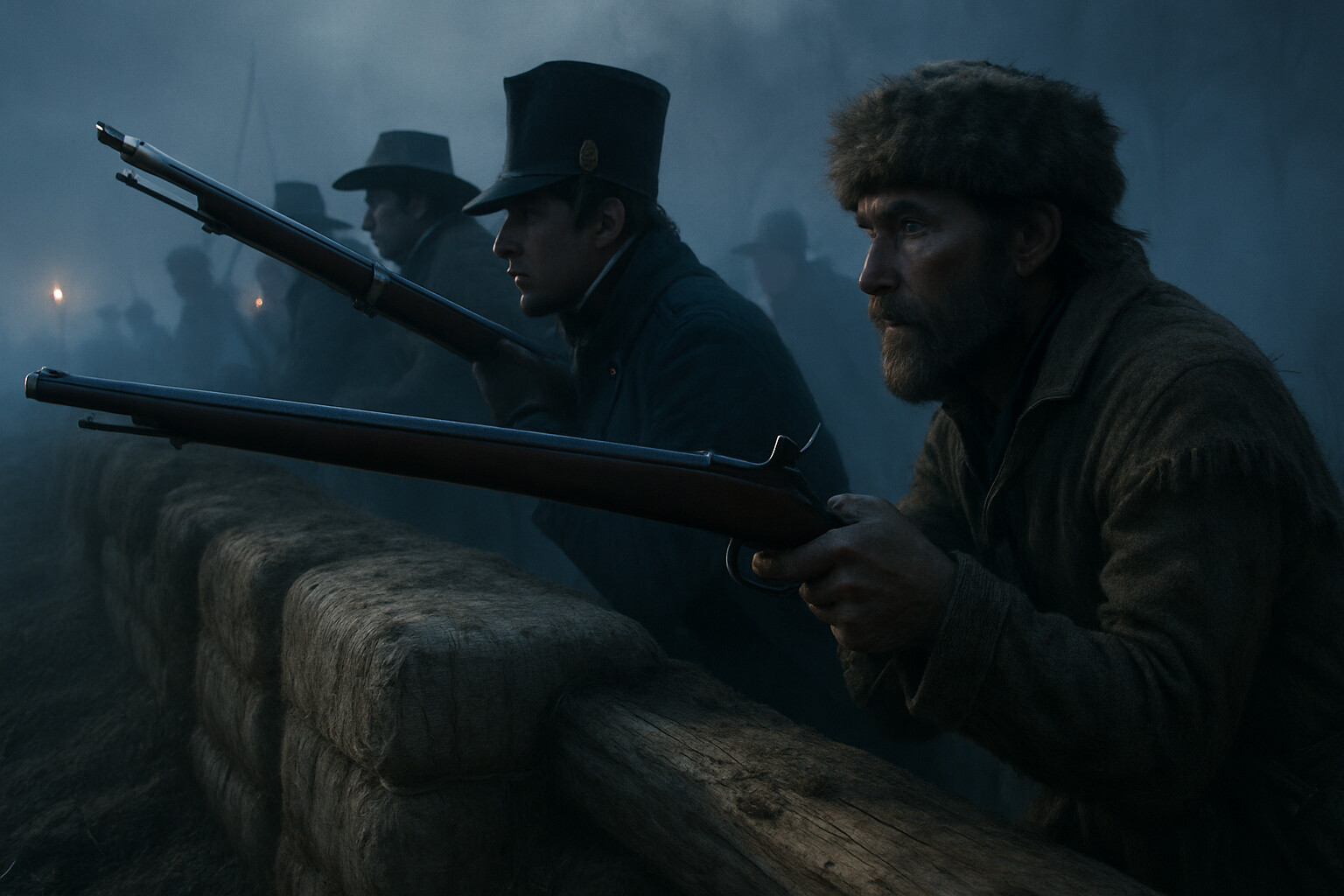
The fog sat low over the cane fields south of New Orleans before first light on January 8, 1815. Cold by Louisiana standards—damp and sharp, the kind of cold that settles into wool and does not leave. On the American side of a muddy earthwork called the Rodriguez Canal Line, men crouched behind cotton bales, compacted earth, and cypress logs and stared south into gray nothing. They could hear things moving out there in the mist. Boots on frozen stubble. The low clank of equipment. The assault was coming.
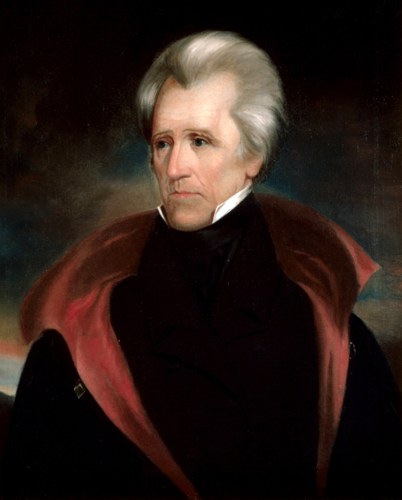
Major-General Andrew Jackson had been awake for hours. He had been awake for most of the previous two weeks.
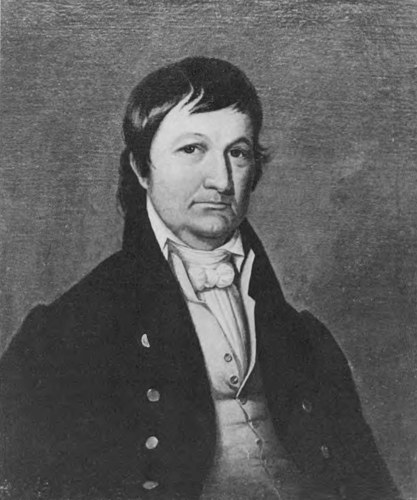
He was forty-seven years old, already worn down by a lifetime of duels, frontier campaigns, and a constitution that had been tested at every point. A musket ball from an 1806 duel was still lodged close to his heart. Another ball, fired by one of the Benton brothers in a Nashville street brawl in 1813, was still buried in his left shoulder. He had been ill with dysentery through much of the New Orleans campaign and had shed weight he could not afford to lose. Period accounts and standard biographies describe a gaunt, erect figure with wild white hair whose physical condition was severe enough to alarm visitors in the weeks before the battle. He had his army, such as it was. He had his earthwork. He had made up his mind that the British were not going to take this city.
The stakes were not abstract. New Orleans in 1815 was the commercial throat of the American interior. The Mississippi River drained roughly half the continent. Any agricultural product—cotton, corn, furs, pork, lumber—that came off the farms and settlements of the trans-Appalachian west moved eventually toward New Orleans. Whoever controlled that city controlled the economic future of the young republic. The British understood this. A British-occupied New Orleans could leverage the peace negotiations already underway in Ghent, or it could serve as a permanent foothold for pressure on American commerce. Some historians have argued that even with the Treaty of Ghent signed on December 24, 1814, a decisive British capture of New Orleans before ratification might have created pressure to renegotiate terms—though this remains a scholarly hypothesis, not a settled conclusion. The question would not require an answer. The assault of January 8 would not succeed.
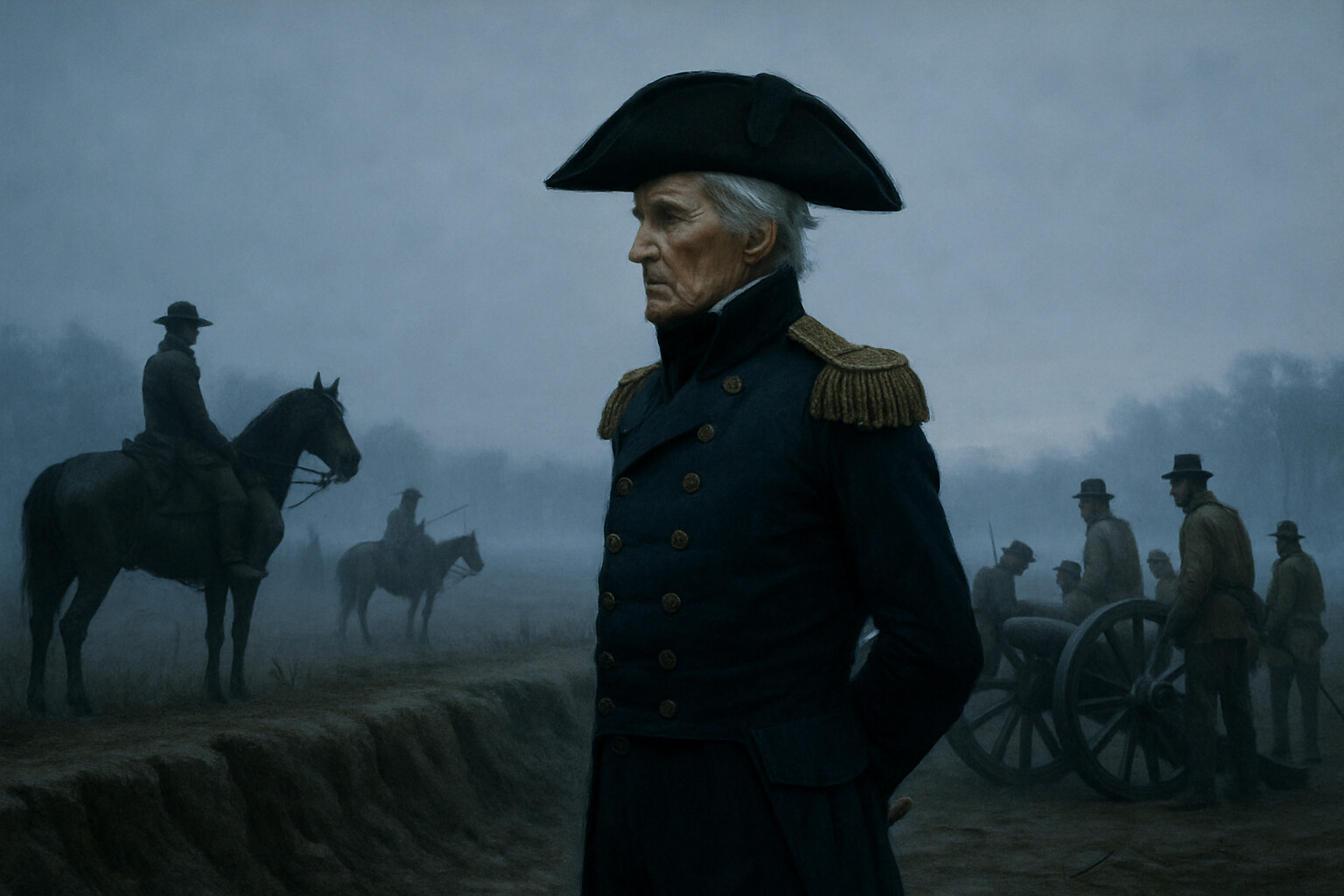
The war itself had not gone well for the United States. The burning of Washington in August 1814 was a humiliation that still stung. American regular forces had performed inconsistently against British professionals throughout the conflict. The army Jackson was now commanding was, on paper, a liability: a patchwork of regular infantry regiments thinned by years of attrition, Tennessee and Kentucky militia whose enthusiasm varied inversely with their drill, Louisiana Creole volunteers with uncertain political loyalties, free men of color organized into two militia battalions under officers of their own community, Choctaw warriors serving as scouts and skirmishers, and roughly five hundred privateersmen from Jean Lafitte's Baratarian operation—men who brought with them not only their fighting experience but desperately needed flintlock muskets and gunpowder. The estimated American strength on the Rodriguez Canal Line on the morning of January 8 runs between 3,500 and 5,300 depending on how various accounts count reserve and support elements; scholarly consensus clusters around approximately 4,000 to 4,500 effectives on the main line.
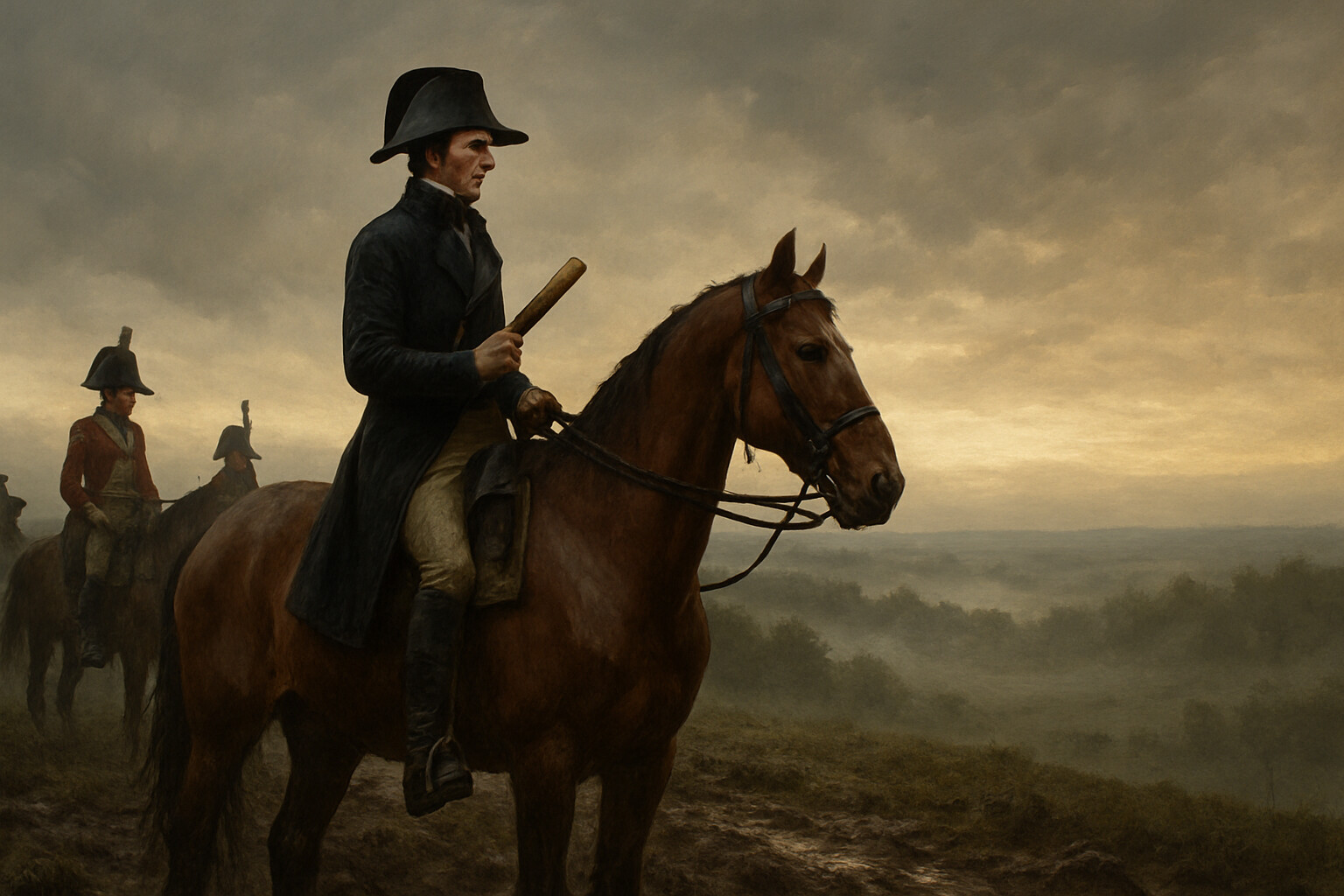
Facing them was Lieutenant-General Sir Edward Pakenham commanding roughly 8,000 British troops, the majority of them veterans of the Peninsular War who had spent years fighting Napoleon's armies in Spain and Portugal. These were not green soldiers or pressed men. The 93rd Highlanders, the 44th East Essex Regiment, the 21st Fusiliers, the 95th Rifles—these regiments carried the campaign histories of Salamanca and Vittoria on their colors. They were accustomed to assault under fire. They expected to carry the American position by weight of numbers and discipline.
The Rodriguez Canal Line requires explanation, because it was the essential fact of the battle. Rodriguez Canal was an abandoned millrace—a drainage ditch, roughly ten feet wide and four feet deep, running from the Mississippi River on the American right to a cypress swamp on the American left. Jackson's engineers and work parties had spent the weeks since mid-December converting the ground behind it into a defensive work. They dug the canal deeper, piled the excavated earth into a parapet, reinforced sections with cotton bales and timber, and constructed artillery platforms at intervals. The finished line ran approximately eight hundred yards. It was not a fortress in any classical sense. It was an improvised field fortification, imperfect but functional, and it faced south across open cane fields—Chalmette plantation—that offered no cover to an attacking force for hundreds of yards. An attacker crossing that ground would be in the open, under fire, every step of the way.
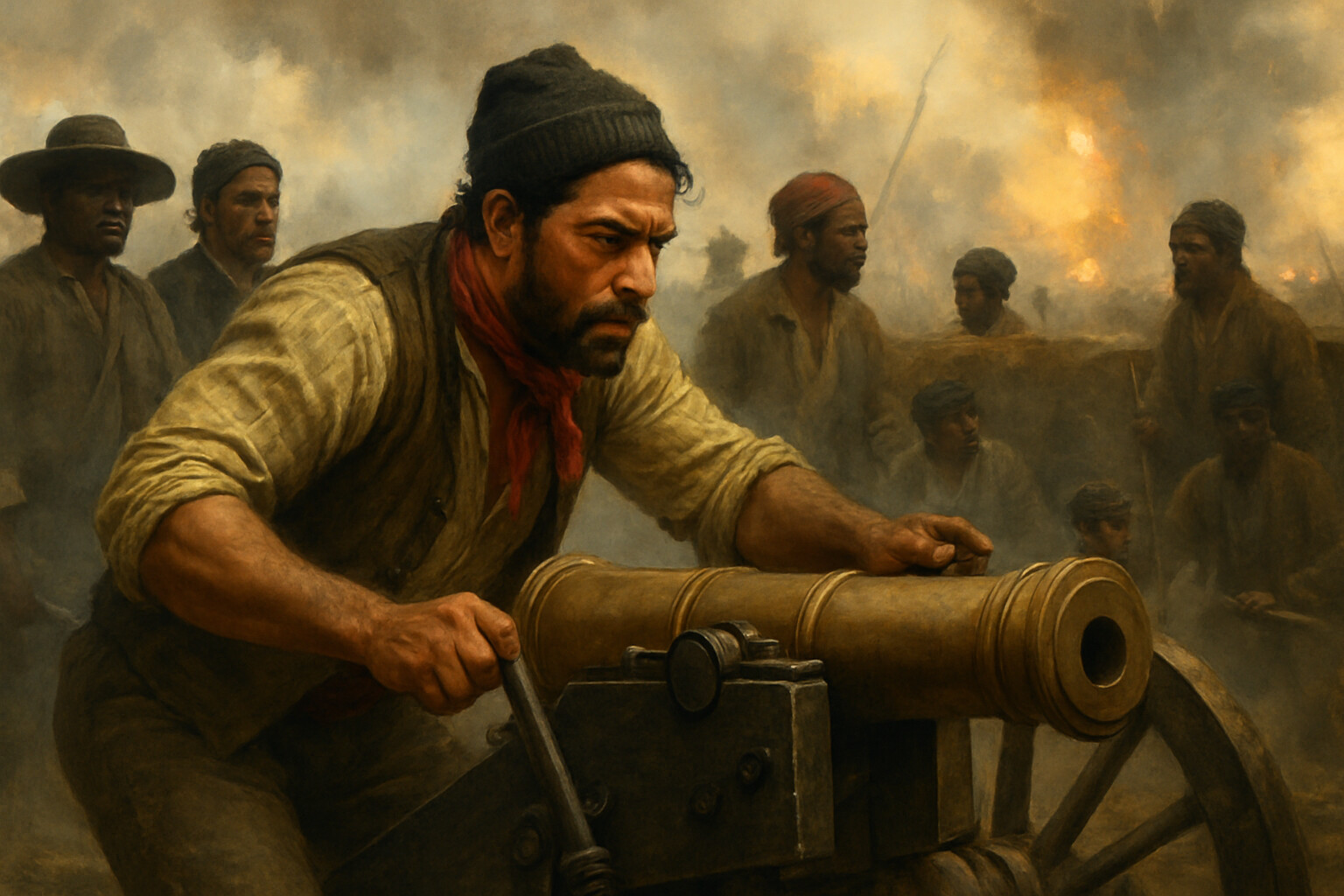
Jackson had also positioned artillery with care. Eight batteries holding a mix of pieces—including 12-pounder and 6-pounder field guns, a 32-pounder, and at least two carronades, according to standard histories of the battle, though the precise placement of individual guns is approximate—were sited to sweep the open field. The Baratarian gunners under Dominique You and Renato Beluche, accustomed to naval gunnery where accurate fire at specific targets was a professional discipline, handled their pieces with a precision that drew favorable notice in contemporary accounts during the preliminary skirmishes of late December and early January. A battery was also positioned on the west bank of the Mississippi—a detail that would carry tactical significance when the assault came.
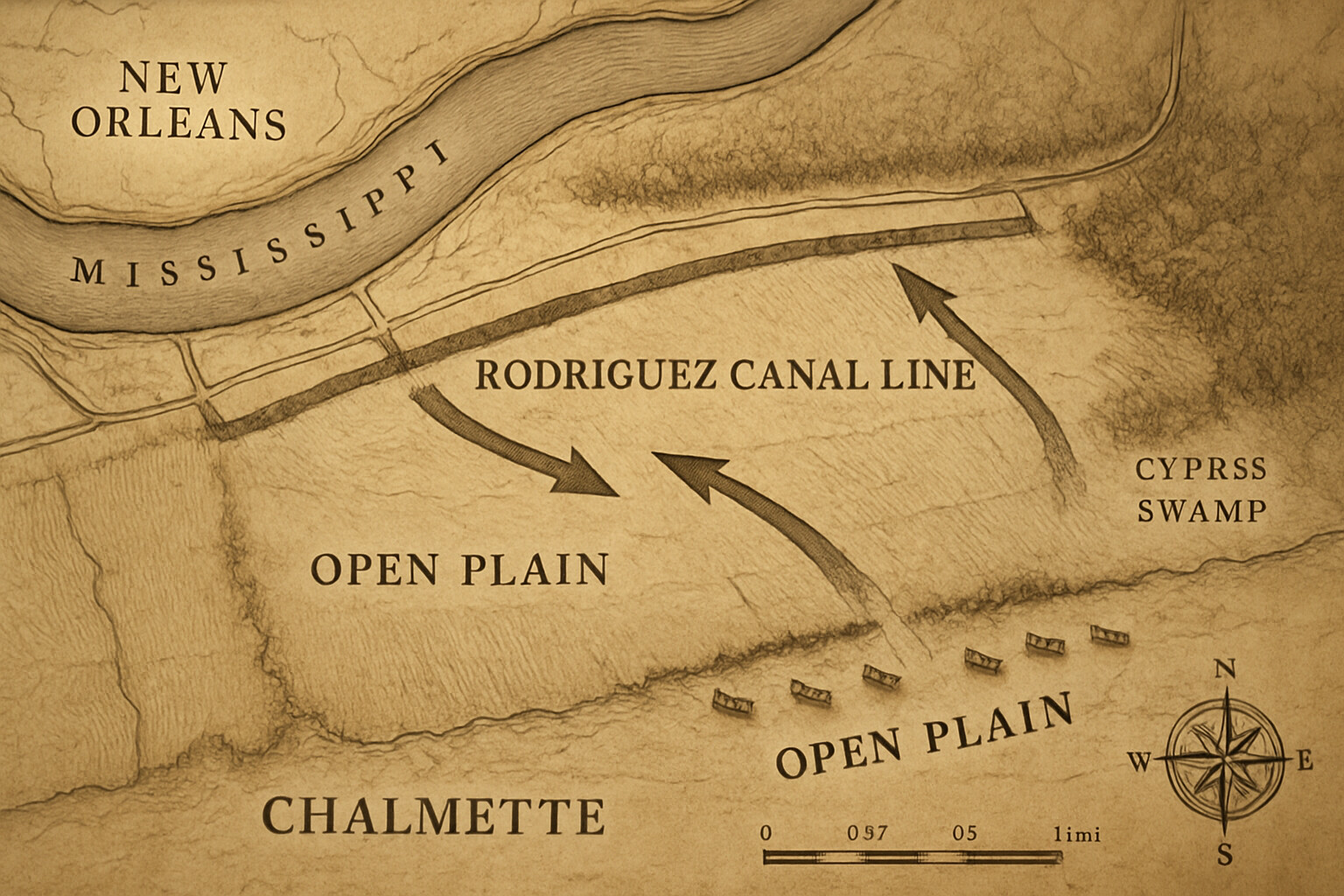
British planning had identified the main vulnerabilities in Jackson's position. Colonel William Thornton was assigned to lead a secondary attack across the Mississippi, seize the American battery on the west bank, and use its guns—turned around—to enfilade Jackson's main line from the flank. Simultaneously, the main British assault would advance in column across the Chalmette plain. The plan was logical. Its execution failed almost from the start.
Thornton's crossing was late. The boats meant to carry his force down a lateral canal had to be dragged overland and arrived damaged. His assault force—originally planned at around 1,400 men—crossed with considerably fewer, and crossed well after the main assault had already begun on the east bank. Thornton did eventually overwhelm the American forces on the west bank under Brigadier-General David Morgan, and his men did briefly reach the battery there, but the timing was irrelevant: by the time guns on the west bank changed hands, the main battle east of the river was already finished. Whether Thornton's force succeeded in firing those guns against the American line before the east-bank assault collapsed is a point that warrants confirmation in British after-action records.
The main assault stepped off in the early morning fog. Pakenham organized it in two columns. The principal attack came against the American right, near the river, where the ground was firmest and the defensive work somewhat less formidable. The 44th Regiment was tasked with carrying fascines—bundles of cane—and scaling ladders to bridge the canal ditch and allow troops to climb the parapet. This was the critical enabling task. Without the ladders, the column could not cross the ditch quickly under fire.
The 44th failed to bring the ladders forward. Accounts differ on the precise reason—Lieutenant-Colonel Thomas Mullins, the regimental commander, was subsequently court-martialed for the failure and cashiered, though his defenders argued he had received contradictory orders about where the equipment was stored; the full causal chain remains historically contested. What is not contested is the operational consequence: the assault columns arrived at the Rodriguez Canal with no means of crossing it efficiently. The men found themselves bunching at the ditch's edge, exposed on open ground, in full view of several thousand defenders who had been waiting for exactly this moment.
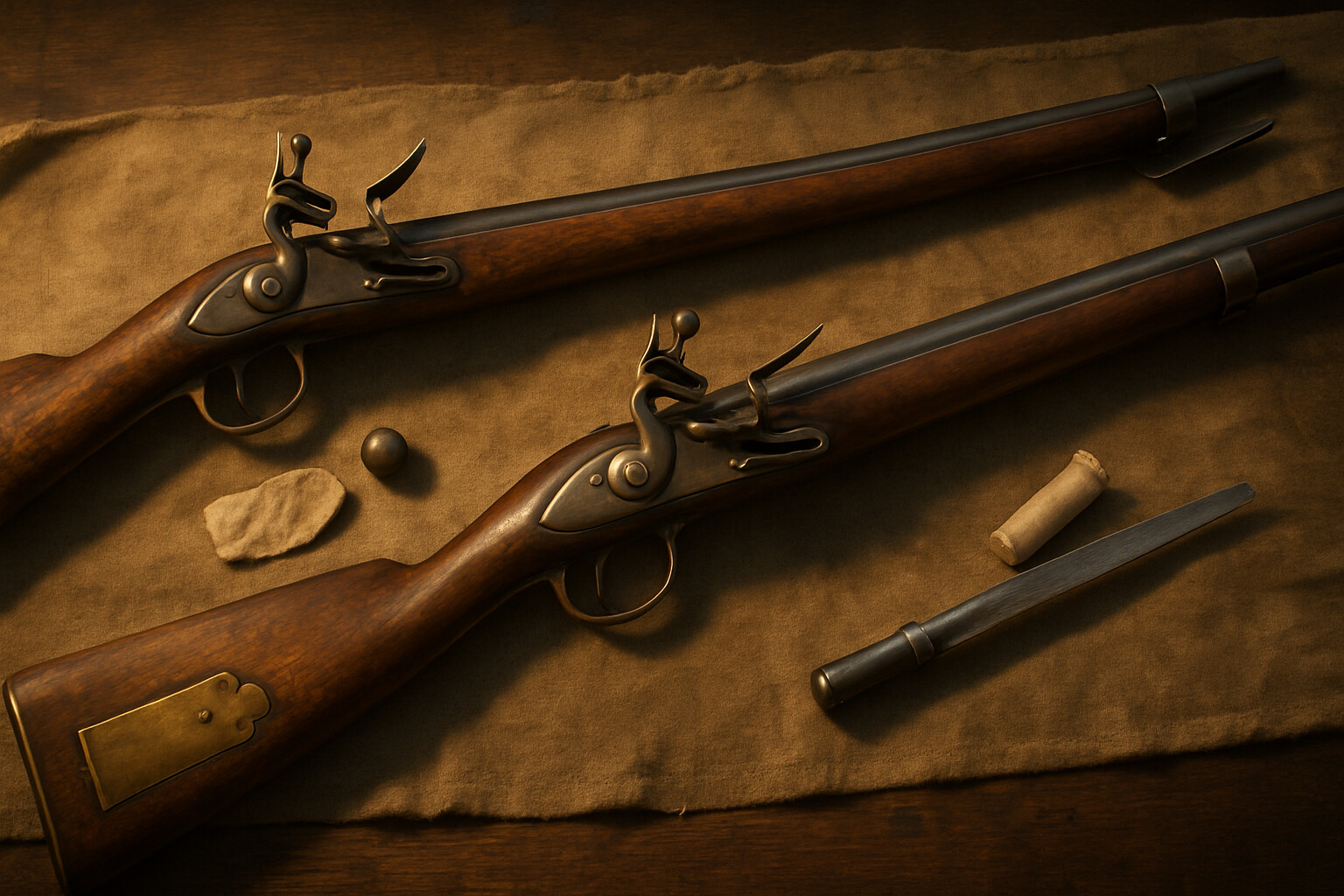
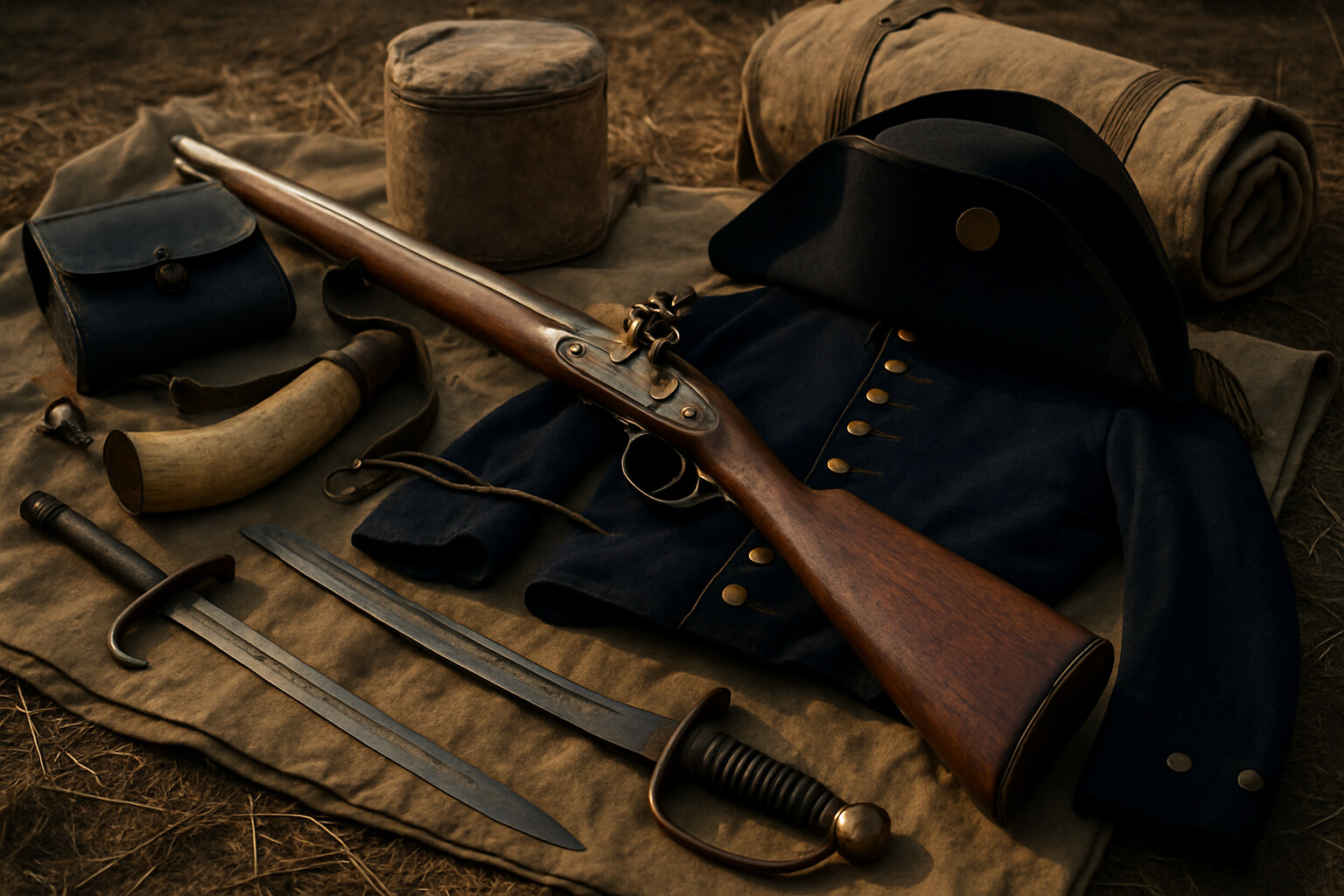
The American fire that opened on the British columns has been described in virtually every account of the battle as immediately devastating. The militia and regulars on Jackson's line—armed with a mix of flintlock muskets including the U.S. Model 1795 Springfield, British-pattern Brown Bess muskets of various vintages, and a significant number of Kentucky and Tennessee long rifles—opened sustained fire at ranges where their weapons were effective. The long rifle was a weapon that rewarded the kind of individualized marksmanship the frontier volunteers practiced as a matter of survival. Where a smoothbore musket was effective to roughly 50 to 75 yards against a formed body of troops and relied on volume of fire by drilled volleys, the American long rifle—a flintlock rifle of approximately .50 caliber with a grooved barrel that imparted spin to its patched ball—was capable of consistent accuracy at 200 yards and beyond in practiced hands. Jackson's Tennessee and Kentucky frontiersmen were practiced shooters, and the open Chalmette plain gave them the range to use that advantage. The specific contribution of individual rifles versus muskets in the casualty accounting is not recoverable from the record; the point is that the defending fire was effective at distances the British columns could not quickly close.
It was the artillery, however, that did the most immediate structural damage to the British formations. The guns swept the open ground with roundshot and grapeshot—grapeshot functioning as an enormous shotgun blast at several hundred yards, tearing broad swaths through massed infantry with no cover and no way to disperse. The 93rd Highlanders, attacking with characteristic steadiness toward the American left-center, absorbed fire that regimental accounts describe as annihilating. They continued to advance. They were not routed; they were shot down while still trying to close with the position. The image of the 93rd pressing forward in their tartans while men fell around them became one of the iconic visual memories of the battle, preserved in later paintings and numerous contemporary accounts.
Sir Edward Pakenham rode forward to try to rally the failing assault and was struck—hit multiple times, according to accounts that differ slightly in detail, including wounds attributed to grapeshot. He died on the field. Major-General Samuel Gibbs, commanding the right column, was also mortally wounded. Major-General John Keane, commanding the left, was seriously wounded. Three of the four senior British commanders on the field were killed or put out of action within roughly the first phase of the assault.
The timeframe for the main assault's collapse is given in American and British accounts as somewhere between twenty-five and forty-five minutes from the first organized advance to the point when the British withdrew—the variation reflects different starting and ending reference points across sources, and no single authoritative clock time is universally accepted. What the accounts agree on is that the assault achieved no penetration of the American line on the east bank. The Rodriguez Canal Line did not fall.
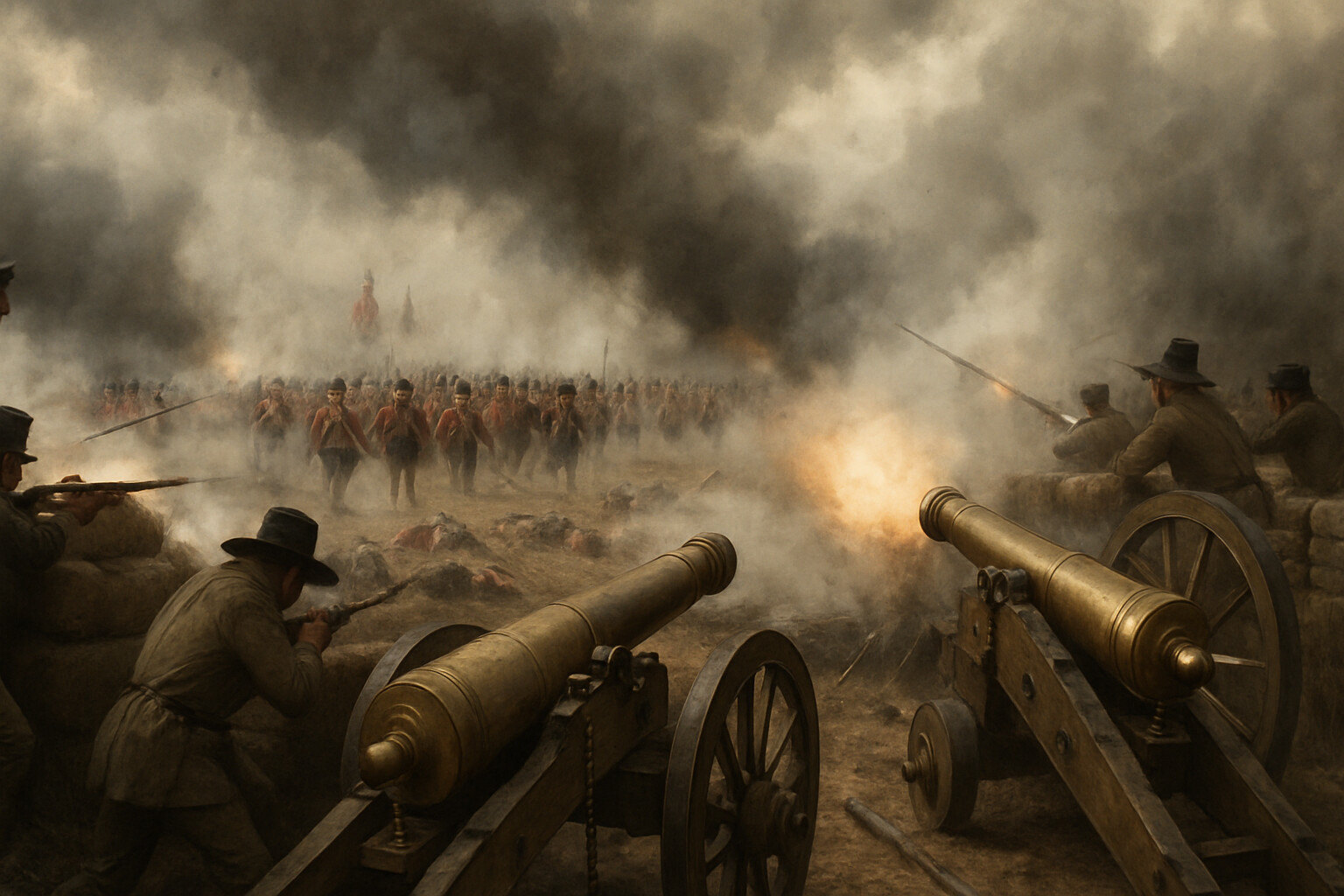
British casualties on January 8 are documented in official British records and Pakenham's returns. The generally cited figures run to approximately 2,000 killed, wounded, and captured or missing, with some scholarly estimates at 2,037; the most precise figures should be cross-checked against Pakenham's official returns. American casualties on the east bank were, by comparison, remarkably light. Jackson's official return listed 13 killed and 39 wounded on the main line, though casualties at other points including the west bank engagement raised the total American losses for the day somewhat higher. The disparity is explained by the combination of prepared defensive works, effective artillery, and the total failure of the British assault to breach or even reliably reach the parapet in significant numbers.
Jackson's official report of the battle, written in the days following and published in Niles' Weekly Register, was direct in tone and careful to acknowledge his subordinates and the men on the line. He specifically commended the regulars of the 7th and 44th United States Infantry, the uniformed companies of the New Orleans militia, the free Black battalions under Major Jean Daquin and Major Pierre Lacoste—the precise spellings of their names and their unit designations should be verified against Louisiana militia records of the period, as variant renderings appear across sources—the Kentucky and Tennessee volunteers, and the artillerists including the Baratarian gunners. The free men of color who fought on the Rodriguez Canal Line on January 8, 1815 occupy a specific historical significance that later generations would frequently obscure or minimize: they were organized, armed, and formally integrated into the American defensive order of battle, and they held their section of the line.
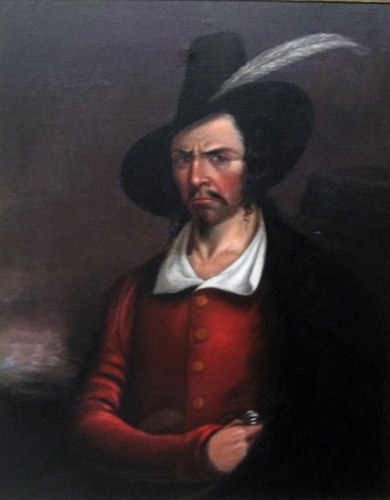
Jean Lafitte himself did not hold a commissioned command on the day of battle. His prior negotiations with Jackson—trading his men's service, their weapons, and their gunpowder for a pardon of the Baratarians' smuggling charges—had materially shaped the American defensive capacity. The flintlock muskets and powder his men brought addressed a critical shortage in Jackson's supply situation. Lafitte's exact personal movements on January 8 are not clearly documented in primary sources; the scale of his personal presence at the line versus a support or liaison role should not be overstated in accounts that lack specific sourcing for it. What is not in dispute is that the Baratarian contribution—the men, the weapons, and the gunnery skill—was real and timely.
The treaty that ended the War of 1812 had been signed on December 24, 1814, in Ghent, but news traveled by ship, and neither Pakenham's army nor Jackson's force had any knowledge of it on January 8. The war was legally over when the battle was fought. Ratification of the Treaty of Ghent by the United States Senate did not come until February 17, 1815, meaning the Battle of New Orleans was fought in the gap between signature and ratification—a timing that has generated historical debate about the battle's legal and political significance, but not about its military reality. The men who died on Chalmette plain died in a battle that both sides believed, on that morning, was entirely necessary.
The aftermath was grim on the British side. The army that had come to take New Orleans was a shattered force without three of its senior commanders. Major-General John Lambert, held in reserve, assumed command and assessed that the position could not be taken. Lambert negotiated time to collect his wounded and bury his dead. The British dead on the open ground before the Rodriguez Canal Line lay in patterns that reflected the geometry of the assault: concentrated near the ditch, where men had bunched at the crossing obstacle, and in the approach lanes where artillery had swept the columns.
The British army remained in the area for several more weeks before withdrawing to their ships and eventually to Jamaica. There was no further assault. New Orleans remained American.
For Jackson personally, the victory produced a political consequence that overshadowed everything else in his subsequent life. He was already a regional figure of substantial reputation from his 1814 campaign against the Creek Nation, culminating in the decisive victory at Horseshoe Bend. After New Orleans, he was a national figure of the first order—one of the very few American commanders in the entire War of 1812 who had delivered a clear, unambiguous, numerically persuasive victory against a professional European army. In a war marked by burned capitals, failed invasions of Canada, and inconsistent American military performance, New Orleans stood apart. The disproportion of the casualty figures made the battle legible to a general public that did not need to understand tactics to grasp that something extraordinary had occurred.
The political trajectory from New Orleans to the presidency is well-documented. Jackson ran for president in 1824, lost despite winning a plurality of the popular vote in a four-way race decided by the House of Representatives, then won decisively in 1828 and again in 1832. His presidency fundamentally reshaped American politics. The Jacksonian era—defined by the rise of mass democratic politics, the destruction of the Second Bank of the United States, and the forced removal of Native peoples from the southeastern United States under the Indian Removal Act of 1830—bears his name precisely because his personal authority was sufficient to drive those outcomes. That authority was built substantially on the reputation forged on January 8, 1815.
The Rodriguez Canal Line itself is gone. The ground it occupied is now part of the Chalmette Battlefield unit of Jean Lafitte National Historical Park and Preserve, administered by the National Park Service. Archaeological work at the site has recovered material from the engagement. The Chalmette Monument—a tall white obelisk begun in 1840 and completed in 1908—marks the general location of the American position. The battlefield sits in the floodplain south of New Orleans, and its landscape has been substantially altered by two centuries of development, levee construction, and industrial use along the river. The open cane fields across which the 93rd Highlanders marched are gone. The canal is gone. What remains is the ground, the monument, and the documentary record of what happened there.
The question historians continue to examine is what Jackson's victory actually decided. The war was technically over. British forces would have withdrawn under the treaty regardless. Some scholars argue that a British occupation of New Orleans before ratification could have created political pressure on the Madison administration to accept modifications to the peace terms, but this remains speculative. What is not speculative is the effect on American national confidence at a moment when it badly needed shoring up. The burning of Washington had exposed the vulnerability of the republic. New Orleans was the answer—not a permanent answer to the underlying questions of American military capacity, but a vivid, immediate demonstration that the United States could field and hold a defense, could defeat a professional European army in open engagement, and could do so with a force that included men of many origins, legal statuses, and traditions fighting in the same line.
Jackson understood the political register of what had happened. He was not a sentimental man, and his relationship with the various groups who had fought under him was complicated—his treatment of the Choctaw, the free Black soldiers, and the Baratarians in the weeks and months after the battle varied widely, shaped by his own racial assumptions, political calculations, and the legal norms of his time. The history of those men is not reducible to a single narrative of inclusive heroism. It is a history of people who fought effectively for a country that would not consistently recognize their contributions or their humanity, in defense of a city defined by the institution of slavery.
But on January 8, 1815, in the fog and cold of a Louisiana cane field, they held the line. The British assault came across open ground against prepared positions, lost its senior commanders within the first phase of the fighting, found no way through the ditch, and broke. The decision was made in roughly half an hour. Andrew Jackson—gaunt and ill and still carrying British metal in his chest from a quarrel that predated the republic's Constitution—walked the parapet after the smoke began to clear and surveyed the field.
What lay in front of him was the cost of an assault that had failed. What stood behind him was a city that had not fallen. The numbers in the official return were what they were: approximately 2,000 British casualties against fewer than 100 Americans on the main line. The Rodriguez Canal had held. New Orleans was American. The war—already over on paper in a document that would not arrive for weeks—had, in the minds of everyone present, just been won.