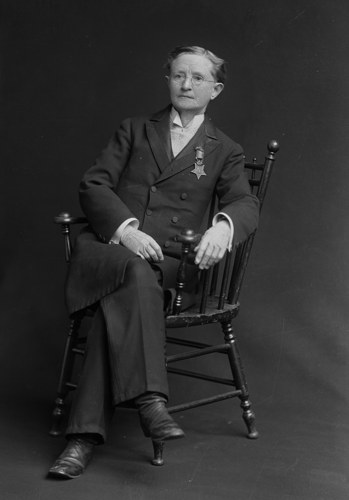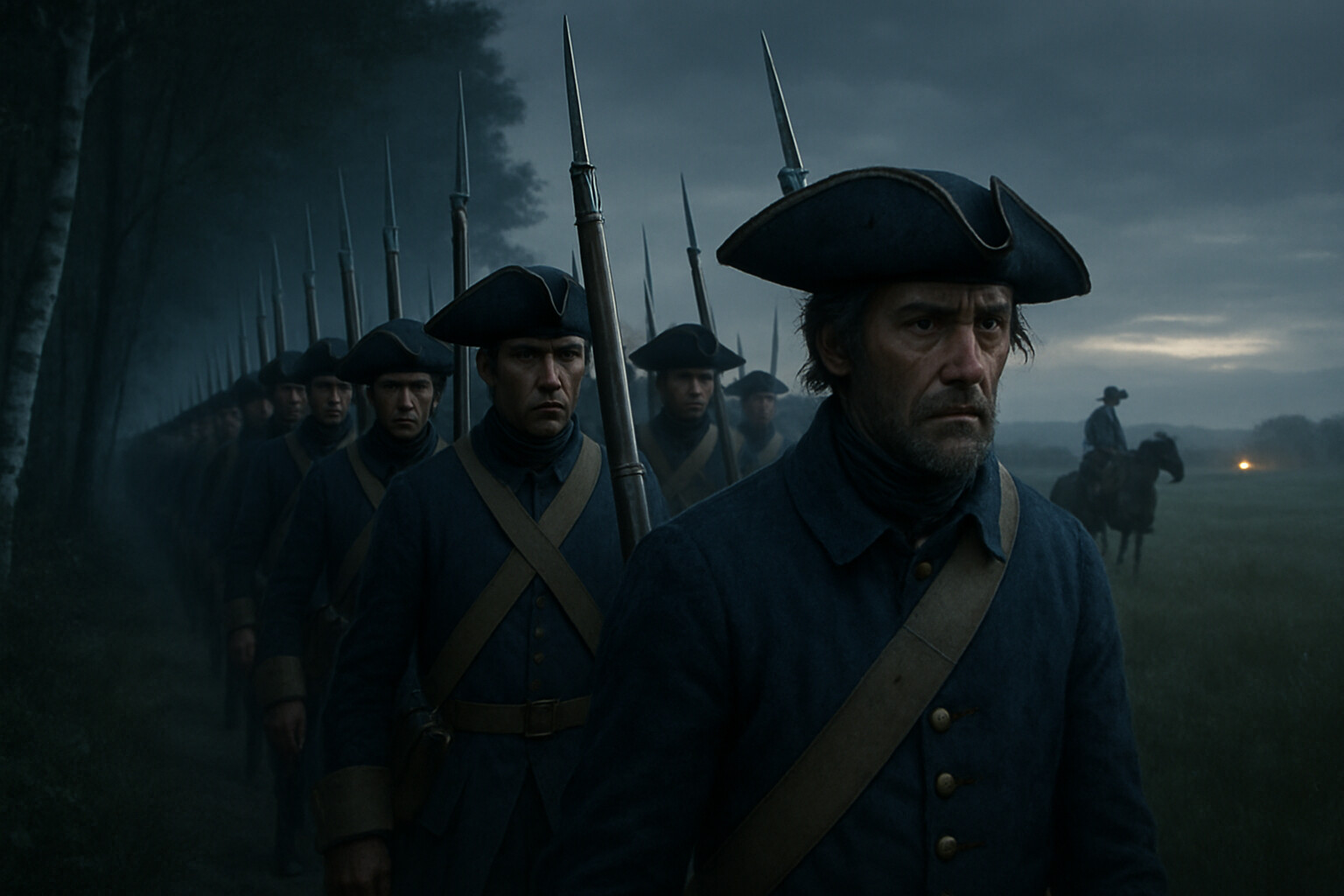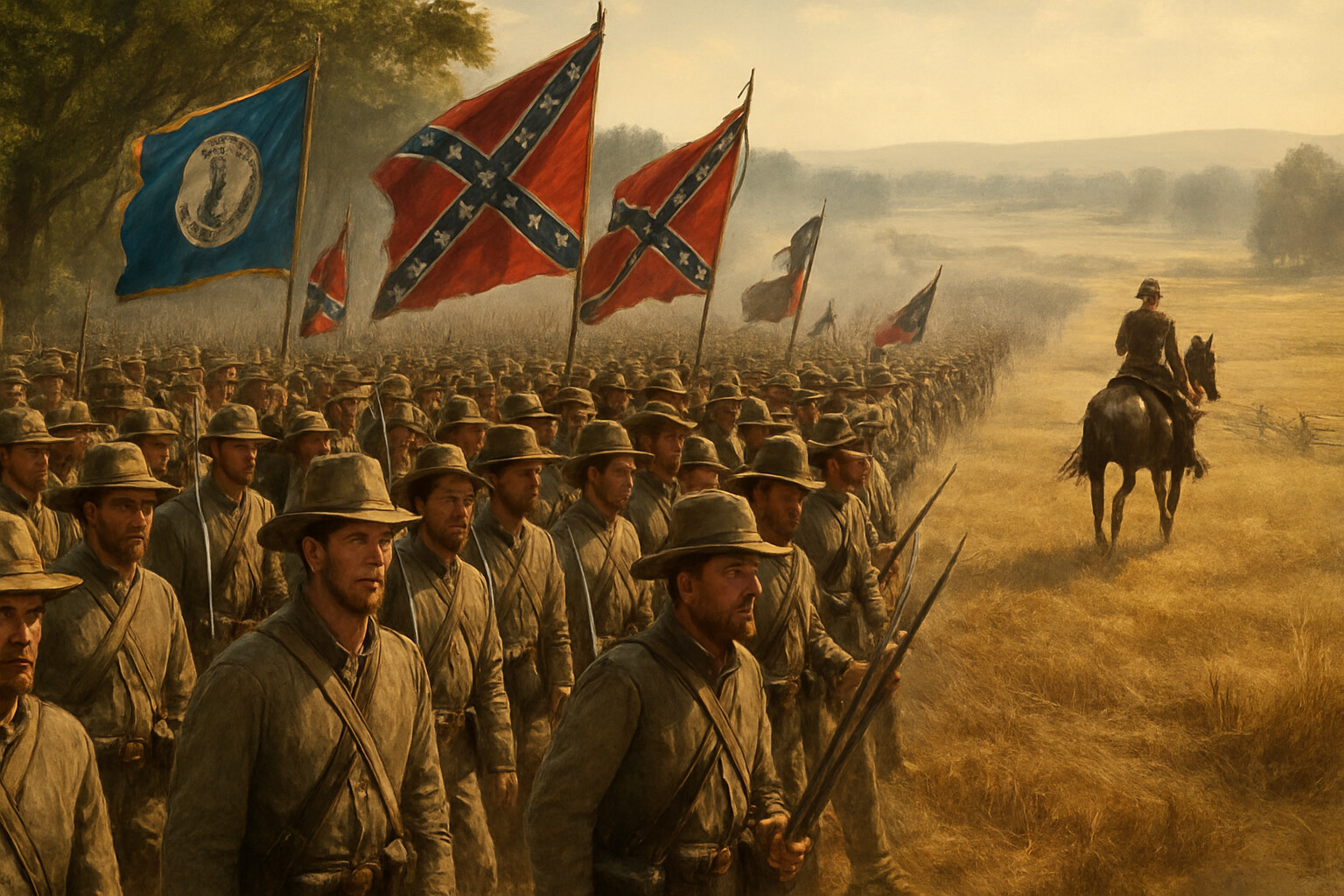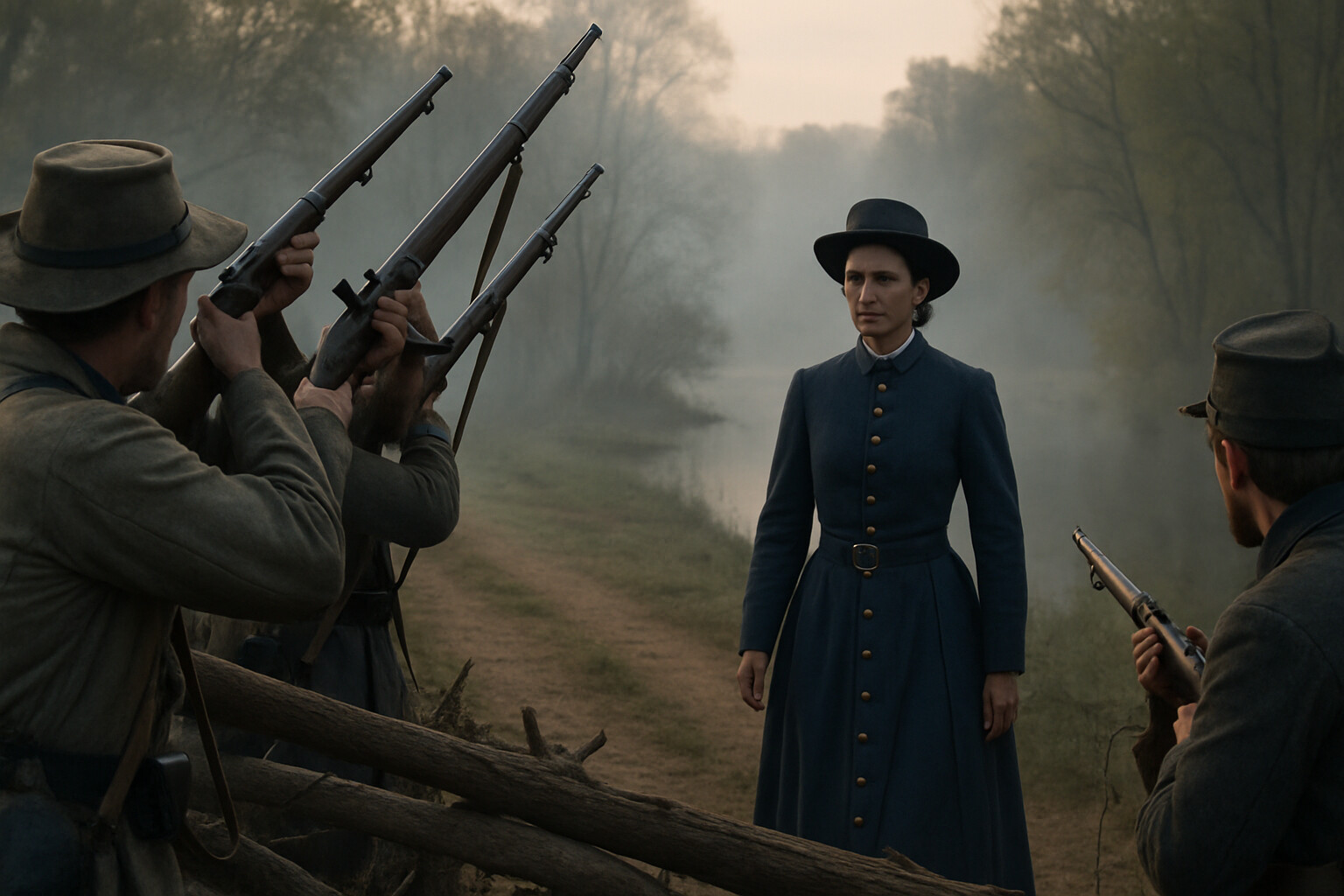
The Confederate pickets at Oostanaula Creek, Georgia, raised their rifles as the figure in blue approached through the morning mist of April 10, 1864. The small person walking directly toward their lines wore the uniform of a Union Army assistant surgeon, complete with gold braid and officer's sash. What they could not see clearly in the dawn light was that this was Dr. Mary Edwards Walker, the only woman serving as a contracted surgeon in the Union Army—and she was about to become their prisoner.
Walker had crossed into Confederate territory to treat wounded civilians caught between the armies during Sherman's advance toward Atlanta. For three years, she had served near the front lines of America's bloodiest war, performing surgery in field hospitals, treating soldiers under fire, and challenging every assumption about what women could do in wartime. Now, at thirty-one years old, her bold mission of mercy was about to cost her four months in a Confederate prison.
The path that led Mary Edwards Walker to that dangerous creek crossing began in rural New York, where she had defied convention from childhood. Born in 1832 in Oswego County to progressive parents who believed in women's education, Walker grew up wearing practical clothing rather than restrictive dresses. Her father, a farmer and free-thinking abolitionist, encouraged all his children to pursue education regardless of gender. This early support would prove crucial as Walker embarked on a medical career that few women had attempted.
By 1855, Walker had graduated from Syracuse Medical College, one of only a handful of women doctors in America. Medical education for women faced enormous resistance from both the profession and society. Most medical schools refused female applicants, and those few women who did obtain medical training encountered skepticism and hostility when they attempted to practice. Walker established a medical practice in Rome, New York, but struggled to attract patients who doubted a woman's medical competence.
Walker's marriage to Albert Miller in 1856 reflected her unconventional approach to life. She kept her maiden name and wore a modified wedding dress that included trousers—scandalous choices that drew newspaper attention and public criticism. The marriage proved difficult, partly due to societal pressure on a husband whose wife maintained such independence. When war erupted in 1861, Walker saw an opportunity to prove women's capabilities on a national stage.
The Union Army's initial rejection of Walker's volunteer application reflected the military's complete lack of precedent for female surgeons. Army regulations made no provision for women in medical roles beyond nursing, and the War Department lacked authority to commission female officers. Undeterred, Walker traveled to Washington D.C. in the fall of 1861, determined to serve in whatever capacity possible.
Washington's military hospitals in 1861 were overwhelmed with wounded soldiers from the war's early battles. The disaster at Bull Run had demonstrated that this conflict would be far bloodier than anyone had anticipated. Patent Office clerks worked as stretcher bearers, government buildings were converted into hospitals, and the wounded filled every available space. Into this chaos stepped Walker, offering her services as an unpaid volunteer surgeon.
The conditions Walker encountered in Washington's hospitals were appalling even by 1860s medical standards. Wounded soldiers lay on straw mattresses in overcrowded wards, with minimal ventilation and poor sanitation. Infection spread rapidly through the hospitals, killing men who had survived battlefield wounds. Medical supplies were scarce, and many surgeons lacked adequate training for treating massive trauma wounds. Walker's medical education, though basic by modern standards, was superior to many of the contract surgeons hastily recruited by the Army.
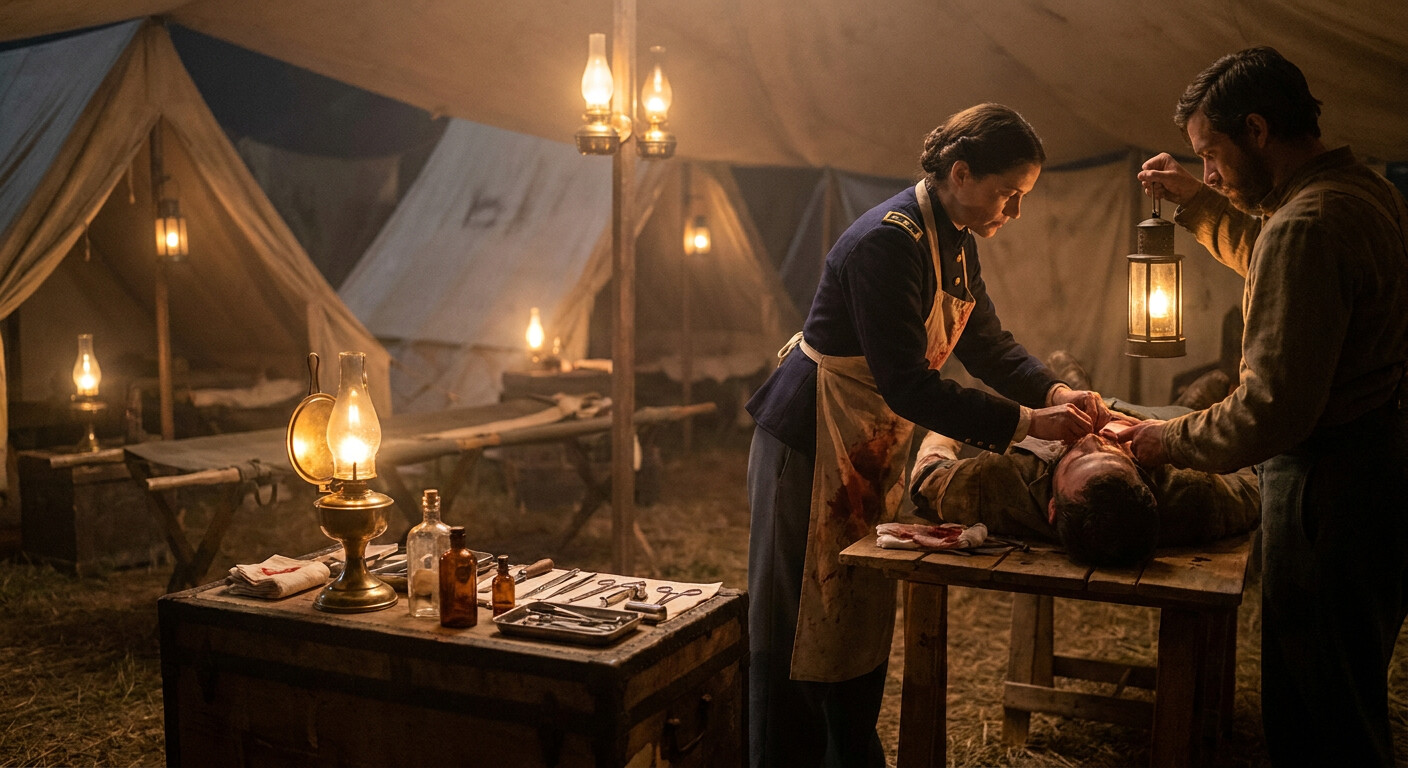
Civil War battlefield medicine operated under primitive conditions that would horrify modern practitioners. Anesthesia consisted mainly of chloroform when available, with whiskey or opium serving as substitutes. Surgeons worked without understanding of germ theory, rarely sterilizing instruments between patients. Amputation was often the only treatment for severely wounded limbs, performed with bone saws in field hospitals that resembled butcher shops more than medical facilities.
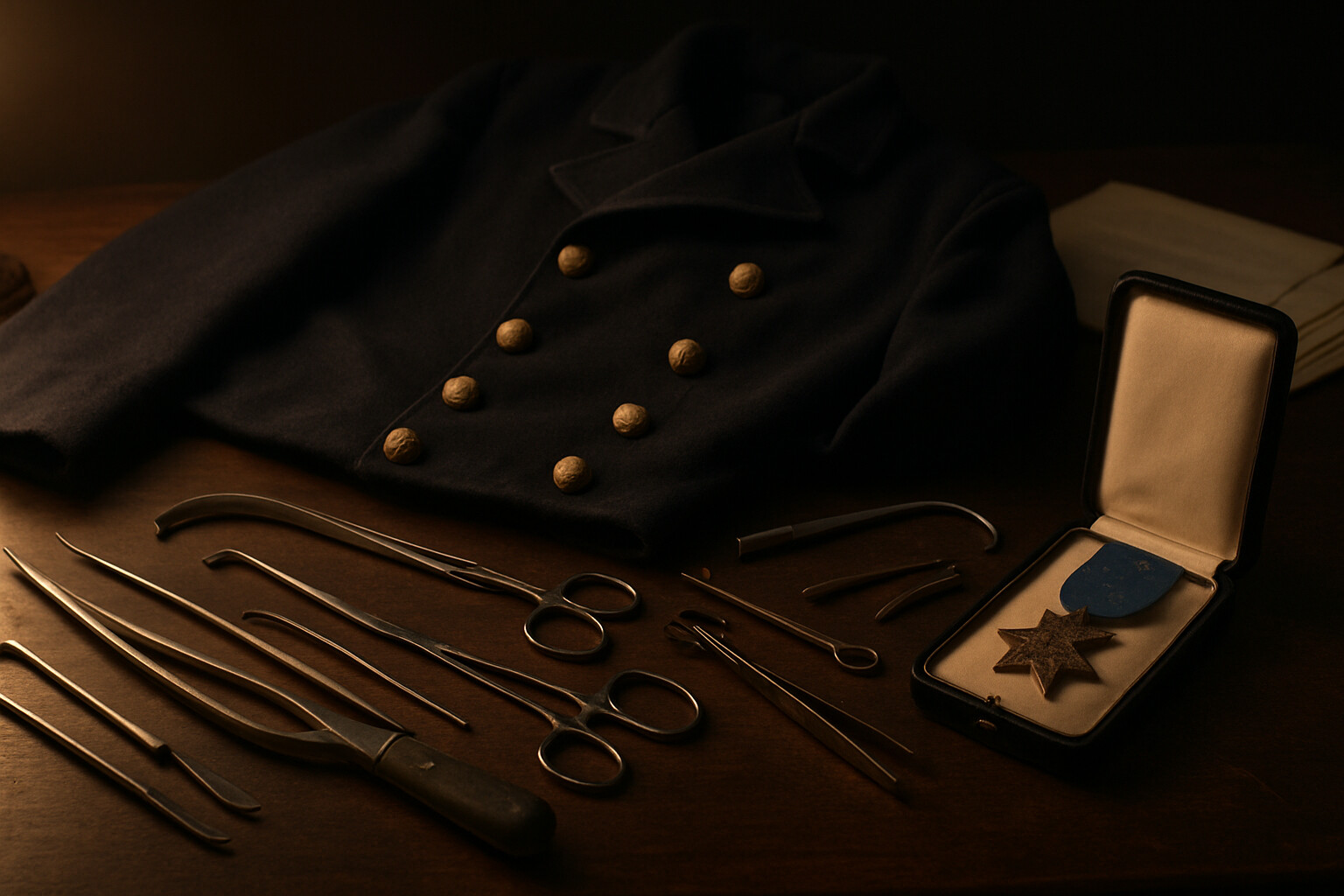
Walker's surgical kit, typical of Civil War military medicine, included bone saws, bullet extractors, curved needles for suturing, forceps, scalpels, and probe instruments for locating bullets. These tools were carried in leather cases designed for portability, as surgeons moved frequently between field hospitals and aid stations. The quality of instruments varied significantly—wealthy doctors purchased superior equipment, while contract surgeons often made do with government-issued tools of questionable sharpness and durability.
The wounded soldiers Walker treated presented injuries rarely seen in civilian practice. Minié balls, the standard ammunition of both armies, caused massive tissue damage when they struck bone or soft tissue. Head wounds were usually fatal, but Walker and her colleagues regularly treated shattered limbs, abdominal injuries, and trauma that would challenge even modern emergency surgeons. The psychological wounds were equally devastating—soldiers suffering from what would later be recognized as post-traumatic stress disorder received no effective treatment.
Walker's volunteer work in Washington hospitals gradually earned recognition from senior medical officers who valued competence over convention. Dr. J.N. Green, Medical Director of the defenses of Washington, noted Walker's "energy and medical skill" in treating wounded soldiers. Her surgical techniques, learned through formal medical education, were often superior to those of hastily trained contract surgeons who had learned medicine through apprenticeship.
By 1862, Walker had begun serving closer to active battlefields, treating wounded soldiers at aid stations within hearing distance of artillery fire. The Peninsula Campaign brought her first exposure to battlefield conditions, where medical personnel worked under enemy fire to evacuate and treat the wounded. Field hospitals were established in commandeered houses, barns, and churches, with surgeons working by candlelight or oil lamp during night operations.
The Army of the Potomac's medical service during 1862 was chaotic and inadequately prepared for the massive casualties of battles like Antietam and Fredericksburg. Wounded soldiers waited hours for treatment, transported in springless wagons over rough roads that caused additional agony. Walker worked eighteen-hour shifts during major engagements, moving between operating tables with blood-soaked aprons, treating Union and Confederate wounded without distinction.
Walker's reputation for crossing enemy lines to treat civilians developed during her service in Virginia and later Tennessee. She believed that medical care was a humanitarian duty that transcended military boundaries, particularly for civilians caught between opposing armies. These missions were extremely dangerous—Confederate forces often shot Union personnel on sight, and civilian loyalties in border regions shifted unpredictably based on military fortunes.
The formal recognition Walker had sought came in 1863 when she received a contract as assistant surgeon with the 52nd Ohio Infantry Regiment. This appointment, while not a military commission, made her the first woman to serve under official contract as a Union Army surgeon. The 52nd Ohio was part of the Army of the Cumberland, operating in Tennessee and Georgia under the command of General William Rosecrans and later General George Thomas.
Service with the Army of the Cumberland brought Walker into some of the war's most brutal fighting. The regiment participated in the Chickamauga Campaign in September 1863, where Confederate General Braxton Bragg's forces inflicted heavy casualties on Union armies. Walker treated wounded soldiers during the confused fighting around Chickamauga Creek, working in field hospitals under threat of Confederate breakthrough. The Union defeat at Chickamauga demonstrated the continued Confederate strength in the Western Theater.
The subsequent siege of Chattanooga in late 1863 placed Walker and her medical unit under extreme pressure. Confederate forces controlled the high ground around the city, making supply delivery dangerous and irregular. Medical supplies ran short, forcing surgeons to operate without adequate anesthesia or antiseptics. Walker performed surgery by candlelight in basement hospitals while Confederate artillery shelled the city.
General Grant's arrival to assume command of Union forces around Chattanooga marked a turning point in the campaign. The battles of Lookout Mountain and Missionary Ridge in November 1863 broke the Confederate siege and established Union control of the vital railroad junction. Walker treated hundreds of casualties from these engagements, working in hospitals established in captured Confederate fortifications.
By early 1864, Walker had developed a pattern of venturing into contested areas to provide medical care to civilians. These missions reflected both her humanitarian convictions and her belief that medical neutrality should be respected by both sides. Confederate authorities, however, viewed any Union military personnel in civilian areas as potential spies or intelligence gatherers, regardless of their stated medical mission.
The mission that led to Walker's capture began during Sherman's advance toward Atlanta in the spring of 1864. Confederate General Joseph E. Johnston had positioned his Army of Tennessee in strong defensive positions around Dalton, Georgia, blocking the direct railroad route to Atlanta. Sherman responded with flanking movements designed to force Johnston to abandon his entrenchments without costly frontal assaults.
The area around Oostanaula Creek had been fought over repeatedly during the opening phases of the Atlanta Campaign. Civilian families in the region found themselves trapped between advancing Union forces and retreating Confederate units. Many had been without medical care for weeks, with particular concern for children suffering from diseases that had spread through refugee populations.
Walker learned of these civilian medical needs through intelligence reports and refugee accounts reaching Union lines. Despite strong objections from her commanding officers, she decided to cross Confederate lines on a medical mission. Her decision reflected both professional duty as a physician and personal conviction that medical care should be available to all non-combatants regardless of political loyalties.
On the morning of April 10, 1864, Walker set out alone toward Confederate positions near Oostanaula Creek. She wore her complete Union Army surgeon's uniform, including the green sash with gold embroidery required for assistant surgeons. Her medical bag contained surgical instruments, medicines, and supplies for treating civilian patients. The morning fog provided some concealment as she moved through the contested area between the armies.
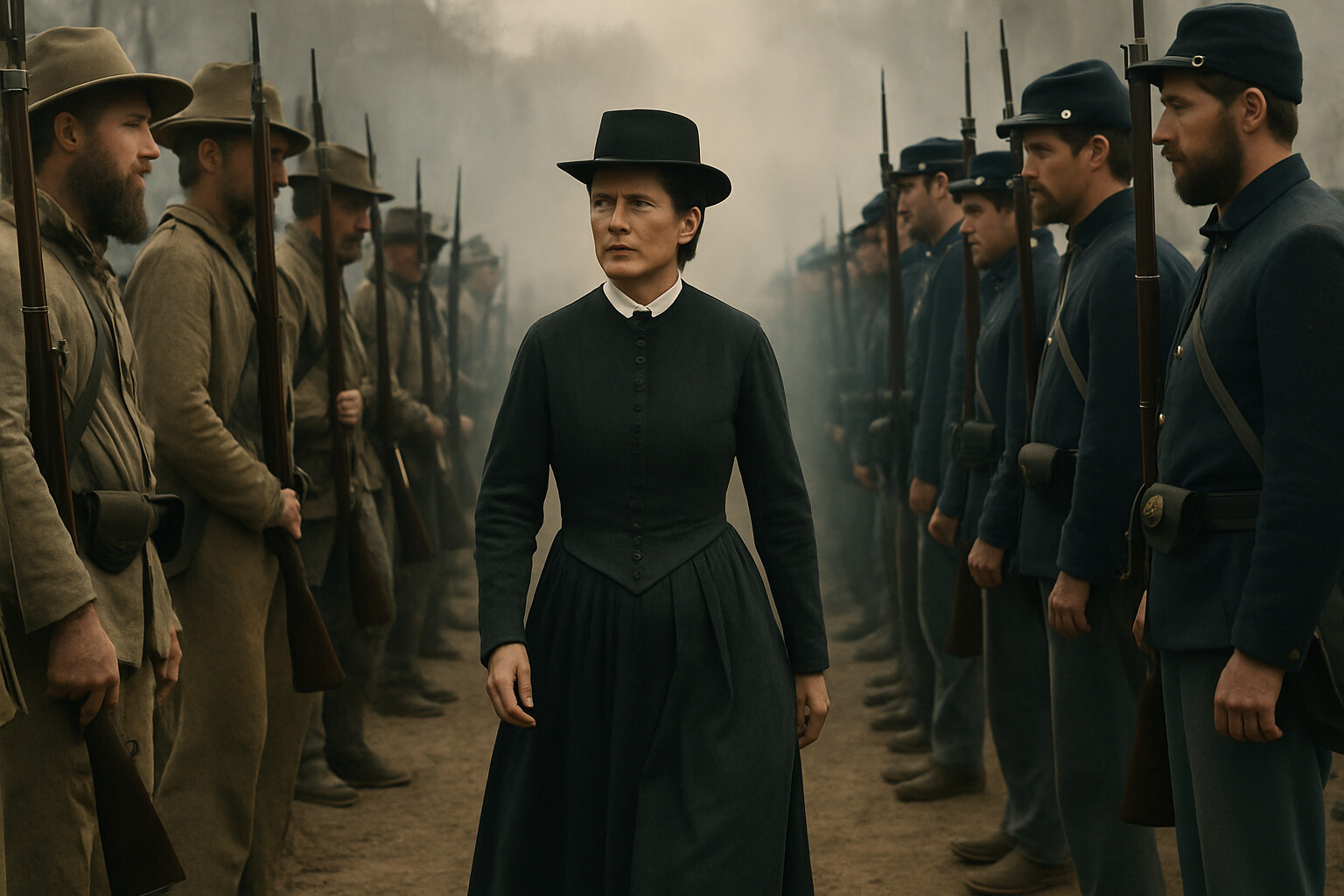
Confederate pickets of the 4th Tennessee Cavalry spotted Walker as she approached their forward positions. These soldiers, part of General Johnston's screening forces, were positioned to provide early warning of Union movements. From their perspective, any Union officer moving toward Confederate lines represented a potential intelligence threat that required investigation.
The capture scene unfolded quickly in the morning mist. Confederate soldiers called for Walker to halt and identify herself, standard procedure for anyone approaching their lines. When she responded that she was a Union Army surgeon on a medical mission, the pickets were confronted with an unprecedented situation—no one in their unit had ever encountered a female Union officer.
After a brief consultation among themselves, the Confederate soldiers decided to escort Walker to their regimental headquarters for interrogation. The capture of any Union officer was significant for intelligence purposes, but a woman serving as an Army surgeon was so unusual that it required senior officer involvement. The pickets treated Walker with a mixture of curiosity and suspicion during the escort to Confederate lines.
Walker was initially taken to Confederate field headquarters near Dalton, Georgia, where intelligence officers attempted to determine her status and mission. Her uniform and medical equipment were genuine Union Army issue, and her detailed knowledge of military medical procedures confirmed her claimed position. However, Confederate officers had no precedent for handling a captured female military surgeon.
The interrogation process revealed the unusual nature of Walker's military service. Confederate officers were skeptical that the Union Army would employ a woman as a surgeon, viewing it as either Union propaganda or evidence of Northern military desperation. Walker's calm responses and professional demeanor gradually convinced her captors that she was indeed a legitimate Union Army medical officer.
Confederate military regulations provided no clear guidance for classifying Walker as a prisoner of war. Traditional prisoner exchange protocols assumed male combatants, and Walker's non-combatant medical status further complicated her case. After several days of consultation, Confederate authorities decided to transfer her to Richmond, Virginia, where senior officials could determine proper procedures.
The journey to Richmond took Walker through Atlanta and then by railroad to the Confederate capital. During this transport, she encountered varied treatment from Confederate personnel—some officers were genuinely curious about her unusual career and military service, while others viewed her with suspicion as a potential spy or Union propagandist seeking to undermine Confederate morale.
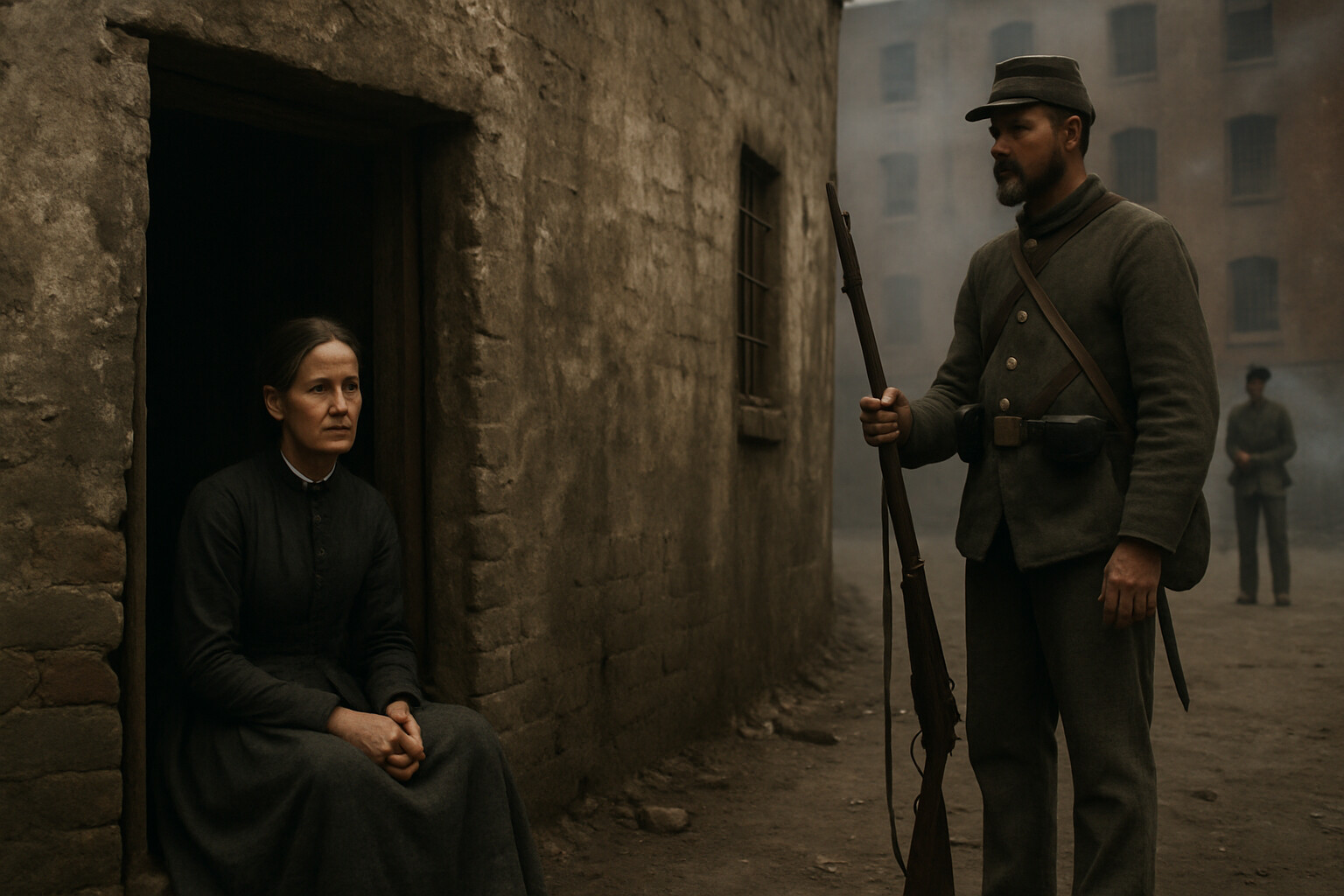
Richmond's Castle Thunder prison, where Walker was eventually confined, housed Union officers and political prisoners in notoriously harsh conditions. The facility, a converted tobacco warehouse, was overcrowded, poorly ventilated, and supplied with minimal food. Walker was placed in solitary confinement, partly for her own protection from other prisoners and partly because Confederate authorities remained uncertain about her proper classification.
Life in Castle Thunder was a daily struggle for survival. According to Walker's later testimony, prisoners received small rations of cornbread, thin soup, and occasional vegetables. Medical care was virtually nonexistent, despite the prison's population of sick and wounded Union officers. Walker's medical training allowed her to assist other prisoners when possible, though she lacked instruments or medicines for effective treatment.
The psychological pressure of imprisonment was as challenging as the physical hardships. Walker was isolated from other prisoners for much of her confinement, with limited communication with the outside world. Confederate authorities occasionally questioned her about Union Army medical practices and troop movements, though she provided only information already known to Confederate intelligence.
During her four months of imprisonment, Walker maintained detailed mental notes about prison conditions, treatment of Union prisoners, and Confederate military organization that she observed. This information would later prove valuable to Union intelligence officers during her debriefing after exchange. Her medical training helped her survive the poor sanitation and disease that killed many prisoners.
The prisoner exchange process that eventually secured Walker's release reflected the complex negotiations between Union and Confederate authorities. Prisoner exchanges were common during the Civil War, typically involving officers of equivalent rank traded between the armies. Walker's case required special consideration due to her unique status as a female military surgeon.
Confederate authorities ultimately agreed to exchange Walker for several Confederate soldiers held in Union prisons. The decision suggested that Confederate officials valued her exchange potential highly, despite their initial confusion about her military status. The exchange was arranged through established protocols managed by prisoner exchange commissioners from both sides.
Walker was formally exchanged on August 12, 1864, at Richmond's designated exchange point. Union officials were surprised to see her emerge from Confederate custody—some had assumed she had been killed during her unauthorized mission behind enemy lines. Her return was noted in Union Army records and newspaper accounts, which described her as the first woman prisoner of war exchanged between the armies.
After her release, Walker required medical attention for health problems developed during imprisonment. She had lost significant weight and suffered from conditions related to poor nutrition and sanitation in Confederate custody. Despite these health challenges, she insisted on returning to active medical duty with Union forces as quickly as possible.
Walker resumed medical service at a military hospital in Louisville, Kentucky, where she treated wounded soldiers and managed female prisoners held by Union forces. Her assignment to supervise female prisoners reflected both her medical qualifications and the Army's recognition that her unique status made her valuable for handling unusual cases. She continued this service until the war's end in 1865.
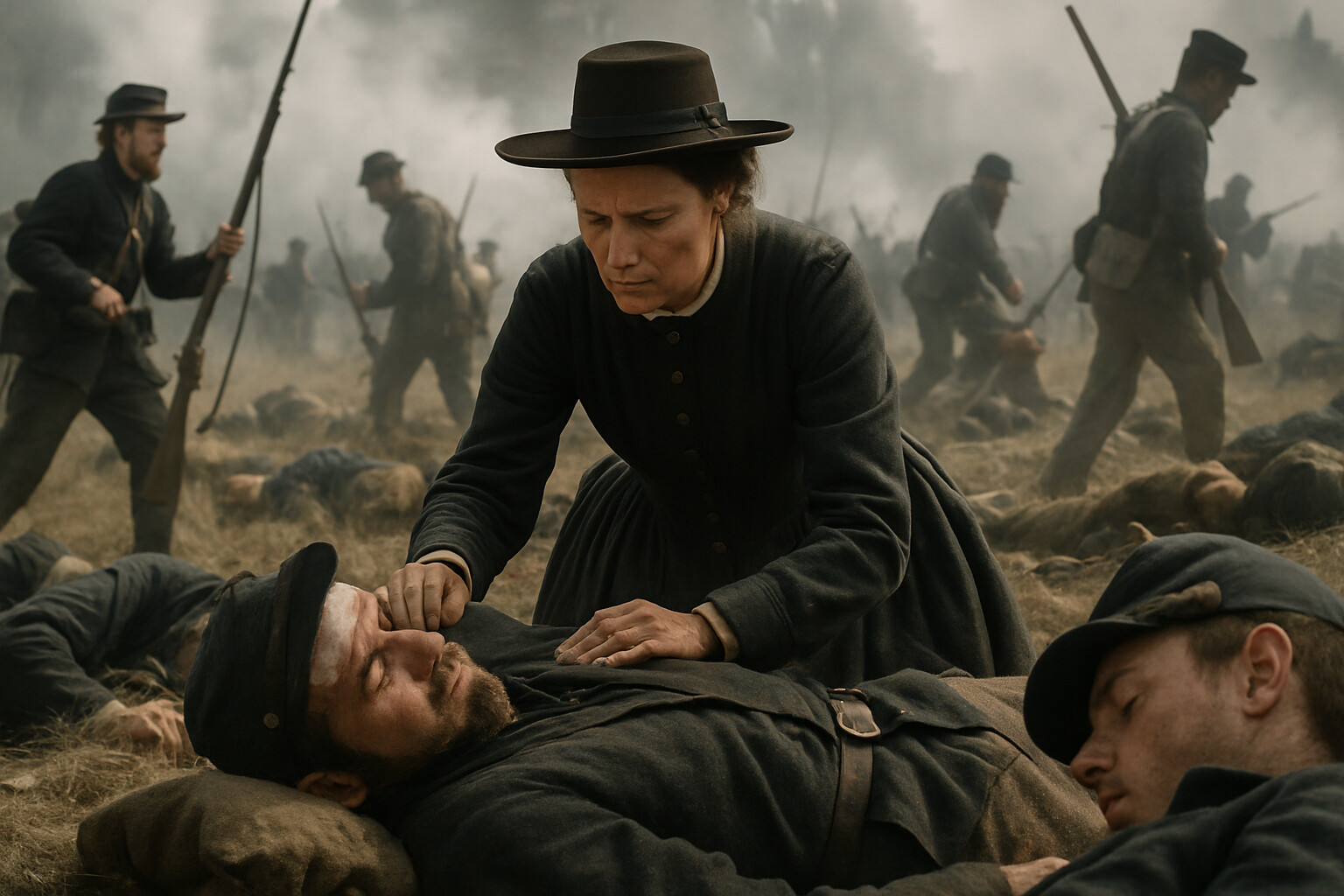
The total scope of Walker's Civil War medical service extended over three years and included treatment of hundreds of wounded soldiers. She had performed surgery under enemy fire, crossed dangerous territory to provide civilian medical care, endured four months of imprisonment, and returned to serve until the war's conclusion. Her service record demonstrated sustained courage and professional competence under the most challenging circumstances.
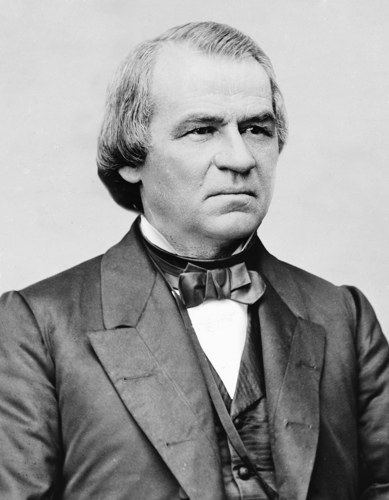
Recognition of Walker's wartime service came in November 1865 when President Andrew Johnson signed legislation awarding her the Medal of Honor. The citation specifically noted her "meritorious service" as a contract surgeon who had "devoted herself with much patriotic zeal to the sick and wounded soldiers, both in the field and hospitals, to the detriment of her own health, and has also endured hardships as a prisoner of war four months in a Southern prison."
Walker's Medal of Honor was historically significant as the first such award made to a woman. However, the award process reflected the unusual nature of her service. Unlike most Medal of Honor recipients recognized for specific acts of valor in combat, Walker's citation acknowledged her overall service record and her suffering as a prisoner of war. The medal was awarded under criteria that emphasized sustained service rather than single acts of heroism.
The controversy that would later surround Walker's Medal of Honor reflected changing military standards and evolving definitions of valor. Her 1865 award was made during the immediate post-war period when Medal of Honor criteria were less precisely defined. Military officials in 1865 recognized various forms of distinguished service, including medical care under dangerous conditions and endurance as a prisoner of war.
Walker's post-war advocacy for dress reform and women's rights kept her in public attention throughout the remainder of the 19th century. She continued wearing men's clothing and her Medal of Honor, becoming a visible symbol of women's capabilities in professional and public roles. Her medical practice and lecture tours provided platforms for advancing women's equality arguments.
In 1917, the U.S. Army conducted a comprehensive review of Medal of Honor awards and rescinded 911 medals, including Walker's, because the recipients had not met revised criteria requiring specific acts of valor in combat against enemy forces. This review applied stricter standards that emphasized combat heroism over other forms of military service, regardless of the danger or importance of that service.
Walker's response to the medal rescission was characteristically defiant. She refused to return her medal and continued wearing it until her death in 1919, arguing that her service merited the recognition regardless of changing bureaucratic standards. Her position was that dangerous medical service behind enemy lines and endurance as a prisoner of war constituted genuine heroism worthy of recognition.
The decades following Walker's death saw periodic campaigns to restore her Medal of Honor, led by women's rights organizations and military historians who argued that her service had been unfairly evaluated. Research into Civil War medical records provided increasing documentation of the dangers faced by medical personnel and the courage required for Walker's unauthorized missions behind enemy lines.
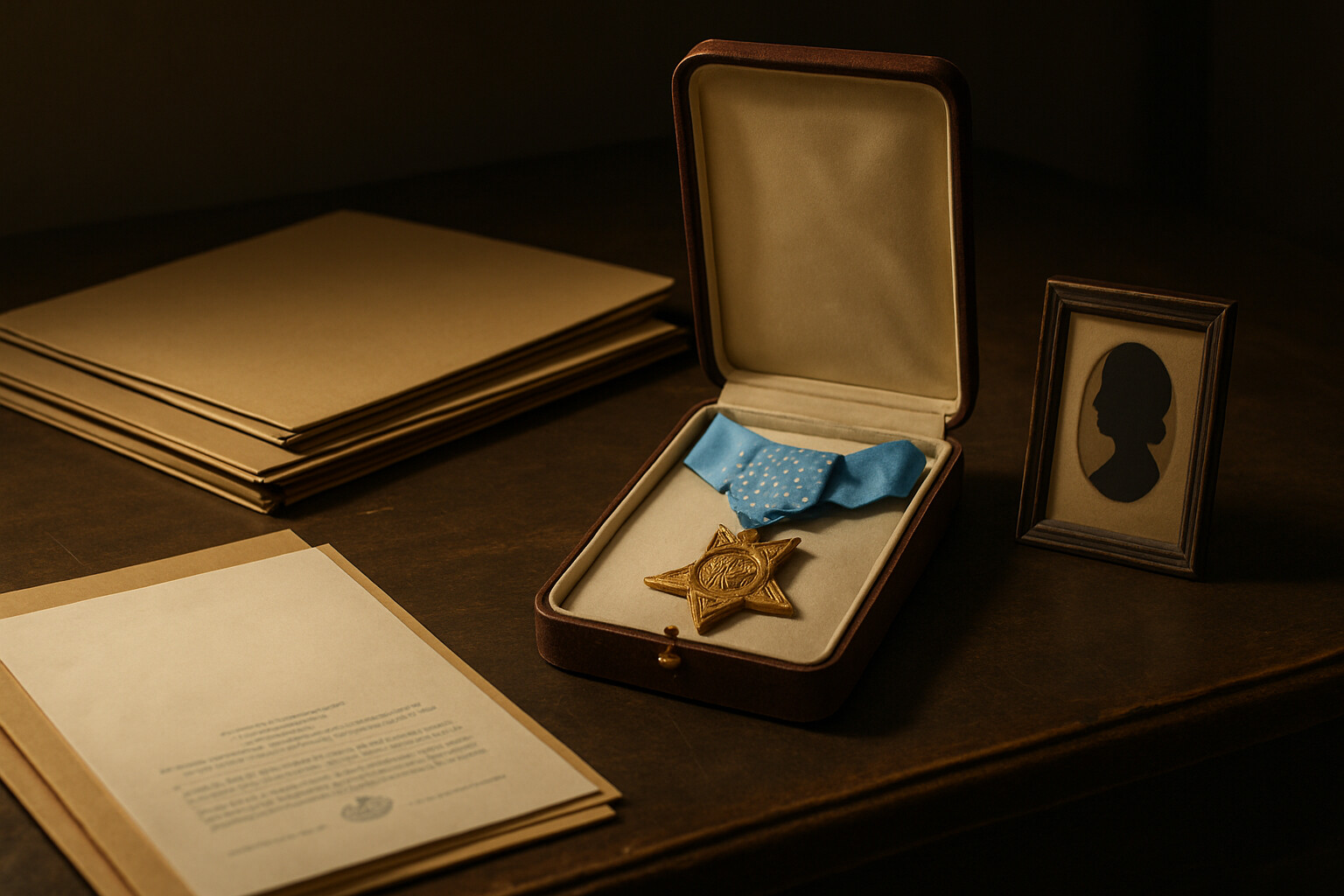
By the 1970s, changing attitudes toward women's military service and broader definitions of military heroism created conditions for reconsidering Walker's case. The U.S. Army Board for Correction of Military Records conducted a comprehensive review of her service record, examining documented accounts of her surgical work near front lines, her dangerous missions into Confederate territory, and her treatment during imprisonment.
The Army's 1977 decision to restore Walker's Medal of Honor acknowledged that her service had merited recognition under the criteria in effect when she was originally honored. President Jimmy Carter's administration supported the restoration, which was officially completed on June 10, 1977. The restored citation recognized Walker's distinguished service "above and beyond the call of duty" during her Civil War medical service.
Dr. Mary Edwards Walker's legacy extends far beyond her unique Medal of Honor. Her integration into Union Army medical service helped establish precedents that would eventually lead to formal recognition of women's military contributions. Her willingness to cross enemy lines for humanitarian medical missions reflected the highest ideals of military medical service, even when those missions violated military orders.
Walker's story illustrates the complex challenges faced by women who sought to serve their country during America's greatest crisis. Her medical training, personal courage, and determination to challenge social conventions enabled her to save soldiers' lives while advancing the cause of women's equality. Her capture and imprisonment demonstrated the risks faced by medical personnel who ventured beyond established boundaries to provide care.
The controversy surrounding Walker's Medal of Honor reflects broader questions about how military heroism is defined and recognized. Her case demonstrated that courage in war takes many forms beyond traditional combat actions. For medical personnel, heroism often means working under fire to save lives, venturing into dangerous territory to reach those in need, and maintaining professional standards under the most adverse conditions.
Today, Walker's restored Medal of Honor stands as recognition that her Civil War service met the highest standards of military valor. Her willingness to risk capture and death to provide medical care to both soldiers and civilians exemplified the humanitarian ideals that motivate the best military medical personnel. Her four months of imprisonment, endured with dignity and courage, demonstrated personal heroism equal to any combat action.
Walker's influence on women's military service continued long after her death. Her example helped pave the way for women's expanded roles in subsequent conflicts, from World War I nurses to modern female combat soldiers. Her insistence that gender should not determine one's ability to serve their country remains relevant as military organizations continue expanding opportunities for women in all service roles.
The restoration of Walker's Medal of Honor in 1977 represented more than correcting a bureaucratic error. It acknowledged that heroism in military service encompasses many forms of courage and sacrifice, including the willingness to provide medical care under dangerous conditions and to endure imprisonment rather than abandon one's duty. Walker's unique Medal of Honor serves as a reminder that progress often requires individuals willing to challenge existing boundaries and prove their capabilities under the most demanding circumstances.