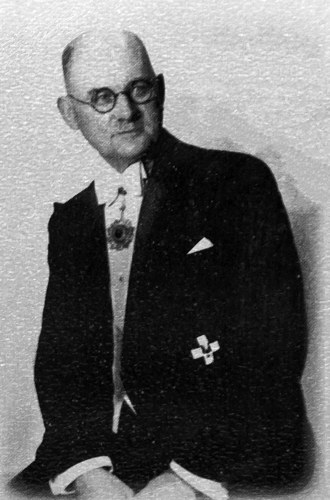
The gates of the University of Nanking compound groaned under the weight of desperate humanity. Thousands of Chinese civilians pressed against the iron bars, their faces marked by terror as distant explosions echoed through the December morning. John Rabe stood before the gates, his Nazi Party pin gleaming on his lapel, facing a choice that would define the rest of his life.
It was December 12, 1937. The Japanese Imperial Army had breached the outer defenses of China's ancient capital. Panic gripped the city's remaining population. Behind those university gates lay what Rabe and his small committee of Western businessmen and missionaries had declared the International Committee for the Nanking Safety Zone—a desperate gamble to create neutral ground in a city about to fall.
John Heinrich Detlef Rabe had lived in China for nearly three decades, building a comfortable life as the Nanking representative for Siemens, the German electrical giant. At fifty-five, he was a respected pillar of the small German community, known for his methodical nature and unwavering loyalty to the Fatherland. His Nazi Party membership, obtained in 1934, reflected both genuine belief and practical necessity for a German businessman operating abroad during the Third Reich's rise.
But as Japanese artillery shells began falling on the outskirts of Nanking, Rabe found himself thrust into a role he never sought: protector of the defenseless in one of history's most brutal urban warfare campaigns.
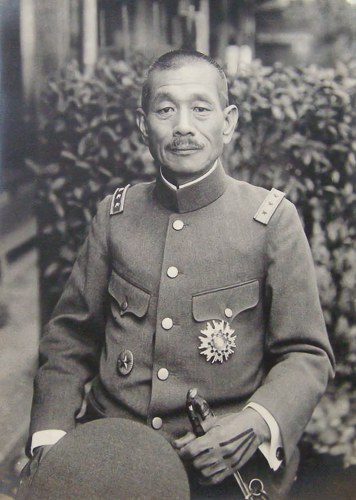
The Second Sino-Japanese War had erupted in full fury following the Marco Polo Bridge Incident in July 1937. What began as a localized skirmish quickly escalated into total war as Japanese forces launched a three-pronged assault on China's heartland. By November, the Japanese Central China Area Army, commanded by General Matsui Iwane, had advanced up the Yangtze River valley with overwhelming force. The Chinese Nationalist government, led by Chiang Kai-shek, had already begun evacuating from Nanking, leaving the ancient capital's 600,000 civilians to face the approaching storm largely undefended.

The International Committee for the Nanking Safety Zone emerged from a hastily convened meeting of Western residents on November 19, 1937. Twenty-two foreigners—mostly American missionaries, German businessmen, and a handful of other Western nationals—faced the stark reality that they were the only organized authority likely to remain in the city when it fell. The Chinese government was fleeing. The military was in retreat. Only these few dozen Westerners stood between the civilian population and whatever was coming.
Rabe, elected chairman largely because his German nationality made him theoretically neutral in the Sino-Japanese conflict, found himself responsible for an audacious plan: creating a 3.85 square kilometer safety zone in the heart of Nanking where civilians could seek refuge under international protection. The committee designated twenty-five refugee camps within this zone, centered on foreign institutions like the University of Nanking, Ginling College, and various missionary compounds.
The challenge was immense. The committee had no military force, no official government backing, and no guarantee that either Chinese or Japanese forces would respect their declared neutrality. Their only weapons were moral authority, international law, and the slim hope that civilized nations would honor the Geneva Convention's protections for civilians in warfare.
On December 7, the Japanese 6th Division began its final assault on Nanking's defenses. The Chinese 36th Division and other remaining Nationalist units fought desperately at the Purple Mountain fortifications east of the city, but they were vastly outgunned and outnumbered. Japanese Type 89 medium tanks, supported by artillery and close air support from Mitsubishi A5M fighters, systematically reduced the Chinese defensive positions.
As the Chinese military collapsed, refugees began flooding into the designated safety zone. Rabe watched from his compound as endless streams of humanity poured through the gates—farmers who had fled burning villages, shopkeepers whose businesses had been destroyed, mothers carrying infants, elderly men supporting each other on trembling legs. The carefully planned capacity of 20,000 refugees was exceeded within hours.

Rabe's diary entries from these crucial days reveal the mounting pressure. Committee records document the escalating crisis: more and more people crowding into the zone with no clear solution for feeding them all. The committee had established a basic distribution system for rice and other essentials, but supplies were rapidly dwindling. Worse, they had no medical facilities adequate for the growing population.
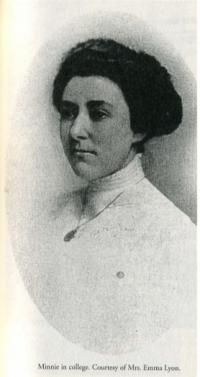
The committee members worked around the clock to maintain order and basic sanitation in the overcrowded camps. American missionary Minnie Vautrin supervised Ginling College, which housed over 10,000 women and children in buildings designed for fewer than 1,000. Dr. Robert Wilson, the only Western surgeon remaining in the city, established a makeshift hospital in the University of Nanking's science building. George Fitch, head of the Nanking YMCA, coordinated food distribution despite having no trained staff and minimal supplies.
On December 13, Japanese forces breached Nanking's ancient city walls. The sound of gunfire echoed through the streets as the last organized Chinese resistance crumbled. From his headquarters in the German embassy compound, Rabe watched through binoculars as Japanese troops methodically advanced through the city's northern districts. Smoke rose from dozens of fires. The systematic occupation of China's capital had begun.
What happened next would test every principle of international law and human decency. Japanese soldiers, inflamed by months of bitter fighting and operating under military doctrines that viewed Chinese resistance as illegitimate, began targeting the city's civilian population. The safety zone became a refuge for the desperate and a constant challenge for soldiers who viewed any Chinese civilian as a potential enemy.
Rabe faced a constant series of impossible decisions. When Japanese soldiers demanded entry to refugee camps to search for Chinese soldiers, should he comply or resist? When they insisted on taking away groups of young men who appeared to be civilians, could he physically stop them? When reports reached him of executions along the Yangtze River, what could one German businessman do against an entire army?

His answer was to do everything possible within the constraints of his impossible position. Rabe began a careful campaign of documentation and diplomatic pressure. He wrote detailed reports of every incident he witnessed or that committee members reported to him. He photographed evidence when possible. He filed formal complaints with Japanese military authorities, citing international law and appealing to their sense of military honor.
Most importantly, he exploited his Nazi Party membership as protection. When Japanese soldiers threatened refugees in his compound, Rabe would display his swastika armband and remind them that Germany and Japan were allies. This cynical exploitation of political symbolism he genuinely believed in became his most effective tool for protecting Chinese civilians.
According to committee records and Rabe's diary entries, this strategy worked frequently, though not consistently. Rabe's compound, which normally housed his family and a few servants, swelled to over 600 refugees. Every room, every corridor, every available space was packed with terrified civilians. The carefully maintained gardens became latrines. The elegant reception rooms became dormitories for extended families who had lost everything.
Food became the most critical challenge. The committee's initial stockpiles were exhausted within days. Rabe organized dangerous expeditions outside the safety zone to purchase rice from merchants who remained in business, often trading personal possessions for basic supplies. The German businessman found himself haggling in devastated markets while artillery shells occasionally fell nearby.
Water presented another crisis. The city's water system had been damaged in the fighting, and maintaining basic sanitation for over 200,000 refugees with limited facilities proved nearly impossible. Disease began spreading through the overcrowded camps. Dr. Wilson reported outbreaks of typhoid and dysentery that he had no resources to treat effectively.

Throughout January and February 1938, Rabe maintained detailed records of the committee's activities. His meticulous German business practices served him well as he documented refugee numbers, food distribution, medical cases, and the endless series of incidents with Japanese soldiers. These records, preserved in his private diary and official committee reports, would become crucial historical evidence of what had transpired in Nanking.
The international community's response was frustratingly limited. The committee's reports reached Western governments and news organizations, generating international condemnation but little practical assistance. The Japanese government, embarrassed by negative publicity, ordered military commanders to exercise better discipline, but enforcement remained inconsistent.
By March 1938, Japanese military authorities began pressuring foreign residents to leave Nanking. The emergency phase of the occupation was ending, they argued, and normal civilian administration would resume. The safety zone had served its purpose and should be dissolved.
Rabe faced another impossible choice. His employer, Siemens, was ordering him back to Germany. His family, evacuated earlier to safety, needed him. The Nazi Party expected loyalty from its foreign representatives. But dissolving the safety zone meant abandoning over 200,000 refugees who had no other protection.
The committee members met repeatedly during March to discuss their options. Most of the Americans had already been recalled by their organizations. The few remaining Europeans faced similar pressure. Only by maintaining at least a skeleton international presence could they hope to continue protecting the civilian population.

In the end, practical reality forced the decision. On April 18, 1938, Rabe boarded a ship bound for Germany, leaving behind the compound that had become home to hundreds of Chinese families. The safety zone continued under reduced international supervision, but its most effective period had ended.
Rabe's return to Germany revealed the complex contradictions of his position. Nazi authorities initially welcomed his reports about Japanese military cooperation, but they grew uncomfortable with his detailed accounts of civilian casualties. The regime that had enabled his protection of Chinese civilians through his party membership now viewed his humanitarian activities as potentially embarrassing to their Japanese allies.
The Gestapo confiscated his photographs and documents. His lectures about conditions in China were restricted, then prohibited entirely. The Nazi Party member who had saved thousands of Chinese lives found himself under suspicion in his homeland for caring too much about foreign civilians.
After the war, Rabe faced denazification proceedings that threatened to erase his humanitarian legacy. Classified as a Nazi Party member, he lost his pension and faced potential criminal charges. Only intervention by Chinese organizations and surviving refugees prevented his imprisonment. The man who had protected Nanking's civilians found himself needing protection from his own country's judgment.
The historical record of the Nanking Safety Zone reveals both the possibilities and limitations of humanitarian intervention in warfare. Committee records document that the zone sheltered between 200,000 and 250,000 civilians during the most dangerous period of the Japanese occupation. While the committee could not prevent all violence against civilians, their presence undoubtedly saved thousands of lives.

Rabe's meticulous documentation became crucial evidence for post-war tribunals examining Japanese war crimes. His photographs, diary entries, and official reports provided Western courts with detailed testimony about events that Japanese authorities had tried to conceal or minimize. The businessman's methodical record-keeping created an irreversible historical record.
The weapons that defined this urban warfare campaign reflected the technological realities of 1937-1938. Japanese forces employed Type 38 Arisaka rifles as their standard infantry weapon, supplemented by Type 11 and Type 96 light machine guns for squad-level firepower. Their artillery included Type 91 105mm howitzers and Type 89 150mm guns that systematically reduced Chinese fortifications. Japanese air power, featuring Mitsubishi A5M fighters and Kawasaki Ki-32 light bombers, achieved complete air superiority over the battlefield.
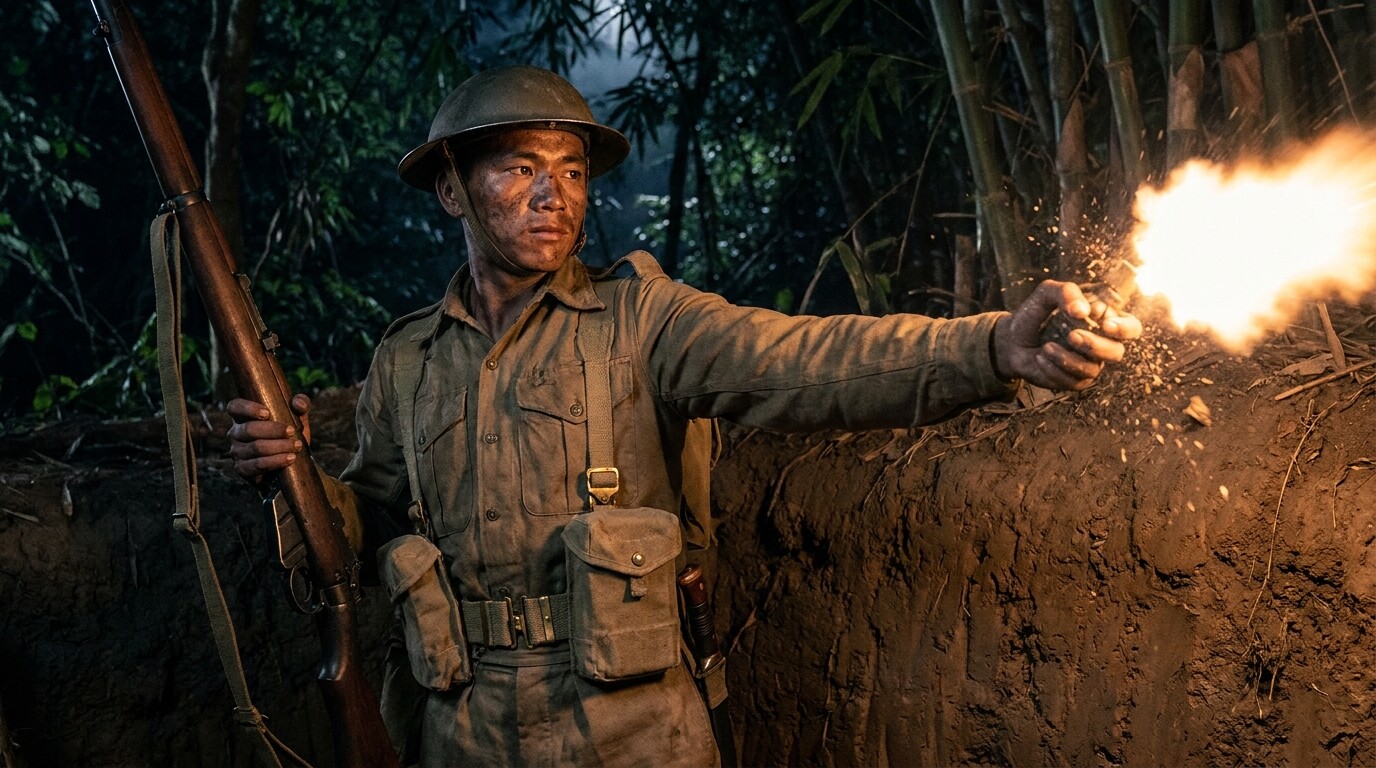
Chinese defenders relied primarily on older German and domestic weapons. The standard rifle was the Type 24 Mauser, a licensed copy of the German Gewehr 98. Chinese machine gun units used a mixture of German MG08 heavy machine guns and domestic copies of various European designs. Artillery support was limited and often ineffective against modern Japanese armor and air power.
The technological disparity reflected broader strategic realities that made Chinese resistance largely symbolic. The safety zone succeeded not through military strength but through careful exploitation of international law, diplomatic pressure, and the complex relationship between Germany and Japan in 1937-1938.
John Rabe died in Berlin in 1950, largely forgotten by his own country and unknown to most of the world. Only decades later did historians and Chinese researchers begin to fully document his role in protecting Nanking's civilians. The Nazi Party member who exploited his political symbol to save Chinese lives had become an uncomfortable hero for all sides—too German for some Chinese comfort, too humanitarian for Nazi approval, too foreign for American celebration.
Yet the record of his actions speaks clearly across the decades. In the face of systematic violence against civilians, a small group of foreigners created a space where international law and human decency could survive. Their success was limited, their methods were compromised, and their protection was incomplete. But for over 200,000 Chinese civilians, the International Committee for the Nanking Safety Zone represented the difference between survival and death.
The story of John Rabe and the Nanking Safety Zone demonstrates both the potential and the tragic limitations of individual moral action in warfare. One man's decision to use his political position to protect the innocent could not stop the broader tragedy of urban warfare, but it could create small spaces where humanity endured. In the darkest chapters of human conflict, such spaces matter more than all the grand strategies and political calculations that surround them.