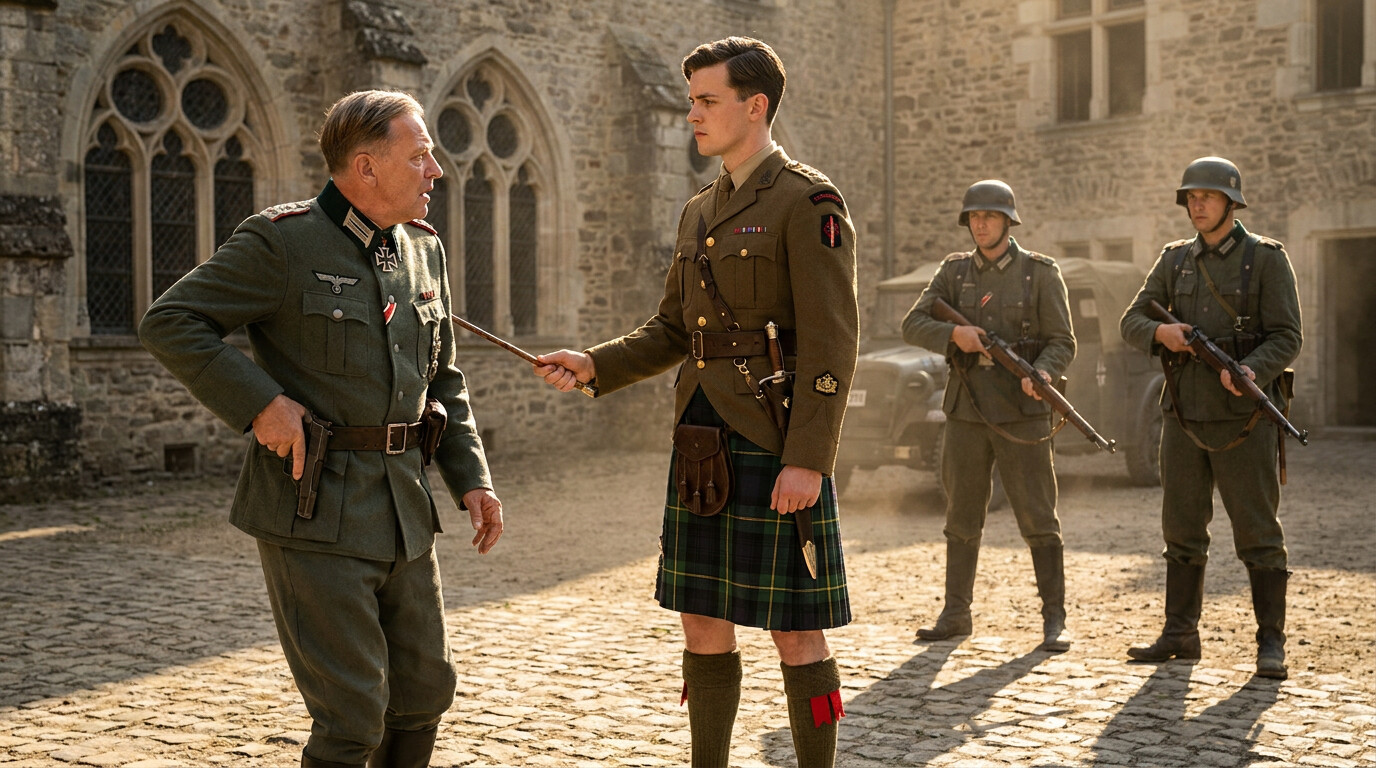
The German colonel stared at the figure standing before him in the château courtyard. A British officer in Highland dress had walked through the gates of his fortified garrison and demanded surrender. It was July 1944, three weeks after D-Day, and Major Thomas Macpherson was playing the most audacious bluff of the war.
The 23-year-old Scotsman stood at attention, his kilt and military jacket marking him unmistakably as a Highland officer. Behind him, the forests of central France concealed not a massive Allied army but a handful of French resistance fighters. Yet Macpherson's bearing suggested he commanded divisions.
Macpherson had arrived in occupied France as part of Operation Overlord's most secretive supporting missions. As a member of the Special Operations Executive's Jedburgh teams—elite three-man units designed to coordinate with French resistance networks—his mission was to disrupt German communications and delay reinforcements racing toward Normandy. What set Macpherson apart was his decision to wear the kilt of the Queen's Own Cameron Highlanders behind enemy lines.
The choice was calculated psychological warfare. To German soldiers raised on stories of Scottish martial prowess, a kilted Highland officer suggested elite British forces nearby. The uniform became both calling card and weapon.
Every hour that Panzer divisions and infantry reserves were delayed could determine whether the Allies consolidated their beachhead or faced catastrophic defeat. German high command was rushing every available unit toward the invasion front, and central France's roads carried a steady stream of reinforcements.
Macpherson's area of operations covered the Morvan region of Burgundy—heavily forested terrain that served as a crucial transportation corridor between German garrison towns and Normandy. The region's dense woodlands provided cover for resistance operations, while its road and rail networks made it vital for sabotage. Local French resistance groups had conducted hit-and-run attacks, but they lacked coordination to achieve strategic impact.
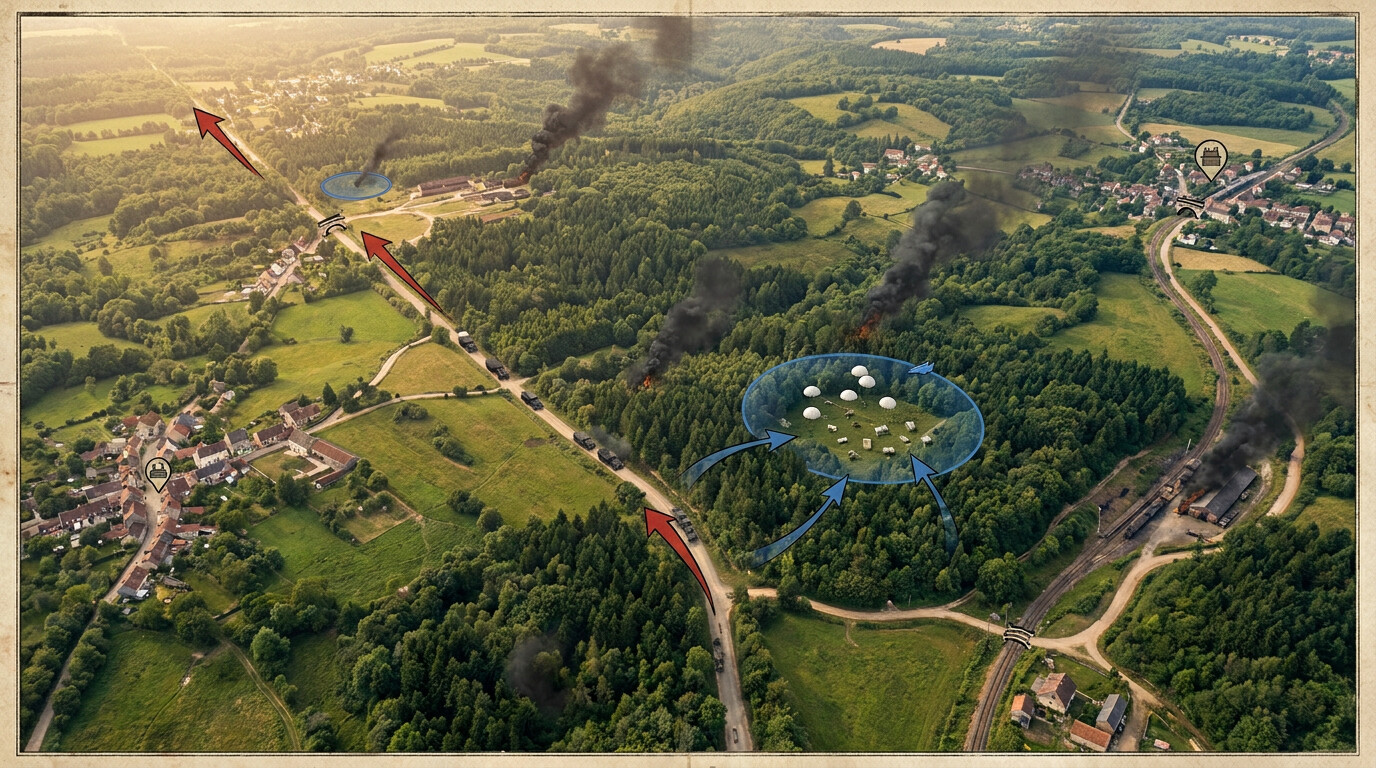
Jedburgh teams represented a departure from conventional special operations. Rather than operating alone, these three-man units worked with local resistance networks, providing training, coordination, and radio communication with Allied command. Each team included a British or American officer, a Free French officer, and a wireless operator.
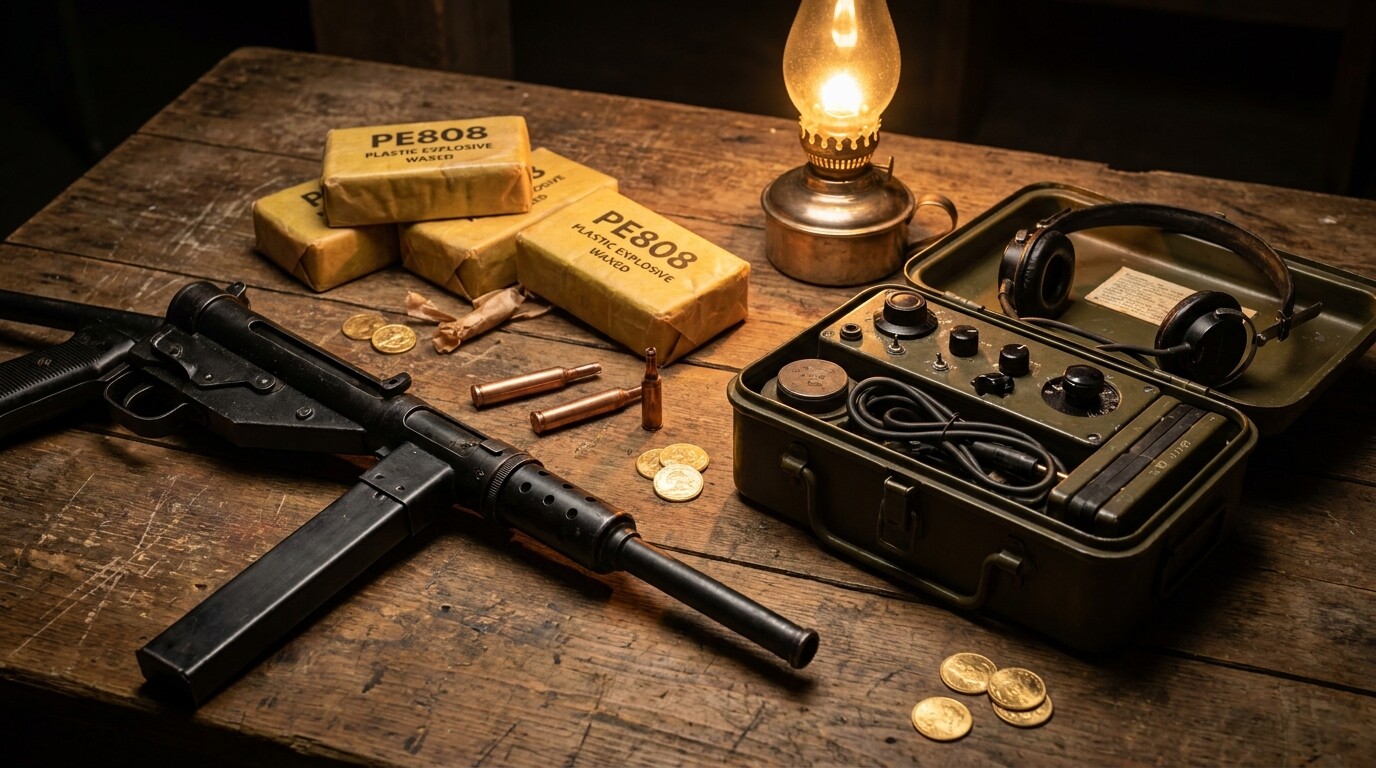
Macpherson's team, codenamed Quinine, parachuted into France on June 8, two days after D-Day. The drop zone lay deep in Morvan forests, where resistance leader Captain Henri Bouchard waited. Their equipment included wireless sets for London communication, plastic explosives for sabotage, weapons for arming resistance fighters, and gold sovereigns for purchasing intelligence.
Sergeant Gordon Tack carried the team's lifeline—a compact radio capable of transmitting coded messages to SOE headquarters. The radio represented both asset and vulnerability. German direction-finding equipment could locate transmissions within hours, forcing constant movement.
Macpherson's French counterpart was Captain Pierre Grall of the Free French forces, a 1940 campaign veteran who had escaped to Britain for SOE training. Grall's local knowledge proved invaluable for resistance liaison, though British-Free French collaboration faced competing political agendas.
Initial objectives focused on classic special operations: cutting telephone lines, derailing trains, ambushing convoys, establishing communication networks. But Macpherson recognized that his psychological impact might achieve more than conventional sabotage. German garrison commanders were increasingly nervous about resistance activity. A bold display might convince them they faced larger threats than reality suggested.
The first test came at Châtillon-sur-Seine, where approximately 200 German troops controlled a crucial road junction. Intelligence indicated the garrison commander was anxious about reported Allied paratroopers. Rather than attacking directly, Macpherson decided to demand surrender at the front gate.
Wearing full Highland dress—ceremonial dirk and sporran included—Macpherson approached the garrison with Captain Grall in Free French uniform. The audacity caught German sentries off guard. Highland dress was unmistakable, even to soldiers who had never seen Scottish troops.
The psychology worked on multiple levels. To German forces already demoralized by Normandy reports and resistance activity, a British officer in ceremonial uniform suggested elite force arrival. Highland regiments had earned fearsome reputations in World War I. A Highland officer operating openly behind German lines implied either massive confidence or significant backup.
Macpherson's approach demonstrated masterful psychological manipulation. He walked directly to the main gate and requested audience with the commander. When brought before the German colonel, he delivered an ultimatum: surrender or face consequences of resistance to advancing Allied forces.
The German commander faced an impossible position. Military protocol demanded threat assessment, but a Highland officer in dress uniform behind German lines suggested catastrophic intelligence failures. If British forces operated openly in the area, his isolated garrison could be overwhelmed before reinforcements arrived. The alternative—that two men attempted to bluff an entire garrison—seemed too audacious to consider.
The standoff lasted hours. Macpherson maintained bearing throughout, neither admitting weakness nor making unsubstantiated threats. His strategy relied on German assumptions. The colonel's training suggested Highland officers were elite troops who did not operate alone. The timing, weeks after D-Day, implied coordinated Allied advance. The uniform carried psychological weight transcending rational analysis.
When the commander finally agreed to surrender, Macpherson faced a new problem: what to do with 200 prisoners. His actual force included fewer than twenty resistance fighters scattered through surrounding forests. The solution required the same audacity that achieved surrender. Macpherson arranged for Germans to march out under resistance guard while he and Grall departed in the opposite direction, ostensibly to coordinate with other Allied forces.
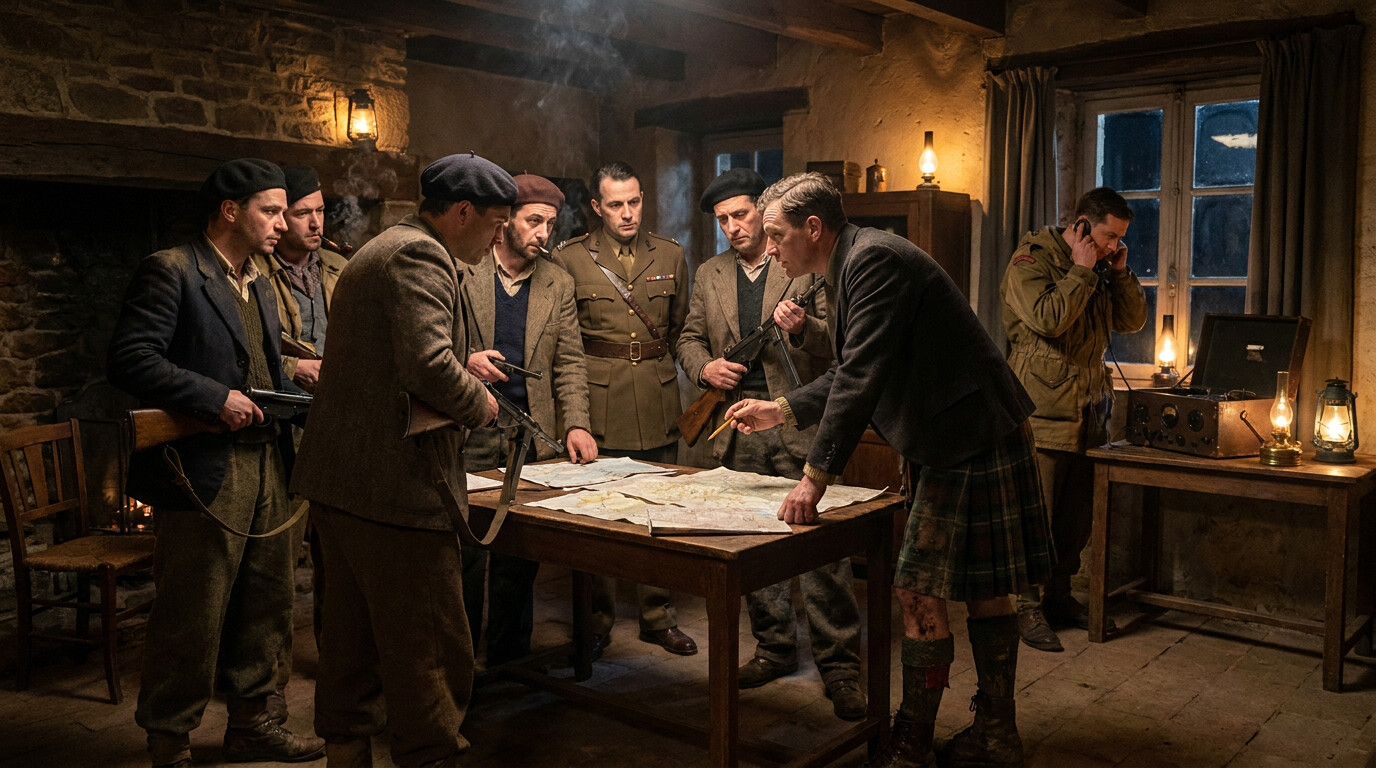
Châtillon's success established a pattern Macpherson repeated throughout summer 1944. German garrisons in isolated towns were vulnerable to psychological pressure as reports of Allied advances and resistance activity created uncertainty and fear. A Highland officer at their gates represented concrete evidence of British forces operating in their area—a development garrison commanders were neither equipped nor authorized to handle.
The tactical situation favored Macpherson's unconventional approach. German forces in central France operated under occupation doctrine, not active resistance protocols. Garrison commanders were expected to maintain order and protect supply lines, but lacked clear procedures for responding to direct challenges from Allied officers. Legitimate military authority in Highland uniform created legal and tactical complications many commanders preferred to avoid.
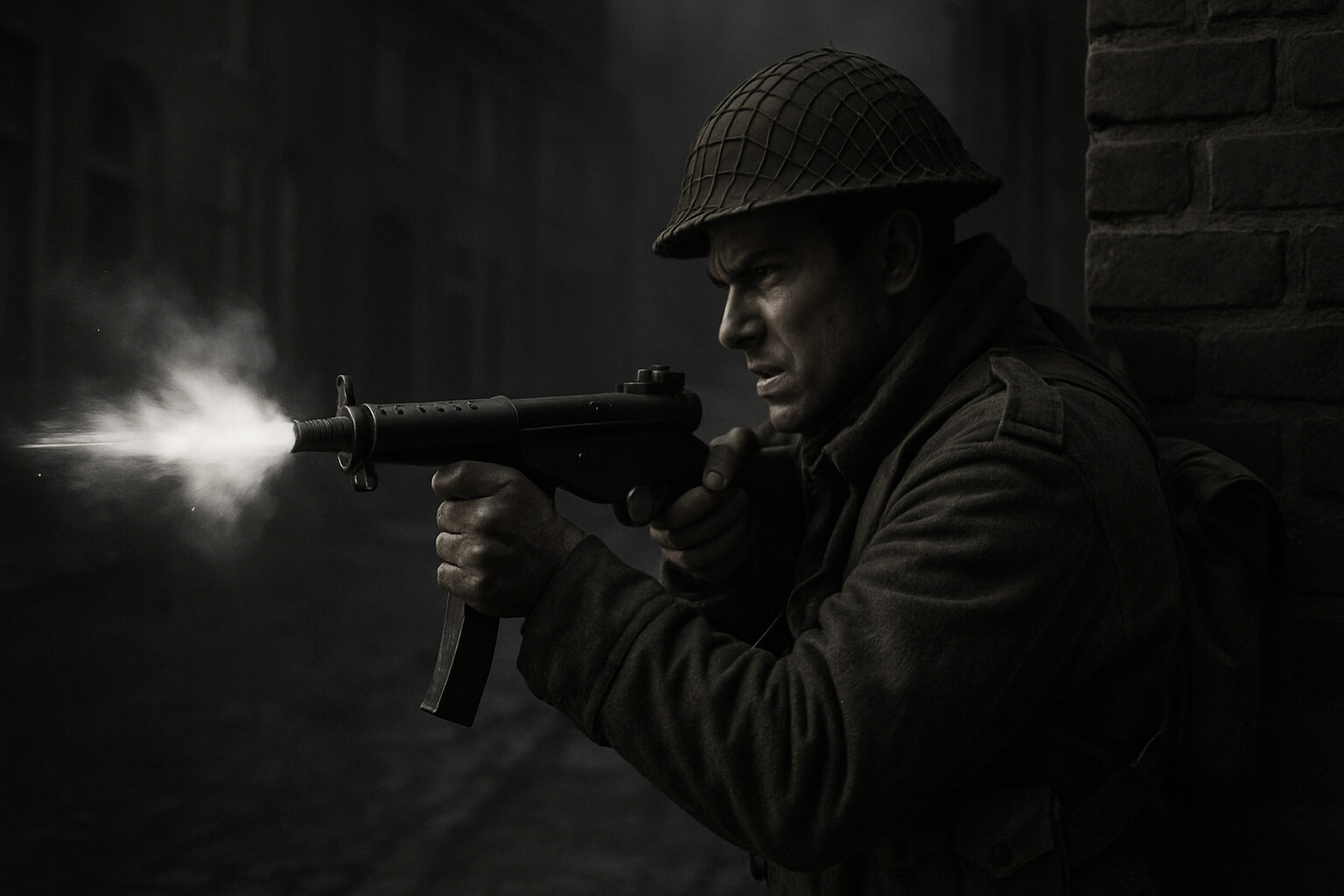
Macpherson's operations were supported by increasingly sophisticated French resistance networks transformed by SOE training and equipment. PE808 plastic explosive allowed small teams to destroy railway bridges and cut communication lines with devastating efficiency. The lightweight Sten submachine gun, though unreliable, provided resistance fighters automatic weapons capability that dramatically increased ambush effectiveness.
The Sten represented both possibilities and limitations of SOE operations. Manufactured specifically for resistance work, the weapon was cheap, simple, and easily concealed. Its 9mm ammunition matched German calibers, allowing fighters to replenish supplies from captured weapons. However, the Sten was notoriously unreliable, with jamming tendencies that made it as much liability as asset in combat.
More effective were explosive devices that disrupted German supply lines. PE808 plastic explosive could be molded into any shape and detonated with simple timers or pressure switches. A few pounds on railway lines could derail entire trains, while bridge demolitions blocked major transportation routes for weeks. These attacks' psychological impact often exceeded immediate tactical value, as German forces never knew where next sabotage would occur.
Macpherson's most audacious operation came in late July at Avallon, where German forces had concentrated significant reserves for Normandy movement. Intelligence indicated two infantry battalions and supporting armor would depart within 48 hours. Conventional attack was impossible with available Jedburgh resources, but Macpherson saw opportunity for strategic deception.
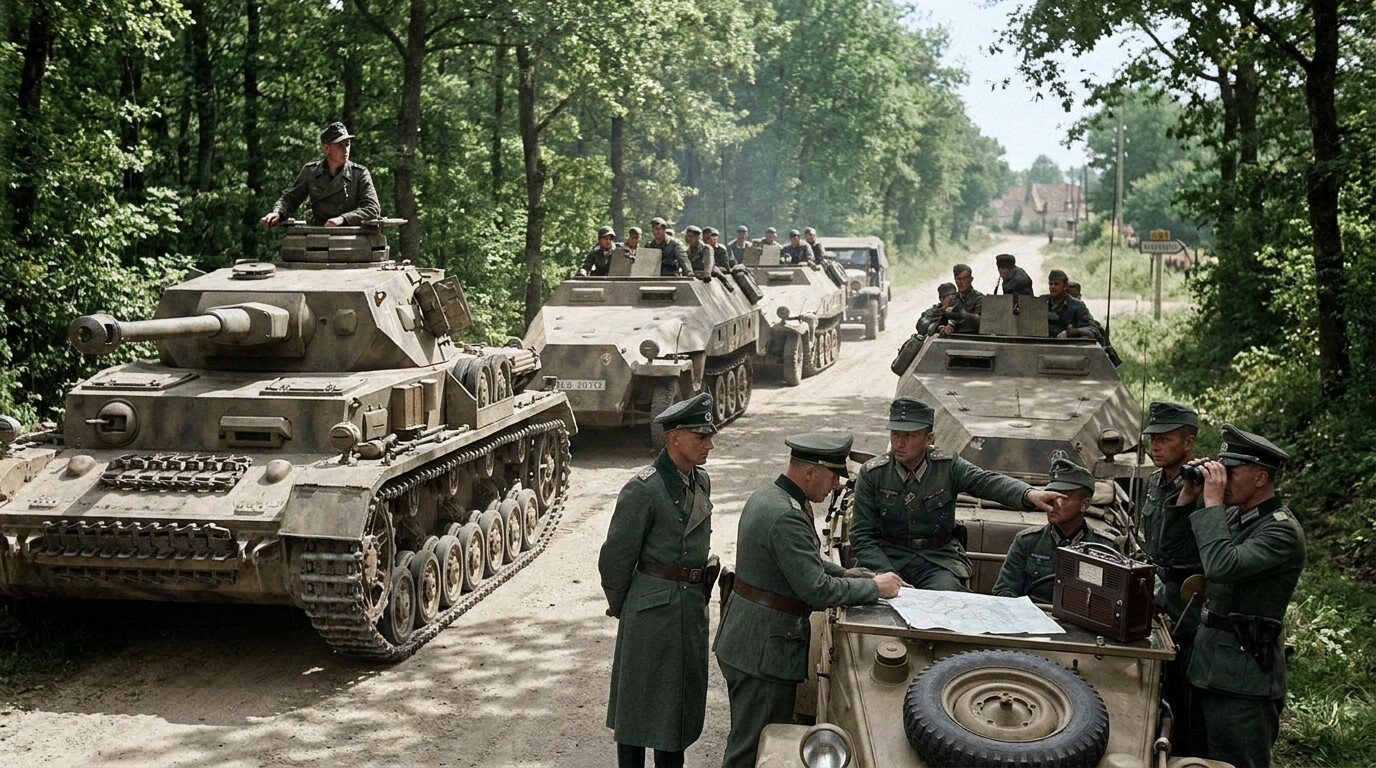
Rather than attempting direct destruction, Macpherson decided to convince the commander that movement would expose troops to unacceptable risks. The key was creating impressions that Allied forces monitored German movements and prepared to attack departing convoys. Carefully timed sabotage attacks on outlying positions, combined with Macpherson's intervention, might convince Germans to delay departure indefinitely.
Operations began with resistance attacks on German outposts surrounding Avallon. These were not intended to inflict significant casualties but demonstrate Allied forces were active throughout the area. Telephone lines were cut, supply depots attacked, reconnaissance patrols ambushed in quick succession. The attacks followed patterns designed to suggest coordinated military operations rather than random resistance activity.
With German attention focused on peripheral attacks, Macpherson again approached a heavily defended position in Highland dress. Avallon's garrison was larger and better equipped than previous targets, with professional officers less likely to be intimidated by psychological pressure alone. But cumulative effect of surrounding attacks, combined with regional special forces reports, created exactly the uncertainty atmosphere Macpherson needed.
The Avallon confrontation lasted nearly a full day. The German commander was experienced enough to recognize Highland officers did not operate alone, but also aware that delays reaching Normandy could have serious career and war effort consequences. Macpherson's presence forced consideration of unanticipated possibilities: was this advance guard of major Allied operations, or elaborate bluff designed to delay movement?
Decision ultimately hinged on intelligence failures working in Macpherson's favor. German command had lost effective communication with many central France units due to resistance sabotage and Allied air attacks. Avallon's garrison commander had no reliable area intelligence, and a British officer in uniform suggested potentially catastrophic intelligence breakdowns.
Macpherson did not achieve outright surrender at Avallon, but accomplished something equally valuable: the commander agreed to postpone movement pending higher command clarification. In rapidly evolving post-D-Day situations, even 24-hour delays could have strategic implications. Every day German reserves remained away from Normandy improved Allied consolidation chances and preparation for subsequent breakout operations.
Operation success depended on precise timing and constant London communication. Sergeant Tack's wireless operations were crucial for coordinating with other Jedburgh teams and providing Allied command intelligence updates. Radio schedules required split-second timing—transmission windows minimizing German direction-finding exposure while maintaining essential communication links.
German countermeasures against SOE operations were becoming sophisticated by mid-1944. Direction-finding equipment could locate radio transmissions within hours, and security forces had developed effective special operations tracking techniques. Captured SOE equipment provided insights into Allied capabilities and operational methods, forcing constant tactical adaptation.
The most dangerous threat came from German units specifically trained for anti-partisan operations. These forces combined conventional military capabilities with specialized resistance tactics knowledge and SOE methods understanding. They were equipped with direction-finding equipment, interrogation specialists, and local intelligence networks making long-term operations extremely hazardous.
Macpherson's survival depended on constant movement and French resistance network support that had evolved sophisticated security procedures. Safe houses changed nightly, communication schedules rotated frequently, operational patterns were deliberately randomized to prevent German activity prediction. Psychological pressure of operating behind enemy lines, never knowing whether the next knock would bring friendly resistance fighters or German security forces, was constant and exhausting.
Human cost of these operations extended far beyond immediate participants. French civilians supporting SOE activities faced torture and execution if discovered. Entire families were sometimes killed in reprisal for resistance activities, and villages suspected of harboring Allied agents were destroyed according to German anti-partisan doctrine. Moral weight of these consequences added another pressure dimension for SOE officers operating in occupied territory.
Macpherson's operations continued throughout summer 1944 as Allied forces broke out of Normandy and advanced toward Germany. Strategic importance of delaying German reinforcements diminished as front lines moved east, but tactical value of resistance operations increased as German supply lines lengthened and became more vulnerable to sabotage.
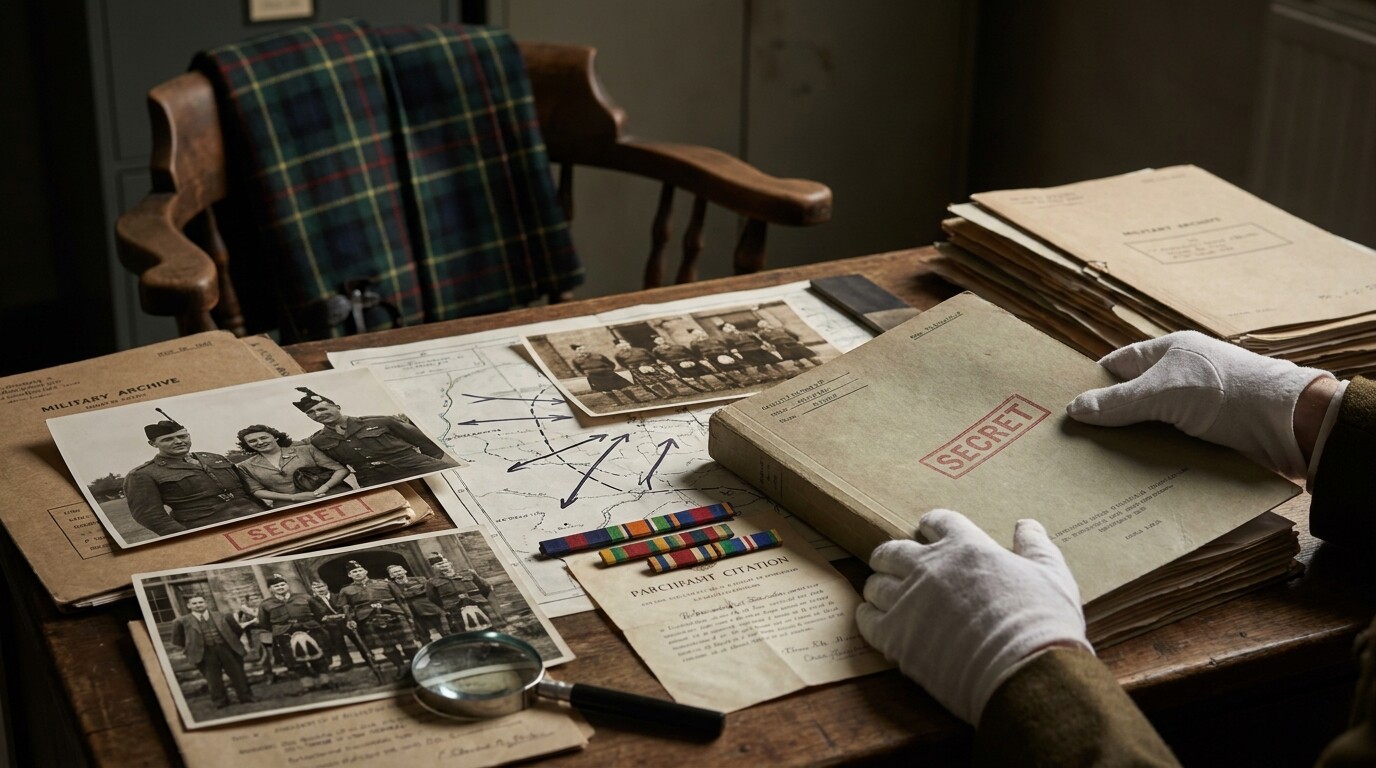
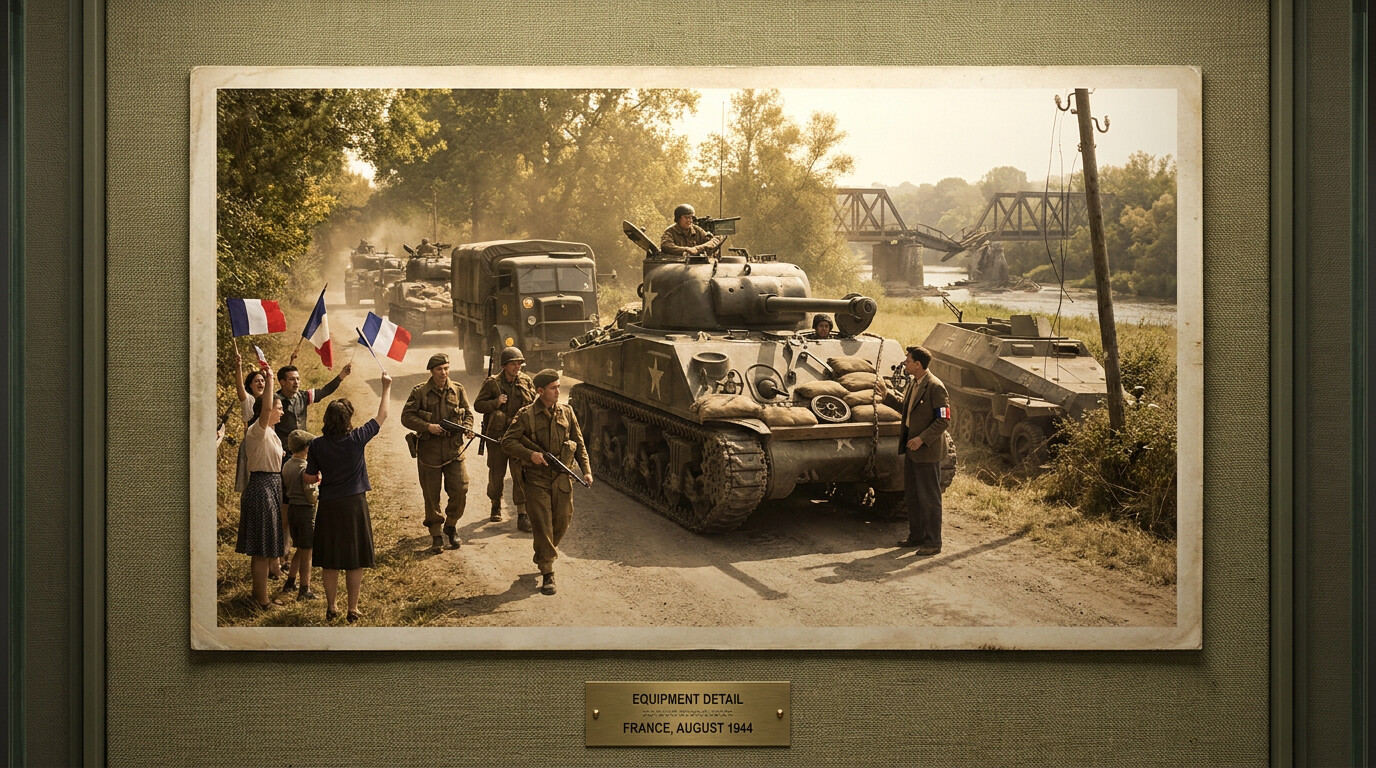
Central France liberation in late August 1944 revealed cumulative SOE operations impact throughout the region. German forces delayed, diverted, or neutralized by resistance activities were no longer available to defend against advancing Allied armies. While impossible to quantify precisely how Macpherson's individual actions affected the broader campaign, the principle was clear: every German unit delayed or diverted from the main front improved Allied success chances.
Post-war analysis by military historians has assessed SOE operations strategic value during the Normandy campaign. Consensus view is that while special operations rarely achieved decisive tactical results, their cumulative psychological and logistical impact was significant. German commanders were forced to allocate substantial resources to anti-partisan operations, and constant sabotage threat complicated every military operation aspect in occupied territory.
Macpherson's Highland dress choice has been both celebrated and criticized by military historians. Supporters argue his distinctive appearance was crucial in psychological warfare making his bluffs successful. Critics contend the uniform made him unnecessarily conspicuous and endangered both himself and French allies. The debate reflects broader questions about tradition and symbolism roles in military operations.
Jedburgh team effectiveness varied considerably based on local conditions, resistance network quality, and individual team member personalities. Some teams achieved significant tactical success through conventional sabotage operations, while others were captured or forced to evacuate shortly after insertion. Macpherson's psychological approach represented one possible adaptation to challenges of operating behind enemy lines with limited resources.
SOE operations in France included both remarkable successes and devastating failures. Some networks provided crucial intelligence and conducted effective sabotage for months, while others were penetrated by German security forces and destroyed within weeks of establishment. Survival rates for SOE agents were significantly lower than conventional military personnel, reflecting extreme hazards of occupied territory operations.
Macpherson's survival and continued operations throughout summer 1944 required not only personal courage and tactical skill but considerable luck. Many equally brave and competent SOE officers were captured, tortured, and executed by German security forces. Distinction between success and failure often came down to factors beyond individual control: local resistance network quality, German counterintelligence competence, and simple chance encounters that could expose or protect Allied agents.
Documentary record of Macpherson's specific operations remains incomplete, as SOE destroyed many operational files after the war to protect agents and resistance networks. Much known about his activities comes from post-war debriefing reports and French resistance fighter memoirs who worked with his team. This creates challenges for historians attempting to verify specific operational claims and their impact.
What can be documented is Macpherson's survival and continued operations throughout critical months following D-Day, during which his team conducted numerous sabotage missions and liaison operations with French resistance groups. Survival itself testifies to operational skill and effectiveness, as captured SOE agents rarely lived to tell their stories. French resistance fighter testimony confirms his psychological approach achieved results conventional military operations could not have accomplished with the same resources.
Macpherson's operations long-term impact extended beyond immediate military value. His collaboration with French resistance networks helped establish relationships continuing after liberation and contributing to post-war cooperation between British intelligence services and French security organizations. Techniques developed for psychological warfare and deception operations influenced post-war special forces doctrine and training.
The kilt Macpherson wore throughout French operations became a symbol of unconventional thinking characterizing SOE activities during World War II. Traditional military doctrine emphasized concealment and conventional tactics, but unique challenges of operating behind enemy lines required innovative approaches often violating standard procedures. Macpherson's success demonstrated psychological warfare could be as effective as conventional weapons when applied with intelligence and audacity.
Operation Overlord legacy and supporting special operations contributing to its success continues influencing military thinking about irregular warfare roles in conventional campaigns. The principle that small, well-trained teams can achieve strategic impact through psychological operations and sabotage has become modern special forces doctrine cornerstone. Macpherson's operations in occupied France represent one of the most successful applications of these principles during World War II.