The hoofbeats came before the riders were visible.
On the morning of May 21, 1575, the plain west of the Rengogawa stream trembled under the weight of massed Takeda cavalry pressing forward through low ground broken by ditches, tree lines, and the dewy grass of a Japanese early summer. The commanders behind Oda Nobunaga's palisade line—three rows of sharpened wooden stakes driven into the earth along the western bank—heard the sound before their gunners could see the targets.
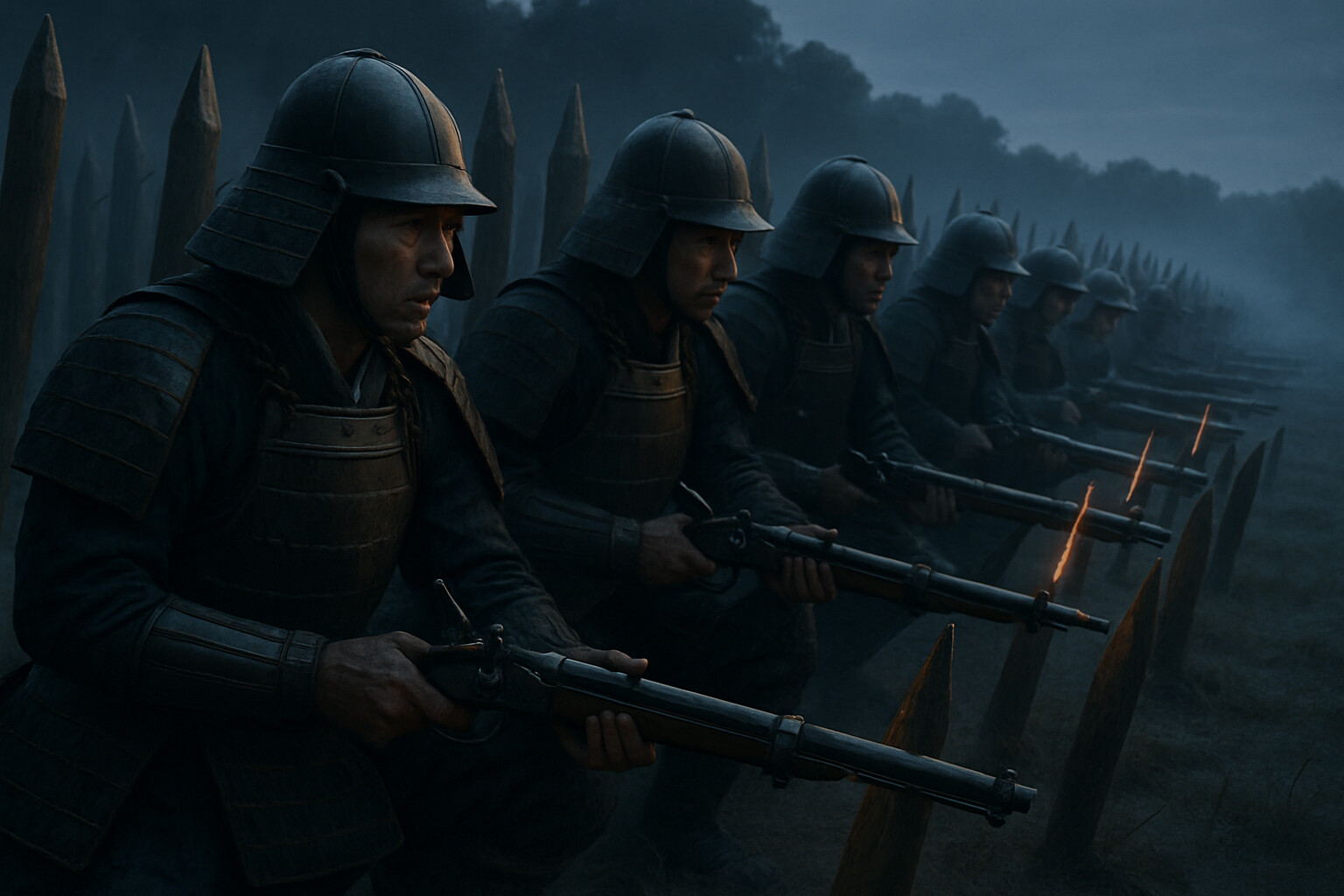
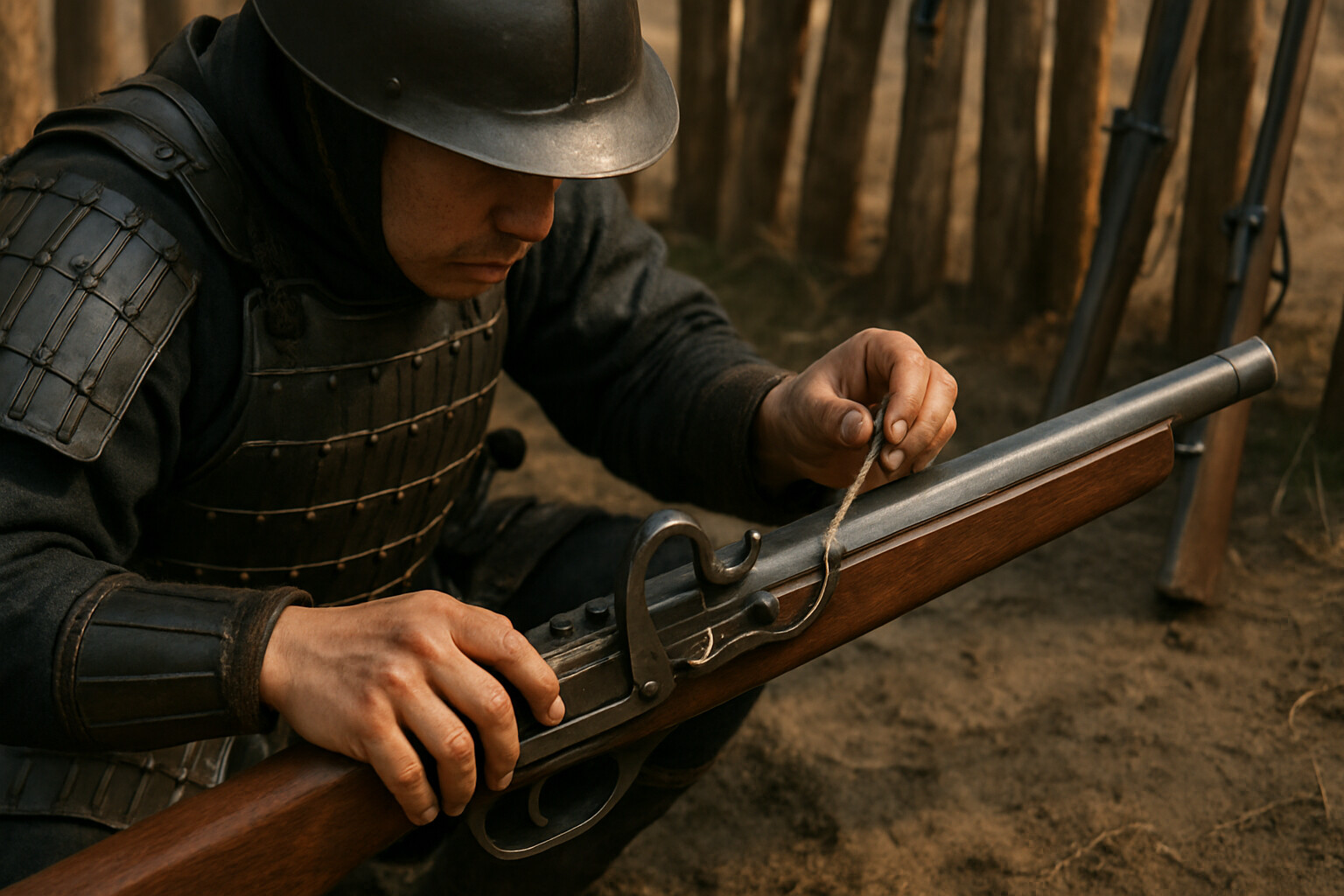
The arquebusiers knelt behind the stakes, burning match cords glowing against the cool morning air. They had rehearsed this. They had been told to hold, and to fire in sequence. Back at the command position, Nobunaga watched the Takeda wave approach. He had spent years gathering guns, gathering allies, and maneuvering a fractious coalition into position. Now the question would be answered by powder, lead, and the steadiness of men on their knees.
---
To understand what happened at Nagashino, you have to understand what Takeda Shingen had built—and what his son Katsuyori inherited.
Shingen, who died in 1573, had turned the Takeda clan of Kai Province into arguably the most feared military force in mid-sixteenth-century Japan. His cavalry—mounted samurai supported by infantry—had carved victories across the central and eastern regions of Honshu. His reputation was such that even Oda Nobunaga, rising from Owari Province in the southwest of the Chubu region, had maneuvered carefully around direct confrontation with Shingen's armies. The Takeda cavalry did not win simply because horses are large and fast. They won because Takeda commanders understood how to concentrate momentum, how to break an infantry line through shock and speed, and how to pursue a broken enemy until the pursuit itself became annihilation.
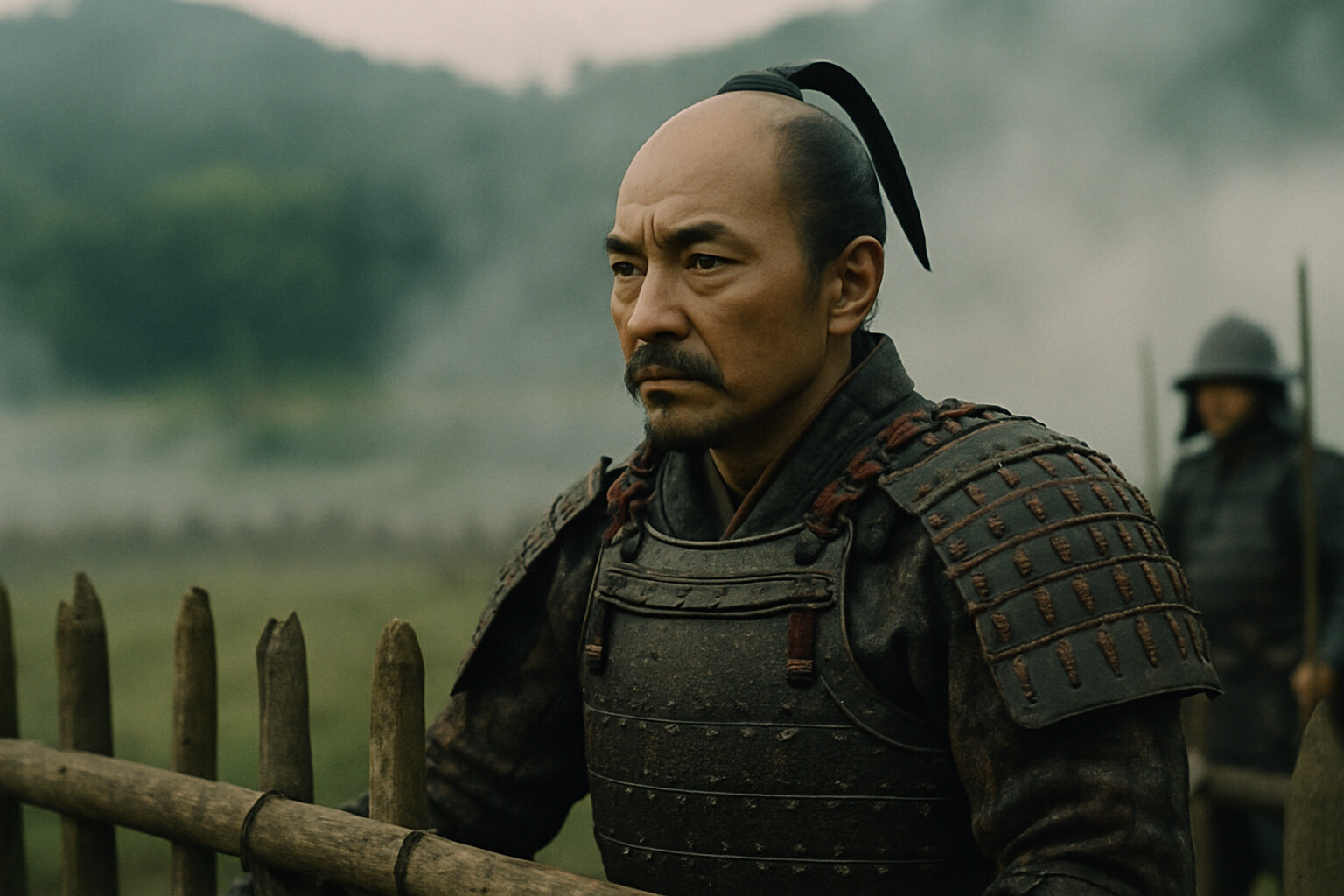
Shingen died before he could turn the full weight of the Takeda west against Nobunaga. His son Katsuyori was in his late twenties and facing a difficult inheritance: an army with towering prestige, expectations built on his father's victories, and a military culture that had succeeded repeatedly with cavalry-led assault. Katsuyori was capable—later historians sometimes underestimate him—but he had something to prove, and he would prove it in the worst possible way.
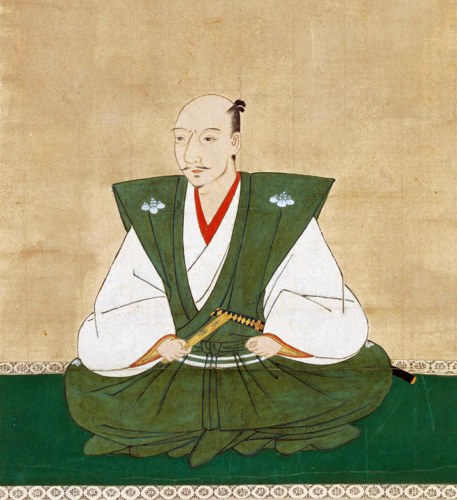
Oda Nobunaga, meanwhile, was not a man who waited for problems to mature. Born in 1534 as the son of a minor Owari lord, he had spent his twenties fighting his way to control of Owari, then used that base to begin one of the most aggressive consolidations of power in the Sengoku period. By 1568 he had entered Kyoto with Ashikaga Yoshiaki, nominally to restore the shogunate. By 1573 he had discarded Yoshiaki and was effectively the dominant power in central Japan. He absorbed available technology with systematic intentionality. The Portuguese had introduced the tanegashima—the Japanese matchlock arquebus, essentially a copy of a European arquebus adapted for local production—to Japan in 1543. Within three decades, Japanese smiths were manufacturing arquebuses in significant quantities. Nobunaga recognized what other commanders were slower to fully exploit: that matchlocks were devastating against cavalry if you solved the problem of reload time.
The reload problem was real. A single matchlock-armed soldier of the 1570s, working carefully, might fire once every twenty to forty seconds under ideal conditions. Against cavalry at the charge, that meant one shot and then an empty weapon. Japanese cavalry could cover ground quickly. The window for effective fire was narrow.
The solution Nobunaga organized—though historians debate exactly how systematically it was planned and executed—was rotation. Arquebusiers would be arranged into ranks. The front rank fires. It steps or rotates to the rear to reload. The second rank fires. It steps to the rear. The third rank fires. By the time the third rank fires, the first rank has reloaded. The result is continuous fire rather than a single volley followed by silence.
This system—sometimes called volley fire, and in Japanese tactical accounts of this battle associated with a form of rensha, or sequential shooting—was not unique to Japan in this era. European commanders were working toward similar techniques. But Nagashino is among the most documented early examples of its use at battlefield scale, and it was paired with a physical obstacle that made the cavalry's traditional response—simply accelerating through the fire zone—far more difficult.
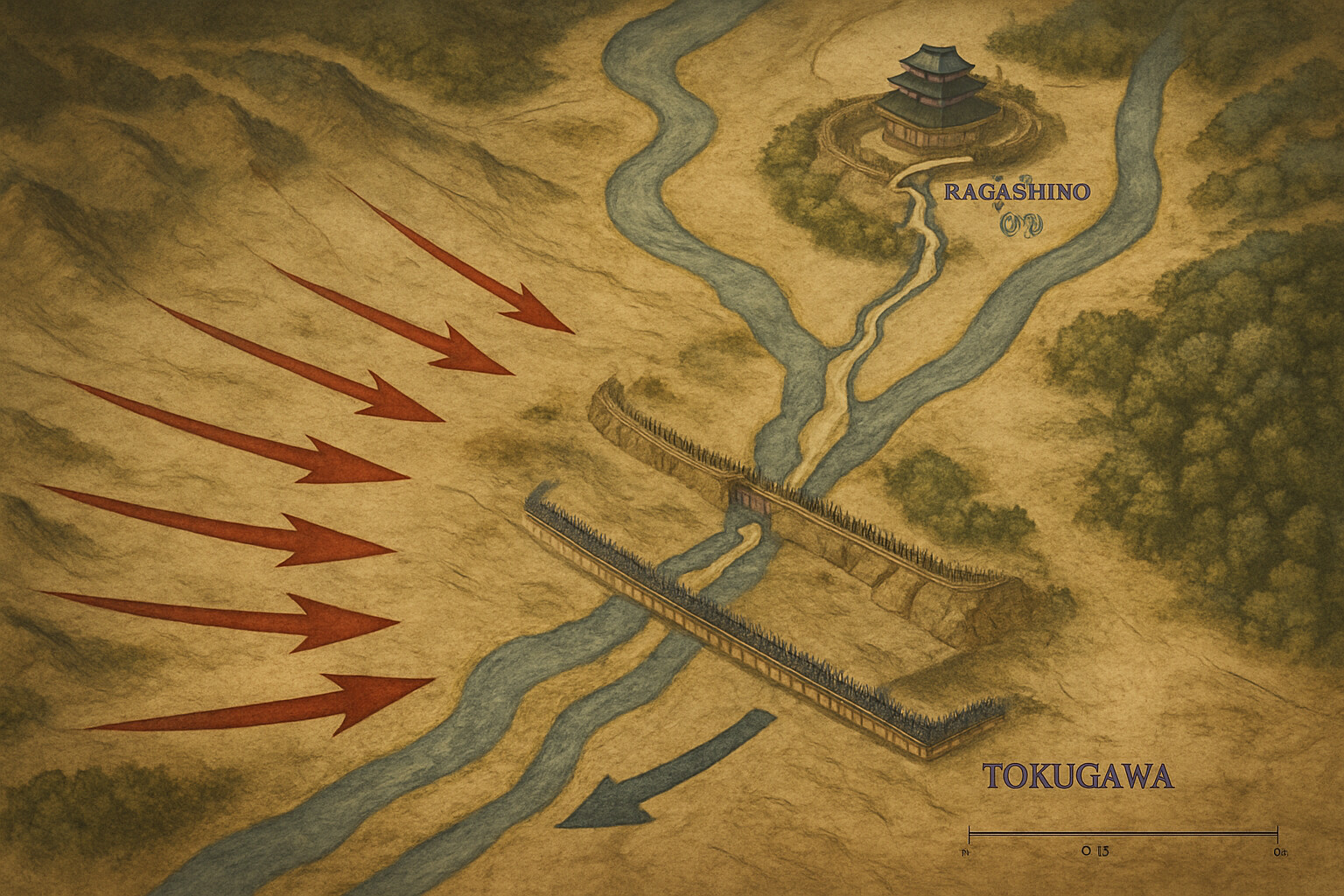
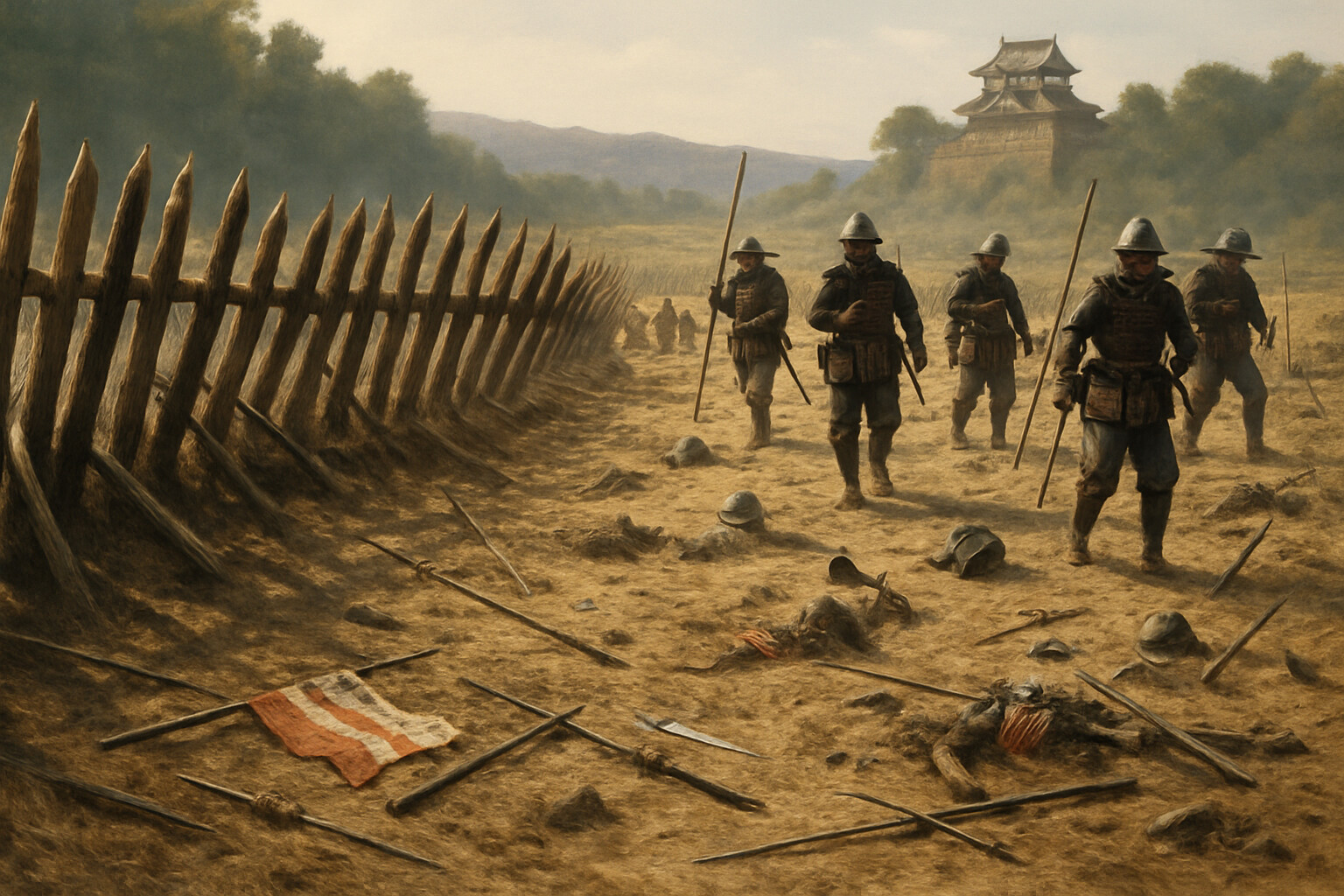
The palisades were not a wall. They were a line of wooden stakes designed to break the momentum of a mounted charge, force horses to slow or stop, and hold the cavalry in the kill zone long enough for the next arquebuse rank to fire. Combined with the stream and its soft, churned banks, the ground in front of the Oda-Tokugawa line was not the open swept plain where cavalry shock doctrine worked cleanly.
---
Nagashino Castle sits at the confluence of the Takigawa and Ono rivers, in what is today Aichi Prefecture. By the spring of 1575 it had been under Takeda siege since approximately April. The garrison—commanded by Okabe Motonobu and numbering only a few hundred men by most scholarly estimates—was isolated, low on supplies, and under constant pressure. Katsuyori had brought a substantial Takeda force to the siege: estimates of Takeda strength at Nagashino vary across sources, with figures in the range of 15,000 troops appearing in a number of scholarly accounts, though the precise figure remains debated.
The castle's fall would have been strategically significant. Nagashino sat along routes connecting Takeda territory to the Tokugawa domains of Mikawa Province. Tokugawa Ieyasu, Nobunaga's key ally in the east, had already requested support. Nobunaga responded with unusual personal commitment. He led a combined Oda-Tokugawa relief force toward Nagashino, and the numbers he brought were substantial. Scholarly accounts frequently cite figures in the range of 30,000 to 38,000 for the combined force, though exact counts vary. The arquebusiers within that force are sometimes cited at approximately 3,000—a figure that appears in several secondary sources—but the original basis for that number is contested in specialized historiography and should be understood as an estimate rather than a confirmed count.
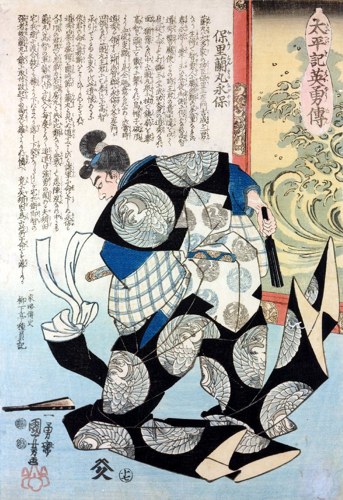
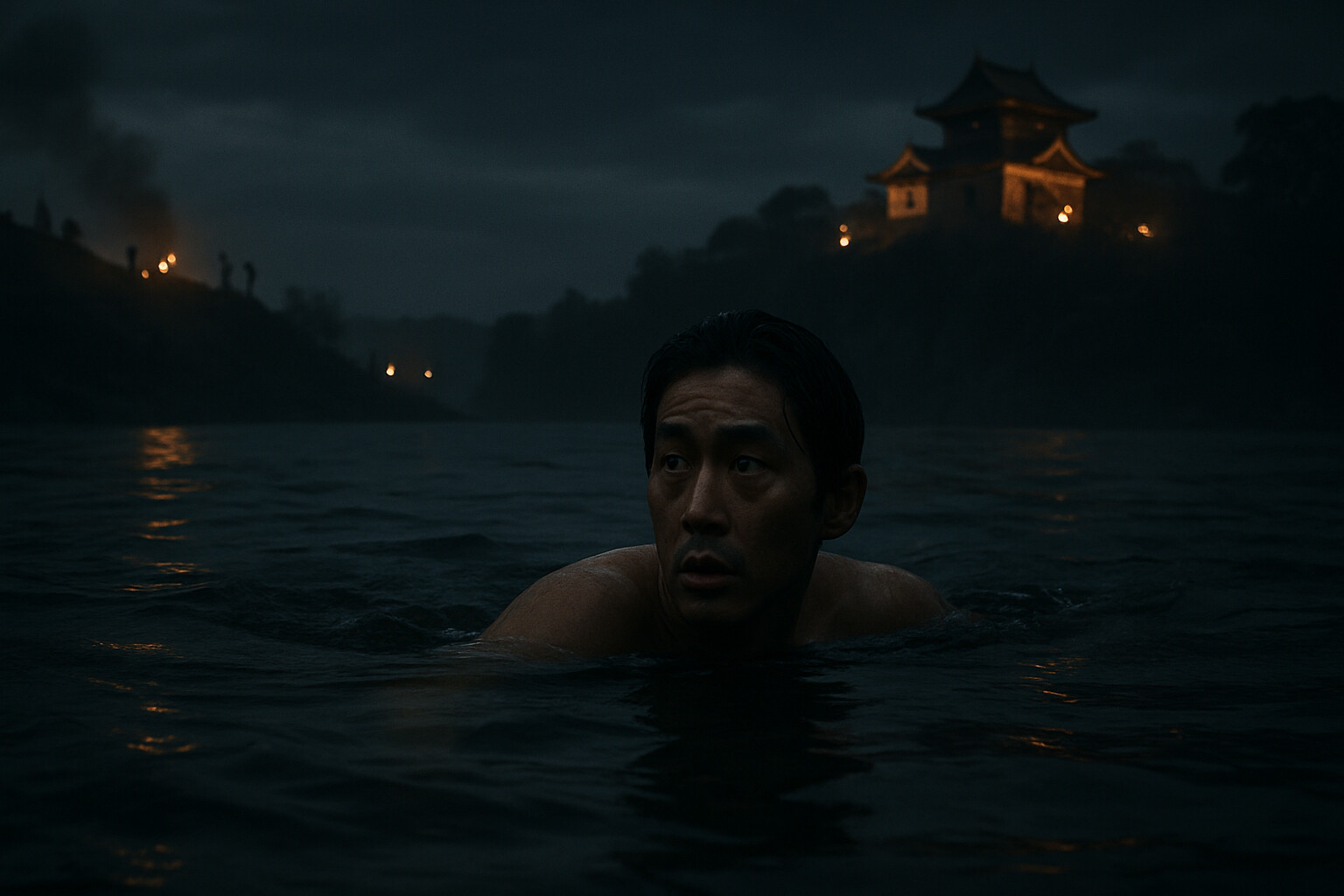
Before the main relief army arrived, the castle garrison managed to send a messenger through the Takeda encirclement. The name of that messenger—Torii Suneemon—survived in the record. According to accounts preserved in Japanese historical tradition, Suneemon swam the river to escape the siege lines, reached Nobunaga's approaching force, confirmed the castle's situation, and then attempted to return. He was captured by the Takeda. Tradition holds that he was executed—crucified in view of the castle walls—and that before his death he refused an opportunity to call out false news that might have broken the garrison's will. The core claim of a messenger reaching Nobunaga is accepted in most scholarly accounts. The details of Suneemon's capture, conduct, and manner of death carry the character of heroic tradition: they may be substantially true, substantially embellished, or some combination of both. They cannot be fully verified from surviving primary records.
With the castle still holding, Nobunaga moved to position his force west of the Rengogawa. Tokugawa forces under Ieyasu anchored the southern end of the line. The combined army occupied a front along the stream and began constructing the palisade barriers. The date of full deployment is recorded in Japanese accounts as May 21, 1575, by the traditional Japanese calendar—in modern calendar terms standardly cited as June 28, 1575, though both dates appear in scholarly literature. This narrative uses the traditional Japanese date as conventionally cited in histories of the battle.
Katsuyori knew a relief army was coming. His options were not comfortable. He could lift the siege and withdraw—strategically sound but likely seen as weakness by his commanders and measured against his father's legend. He could continue the siege and leave a force to screen the relief army—logistically complex and potentially dangerous. Or he could attack. He chose to attack.
Exactly why Katsuyori chose to assault an entrenched position with cavalry-forward tactics has been debated by Japanese historians for centuries. Some accounts suggest he underestimated the size of the Oda-Tokugawa force or received poor intelligence about the extent of the palisade line. Some suggest internal pressures within the Takeda command structure, with subordinate commanders advocating aggressive action. Some later accounts place the decision at the feet of specific senior retainers. The precise reasoning behind Katsuyori's choice cannot be confirmed from surviving records. What can be confirmed is what he ordered, and what followed.
---
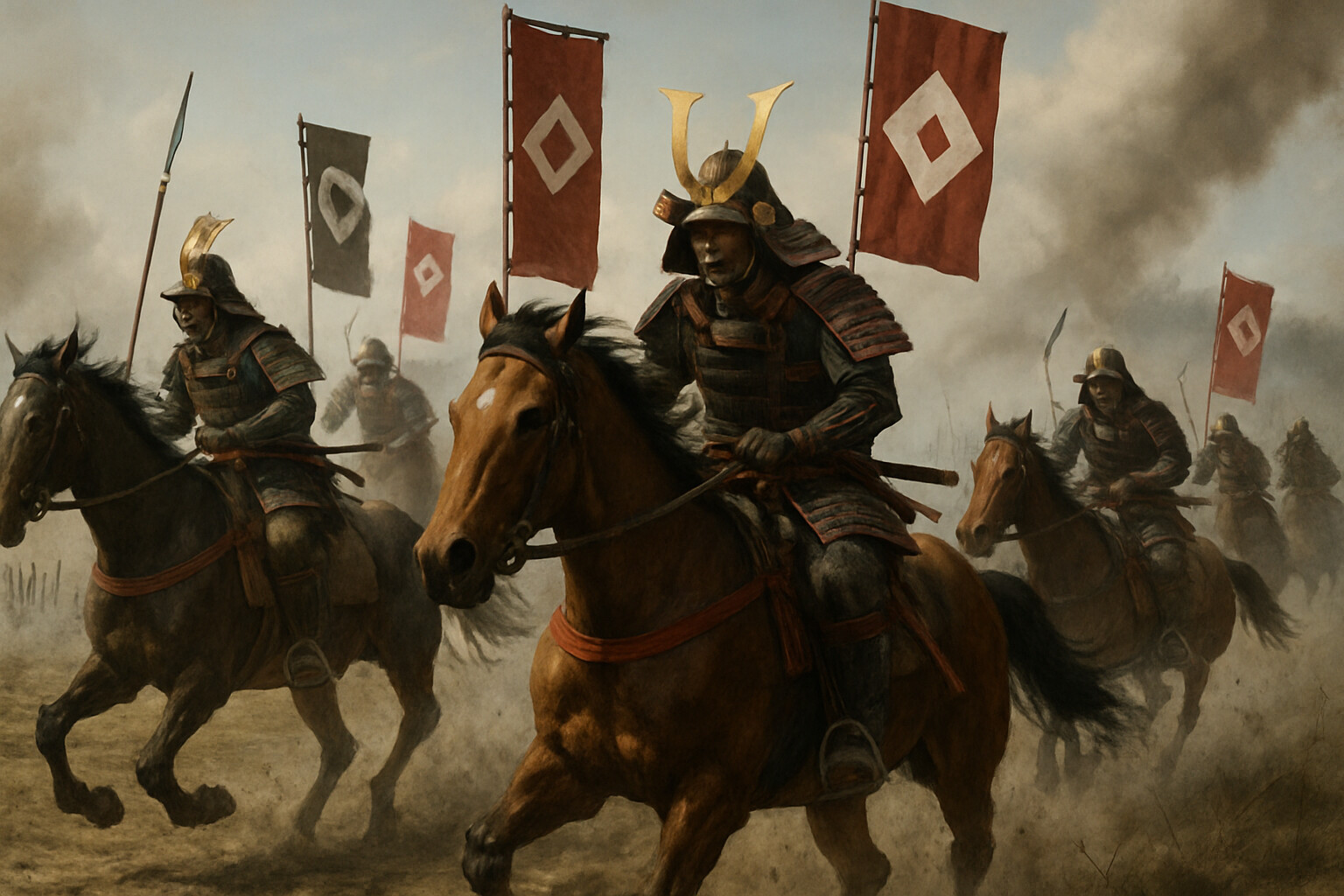
The Takeda cavalry advanced in multiple waves across the ground west of Nagashino Castle. The terrain required them to cross or approach the Rengogawa and then cover ground broken by natural obstacles before reaching the palisade line. Japanese accounts describe the assault as a series of charges—different units committed at different points and times. This matches the physical demands of the terrain: stream crossings and broken ground would have forced cavalry into channels, preventing any single unified sweep across the entire front.
The arquebusiers behind the palisades fired in rotation. As a front rank discharged and stepped back to reload, the next rank came forward. The noise was substantial—arquebuses of this period produced sharp concussive reports that echoed across enclosed terrain. The smoke from burning match cords and discharged powder built into a haze along the line. Horses confronted with noise, smoke, and the physical barrier of sharpened stakes broke their gait or stopped. Riders who pressed forward into the palisade zone were exposed to close-range fire and to supporting infantry—spearmen and swordsmen who protected the arquebusiers at contact range.
The tanegashima variant used in this battle fired a lead ball of roughly eleven to thirteen millimeters in diameter, propelled by a black powder charge ignited by a glowing match cord clamped in the weapon's serpentine lock. At close range against a mounted man or a horse, the effect was severe. Horses are not small targets. A ball that missed the rider could strike the animal, destroying the mount's ability to carry through a charge and turning a cavalry assault into a struggling, dismounted knot of men in front of an armed line.
The Takeda cavalry returned. Multiple charges are described in accounts of the battle. Each time, rotating fire from behind the palisades eroded the assault before it could close decisively. Cavalry that did reach the palisade line met spearmen and could not break through in sufficient numbers to collapse the defense. Without penetration of the palisade, the shock doctrine that had made Takeda cavalry so effective was neutralized. That doctrine required the cavalry to reach the enemy infantry while still moving at speed. The palisades stole the speed. The rotating fire stole the timing. The combination of the two stole the battle.
By the time the charges had exhausted themselves against the palisade line, the Takeda force had suffered catastrophic losses among its senior commanders. The roll of Takeda retainers who died at Nagashino is documented in Japanese records and is remarkably long. Among those killed were Baba Nobuharu, Yamagata Masakage, Naito Masatoyo, Sanada Nobutsuna, and Sanada Masateru—names that appear in multiple scholarly accounts as confirmed Takeda commanders lost that day. Some accounts list twenty-four senior retainers dead in total, though verification of the exact count against primary records requires specialized archival access. The loss of experienced battlefield commanders in a single engagement is difficult to recover from. It strips an army of the human network that translates doctrine into action.
After the main assault was broken, the Oda-Tokugawa forces counterattacked. A flanking element struck toward the Takeda siege works around the castle. Katsuyori and the remnant of his army withdrew from the field. The siege of Nagashino Castle was lifted. The garrison survived.
---
The cost of the battle fell overwhelmingly on the Takeda. Casualty figures in Sengoku-period battles are inherently unreliable—records were kept by victors, counts were subject to exaggeration and political motivation, and the simple chaos of sixteenth-century record-keeping was substantial. Numbers of Takeda dead in the range of 10,000 appear in some accounts; more conservative scholarly estimates acknowledge severe losses without committing to a precise figure. What is not disputed is the qualitative damage: the Takeda lost a substantial portion of their senior military leadership in a single afternoon.
For the Oda-Tokugawa side, casualties also occurred. The rotating fire system was effective, but this was not a one-sided engagement. Takeda forces reached portions of the line. Fighting was close and costly in places. Some portions of the palisade were reportedly pressed before the assaults were repelled. The total Oda-Tokugawa dead is not clearly established in surviving sources available to this account.
For Katsuyori personally, Nagashino was the beginning of the end. He escaped that day with a force intact, but the Takeda clan never fully recovered the military capacity or the political confidence it had held before the battle. Over the following years, Katsuyori struggled to maintain alliances, faced desertions among his retainers, and saw his territory steadily compressed. In 1582, when Nobunaga and Ieyasu launched a final campaign against the Takeda, the clan collapsed almost without resistance. Katsuyori died in 1582—by his own hand according to most accounts, though sources vary on the circumstances—as his domain fell.
---
The record of Nagashino is extensive by Sengoku standards, though it carries the standard cautions that apply to pre-modern Japanese military accounts.
Contemporary sources include letters and dispatches from Nobunaga himself, and the Shincho Koki—the Chronicle of Lord Nobunaga—compiled by Ota Gyuichi, a retainer who was present for portions of Nobunaga's campaigns. The Shincho Koki is the closest thing to a contemporary official account of Nobunaga's military career, though it was compiled over time and reflects the perspective of the Oda camp. Ota's account of Nagashino describes the arquebusiers, the palisades, and the destruction of the Takeda charges.
Later Japanese scholarship has engaged extensively with the battle, particularly around the question of the 3,000-arquebusier figure and the degree to which volley fire was systematically organized in advance versus emerging from the conditions of the engagement itself. Working from primary sources, scholars including Noboru Wada have raised questions about whether the neat three-rank rotation described in later accounts was quite as precisely orchestrated as tradition suggests, or whether rotating fire evolved more organically during the fighting. This debate does not alter the fundamental reality of what happened—massed arquebuse fire behind palisades broke the Takeda cavalry—but it cautions against treating every tactical detail in later retellings as precisely established fact.
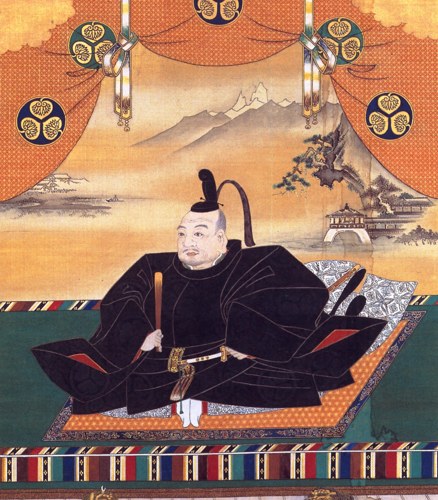
The role of Tokugawa Ieyasu at Nagashino also deserves recognition that it sometimes does not receive in accounts focused entirely on Nobunaga. Ieyasu committed his own forces, managed his portion of the line, and had deep personal stakes in the outcome—Nagashino Castle sat in his domain. His performance at Nagashino contributed to the trust and working partnership between the two lords that shaped the next decade of Japanese political history.
The physical site of the battle today is in Shitara, Aichi Prefecture. Portions of the terrain are preserved, and the Nagashino Castle ruins remain visible. Markers and a small museum provide context. The landscape has changed over four centuries—the streams have been managed, the vegetation has grown and been cleared and grown again—but the basic topography that shaped the battle is still legible to anyone who walks the ground.
---
Nagashino's legacy extends in several directions at once, and careful thought requires distinguishing them.
Militarily, the battle demonstrated at scale what forward-thinking commanders across Eurasia were simultaneously working out: that disciplined ranged firepower behind fixed or field fortifications could defeat cavalry-based shock tactics. It was not the end of cavalry in Japanese warfare, nor did it immediately make the arquebus the only weapon that mattered. Spearmen remained essential. Swordsmen still fought at close range. The army that won at Nagashino was a combined-arms force, not a rifle company. But the arquebus's role, and the organizational thinking required to use it effectively, became impossible to ignore after Nagashino.
Politically, the destruction of the Takeda military at Nagashino removed one of the major obstacles to Nobunaga's domination of central and western Honshu. It did not end resistance—the Uesugi in the north, various Ikko-ikki religious confederations, and eventually the western daimyo of the Mori clan remained as challenges—but the eastern flank, which Shingen had threatened, was effectively secured. Nobunaga accelerated his consolidation. The pace of his campaigns after 1575 was remarkable, and the trajectory toward the unification of Japan—which Toyotomi Hideyoshi would complete and Tokugawa Ieyasu would institutionalize—passed through Nagashino.
For the Takeda, the battle's legacy is complex. The clan is not remembered in Japanese history as a failure. Shingen remains a celebrated figure, and Katsuyori commands a certain tragic respect. The cavalry tradition the Takeda embodied had real accomplishments behind it. Nagashino did not reveal that tradition as fraudulent. It revealed that military technology and organizational innovation had outpaced it in one specific configuration: the combination of firearms, field fortification, and disciplined rotation of fire. Against a different opponent on different ground, Takeda cavalry might have fared differently. On the plain west of Nagashino in 1575, the configuration was lethal.
Nobunaga himself did not live to see the full fruit of what he had planted. In June 1582, a little more than seven years after Nagashino, he was betrayed and killed by one of his own generals, Akechi Mitsuhide, at the Honno-ji temple in Kyoto. He was forty-seven years old. He had not completed the unification of Japan, but he had compressed it past the point of reversal. The systems he had demonstrated—massed firepower, combined arms, organizational discipline applied to new technology—outlasted him and shaped the armies his successors commanded.
The plain at Nagashino fell quiet within hours of the last Takeda withdrawal. The smoke from the arquebuses drifted east over the Rengogawa. The garrison of Nagashino Castle, which had held through weeks of siege, could see the relieving army among the wreckage of the Takeda assault. The stakes of the palisade line, scorched in places by burning match cord and powder residue, held their positions in the turned earth. On the ground between the palisade and the stream, the cost of the morning was plainly visible.
More than two centuries of Takeda cavalry tradition had met rotating volley fire on a field in Mikawa Province. The tradition had not survived the morning.