The Sajó River ran cold and grey in early April 1241, swollen with snowmelt from the Carpathians. King Béla IV of Hungary had crossed it and made his camp on the western bank near Mohi, on the broad flood plain northeast of Pest. He had roughly sixty thousand men — knights, crossbowmen, Cumans, and infantry, though no reliable count survives — and he had chained his wagon train into a fortified perimeter in the manner of earlier campaigns. He had scouts. He had walls of wood and iron. He believed he understood the threat.
He understood almost nothing.
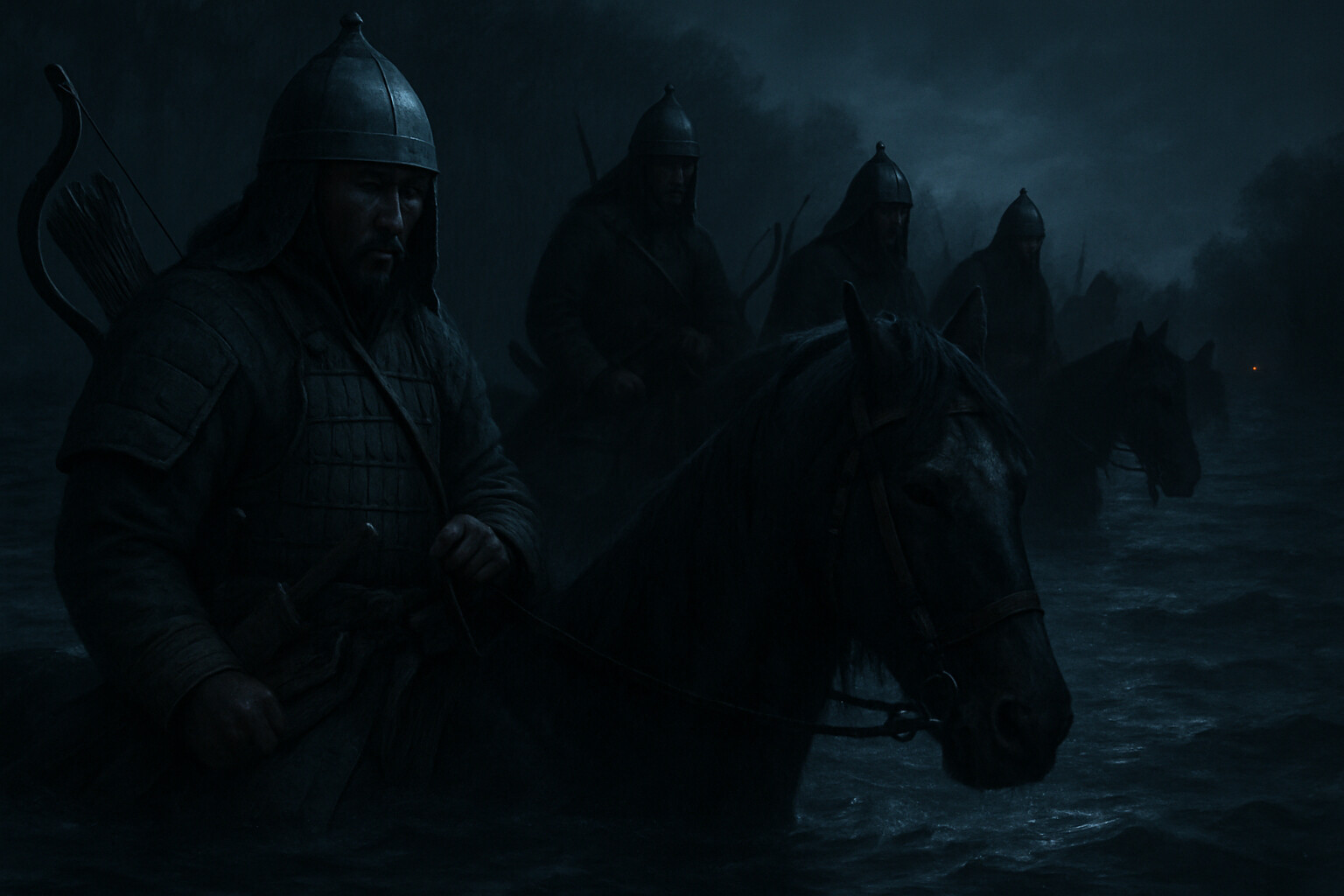
While Béla's army slept behind its wagon circle, Subutai's engineers were already in the river. Working in darkness and near silence, a Mongol engineering detachment moved upstream to locate a secondary crossing — a ford or a structure Béla's scouts had apparently dismissed. The main Mongol force held the stone bridge at Mohi under Batu Khan, drawing Hungarian attention and crossbow fire. The real maneuver was happening a mile or more away in the dark water. By the time Hungarian sentinels realized the eastern bank was filling with horsemen, the encirclement had already begun.
The battle of Mohi on April 11, 1241, was not a cavalry charge. It was a trap closing on a force that did not know it had already been caught. And it was only half of the story.
---
To understand what Subutai accomplished in the spring of 1241, it helps to step back from the immediate violence and look at the operational canvas — because the canvas was enormous.
Subutai Ba'atur, whose name is also rendered Sübedeï, Subotai, or Subedei in various transliterations, was born around 1175, possibly to a blacksmith's family in the forests near the Selenge River in what is now northern Mongolia. He rose through Genghis Khan's army not as a nobleman or kinsman of the ruling house but as a commander of demonstrated competence in a military culture that valued results. By the time the Mongol empire directed its attention westward, Subutai was already old by the standards of medieval soldiers — in his mid-sixties in 1241. Later Mongol and Persian sources report that he was by then so heavy he traveled on campaign in a cart rather than on horseback. Several scholars accept this as reflecting a genuine physical condition; no contemporary document confirms it, and it should be understood as probable tradition rather than verified fact. Whatever his physical state, it evidently did not compromise his command.
His record before Europe was already extraordinary. In 1221–1223 he and Jebe Noyan had driven a Mongol column around the Caspian Sea, defeated a combined Georgian and Cuman force, then destroyed a Rus-Cuman army at the Kalka River before withdrawing east. He had directed major campaigns against the Jin dynasty in northern China and the conquest of the Khwarezmian Empire. European armies in 1241 faced a general who had been studying them, directly and through intelligence networks, for nearly two decades. The invasion was not improvised. It was the product of systematic reconnaissance, the interrogation of merchants and travelers, and intelligence-gathering operations conducted across the Russian principalities the Mongols had already subdued.
The Mongol invasion of Europe in 1241 is sometimes called the campaign of Batu Khan, grandson of Genghis Khan, who held nominal supreme command of the western armies by virtue of his Genghisid lineage. It is more accurately understood as Subutai's campaign. Batu provided legitimacy and cavalry resources. Subutai provided the plan.
The plan was an operational design of exceptional sophistication for any era.
---
By the winter of 1240–1241, Mongol forces had already destroyed the major Rus principalities. Kiev fell in December 1240 in a siege of devastating efficiency. The Mongols now controlled the steppes north and east of the Carpathians. The question was not whether they could enter Europe. The question was how to prevent European kingdoms from combining into a force large enough to resist a field engagement.
Subutai's answer was to move faster than diplomacy could operate.
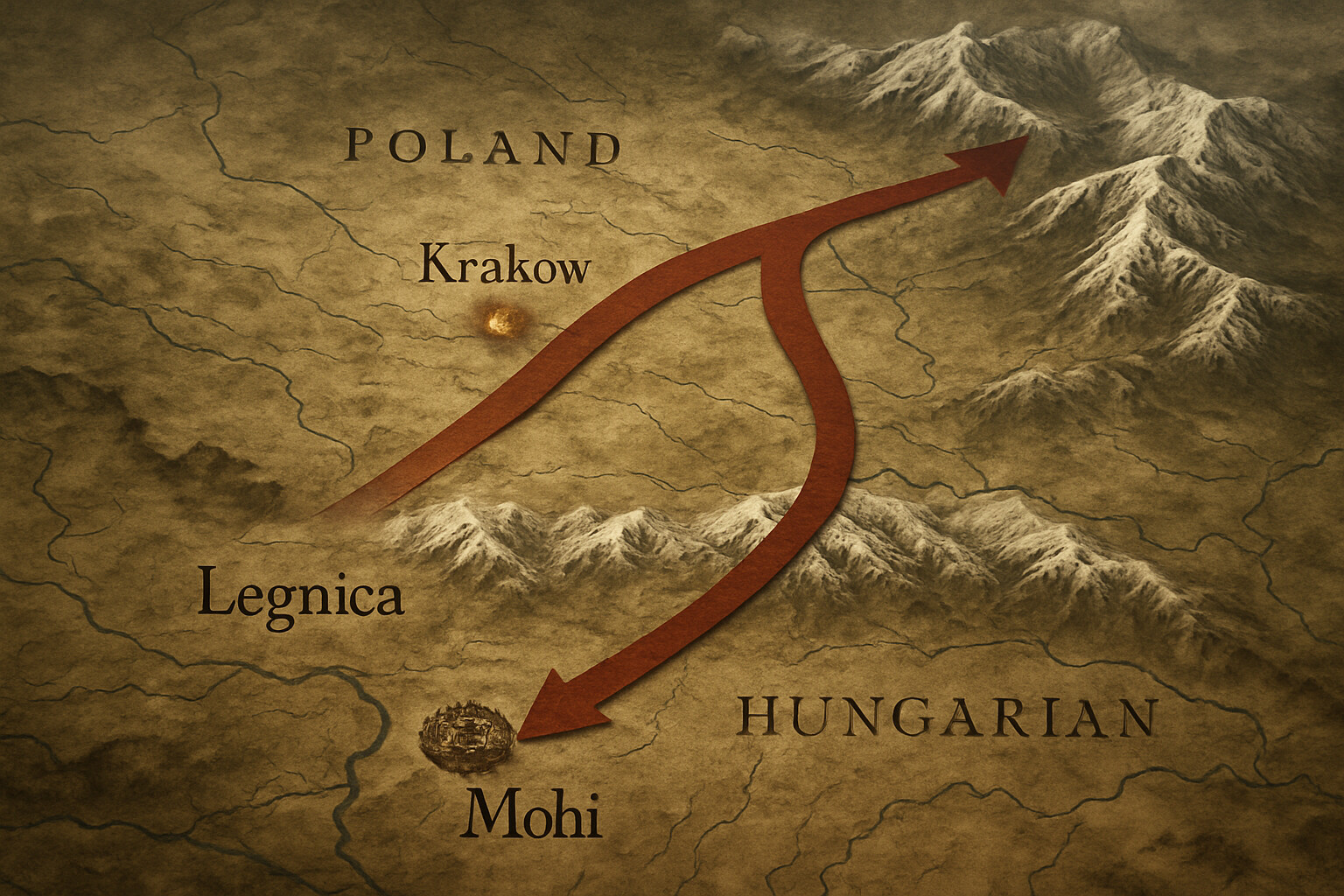
He divided his army into at least four major columns, though the precise number and their boundaries vary somewhat in modern scholarship. The principal design was as follows: a northern screening force under Baidar and Orda Khan would drive through Poland, pinning or destroying whatever forces Poland and its neighbors could assemble, and — critically — preventing Polish, Bohemian, and German forces from moving south to reinforce Béla's Hungarians. Meanwhile, the main effort would drive through the Carpathian passes with the bulk of the army under Batu Khan's nominal command, enter the Hungarian plain, and destroy Béla IV's force before it could be reinforced from the west or north.
The timing demanded coordination across roughly four to five hundred miles of terrain without electronic communications, relying on pre-planned march tables, dispatch riders, and the disciplined adherence of column commanders to a schedule set before the campaign began. Modern military historians have repeatedly noted the parallel to later operational concepts — converging columns that fix and flank an opponent across a theater, the suppression of one front to enable decision on another. Subutai appears to have grasped these principles through long experience, centuries before they were formalized in Western military theory.
The northern columns entered Poland in late February or early March 1241. They moved with the speed that European observers consistently found disorienting — perhaps forty or more kilometers per day on campaign marches, supported by the light logistical footprint of a horse-archer army that foraged aggressively and carried minimal heavy supply. Polish resistance was real and, in places, fierce. Duke Bolesław V abandoned Kraków before the Mongols reached it; the city was sacked. A coalition of Silesian Poles, Teutonic Knights, Knights Templar, and German and French crusading volunteers assembled under Duke Henry II of Silesia — known in Polish tradition as Henry the Pious — at Legnica in Silesia.
Henry was reportedly waiting for a substantial Bohemian force under King Wenceslaus I, which was, by various medieval accounts, only a day or two of march away. Whether the Mongol northern command knew this or whether the timing of their assault was coincidental is not established in any primary source. What is established is that the force under Baidar and Orda Khan did not wait.
---
The battle of Legnica, also called the battle of Liegnitz, was fought on April 9, 1241, on a field the Poles called Legnickie Pole — the Field of Legnica — a few kilometers outside the city.
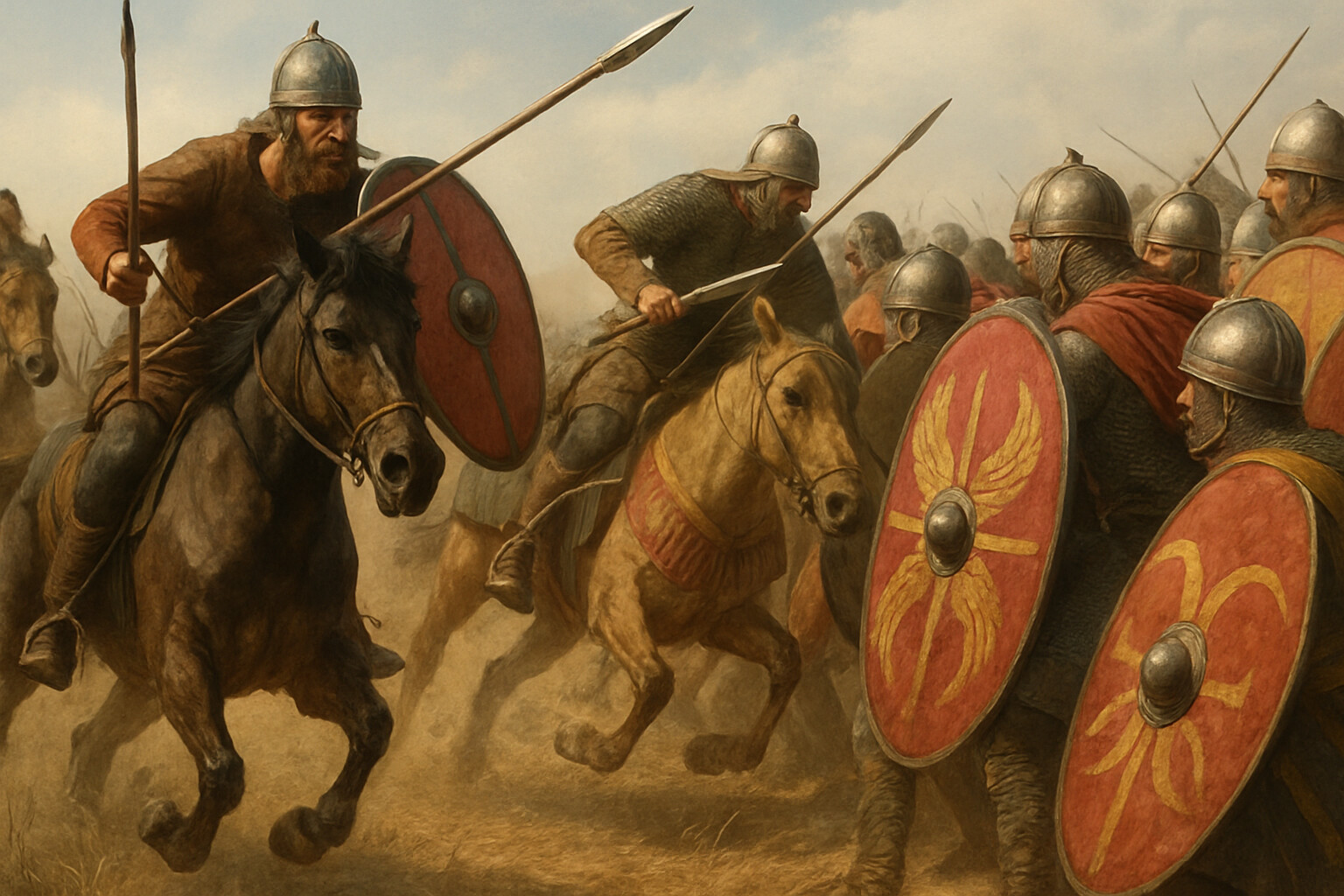
Henry's force was a coalition, not a unified army. It included Polish knights and infantry, Teutonic Knights, Hospitallers, Knights Templar, and Moravian and German volunteer crusaders. Estimates of his total strength vary widely across the sources and in modern scholarship — from perhaps eight thousand to perhaps twenty-five thousand. The lower end is probably closer to reality for a force assembled in weeks under crisis conditions, but no firm consensus figure exists, and all numbers from medieval sources should be treated as approximate.
The engagement at Legnica illustrates almost every principle of Mongol tactical doctrine applied against European opponents.
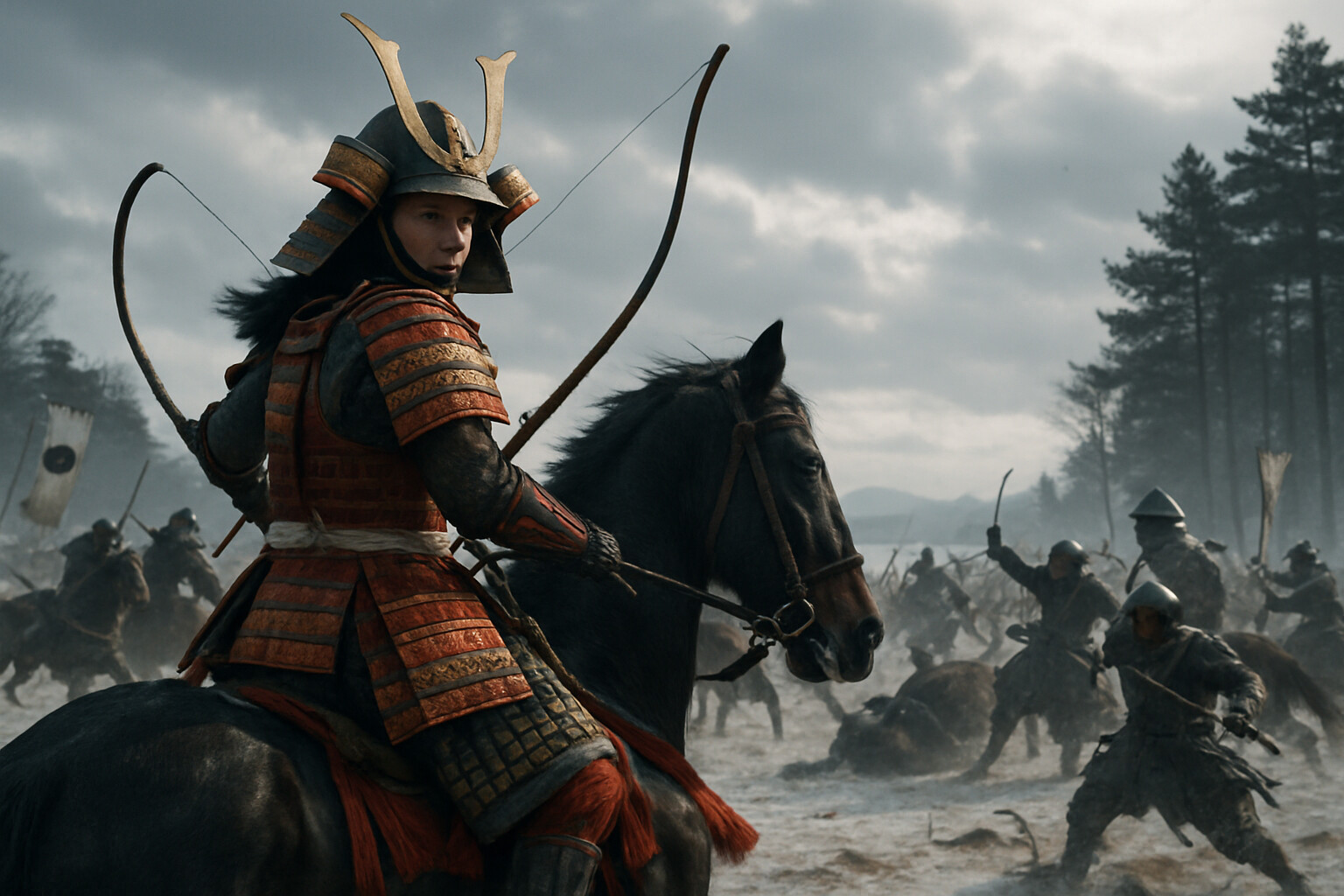
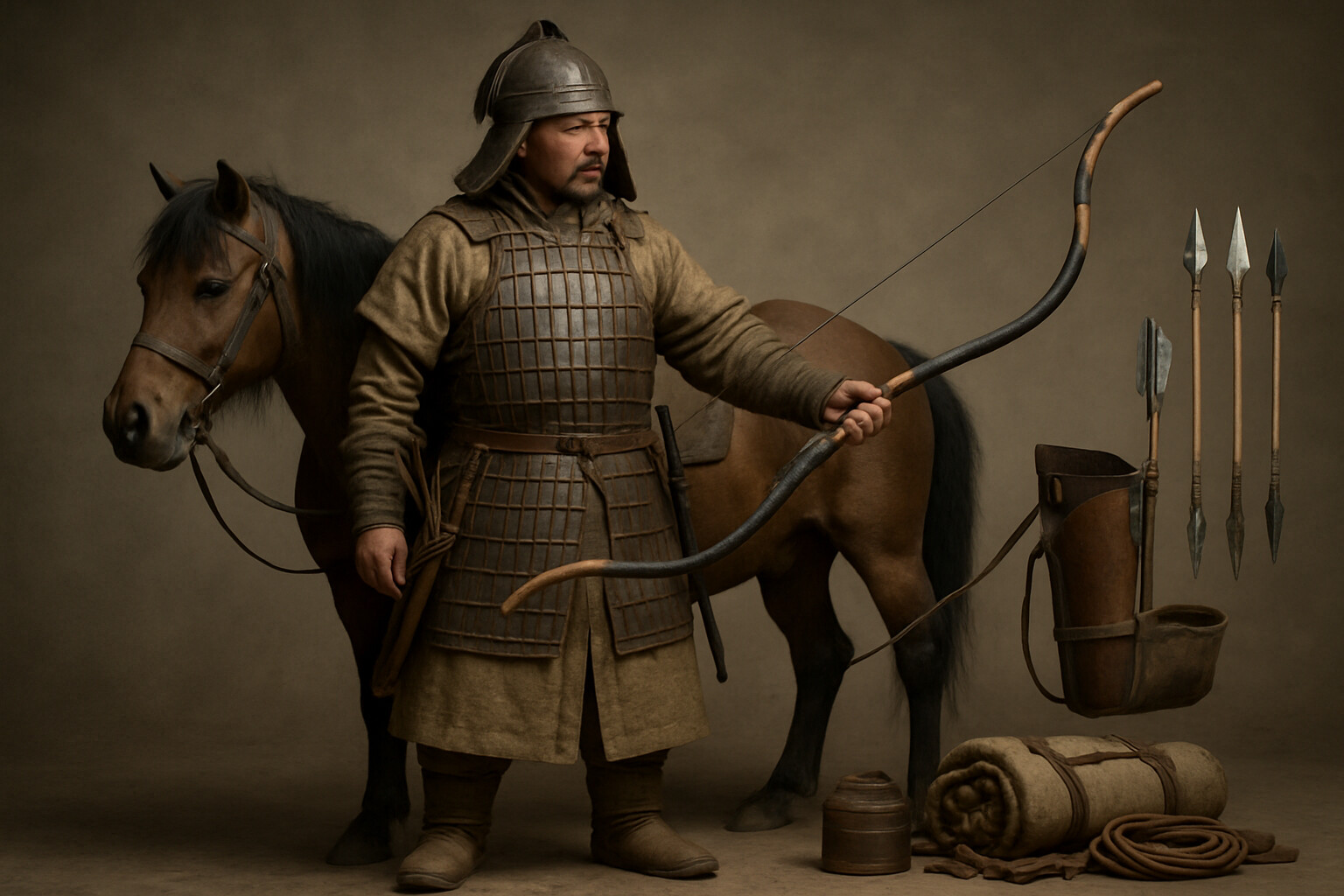
Mongol armies of this period were built around horse archers — light cavalry armed with composite recurve bows capable of considerable range and penetrating power — supported by heavier lancers and, in some operations, dismounted shock infantry and engineering assets. The Mongol composite bow, made from layered horn, sinew, and wood, was a product of steppe technology refined over generations. Against the mail armor worn by most European combatants in 1241, it could penetrate under the right conditions, particularly at shorter range; against the early plate reinforcements beginning to appear on some knights, effectiveness was more limited. Mongol horse archers could loose several arrows per minute from the saddle, trained to shoot at a gallop. They operated in loose formations, advancing to discharge and withdrawing before contact — what European chronicles described with evident bafflement as a refusal to close and fight in the chivalric manner.
European heavy cavalry of 1241 — the armored knight on a destrier, couched lance, shield, and mail — was formidable in a frontal charge against infantry or against opponents who would accept the collision. It was considerably less effective against an opponent who would not stand still long enough to be charged. Mongol tactical doctrine exploited this mismatch deliberately. The feigned retreat — in which Mongol cavalry withdrew under pursuit, drawing knights away from their support and into prepared ambush or terrain chosen to neutralize the charge — was a technique European commanders had read about and still fell for, partly because the dynamics of a cavalry engagement and the psychology of pursuit made it very difficult to resist.
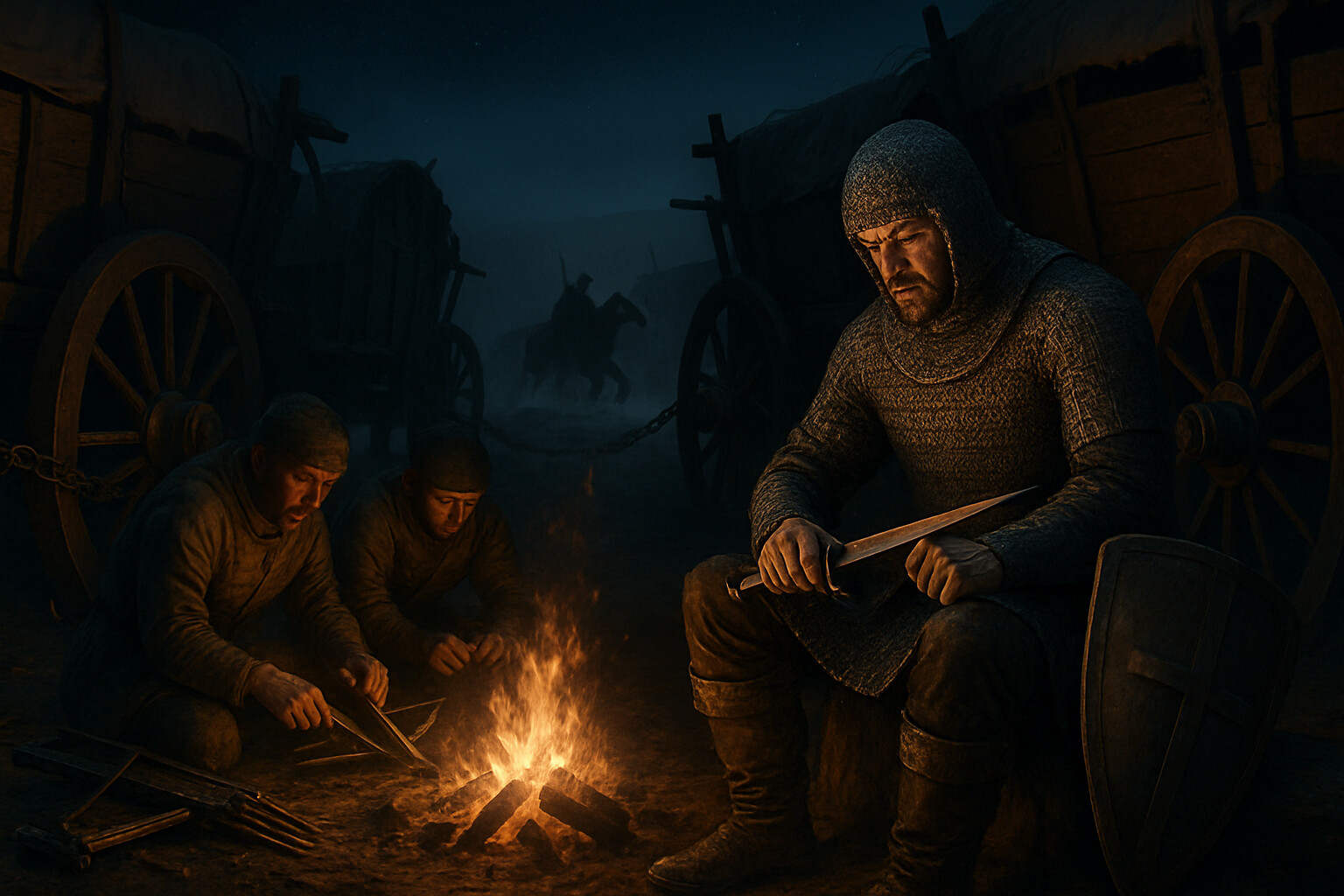
At Legnica, according to medieval chronicle accounts and later narrative traditions, the battle opened with Mongol screening forces drawing Polish knights forward and then withdrawing. The cohesion of Henry's coalition — with its multiple language groups, differing loyalties, and no unified chain of command below Henry himself — apparently fractured under the pressure. What happened in operational detail is not reliably reconstructable from surviving sources. The primary Polish and German accounts were written some time after the battle by people who were not present, and they contain elements that are clearly legendary or distorted. What the sources agree on: Henry II of Silesia was killed in the engagement. Polish chronicle tradition holds that his head was carried away on a Mongol lance; this detail cannot be confirmed in a contemporary primary source and should be understood as later tradition. A Mongol army had just defeated a coalition that included the elite military-religious orders of Latin Christendom — the Templars and the Teutonic Knights — on a European battlefield.
Wenceslaus of Bohemia's army, reported in some chronicles as one or two days' march away, never fought. Whether the timing of the engagement was designed to prevent that junction, whether Baidar and Orda Khan had intelligence of Wenceslaus's proximity, or whether the timing was coincidental cannot be confirmed from the surviving record. What can be confirmed is that the Bohemian reinforcement arrived to find the battle over and the Mongols withdrawing. Baidar and Orda did not pursue into Bohemia. Their mission was accomplished: the northern flank was secure, and no reinforcement would reach Hungary from the north.
Two days later, on April 11, the main Mongol army destroyed the Hungarian army at Mohi.
---
The crossing of the Carpathians by the main Mongol force was not a single movement through a single pass. Mongol columns entered Hungary through the Verecke Pass — the main route, now in western Ukraine — through the Borgo Pass, through the Red Ruthenian passes, and by other routes in a staggered advance that overwhelmed Hungarian border defense posts before they could communicate with each other and before Béla could concentrate his forces at any single point.
Béla IV had attempted to prepare. He had called up the feudal levy. He had summoned the Cumans — a Turkic steppe people who had sought refuge in Hungary from the Mongol advance and been permitted to settle — but his relationship with them had collapsed badly before the invasion began. A crisis within the Hungarian camp resulted in the murder or flight of the Cuman leadership; the Cumans, apparently feeling betrayed, withdrew from the campaign and ravaged parts of Hungary as they departed. Béla lost several thousand light cavalry who might have been valuable precisely because they understood steppe warfare. Whether the Mongols had any role in precipitating the Cuman crisis — as some later writers have speculated — is not established in the primary record and should not be presented as fact.
By late March, Béla had assembled a force on the Pest plain. Mongol advance detachments appeared, skirmished, and withdrew — what looked to Hungarian observers like retreat but was almost certainly the deliberate drawing of the Hungarian army eastward, away from defensible terrain, toward ground of Subutai's choosing. Béla crossed the Danube, moved his army toward the Sajó River, and made his wagon-laager camp near the village of Mohi.
The site was, from the Hungarian perspective, defensible. The wagon-laager was a real fortification — chained wagons with gaps for sortie, a perimeter defended by crossbowmen, an obstacle to cavalry attack. Béla's commanders apparently believed they had created a secure base from which to fight. Subutai's assessment of the problem was different: the wagon-laager, properly encircled, was not a fortress. It was a killing ground with walls that kept the defenders inside.
On the night of April 10–11, Subutai moved.
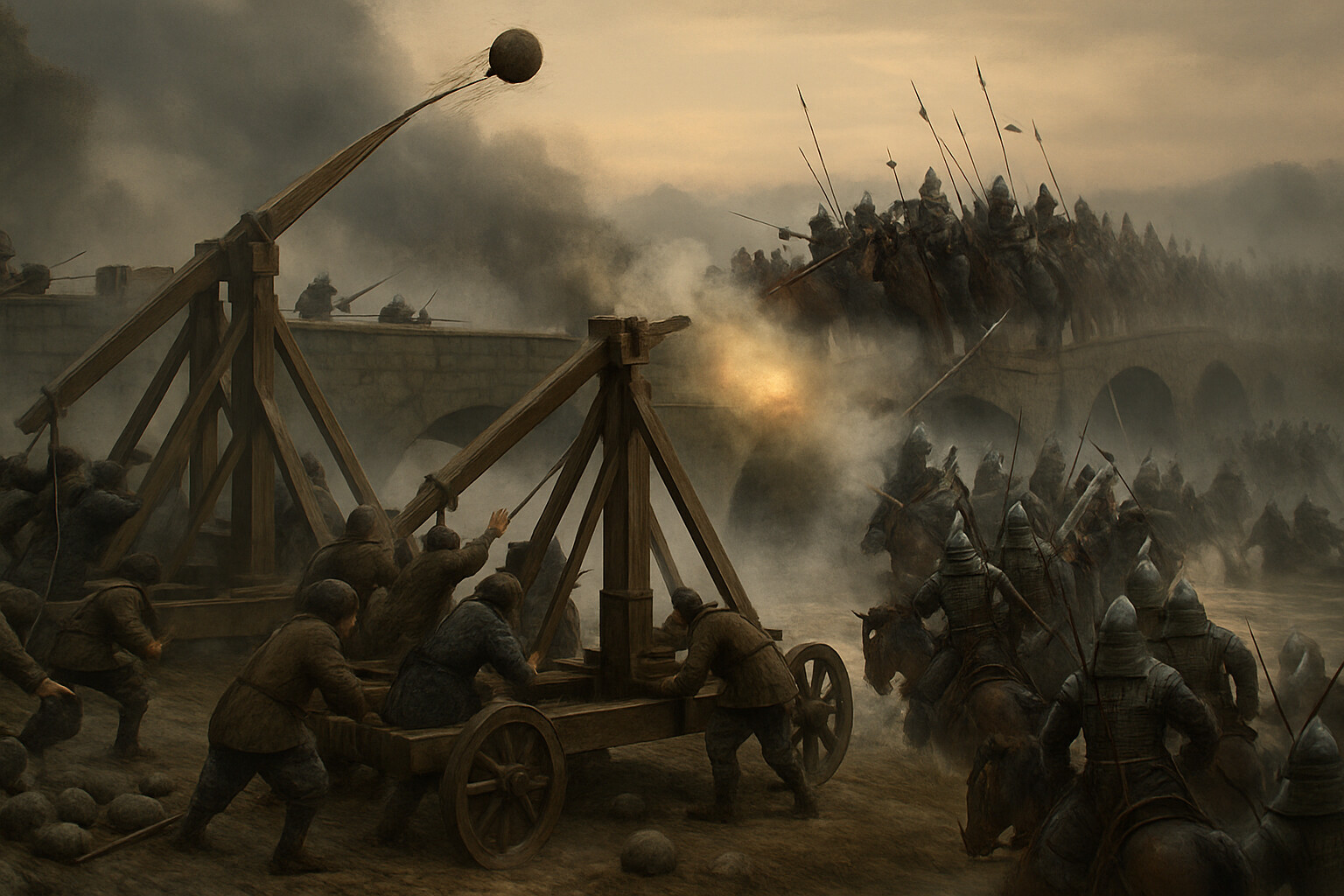
The plan divided the Mongol army into at least two major assault components, and possibly more. Batu Khan attacked across the stone bridge at Mohi on the Sajó, drawing the main Hungarian defensive attention and fire — including crossbow fire that inflicted real casualties on the initial crossing attempt. Subutai, by his own apparent design, took a secondary force and found or forced a separate crossing, reportedly some distance downstream, bringing his troops onto the western bank to flank or encircle the Hungarian position while the defenders remained focused on the bridge fight.
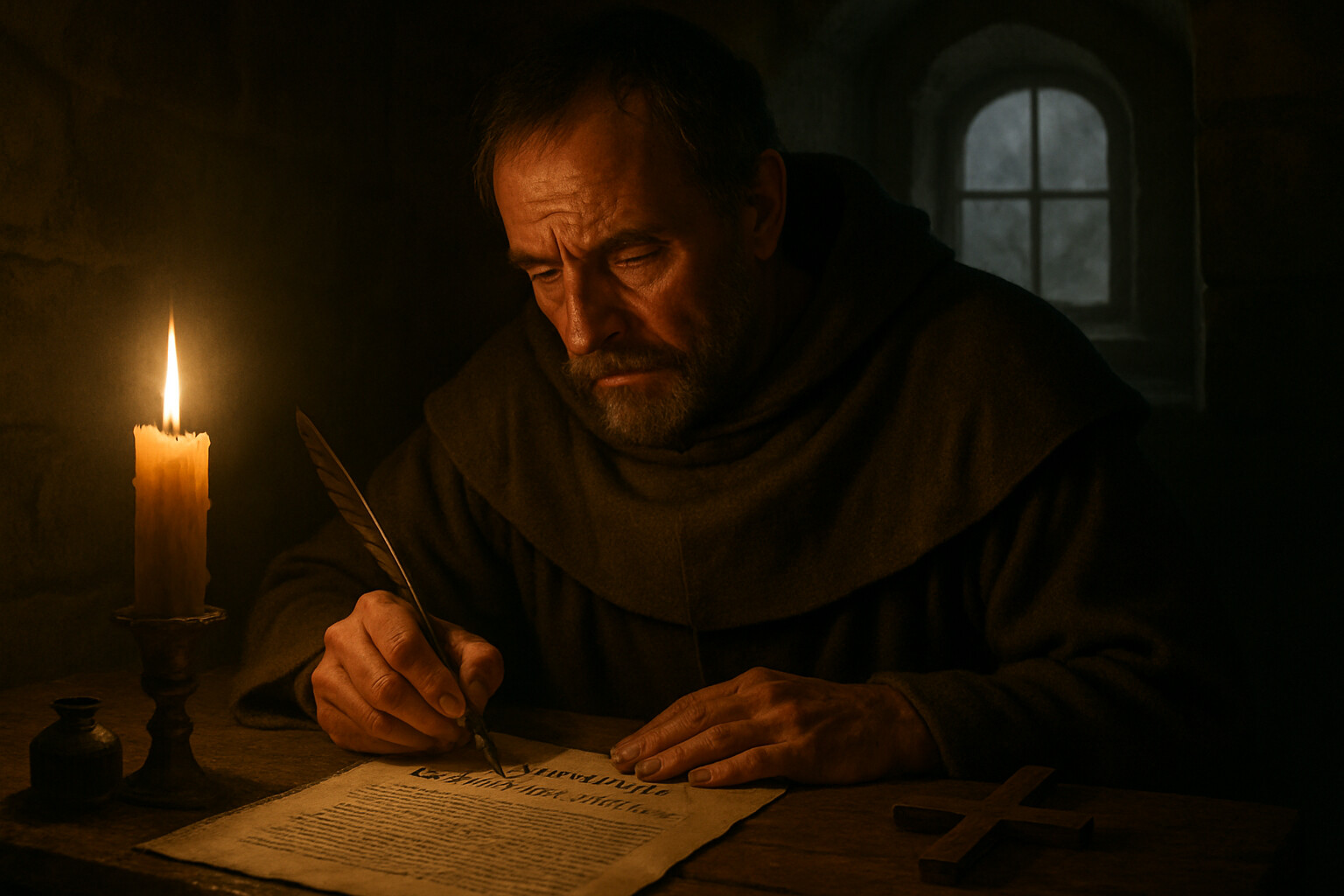
Mongol stone-throwing machines — traction trebuchets that the Mongol army could deploy in field engagements, not only at sieges — reportedly laid fire across the bridge to suppress the Hungarian crossbowmen. This episode is described in the chronicle of the Franciscan friar Roger of Torre Maggiore, who survived the invasion as a prisoner or displaced cleric and wrote a firsthand account, Carmen Miserabile, in approximately 1243–1244. Roger's account is the most important primary source for Mohi, though it is a survivor's narrative shaped by trauma and limited visibility, and must be used critically.
The encirclement did not close completely. Mongol doctrine, observed in multiple engagements and described in later Mongol military writing, recognized that a completely surrounded force would fight with the desperation of the doomed and might inflict severe casualties in breaking out. A gap — an apparent escape route — was sometimes left deliberately, drawing the surrounded force into flight rather than a final stand; the pursuit would then destroy them in the open. Whether the western gap at Mohi was intentional or a reflection of the limitations of Subutai's available forces that morning is debated in the scholarly literature and cannot be resolved from surviving sources.
What happened is documented. The Hungarian army, realizing the encirclement was closing, broke from the wagon camp through the western gap and ran. The Mongol pursuit lasted two days across the plain and into the hills. The casualties were enormous. Roger of Torre Maggiore describes roads and fields covered with the dead. Béla IV himself escaped — he had fled before the camp broke, and the Mongols came close to capturing him during a chase that extended across Hungary into what is now Croatia and along the Adriatic coast.
The Hungarian fighting force was effectively destroyed as an organized army. Contemporary sources describe casualties in the tens of thousands; specific figures from medieval accounts are inherently unreliable and should not be treated as precise. No subsequent Hungarian force resisted the Mongols in the field for the remainder of 1241. Pest was burned. The Mongols occupied the Hungarian plain.
---
The months that followed Mohi were among the darkest in Hungarian history. Subutai's forces held the eastern bank of the Danube through the summer and autumn of 1241, raiding and devastating the countryside with the systematic efficiency of an army that had refined the management of conquered territory across Central Asia. European leaders outside Hungary had no coherent response. Holy Roman Emperor Frederick II and Pope Gregory IX were deep in a bitter political conflict with each other. Warnings circulated. No organized military response from the western kingdoms materialized.
In December 1241, the Danube froze. Mongol cavalry crossed on the ice and pushed into the Austrian marches, raiding toward Wiener Neustadt. Contemporary Austrian records document the raids. Some chronicles record that Subutai's forces probed toward Vienna, though whether a major assault on the city was planned, prepared, or seriously intended is not established in the primary sources. The Mongols withdrew from the Austrian frontier without storming any major fortified city in the west.
The reason for the withdrawal — and for the failure to drive further into western Europe — has generated a substantial historical debate without definitive resolution.
The traditional European interpretation, embedded in medieval chronicles, held that the Mongols were turned back by the threat of German and Bohemian resistance, or by the difficulty of western terrain, or by divine providence. This reading is not persuasive to most modern scholars.
The more widely accepted explanation is that the Mongols withdrew primarily because of political events in Mongolia: Great Khan Ögedei died in December 1241, and Mongol imperial law required the princes of the blood — including Batu Khan — to return for the kurultai, the great assembly to select a successor. Batu's presence at that assembly was politically essential; the army could not remain indefinitely on campaign without resolving the succession.
Other scholars have added that the Hungarian plain, after a year of systematic devastation, may have been approaching the limits of what it could support logistically; that western European terrain — more heavily forested, with more stone fortifications — presented genuine operational challenges for a horse-archer army; and that Subutai's own assessment of the campaign's prospects, if he held any distinct view, is simply not documented in surviving sources.
What is documented is that the Mongols withdrew east of the Carpathians by the spring of 1242 and did not return in force. Hungary, Poland, and Silesia were left to rebuild from devastation that some historians, working from medieval demographic evidence, have estimated reduced the population of affected areas by thirty to fifty percent. Such estimates carry the inherent uncertainty of their medieval sources and should be understood as approximate ranges, not confirmed figures.
---
Subutai returned east with the army. He continued to serve after 1241, leading or contributing to campaigns against the Song dynasty in China in the mid-1240s, though his exact role in those later operations is less well documented than his European campaign. He died around 1248, probably in his early seventies — a remarkable age for any soldier of the era, and an extraordinary one for a man who had spent roughly fifty years in active campaigning.
No formal decoration or citation in the Western sense was ever associated with Subutai's command. Mongol military culture recognized achievement through honorific titles, positions of command, and allocation of shares in conquest rather than through formal decorations. Subutai held the title Ba'atur — meaning approximately warrior or hero — a recognized distinction in Mongol honorific usage. He is named in the Secret History of the Mongols, the foundational Mongolian chronicle of the Genghisid era, as one of Genghis Khan's principal commanders. How closely these forms of recognition correspond to Western military honors is not a comparison that can be drawn with precision; no citation document exists or is applicable.
The military legacy of the 1241 campaign is easier to describe.
The coordinated advance of multiple columns across a theater-width front — timed to prevent enemy concentration and to destroy forces in sequence before they could support each other — is an operational concept military theorists have returned to across centuries. The combination of intelligence-gathering, deception, feigned retreat, encirclement, and the deliberate management of the pursuit, all visible at Mohi, represented a tactical sophistication that the armies of Latin Christendom in 1241 could not match. It is not entirely clear that any European army fully matched it for several generations afterward.
What also demands acknowledgment is the cost. The campaign of 1241 was one of the most destructive events of the medieval period in terms of human life. The regions through which Subutai's columns passed — Poland, Silesia, Hungary, Moravia — experienced mass killing, enslavement, famine, and the destruction of urban centers built over generations. Roger of Torre Maggiore's Carmen Miserabile is not a celebration of military art. It is a lament. The Annals of Gniezno, the chronicles of Kraków, the letters from Hungarian bishops to the Pope — they record something that contemporaries experienced as a near-extinction event for Christian civilization in Central Europe.
The fact that it did not become that — that Europe survived, that Béla IV eventually rebuilt Hungary, that Polish cities were rebuilt, that the Mongols did not return in strength — does not diminish what happened in those weeks in April 1241, or across the months that followed.
Subutai designed a campaign that achieved near-total operational success. It succeeded against real human beings, on real ground, with consequences that lasted for generations. That is the full account: the intelligence, the precision, the timing, and the fields of the dead across the flood plain of the Sajó.
---
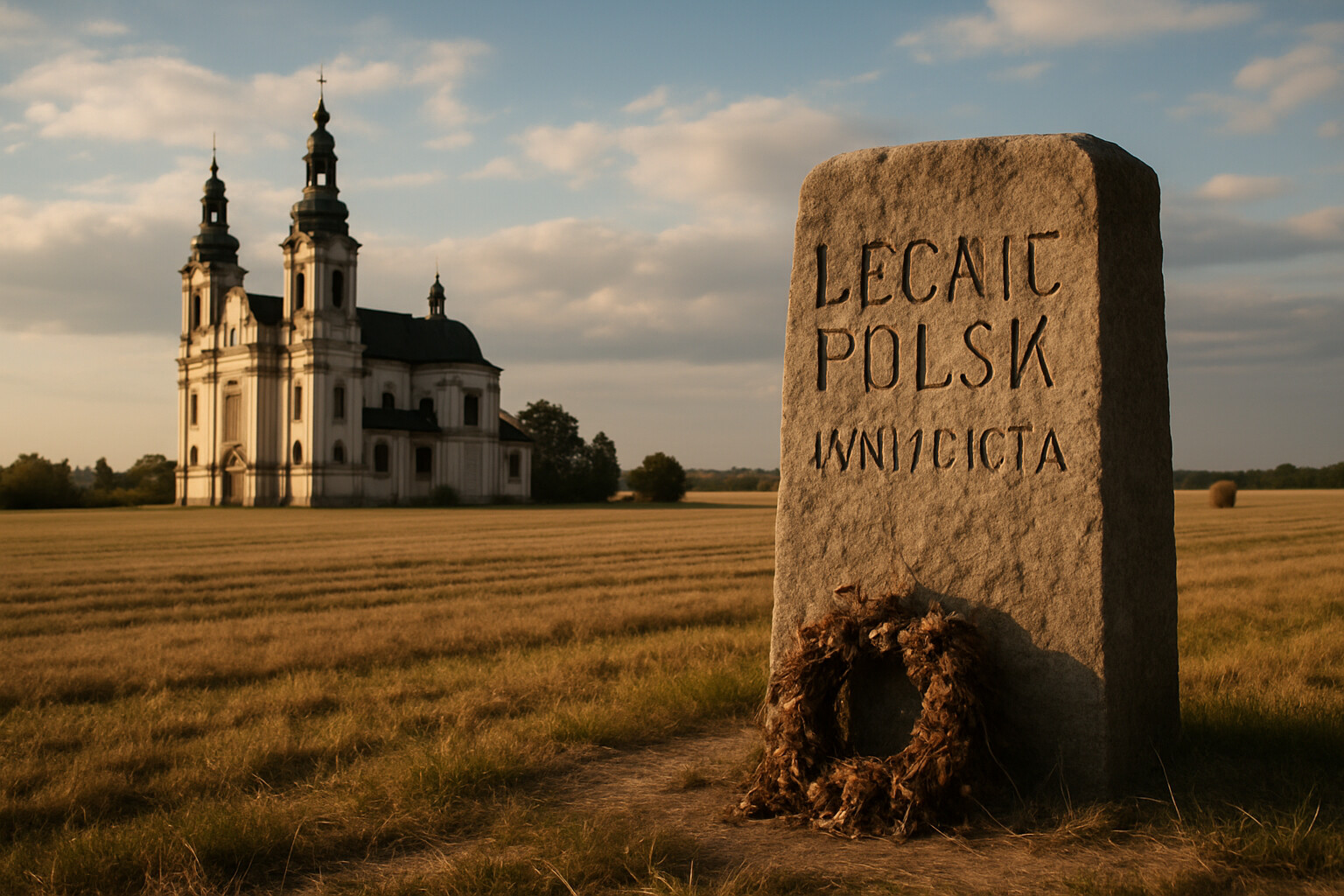
The stone bridge at Mohi no longer stands in the form it held in 1241. The battlefield at Legnickie Pole is marked today, in the quiet Silesian countryside, by a church built after the battle — the Church of Saint Jadwiga — and by a monument to Henry the Pious. Pilgrimages were made there within years of the battle. The site was treated as a place where something enormous had happened, where knights and monks had died confronting something their world could not fully comprehend.
They were not wrong about that.
Subutai had spent two decades preparing to understand Europe. Europe had perhaps two weeks to understand Subutai. The result was Legnica and Mohi — two battles fought two days apart across five hundred miles of a continent that did not know it was facing the same mind.