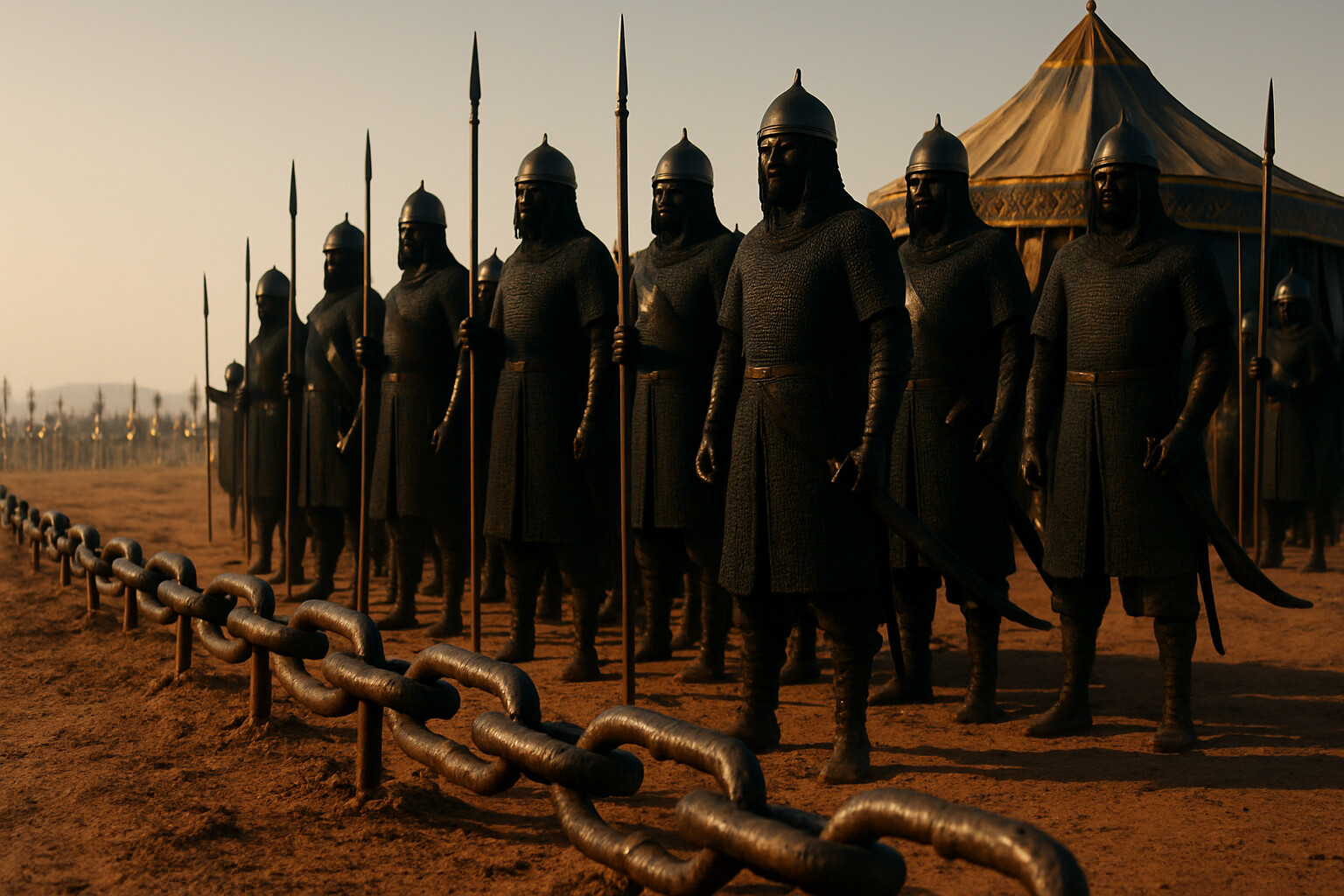
The chains were already there when the soldiers arrived.
Stretched around the camp of Caliph Muhammad al-Nasir — Miramamolín to his enemies — iron chains had been staked into the dry Andalusian earth to create a final defensive perimeter. They were not merely obstacles. They were a declaration: the caliph's Black Guard, his elite African warriors, would hold their ground or die in place. When Christian soldiers from Castile, Aragón, Navarre, and Portugal looked across the plateau of Las Navas de Tolosa on the morning of July 16, 1212, those chains caught the early light and told them exactly what kind of fight was coming.
It had taken centuries to reach this moment. And it nearly unraveled before it began.
---
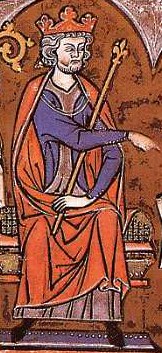
Alfonso VIII of Castile was fifty-six years old in the summer of 1212. By the standards of medieval warfare, that was an old man — one who had already earned his scars and buried his worst memories in the Castilian earth. He had ascended to the throne as a child in 1158, survived decades of dynastic intrigue and border warfare, and built Castile into the most powerful of the Iberian Christian kingdoms. He had also suffered the defining catastrophe of his reign at the Battle of Alarcos in 1195, where an Almohad army under Caliph al-Mansur had routed his forces and sent him retreating toward Toledo. For seventeen years, that defeat had shaped the southern frontier of his kingdom and every decision he made about it.
The Almohads were not simply another Muslim dynasty pressing from the south. They were a reformist Berber movement that had risen in Morocco in the early twelfth century, swept through North Africa, crossed into Iberia, and absorbed the remnants of the fractured taifa kingdoms. They imposed a strict Maliki legal code, raised powerful field armies drawing from Berber, Arab, and sub-Saharan African contingents, and constructed a military system capable of projecting force deep into the Iberian interior. Their armies combined disciplined archery, massed cavalry, and coordinated infantry formations supported by war engines. This was not a raiding confederation. It was an empire with a professional army.
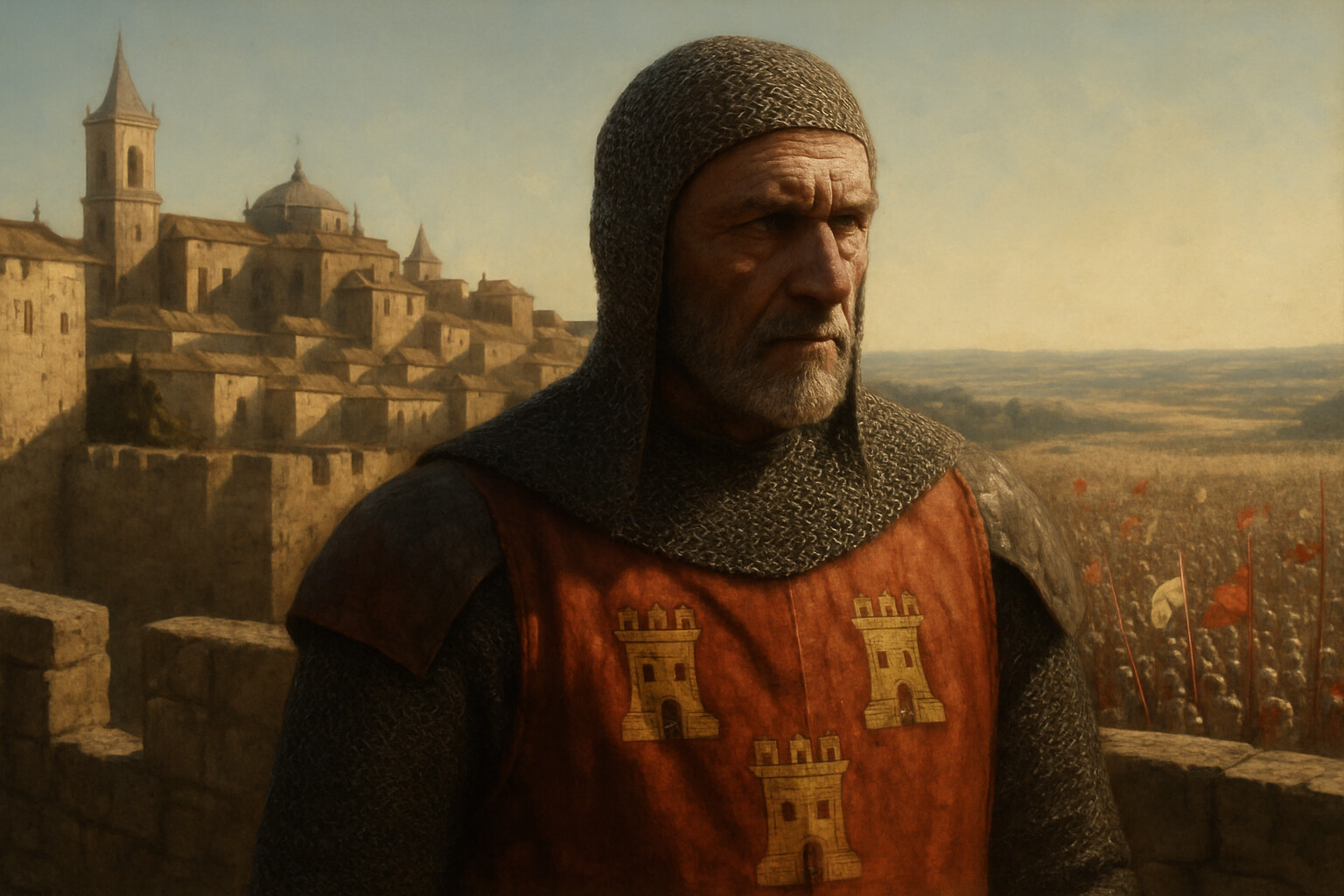
By 1211, Caliph Muhammad al-Nasir had crossed the Strait of Gibraltar and moved to reassert Almohad dominance in Iberia. Medieval chroniclers offered wildly inflated figures for the size of his army, and modern historians treat those numbers with appropriate skepticism — the force was unquestionably large, but precise strength cannot be established from the sources. What is not in dispute is what al-Nasir accomplished in that opening campaign: he seized the fortress of Salvatierra from the Knights of Calatrava after a prolonged siege, cutting a key Christian military anchor in the south and signaling clearly that the Almohads intended to press the advantage. Alfonso VIII read the strategic situation without illusions. If the Almohads consolidated their position and drove north, the Christian kingdoms would face the same grinding pressure that had preceded Alarcos. He went to work building a coalition large enough to meet them in the field and finish it.
The diplomacy was as demanding as the military preparation. Alfonso appealed to Pope Innocent III, who declared a crusade and encouraged fighters from beyond the Pyrenees to join. He negotiated with his traditional rivals: King Pedro II of Aragón, King Sancho VII of Navarre, and King Afonso II of Portugal, who sent forces though he did not lead them personally. He secured the participation of the Military Orders — the Knights of Calatrava, Santiago, and Alcántara — who provided trained heavy cavalry and institutional knowledge of the southern frontier. Archbishop Rodrigo Jiménez de Rada of Toledo, who would later write the most important near-contemporary Christian account of the campaign in his De rebus Hispaniae, served as both ecclesiastical legitimator and active participant.
The army that assembled at Toledo in late May and early June of 1212 was genuinely multinational. Alongside the Castilian core came Aragonese knights under Pedro II, Navarrese forces under Sancho VII, contingents from Portugal, and crusading volunteers who had answered the papal call — knights and infantry from France, Germany, and other parts of Europe. Total Christian strength cannot be reliably established from the sources, and the specific figures offered by medieval chroniclers should not be treated as data. What is not in doubt is that this was the largest coordinated Christian military effort in Iberian history to that point.
Almost immediately, the coalition began to fracture.
The ultramontane crusaders — fighters from north of the Pyrenees who had joined for the prospect of crusading indulgence and whatever plunder the campaign might yield — grew impatient and brutal during the opening stages of the advance. When the army captured the town of Malagón and then the fortress of Calatrava, the foreign contingents pressed for wholesale massacre of the Muslim populations. Alfonso refused. The rejection, combined with the punishing midsummer Andalusian heat, provoked a mass desertion: most of the French and other transalpine crusaders turned around and marched home. They stripped the coalition of a significant portion of its infantry.
It was a serious blow. It was not, as the campaign would demonstrate, a fatal one.
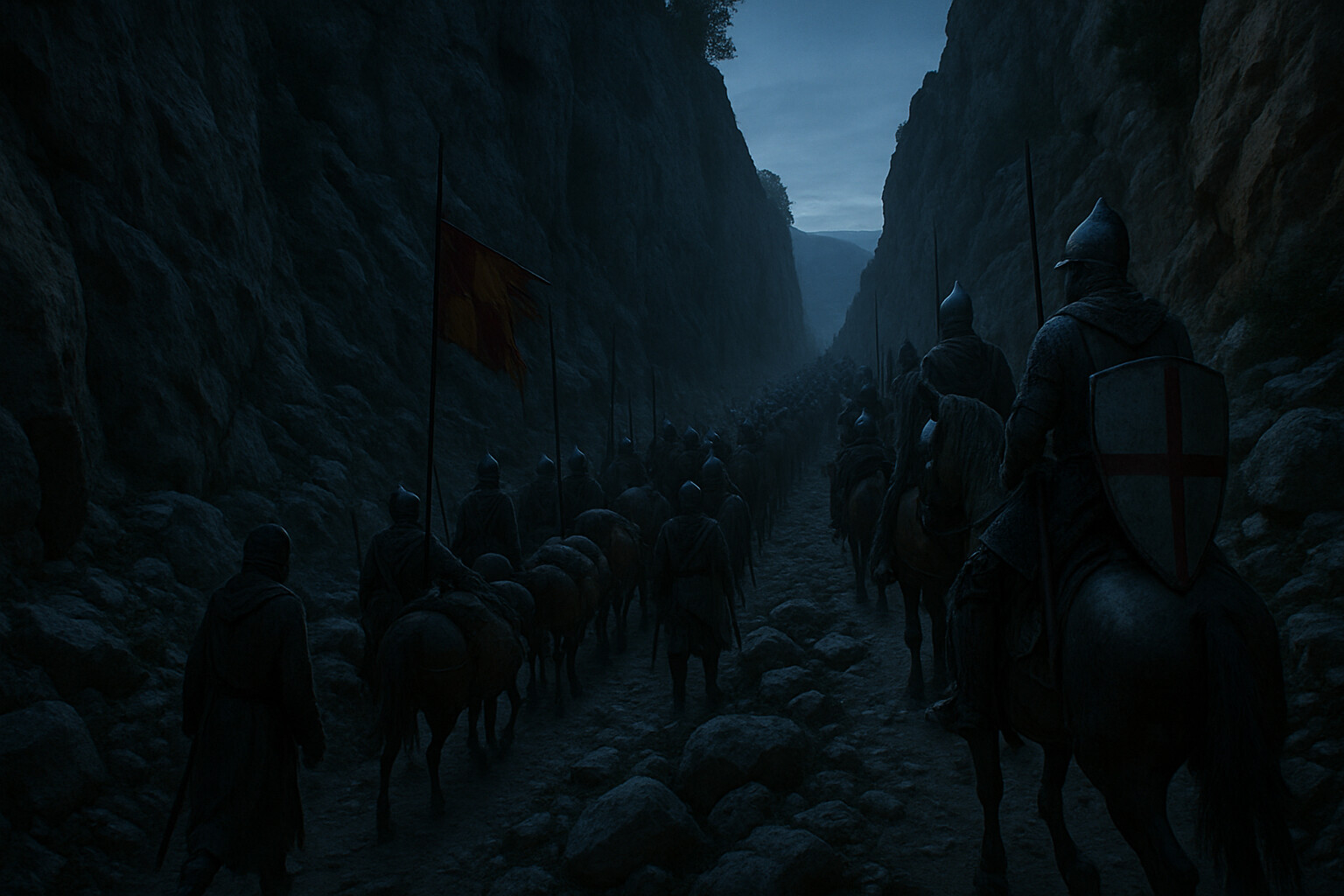
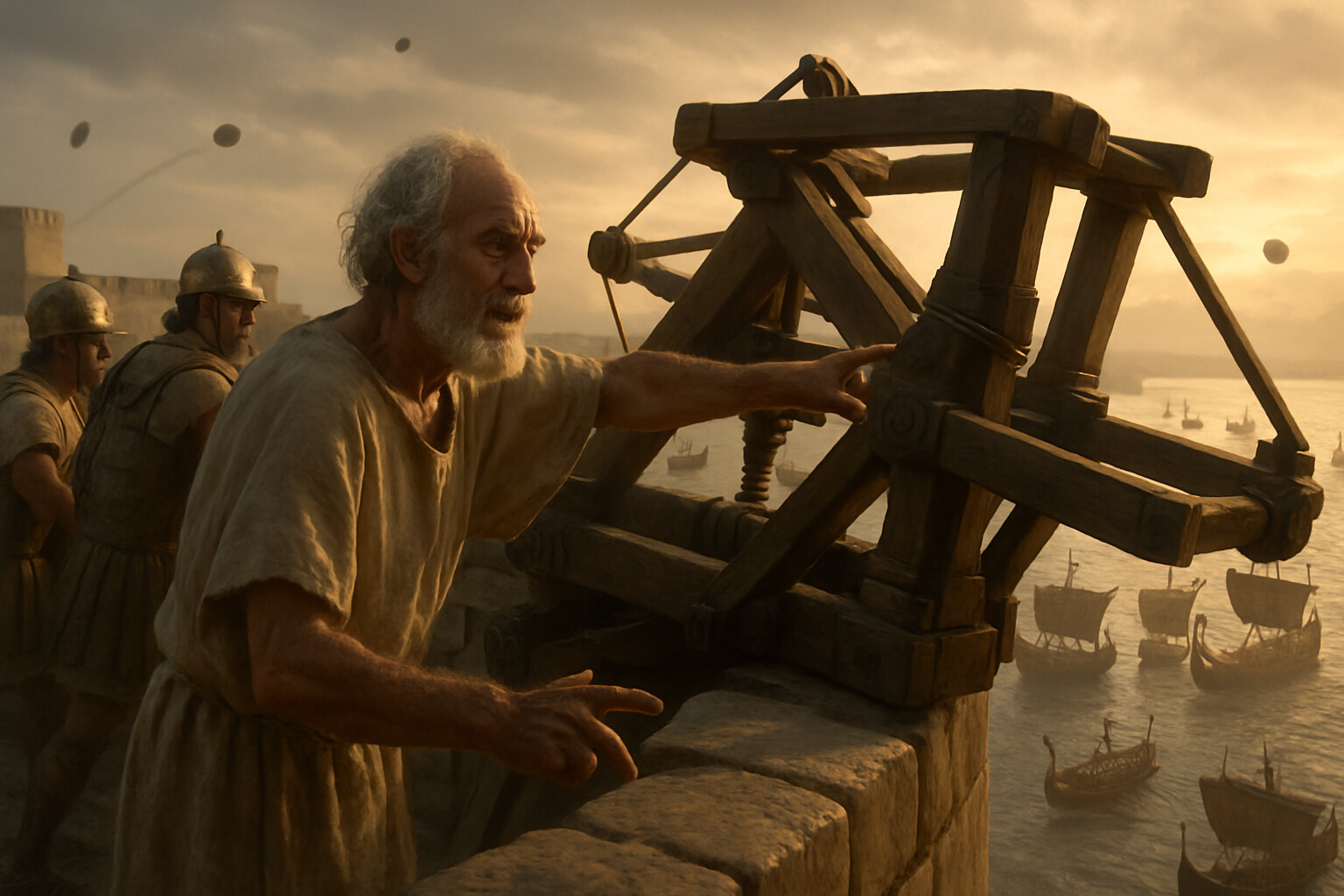
The remaining army — the Iberian kingdoms and military orders, still a substantial and battle-hardened force — pressed south toward the Sierra Morena, the mountain range that formed the natural barrier between the Castilian meseta and Andalusia. The passes through those mountains were few, steep, and easily defensible. Al-Nasir had positioned his forces to block the obvious routes. The Puerto del Muradal, the principal pass, was held in strength. A direct assault would have been costly and potentially catastrophic.
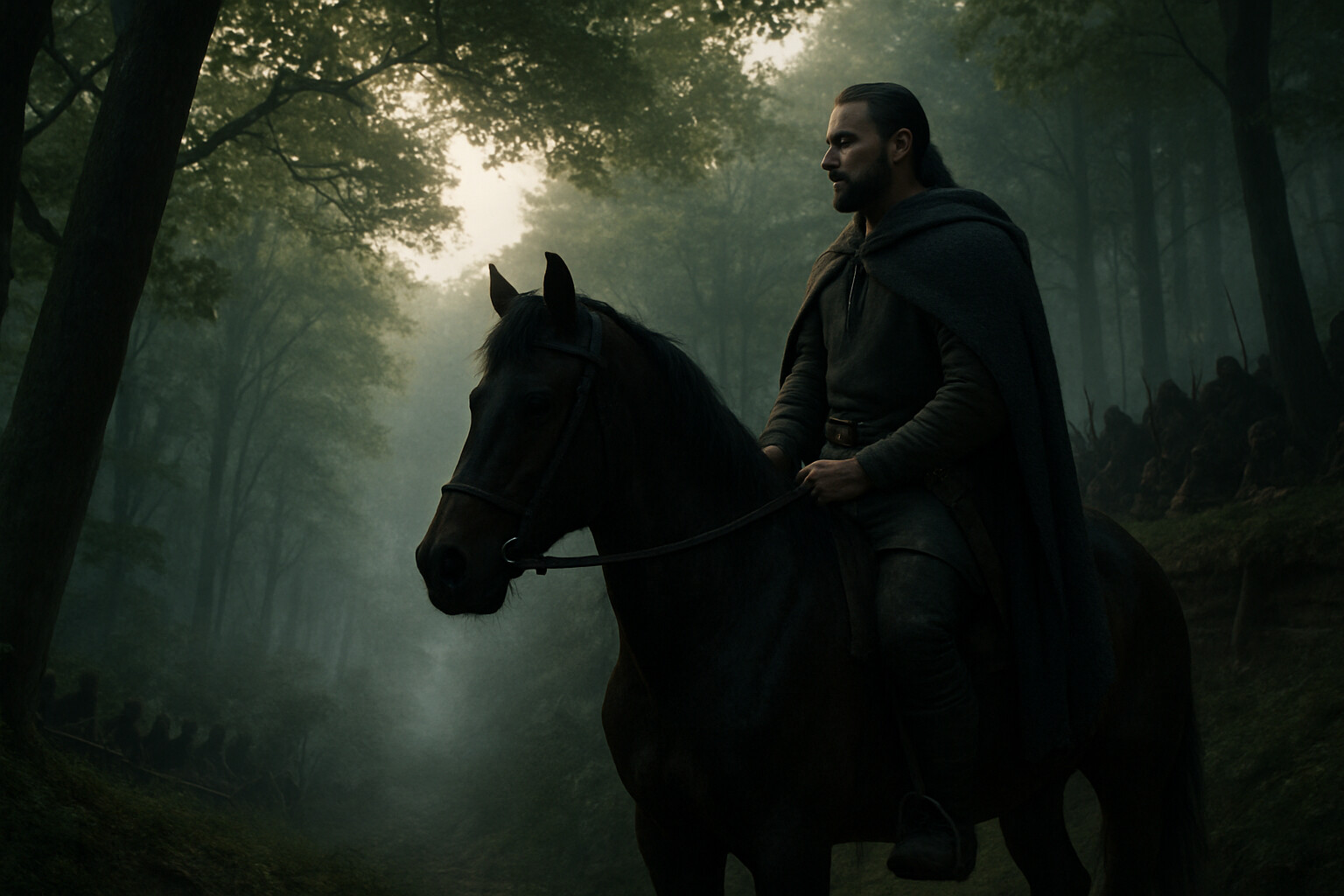
What happened next sits at the intersection of military history and tradition in a way that makes precise reconstruction difficult. The primary sources — most importantly Archbishop Rodrigo's De rebus Hispaniae, written within decades of the battle, and the roughly contemporary Chronica Regia Castellae — describe a local guide who showed Alfonso an alternative route through the mountains. This figure is identified in later tradition as Martín Alhaja, sometimes called simply the Pastor, the Shepherd. The chronicles say he led the army through a route that was either previously unknown or at least unguarded, allowing the coalition to emerge onto the plateau of Las Navas de Tolosa on the southern side of the Sierra Morena without having to force the main Almohad defensive position.
Over subsequent centuries, this account acquired heavy religious coloring. Later retellings identified the shepherd as an angelic figure, or attributed the discovery of the pass to divine intervention. Historians treat those elaborations as pious tradition rather than history. What the sources do agree on is the strategic outcome: the Christian army bypassed the Almohad blocking position and appeared on the plateau in a position to force a general engagement on ground that al-Nasir had not fully prepared for a defensive stand. Whether the guide was a local man, a figure embellished beyond recognition, or something the chroniclers themselves shaped to serve a narrative purpose is a question the surviving evidence cannot resolve. The identity of Martín Alhaja must be treated as tradition. The operational result — the bypass of the Sierra Morena — is documented fact, and it was among the most consequential pieces of decision-making in the entire campaign.
---
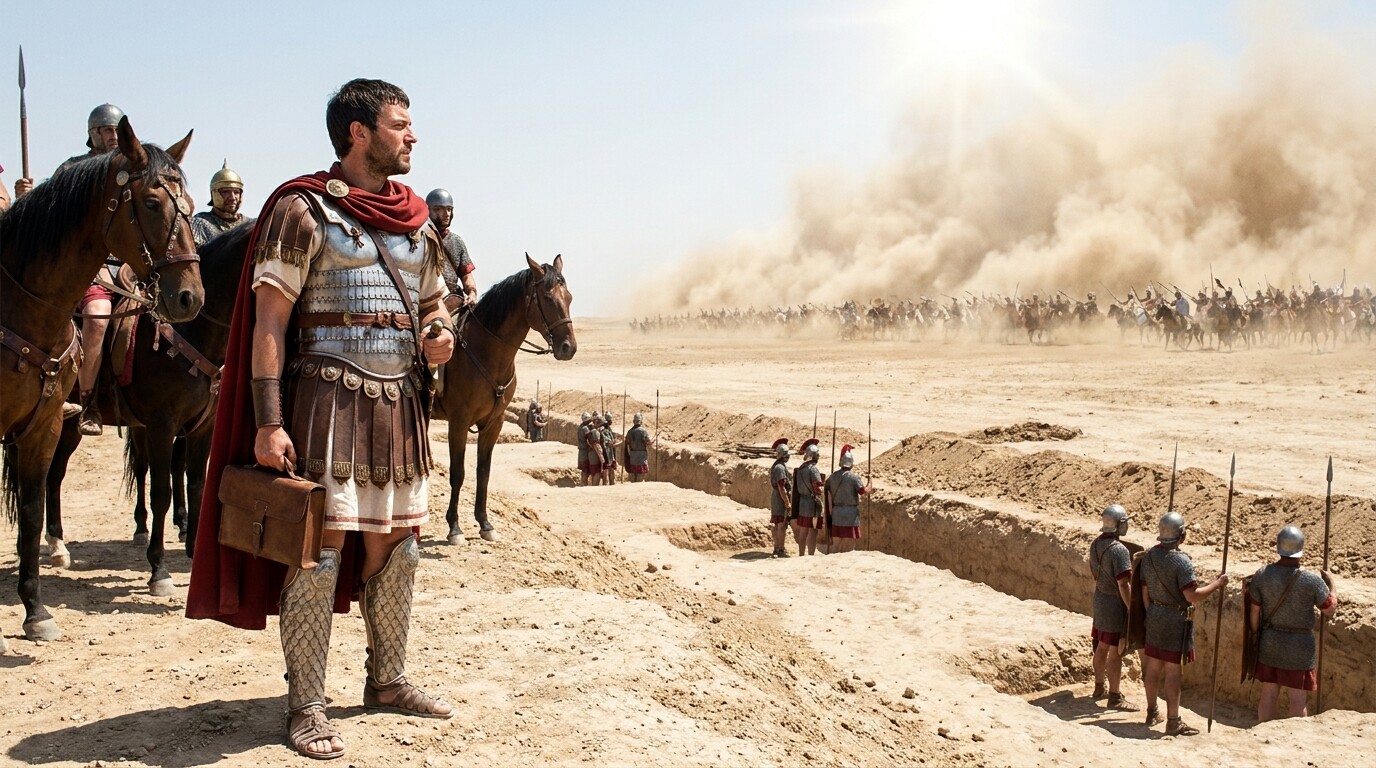
Al-Nasir, confronted with a Christian army on his side of the mountains, arrayed his forces for battle on the plateau. He selected a position on elevated ground with his flanks resting on difficult terrain and organized his army in the characteristic Almohad layered formation. Light cavalry and skirmishing archers went forward to disrupt and attrit the Christian advance. Behind them stood Berber and Andalusian infantry. At the core were the Almohad elite — including the Black Guard, the caliph's personal African troops, posted around his tent and command position behind those iron chains staked into the earth.
The function of the chains is described in the chronicles; the exact configuration is interpreted rather than diagrammed in any primary source. What they represented structurally was a barrier that forced any attacker to physically break through a fixed point rather than simply outflank or disperse the final defensive line. Behind the chains, the Black Guard were not expected to fall back. They were expected to hold.
Alfonso, Pedro II, and Sancho VII organized the coalition into three divisions, each commanded by one of the Iberian kings. Alfonso held the center. Pedro II of Aragón commanded one flank. Sancho VII of Navarre commanded the other. The Military Orders and their disciplined heavy cavalry were integrated into the formation. Archbishop Rodrigo's account provides enough detail to give historians a working picture of the dispositions, though the precise locations of individual units and the tactical choreography of the fighting are not recoverable with certainty.
July 16, 1212. Morning.
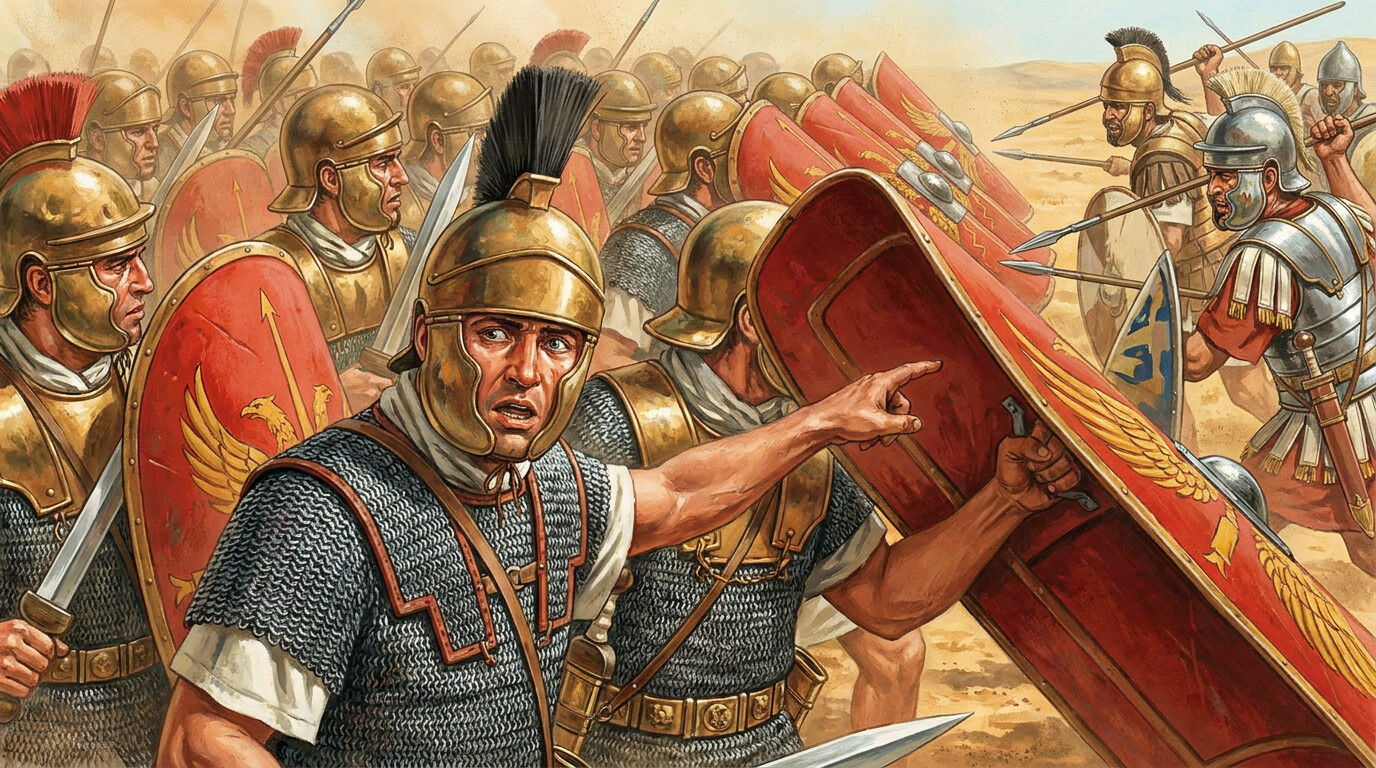
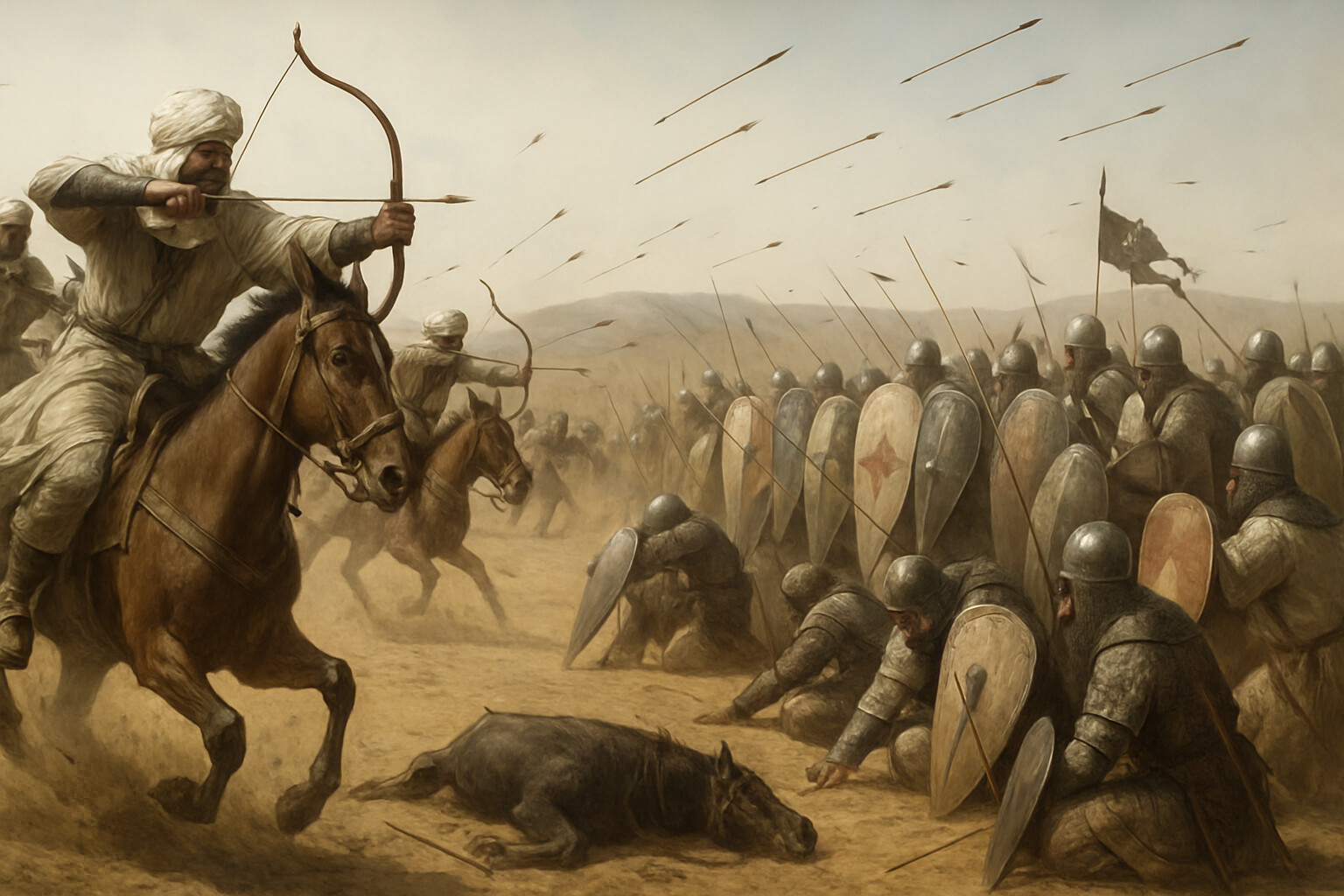
The Almohad forward screen moved out first. Light horsemen, archers, and skirmishers swept toward the Christian formation in the pattern Almohad doctrine prescribed. Their function was to disorder the Christian advance — kill horses, penetrate lighter armor at gaps, disrupt formation cohesion, and draw the Christian cavalry into premature charges that would expose their flanks. Against a less experienced coalition, this would have worked. Against an army that had fought the Almohads for generations and carried the memory of exactly this kind of opening pressure, the tactic was recognized, expected, and still had to be endured.
The Almohad composite bow — constructed from laminated horn, sinew, and wood in the tradition of the Islamic and Berber military world — gave trained mounted archers considerably more stored energy than a simple self bow of similar size. Effective at ranges of a hundred meters or more for aimed fire, the bows could penetrate mail at exposed areas: faces, hands, the backs of horses' legs. Medieval armor — mail hauberks over padded gambesons, early plate reinforcements at the joints — offered meaningful but incomplete protection. A formation of infantry standing and absorbing sustained arrow fire was suffering real casualties, taking real wounds, and fighting the instinct to break formation and charge before the moment was right.
The pressure mounted through the morning hours. The chronicles describe the Christian vanguard under Diego López de Haro, lord of Vizcaya, being pushed back under sustained fire — in some accounts close to breaking before the formation was reinforced and stabilized. The precise tactical detail of how far back and with what losses is not recoverable from the sources; the general picture of a grinding opening phase that tested the coalition's discipline is consistent across accounts.
Alfonso's response to this moment of crisis is described by Archbishop Rodrigo in terms that historians approach with interpretive caution. Rodrigo writes that the king expressed readiness to die in the battle rather than retreat again — an echo of Alarcos rendered in the moral language of a medieval chronicle written by a participant with clear interests in how the battle would be remembered. Whether those were Alfonso's words, a paraphrase, or a rhetorical construction shaped by the archbishop's purposes cannot be determined. What is not disputed is the outcome: the Christian formation held.
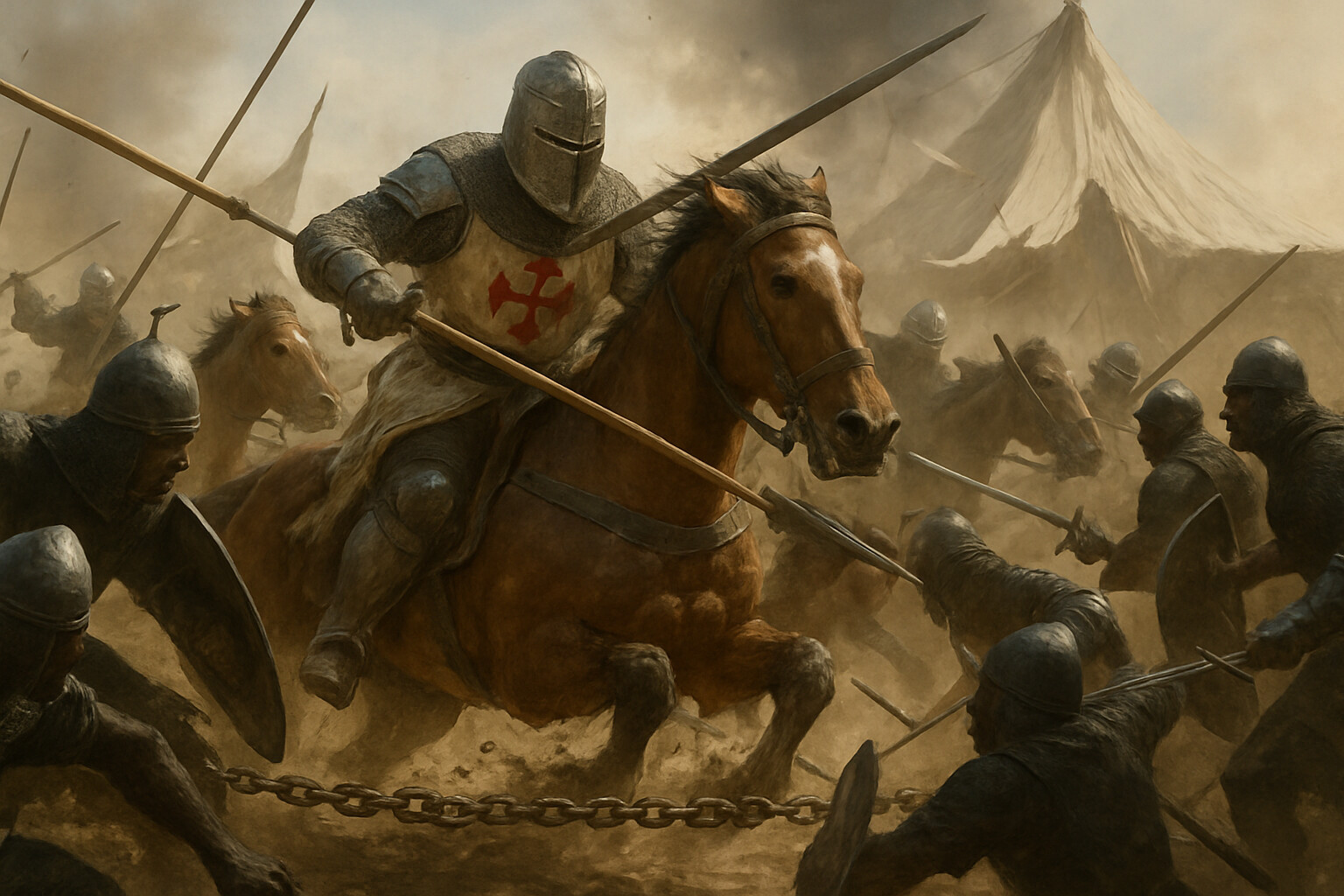
The formation held, absorbed the pressure, and then pushed forward.
---
The decisive moment came on the Navarrese flank.
Sancho VII of Navarre — a physically imposing figure whose later tomb examination suggests he stood well over six feet tall by medieval standards, though the precise measurements remain debated among scholars — led his cavalry in a charge that pierced the Almohad flank and drove into the heart of the Almohad position. The exact direction and composition of the charge, the precise point where it struck the Almohad line, and the sequence in which the chain perimeter was reached are reconstructed from chronicle narrative rather than any surviving tactical map or diagram. What the sources agree on is the result: the charge penetrated.
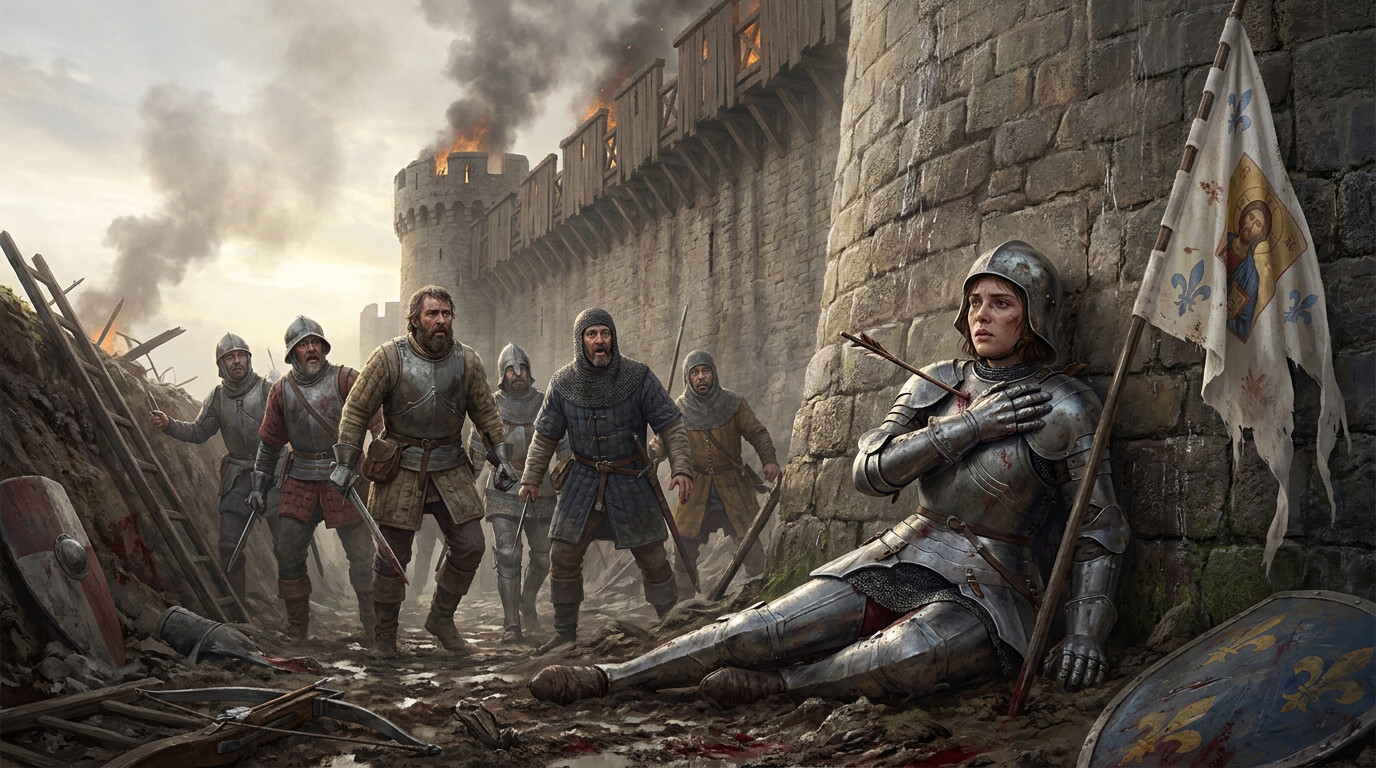
The Almohad formation, built around the deterrent weight of the chains and the Black Guard's reputation, was breached. The Black Guard fought and died around the chains. Al-Nasir himself, the sources agree, fled the battlefield on horseback. His tent, his treasury, and his personal standard were captured.
The Almohad army did not simply retreat. It collapsed. The collapse became a rout, and the rout became a slaughter across the plateau and into the surrounding terrain. Medieval armies in pursuit were capable of extraordinary and sustained violence, and the aftermath accounts describe catastrophic losses on the Almohad side. The medieval casualty figures — which range from tens of thousands to numbers exceeding any plausible estimate of the force actually engaged — are universally regarded by historians as unreliable and are not repeated here. What is accepted in the general historical record is that Almohad losses were catastrophic and the army as a coherent fighting force was effectively destroyed.
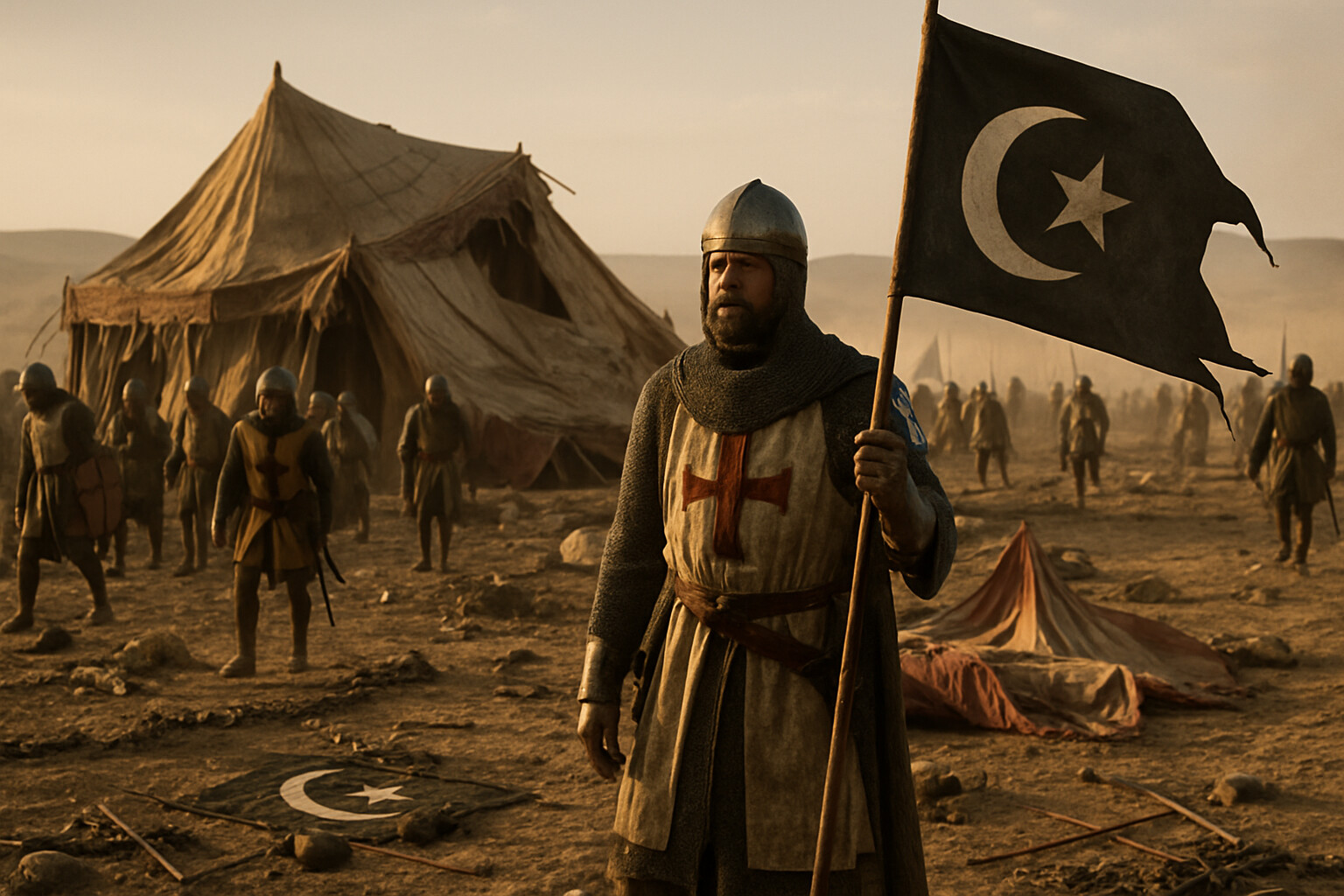
Christian casualties are also difficult to assess. Several sources claim remarkably low losses on the Christian side, a figure that strains credibility given the intensity of the morning's fighting. The low casualty claim likely reflects both the decisive nature of the victory once the Almohad formation broke and the natural tendency of victorious chroniclers to minimize their own costs. Some historians read the early phase as genuinely costly for the Christian infantry while the cavalry pursuit added relatively few Christian dead. The precise figure is unrecoverable.
Alfonso moved his army south immediately after the battle, taking the town of Úbeda before disease, heat, and campaign attrition forced a withdrawal north toward Toledo. The territorial exploitation was real but limited. What Alfonso had accomplished was something more durable than any single town or castle: he had broken the Almohad military system in Iberia.
---
The material evidence of the victory was preserved for generations. Sancho VII of Navarre reportedly carried captured chains from the Almohad camp perimeter back to Pamplona, where they became among the most famous relics of the battle. The chains were incorporated into the royal arms of Navarre, where they appear to this day — a direct visual connection across eight centuries to that July morning on the plateau. Whether any chains surviving in Pamplona can be archaeologically dated with confidence to the thirteenth century has not been confirmed in sources consulted for this account, and the precise link between the physical objects and the 1212 campaign should be treated as strong tradition pending further verification. The captured Almohad standard was sent to the Monastery of Las Huelgas in Burgos, where Alfonso had established a royal pantheon, and it survived into the modern era as a physical artifact of the campaign.
The battle also produced one of the most important pieces of contemporary documentation in the entire Reconquista. Shortly after the victory, Alfonso VIII wrote a letter to Pope Innocent III describing the campaign and the battle in considerable detail. That letter survives in papal archives and is among the closest things the event has to a near-contemporary official account from the Christian side. Combined with Archbishop Rodrigo's chronicle, the Chronica Regia Castellae, and the Almohad historian Ibn 'Idhārī's account written from the Muslim perspective in the following century, historians have a documentary base that is unusually rich by the standards of medieval warfare — though rich is always a relative term when the period is the early thirteenth century.
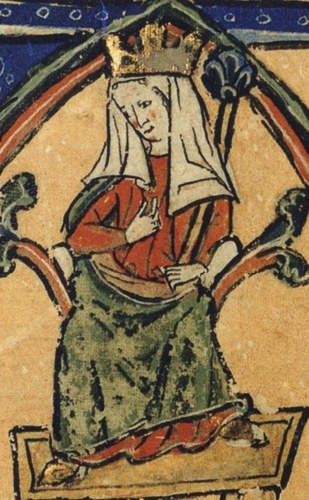
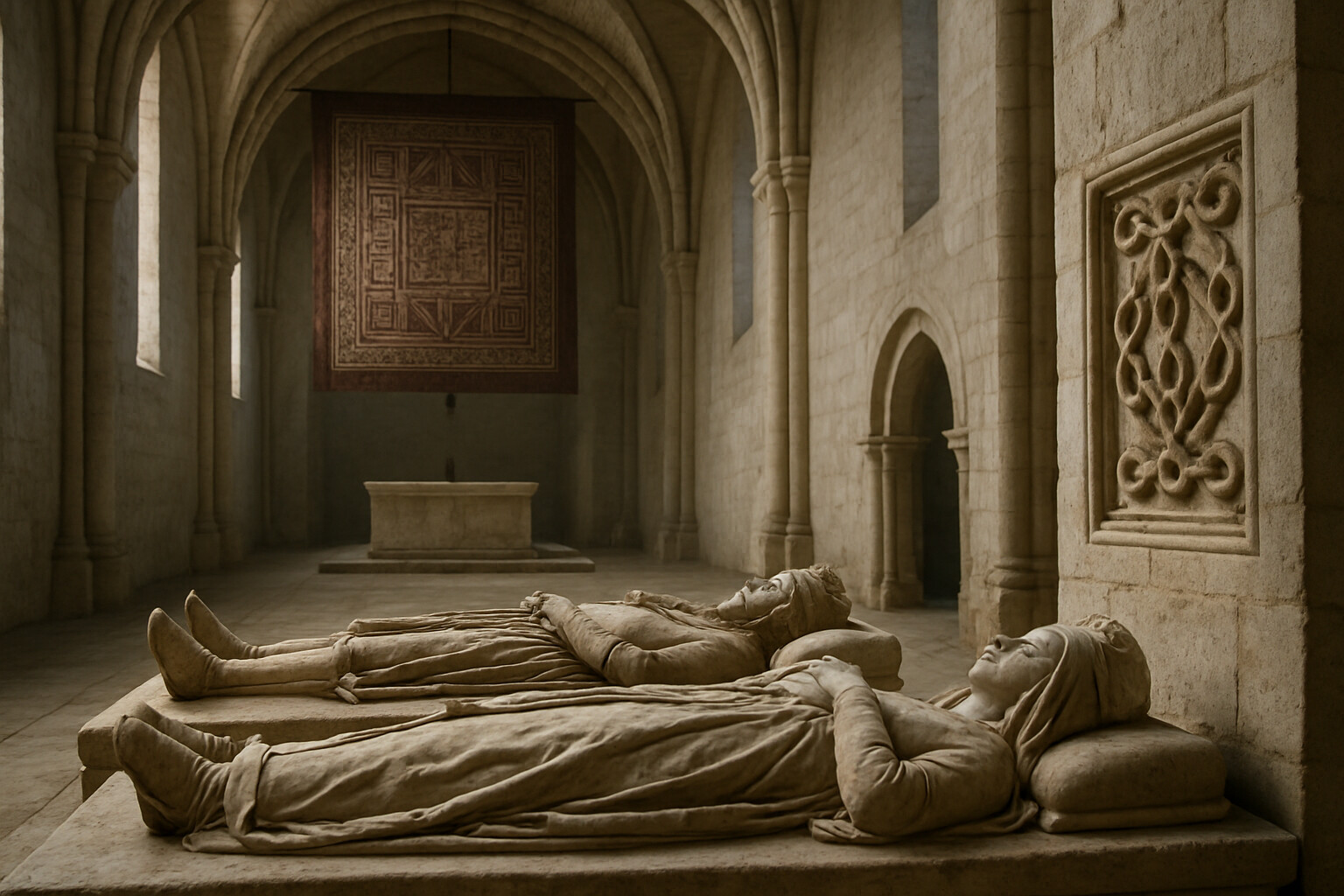
Alfonso VIII did not live long enough to see the full consequences of what he had accomplished. He died in 1214, two years after Las Navas de Tolosa, at approximately fifty-eight years of age. Eleanor of England — daughter of Henry II and Eleanor of Aquitaine, his wife since 1170, a marriage that had reinforced Castile's international standing — died in the same year. Some later accounts describe her death as following Alfonso's within weeks and attribute it to grief, but the precise sequence and cause are not uniformly attested in the primary sources and should be treated with caution. They are buried together at Las Huelgas.
---
The strategic consequences of Las Navas de Tolosa unfolded over the next four decades. The Almohad Caliphate never recovered its military cohesion in Iberia. Internal fractures that had existed before 1212, deepened by the catastrophic loss, fragmented Almohad authority progressively through the 1220s and 1230s. The taifa system — small independent Muslim principalities — re-emerged in a weakened and incoherent form. Alfonso's son Enrique I died young. The Castilian crown passed to Fernando III, who proved to be among the most relentless military kings in Iberian history. Fernando III took Córdoba in 1236, Jaén in 1246, and Seville in 1248. The Kingdom of Murcia was absorbed. By Fernando's death in 1252, the Muslim presence in Iberia had been reduced to the Emirate of Granada — a tributary state that would survive until 1492, but as a remnant, not as a power. The structural blow had been delivered at Las Navas de Tolosa.
The battle occupies an unusual place in historical assessment precisely because its consequences were so disproportionate to its immediate territorial results. Alfonso did not conquer Andalusia in 1212. He did not occupy Córdoba or Seville. He won a field battle, captured a town, and withdrew. But the Almohad military establishment that had made the southern frontier permanently contested for nearly a century did not reconstitute itself. The field army capable of threatening Toledo or pushing to the Tagus was gone. That absence shaped the following fifty years of Iberian history more completely than any single fortress taken or treaty signed.
For Alfonso VIII himself, Las Navas de Tolosa was the reversal of Alarcos — not only in the symbolic sense that chroniclers have always emphasized, but in the concrete strategic sense that the Almohad military capacity that had crushed him in 1195 was eliminated in 1212. He had spent seventeen years working toward this outcome: rebuilding Castilian military capacity, constructing alliances across traditional rivalries, securing papal authorization for a crusade designation, and waiting for the conditions under which a decisive engagement could be forced. The patience, the coalition-building, and the operational decision to bypass the Sierra Morena passes combined to produce a result that altered the trajectory of the peninsula.
The chains on the Navarrese coat of arms, the standard in Las Huelgas, and the letter in the papal archive are not metaphors. They are objects and documents that connect directly to a morning in July when the military balance of medieval Iberia shifted and did not shift back.
---
The plateau at Las Navas de Tolosa is quiet now. The town of Santa Elena sits near the old battlefield in the province of Jaén, and the landscape retains the broad, open character that made it suitable for the deployment of large medieval armies. There are no dramatic heights, no river anchoring the flanks in an obvious way — just the rolling Andalusian tableland where two forces of unknown but substantial size met and one of them ceased to exist as a coherent military formation.
Eight centuries is a long time. The specific positions of the three Christian divisions, the exact line of the Navarrese charge, the location of al-Nasir's tent and the chains around it — these details cannot now be definitively fixed on the ground. No systematic battlefield archaeology of the site has been published to supplement what the chronicles provide. What the record does establish is the sequence: a Christian coalition that nearly dissolved before it crossed the mountains; a mountain passage that bypassed a prepared defense; a morning of grinding attrition followed by a cavalry penetration that broke an elite formation; and the long strategic unraveling that followed over the next four decades.
Alfonso VIII had fought his entire adult life to reverse the consequences of a single defeat. On a plateau in the Sierra Morena foothills, whose name became one of the most significant in medieval Iberian history, he managed it.