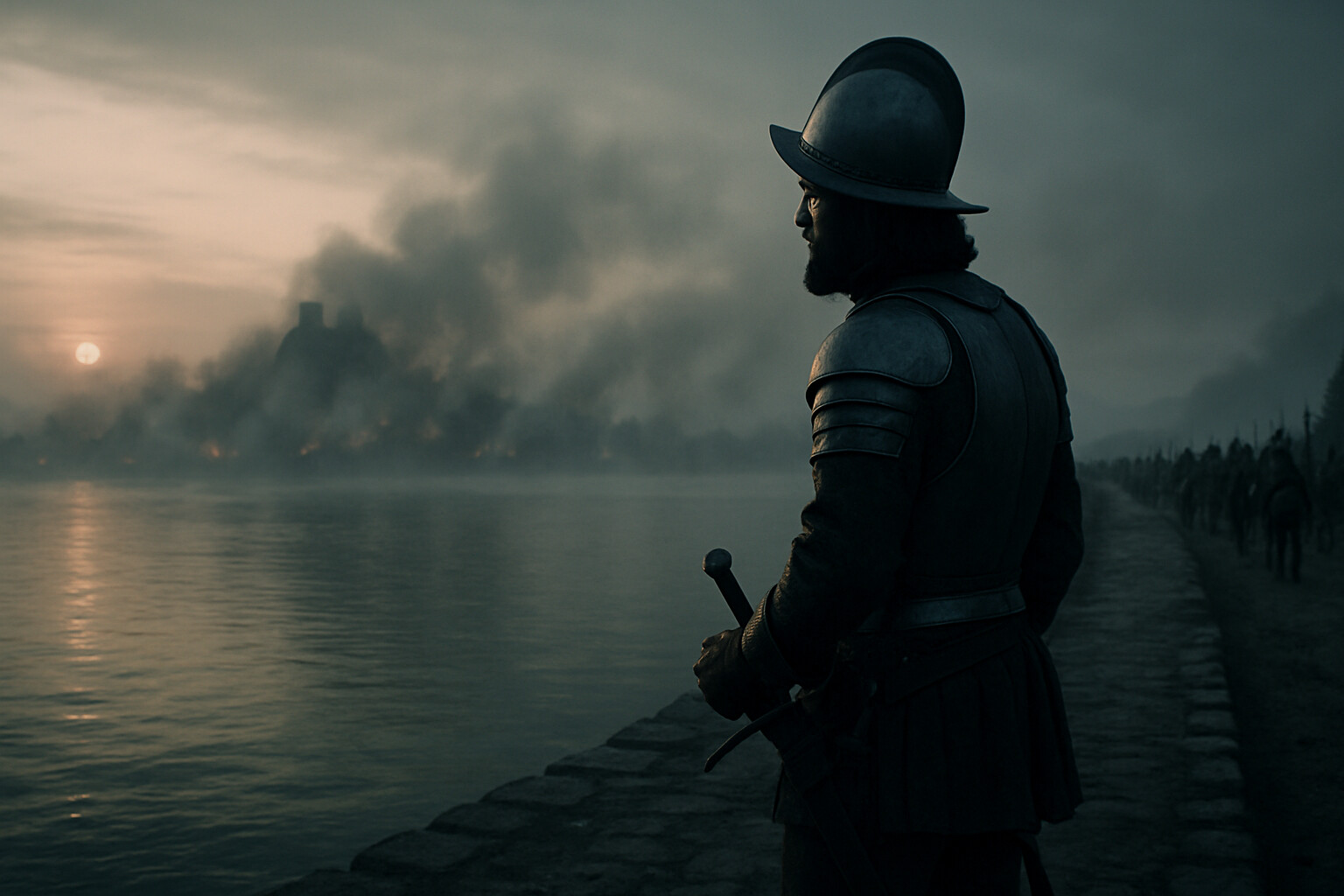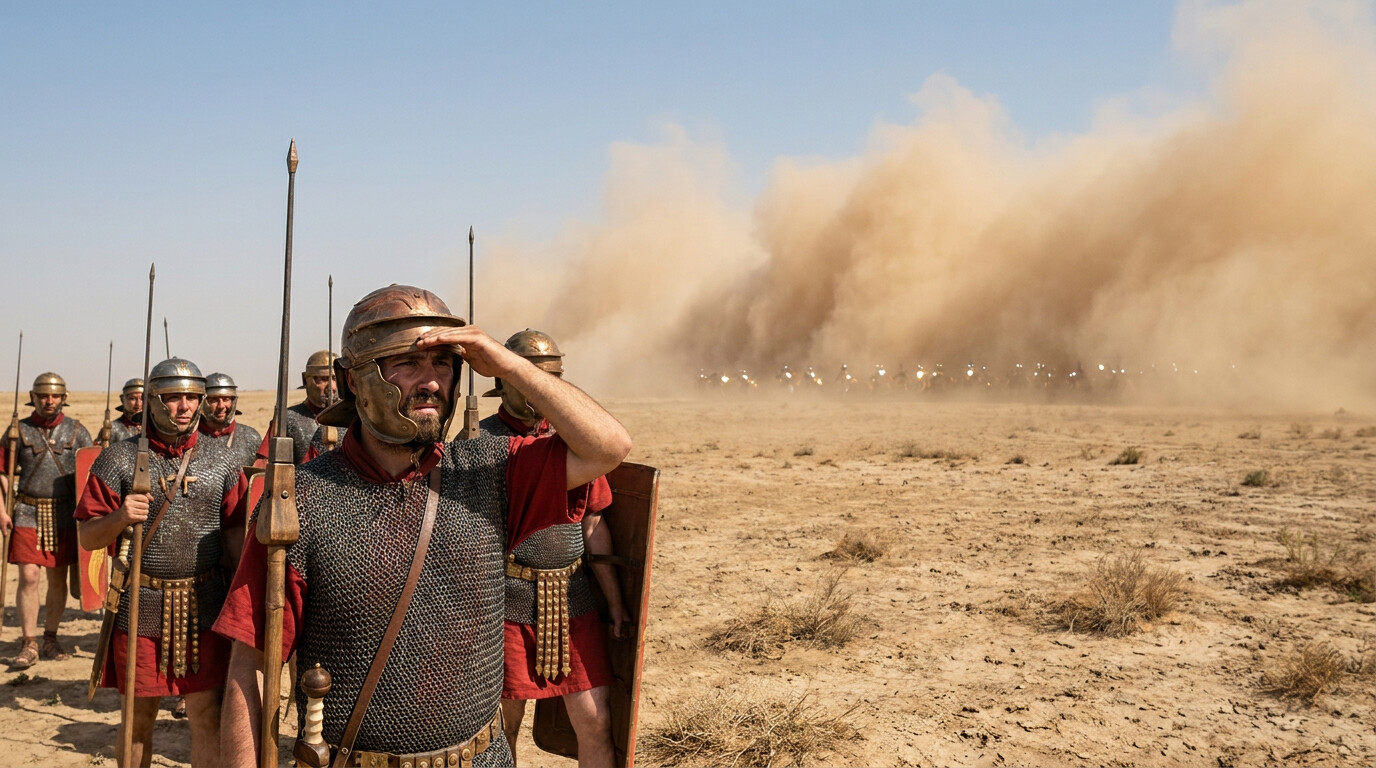
The riders came from the south, and they had been coming for over a century.
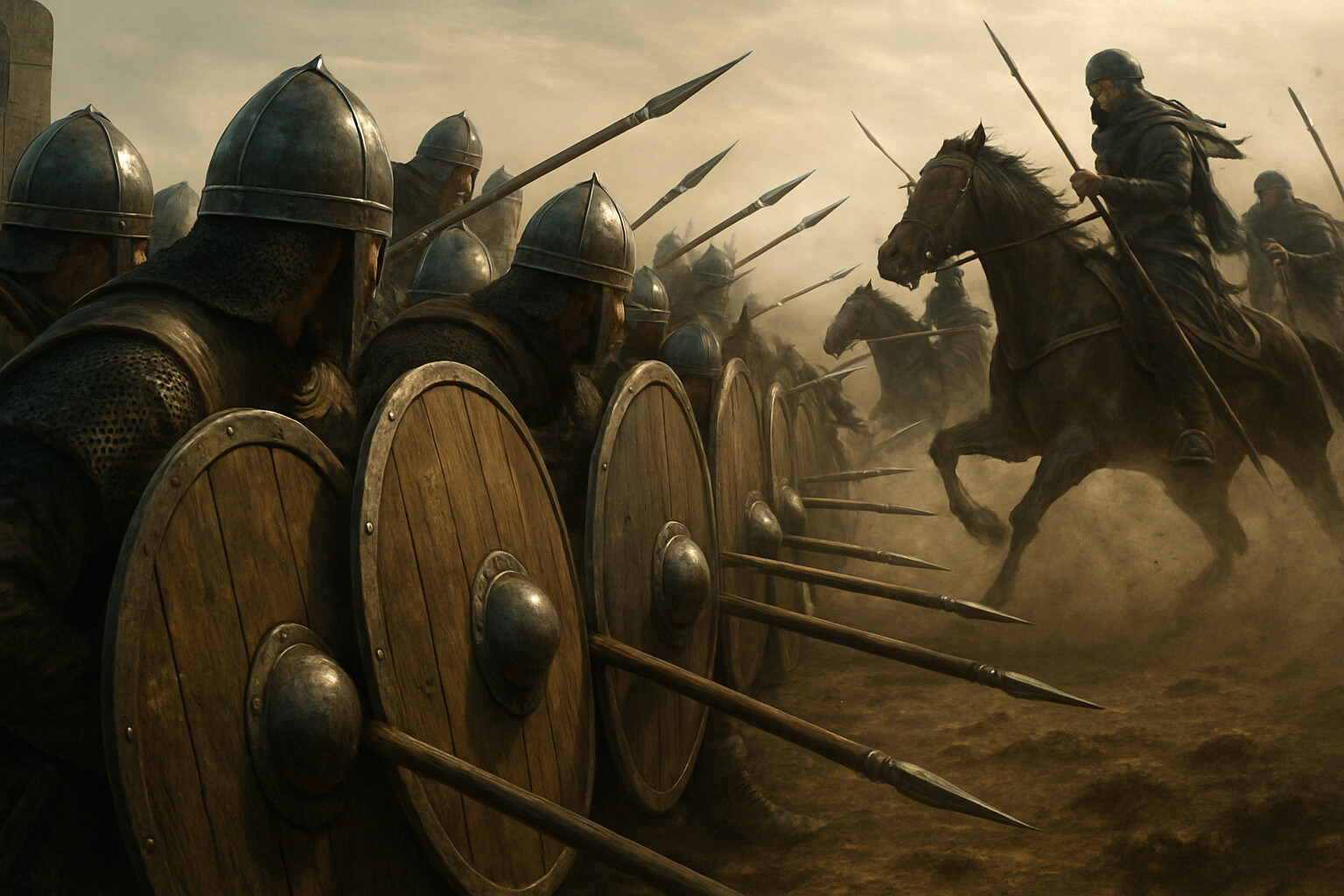
Somewhere along a Roman road in the valley between the Vienne and the Clain rivers, on a plain of hardened autumn earth edged by oak and beech forest, a wall of Frankish warriors waited. They stood in a formation their enemies had not expected from northern fighters—close, locked, deep. Their shields overlapped. Their feet did not move. The Umayyad cavalry had swept through Iberia, crossed the Pyrenees, burned Bordeaux, and sacked the basilica at Poitiers. Now the horsemen dressed their lines for another charge at the infantry in front of them. What happened in the next several days would become one of the most debated events in medieval history—and one of the most consequential.
To understand what Charles Martel built and what he stopped, you have to begin much earlier, and much farther south.
---
**The Long Road to Tours**
In 711, a combined Arab-Berber force under Tariq ibn Ziyad crossed the strait that now bears his name—Gibraltar, from Jabal al-Tariq, the mountain of Tariq—and destroyed the Visigothic kingdom of Hispania in a campaign of remarkable speed. Within a decade, the Iberian Peninsula was largely under Umayyad control. The Umayyad Caliphate at this moment was the most powerful political entity in the world, stretching from central Asia to the Atlantic coast. Its armies had absorbed Persia, Egypt, North Africa, and now Hispania. Its cavalry was experienced, its commanders seasoned by generations of rapid conquest, and its religious motivation intertwined with a political logic of expansion that showed no sign of exhausting itself.
The Pyrenees were not a permanent barrier. Umayyad raiding parties crossed them in the years following the Iberian conquest, probing Septimania and Aquitaine. The town of Narbonne fell in 719 and became an Umayyad administrative outpost. In 721, a major force besieged Toulouse but was repulsed by Duke Odo of Aquitaine—a significant check, but not a halt. Raiding continued into the 720s, reaching as far as Burgundy and the Rhône valley. The pattern was one of deep penetration, plunder, and withdrawal, rather than permanent settlement north of the Pyrenees, but each raid probed further and grew bolder.
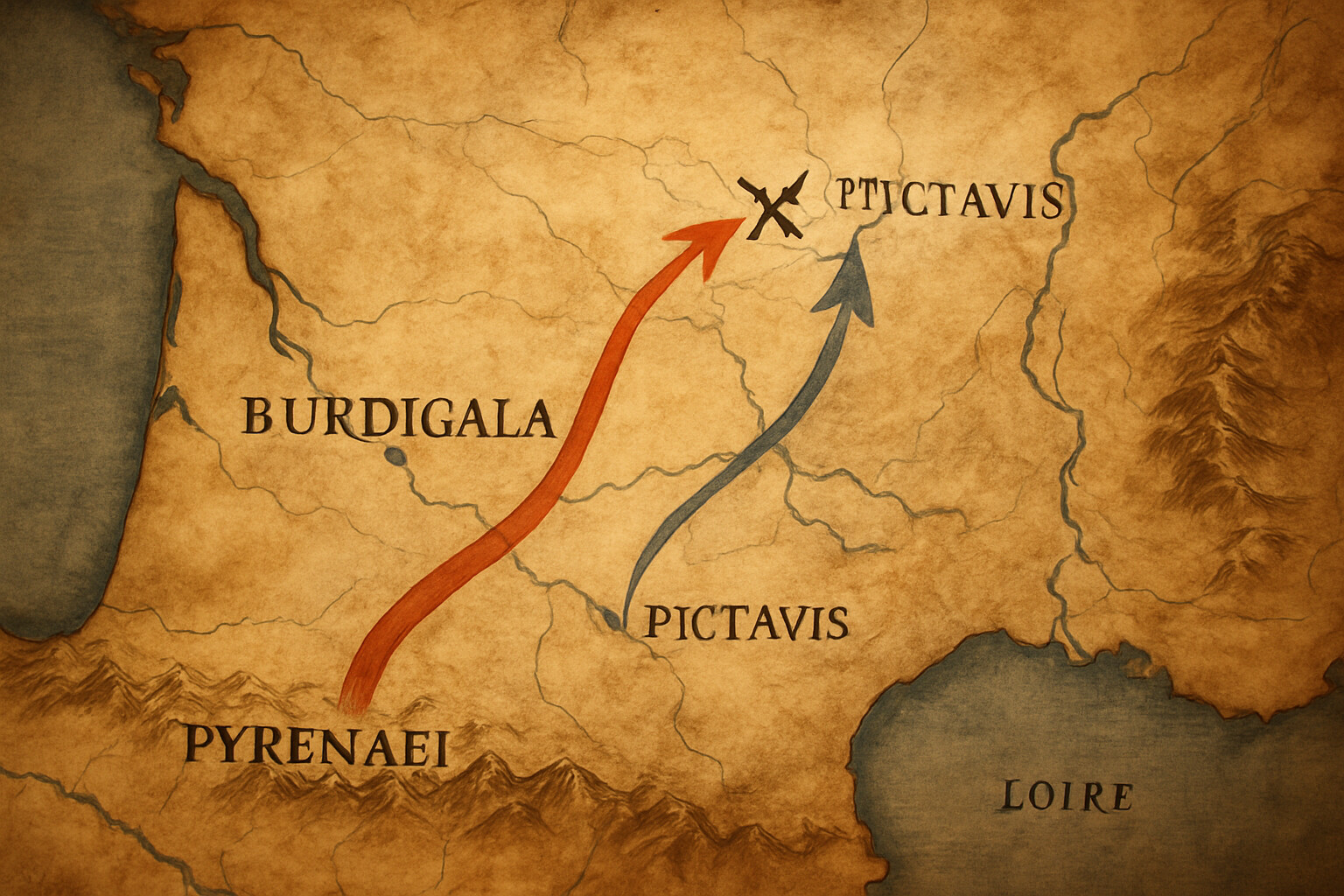
By 732, the governor of al-Andalus, Abd al-Rahman al-Ghafiqi, led what the Arabic sources describe as a large force—the exact number is unknown and has been the subject of persistent exaggeration in both medieval and modern accounts—across the western Pyrenees and deep into Aquitaine. He defeated Odo of Aquitaine in battle near Bordeaux with severe losses, and contemporary Frankish chronicle sources describe the burning of churches and the sacking of property across the Garonne basin. The Frankish continuator of the Chronicle of Fredegar, written close in time to the events, records that Abd al-Rahman drove deep into Gaul and approached Tours, a city whose wealth centered on the shrine of Saint Martin, the most important religious site in Frankish Christianity. The symbolic weight of that target, and the political weight of losing it, cannot be overstated.
Odo of Aquitaine, battered, retreated northward and appealed to a man he had spent years fighting: Charles Martel.
---
**The Man Called the Hammer**
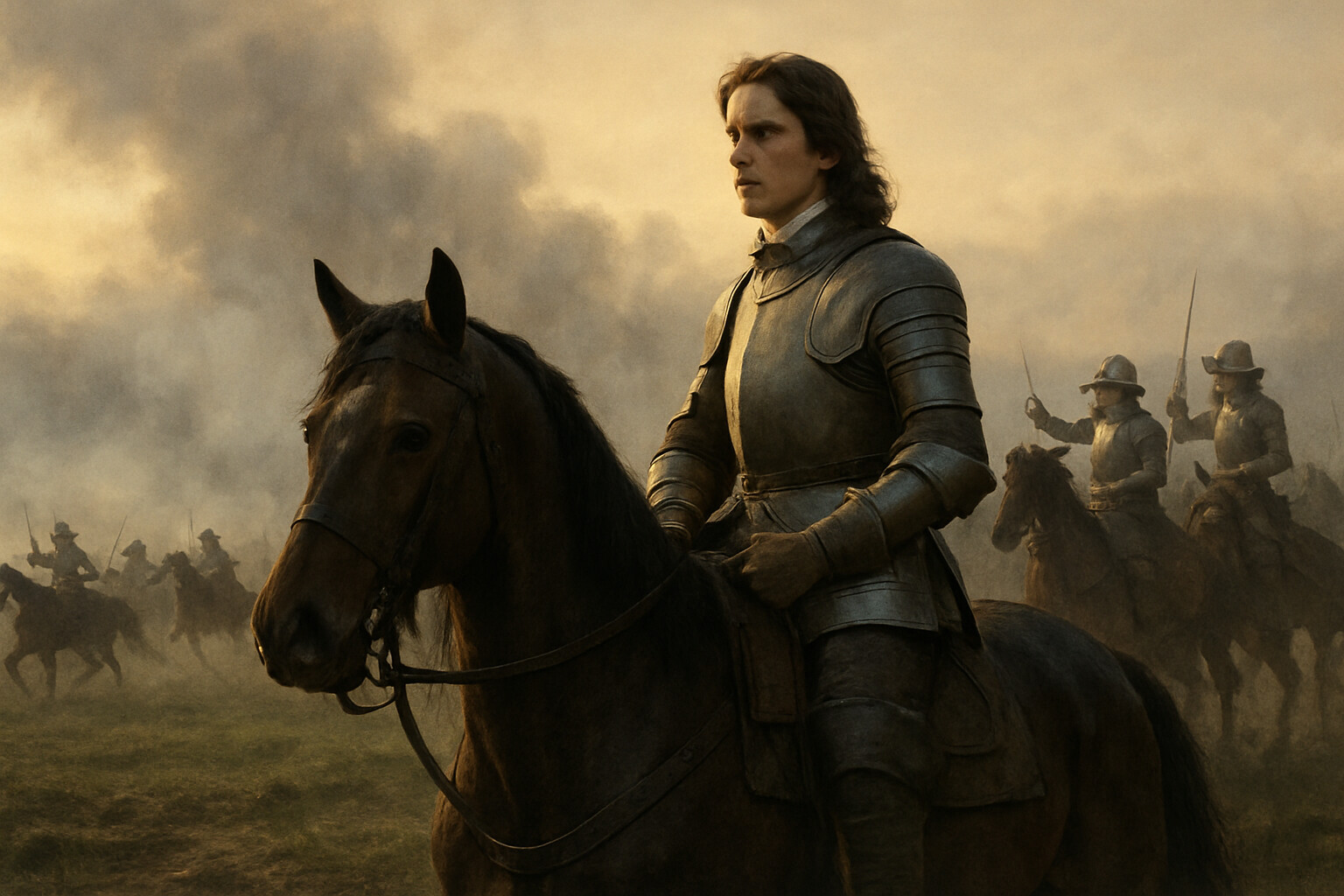
Charles Martel—Carolus Martellus, Charles the Hammer—was not a king. That title belonged to the Merovingian dynasty, by 732 a line of monarchs whose actual power had eroded almost completely. Charles held the office of Mayor of the Palace, the administrative and military commander of the Frankish kingdoms, a position he had seized through years of brutal civil war, political calculation, and battlefield success. He was the illegitimate son of the previous mayor, Pepin of Herstal, and had fought his way to dominance against rival Frankish nobles, Neustrian opponents, Saxon raiders, and Frisian chiefs. By 732 he was, in every practical sense, the ruler of the Franks, though the formal kingship would belong to his descendants.
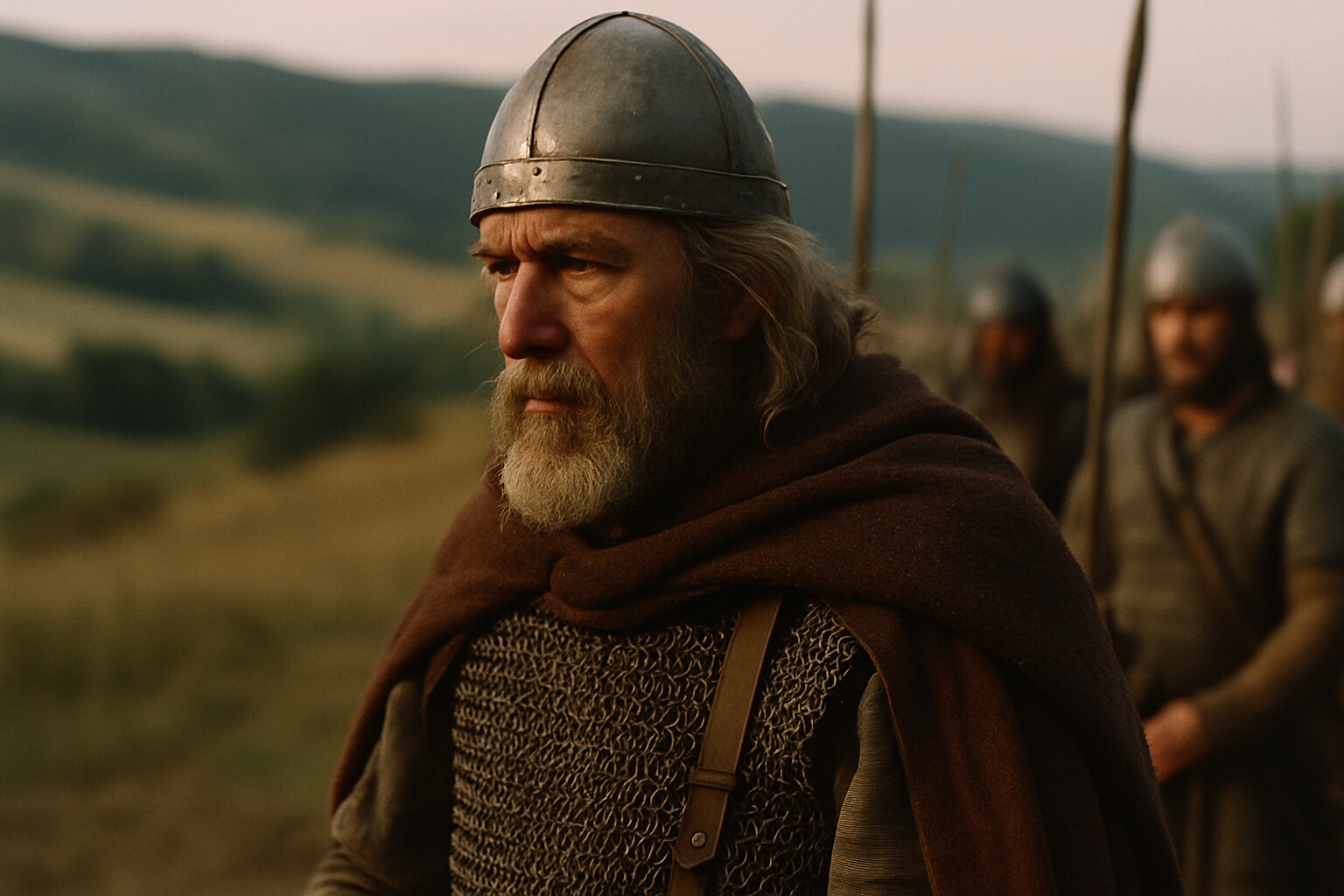
Charles was approximately forty-four years old at Tours. He had spent most of his adult life in military command and had developed a force that was, by the standards of early medieval Western Europe, unusual in its discipline and tactical cohesion. The Frankish military tradition was predominantly infantry-based at this period—the image of the heavily armored Frankish knight as the dominant figure belongs to a later era, one that Charles himself helped set in motion through grants of land to mounted retainers. In 732, however, his primary instrument of battle was the Frankish foot soldier: heavily armed by contemporary standards, drilled in close-formation fighting, and disciplined enough to hold ground against mounted assault.
The political stakes for Charles were existential. The Umayyad advance threatened not only the territories of his ally-turned-petitioner Odo but the Frankish heartland itself. More than that, it threatened the Frankish church—and the Frankish church was the primary institutional partner through which Charles and his successors would govern. To lose Tours and its basilica would have been a political catastrophe of the first order. Charles marched south.
---
**The Ground Between the Rivers**
The precise location of the battle remains one of the genuinely contested questions in early medieval scholarship. Ancient and medieval sources call it variously the Battle of Tours, the Battle of Poitiers, or refer to a location between the two cities. Modern scholarly consensus, based on the Continuatio of the Chronicle of Fredegar and analysis of Roman road networks, generally places the engagement on a plateau or open plain north of Poitiers, roughly in the area between the Vienne and Clain rivers, possibly near what is now Moussais-la-Bataille—a village whose very name preserves the local memory of the engagement. The exact coordinates remain approximate; no archaeological excavation has definitively identified the battlefield.
The terrain matters for understanding the tactics. The area between Poitiers and Tours is rolling country, with stretches of open plateau suitable for cavalry movement and forested edges that would have constrained flanking maneuvers. Roman road systems in this region were well-maintained enough in the eighth century to support the movement of large forces. The Umayyad army, enriched with plunder and burdened with baggage wagons and goods taken from Bordeaux and Poitiers, was not in ideal condition for swift maneuver. The Frankish force, moving quickly from the north and northeast, had the advantage of choosing their ground.
The Continuatio of Fredegar describes a confrontation that lasted approximately seven days before the main engagement—a period of reconnaissance, positioning, and skirmishing during which both forces assessed each other across a contested piece of ground. This is plausible given the tactical situation: Abd al-Rahman commanded a force strong in cavalry and accustomed to mobile warfare; Charles commanded infantry whose greatest advantage was cohesion and whose greatest vulnerability was exactly what cavalry could exploit if they caught infantry in the open and disordered. The delay suggests both commanders were waiting for conditions that favored their respective strengths.
Charles chose to fight on ground that maximized the defensive value of his formation. The sources suggest—though do not confirm in precise detail—that he positioned his force with forested flanks or elevated ground to reduce the exposure of his infantry to encirclement. What is clear from the accounts is that the Frankish formation was unusual enough in its discipline and solidity to be remarked upon: the Continuatio describes the Franks standing like a wall of ice, immovable.
---
**The Armies**
Estimates of force strength for medieval battles are among the most unreliable numbers in military history, and Tours is no exception. Early accounts speak of hundreds of thousands on the Umayyad side—figures that are logistically impossible and reflect rhetorical convention rather than enumeration. Modern historians generally estimate the Umayyad force at somewhere between fifteen and twenty thousand fighting men, with a significant contingent of cavalry that included both Arab and Berber horsemen. The Frankish force was probably of similar scale, or somewhat smaller. These numbers are educated estimates, not documented counts.
The Umayyad cavalry was the primary offensive instrument. These were experienced horsemen, armed with lances, swords, and in some cases light armor, mounted on horses bred for speed and endurance in the semi-arid conditions of North Africa and Iberia. Their tactical doctrine, refined across decades of conquest, relied on shock—the charge delivered at speed, designed to break enemy formations before they could close to hand-to-hand range. Against disordered or retreating infantry, this method was devastatingly effective. Against a disciplined formation that refused to break, it had a fundamental problem: horses do not willingly run into solid walls of men and shields. The charge depended on the defending infantry flinching first.
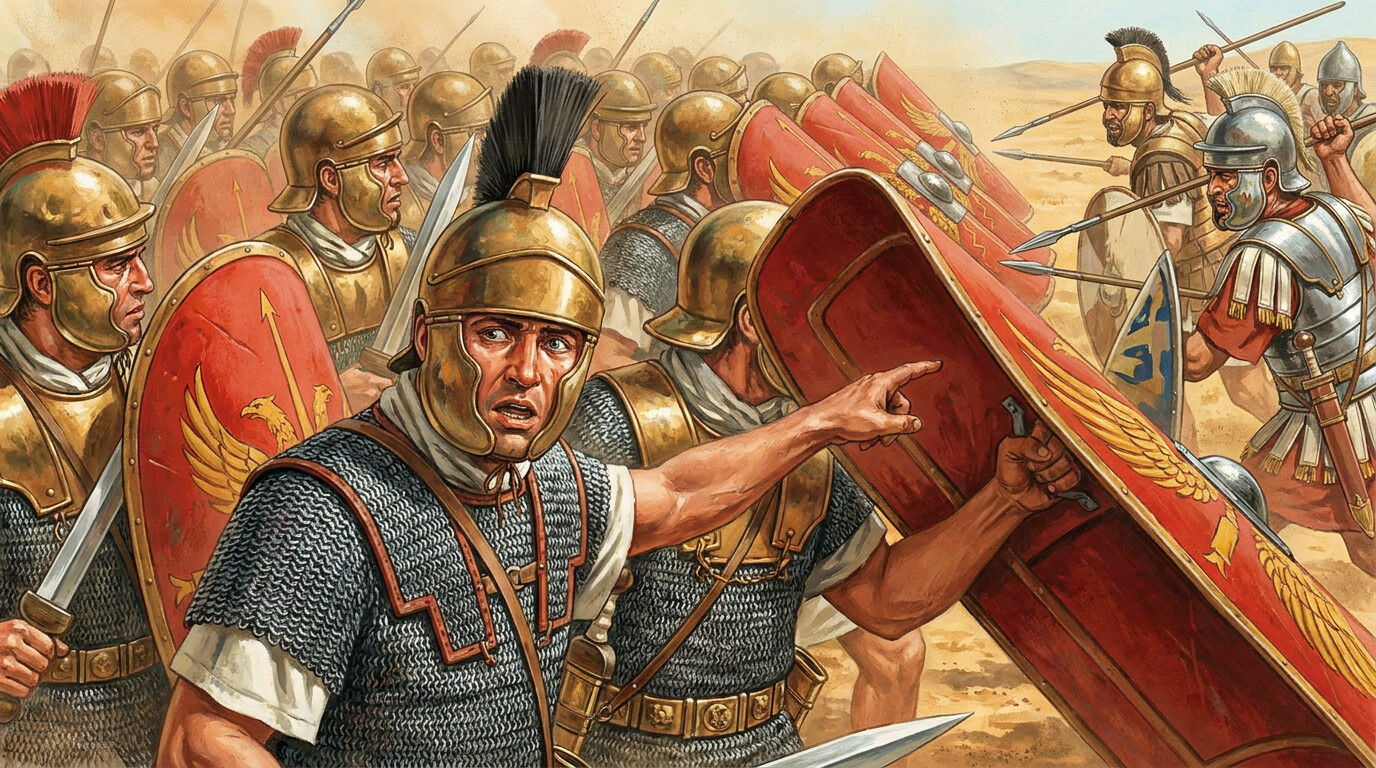
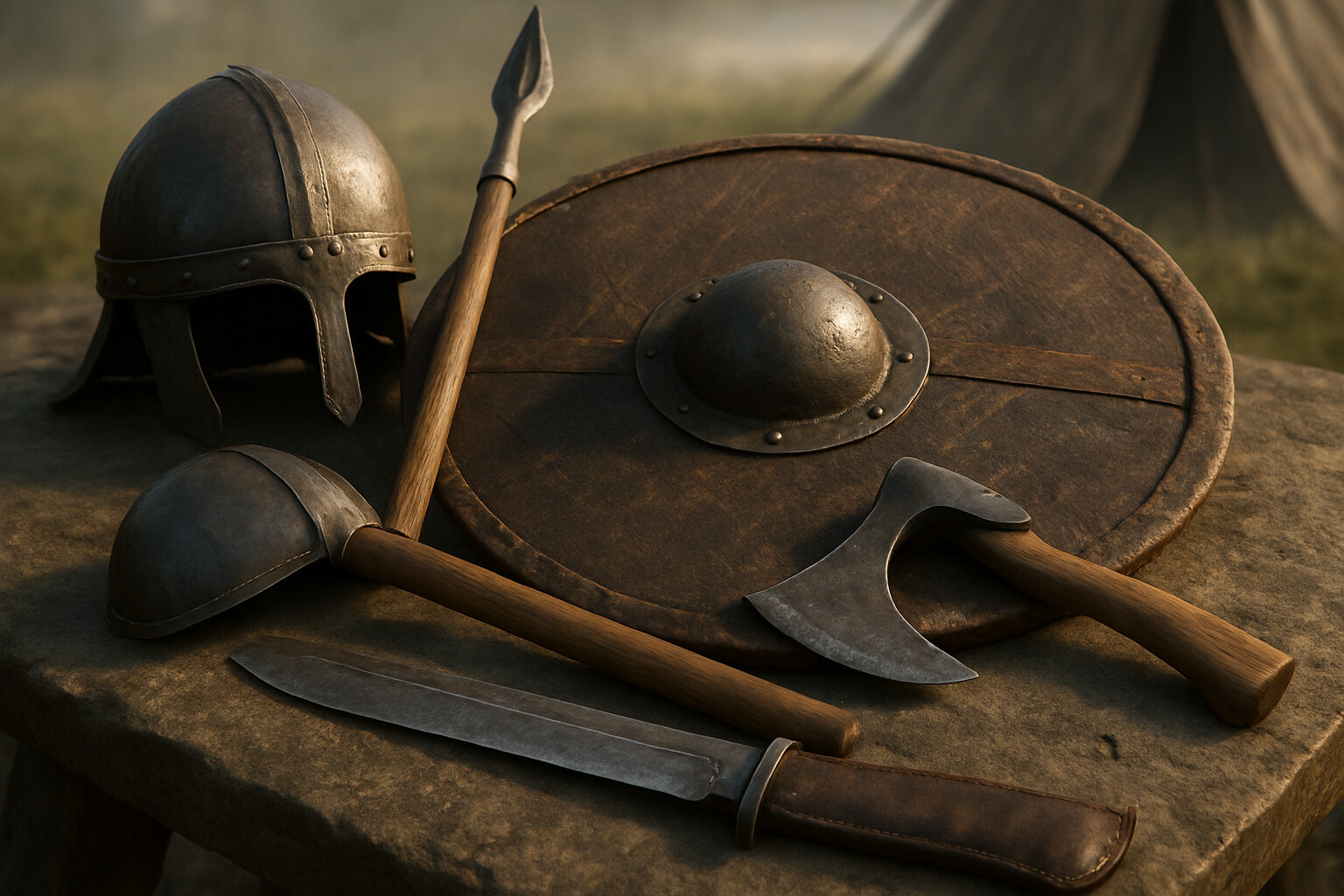
The Frankish infantry of Charles's force was armed with the spear, the scramasax (a heavy single-edged fighting knife), the francisca (a throwing axe characteristic of Frankish warriors), and where available, swords. Helmets were iron or leather, and shields were large wooden rounds or ovals reinforced with iron bosses. The richest warriors wore mail, but many carried only hardened leather protection. What they possessed beyond equipment was formation discipline—the ability to stand locked together under pressure, absorbing the psychological impact of a cavalry charge without dispersing.
It is worth pausing on why this was so difficult to achieve. A cavalry charge in the pre-gunpowder era was as much a psychological weapon as a physical one. The thunder of hooves, the visual mass of horses and armed riders at speed, the noise, the dust—all of it was engineered to make infantry break and run. Running infantry, once disordered, could be ridden down and killed at will. Infantry that held its ground, kept shields up, and presented a continuous hedge of spear points forced the horses to check, mill, and wheel away. But holding that ground required men to suppress instinct and trust the man beside them absolutely. This is what Charles had built. This is what he now deployed.
---
**The Battle**
The engagement itself—the day or days of active fighting—occurred in October 732. The exact date within the month is uncertain; the Continuatio and the related Arabic source, an anonymous chronicle sometimes called the Chronicle of 754 composed in al-Andalus within a generation of the battle, both confirm the autumn timing and the general location between Tours and Poitiers.
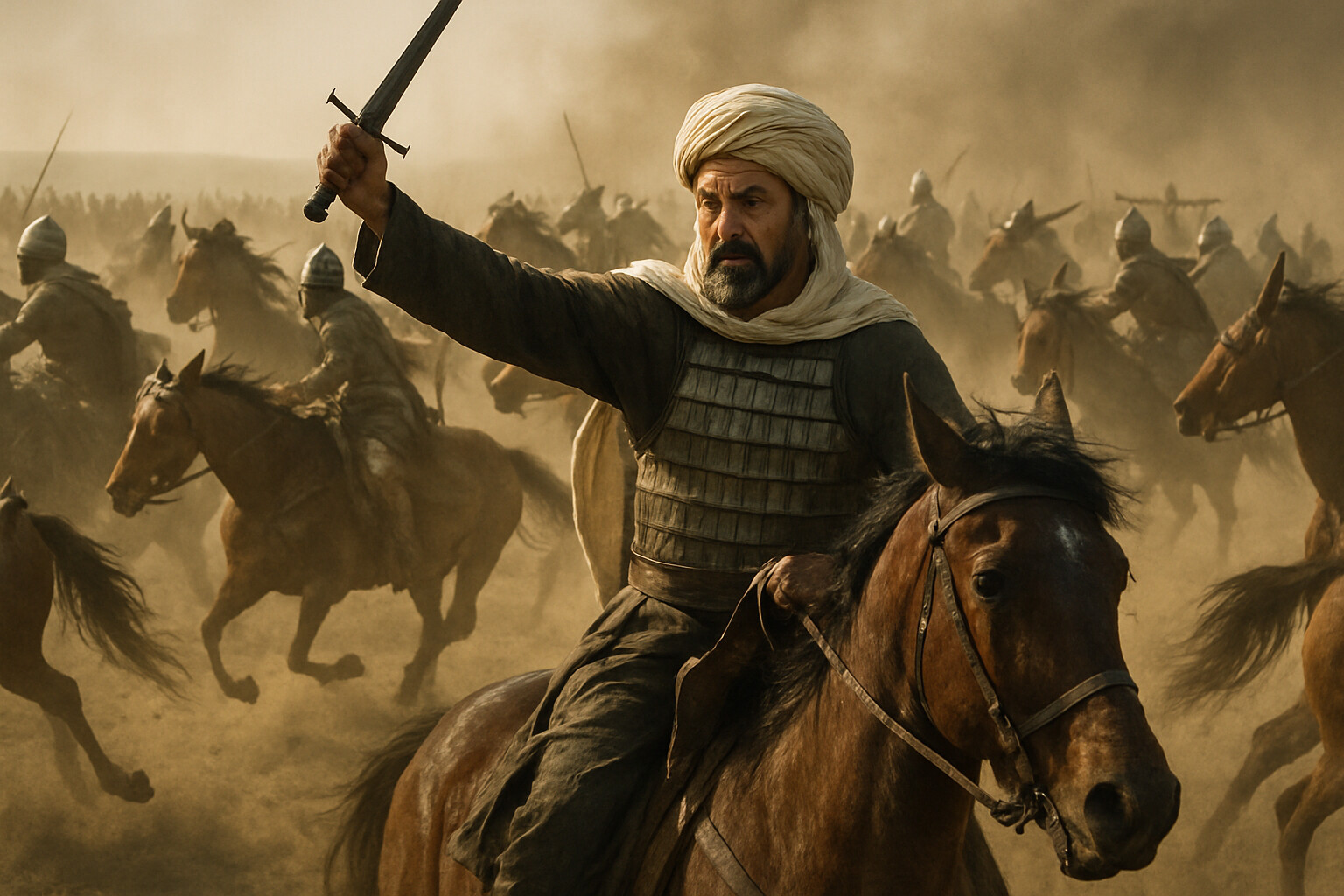
The Umayyad cavalry charged. They charged more than once. The Arabic chronicle describes the Frankish warriors as standing like a wall, their ranks unbroken by repeated assault. The Continuatio echoes this: the Franks, it records, stood firm like a glacier and cut down the Arabs with their swords. These are not eyewitness accounts in the modern sense—they are chronicles composed shortly after the event—but their convergence on the image of an immovable Frankish formation is striking and suggests it captured something real about the tactical dynamic.
At some point during the fighting, a significant event shifted the momentum. The Continuatio records that a portion of the Frankish force—or a detached Frankish contingent—broke away and attacked the Umayyad encampment and the baggage train in the rear. This was either a deliberate Frankish flanking maneuver ordered by Charles, or an opportunistic move by part of the force, or—and this is the account in some sources—Frankish scouts or light troops acting independently. The effect was decisive regardless of cause. When news spread through the Umayyad ranks that their camp and plunder were under attack, a significant portion of the cavalry broke off the assault to return and protect what they had taken. The cohesion of the Umayyad force fractured.
In the confusion of this withdrawal or partial withdrawal, Abd al-Rahman al-Ghafiqi was killed. The Arabic sources confirm this, describing him as falling in the battle, surrounded and cut down when he attempted to rally his men and halt the disintegration. His death removed the command authority that might have reconstituted the Umayyad attack.
Charles Martel held his formation. This decision—not to pursue aggressively into the breaking cavalry with infantry—may have been the most important tactical judgment of the battle. The Frankish sources suggest he was cautious about an ambush or feigned retreat, a tactic he knew mounted forces used. His infantry formation, intact and disciplined, remained on the field.
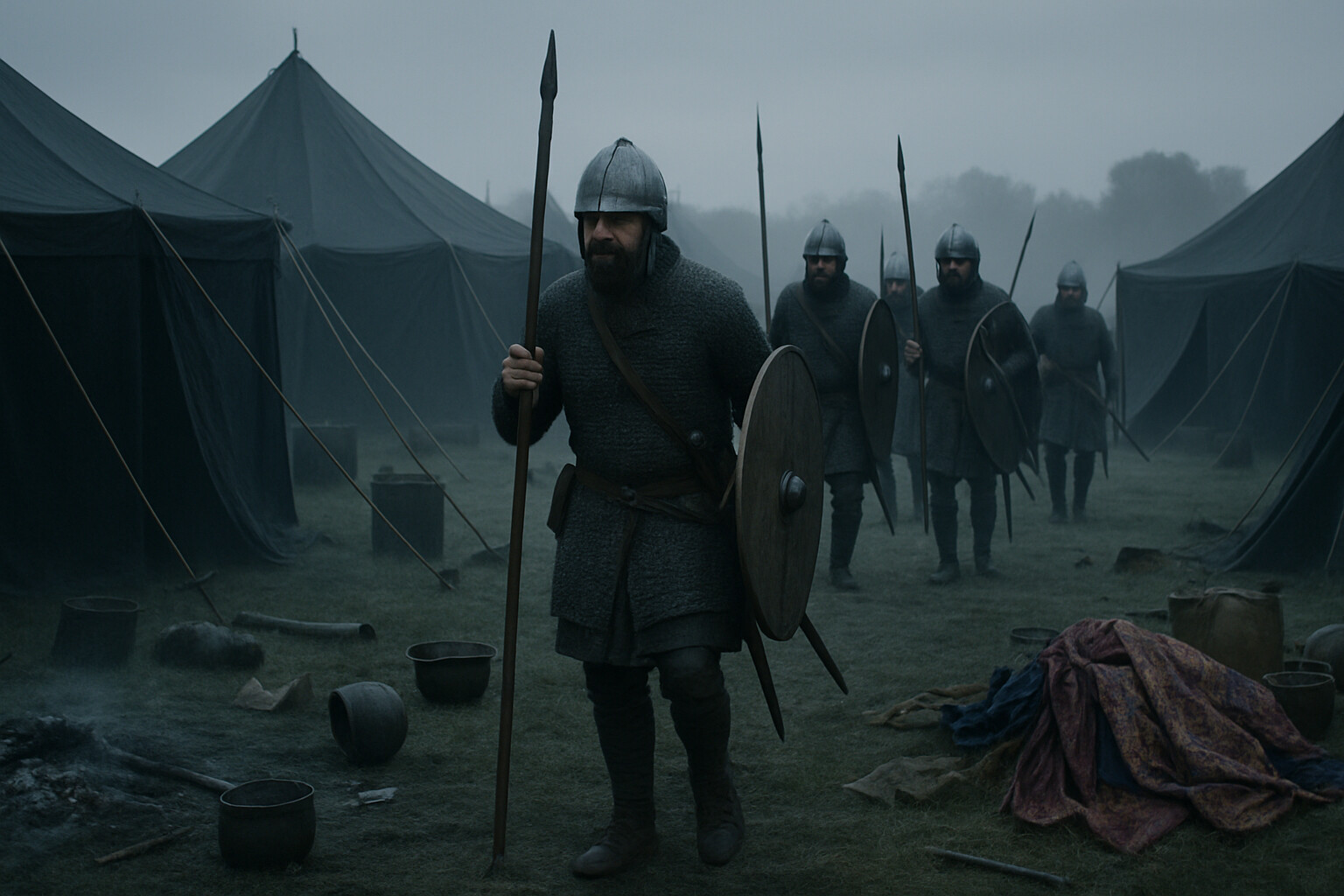
When dawn came the following day, the Umayyad encampment was empty. The army had withdrawn in the night, leaving their tents, much of their plunder, and their dead commander behind. The Franks moved carefully before accepting that the withdrawal was real. The Chronicle of Fredegar's Continuatio records that when the Franks went to the camp, they found it abandoned—the silence where an army had been the night before.
The army did not return. The Umayyad forces fell back south, eventually withdrawing across the Pyrenees. There would be further Umayyad incursions into Frankish territory in the years that followed—Charles campaigned in Septimania repeatedly across the 730s—but the deep penetrating raid into the Frankish heartland was broken. Tours and the shrine of Saint Martin were never sacked.
---
**The Cost**
Frankish casualties at Tours are not recorded in any source with numerical specificity. The nature of the engagement—an infantry formation absorbing cavalry charges rather than an offensive action—suggests the Franks took losses at their flanks and front during the repeated assaults, but the intact formation at battle's end implies these losses did not compromise the force's cohesion. The Umayyad dead are similarly unquantifiable; the later medieval figure of three hundred and seventy-five thousand is an obvious rhetorical construction and has no evidentiary basis.
What is documented is the death of Abd al-Rahman al-Ghafiqi, confirmed in both Frankish and Arabic sources. His loss was not merely a command casualty—it was the removal of the political and military figure whose authority had organized and sustained the expedition. Without him, the army could continue south. It could not continue north.
Odo of Aquitaine survived the campaign. His relationship with Charles remained complicated; he had submitted to Frankish overlordship to obtain military support, a subordination he had long resisted. He would die sometime around 735, with the political terms of his submission still unresolved. The battle saved his territory without restoring his independence.
For the ordinary Frankish warriors who stood in the formation that October—men whose names do not survive in any chronicle, who held shields against cavalry and trusted Charles's tactical judgment—there is no individual record. They are the anonymous infrastructure of one of medieval history's most analyzed moments.
---
**What the Sources Say—and Do Not Say**
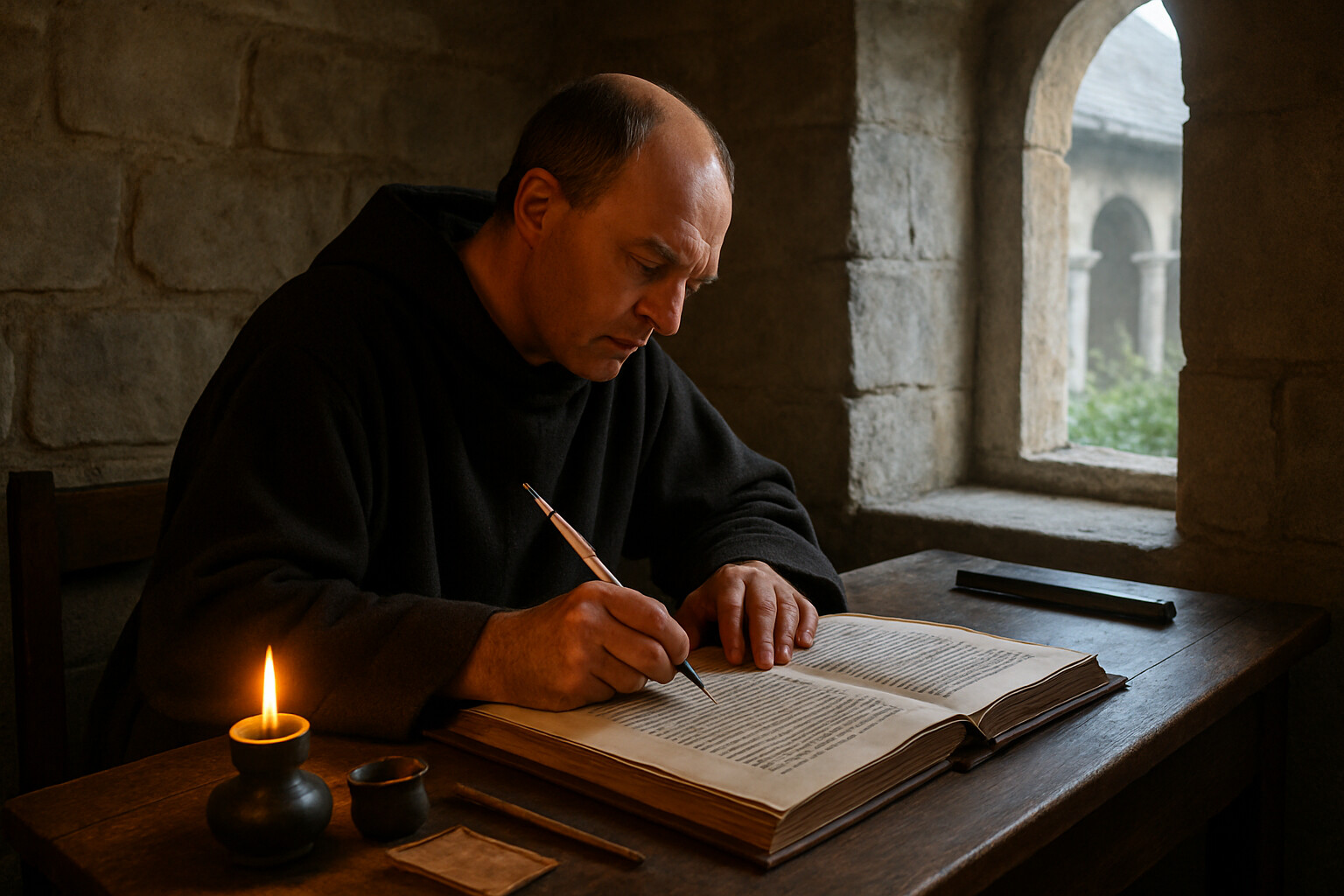
The primary near-contemporary sources for the Battle of Tours are the Continuatio Fredegarii, a continuation of the Chronicle of Fredegar compiled at the Frankish court, probably in the 730s; the Chronicle of 754 (Chronica Muzarabica), an anonymous Latin chronicle written in al-Andalus within approximately a generation of the battle; and the later Liber Historiae Francorum. These sources agree on the basic facts: a confrontation between Frankish and Umayyad forces in the autumn of 732, Frankish tactical success, the death of Abd al-Rahman, and the withdrawal of the invading army. They diverge on details of duration, location, and the precise mechanics of the Frankish victory.
Later Arabic historians—including Ibn Abd al-Hakam in the ninth century and Ibn al-Athir in the twelfth—provide additional accounts, though written further from the events and with their own interpretive frameworks. The Arabic tradition generally acknowledges the defeat and the commander's death while sometimes emphasizing that the withdrawal was chosen, or that the army remained strong.
The vast inflation of the battle's significance in later Western historiography—particularly in the eighteenth and nineteenth centuries, when writers including Edward Gibbon in his Decline and Fall of the Roman Empire portrayed Tours as the hinge on which the fate of European civilization swung—has generated considerable scholarly reaction. Twentieth- and twenty-first-century historians including Henri Pirenne, Bernard Lewis, and more recently Alessandro Barbero and Paul Fouracre have urged caution about reading the battle as a world-historical turning point rather than a large and consequential but not uniquely decisive military event. The Umayyad northern raids were already showing signs of diminishing strategic coherence before 732; the Caliphate was dealing with significant internal instability; and the Franks had demonstrated military effectiveness against Umayyad raiding before.
None of this diminishes what Charles Martel achieved at Tours. It contextualizes it honestly. He stopped a large, aggressive, well-led force that had already destroyed one significant Frankish ally and penetrated deeper into western Francia than any previous Umayyad expedition. He did it through tactical discipline and command judgment. He then spent the following years systematically reducing Umayyad influence in Septimania and securing the Pyrenean frontier. The battle was the most dramatic single event in that campaign, not the entirety of it.
---
**Aftermath and Legacy**
Charles Martel continued to campaign vigorously after Tours. In 737 he besieged Avignon and drove Umayyad forces from the Rhône valley. He campaigned repeatedly in Septimania, though Narbonne, the major Umayyad administrative center in Gaul, did not fall until 759—well after his death—when its Visigothic inhabitants expelled the garrison and handed the city to his son Pepin the Short. The military campaign Charles began at Tours took nearly three decades to complete.
Charles died in October 741, nine years after Tours. He left his realm divided between his sons Carloman and Pepin, as was Frankish custom. Carloman eventually retired to monastic life, and Pepin became the sole ruler of the Franks. In 751, with papal sanction, Pepin set aside the last Merovingian king and took the royal title—a transformation his father had done the work for but never completed. Pepin's son was Charlemagne.
The line that runs from Charles Martel's tactical decision on an October plateau in central Francia to the Carolingian Empire, to the political structures of medieval Western Europe, and to the emergence of the Papacy as a temporal power is not a straight one, and historians are right to resist drawing it too neatly. But the connections are real. Charles's victory at Tours preserved his political authority and expanded it. That authority funded and organized the military reforms—including the growing importance of armored cavalry and the land grants that would become the feudal system—that shaped Frankish warfare for the following century. His alliance with the papacy, which he deepened by providing military protection to the church, created the template for Carolingian power.
The anonymous chronicler who continued Fredegar's work knew he was recording something significant. He described the Umayyad forces as the nations from the south and east who had assembled against the Frankish people, and he recorded their defeat and their leader's death with unmistakable satisfaction. He did not claim a miracle—he credited the Frankish swords and the discipline of Charles's warriors.
The warriors themselves left no account. They stood in the cold autumn air of central Francia, in a valley between Roman roads, and they did not move when the horses came. That discipline, multiplied across thousands of anonymous men, is the actual substance of what Tours meant. Charles Martel organized it, commanded it, and held it together at the moment it was tested. For those several days in October 732, that was enough.