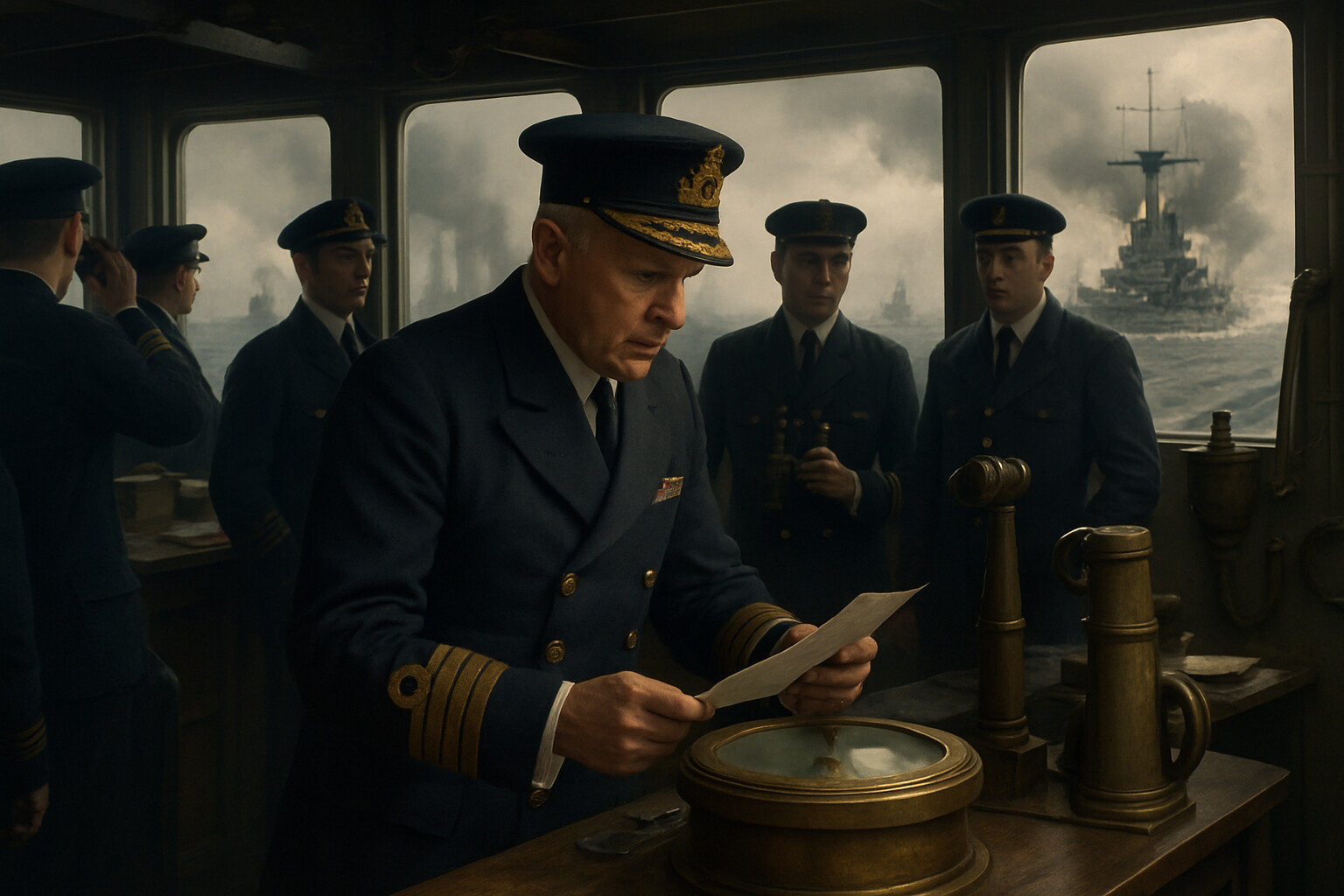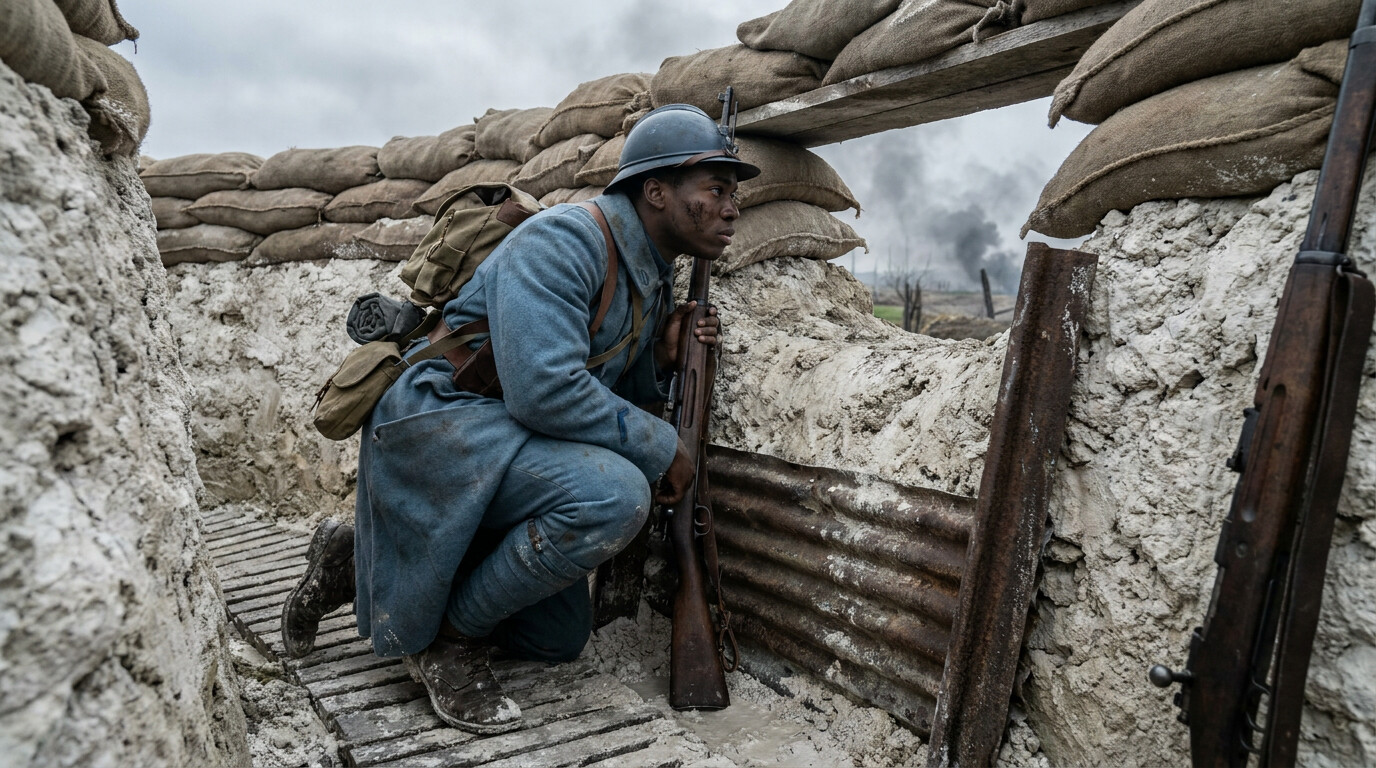
The shell came in low and fast.
It was the kind of sound veterans learned to read before they consciously heard it — a tearing, whistling drop that told a man whether he had half a second or no seconds at all. On the Verdun line in 1916, those calculations were constant and largely involuntary. The men of the French Foreign Legion crouching in the chalk-white trenches had been absorbing artillery at industrial scale for weeks. Their world had been reduced to a few hundred meters of mud, wire, and the narrowing arithmetic of survival.
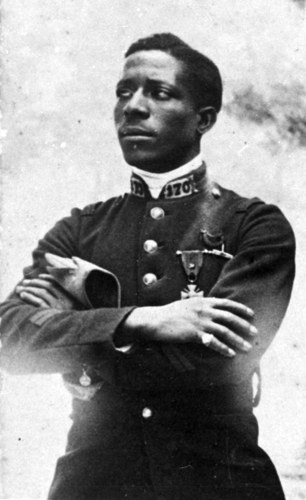
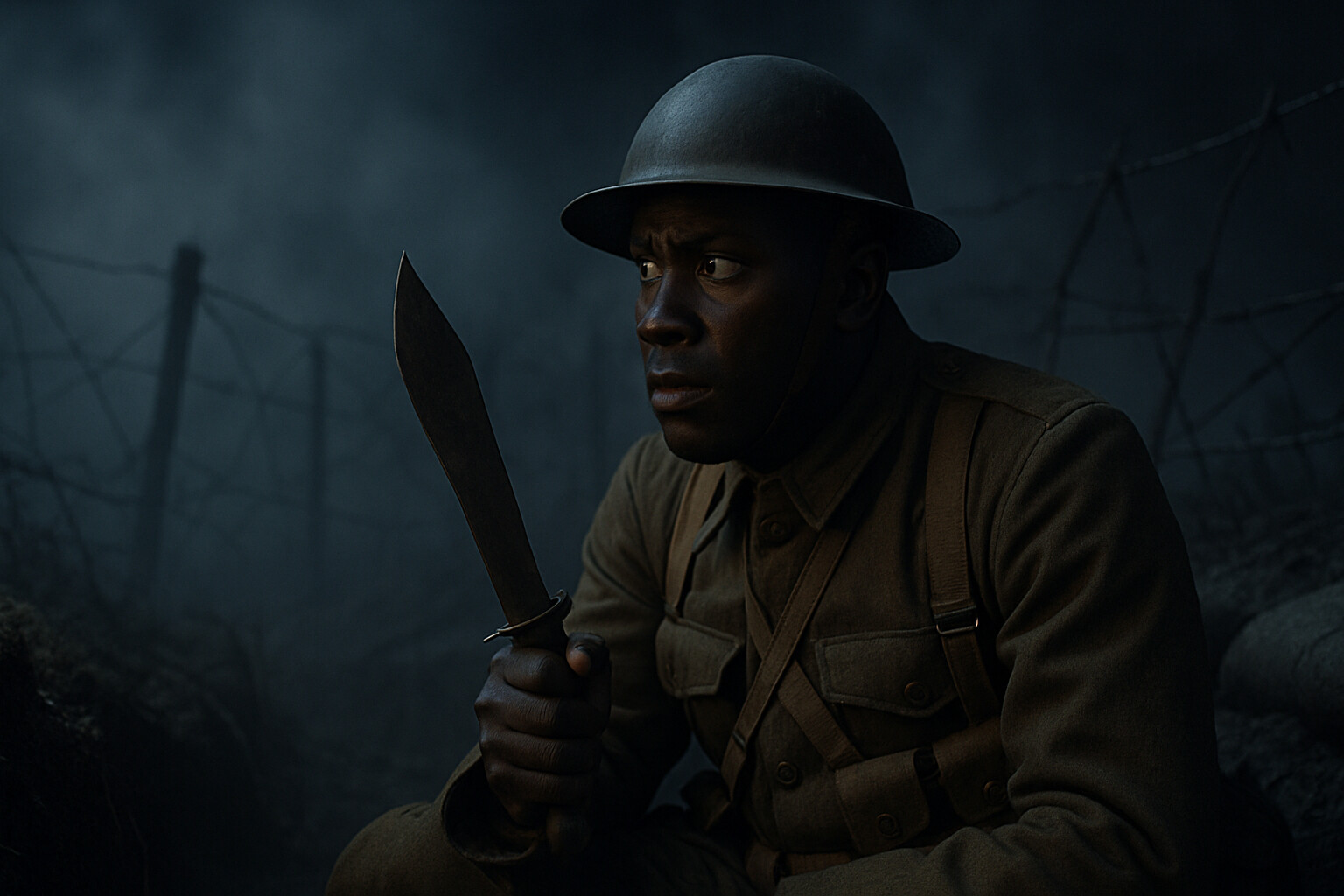
Eugene Bullard had already been wounded once by this point. He had crossed an ocean to get here. He had done it on purpose.
---
To understand why a Black American teenager would travel to Europe and volunteer for someone else's war, you have to understand what America looked like to Eugene Jacques Bullard in the early 1900s.
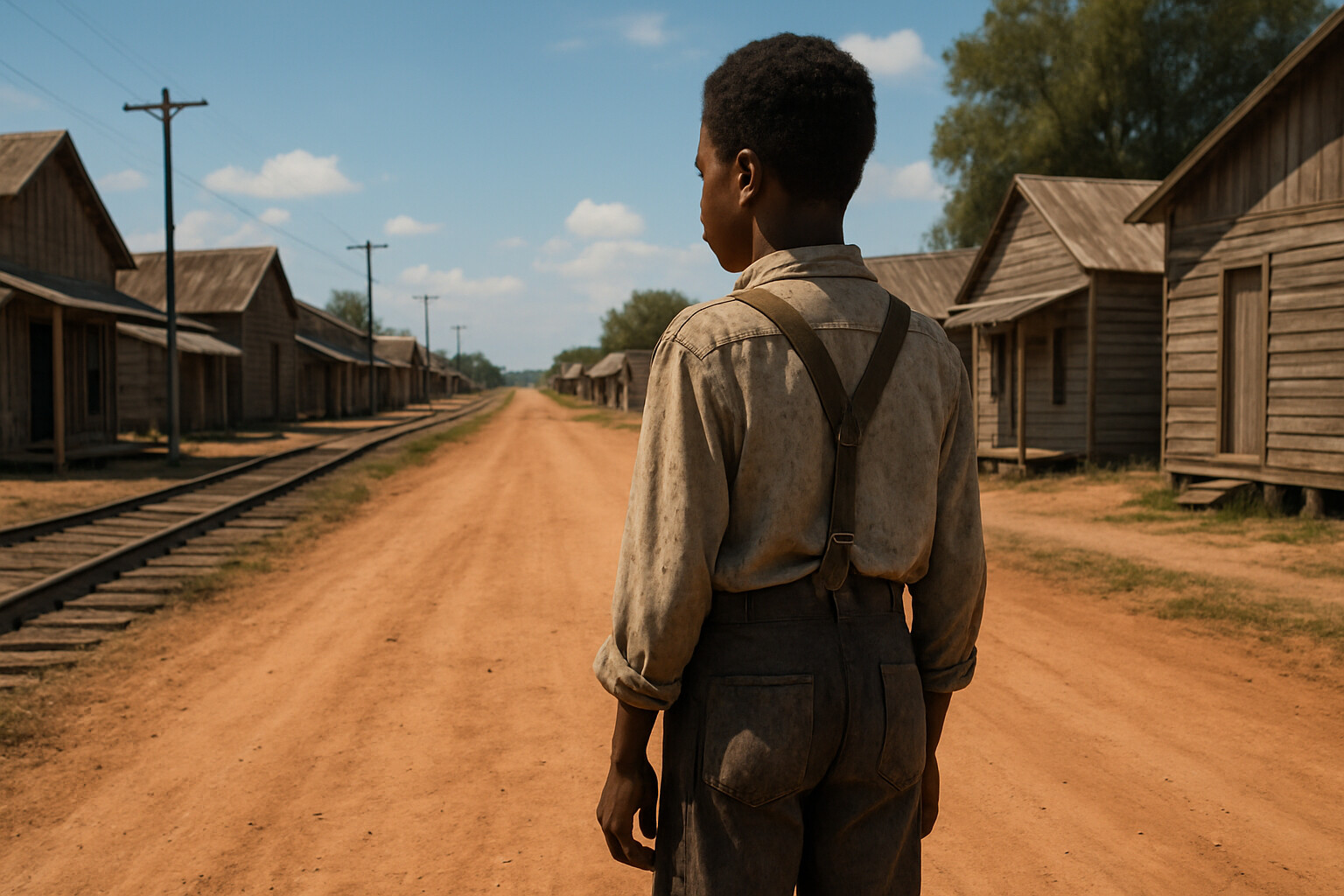
Bullard was born on October 9, 1895, in Columbus, Georgia — a date and place that, in the Jim Crow South, defined nearly every possibility available to him. His father, William Bullard, was a man of Martinican descent who, according to family accounts recorded in secondary biographical sources, told his children that in France, Black men were treated like men. The elder Bullard had reportedly served during the Spanish-American War; the stories he brought home, as his son later remembered them, mixed pride with bitterness. The France he described was not a perfect country, but it was a country where skin color did not automatically close every door. These accounts come from Eugene Bullard's own unpublished memoir and the Craig Lloyd biography; they cannot be independently verified to a primary documentary standard.
Young Eugene appears to have taken this to heart with unusual literalness. Around the age of eleven or twelve — the exact year is uncertain, with different sources giving different ages — he left home and began drifting, working odd jobs, riding freight trains, looking for the gap between what America promised and what it delivered. He reached Scotland by approximately 1912, reportedly working his way across the Atlantic on a German merchant ship. He moved to England, where he trained as a boxer and fought professionally, building a small reputation in the ring. He was still a teenager. These pre-1914 details rest primarily on his own memoir account and the Lloyd biography; corroboration from British boxing records or shipping records has not been confirmed.
The route from English boxing clubs to the French Foreign Legion is, on its face, an unlikely one. But by 1914, Bullard had made his way to Paris, and when the war began in August of that year, he had reasons most volunteers did not have: he had already chosen France as his country in every practical sense, and France had, in his experience, chosen him back in a way America never had.
He enlisted in the French Foreign Legion in October 1914. He was nineteen years old.
---
The French Foreign Legion that Bullard joined in 1914 was not the peacetime formation of romantic legend. It was a fighting force built over decades on the bodies of men who had, for one reason or another, needed a second life. The Legion drew from across the world — its ranks in 1914 included Spaniards, Italians, Russians, Belgians, North Africans, Mexicans, and Americans. It made no particular distinction by nationality or race, because its identity was rooted in the Legion itself, not in the France that surrounded it.
For Bullard, the Legion offered something close to the equality his father had described: he would be judged by what he could carry, what he could endure, and whether the man next to him could trust him when it counted. In the fall of 1914, with German armies pushing toward Paris and France mobilizing every man it could find, the Legion was being thrown into the line.
Bullard underwent basic training and was assigned to the 3rd Marching Regiment of the Foreign Legion, then to combat service on the Western Front. The unit saw action in the Artois and Champagne sectors before the fighting shifted to Verdun.
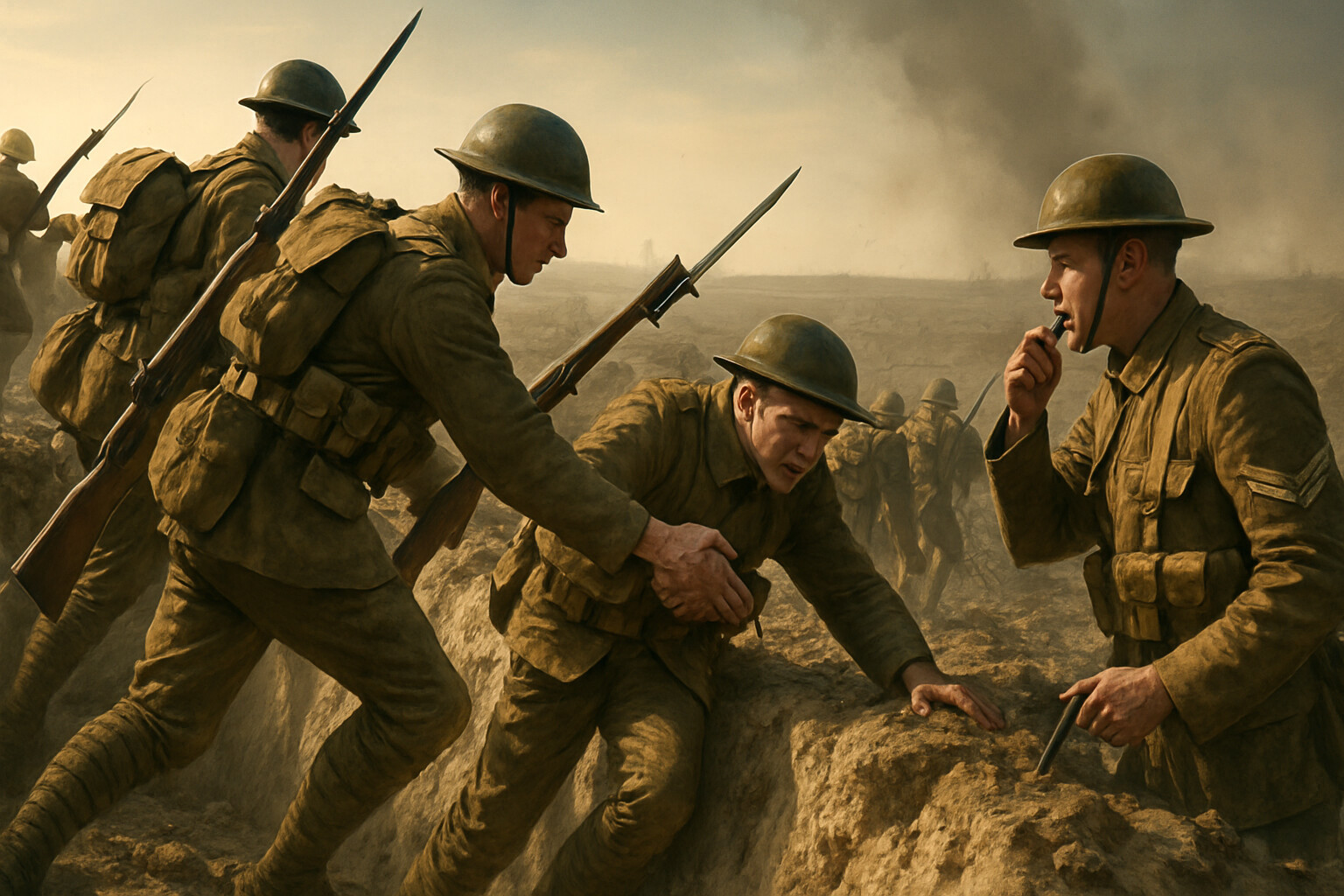
The Western Front in 1915 and 1916 was not a place that rewarded romanticism. The trenches stretched roughly 700 kilometers from the English Channel to the Swiss border, and the men who held them lived in conditions that stripped away almost every abstraction. The ground was shelled so repeatedly that the original terrain largely ceased to exist; what replaced it was a landscape of craters, collapsed galleries, unburied dead, and mud that behaved more like quicksand in wet weather. The average infantryman's world narrowed to his trench section, his section mates, and the 30 to 200 meters of no man's land between him and the German line.
The weapons that defined this world were not the cavalry sabers and bolt-action rifles of the pre-war imagination. They were the Lebel rifle, the Chauchat light machine gun, the hand grenade in its various improvisations, the trench mortar, and above all the artillery — French 75mm field guns and heavier pieces behind the lines, and on the German side the 77mm field gun and the Minenwerfer trench mortars that could drop shells nearly vertically into a trench.
Artillery caused roughly 60 percent of all casualties on the Western Front by some estimates. This figure gives the trenches their true character: the infantry did not primarily die by rifle fire or bayonet. They were killed in large numbers by metal fragments traveling at high velocity, by shell concussion, by the secondary effects of explosions — collapsed walls, buried men, fire. An infantryman who survived multiple tours in the line was not simply brave; he had also survived a form of industrial lottery.
Bullard was in that lottery from late 1914 onward.
---
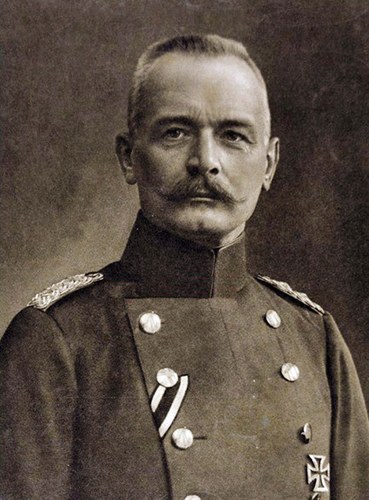
The Battle of Verdun began on February 21, 1916, when the German Army launched Operation Gericht — a name sometimes translated as "judgment" or "execution," language that reflected its commander's stated strategic logic. General Erich von Falkenhayn intended not necessarily to break through the French lines but to force France to defend Verdun at any cost, bleeding the French Army until it could no longer fight. Whether Falkenhayn genuinely formulated the battle this way from the outset, or whether this was retrospective justification for an attack that failed on conventional terms, remains a subject of historical debate. The operational effect was not in dispute.
The German opening bombardment lasted nine hours and deployed approximately 1,200 guns. When the German infantry advanced, they found French positions largely obliterated on the forward lines. Fort Douaumont, a major French strongpoint, fell almost without resistance on February 25, 1916 — a shock to French command and to national morale.
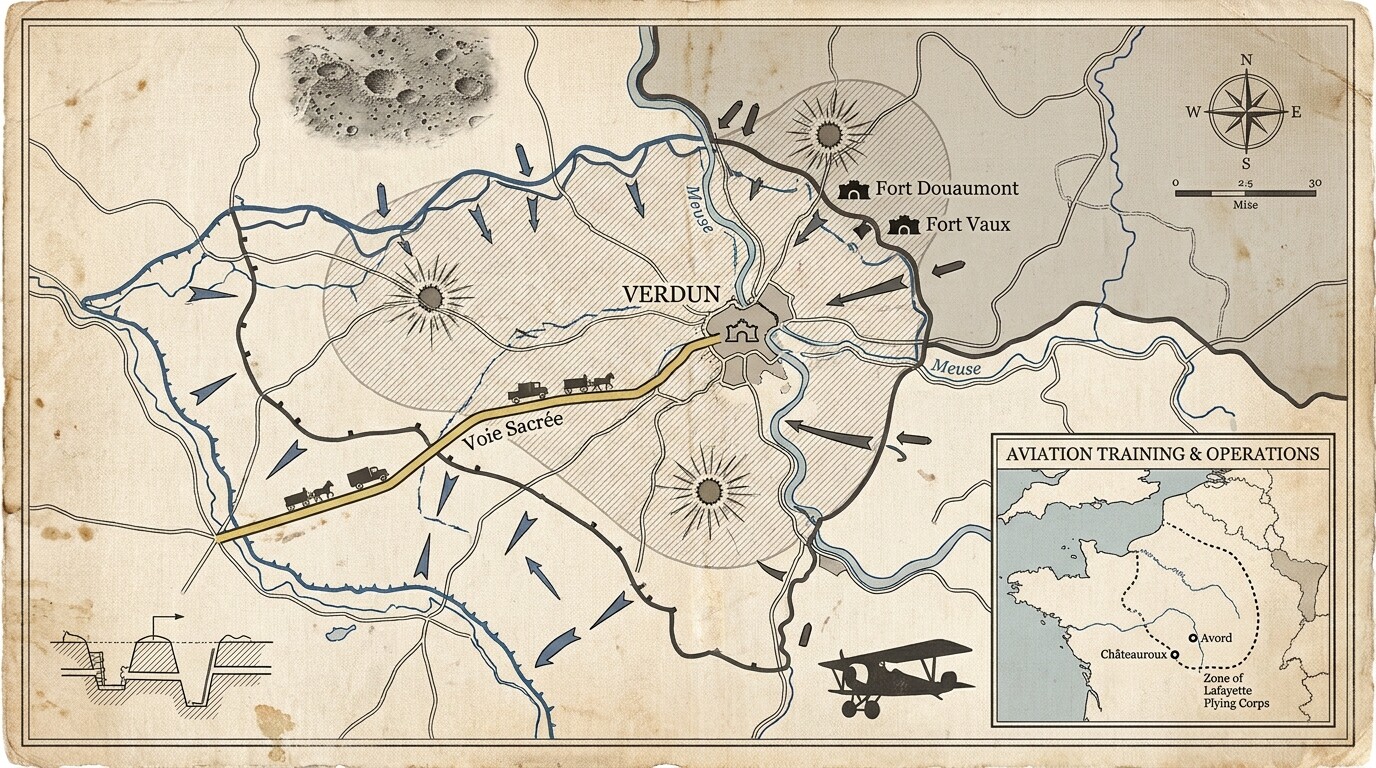
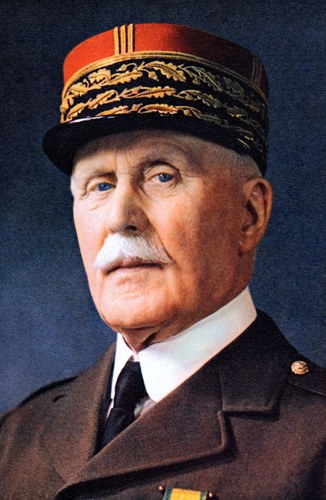
France responded by cycling virtually the entire active army through Verdun over the following months. The road from Bar-le-Duc to Verdun — later called the Voie Sacrée, the Sacred Way — became the logistical spine of the defense, with supply columns moving almost continuously in both directions. At its peak, roughly 6,000 vehicles passed along it every twenty-four hours. General Philippe Pétain organized this supply operation and the systematic rotation of divisions through the line, ensuring that no unit was destroyed entirely while simultaneously ensuring that almost every French soldier experienced Verdun firsthand.
The battle lasted until December 18, 1916. French casualties over its course are estimated at approximately 377,000 killed, wounded, and missing. German casualties were comparable — approximately 337,000. More than 300,000 men died in roughly ten months of fighting over a battlefield area of perhaps 25 square kilometers.
Eugene Bullard was at Verdun. His unit, operating as part of the broader French defensive effort, held sector positions in the Verdun zone during the battle. The specific positions and precise timing are not definitively documented in the sources available for this account. What is documented is that Bullard was wounded at Verdun, and that the wound was significant enough to require medical treatment away from the front. Some sources describe it as a head wound; exact medical documentation has not been confirmed from primary records.
He was sent to recover. During his recovery, according to accounts of his life, he made a decision that would define his legacy.
He would learn to fly.
---
Aviation in 1916 was still a young and genuinely dangerous profession. The Wright brothers had made their first flight only thirteen years earlier. The aircraft of the First World War were linen-and-wood structures powered by rotary or inline engines that were temperamental, prone to fire, and built to specifications that would be considered dangerously marginal by any later standard.
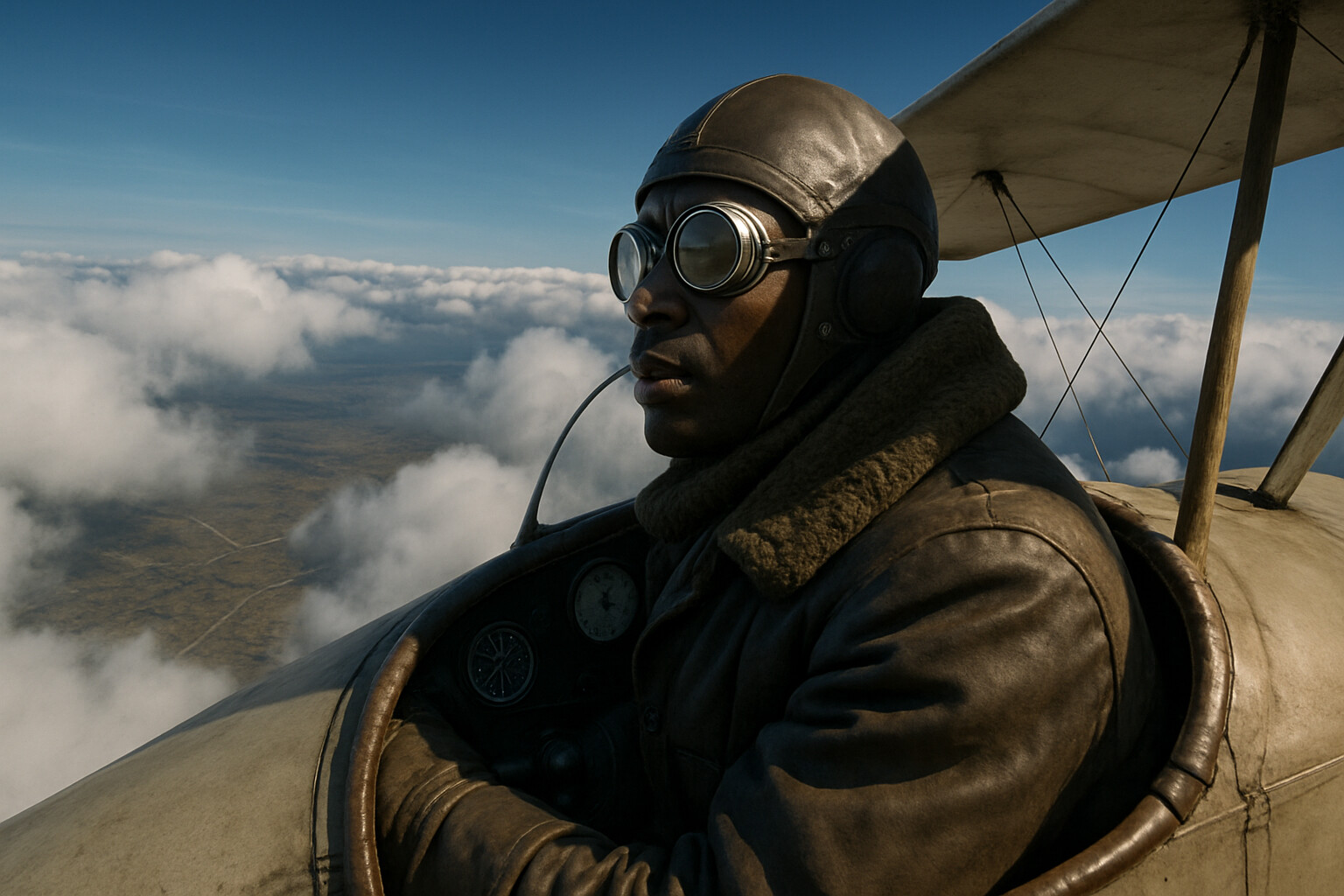
The cockpit of a 1916 fighter aircraft was open to the sky. The pilot wore a leather helmet, goggles, a heavy coat against the cold at altitude, and little else in the way of protection. Parachutes were not issued to Allied pilots as standard equipment during most of the war — commanders feared that pilots would abandon otherwise flyable aircraft. This decision is difficult to look at charitably from a distance of a century; at the time it reflected both equipment scarcity and a command culture that had not yet come to terms with what it was asking of its airmen.
A pilot who went down in flames — and many did, because early aircraft used castor oil as engine lubricant and carried fuel in exposed tanks — had no recourse except the ground rushing up. Some pilots, it was reported, chose to go over the side rather than burn. These were the realities of the profession Bullard decided to enter.
The French aviation program was more open to unconventional candidates than many comparable organizations of the era, partly by necessity and partly by the culture of the French military, which had demonstrated considerable flexibility in how it organized for a war on this scale. The escadrilles that made up the French air service drew pilots from across the French empire and from allied and neutral nations. The Lafayette Escadrille, the most famous American volunteer flying unit, had been operating since April 1916, and a broader network of American volunteers flying for France — not all in the same squadron — was known collectively as the Lafayette Flying Corps.
Bullard applied for flight training. He was accepted.
He trained at the French aviation school at Châteauroux and then at Avord — both established French military aviation training centers. Flight training in this period involved a progression from basic instruction on training aircraft, through solo flight, to qualification on operational types. The process took months and was not without risk; training accidents killed a significant number of pilots before they ever reached combat.
Bullard qualified. He received his military pilot's brevet — his wings — on May 5, 1917. The breveting certificate is documented; it exists in the historical record and establishes him as a qualified military aviator trained and certified by the French military. In receiving this certification, Eugene Bullard became the first Black military pilot in history.
This is a documented historical fact, not a matter of tradition or disputed accounts. The French military training record establishing his qualification exists.
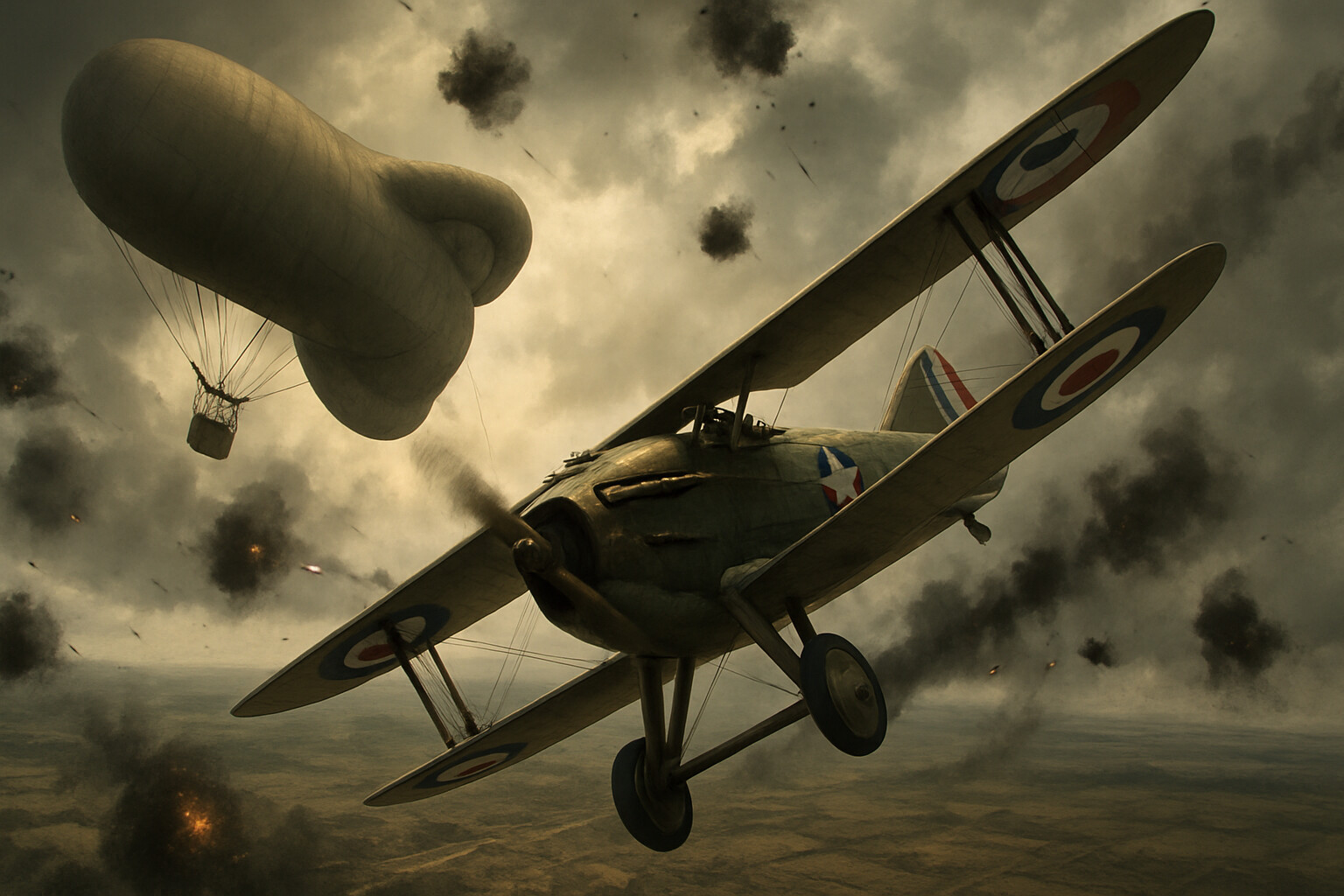
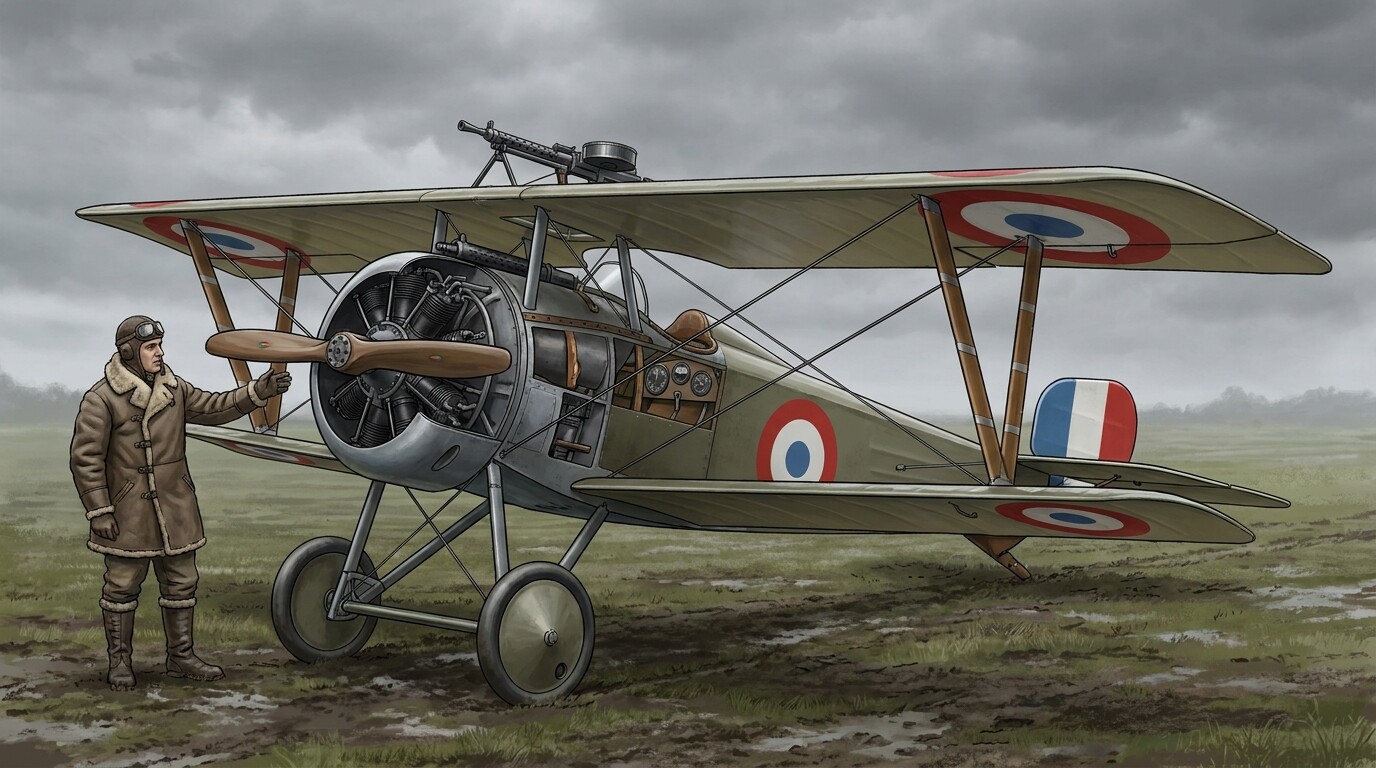
He was assigned to fly with Escadrille N.93, and later N.85, flying the Nieuport 24 — a French single-seat fighter that represented one of the more capable aircraft available to French pursuit squadrons in mid-1917.
---
The Nieuport 24 was an evolution of the Nieuport 17, itself one of the most significant Allied fighters of the middle war period. The 17 had been the aircraft of choice for many of the war's notable aces, including Georges Guynemer and Albert Ball, and its sesquiplane configuration — a design using a lower wing with a V-shaped spar significantly smaller than the upper wing — gave it exceptional climb rate and maneuverability at the cost of some structural fragility.
The Nieuport 24 addressed some of the 17's weaknesses with a more conventional rounded fuselage and improved structural integrity, while retaining the sesquiplane wing arrangement. Powered by a Le Rhône 9J rotary engine producing approximately 120 horsepower, it had a top speed of roughly 185 kilometers per hour and a service ceiling approaching 5,500 meters. Its primary armament was a single Lewis gun mounted on the upper wing to fire over the propeller arc — a solution to the synchronization problem that had complicated early fighter design, though one that required the pilot to reach up and change drum magazines during combat.
Flying this aircraft was not a passive activity. The rotary engine — in which the entire engine block rotated around a fixed crankshaft — produced significant gyroscopic torque that made the aircraft handle asymmetrically: it turned rapidly in one direction and sluggishly in the other. Pilots had to account for this constantly. The cockpit was cramped, cold, and open. Navigation over a churned-up battlefield with no reliable landmarks required constant attention to a map strapped to the pilot's thigh and a clock on the instrument panel.
Bullard flew operational sorties from his assignment in 1917. Some historical accounts credit him with at least one aerial victory, but this has not been confirmed by French official records as currently available to researchers and should be treated as uncertain pending examination of squadron combat reports at the Service Historique de la Défense. What is established is that he flew combat missions as a qualified military pilot assigned to French pursuit squadrons on the Western Front.
---
On April 6, 1917, the United States declared war on Germany.
For the American volunteers who had been fighting for France — men of the Lafayette Flying Corps, the French Foreign Legion, and various other formations — this raised a natural question of whether they would transfer to American service. Many did. The U.S. Army Air Service was rapidly expanding and needed experienced pilots; the men of the Lafayette Flying Corps represented a pool of combat-trained aviators at exactly the moment when America had almost none.
Bullard applied to transfer to the American military. He expected to continue flying.
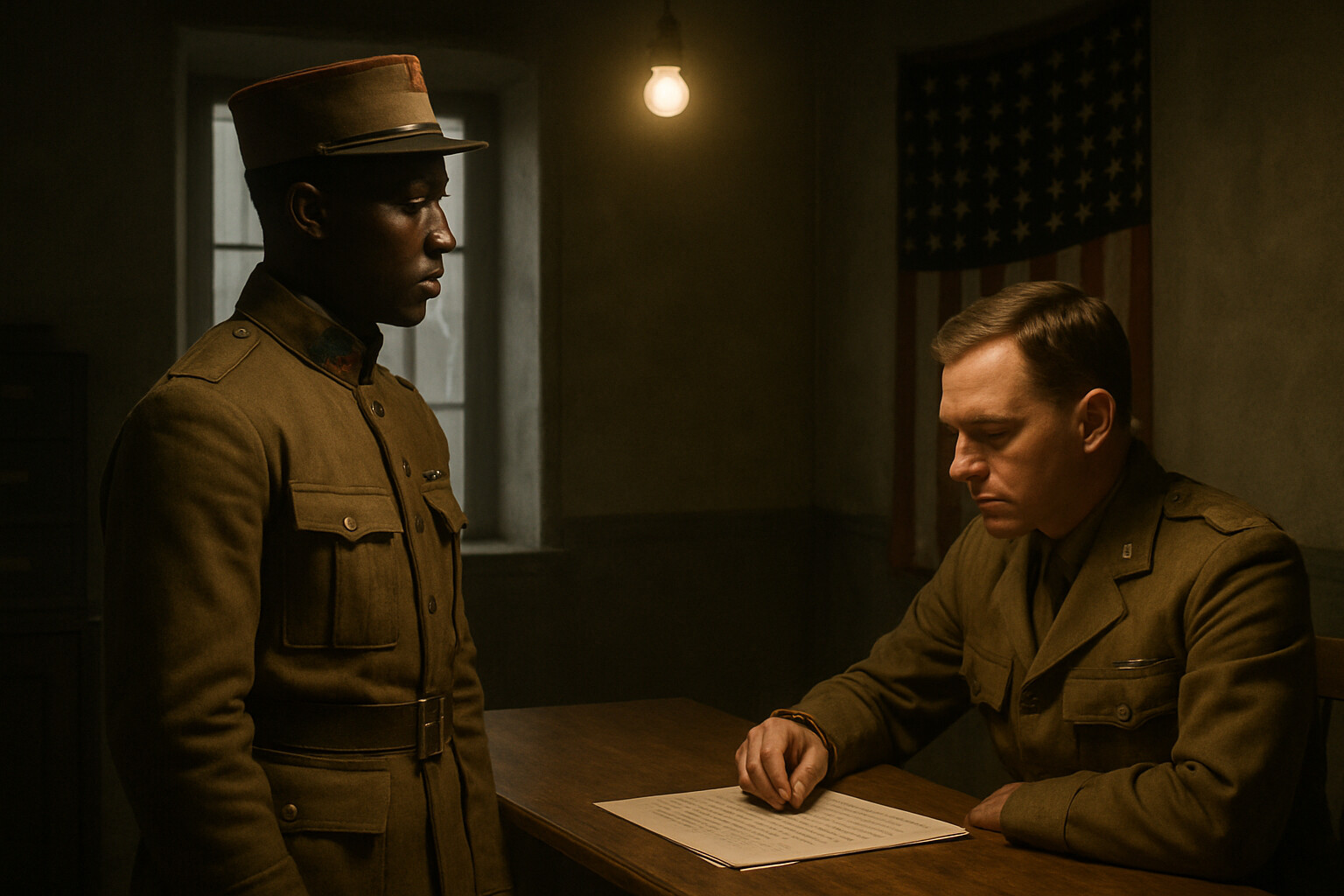
The Army Air Service rejected him. The rejection was not based on his flying qualifications, which were documented and real. It was based on his race. The U.S. military in 1917 was rigidly segregated; Black soldiers served in separate units under white officers and were excluded from the officer corps in most branches. There was no mechanism — and no political will — to commission a Black combat pilot as an officer in the Army Air Service. The transfer was denied.
Bullard remained with the French air service briefly after this rejection, but he was grounded within weeks under circumstances that are not entirely clear from available records. Some accounts suggest that a confrontation with a French officer contributed to his removal from flight status; the details are disputed and have not been confirmed from primary sources. He returned to ground service and then, after the armistice, to civilian life in Paris.
He would never fly a military aircraft again.
---
The cost of the Verdun campaign to the men who fought in it was measured not only in casualties but in the long-term physical and psychological effects that the medical terminology of the era struggled to name. Shell shock — what later generations would call combat stress reaction — was widespread and poorly understood. The French Army had a term, obusite, for the condition produced by sustained artillery bombardment: a state of disorientation, tremor, and functional collapse caused by repeated blast exposure and the cumulative weight of sustained mortal danger.
There is no documented record of what Verdun cost Bullard specifically in these terms. What can be said is that a man who survived a significant wound at Verdun, who had been in the line from late 1914 onward, and who had then trained and flown combat aircraft in a period when pilot life expectancy was measured in weeks in the hardest-hit units, had endured a great deal. He carried those years with him.
The Croix de Guerre — the French Cross of War — was awarded to Bullard. This is supported by sources documenting his service and is accepted in the historical literature on his life. The Croix de Guerre was established in 1915 as the principal French decoration for individual acts of bravery or distinguished conduct in the face of the enemy; different levels of citation were indicated by the device attached to the ribbon. The specific device on Bullard's Croix de Guerre — whether a palm, gilt star, silver star, or bronze star — has not been confirmed in the sources consulted for this account and requires verification from French military archives before a specific citation level can be stated.
He also received, according to the biographical record, the Médaille Militaire — a significant French military honor — and other decorations. The full inventory of his decorations as documented in French military records requires archival verification for a definitive list.
---
Bullard stayed in France after the war. He built a life in Paris that the war had, in a sense, made possible: he ran nightclubs, he continued boxing, and he became a recognized figure in the expatriate and French cultural world of the 1920s and 1930s. His establishments became meeting places in Paris's interwar social life. He was, by accounts of the period, a genuinely popular figure — a man who had earned his place through what he had done.
The Second World War reached him again. When Germany invaded France in 1940, Bullard — by then in his mid-forties and long out of active service — reportedly took up a rifle and fought as part of a French infantry unit during the defense of the Loire. This account rests on Bullard's own later statements and has not been confirmed to the same documentary standard as his First World War service. According to these accounts, he was wounded again before France's armistice with Germany in June 1940 ended organized resistance.
He made his way to the United States, arriving back in the country of his birth essentially as a refugee from occupied France. The America that received him in 1940 was not dramatically different from the one he had left in his youth: still segregated, still unwilling to formally recognize what a Black man had done in France's name — which was the only name that had been willing to accept him.
For years, Bullard worked in New York, largely unknown to the American public. He worked at various points as an elevator operator at Rockefeller Center — a detail that every account of his life includes because of what it represents: the distance between what a man had accomplished and what his own country was willing to acknowledge.
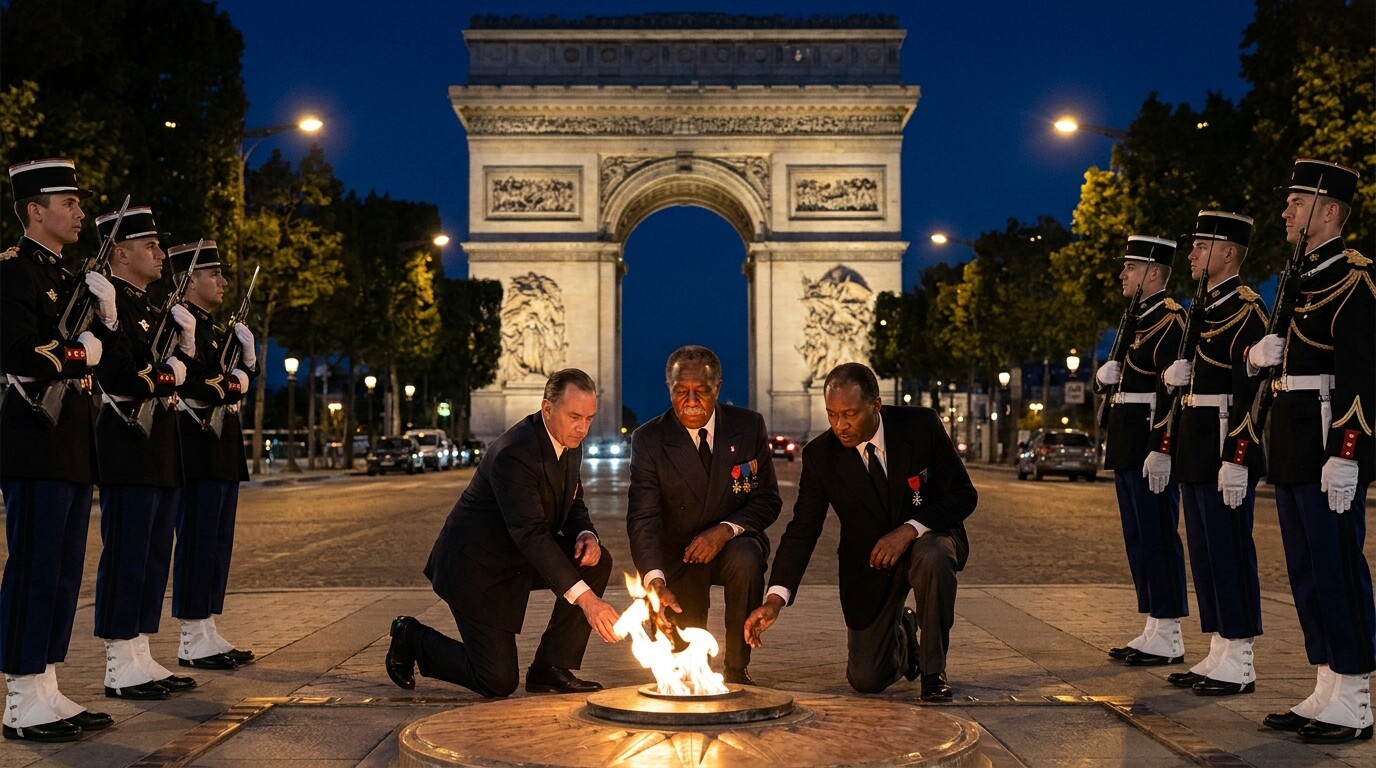
In 1954, France did not forget. When the eternal flame at the Arc de Triomphe in Paris was rekindled in a ceremony that year, Eugene Bullard was one of three men chosen to relight it. It was a French acknowledgment of what his service had meant.
The United States began its own slower reckoning. In 1994, the United States Air Force commissioned Bullard posthumously as a second lieutenant — a gesture that acknowledged his exclusion from American service even as it could not undo it. He had died in October 1961, in New York City, without this recognition.
---
The historical record of Eugene Bullard rests on several foundations, and it is worth being clear about which are solid.
His French Foreign Legion service is documented. His training and pilot certification by the French military on May 5, 1917, is documented — the training record exists. His assignment to French pursuit escadrilles is documented. His Croix de Guerre is supported in the historical literature. His rejection by the American Army Air Service on racial grounds is consistent with the documented segregation policies of the U.S. military in 1917 and is accepted in the scholarly literature on his life.
Details that are less fully documented include: the precise units and positions he held at Verdun and the exact nature of his wound; the number of aerial victories, if any, he achieved in combat; the specific circumstances under which he was grounded by the French in 1917; the full inventory of his French decorations with their exact citation grades; and his 1940 combat service during the fall of France.
The primary biographical source for much of what is known about Bullard is his own unpublished autobiography, written in the 1950s and housed at the Georgia Historical Society. This document is an important primary source, but it is, like all memoirs, subject to the limits of memory and the human tendency to shape a story in retrospect. Researchers who have worked with this manuscript and with French military archives have confirmed the broad outlines of his life and service. The details require careful handling.
The Craig Lloyd biography, published by the University of Georgia Press in 2000, is the most thorough scholarly examination of Bullard's life and is the primary secondary source for research on this subject.
---
Why does this story matter, a century later?
The straightforward answer is that Eugene Bullard was first — the first Black military pilot in history — and that firsts matter because they mark the boundaries of what a given society was willing to recognize as possible. But the more specific answer is contained in the geometry of his life.
He left the American South because it had already, by the time he was a child, made clear what it thought of his possibilities. He crossed an ocean without resources or connections and built a fighting life in a country that was willing to judge him by what he could do. He went into the trenches at one of the most destructive battles in human history. He trained and qualified as a military pilot in a period when that was genuinely difficult and genuinely dangerous, doing it while recovering from a combat wound. He was then rejected by his own country's military because of the color of his skin, at the exact moment when his skills were most needed and most explicitly demonstrated.
The American Army Air Service's rejection of Bullard in 1917 was not an oversight or a bureaucratic error. It was a deliberate policy, and it had costs. It cost him his career as a military pilot. It cost the United States what he might have contributed. It deferred by decades the reckoning that eventually arrived — not fully, not without the sustained effort of later historians and advocates — with what the country had done to the men it refused to see.
The French saw him. France gave him a country when his own would not. He spent the best years of his adult life there, and when France needed defending in 1940, by most accounts he picked up a rifle one more time.
He came home to an elevator in Rockefeller Center.
In 2019, the state of Georgia unveiled a bronze statue of Eugene Bullard at Hartsfield-Jackson Atlanta International Airport — the busiest airport in the world, in the state where he was born and from which he ran. The statue shows him in his flight gear.
It is a long way from Columbus, Georgia, to the cockpit of a Nieuport 24 over the Western Front. Eugene Bullard made that journey on his own terms, against opposition that would have stopped most men before the first step. The record of what he did is in the French military archives, in the training logs, in the citation documents, and in the documented fact of a pilot's certificate issued on May 5, 1917, to a Black man from Georgia who had decided that if his own country would not recognize him as a full human being, he would find a country that would.
He found it. He fought for it. It decorated him.
The rest is history — history that took too long to write down, but history nonetheless.