The gun fired before dawn.
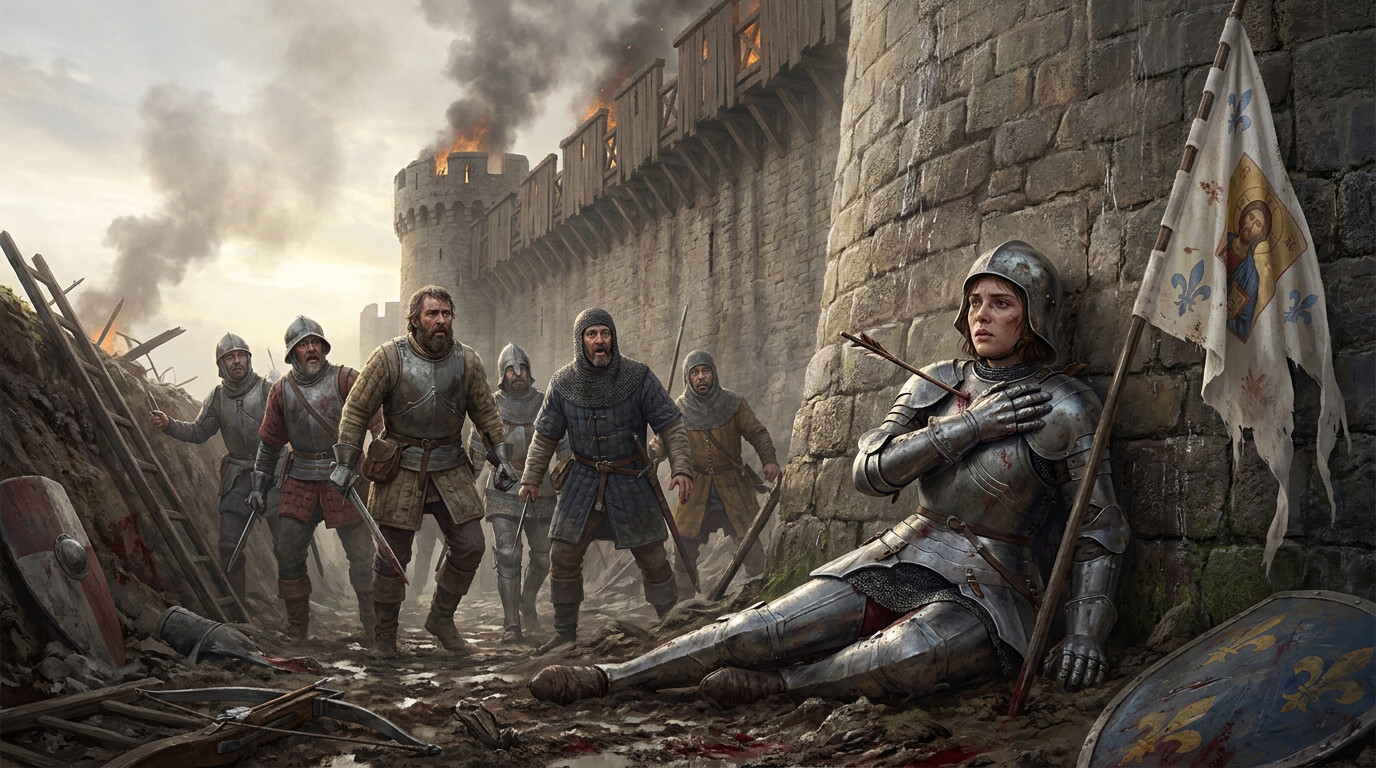
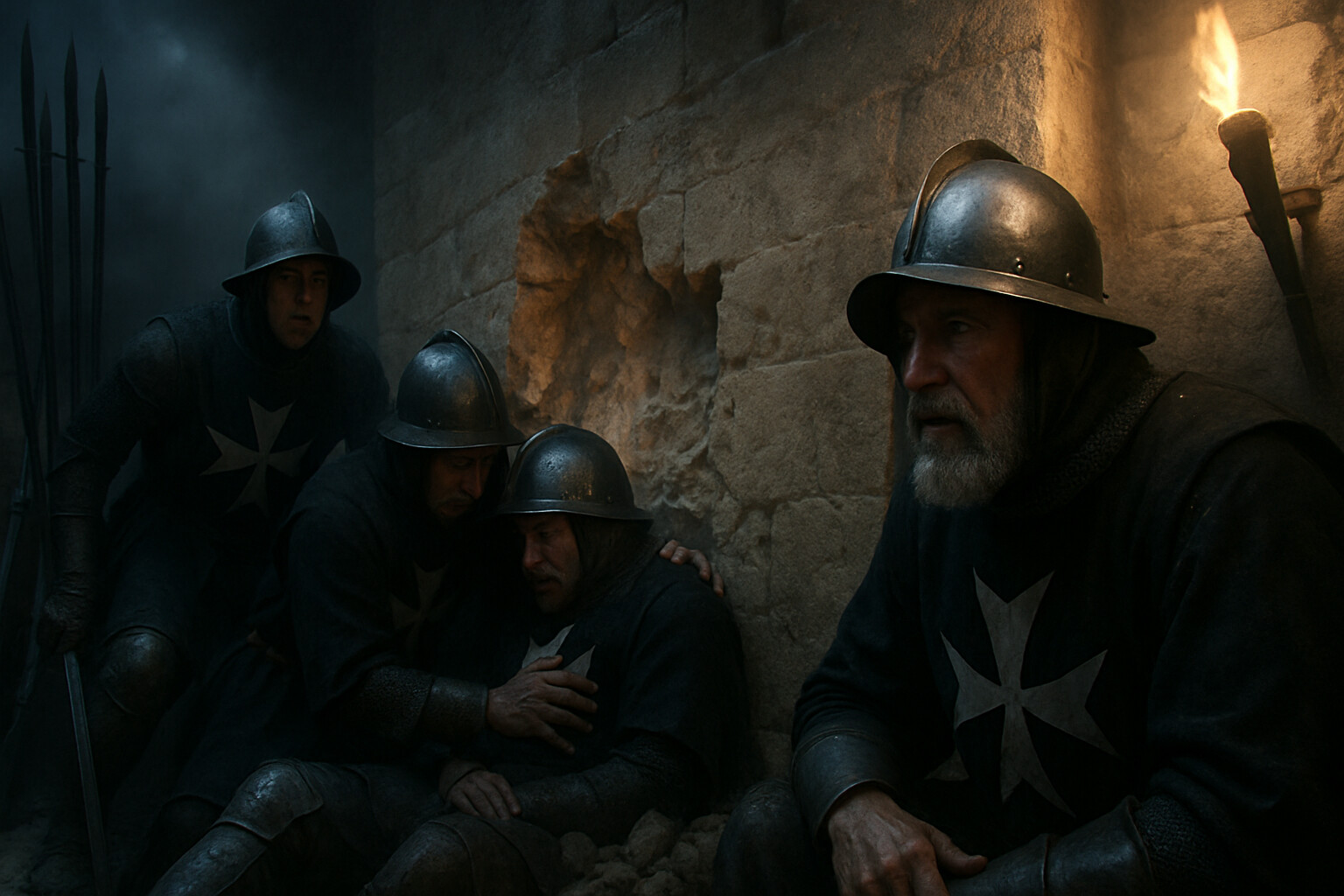
The sound reached Fort Saint Elmo before the shot did—a deep concussion rolling across the harbor from the Ottoman battery on Sciberras Peninsula, followed by the impact of a stone ball the size of a man's torso slamming into already-weakened limestone. Dust and chips sprayed the interior of the fort. The defenders, most of them awake since the previous watch, pressed against the remaining walls and waited for the next one.
This had been their existence for weeks. The fort was smaller than a city block, its walls cracked and patched with sandbags and rubble, its garrison reduced to a fraction of the men who had held it at the start. The Ottoman batteries on Sciberras had been working methodically, arc by arc, until sections of the fort's exterior had been reduced to gradients of loose stone rather than vertical walls. Every morning that dawned over Malta's Grand Harbor in May and June of 1565 brought the same arithmetic: fewer defenders, more breaches, and the same unanswerable question of when the next mass assault would come.
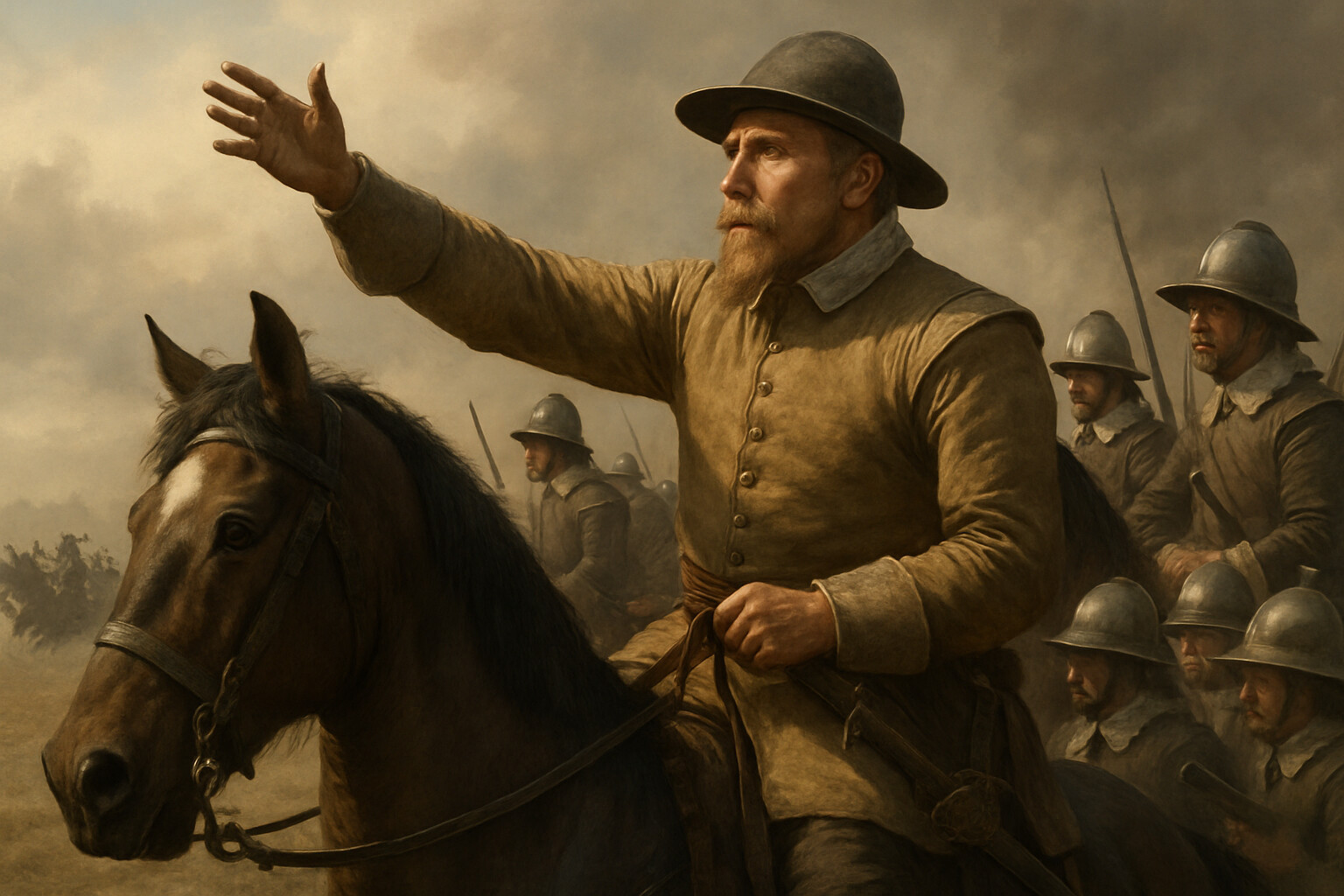
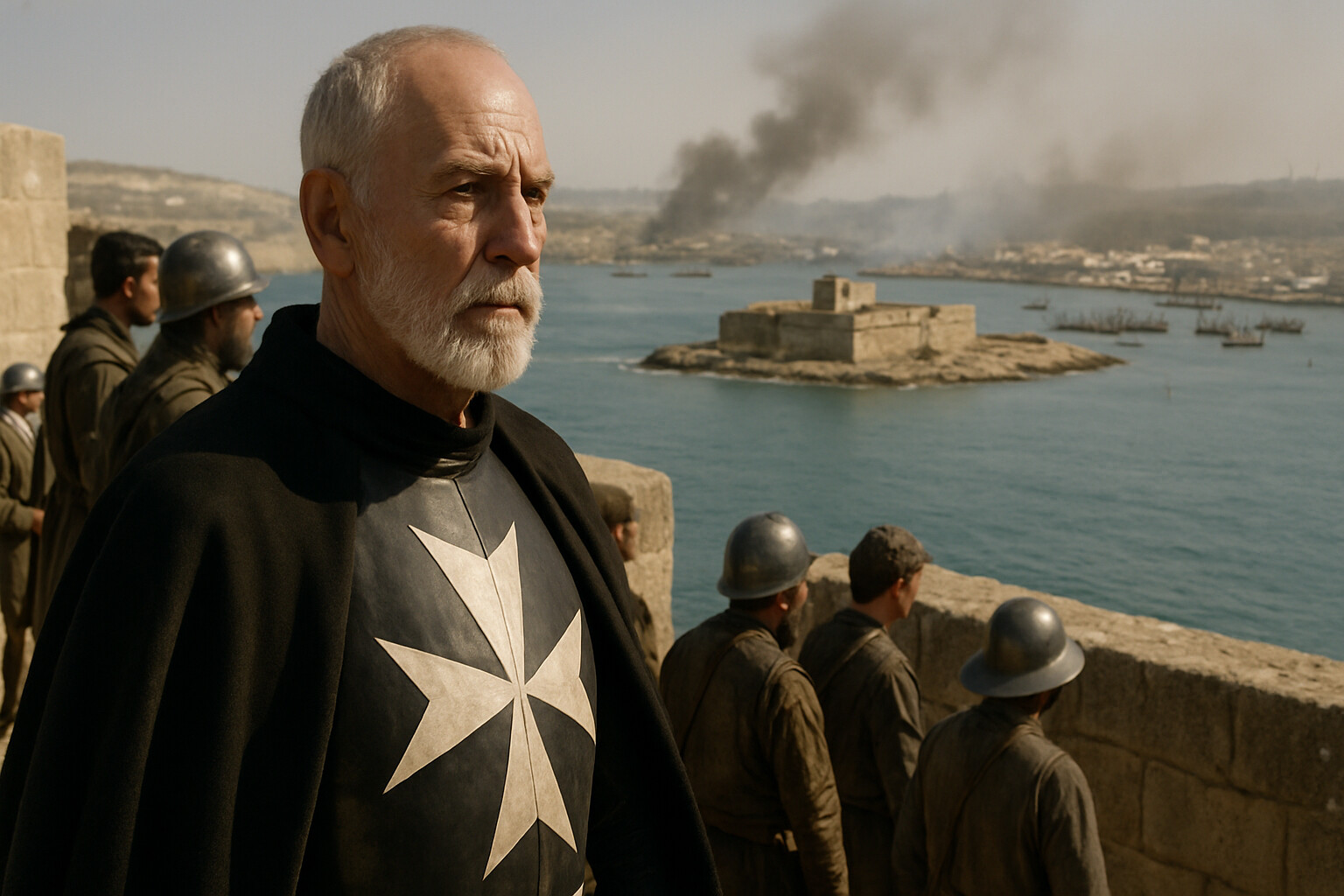
Across the harbor, at the Birgu fortifications—the peninsula the Order held and that later generations would call Vittoriosa—the man responsible for all of this watched and decided. Jean Parisot de Valette was approximately seventy years old that summer. He had spent the better part of five decades in the service of the Order of Saint John, fighting at sea and on land across the length of the Mediterranean. He had been captured by Ottoman corsairs and spent roughly a year as a galley slave before being ransomed or exchanged; the exact circumstances appear in later accounts but the specific details vary. He spoke multiple languages—French, Spanish, Italian, Greek, and Arabic are attested across various sources. He had governed the Order through diplomatic crises, financial difficulties, and the chronic shortage of manpower that had plagued the Hospitallers since their expulsion from Rhodes in 1522. When the Ottoman fleet appeared off Malta in May 1565, Valette had been Grand Master for eight years. He was, by any measure, precisely the commander this situation required—and the situation was about to become very bad.
---
To understand what happened at Malta in 1565, it helps to understand why the island mattered, and why the Ottoman Empire was willing to commit enormous resources to take it.
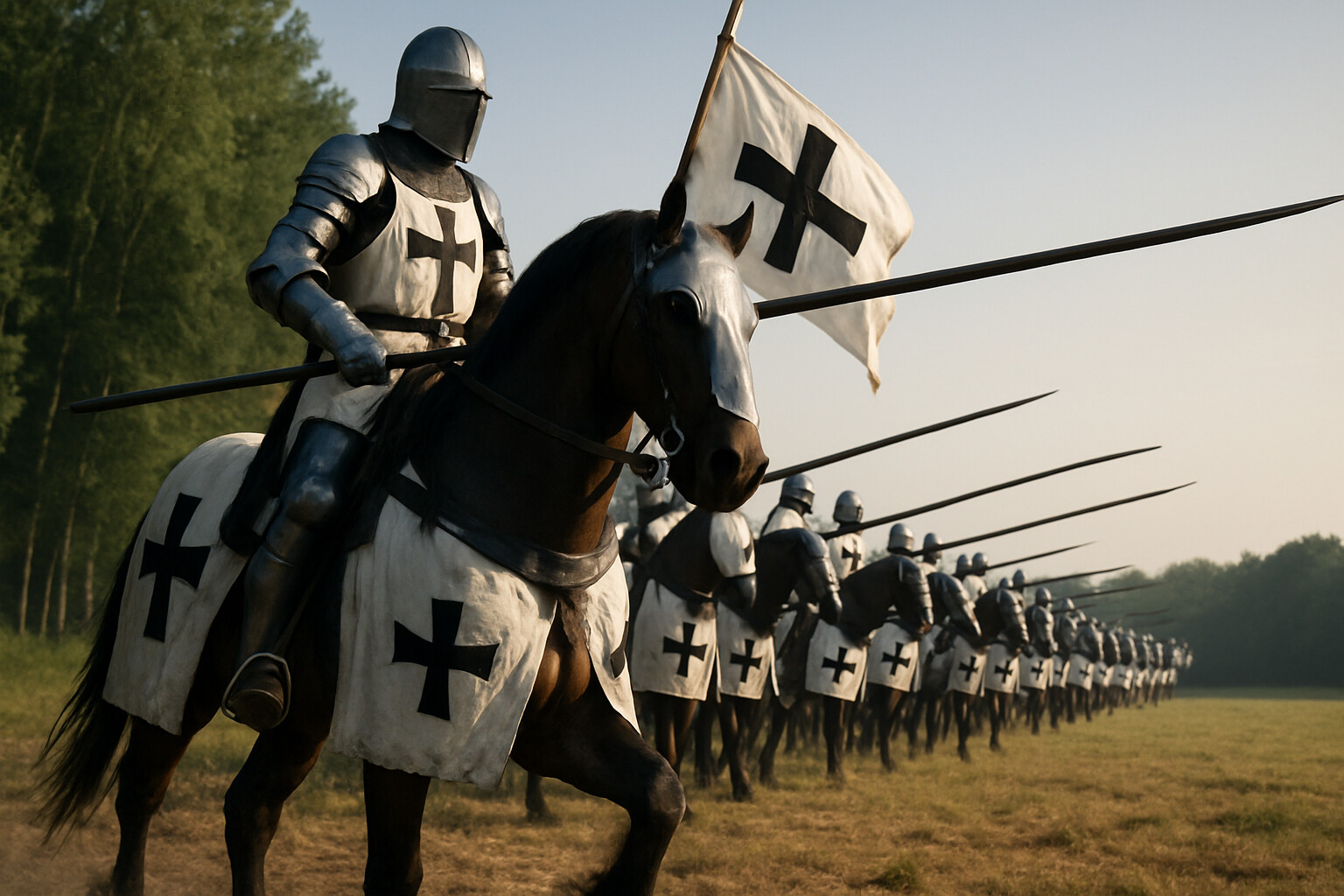
The Knights Hospitaller had been one of the great military-religious orders of the Crusading era. Founded in Jerusalem in the eleventh century as a hospital order for pilgrims, they had evolved into a formidable fighting organization, holding fortresses across the Holy Land until the Latin Kingdoms collapsed, then retreating to Acre, then Cyprus, then Rhodes, which they held for over two centuries. At Rhodes, the Order fought off a major Ottoman siege in 1480 and another in 1522, the second of which, under Suleiman himself, finally compelled their surrender. The Knights were granted honorable terms and withdrew to the western Mediterranean, eventually settling on Malta in 1530, granted to them by Holy Roman Emperor Charles V as a perpetual fief.
Malta was not an appealing posting. The island was rocky, largely infertile, short of fresh water, and exposed to the full force of Mediterranean weather. The Hospitallers had to build most of their fortifications from scratch. But Malta sat at the strategic center of the Mediterranean, roughly equidistant between the Ottoman eastern basin and the Spanish-Habsburg western basin. Whoever controlled Malta influenced the sea lanes between Christian Europe and Ottoman North Africa. The Order made the most of this. They maintained a formidable galley fleet, raided Ottoman shipping, harassed the coasts of North Africa, and on occasion seized significant prizes—including, in 1564, a large Ottoman convoy whose loss contributed to pressure on the court at Constantinople to act.
Suleiman, now in his seventies and near the end of a reign that had seen Ottoman power reach its maximum extent, had been petitioned for years by corsair leaders and court advisors to eliminate the Malta problem. The Knights were a standing provocation: a Christian military order operating with Habsburg backing, harassing the empire's sea lanes, and providing a potential platform for a crusading counterattack. In the autumn of 1564, Suleiman ordered the assembly of a major expeditionary force.
The scale of what Valette was preparing to face has been estimated, with significant variation among sources, at somewhere between twenty-five thousand and forty thousand Ottoman troops, carried by a fleet of approximately 130 to 200 vessels depending on the account. The land commander was Lala Mustafa Pasha, an experienced administrator and soldier. The naval forces were commanded by Piyale Pasha, who had distinguished himself at the Battle of Djerba in 1560. The celebrated corsair Turgut Reis—known to Europeans as Dragut—arrived later with reinforcements from Tripoli and brought battlefield authority to match his reputation. Against this force, Valette could muster approximately five hundred to five hundred fifty knights of the Order, perhaps eight to nine thousand Maltese soldiers and militia, a contingent of Spanish infantry numbering perhaps several hundred, and whatever defensive works the Order had been able to prepare over the preceding years. All garrison and enemy strength figures carry meaningful uncertainty and should be read as estimates from scholarship, not precise counts. The Maltese population, who would suffer the siege alongside the knights, numbered in the tens of thousands and supplied labor, irregular troops, and an indispensable knowledge of the terrain.
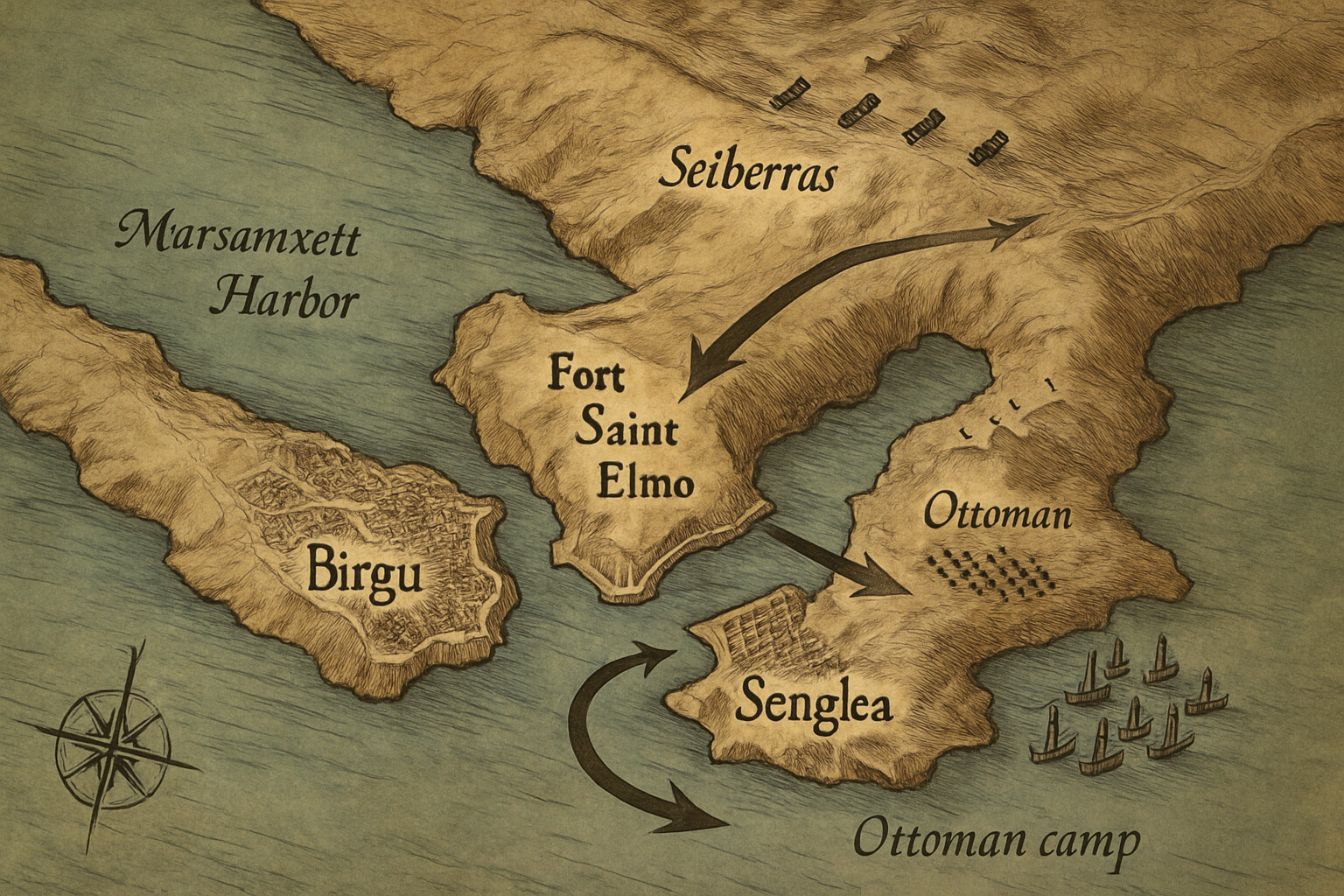
Valette had been preparing for this moment since he took command in 1557. He had strengthened the fortifications at Birgu and Senglea—the two peninsulas on the south side of Grand Harbor where the Order's main positions were concentrated—and at Fort Saint Elmo, which guarded the entrance to Grand Harbor from the tip of Sciberras Peninsula. He had stockpiled food, powder, and ammunition. He had sent urgent requests to Spain and the Pope for relief forces, receiving promises that proved difficult to fulfill quickly. He had drilled his garrison. He had made clear to the Maltese population what capture by the Ottoman army would mean.
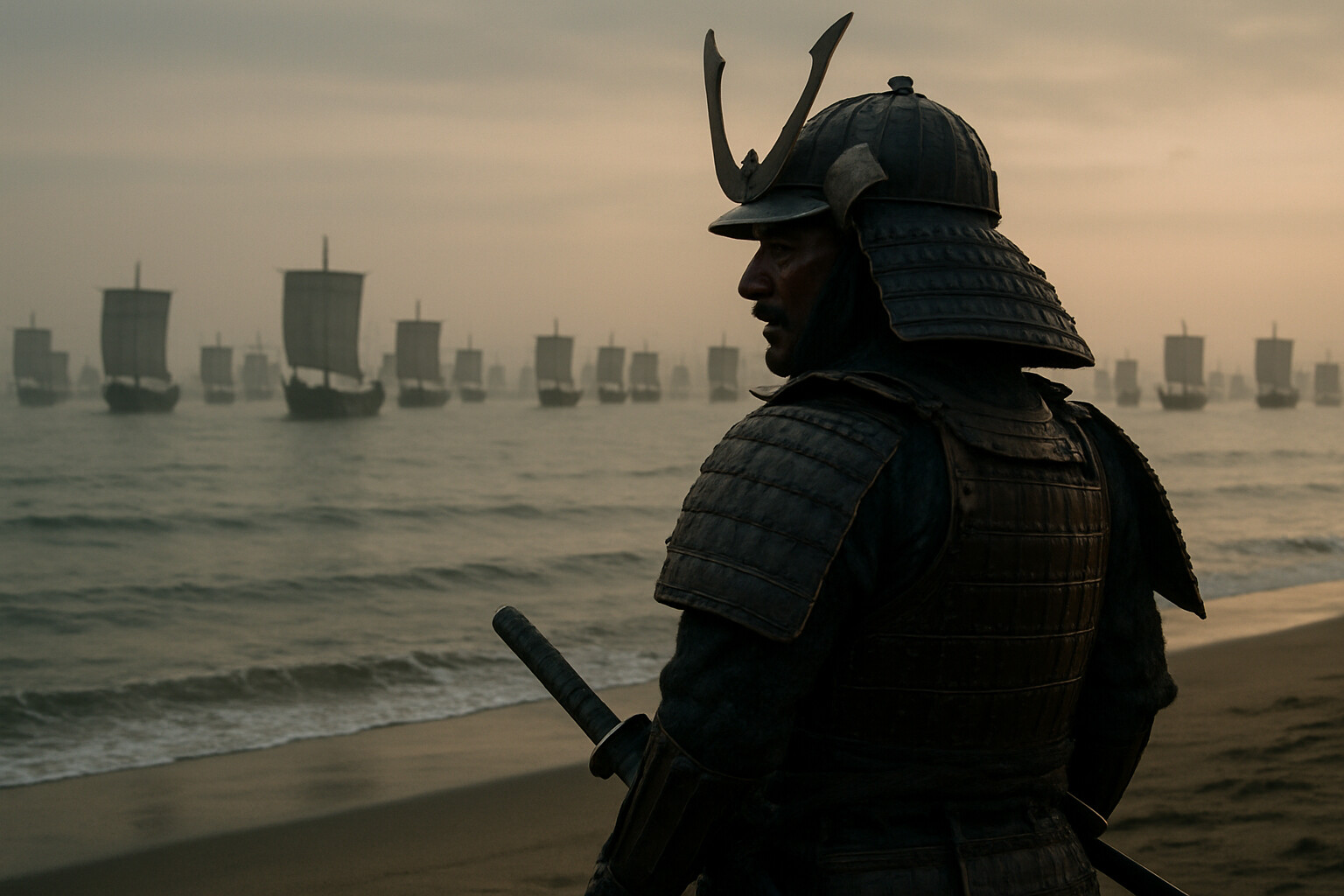
The fleet was sighted on May 18, 1565. It came from the southeast, filling the horizon.
---
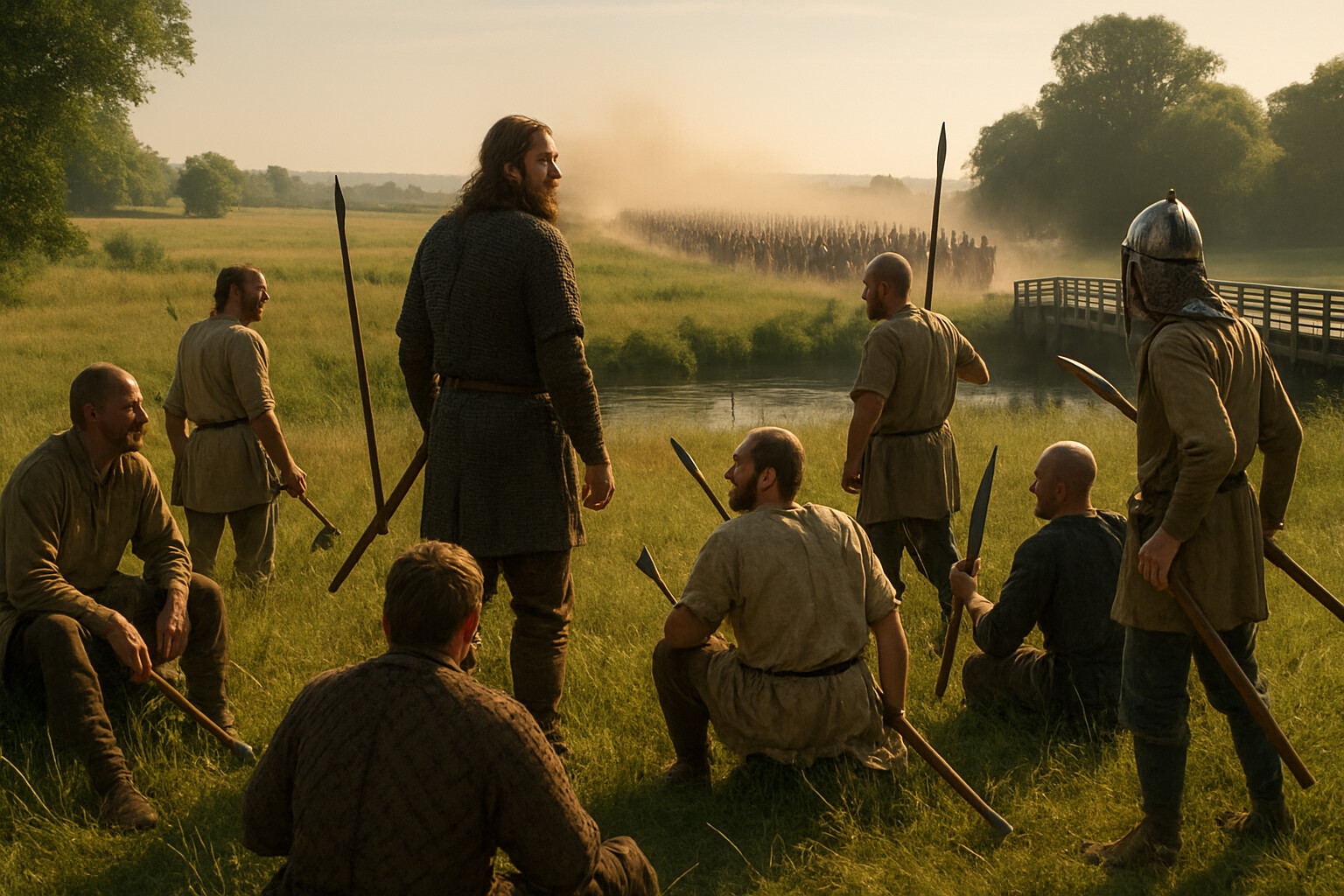
The Ottoman army landed on the southern part of the island without significant opposition. Lala Mustafa established his main camp near Marsa, at the head of Grand Harbor's inner creek, and immediately faced a strategic question: which position to attack first.
The advice of Turgut Reis, according to several later accounts drawing on both Ottoman and Maltese sources, reportedly favored bypassing Fort Saint Elmo and moving directly against Birgu and Senglea. Saint Elmo was small, and reducing it would cost time and men that could be used against the main positions. Lala Mustafa apparently judged differently—or concluded that he could not safely establish his naval forces in Marsamxett Harbor, the harbor on the north side of Sciberras, while Saint Elmo remained in Christian hands. The precise nature of this command discussion is not fully documented in sources available to Western scholarship, and the account of Turgut's advice comes from later compiled histories rather than confirmed contemporary records. What is not in doubt is the decision itself: Saint Elmo first.
That decision would define the siege.
Fort Saint Elmo in 1565 was a star fort of the Italian manner, relatively new, built out onto the tip of Sciberras Peninsula where the peninsula narrowed to a rocky point. It was not a large position. Its garrison at the start of the siege numbered approximately sixty to eighty knights and several hundred Maltese soldiers—the exact figures vary by source and changed as Valette rotated reinforcements across the harbor by boat at night, a practice attested in general terms though precise schedules and numbers are not fully documented. The fort had artillery positioned to command both harbor entrances, but its walls, though modern in design, were built of the soft Maltese limestone that characterized almost all construction on the island. Limestone, under sustained artillery bombardment, does not shatter into lethal fragments the way harder stone does—it crumbles. And it crumbles faster.
The Ottoman batteries opened fire on Saint Elmo around May 24, 1565. What followed was a siege within the siege. The Ottomans established batteries on the Sciberras ridge above and behind the fort, giving them plunging fire into the interior, and on the far shore of Marsamxett, giving them enfilading fire against the walls. They brought up some of the largest artillery pieces in the sixteenth-century Ottoman arsenal—basilisk-type cast bronze guns capable of firing stone or iron balls weighing sixty kilograms or more, alongside batteries of smaller guns that maintained sustained fire on specific sections of wall. The largest of these guns fired slowly, perhaps six to ten shots per day, constrained by loading time and the need to let the barrel cool between shots. But in a fort the size of Saint Elmo, each shot that landed counted.
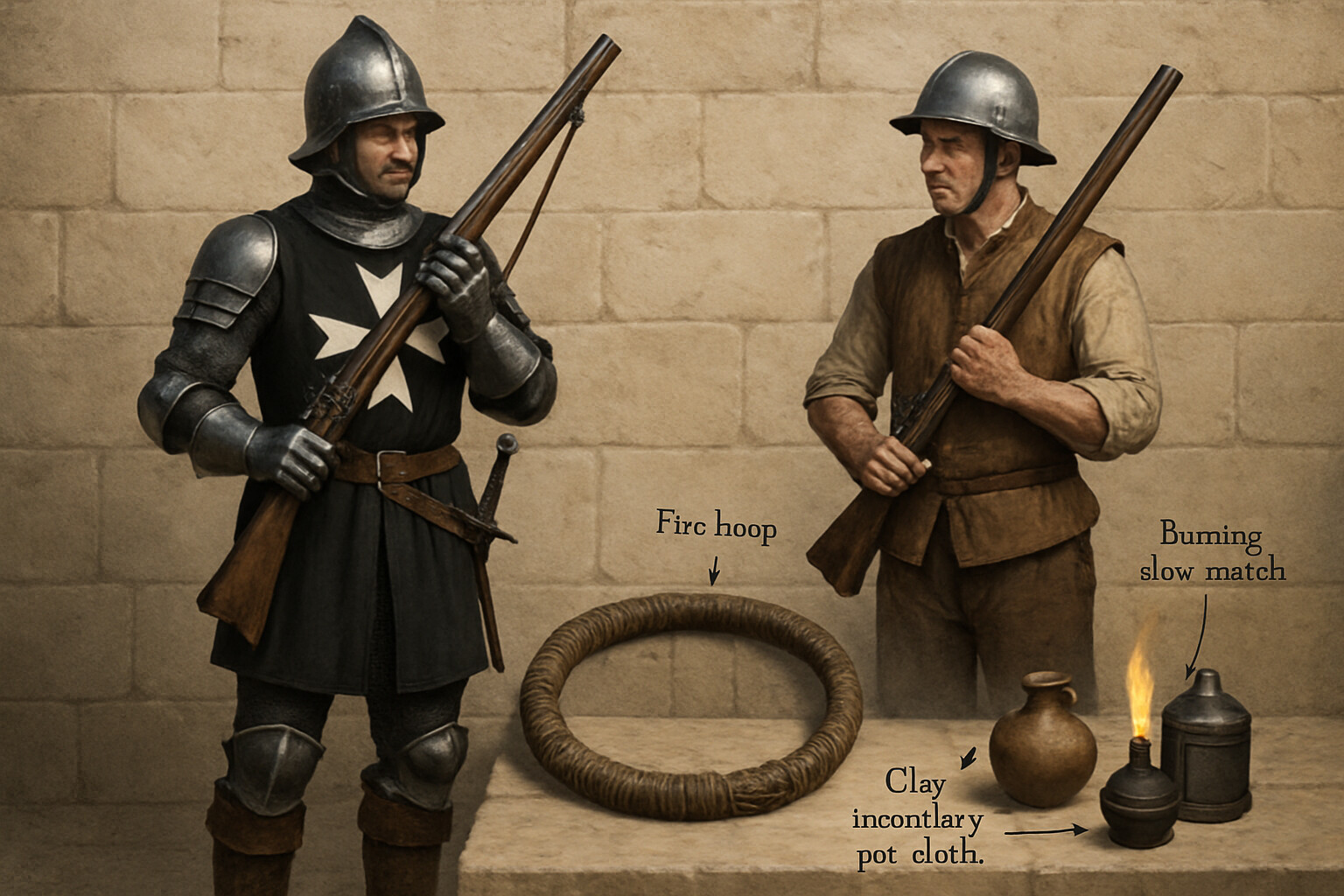
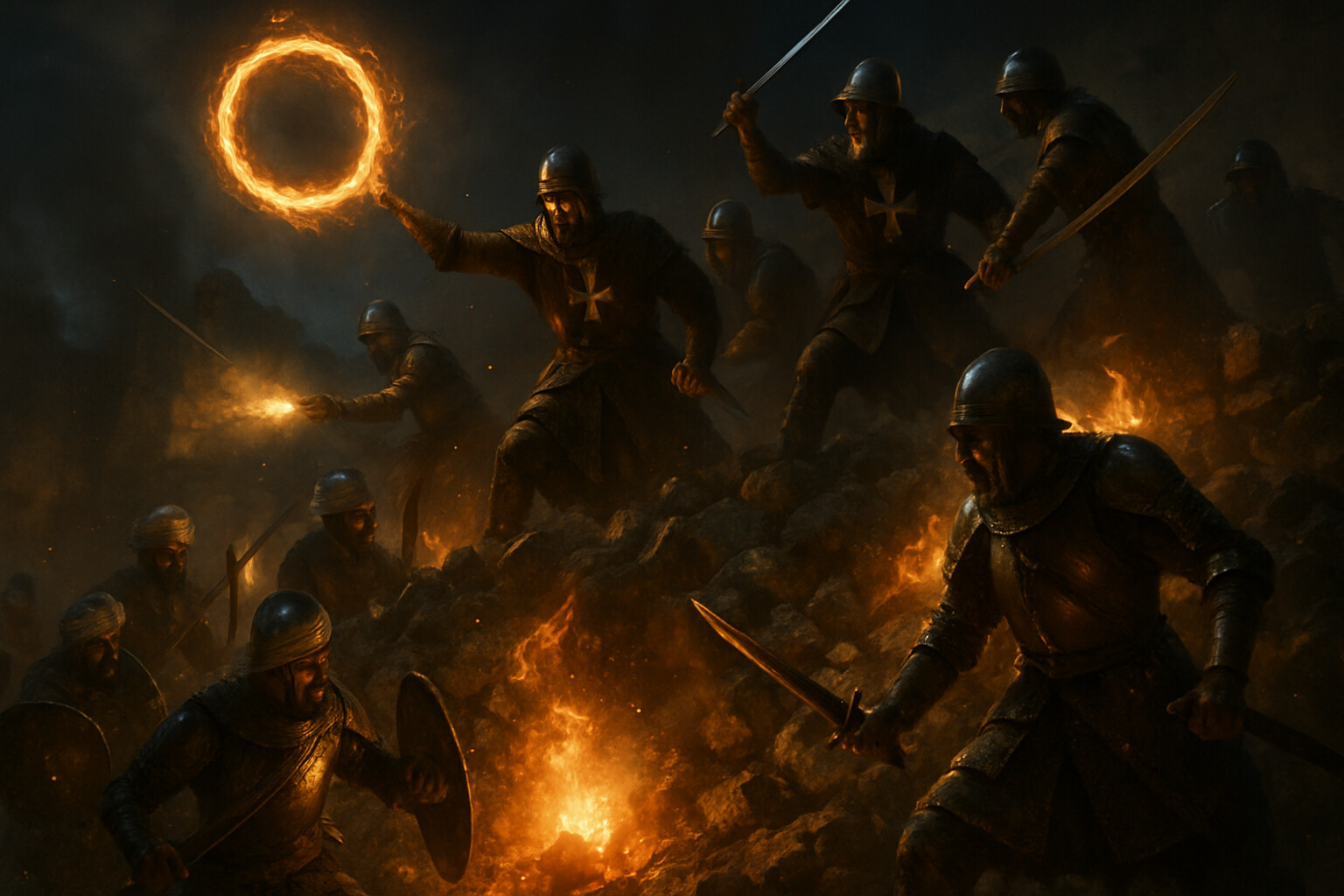
The defenders of Saint Elmo replied with their own artillery and with a weapon that would become closely associated with the siege: the fire hoop, called in some sources the trump or cerchio di fuoco. These were large wooden rings wrapped in cloth or rope, soaked in pitch and combustible materials, set alight, and hurled over the walls onto scaling parties attempting to cross the rubble slopes. Used alongside incendiary grenades—clay pots filled with pitch and combustible compositions—they were particularly effective at night, when Ottoman forces attempted to exploit breaches after the day's bombardment had done its work. A burning ring rolling down a rubble slope illuminated the target area, spread fire onto attackers' clothing and equipment, and created disorder at the moment of greatest danger for the defenders. The fire hoop appears in the account of Francisco Balbi di Correggio, a Spanish soldier who served in the garrison and published his narrative in 1568, making it among the better-attested improvised weapons of the siege—though the specific construction details are reconstructed from general descriptions rather than a technical record. Defenders also used arquebuses and crossbows from the walls, and positioned pike and sword men at breach points to receive anyone who got through.
Every day the fort held was, from the Ottoman perspective, a day's schedule slipping.
Valette watched from Birgu, across the harbor. He received messengers from Saint Elmo regularly. As the weeks passed and the garrison's condition deteriorated, later histories—some drawing on Order records, though the specific documentation requires verification—describe a communication in which members of the garrison, judging the fort indefensible and the sacrifice disproportionate, sought permission to attempt a breakout. Valette's response, according to the tradition preserved in multiple later accounts, was to offer to send fresh knights to relieve them and allow the demoralized men to return—a response that reportedly shamed the garrison into staying. Whether this exchange occurred in precisely this form, or whether it represents a compressed retelling of a more complicated series of communications, cannot be confirmed from contemporary primary documents alone. It has the character of a story that later generations constructed to explain why men stayed and fought in an untenable position. It may also be substantially true. It is presented here as tradition, not confirmed fact.
Turgut Reis arrived with reinforcements on June 2, bringing additional artillery and battlefield experience. He was present at the batteries personally and was struck by a fragment—stone or metal, sources differ—thrown up by a shot from the fort on approximately June 17 or 18. The wound was severe. Turgut died within hours or days depending on the account, before Saint Elmo fell. His death was a significant loss for the Ottoman command, though it did not slow the bombardment.
Fort Saint Elmo fell on June 23, 1565, after approximately four weeks of continuous bombardment and assault. The final attack came from multiple directions simultaneously. The garrison, reinforced repeatedly across the intervening weeks, was by that point reduced to a small number of badly wounded men. According to accounts compiled in later histories, only a handful of men—perhaps nine, mostly Maltese swimmers—escaped into the harbor. The knights and soldiers who could still stand fought at the breach. The exact number of defenders at the moment of the final assault is uncertain; estimates drawn from accounts of the reinforcing rotations suggest somewhere between a few score and perhaps one hundred fifty men, heavily wounded.
Ottoman casualties in the taking of Saint Elmo have been estimated at between four thousand and eight thousand killed and wounded over the course of the operation. That range reflects genuine uncertainty in the sources; sixteenth-century battlefield accounting was imprecise on all sides. Even the lower figure, if roughly accurate, indicates the ferocity of the resistance: the Ottoman command had expected to take Saint Elmo in days. It took a month, cost thousands of men, and the main fortifications had not yet been touched.
A remark attributed to Lala Mustafa after seeing the cost—asking, in effect, what the father's fortress would cost if the son's had demanded this price—has been repeated in histories of the siege for centuries. It almost certainly represents a later construction or compression of an attitude rather than a verbatim recorded statement, and should be understood as tradition rather than documented speech. What it captures accurately is the psychological reality of the moment: the Ottoman timetable had broken on a position that should have fallen quickly.
---
Valette's response to the fall of Saint Elmo is attested across multiple later accounts, including sources drawing on Order records, though the specific primary documentation warrants verification. Ottoman forces had killed the garrison, then sent the bodies of the knights across the harbor on wooden crosses toward Birgu. Valette ordered the Ottoman prisoners in his custody—described in various sources as a substantial number including high-status captives—executed, and their heads fired from cannon back toward the Ottoman lines. Whether this is documented in a specific contemporary source or in later compiled histories requires closer examination before treating it as confirmed fact. What multiple accounts agree on is the intent: the siege would be conducted without quarter on either side, and no prisoner ransoms would soften the stakes. Valette was preparing his garrison, and the Maltese population, for a fight in which the alternative to holding was annihilation.
The Ottoman army now shifted its full weight against Birgu and Senglea. Birgu was the older settlement, the location of the Conventual headquarters, and the main land walls. Senglea occupied the adjacent peninsula, separated from Birgu by a small creek. Between them and the open sea, they commanded Grand Harbor. Fort Saint Angelo, a much older fortification at the tip of Birgu peninsula, provided additional artillery support. Valette had connected the two positions with a bridge and established a chain and floating boom across the mouth of the creek to prevent Ottoman ships from entering.
The Ottoman assault on Senglea in late June and early July 1565 included both land attack and an amphibious attempt across the harbor. The amphibious force—some accounts say approximately eighty small boats, though the exact number is uncertain—was caught by artillery positioned along the shoreline or on a submerged platform, depending on which account one follows. The technical details of this battery's construction and employment are inconsistent across sources; the broad result—that the amphibious attack failed with heavy Ottoman casualties—appears consistently across multiple accounts.
The land assaults on Birgu and Senglea continued through July and August with a relentlessness made possible by the sheer size of the Ottoman force. Mines were dug beneath sections of the walls, loaded with powder, and detonated. The resulting rubble slopes were then assaulted. The defenders responded with countermines where possible and with violent defensive action at every breach. Multiple accounts indicate that Valette was present at the walls during at least one major assault—that when the wall of Birgu was breached and Ottoman soldiers poured through, he joined the defenders in the gap. Whether this is documented in a contemporary source or represents later embellishment requires closer examination of specific primary texts, but the claim appears in multiple independent accounts and is consistent with what is known of Valette's conduct across his career. It is noted here as a claim with significant attestation, not as a certainty.
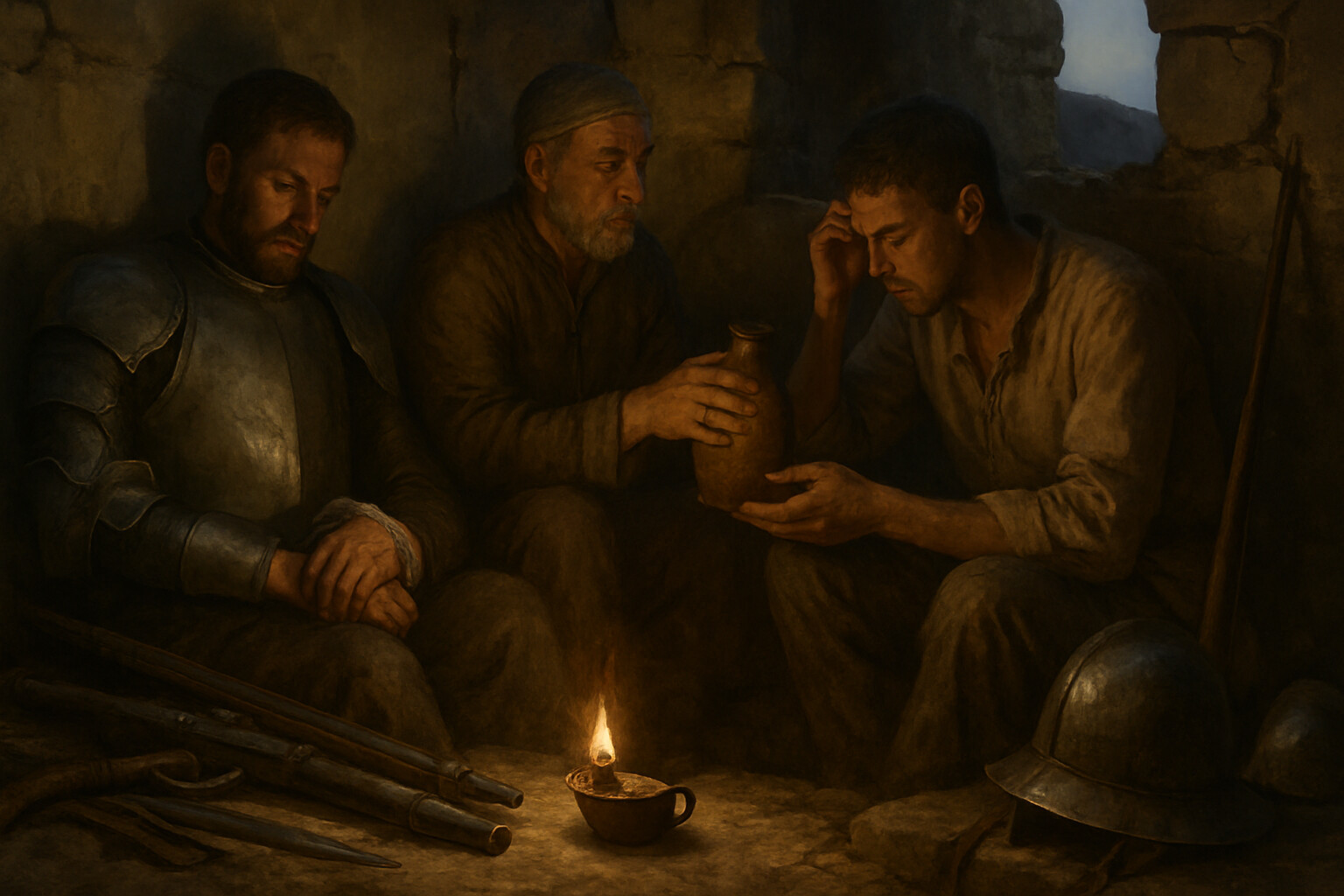
By August, the garrison was in serious condition. Casualties among the knights had been severe. The Maltese soldiers and civilians who made up the bulk of the defense were exhausted and reduced in numbers. Food was holding, but barely. Powder and ammunition were running low in some categories. The walls of Birgu had been so battered that they were in places more rubble slope than vertical face. A large assault on August 7 very nearly broke through at multiple points simultaneously; the defense held in part because a sortie from Fort Saint Angelo distracted the Ottoman rear at a critical moment.
Throughout August the garrison waited for the Spanish relief force—the tercios of Don Garcia de Toledo, Viceroy of Sicily, who had been assembling forces and ships with what his critics considered excessive caution and his defenders considered appropriate preparation for an operation in which failure would mean the total loss of the expeditionary force. A smaller advance force—sometimes called the Piccolo Soccorso, the Small Relief—landed in approximately late June and managed to reach Birgu by marching overland, adding perhaps six hundred men to the garrison. Their arrival mattered most as a signal that Spain had not abandoned the island.
The main relief force arrived on approximately September 7, 1565, when eight thousand to ten thousand Spanish and allied soldiers landed on the northwestern coast and began marching toward the Ottoman camp. The estimate of their strength varies by source.
The effect was immediate. Lala Mustafa Pasha, after nearly four months of siege, had consumed a significant fraction of his manpower, his ammunition, and his campaigning season. The arrival of a substantial Spanish force on the island, combined with intelligence that additional forces might follow, forced a decision. The Ottoman army broke off the siege and retreated to its ships. By approximately September 12, the fleet had departed.
Malta had held.
---
The cost was severe on both sides. Ottoman casualties across the four-month siege have been estimated—with significant variation and the inherent unreliability of sixteenth-century battlefield accounting—at between ten thousand and thirty thousand killed and wounded. The spread of those figures reflects genuine uncertainty; the lower end probably represents deaths in action, while higher estimates attempt to account for disease and the cumulative losses of a months-long campaign in summer heat. The defenders lost approximately two hundred thirty to two hundred fifty knights dead out of approximately five hundred who began the siege—a casualty rate among the Order's fighting members of nearly half. Maltese military casualties are harder to estimate precisely but were certainly in the thousands. The civilian population suffered through bombardment, disease, and the sustained pressure of a siege in which the fall of the island would have meant enslavement or death for many.
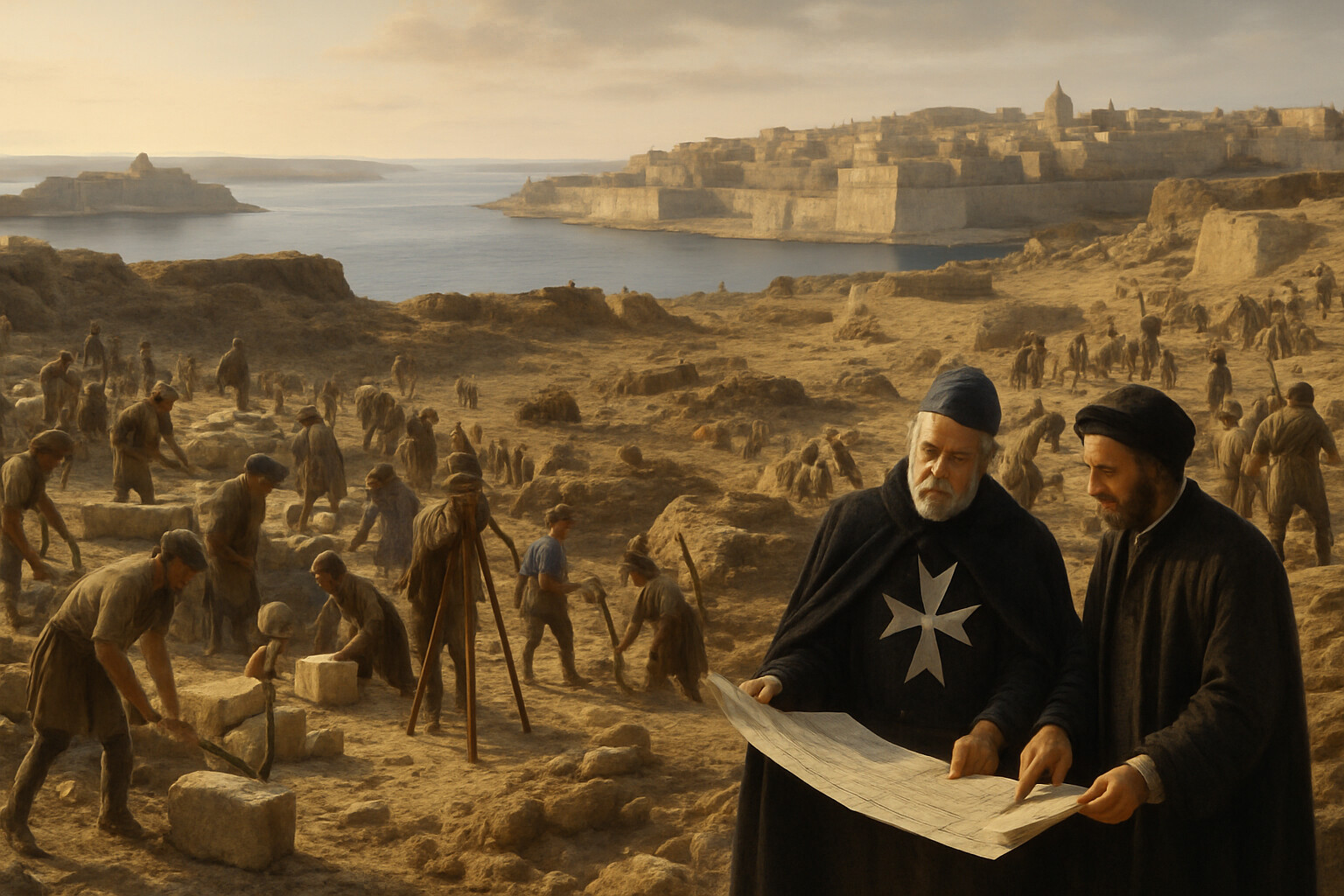
Fort Saint Elmo was a ruin. Birgu and Senglea were extensively battered. But they stood. And in the aftermath of the siege, Valette made a decision that shaped the island's history permanently: the Order would build a new city, on the Sciberras Peninsula where the Ottoman batteries had stood, designed from the ground up according to the most advanced military engineering principles of the era. That city, begun in 1566, was named Valletta. It was designed with significant input from the military engineer Francesco Laparelli; the respective contributions of Laparelli and the earlier planner Bartolomeo Genga remain a subject for archival verification. Construction was supported financially by the Pope and the Spanish crown. Valletta remains the capital of Malta today.
Valette did not live to see the city completed. He died on August 21, 1568. Most accounts attribute his death to a stroke or heatstroke suffered while supervising construction work, but the specific circumstances vary by account and primary Order records from 1568 have not been fully consulted to confirm the detail. He was buried beneath the altar of the Church of Our Lady of Victory in Valletta, before the great conventual church he had planned was finished.
---
The historical record of the Great Siege of Malta rests on a substantial but uneven documentary base. The closest thing to a contemporary participant's memoir from the Christian side is the account of Francisco Balbi di Correggio, a Spanish soldier who served in the garrison and published his narrative in 1568. It is a primary source for many tactical details—the use of fire hoops, garrison morale, the sequence of assaults—but it was written for publication shortly after the events it describes, reflects the perspective of a Christian defender with a stake in how the siege was remembered, and should be read with appropriate source criticism. Ottoman sources are less accessible in Western scholarship but have been increasingly drawn on by researchers studying the siege from both sides; English-language popular histories have not yet fully integrated this material. The Maltese chronicle tradition provides important local perspective, though separating contemporary observation from later elaboration requires careful work.
Secondary histories drawing on these materials include Ernle Bradford's widely read 1961 popular account and Roger Crowley's more recent work integrating Ottoman and Christian sources. Specific casualty figures, garrison strengths, and moment-by-moment tactical details vary enough between sources that any narrative account—including this one—should be read with awareness that precision on these points may exceed what the evidence actually supports.
What is not in dispute is the outcome. A much smaller force, fighting from prepared positions under the direction of an experienced commander, held against an assault by one of the most powerful military organizations of the sixteenth century. The Ottoman Empire did not attempt another large-scale western Mediterranean expedition on this scale; within six years, the naval balance shifted dramatically at Lepanto. Whether the siege at Malta was a significant contributing factor to that shift, or whether larger economic and strategic dynamics were the primary drivers, remains a question historians continue to examine.
What is also not in dispute is what Valette chose in the months before the fleet appeared. He prepared. He fortified. He drilled. He stocked powder and food. He organized a population that had no particular interest in dying for an order of celibate knights but every interest in not being enslaved, and he gave them reason to fight as a coherent defensive force rather than a terrified crowd. When the guns opened on Fort Saint Elmo before dawn and the arithmetic of the siege began its relentless calculation, Valette had already spent years ensuring that the answer would come out differently than the Ottomans expected.
That is not the stuff of tradition. It is the stuff of professional military leadership, exercised under conditions that would have broken a lesser man before the first shot was fired. Jean Parisot de Valette held Malta because he had built the conditions under which Malta could be held. The guns, the walls, the garrison, the population's resolve—these did not appear by chance. They appeared because a man in his seventies had spent years making sure they would be there when they were needed.
The city that bears his name is still there. So is the harbor it guards. And on the fortification walls that line that harbor, if you look closely at the limestone, you can still find the pockmarks where Ottoman stone balls struck in the summer of 1565—pressed into the rock itself, the visible residue of a summer when the wall would not fall.