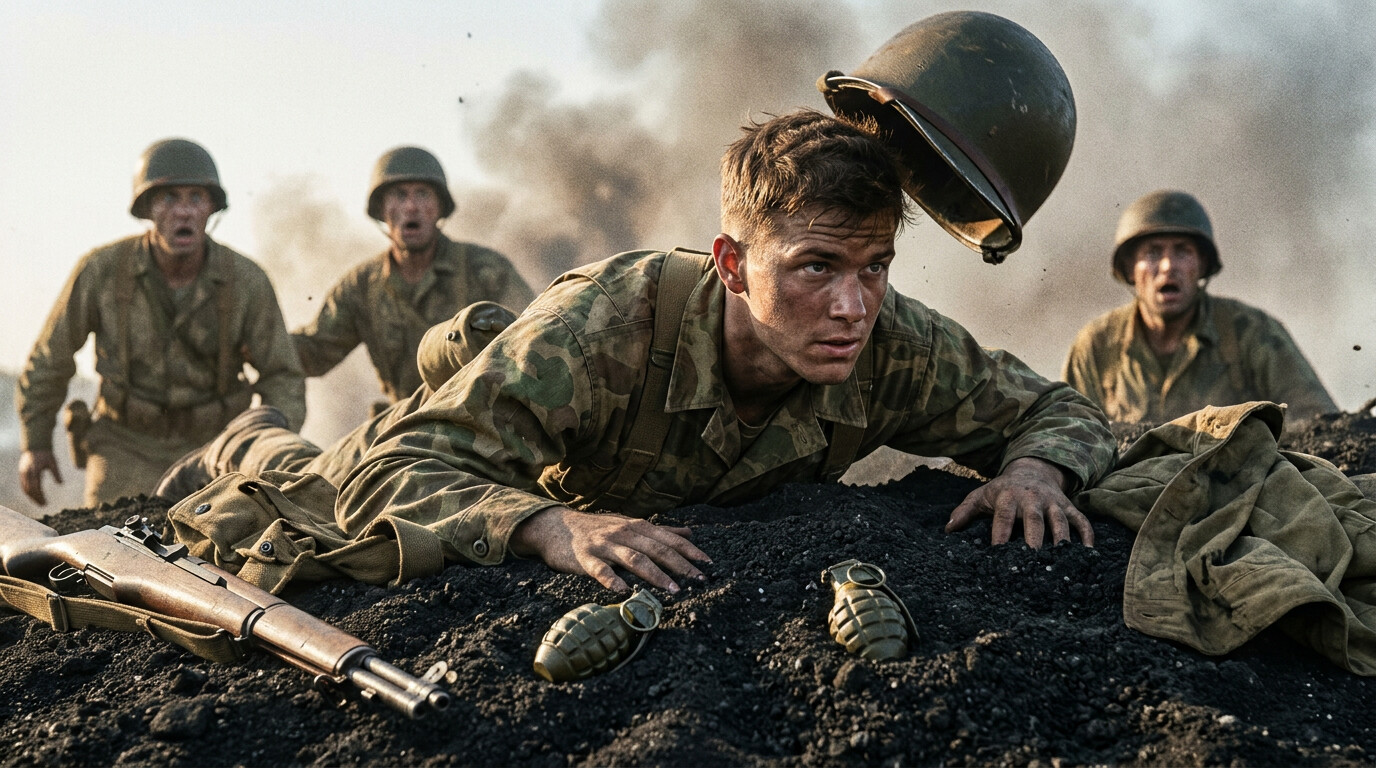
The first grenade hit the volcanic ash three feet away. Private First Class Jack Lucas saw the metal sphere bounce once, then settle against the black sand of Iwo Jima. In that frozen instant—February 20, 1945, just after dawn—the seventeen-year-old Marine faced a choice that would define not just his life, but the meaning of courage itself.
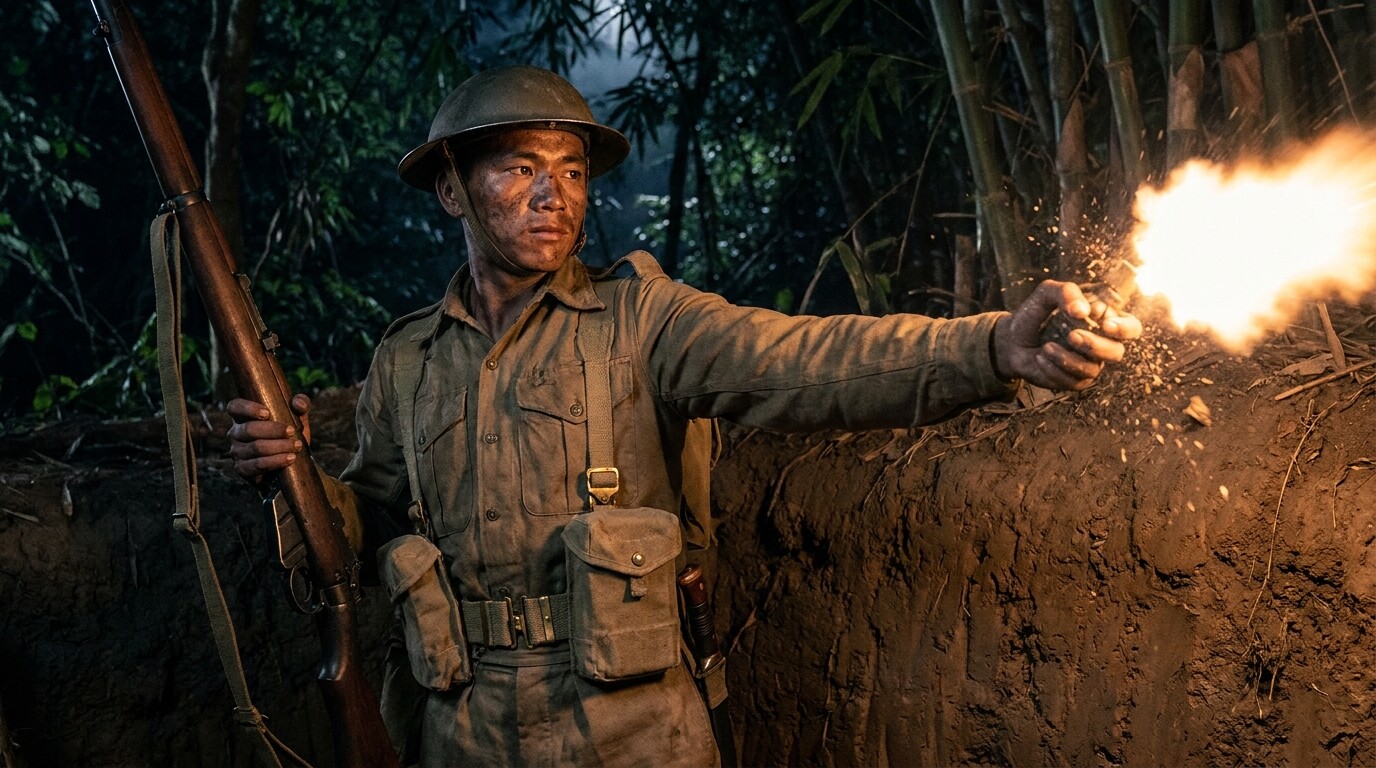
A second grenade landed beside the first. Two Type 97 fragmentation grenades, each packed with enough explosive force to kill or maim every Marine in the crater where Lucas's squad had taken cover. The fuses burned down in seconds. Lucas didn't hesitate.
He dove forward, covering both grenades with his body.
**The Boy Who Lied His Way to War**
Jack Lucas should never have been on Iwo Jima. Born in Plymouth, North Carolina, on February 14, 1928, he was barely fourteen when Pearl Harbor brought America into World War II. Like thousands of other boys across the nation, Lucas watched older brothers and neighbors march off to war while he remained trapped in high school.
According to military records, the fifteen-year-old walked into a Marine recruiting station in Norfolk, Virginia, in 1943. He lied about his age, claiming to be seventeen—the minimum age for enlistment with parental consent. His mother, discovering his deception, refused to sign the papers. Lucas waited. On his actual seventeenth birthday in 1945, he enlisted legally, but by then, his impatience for combat had already marked him as a problem recruit.
At Parris Island, drill instructors noted Lucas's aggressive spirit but questioned his discipline. He completed basic training and advanced infantry training, earning the rank of Private First Class. But when orders came for the 5th Marine Division to deploy to the Pacific, Lucas found himself assigned to a rear-echelon unit at Pearl Harbor—driving a truck, handling supplies, nowhere near the fighting he'd joined the Marines to find.
Lucas made his own war. In early February 1945, as the 26th Marines prepared to depart Hawaii for what would become the bloodiest battle in Marine Corps history, Lucas stowed away aboard a troop transport. He hid among the equipment until the ship was well at sea, then presented himself to officers who had little choice but to assign him to a rifle company rather than return him to shore.
The 1st Battalion, 26th Marines, 5th Marine Division, gained an unauthorized but determined Marine. Lucas had finally found his way to the war.
**Sulfur Island**
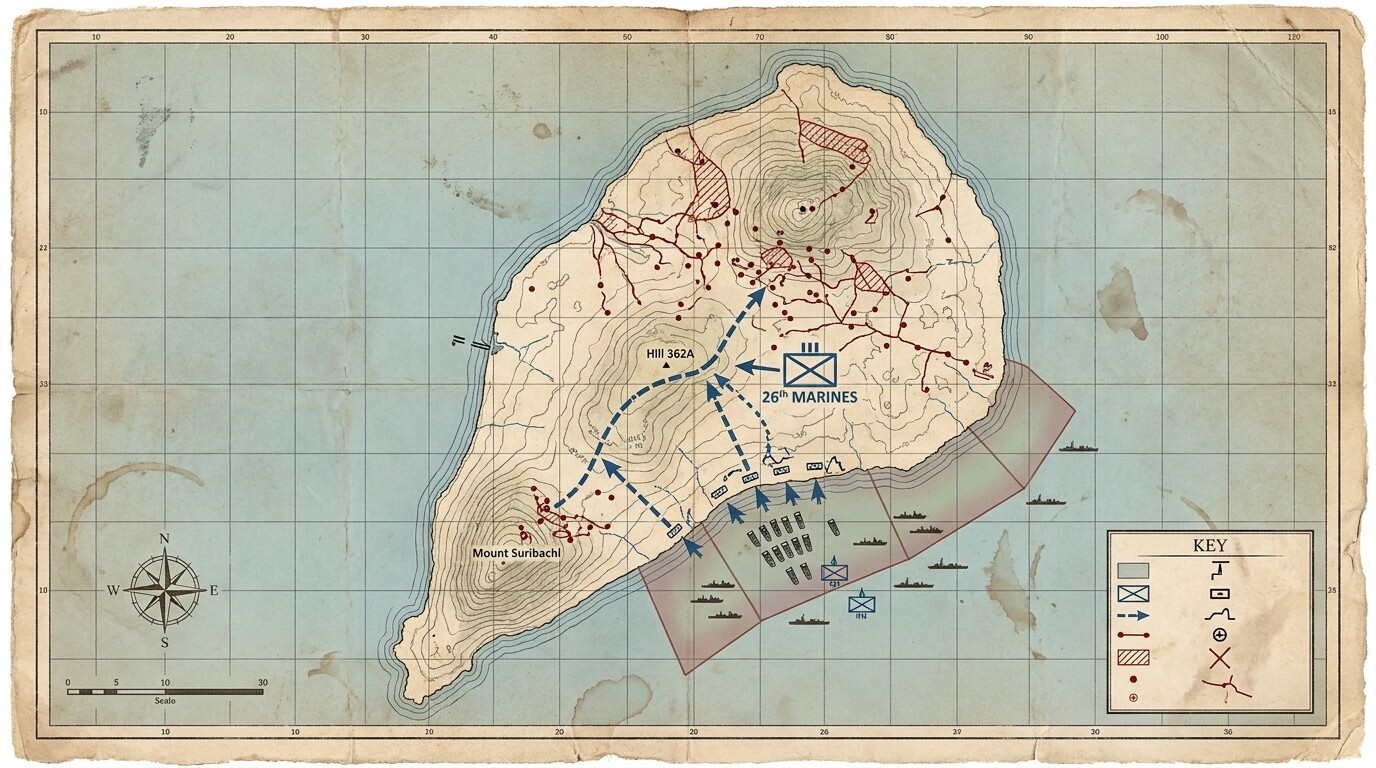
Iwo Jima—literally "Sulfur Island" in Japanese—rose from the Pacific like a pork chop-shaped fortress 750 miles south of Tokyo. Eight square miles of volcanic ash, black sand beaches, and honeycomb caves that Japanese defenders had spent two years fortifying. For American planners, the island represented a crucial stepping stone toward Japan itself: close enough for damaged B-29 bombers to make emergency landings, near enough to serve as a fighter base for escort missions over the Japanese mainland.
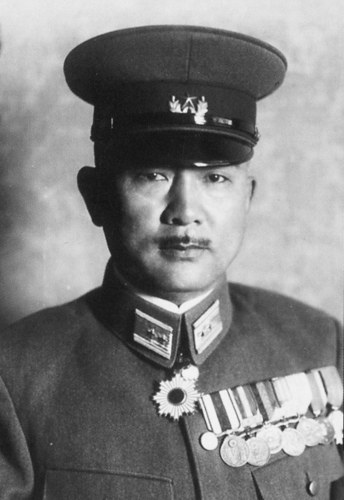
Lieutenant General Tadamichi Kuribayashi commanded approximately 21,000 Japanese defenders who had transformed Iwo Jima into what military historians would later call one of the most formidable defensive positions in military history. Unlike other Pacific island battles where Japanese forces had contested beaches and died in futile banzai charges, Kuribayashi adopted a strategy of defense in depth. His forces would allow American Marines to land, then exact maximum casualties from an interconnected network of bunkers, tunnels, and cave positions.
The Japanese had carved more than eleven miles of tunnels through Iwo Jima's volcanic rock. Artillery pieces, mortars, and machine gun positions were positioned to create interlocking fields of fire across every approach. Many positions were virtually invisible from American observation until Marines advanced within grenade range.
On the morning of February 19, 1945, the largest Marine assault force in Pacific War history—three full divisions comprising over 70,000 men—began landing on Iwo Jima's southeastern beaches. The 4th and 5th Marine Divisions hit the beach simultaneously while the 3rd Marine Division remained in reserve.
Lucas went ashore with the second wave of the 1st Battalion, 26th Marines. The initial landings met lighter resistance than expected—Kuribayashi's strategy was to let the Marines establish themselves before opening devastating fire from concealed positions.
**The Meat Grinder**
By February 20, the battle had settled into what Marines called the meat grinder. Every yard of advance cost blood. Japanese defenders, following Kuribayashi's orders, fought with desperate skill from positions that American artillery and air strikes could barely touch.
The 26th Marines had been assigned to advance northward from the landing beaches toward the center of the island. Their objective was Hill 362A, a strategic height that dominated the central plateau. But between the Marines and their objective lay nearly a mile of the most heavily fortified terrain American forces had ever encountered.
Lucas's squad moved through landscape that seemed designed by nightmare. Black volcanic ash covered everything, making footing treacherous. The sulfur smell that gave the island its name mixed with cordite and death. Visibility was often reduced to yards by the ash kicked up by explosions and movement.
Japanese positions were nearly impossible to detect until Marines were close enough to be killed. A seemingly empty patch of ground might conceal a spider hole containing a Japanese soldier with grenades. An innocent-looking cave mouth might hide a 75mm anti-tank gun. Mortars fired from reverse slopes where American artillery could not reach them.
The tactical situation favored defenders completely. Marines had to advance across open ground while Japanese forces fired from concealed positions with predetermined fields of fire. Every advance was measured in casualties.
On the morning of February 20, Lucas's squad was moving through terrain that maps designated as relatively secure—ground supposedly cleared by Marines advancing the previous day. The reality of Iwo Jima was that no ground remained secure. Japanese infiltrators moved through tunnel systems to reoccupy positions behind American lines. Bypassed positions that seemed neutralized suddenly erupted with fire.
**The Grenades**
Lucas's squad had taken cover in what appeared to be a natural depression in the volcanic terrain—possibly a shell crater, possibly a natural formation in the ash. The eleven Marines were planning their next advance when Japanese positions somewhere ahead opened fire.
The M1 Garand rifles carried by Lucas and his squadmates were excellent weapons for their intended role, but on Iwo Jima, they often seemed inadequate against an enemy who rarely showed himself. The eight-round clip of .30-06 ammunition could drop a man at 500 yards, but first you had to see him. Japanese defenders used the terrain and their fortifications to minimize target exposure.
From the American perspective, the battle often became a deadly guessing game: where was the enemy firing from? Which positions were decoys and which held actual threats? How could infantry advance against defenders who could fire from any direction?
The squad's automatic weapon was a Browning Automatic Rifle, a twenty-pound shoulder-fired machine gun that provided suppressive fire. On Iwo Jima, the BAR's .30-06 rounds often had little effect against Japanese positions protected by volcanic rock and steel reinforcement.
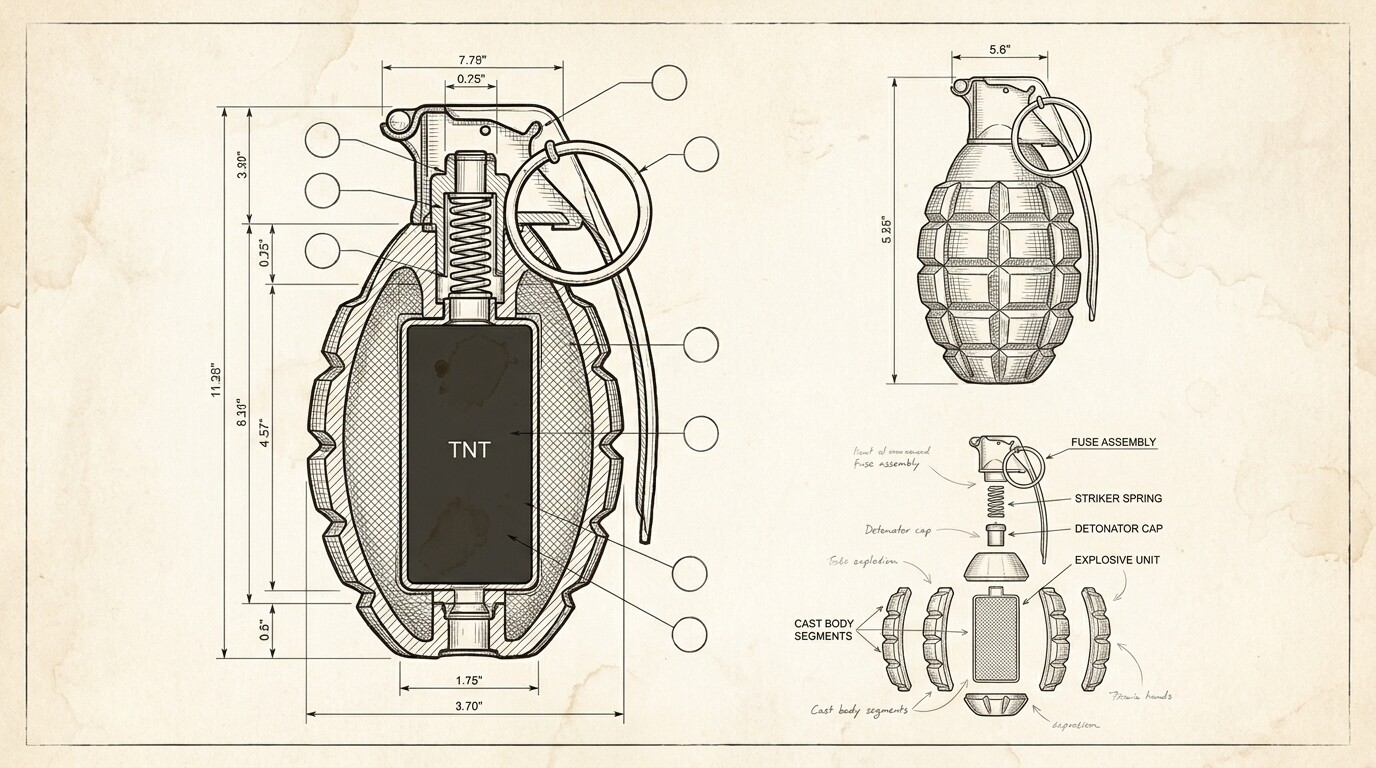
As the squad planned their movement, two Type 97 hand grenades landed in their crater. These Japanese weapons were distinctive for their segmented bodies designed to produce maximum fragmentation. Unlike American grenades, which used time-delay fuses, Japanese grenades required striking a percussion cap against a hard surface to arm them.
The grenades that landed near Lucas had been properly armed. Their fuses burned down with mechanical precision toward detonation.
In the seconds that followed, Lucas made a decision that battlefield accounts describe consistently across multiple witness statements. He threw himself forward, attempting to cover both grenades with his body.
The mathematics of this action were simple and terrible. Two Type 97 grenades contained enough explosive power to kill or seriously wound every Marine in the crater. Lucas's body could potentially absorb enough of the blast and fragmentation to save his squadmates' lives, but the action would almost certainly be fatal for him.
**The Explosion**
One grenade detonated directly under Lucas's body. Medical experts would later determine that his survival resulted from multiple factors: the volcanic ash beneath him absorbed some of the blast, his body position protected his vital organs, and immediate medical attention prevented him from bleeding to death.
The second grenade failed to explode—a mechanical failure that possibly saved Lucas's life. Had both grenades detonated simultaneously, no human body could have absorbed the combined explosive force.
Lucas absorbed the full blast of one Type 97 grenade at point-blank range. Fragmentation tore through his body, causing massive trauma to his arms, legs, chest, and face. Witnesses described him as appearing mortally wounded in the immediate aftermath of the explosion.
His squadmates, protected by his sacrifice, were able to continue fighting. The tactical situation that had pinned them down was broken by Lucas's action—not because he eliminated the threat, but because his sacrifice enabled the squad to survive and respond to the Japanese position that had thrown the grenades.
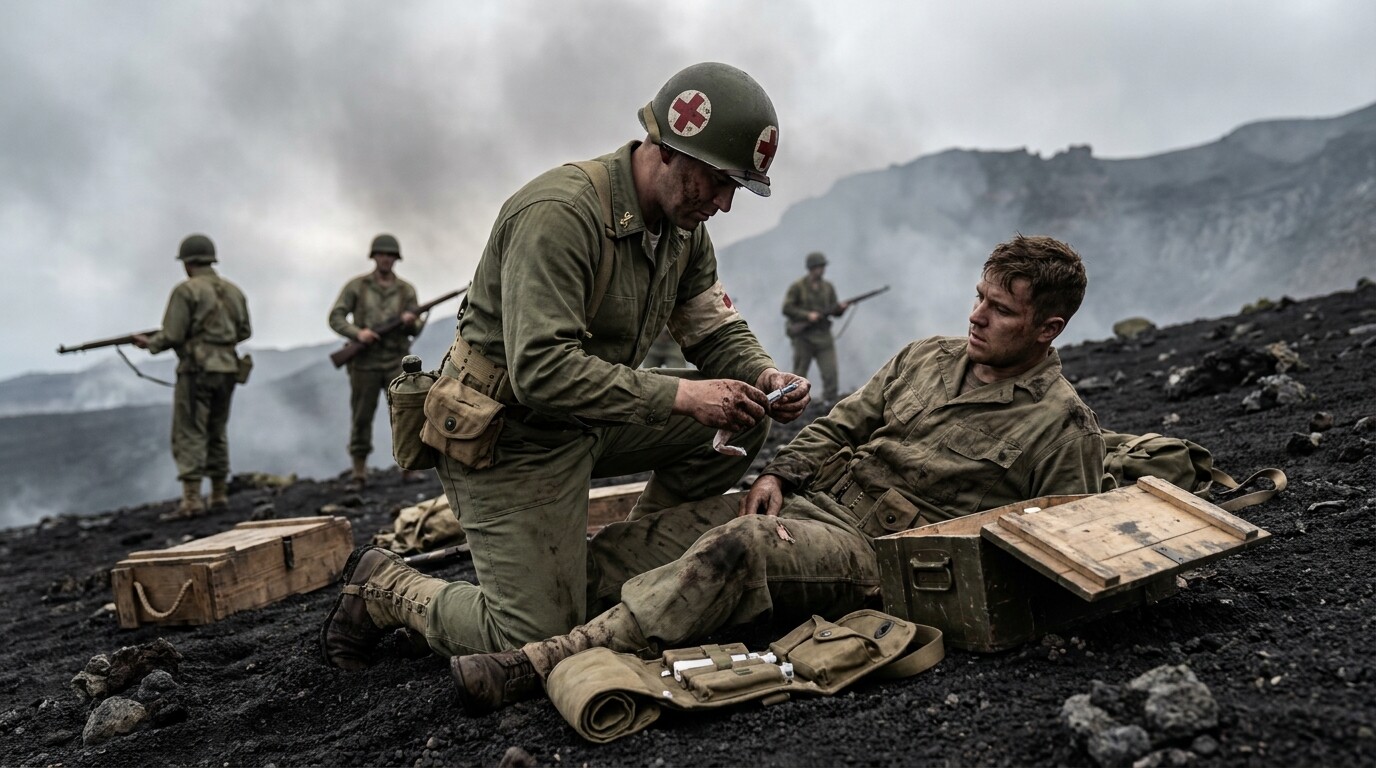
Medics reached Lucas within minutes of the explosion. Navy corpsmen attached to Marine infantry units were trained to treat traumatic injuries under fire, and their skills were tested constantly on Iwo Jima. The corpsman who first reached Lucas reportedly expressed surprise to find any signs of life.
**Survival**
Lucas's evacuation from Iwo Jima required multiple stages of medical care that represented the most sophisticated battlefield medicine of World War II. Corpsmen stabilized him at the point of injury, then stretcher bearers carried him to a battalion aid station. From there, jeep ambulances transported him to a regimental aid station near the beach.
The beach evacuation system on Iwo Jima was continuously under Japanese fire. Landing craft and hospital ships offshore provided the next level of medical care. Lucas was evacuated to a hospital ship, then to advanced medical facilities in the Pacific theater, and eventually to naval hospitals in the United States.
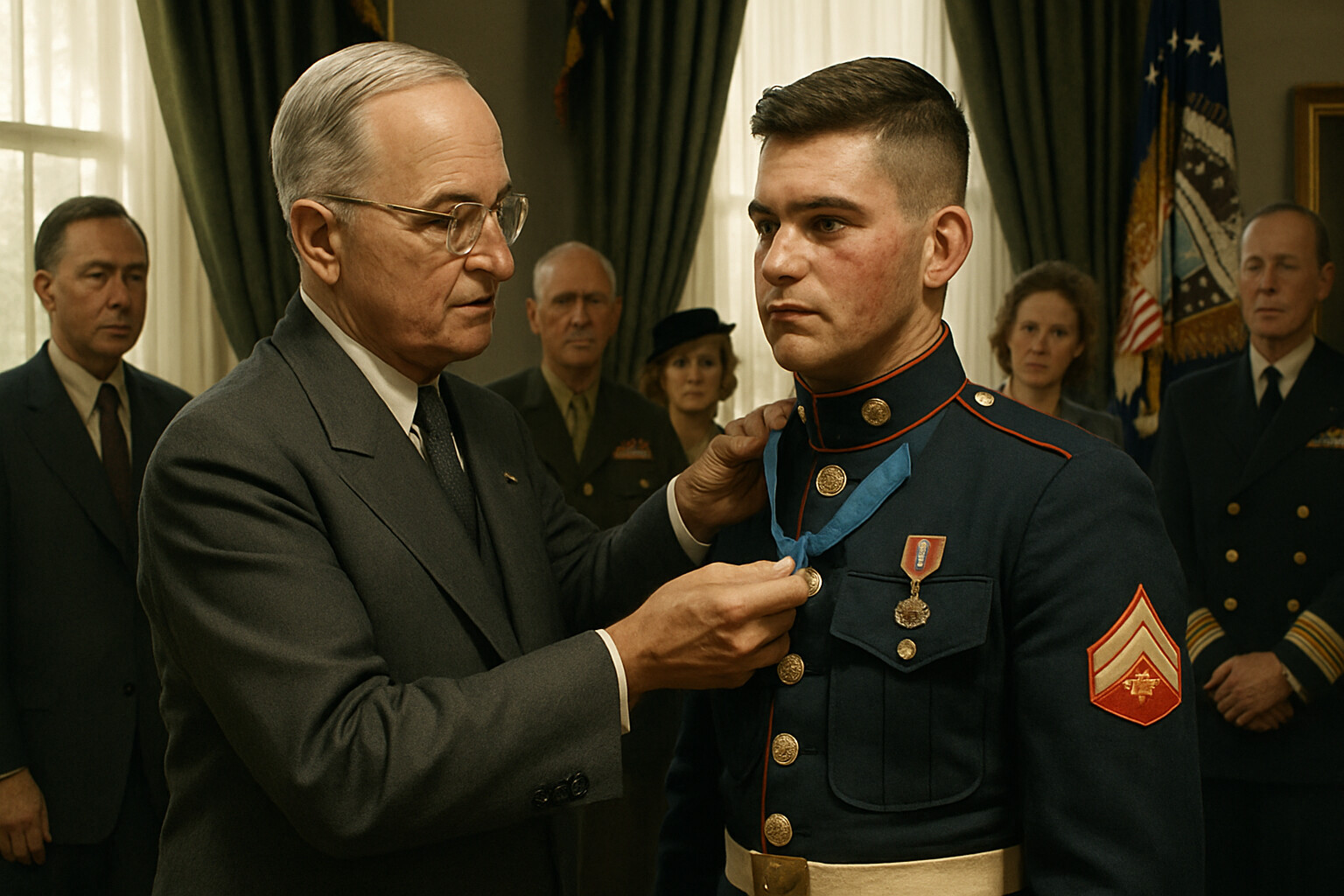
The extent of his injuries required months of surgery and rehabilitation. Fragmentation wounds covered his body, some pieces of metal remaining embedded where surgical removal would cause more damage than leaving them in place. His survival represented both the severity of his wounds and the effectiveness of military medicine.
Medical personnel focused on keeping him alive rather than recording statements during the early stages of his treatment.
**The Battle Continues**
While Lucas fought for his life in medical facilities far from Iwo Jima, the battle continued for thirty-one more days. The island that Marine planners had hoped to secure in a week became the longest sustained battle in Marine Corps history.
The 26th Marines, Lucas's regiment, continued advancing toward their objectives in the central part of the island. Every day brought casualties that measured American progress in yards. Hill 362A, the objective Lucas's battalion had been moving toward when he was wounded, was not secured until February 24—four days after his wounding.
The final organized Japanese resistance ended on March 26, 1945. By then, approximately 6,800 Americans had been killed and 19,200 wounded. Japanese casualties were nearly total: of approximately 21,000 defenders, only 216 were taken prisoner.
The strategic value of Iwo Jima was proven during the final months of World War II. More than 2,400 B-29 bombers made emergency landings on the island's airfields, potentially saving an estimated 24,000 aircrew lives. But the cost of the victory raised serious questions about the planned invasion of Japan itself.
**Recognition**
The process of documenting and recognizing Lucas's actions followed military procedures established for extraordinary valor under fire. His squadmates provided witness statements describing his deliberate action to shield them from the grenades. Medical records documented the severity of his wounds and the circumstances of his injury.
Military awards for valor require multiple levels of review and verification. The Medal of Honor, as the highest personal decoration for courage in combat, requires particularly stringent documentation. Witness statements must be corroborated, the tactical situation must be clearly established, and the action must meet specific criteria for extraordinary heroism.
Lucas's case met these criteria clearly. Multiple witnesses confirmed his deliberate action to cover the grenades. The tactical situation was documented through unit records and after-action reports. Medical records verified that he absorbed the blast of at least one grenade while protecting his squadmates.
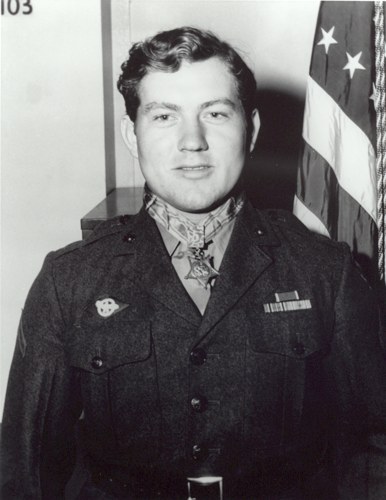
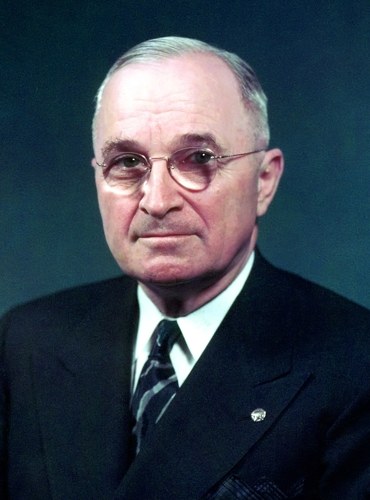
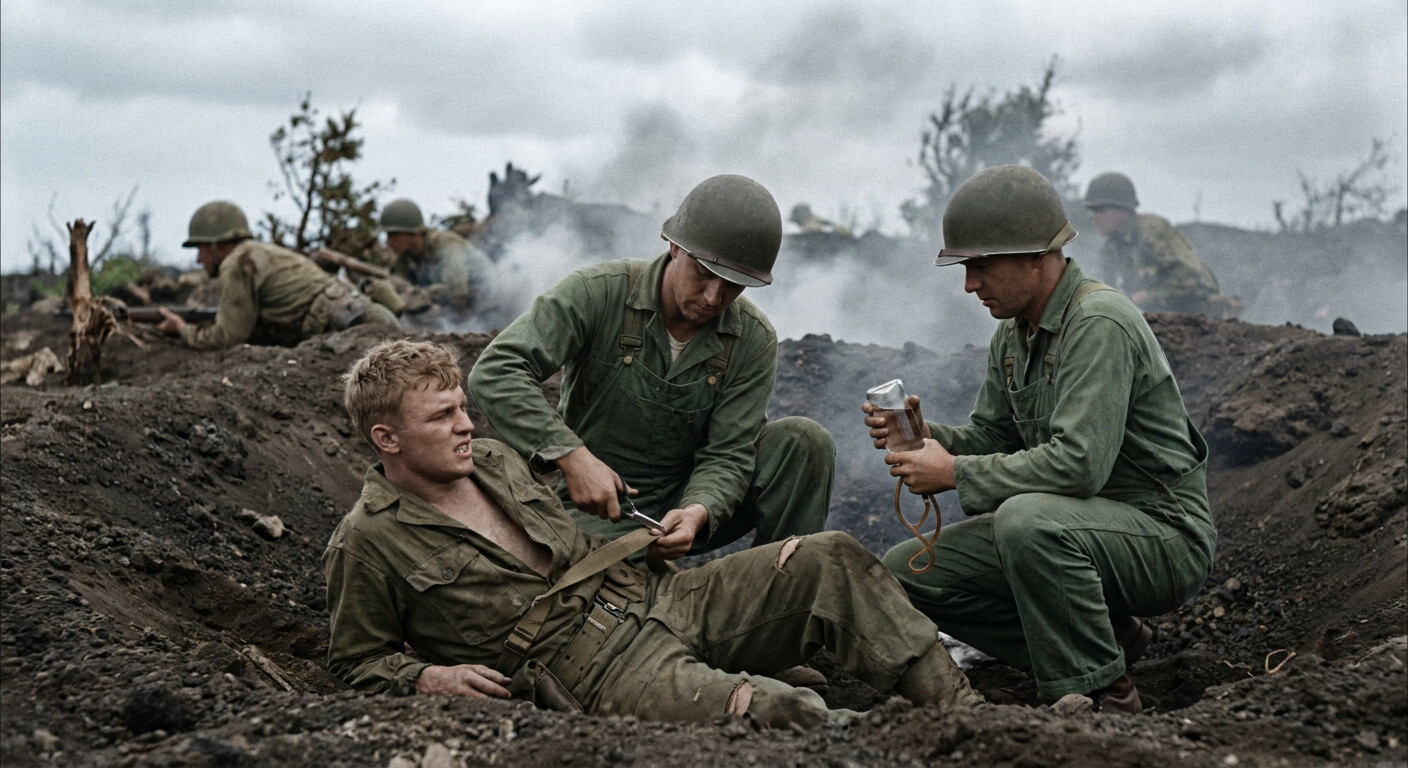
On October 5, 1945, President Harry S. Truman presented Lucas with the Medal of Honor in a White House ceremony. At seventeen, Lucas became the youngest Marine to receive the nation's highest decoration for valor, and the youngest service member of any branch to earn the Medal of Honor in World War II.
**The Citation**
The official Medal of Honor citation reads: "For conspicuous gallantry and intrepidity at the risk of his life above and beyond the call of duty while serving with the 1st Battalion, 26th Marines, 5th Marine Division, during action against enemy Japanese forces on Iwo Jima, Volcano Islands, 20 February 1945. While creeping through a treacherous, twisting ravine which ran in close proximity to a fluid and uncertain frontline on D-plus-1 day, Pfc. Lucas and 3 other Marines were suddenly ambushed by a hostile patrol which savagely attacked with rifle fire and grenades. Quick to act when the lives of the small group were endangered by 2 grenades which landed directly in front of them, Pfc. Lucas unhesitatingly hurled himself over his comrades upon 1 grenade and pulled the other under him, absorbing the whole blasting force of the explosions in his own body. Although permanently handicapped by his injuries, he recovered after a long period of hospitalization and was discharged for disability, thus demonstrating the ultimate in selfless sacrifice and gallantry."
**After the War**
Lucas's recovery required years of medical treatment and rehabilitation. The extensive fragmentation wounds and internal injuries from the grenade explosion left him with permanent disabilities that ended his military career. He was medically discharged from the Marine Corps and began the difficult process of adjusting to civilian life.
The transition from combat hero to civilian teenager proved challenging in ways that military medical care could not address. Lucas had experienced the worst combat of World War II and survived wounds that should have been fatal, but he was still essentially a teenager trying to find his place in peacetime America.
He attended high school after the war, completing the education his early enlistment had interrupted. According to available accounts, he struggled with the attention his Medal of Honor brought while trying to live a normal life. The action that made him famous had lasted only seconds, but its consequences shaped the rest of his life.
Lucas married and raised a family, working in various civilian occupations. He remained connected to Marine Corps and Medal of Honor recipient organizations, participating in ceremonies and events honoring military service. But he generally avoided publicity and rarely spoke publicly about his experience on Iwo Jima.
**Legacy and Historical Assessment**
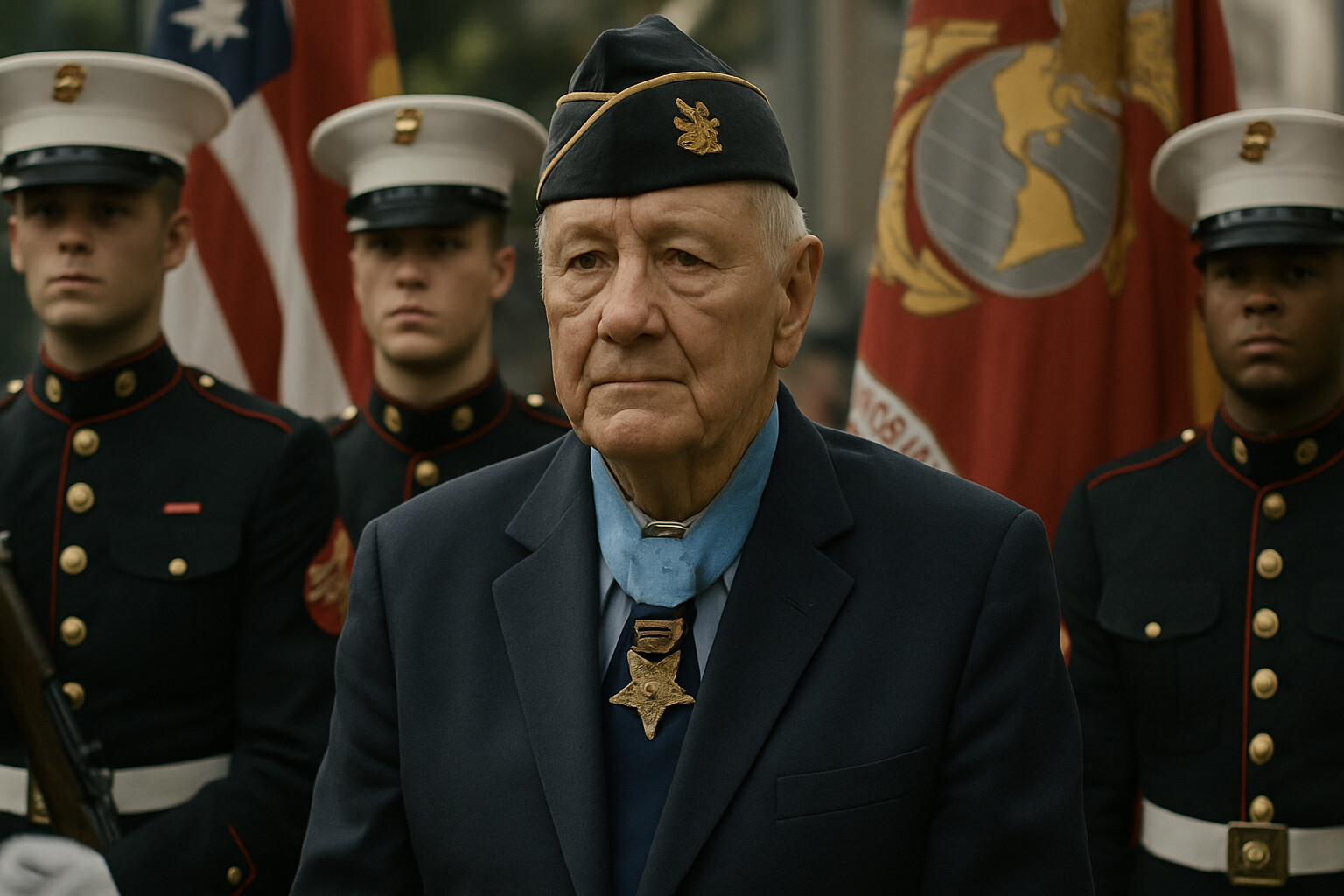
Lucas's action on Iwo Jima represents one of the clearest examples of battlefield heroism in Marine Corps history. The tactical situation was documented, the action was witnessed by multiple Marines, and the consequences were medically verified. Unlike some wartime heroism accounts that rely on tradition or disputed details, Lucas's Medal of Honor action is supported by extensive contemporary documentation.
The age factor adds a unique dimension to his story. At seventeen, Lucas was younger than most Marines' sons, yet he demonstrated the kind of instant courage under fire that military training attempts to instill but cannot guarantee. His decision to stow away to reach combat, followed by his actions in battle, illustrates the complex relationship between youth, patriotism, and warfare that characterized much of World War II.
Military historians note that Lucas's action also demonstrates the random nature of survival in intense combat. His survival of a point-blank grenade explosion resulted from multiple factors beyond his control: the failure of the second grenade, the volcanic ash beneath him, and the immediate availability of medical care. These factors do not diminish his courage, but they illustrate how battlefield heroism and battlefield survival often depend on circumstances beyond individual control.
The broader context of Iwo Jima gives additional weight to Lucas's action. The battle represented the climax of Pacific War violence, with casualty rates that shocked American military leaders and influenced the decision to use atomic weapons rather than invade Japan. Lucas's willingness to sacrifice his life for his squadmates occurred within this larger context of unprecedented sacrifice and determination.
**The Record and Its Limits**
Lucas's story is well-documented by military standards, but important details remain unclear or disputed. The exact tactical situation that led to the grenade attack cannot be fully reconstructed from available records. The specific Japanese unit responsible for throwing the grenades was never identified. Some details of Lucas's evacuation and early medical treatment exist only in summary form.
Witness statements from his squadmates provide the core evidence for his Medal of Honor action, but these accounts were given under battlefield conditions and later reconstructed from memory. While they consistently support the essential facts of his heroism, they do not provide the kind of detailed reconstruction that modern military historians prefer.
Lucas himself rarely provided detailed public accounts of his experience, making historical assessment dependent on official records and witness statements rather than personal narrative. This approach preserves the factual accuracy of the historical record while limiting the emotional and personal dimensions of the story.
The medical aspects of his survival have been analyzed by military medicine experts, but the exact factors that enabled him to survive a point-blank grenade explosion remain partially speculative. What is clear is that his injuries were severe enough to end his military career and required years of treatment.
**Remembering Heroes**
Jack Lucas died on June 5, 2008, at the age of 80. His death marked the passing of one of the youngest Medal of Honor recipients and one of the last surviving heroes of Iwo Jima. Military and veteran organizations honored his memory, but his death also represented the ongoing loss of World War II veterans who carried firsthand knowledge of the war's most significant battles.
Lucas's story raises important questions about how societies remember and honor military heroism. His action lasted only seconds, but its documentation and recognition created a lifetime of responsibility as a symbol of American courage. The burden of being a living symbol of heroism is rarely discussed in military history, but it shaped the post-war experiences of many Medal of Honor recipients.
The educational value of Lucas's story extends beyond its dramatic elements. His experience illustrates the realities of Pacific War combat, the effectiveness of World War II military medicine, the process of military award recognition, and the long-term consequences of battlefield trauma. These broader lessons give historical weight to what might otherwise be simply an inspiring story of individual courage.
Modern military training continues to use examples like Lucas's action to illustrate principles of leadership, sacrifice, and unit cohesion. But military educators also recognize that heroism cannot be taught or commanded—it emerges from the intersection of character, training, and circumstances that cannot be fully predicted or controlled.
The ultimate significance of Jack Lucas's story may be its demonstration that extraordinary courage can emerge from ordinary circumstances. A seventeen-year-old who lied his way into combat and stowed away to reach the battle became, in a moment of ultimate crisis, exactly the kind of Marine the Corps seeks to develop. His story suggests that the capacity for heroism exists in unexpected places and can emerge when least expected but most needed.